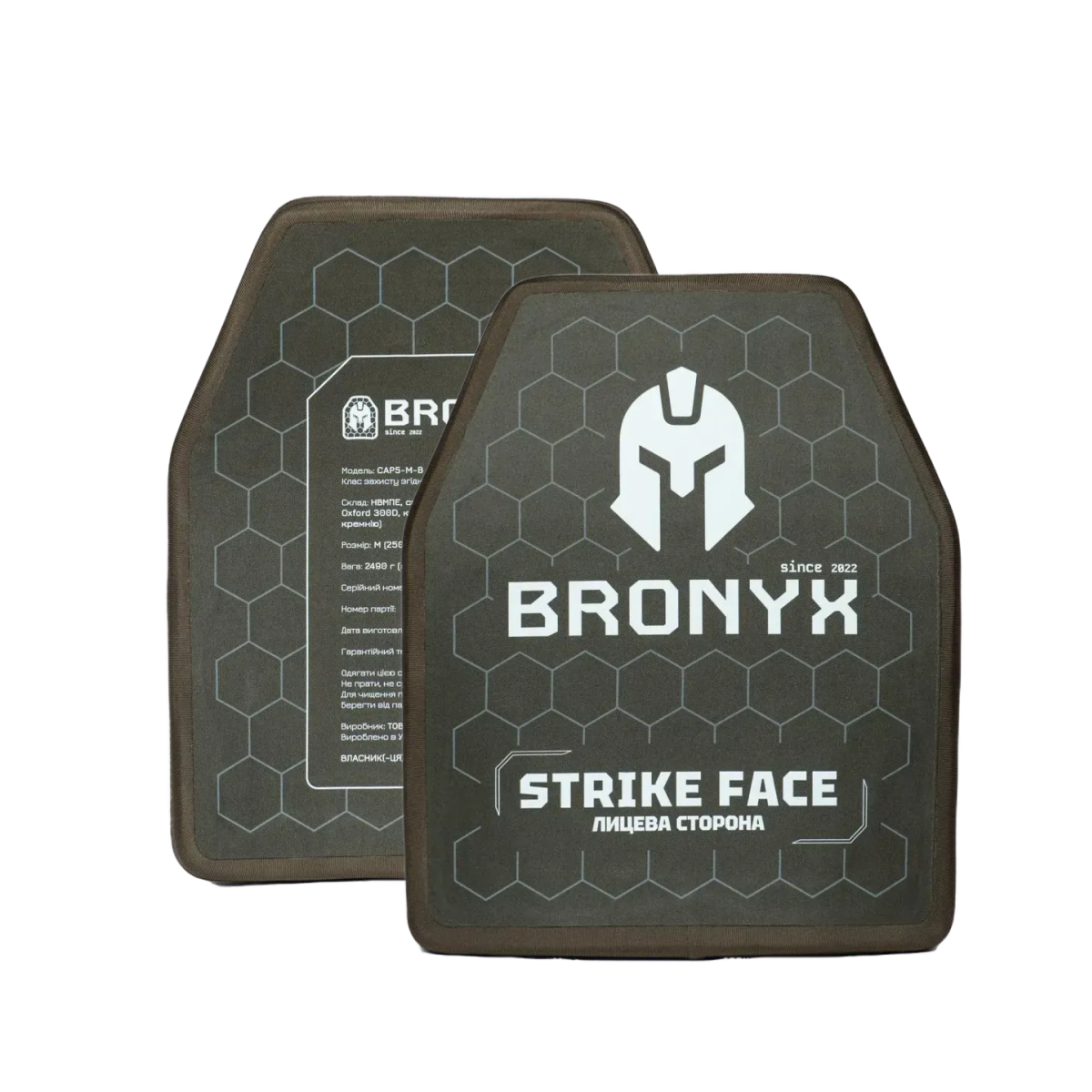
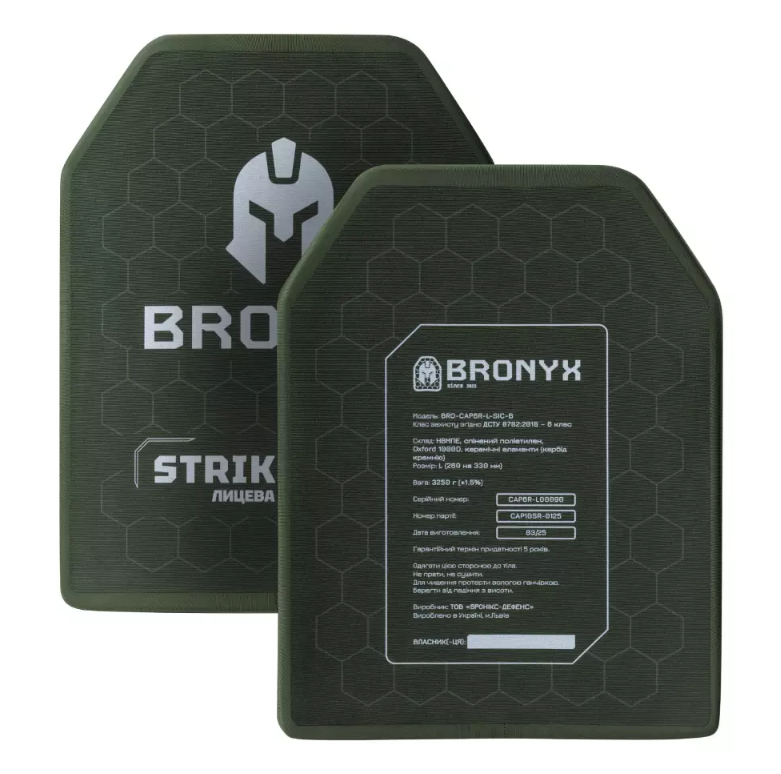
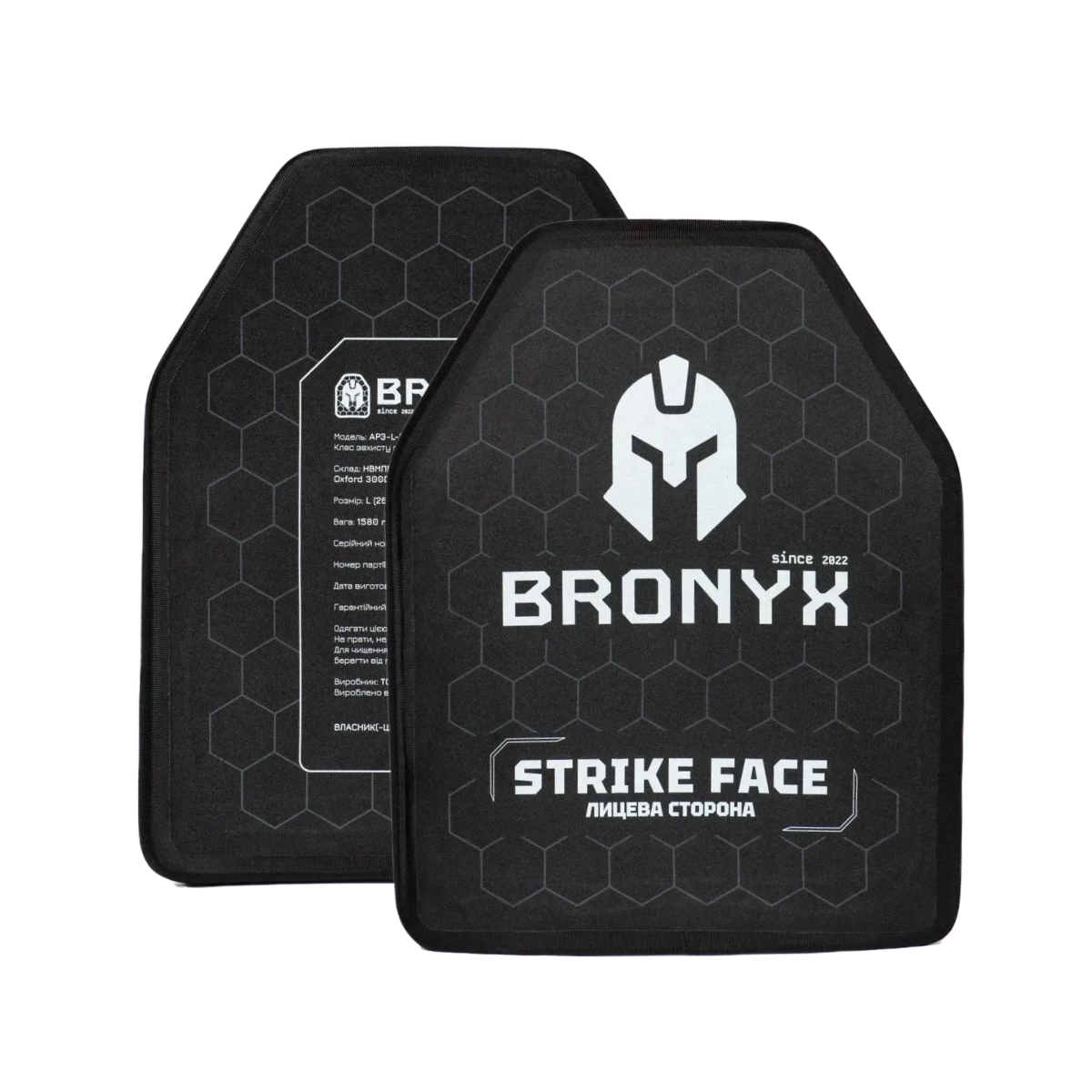
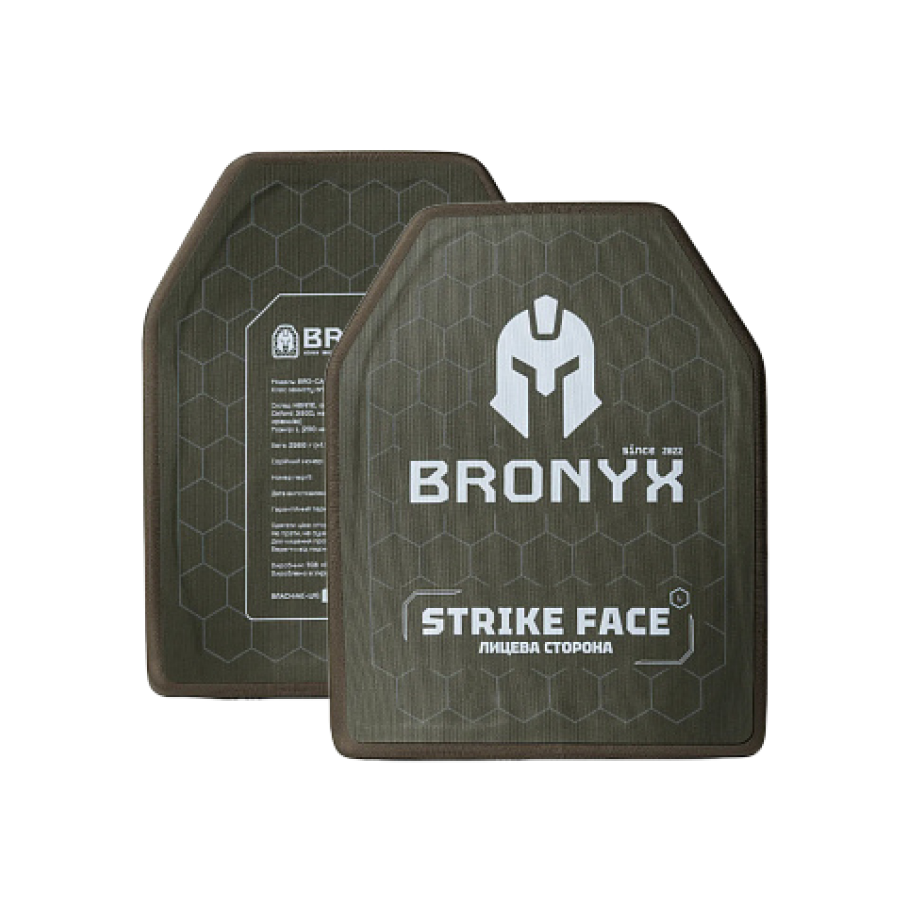
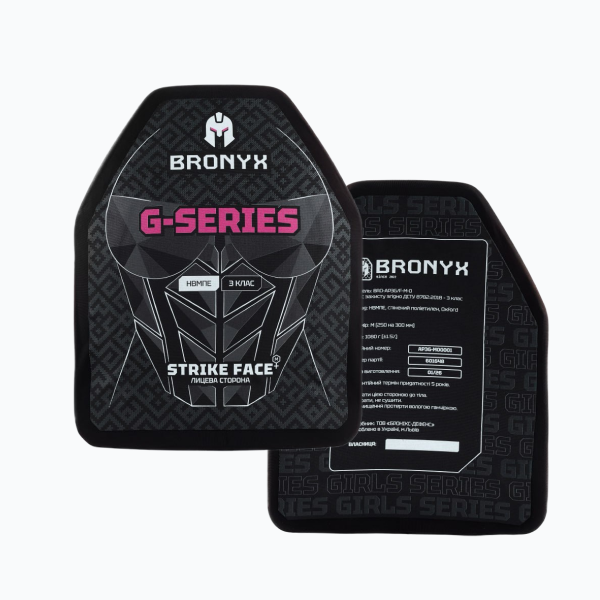
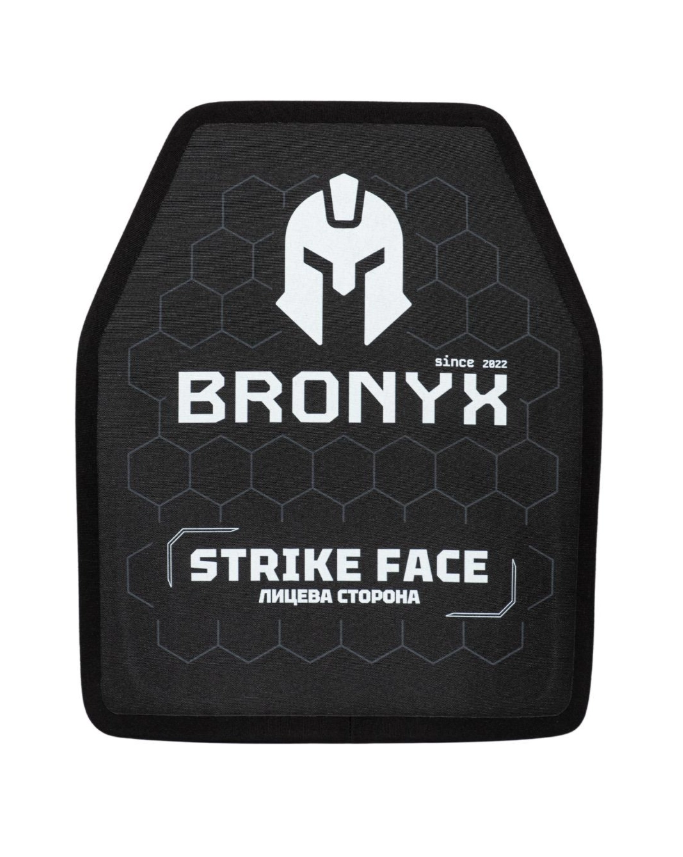
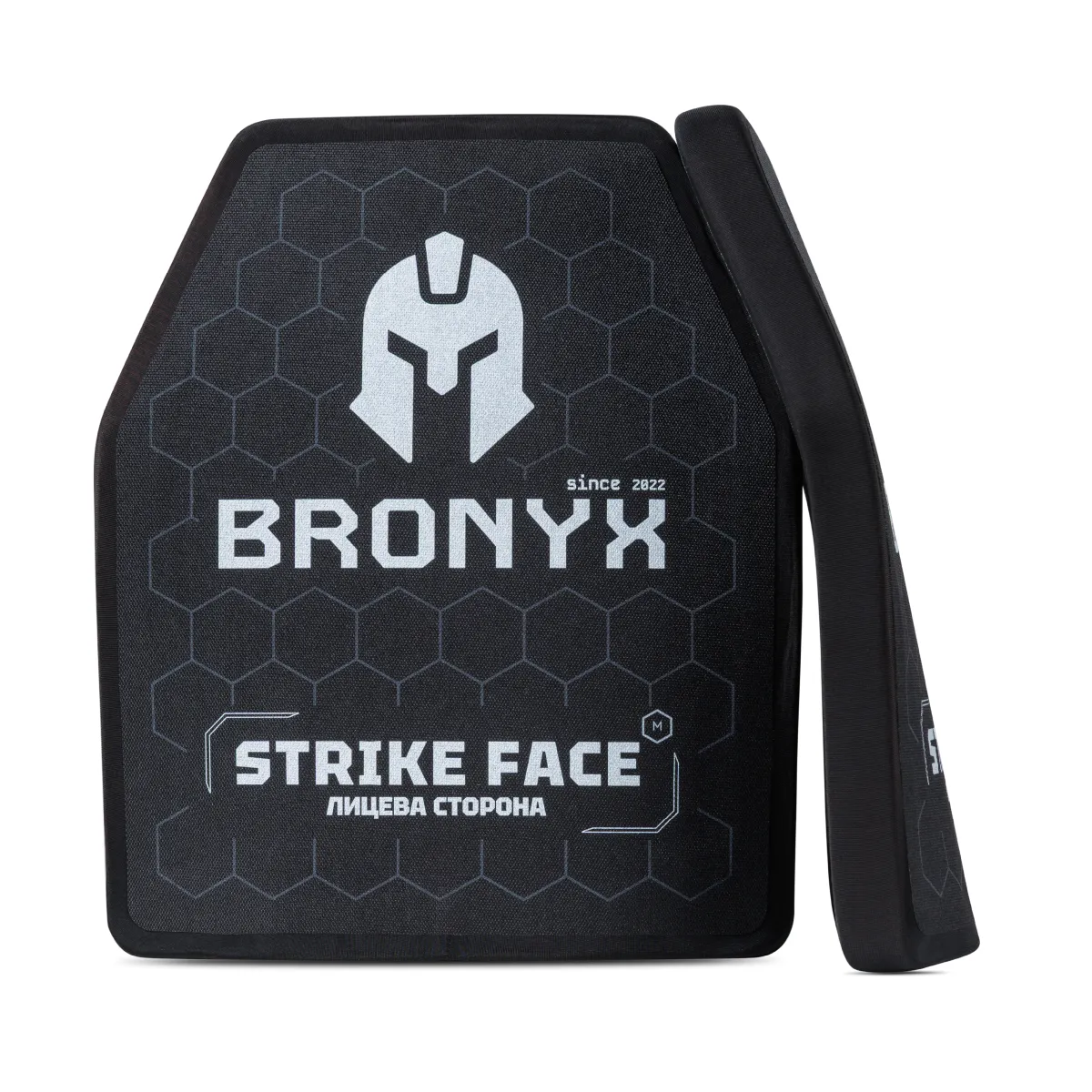
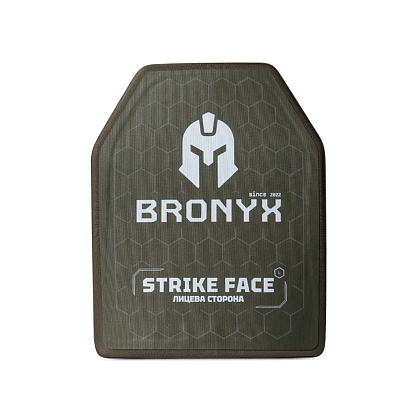
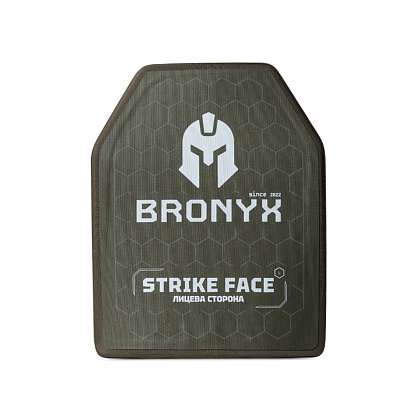
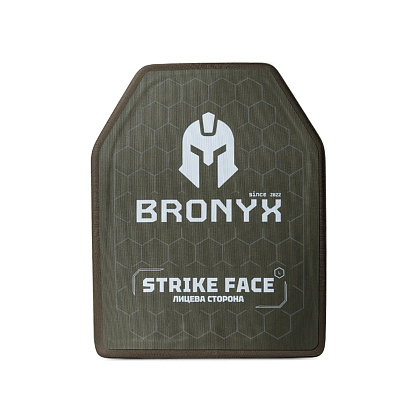
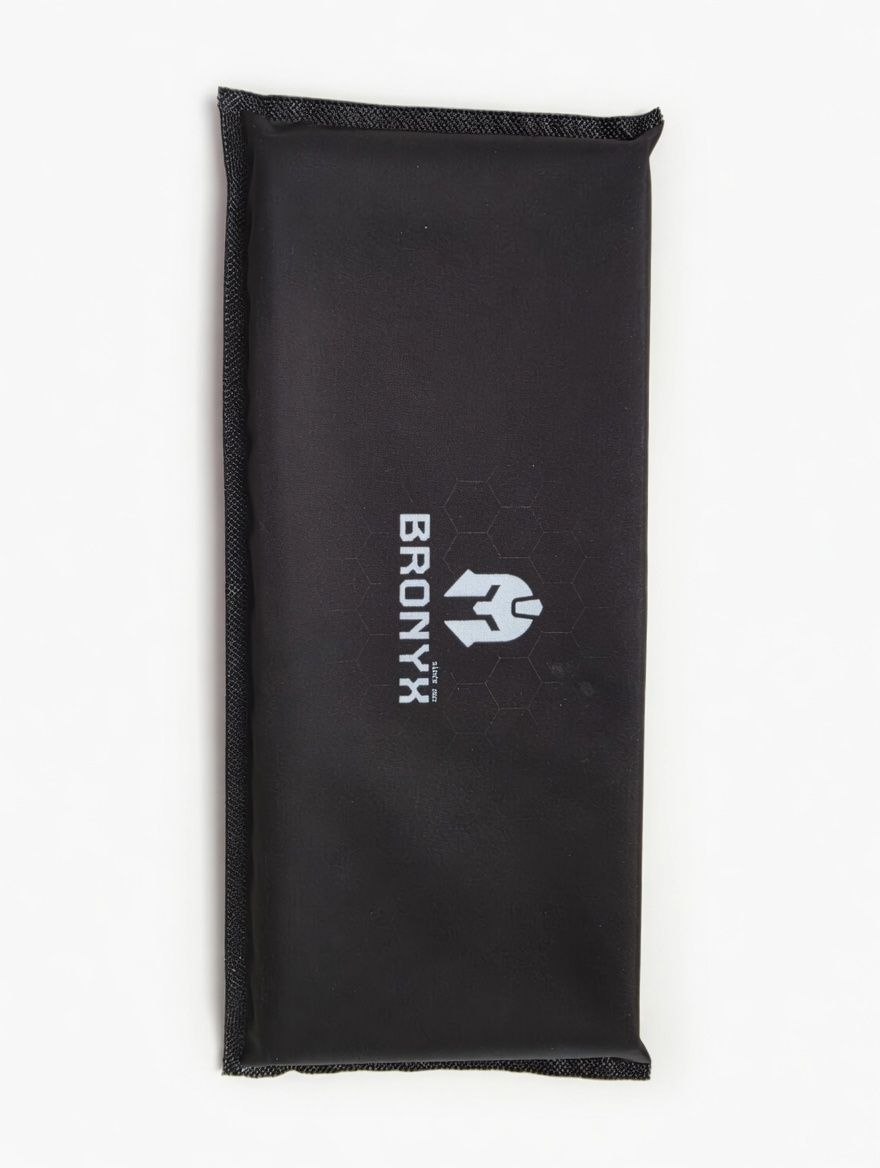
Protective Plates: Protection for Carrier Vests and Professional Equipment
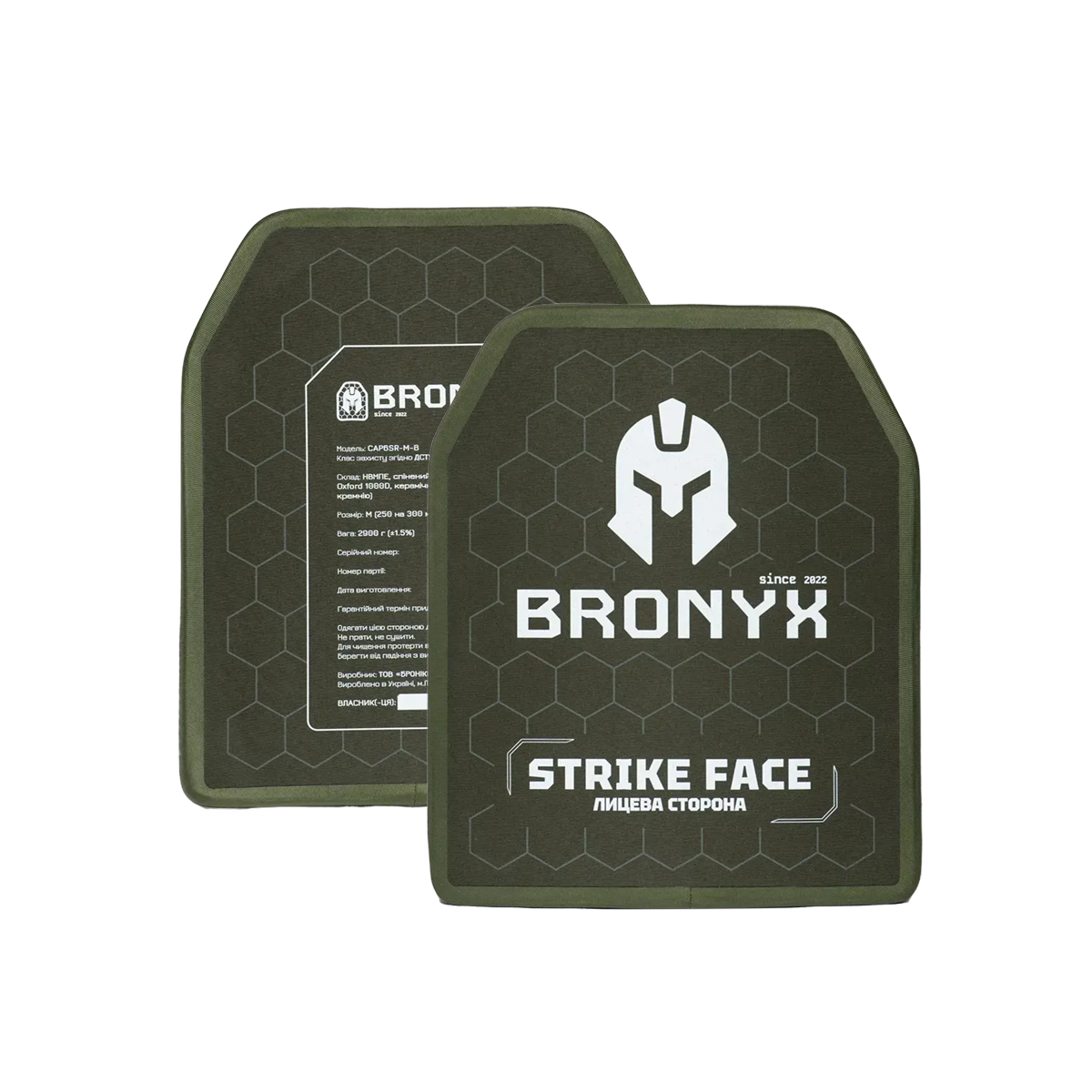
Protective plates are used as rigid components in personal protective equipment. They are placed inside dedicated carrier vest pockets to protect areas of the torso against specified impact-related threats. The characteristics of each model depend on its protection level, materials, construction, size, and weight. The TacMed online store offers protective plates in different levels and sizes, including individual models and two-plate sets. The range includes solutions made from UHMWPE, Al₂O₃ ceramic, SiC silicon carbide, and combined materials. This selection allows users to choose protective inserts according to their carrier vest, required protection level, and acceptable load.
What Are Protective Plates Used For?
A protective plate is placed in the front or rear pocket of a carrier vest to form a rigid protective panel. Its purpose is to withstand the specified threat conditions for which the particular model was designed and tested. Its protective properties are determined by the applicable standard, level, and product specifications.
Protective plates are used in the equipment of service personnel, law enforcement officers, security professionals, and other specialists whose work involves a risk of high-energy impact.
When assembling equipment, consider:
- protection level;
- plate material;
- size and shape;
- weight of one plate and the complete set;
- compatibility with carrier vest pockets;
- protective coverage area;
- specifications confirmed by the manufacturer.
The protective plate must correspond to the intended operating conditions and fit correctly inside the carrier vest. A model that is too large or too small may affect the fit of the equipment, restrict movement, or shift the protected area.
Protection Levels of Protective Plates
The protection level indicates the specified threat conditions against which the product has been tested. When choosing a model, refer to the standard stated by the manufacturer, test reports, and documentation for the specific plate. A level number alone, with no information about the applicable standard, is insufficient for an accurate comparison of different models.
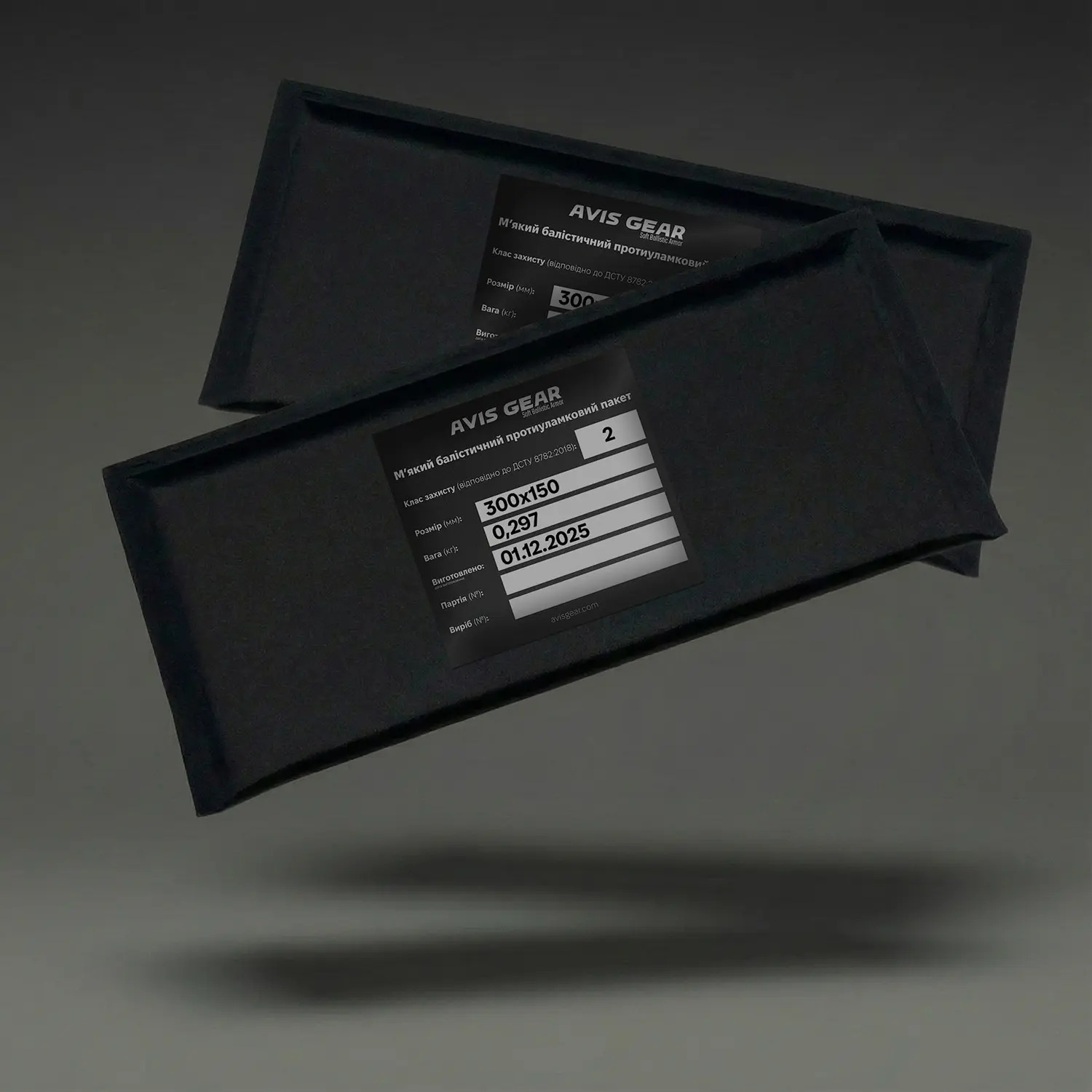
The TacMed catalog includes protective plates in levels 3, 4, 5, and 6. Level 2 protective inserts are also available. Different models use UHMWPE and composite structures containing ceramic materials.
When selecting a level, check:
- the standard under which the protective plate was certified or tested;
- the test media and testing parameters specified in the documentation;
- whether the model requires an additional soft protective insert;
- whether the protection level corresponds to the intended conditions of use.
The capabilities of a protective plate should not be evaluated solely by its thickness, weight, or material. Two visually similar models may have different protective characteristics because of differences in layer structure and manufacturing technology.
What Materials Are Used to Manufacture Protective Plates?
The material affects the weight, thickness, construction, and operating characteristics of the protective plate. UHMWPE, ceramic materials, and multilayer composite systems are widely used in current personal protective equipment.
UHMWPE, or ultra-high-molecular-weight polyethylene, is used to manufacture lightweight protective components. The material consists of high-strength polyethylene fibers formed into a multilayer structure. A relatively low weight is one of the advantages of these products.
Al₂O₃ aluminum oxide is used in ceramic protective plates. The hard ceramic layer operates as part of a composite structure together with a backing layer that helps absorb and distribute energy.
SiC silicon carbide has high hardness and is used in protective composites where the combination of performance and controlled weight is required.
The TacMed catalog includes models made from UHMWPE + Al₂O₃ and UHMWPE + SiC combinations, as well as UHMWPE-based protective plates. When comparing materials, evaluate the specifications of the finished product and its test results.
Size and Weight of Protective Plates
Size affects the protected area and compatibility with the carrier vest. A larger plate provides greater coverage, although its dimensions must correspond to the user’s physical measurements and the design of the equipment.
TacMed offers protective plates in M and L sizes. The category also contains protective inserts measuring 30 × 15 cm and 40 × 15 cm. Before ordering, check the pocket dimensions of the specific carrier vest and the actual dimensions of the selected model.
Weight becomes particularly significant when equipment is worn for extended periods. The front and rear plates, carrier vest, additional load, first-aid kit, communication devices, and other equipment all contribute to the total weight. A difference of even several hundred grams per plate affects the overall weight of the complete setup.
Selecting protective plates solely by minimum weight is impractical. Products should be compared within the same protection level, size, and testing standard.
How to Choose Protective Plates for a Carrier Vest
Before purchasing protective plates, check the carrier vest specifications. Manufacturers indicate compatible protective insert formats and pocket dimensions. The plate must fit inside the designated compartment and remain securely fixed.
The main selection criteria include:
- Protection level. Check the standard and the performance specifications stated by the manufacturer for the particular model.
- The plate should correspond to the user’s measurements and the size of the carrier vest pocket.
- Assess the total weight of the complete setup, especially when the equipment will be worn for many hours.
- UHMWPE, Al₂O₃, SiC, and their combinations have different physical and operating properties.
- Plate geometry affects fit, coverage area, and freedom of movement.
- Package contents. Check whether the product includes one protective plate or a pair.
- Confirmed test results and manufacturer data are essential for protective equipment.
Requirements for an additional soft protective insert must be checked separately. The design of the protective system depends on the specific model, so no universal rule applies to every plate.
One Protective Plate or a Set of Two?
The catalog may contain both individual protective plates and ready-made pairs. Check this information in the product name and product page before placing an order.
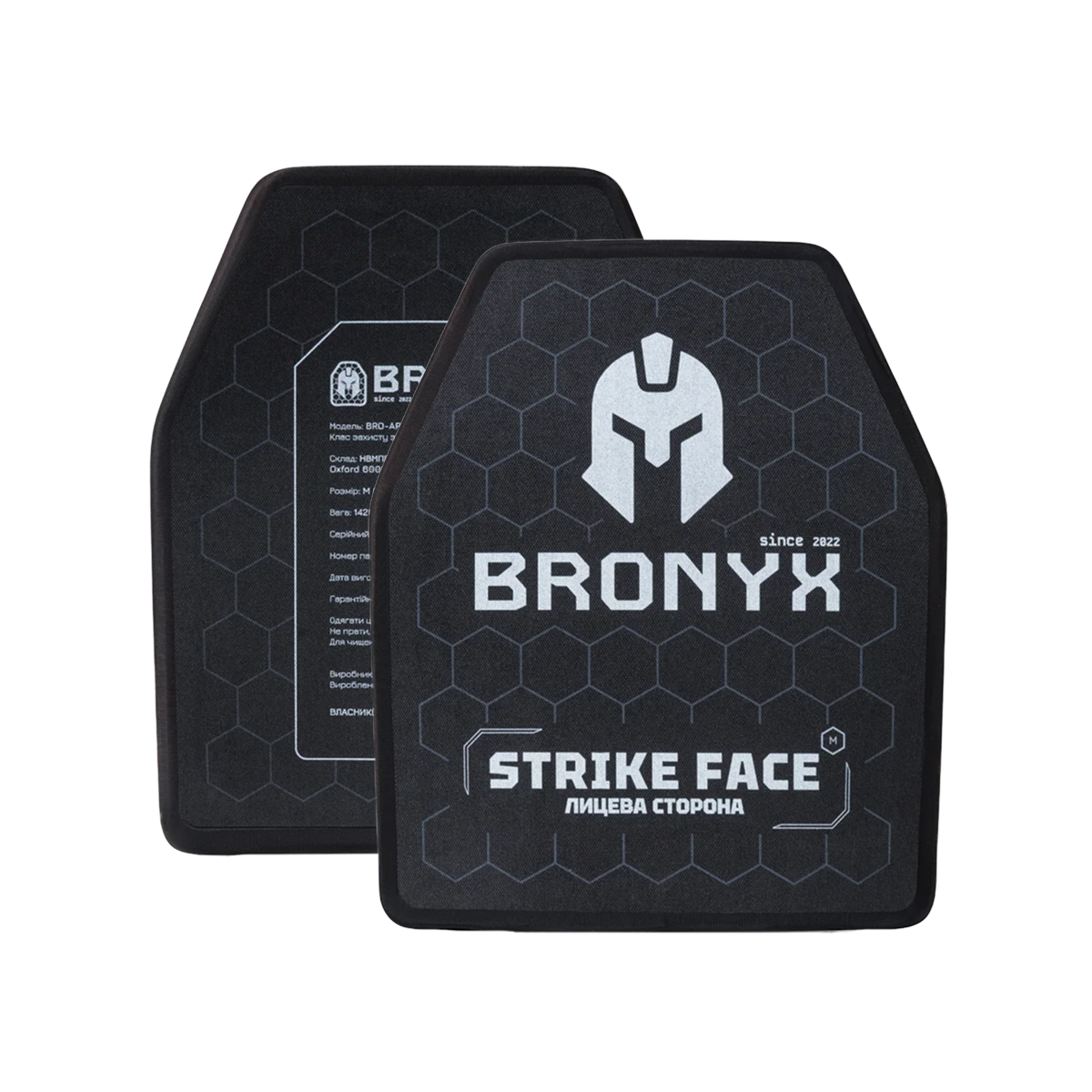
A pair allows the front and rear pockets of a compatible carrier vest to be equipped with matching protective components. A single plate may be required to replace an existing component or create a set for a particular equipment configuration.
When purchasing a pair, confirm that both products have the required level, size, and matching specifications. The combined weight of the two plates should also be considered.
What Should You Consider During Use?
Protective plates require careful handling. This is particularly relevant for models with ceramic components because strong mechanical impacts and falls may affect the internal structure even when no visible external damage is present.
During use, it is recommended to:
- follow the manufacturer’s instructions;
- inspect the outer surface periodically;
- monitor the condition of the protective coating;
- avoid strong impacts and falls;
- check correct positioning inside the carrier vest;
- avoid using the product after a severe impact event until it has been assessed or replaced according to the manufacturer’s instructions;
- observe the service life and operating conditions specified by the manufacturer.
Drilling, cutting, grinding, or making any other independent structural modifications to the protective plate is prohibited. Such alterations may damage the protective layers and change the stated product specifications.
How Should Protective Plates Be Stored?
Storage conditions depend on the materials and the manufacturer’s recommendations. Protective plates should be kept away from mechanical damage, excessive heat, and other factors outside the operating conditions established for the specific model.
Before long-term storage, inspect the surface, edges, and protective coating. If cracks, deformation, delamination, or other damage are detected, further use should be assessed according to the manufacturer’s instructions.
Do not test the condition of a protective plate by striking it or using other methods that create additional mechanical stress. Use only the inspection methods specified by the product manufacturer.
Buy Protective Plates from the TacMed Online Store
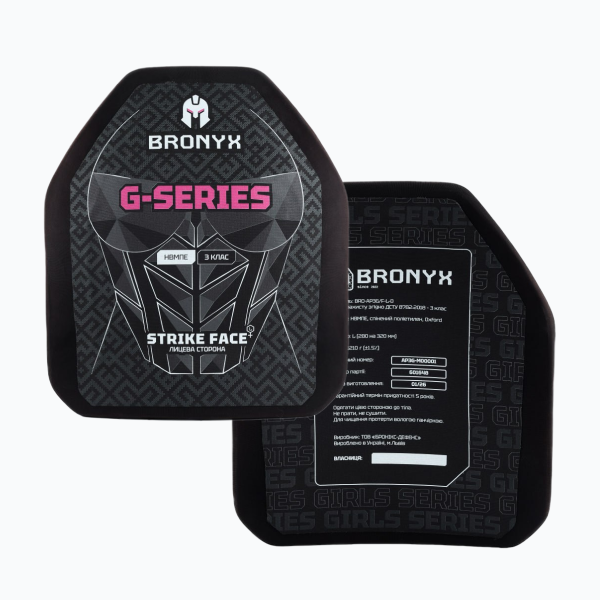
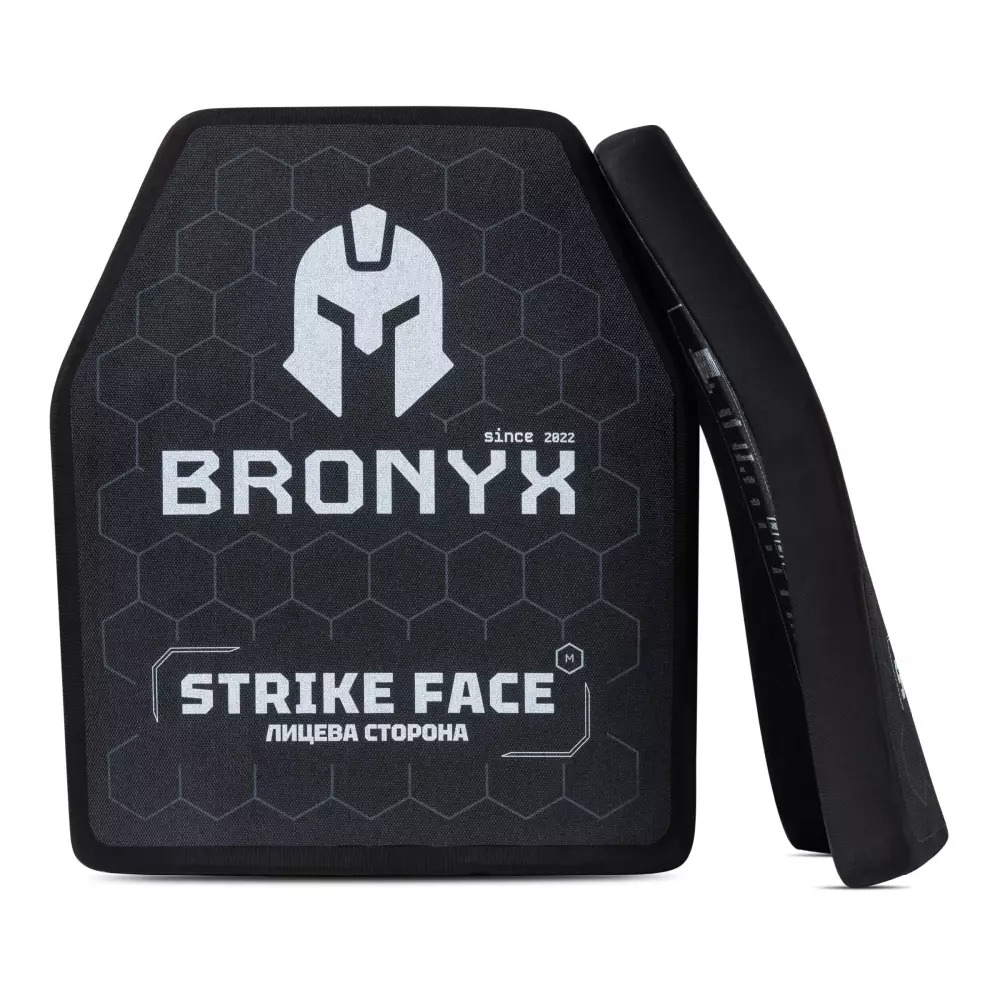
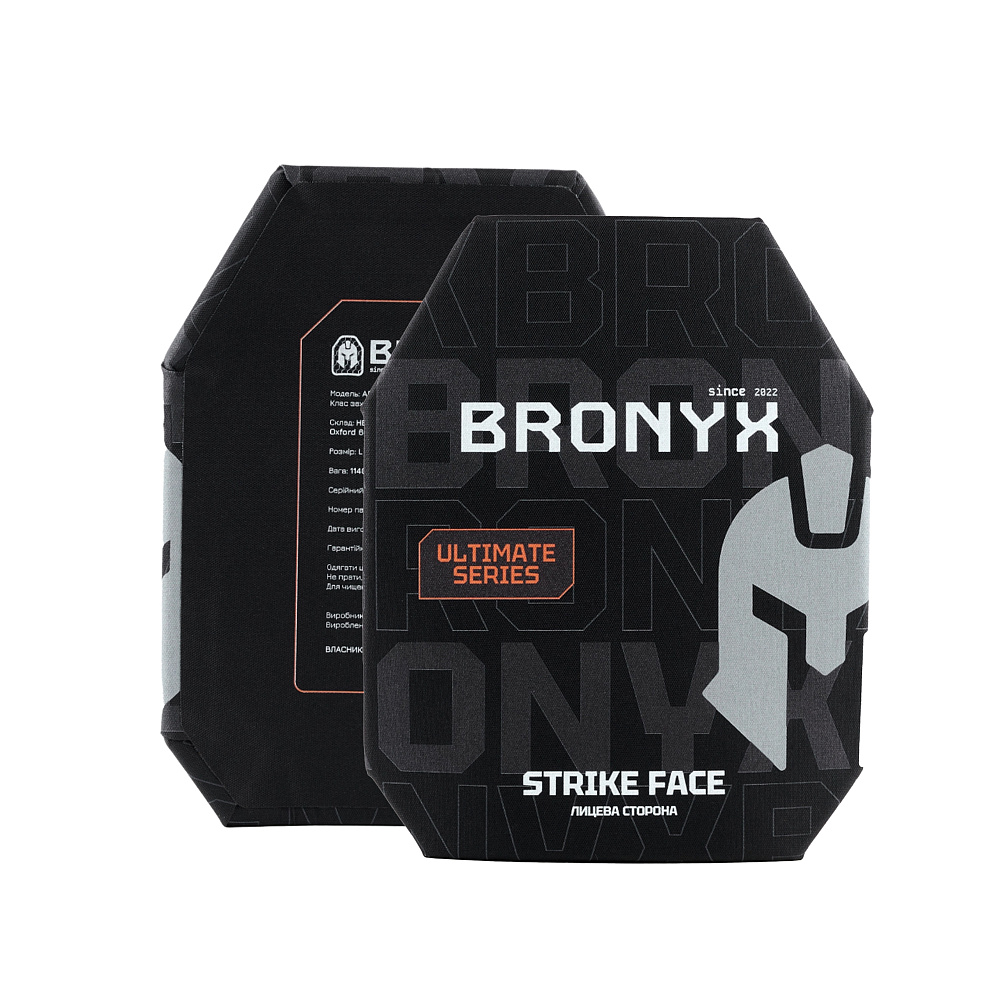
The TacMed online store offers protective plates for carrier vests and personal protective equipment. The category includes Bronyx and Avis Gear plates in different levels, sizes, and constructions. Individual plates, pairs, and soft protective inserts are available. Catalog filters help users select products by brand, size, weight, and other available parameters. Before ordering, compare the protection level, material, dimensions, weight, and compatibility with your carrier vest.
TacMed delivers orders throughout Ukraine, including Kyiv, Lviv, Odesa, Dnipro, Kharkiv, and other cities. The current price, availability, and specifications of a particular protective plate are provided directly on its product page.
FAQ
Which Protective Plates Are Available from TacMed?
The catalog includes protective plates in different levels and sizes, including Bronyx and Avis Gear models. The range contains individual plates, pairs, and soft protective inserts.
Which Protection Level Should I Choose?
The choice depends on the expected threat conditions and the standard under which the specific product was tested. Check the manufacturer’s documentation and model specifications.
How Do I Choose the Correct Plate Size?
Choose the size according to the user’s physical measurements and the dimensions of the carrier vest pockets. TacMed offers M and L protective plates, among other options.
Which Materials Are Used for Protective Plates?
Current models use UHMWPE, Al₂O₃ and SiC ceramic materials, and combinations of these materials. The material affects the construction, weight, and other characteristics of the finished product.
Can a Protective Plate Be Used After a Hard Fall?
After a strong mechanical impact, the product should be checked according to the manufacturer’s recommendations. Internal damage that is difficult to detect through a standard external inspection may be particularly significant in ceramic models.
Are Protective Plates Sold in Pairs?
Yes. The TacMed catalog includes individual protective plates and sets of two. Check the package contents in the name and specifications of the particular product.
What Determines the Price of a Protective Plate?
The price depends on the protection level, materials, manufacturing technology, size, weight, construction, and package contents. The current price is shown on the product page.