
Belt bags
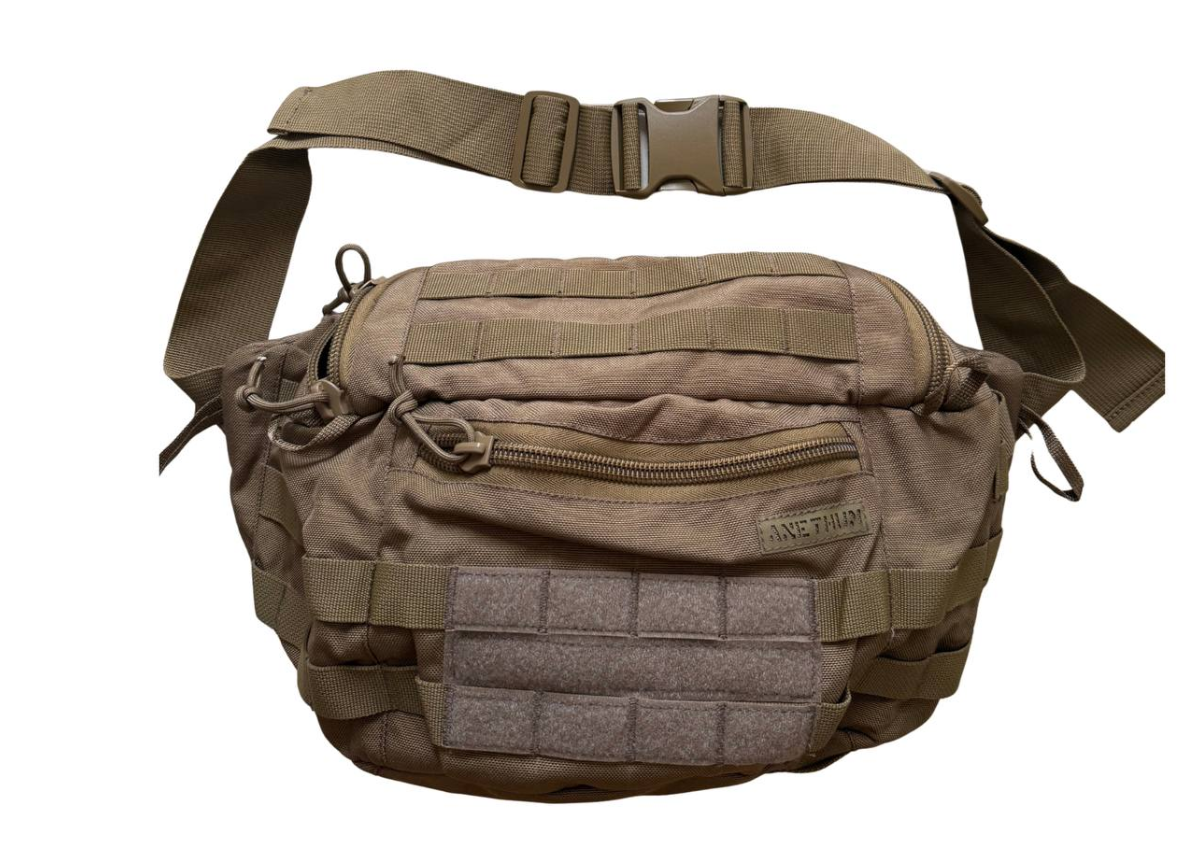
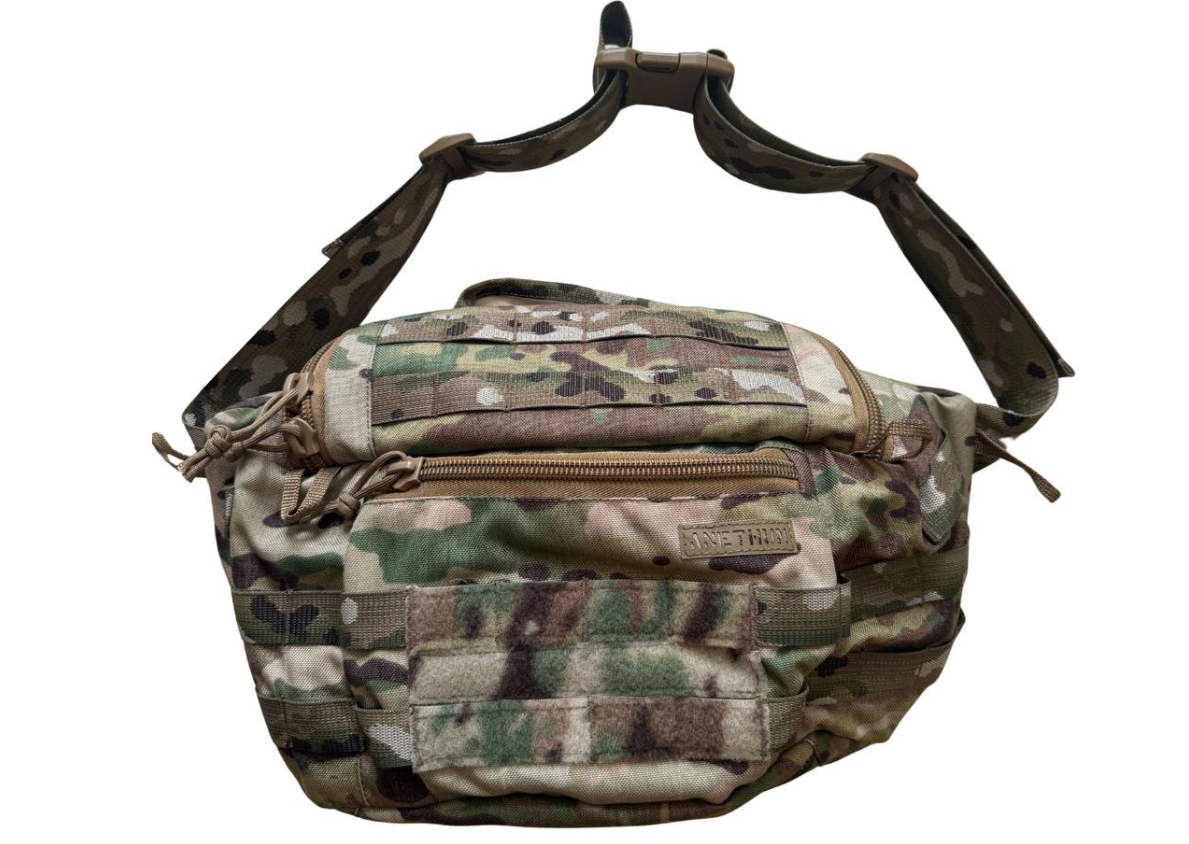
NEW ITEM
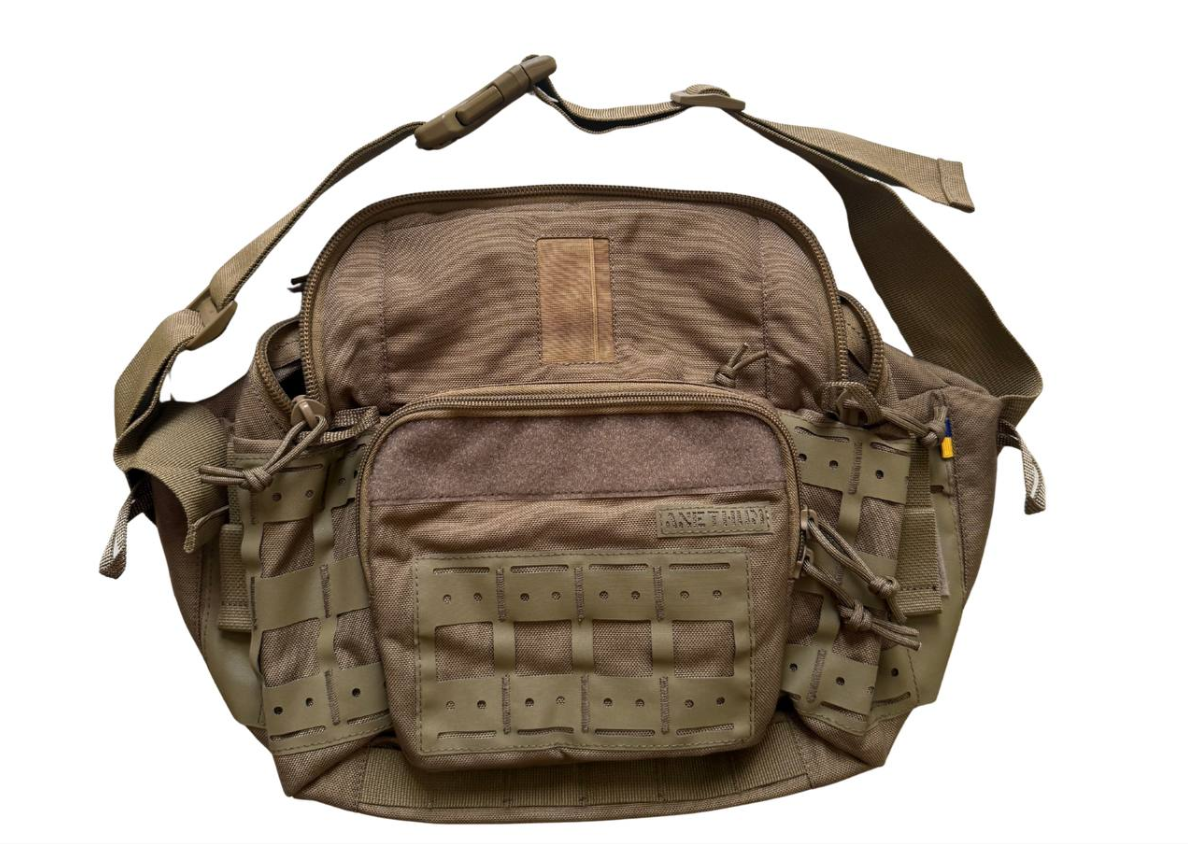
NEW ITEM
NEW ITEM
A belt bag lets you carry a first aid kit, tools, documents, and personal items with quick access to the contents. Its weight is distributed around the waist, leaving the shoulders free for a backpack, protective gear, or other equipment. This format suits service members, medics, volunteers, hikers, hunters, emergency responders, and anyone who needs a roomy bag for everyday tasks.
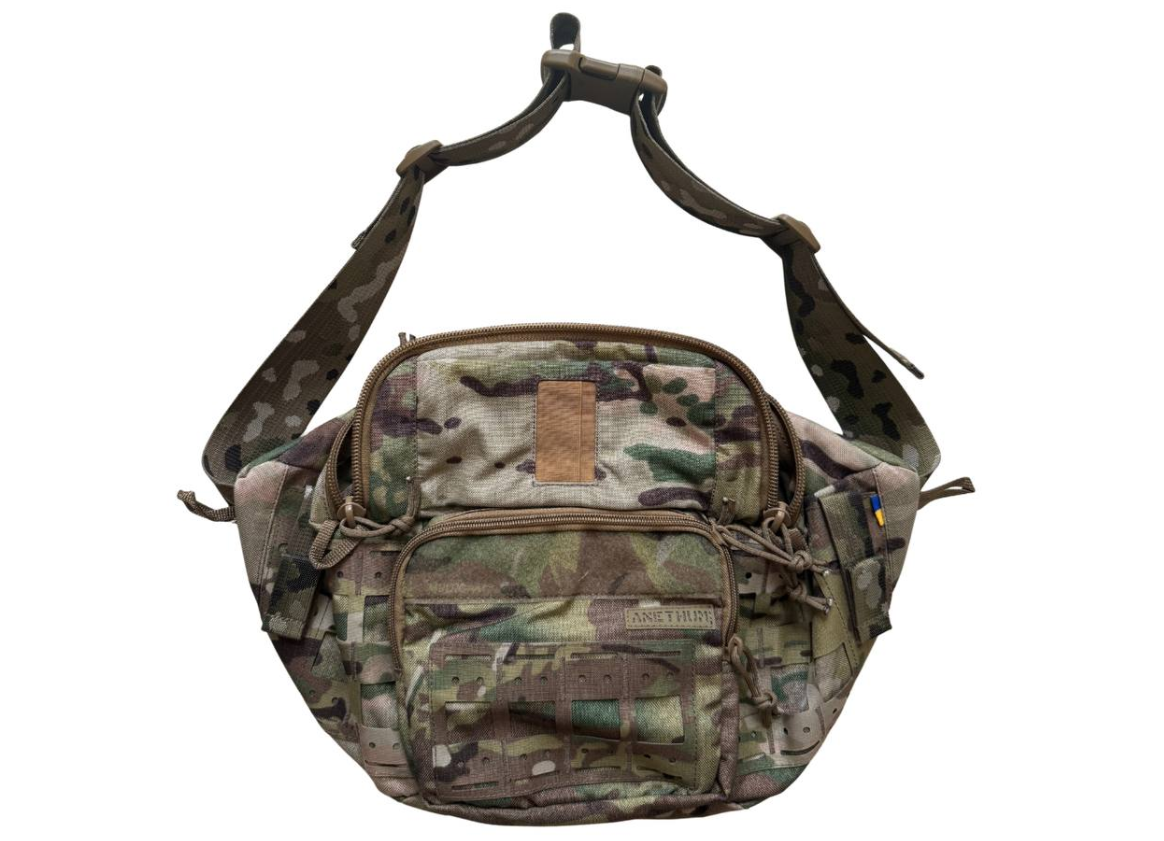
TacMed’s category features Ukrainian-made Anethum belt bags with a 7 L capacity, available in Multicam and Coyote. The models are made from Cordura and include internal pockets, mesh sections, retention webbing, a wide belt, and an external MOLLE system. Some versions also have a separate compartment for medical gloves.
A 7 L format sits between a compact pouch and a small backpack. It can hold more gear than a standard waist bag designed for a phone and documents, while keeping the main compartment accessible without taking off a backpack.
For a medic or trained rescuer, a belt bag can serve as an auxiliary medical module. It can hold dressing materials, gloves, shears, a marker, and other supplies suited to the user’s qualifications. Service members can use it for personal items, tools, extra pouches, or a reserve of consumables.
For hiking, the bag can carry a map, navigation device, power bank, flashlight, snack, gloves, and a compact first aid kit. For patrols, its 7 L capacity lets users organise documents, communication devices, and essential gear in separate sections. When working around vehicles, the bag can be moved to the front or side to reduce contact with the seat back.
The design affects how stable the bag remains while walking, running, and bending. The main compartment should hold its contents without excessive shifting. Internal pockets and webbing separate items by size and purpose. A wide belt helps reduce pressure from the load in one area.
Anethum 7L models have several design features:
The 7 L capacity does not indicate the exact space available in each section. The shape of the items, how tightly they are packed, and the position of internal dividers affect usable space. A large compression bandage takes up more room than several flat packages, even if their total volume is similar. Before purchasing, make a list of the gear and compare it with photos of the interior.
The MOLLE panel lets you attach compatible external modules. It can hold a tourniquet pouch, glove holder, small utility pouch, or other lightweight gear. External modules change the bag’s width, weight, and balance, so check the configuration again while moving.
A belt bag regularly comes into contact with clothing, belts, branches, vehicle seats, and other gear. The outer fabric bears the load of the contents and friction during movement. According to the TacMed catalogue, Anethum 7L models are made from Cordura 1000D.
The 1000D designation refers to the linear density of the yarn. It does not describe sewing quality, seam construction, coating type, or zipper durability. Assess the finished bag by considering its materials and design together.
CORDURA Classic is made from high-strength textured nylon yarns. The material manufacturer states that it resists abrasion and tearing, and produces 330D, 500D, 700D, and 1000D variants. The fabric may have a coating or laminate, so the finished bag’s resistance to precipitation depends on its specific construction, seams, and zippers.
After exposure to rain, inspect any contents in packaging that is sensitive to moisture. Documents, electronics, and medical products can be stored in sealed inner bags. This extra protection is especially useful on long routes and in wet conditions.
A 7 L bag needs organised compartments, since small items can shift to the bottom of one large section. Mesh pockets suit flat packages, cables, and items that need to be identified quickly. Elastic or textile webbing helps secure tools and medical components.
Place heavier items closer to the wearer and toward the lower part of the bag. This reduces outward pull on the bag and limits swinging. Sharp tools need a protective cover or a separate compartment.
Medical contents can be arranged by function. Supplies for major bleeding should go in an easy-access section. Gloves, a marker, and medical shears should be retrievable without emptying the entire bag.
A separate glove compartment on applicable models keeps gloves apart from the main kit. Do not overpack it, so the gloves can be removed in a controlled motion. Check the product listing before ordering to confirm the configuration of a specific version.
The external MOLLE panel expands the options for the base bag. Laser-cut rows of slots accommodate the attachment webbing of a compatible pouch. This panel has fewer sewn-on components than a traditional webbing-based design.
Weave the attachment webbing through successive rows on both the bag and pouch. Skipping sections increases movement and puts more stress on a single point. After fitting the pouch, check its security while walking, running, and squatting.
Keep the outer section moderately loaded. Bulky modules increase the distance between the load’s centre of gravity and the wearer, making the bag swing more. They may also catch on belts, gear, or parts of a vehicle interior.
A separate compatible pouch can hold a frequently used tourniquet. TacMed has a dedicated category of tourniquet pouches for users who need a specific option. Match the attachment and pouch size to the tourniquet model.
The bag can sit at the front, on the side, or across the lower back. A front position makes it easier to check the contents and use the main compartment. A side position leaves the centre of the torso clear. Wearing it across the lower back is convenient while walking, but you will need to turn the bag to reach inside.
Adjust the belt after fully loading the bag. An empty bag weighs less and sits differently, so an initial fitting is only approximate. The belt should fit snugly and stay at the adjusted length.
When wearing a backpack at the same time, check how the bag interacts with the backpack’s waist belt and lower edge. The two belts may press against each other or block buckles. Moving the belt bag to the front may be more comfortable, leaving the lower back clear for the backpack.
When worn with protective gear, the bag should fit alongside the cummerbund, front panel, and pouches. It must not cover a quick-release system or evacuation strap. Make sure all fasteners remain accessible while wearing gloves.
Start by listing the items you plan to carry and their total weight. A 7 L capacity suits expanded EDC, an auxiliary medical kit, or hiking gear. If the load is too heavy, move some equipment to a medical backpack or another bag. Decide separately whether you need to attach external MOLLE modules.
Check these features when choosing:
Once you have chosen a model, load it with the planned kit and adjust the belt. Walk, climb stairs, squat, and bend forward. The bag should stay in place without restricting movement. If it swings, adjust the belt tension or redistribute the weight.
Check access to the main items with either hand. This test is especially useful for a medical kit and for use while wearing gloves. The user should know where each primary component is stored. Repeat the check whenever the contents change.
Contents depend on the intended tasks and the user’s training. For everyday carry, you might include sections for documents, a phone, power bank, cables, flashlight, and personal first aid kit. A hiking setup may also include a map, navigation tools, a snack, and protection from precipitation.
A medical kit may contain gloves, compression bandages, hemostatic products, occlusive dressings, shears, and other components. Invasive equipment and professional medical products should be used by appropriately trained specialists. Pack the bag according to current protocols and team requirements.
Keep personal medicines in their original packaging, with the name, dosage, and expiry date legible. Temperature and humidity should meet the medicine manufacturer’s requirements. A soft bag does not protect fragile ampoules from heavy compression, so use a rigid inner container or ampoule case.
Large reserves of consumables take up considerable space. If a medic uses the bag, divide the equipment between it and a medical bag. Keep first-line supplies in the belt module and store reserve items separately.
The bag’s condition depends on how often it is used, the weight it carries, and the surrounding conditions. Dust and sand may accumulate in the zippers, while contamination reduces the grip of textile fasteners. Inspect webbing and buckles regularly at their main stress points. Check medical contents against a separate inventory list.
During a scheduled inspection:
After cleaning, dry the bag completely in a ventilated area. Water temperature and suitable cleaning products depend on the finished product manufacturer’s instructions. Harsh substances can damage the coating, hardware, and fabric colour. Return medical supplies to the bag only after it is dry and has been inspected.
Unpack a wet or contaminated kit soon after use. Replace damaged sterile packages. If the zipper requires noticeably more force to close, reduce the load or rearrange the contents. Excessive tension can gradually damage the seams and fastener.
Overloading reduces the benefits of a belt-bag format. The bag can pull on the belt, press against the hips, and swing during movement. A 7 L capacity does not mean the bag needs to be completely filled with heavy items.
Another mistake is uneven weight distribution. Heavy equipment in an outer pocket moves the centre of gravity away from the wearer. Place the heaviest items closer to the inner wall.
External MOLLE modules can also overload the bag. Each added pouch increases its width and creates new snag points. After changing the configuration, try it on again with the full set of gear.
Using one compartment for tools, documents, and medical packages makes items harder to find and increases the risk of damage. Use the internal pockets, mesh, and retainers to separate contents by function. Keep primary items in consistent locations.
The TacMed online store offers the Anethum 7L belt bag in Multicam and Coyote. The models are made in Ukraine from Cordura 1000D and feature a wide belt, internal organisers, YKK hardware, and an external MOLLE panel.
Some versions have a dedicated compartment for medical gloves. Check the configuration of the specific model before ordering, since the category includes versions with different designs. The current price and availability are shown on the product pages.
You can order medical pouches, tourniquet holders, gloves, dressing materials, and other first aid kit components with the bag. Delivery is available to Kyiv, Lviv, Odesa, Kharkiv, Dnipro, Zaporizhzhia, Vinnytsia, Poltava, Cherkasy, Zhytomyr, Chernihiv, Rivne, Lutsk, Ternopil, Ivano-Frankivsk, Uzhhorod, Chernivtsi, Khmelnytskyi, Kropyvnytskyi, Mykolaiv, Sumy, Kherson, and other cities in Ukraine.
FAQ
What is the capacity of Anethum belt bags?
The models listed in the TacMed category have a capacity of 7 L. This format suits expanded EDC, a medical module, a hiking kit, or work gear.
What material are the bags made from?
The product descriptions specify Cordura 1000D. The interior has pockets, mesh, and retention webbing.
Which colours are available?
The catalogue features Multicam and Coyote versions. Check the product listing for current availability of a particular colour.
Does the bag have a MOLLE system?
Yes. The Anethum 7L has an external laser-cut MOLLE panel for compatible pouches and holders.
Are medical supplies included?
The bag is sold separately from its medical contents unless the product listing for a specific model states otherwise. Build the kit according to the user’s needs and training.
How do Anethum 7L versions differ?
The catalogue includes models in the same colours at different prices. Some listings specify a separate glove compartment, so check the design before ordering.
Is the bag suitable for hiking?
Its 7 L capacity, wide belt, and internal compartments suit route gear, a small first aid kit, navigation tools, a flashlight, and personal items. Distribute the total weight so the bag does not swing.
Can it be used as a medical bag?
Yes. The 7 L model can be configured as an auxiliary medical module. Its contents depend on the user’s training and planned tasks.
How do I adjust the belt length?
Adjust the belt after fully loading the bag and account for seasonal clothing. During fitting, check stability while walking, sitting, and bending.
Where can I buy an Anethum belt bag in Ukraine?
Anethum 7L models in Multicam and Coyote are available to order from TacMed. Current specifications, prices, and availability are listed on the product pages.
