MARCH: Field Medicine Supplies for a Step-by-Step Response
MARCH is a primary assessment and care sequence for a person with physical trauma. The acronym covers five priorities: Massive Hemorrhage, Airway, Respiration, Circulation, and Hypothermia/Head Trauma. These refer to severe bleeding, airway patency, breathing, circulation, preventing hypothermia, and assessing head trauma. This order helps responders identify and address threats that could become fatal within a short time. The MARCH sequence appears in TCCC training materials and can be extended to MARCH-PAWS during later stages of care.
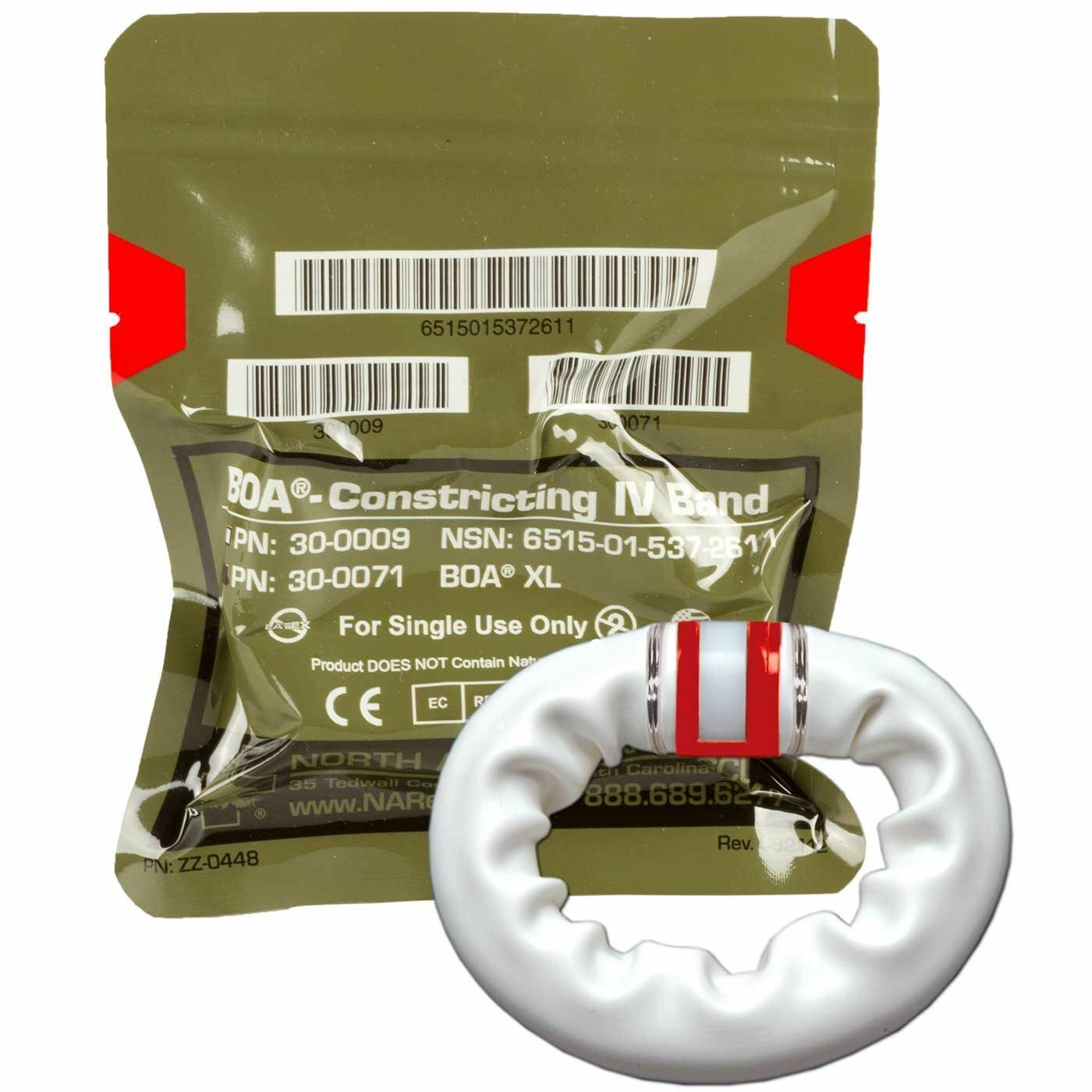
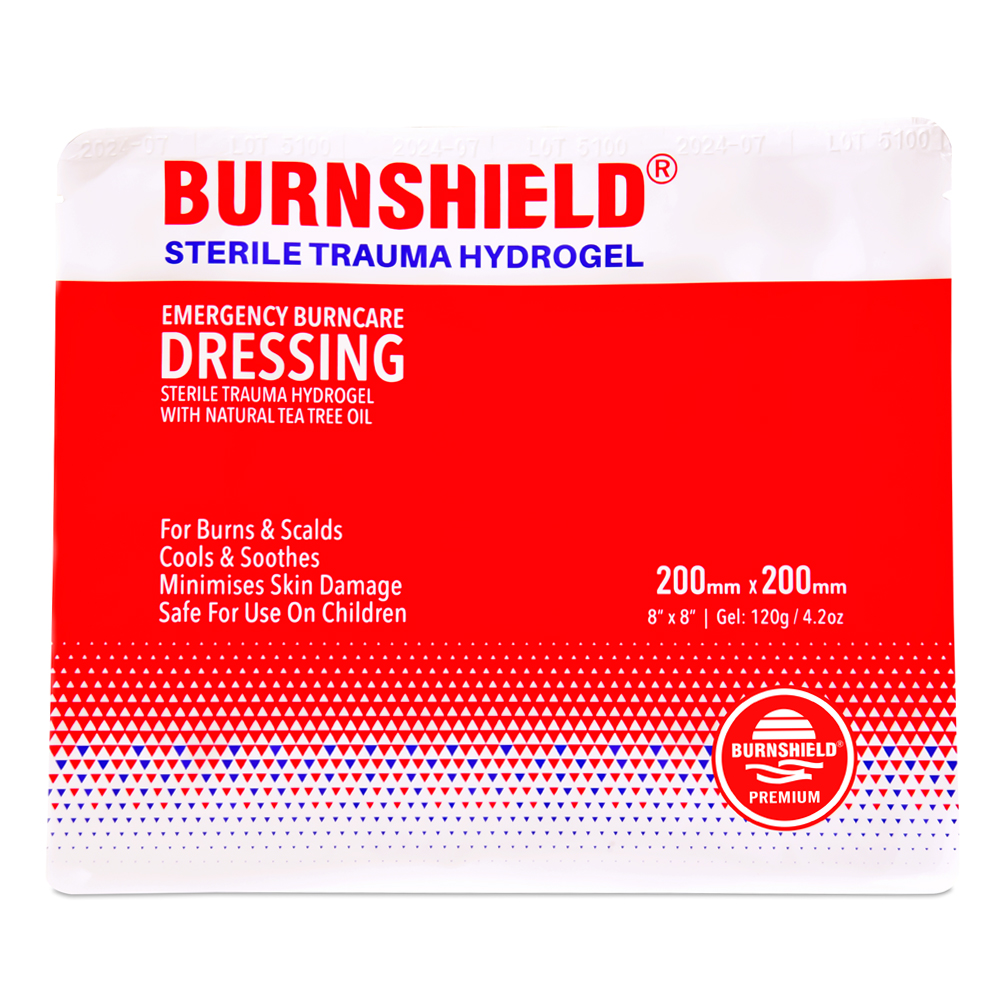
The MARCH category at the TacMed online store includes tourniquets, hemostatic products, bandages, airway adjuncts, occlusive dressings, decompression needles, circulation support supplies, emergency blankets, and other equipment. The catalog is organized by the letters of the algorithm, making it easier to choose components for each stage of the primary assessment. Brands include North American Rescue, Celox, QuikClot, Safeguard Medical, PerSys Medical, SAM Medical, Teleflex, Sich, TACMED, and Tacmedsolution.
What Does the MARCH Algorithm Mean?
MARCH helps responders follow an established order when assessing a person with trauma. Each letter stands for a group of threats and related actions. Move to the next stage after checking the previous priority and taking the available steps within the responder’s training. Repeat the assessment after moving the person or if their condition changes.
The algorithm consists of these stages:
- M, Massive Hemorrhage, severe bleeding. Quickly check for critical external bleeding and use an appropriate method to control it. A tourniquet may be used on a limb. For areas where a tourniquet cannot be applied, use hemostatic gauze, wound packing, and a compression bandage.
- A, Airway. Check airway patency and the person’s ability to breathe. The choice of technique or aid depends on the person’s condition and the responder’s level of training.
- R, Respiration. Assess the chest, breathing pattern and rate, symmetry of movement, and any damage. Open chest injuries may require an occlusive dressing. Invasive procedures should be performed by trained medical professionals when indicated.
- C, Circulation. Check for signs of shock, pulse, and the condition of previously applied tourniquets and dressings. Continue looking for other sources of bleeding. Intravenous or intraosseous access, medication, and blood components are handled by medical personnel.
- H, Hypothermia/Head Trauma. Protect the person from heat loss regardless of the ambient temperature. At the same time, assess their level of consciousness and signs of head trauma, and prepare them for evacuation.
The MARCH sequence reflects physiological priorities in trauma care. Check for severe bleeding before assessing the airway because substantial blood loss can cause a rapid, critical decline. After the initial pass through the algorithm, reassess whether each action has worked. Even a properly applied device can shift during transport or lose effectiveness if bleeding continues. The algorithm provides a foundation for practical training, so first aid kit preparation should go hand in hand with training and regular skills practice.
M: Supplies for Controlling Severe Bleeding
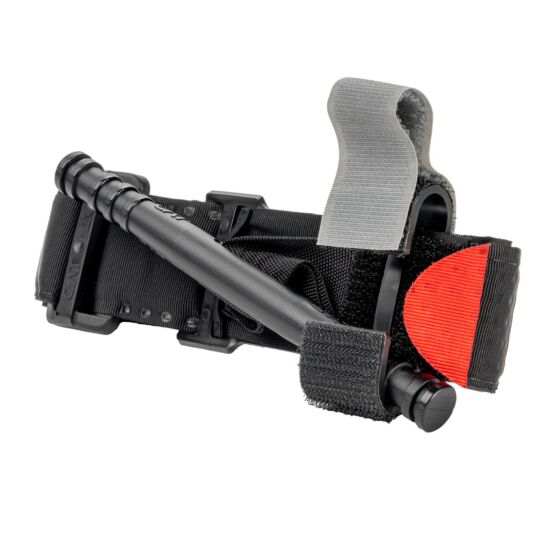
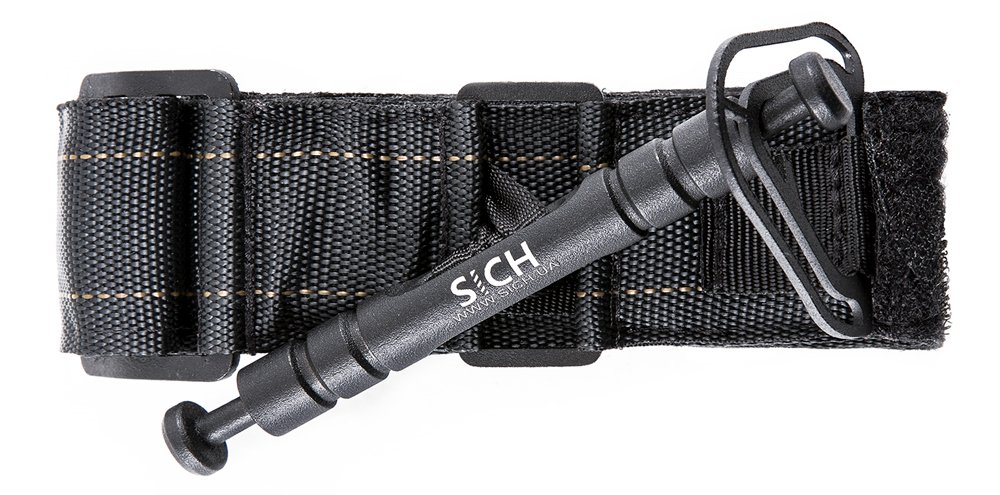
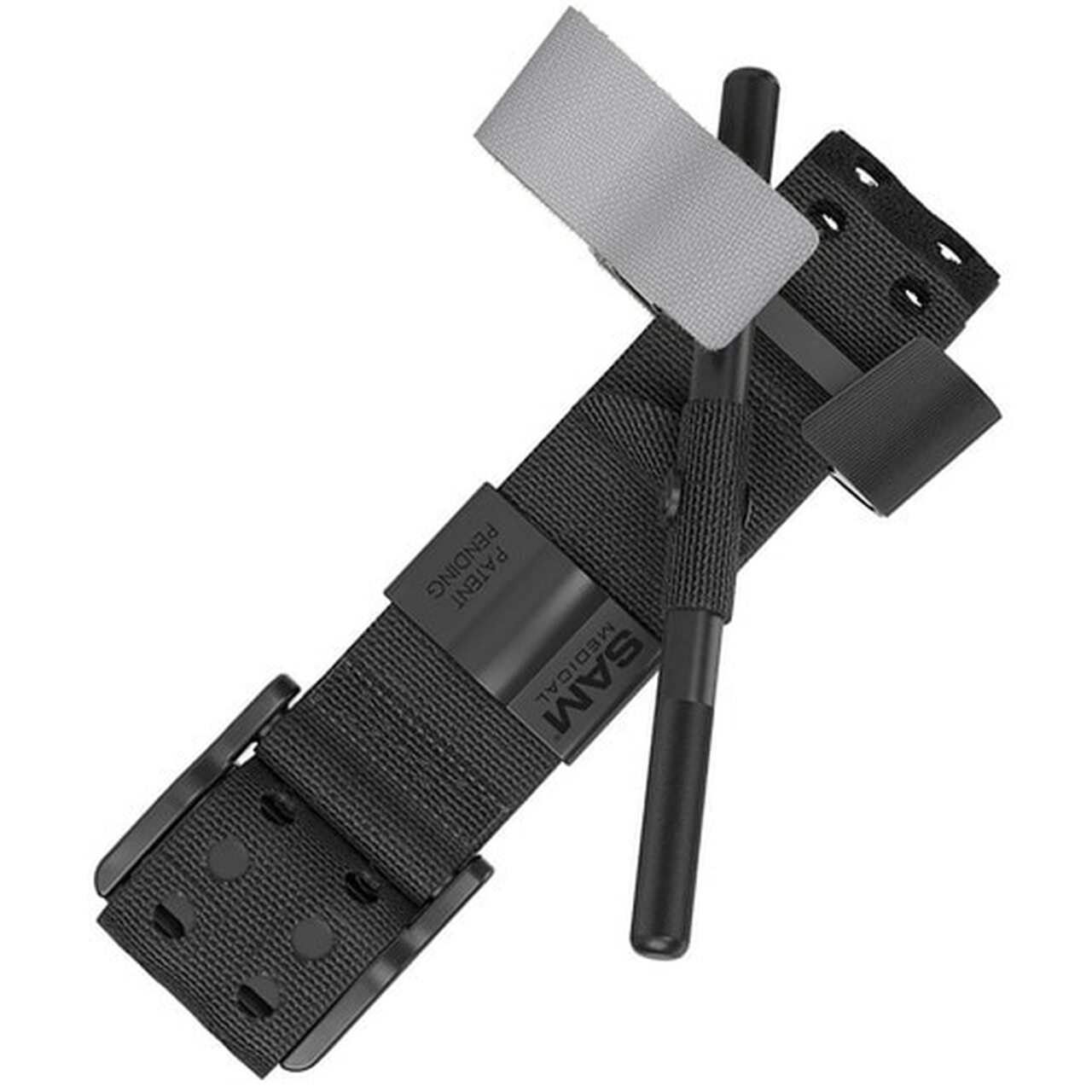
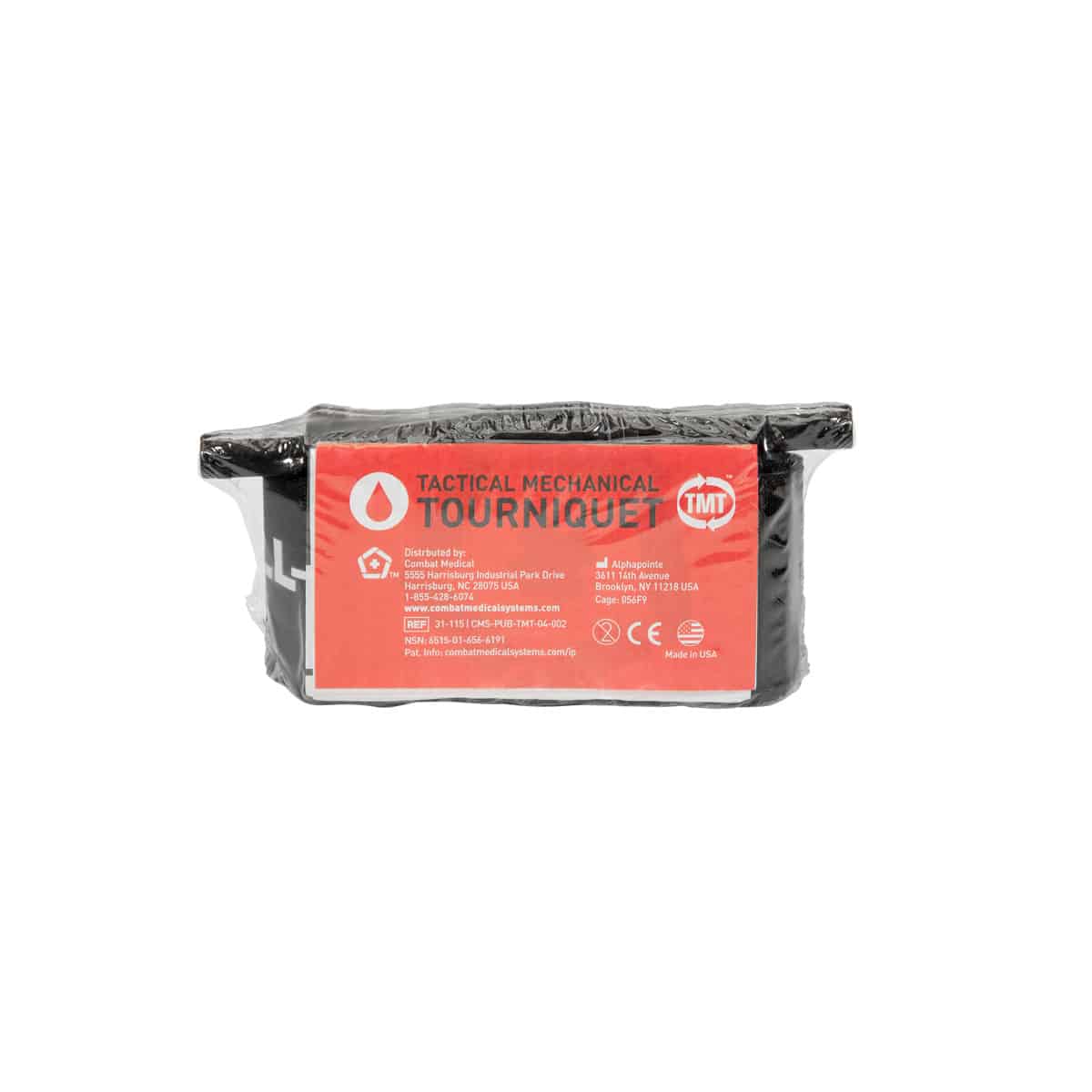
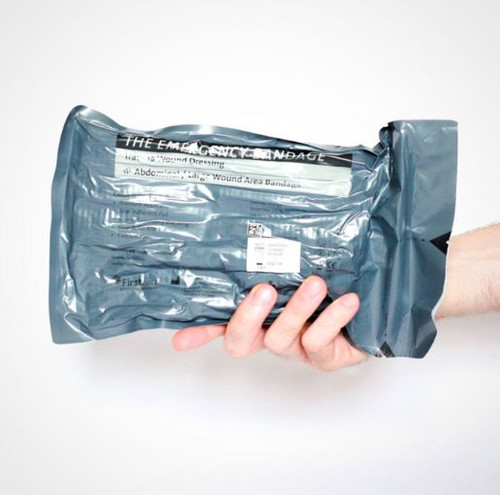
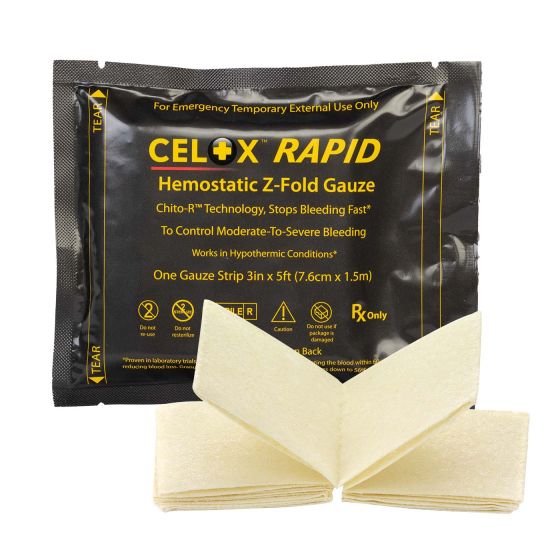
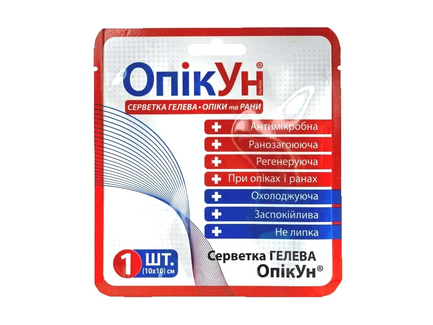
The first stage covers quickly identifying and controlling life-threatening bleeding. TacMed offers CAT Gen7, SOFTT-W Gen 5, SAM XT, TMT, and SICH tourniquets, Celox Rapid, QuikClot, and Hemostatic gauze, PerSys Medical Israeli bandages, ETD trauma dressings, and sterile dressing packs.
Use a tourniquet for life-threatening bleeding from a limb in accordance with your training. The model’s design affects how it is tightened, how the windlass is secured, whether it can be applied one-handed, and how easy it is to use while wearing gloves. For a first aid kit, choose a product with clear markings, a sturdy strap, reliable hardware, and a space to record the application time.
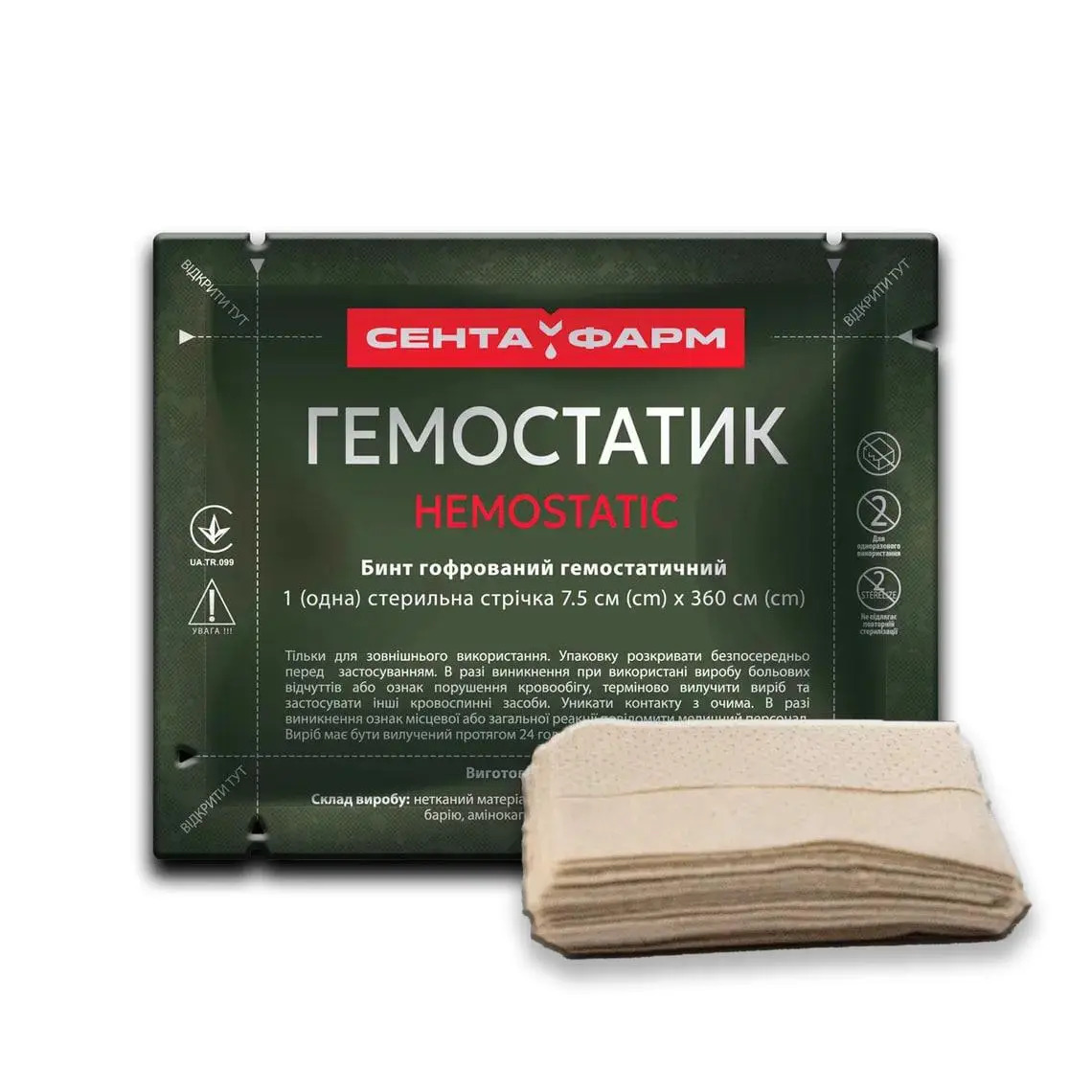
Hemostatic gauze is intended for packing injuries, including areas where a tourniquet cannot be used. Insert the material into the wound channel using the technique learned in training, then maintain pressure for the time specified by the manufacturer or training protocol. A compression bandage helps hold the dressing material in place and apply focused pressure. Standard sterile gauze is also useful for packing, dressing, and adding another layer to a bandage.
A: Supplies for Maintaining Airway Patency
At stage A, assess whether the person can maintain an open airway. Their position, level of consciousness, and any damage to the face or neck affect the next steps. Trained non-medical responders can use some basic techniques, while certain devices require specialized qualifications.
The relevant TacMed category includes nasopharyngeal airways, laryngeal tubes, and resuscitation bags. Select a nasopharyngeal airway in the correct size, and check its contents and whether lubricant is included, if required, before adding it to a first aid kit. Supraglottic devices and manual resuscitation bags are primarily intended for medical professionals trained in airway management.
Choose equipment that matches the user’s skills. A device that someone has not practiced using does not make a first aid kit more effective. An individual kit usually contains fewer items than a field medic’s bag or evacuation backpack.
R: Occlusive Dressings and Breathing Support Supplies
Stage R focuses on assessing breathing and chest trauma. This section of the catalog includes vented and non-vented occlusive dressings, decompression needles, and supporting equipment. Available models include HyFin Vent Chest Seal Twin Pack, Russell Chest Seal, FoxSeal, Halo, Beacon, and products from other specialized brands.
Use an occlusive dressing to seal an open chest injury. Sets containing two dressings can cover both the entry and exit openings when applicable. Vented models have channels or a valve that allow air and fluid to escape. Non-vented versions create a continuous airtight barrier.
When choosing a dressing, check its size, ventilation type, adhesive properties, pull tabs, and package dimensions. Clean and, when possible, dry the chest surface before applying it, following your training and the manufacturer’s instructions. Continue to monitor the person’s breathing and overall condition after application.
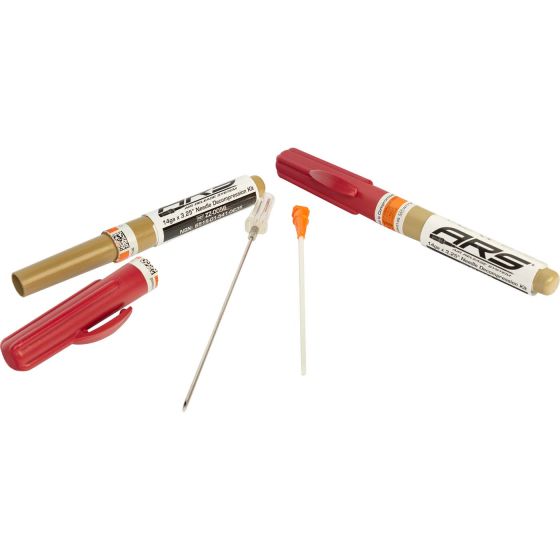
A decompression needle is a specialized medical device. Its use requires professional training, an understanding of indications and anatomical landmarks, and awareness of possible complications. This product is primarily included in kits for medical professionals qualified and authorized to perform the procedure.
C: Circulation Checks and Support
At stage C, recheck all previously controlled bleeding, assess the pulse, consciousness, skin condition, and other observable signs of impaired circulation. Pay special attention to bleeding that may have gone unnoticed during the initial assessment. After moving the person, check dressings, packed areas, and tourniquets as well.
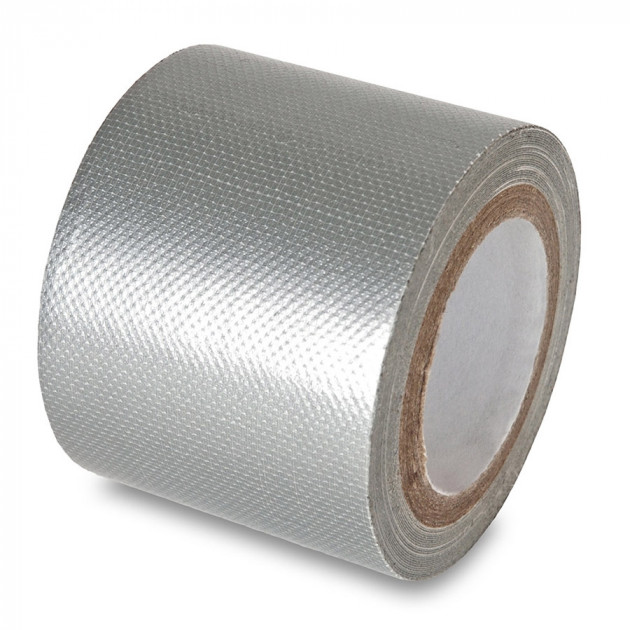
The supplies needed for this stage depend on the level of care. An individual first aid kit may contain extra gauze, a compression bandage, reinforced medical tape, and a marker for recording times and details. A medic’s kit may include supplies for intravenous or intraosseous access, infusion equipment, fluid-warming devices, and monitoring components.
Circulation support in trauma care requires clinical decisions. Qualified professionals provide infusion therapy, administer medication, and handle blood products under current protocols. When assembling a medic’s bag, check that all connectors, catheters, lines, and warming devices are compatible.
H: Preventing Hypothermia and Assessing Head Trauma
A person with trauma can develop hypothermia even in moderate temperatures. Blood loss, wet clothing, contact with a cold surface, wind, and prolonged evacuation speed up heat loss. Plan for insulation when assembling a first aid kit or evacuation set.
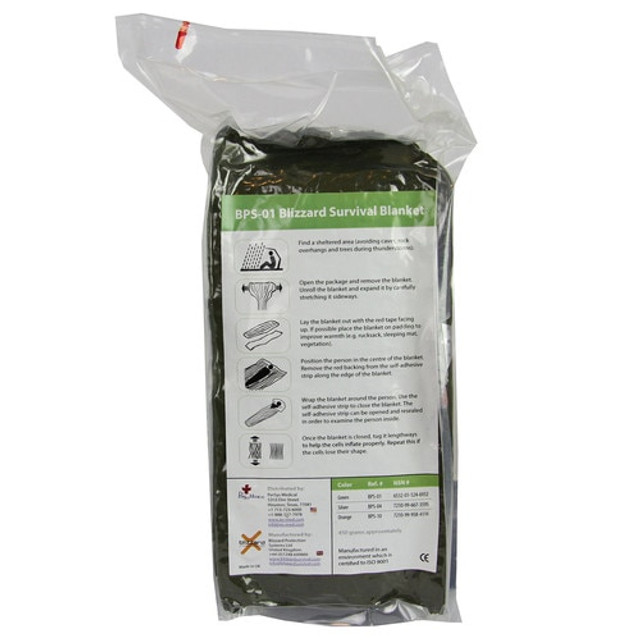
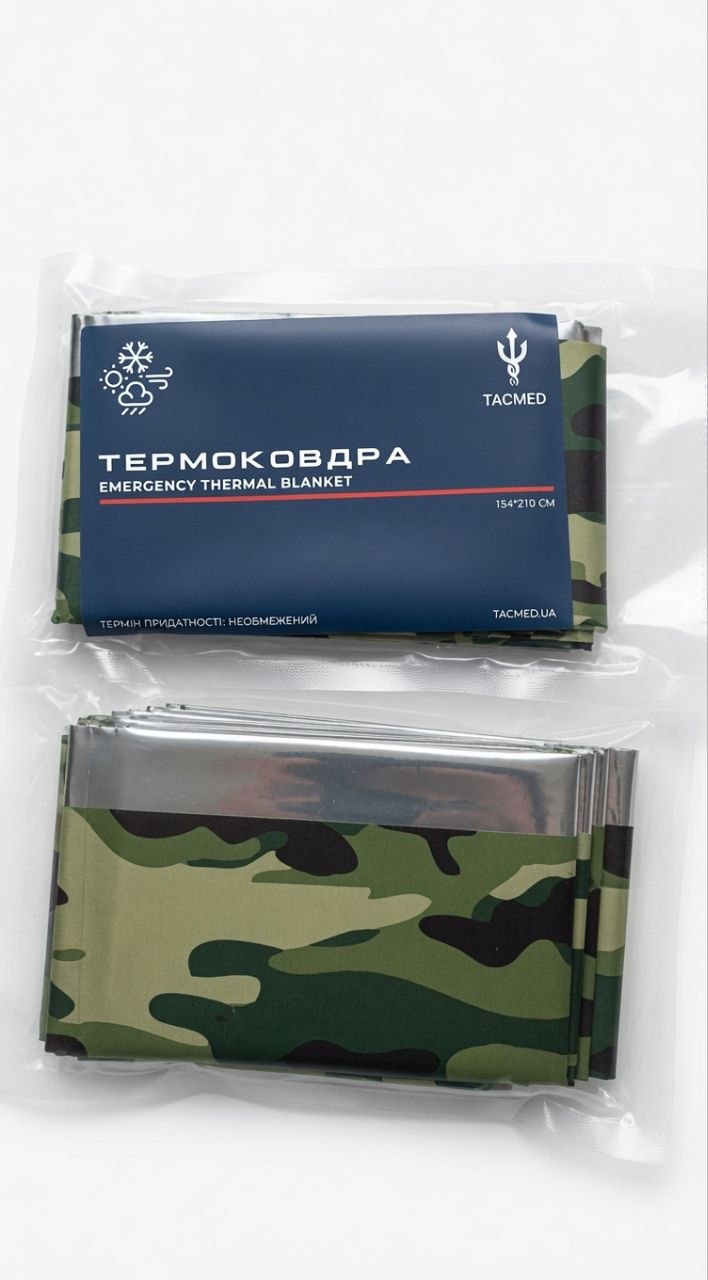
Compact emergency blankets provide basic protection. They are lightweight and take up little space, making them suitable for an IFAK, vehicle kit, or medical pouch. Expanded equipment may include active warming elements, insulating wraps, and systems for warming infusion fluids.
TacMed offers compact emergency blankets measuring 154 × 210 cm, models from various brands, and specialized warming systems. During use, insulate the person from the ground, protect them from wind and moisture, and keep areas that need reassessment accessible. Continue checking their level of consciousness and possible signs of head trauma throughout care and evacuation.
How to Choose MARCH Supplies for a First Aid Kit
The contents of a first aid kit depend on its purpose, the owner’s training, and the expected time before handover to medical professionals. Kits with the same number of components can offer different levels of readiness because of differences in design, packaging, and arrangement. Before ordering, decide who will use the kit: a civilian who has completed first aid training, a service member, a field responder, a medic, or an evacuation team. Then select equipment for each level of intervention available to that user.
When choosing supplies, check:
- Training requirements. Tourniquets, bandages, and emergency blankets are included in many basic kits. Airway adjuncts, decompression needles, intraosseous systems, and infusion equipment require specific skills and authorization.
- Intended use. A tourniquet is designed to control bleeding from a limb. Hemostatic gauze is used to pack suitable injuries, while an occlusive dressing is intended for open chest injuries. Products can only be substituted for one another when their design allows it.
- Number of components. Consider including extra gauze, gloves, and dressing materials. The need for two occlusive dressings depends on the possibility of multiple openings in the chest.
- Size and packaging format. Components should fit in the chosen pouch and be accessible without a lengthy search. Flat vacuum packaging usually takes up less space in an IFAK.
- Storage conditions. Check the temperature range, expiry date, integrity of sterile packaging, and manufacturer’s instructions. Adhesive products and some medical materials are sensitive to overheating and packaging damage.
- Origin and labeling. Packaging should show the product name, manufacturer, batch number, expiry date, and instructions or identification details. For tourniquets, also assess the hardware design and strap quality.
- Opportunity to practice. Use a separate training tourniquet or other training product for practice. Keep the components in a service kit ready for use.
After assembling the kit, secure every item in a designated place. Users should be able to find each item by touch, while wearing gloves, and in low light. Review the kit after training, changes to equipment, or updates to protocols. Replace expired, damaged, or used components promptly.
How to Arrange Components in MARCH Order
Equipment placement affects how quickly users can access it. A tourniquet is often kept in a separate pouch or secured where either hand can reach it. Keep hemostatic gauze and a compression bandage together because they may be used in sequence. Store chest care supplies in a separate section so the occlusive dressing is easy to find.
A first aid kit can be organized as follows:
- an external tourniquet in packaging protected from damage;
- an M section with hemostatic or standard gauze and a compression bandage;
- an A section with airway supplies the user is trained to use;
- an R section with occlusive dressings and equipment suited to the user’s level of training;
- a C section with extra gauze, tape, a marker, and medic’s equipment;
- an H section with an emergency blanket or expanded warming system;
- gloves and blunt-tip medical shears in an easy-to-reach area.
Check the layout with the kit fully packed, as tightly arranged packages can block access to one another. A tear-away panel or organizer insert can make the contents easier to reach. Label components by their purpose if several people will use the kit. After each use or training session, complete a full inventory.
Buy MARCH Supplies from the TacMed Online Store
The TacMed store offers supplies for every stage of the MARCH algorithm at competitive prices: tourniquets, hemostatic gauze, compression bandages, airway adjuncts, occlusive dressings, decompression needles, dressing materials, emergency blankets, and professional medical devices. Filters by brand, product type, country of manufacture, and availability help compare the options.
The catalog makes it possible to assemble an individual first aid kit, add items to a medic’s bag, or replace used components. Before purchasing specialized products, make sure they match your training and the approved equipment list. Product cards provide specifications, set contents, expiry dates, and availability.
MARCH supplies can be ordered for delivery to Kyiv, Lviv, Odesa, Kharkiv, Dnipro, Zaporizhzhia, Vinnytsia, Poltava, Cherkasy, Zhytomyr, Chernihiv, Rivne, Lutsk, Ternopil, Ivano-Frankivsk, Uzhhorod, Chernivtsi, Khmelnytskyi, Kropyvnytskyi, Mykolaiv, Sumy, Kherson, and other locations across Ukraine. You can also choose a field first aid kit, medical pouch, tourniquet, and emergency blanket.
FAQ
What does MARCH stand for?
MARCH stands for Massive Hemorrhage, Airway, Respiration, Circulation, and Hypothermia/Head Trauma. The sequence covers severe bleeding, the airway, breathing, circulation, hypothermia prevention, and head trauma assessment.
Why does the algorithm start with severe bleeding?
Life-threatening bleeding can cause critical blood loss in a short time. During a rapid assessment, responders look for signs of severe bleeding first and use an available control method within the limits of their training.
Which supplies are used at stage M?
This stage includes tourniquets, hemostatic and standard gauze for packing, compression bandages, and dressing materials. Choose a specific product based on the location and nature of the bleeding.
What is needed for stage R?
The main products for this stage are vented or non-vented occlusive dressings. Decompression needles and some breathing equipment are intended for trained medical professionals.
Is one tourniquet enough for a first aid kit?
The number of tourniquets depends on the tasks, working conditions, and adopted equipment standard. One product provides limited capacity when there are multiple injuries, several affected limbs, or a component failure. The quantity for a service kit is determined by the approved equipment list.
Is an emergency blanket part of MARCH?
An emergency blanket is equipment for stage H. It helps reduce heat loss while waiting for medical professionals and during transport. Extended evacuation may call for additional insulating and active warming systems.
Can all products in the MARCH category be used without professional assistance?
The user’s training determines which actions and devices are appropriate. Tourniquets, dressings, and emergency blankets also require practical training. Airway adjuncts, decompression needles, infusion systems, and intraosseous access require specialized instruction.
How often should a MARCH first aid kit be checked?
Check the kit regularly, after each use or training session, and after prolonged storage in gear. During an inspection, check expiry dates, packaging integrity, legibility of markings, and that all items are present. Replace used or damaged supplies.