Circulation – Stage “C” of the M.A.R.C.H. algorithm: stabilization after injury
Stage C (Circulation) in the M.A.R.C.H. algorithm is responsible for circulation control and stabilization of the injured person after critical threats have been addressed. If the previous stages are aimed at immediate life preservation, then C (circulation) focuses on maintaining tissue perfusion, stabilizing hemodynamics, and preventing shock. It is at this stage that it is determined whether the body can sustain vital functions until full medical assistance is provided. In modern tactical medicine, circulation control is a комплекс of actions that includes condition assessment, infusion therapy, body temperature management, and working with the consequences of trauma. This is no longer point-based assistance, but systemic stabilization of the injured person’s condition. That is why the TacMed category features tools for circulation control that are used after the primary stages of care.
What does stage C in the MARCH algorithm mean?
Stage C in MARCH (circulation) refers to circulation control and ensuring adequate perfusion of organs and tissues. The main task is to support vital functions after injury and prevent the development of critical conditions such as hypovolemic shock. It is important not only to check for the presence of a pulse but to assess how effectively the circulatory system is supplying oxygen to the body.
In practice, this means:
- assessment of circulation and the condition of the injured person;
- identification of signs of impaired perfusion;
- support of circulating blood volume;
- control of body temperature.
After trauma, even with a stable condition, risks remain high. That is why circulation in MARCH is a stage of active stabilization, not observation. The earlier correct decisions are applied, the higher the chances of avoiding complications.
What medical tools are used for stabilization?
At stage C, medical tools are used that allow maintaining circulation, controlling perfusion, and stabilizing the overall condition of the injured person. This is already a more advanced level of care than a basic first aid kit, so the selection of such solutions must be approached systematically. The availability of these tools is critically important in situations where a significant amount of time passes between injury and medical assistance.
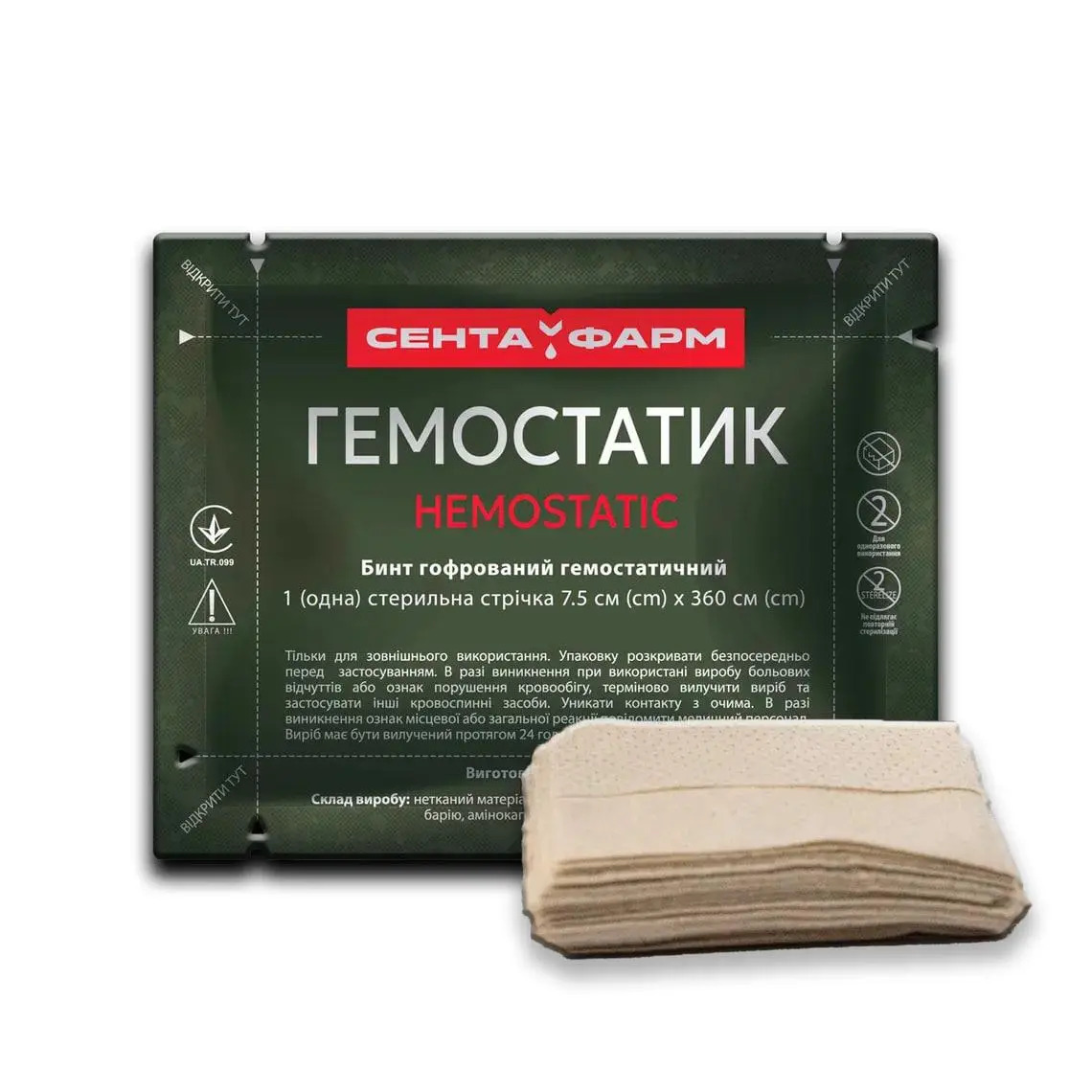
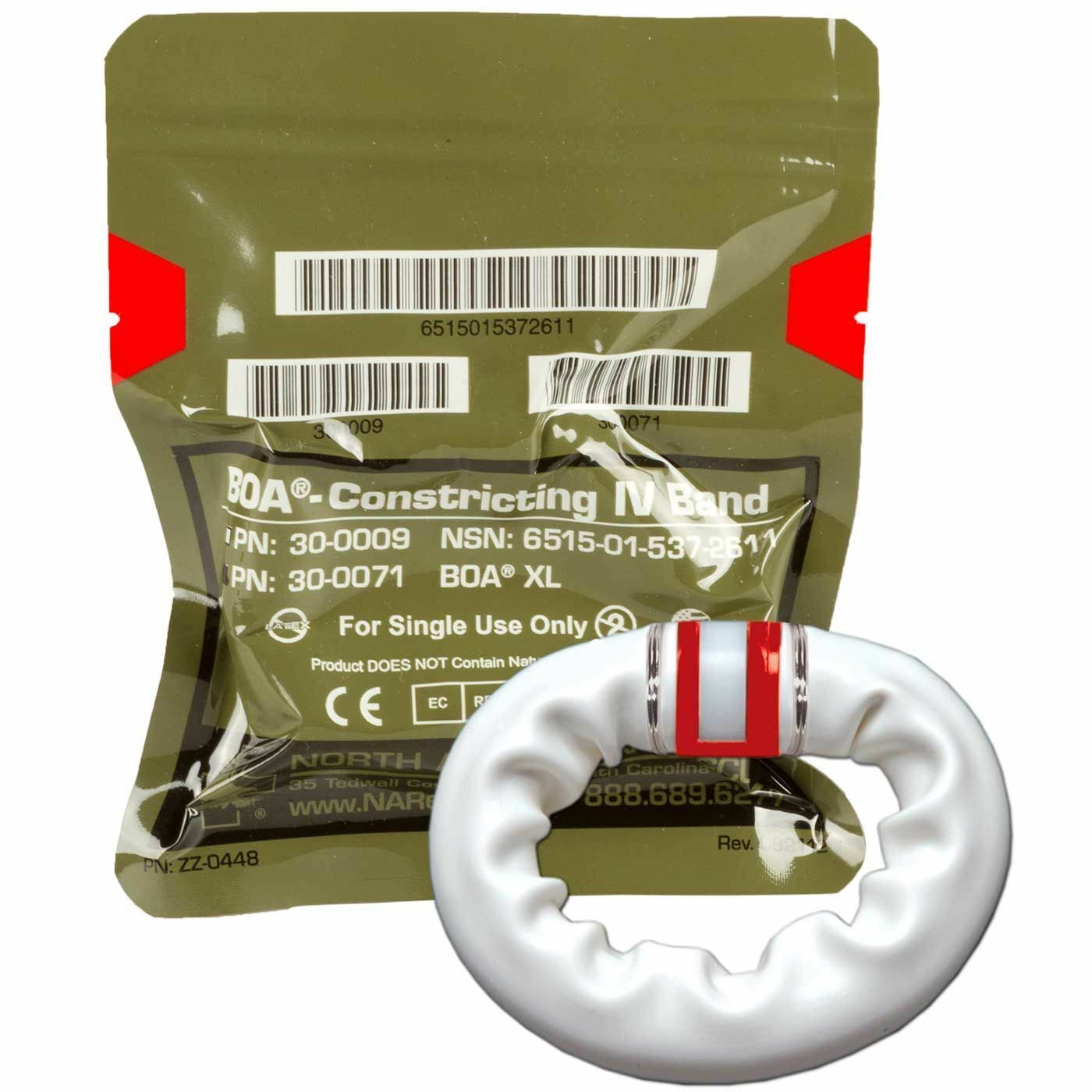
The TacMed catalog features infusion and stabilization tools used within stage C. Tools at this level form a critical bridge between initial care and professional treatment, allowing time to be gained and reducing the risk of complications. It is their correct availability and selection that determine how effectively the injured person can be supported until transfer to medical professionals.
Key parameters and characteristics of stabilization tools
Manufacturers of such medical devices must comply with strict standards, as they directly affect vital functions. That is why the main selection criterion is quality and reliability. However, specific technical characteristics must also be considered.
When choosing tools for circulation control, pay attention to:
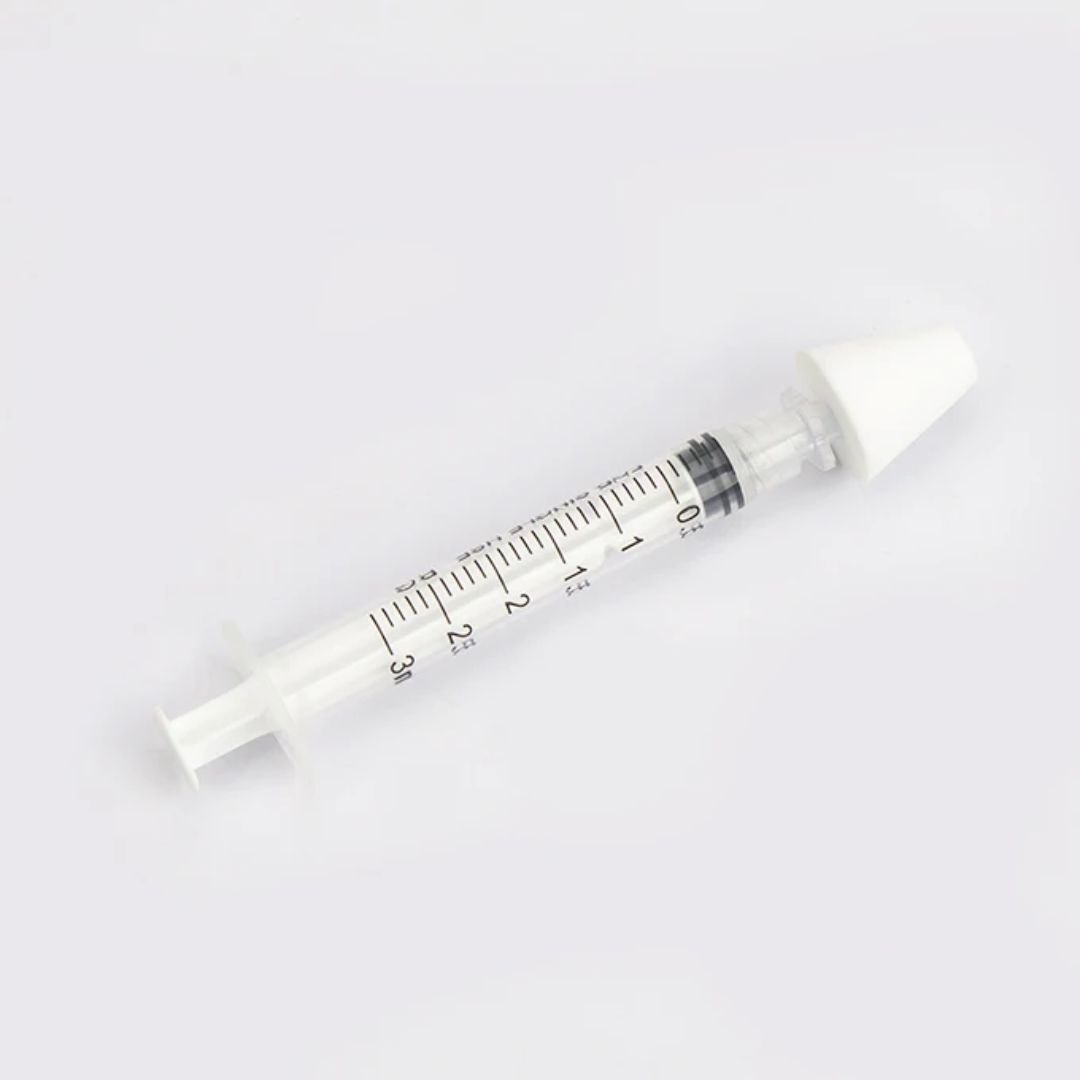
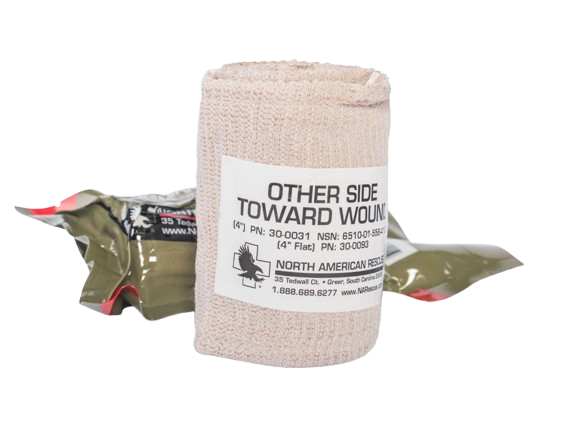
- type of medical solution. The category includes bandages, wipes, intraosseous access devices, catheters, and pulse oximeters. Each option performs its function within circulation MARCH;
- purpose and usage scenario. It is important to understand whether the solution is needed for tactical medicine, transportation of the injured person, or basic stabilization;
- compatibility of components. Infusion and transfusion systems must be compatible with each other, including connectors and types of fluids;
- temperature control. Maintaining temperature is a critical factor. Warming systems help prevent hypothermia, which worsens the condition of the injured person;
- materials and build quality. Tools must be sealed, reliable, and safe for use in field conditions;
- ease of use. In stressful conditions, simplicity and speed of application are crucial;
- The online store catalog features trusted brands: TACMED, North American Rescue, PerSys Medical, Safeguard Medical, SAM Medical, MEQU, and others;
- reviews and real-world use. Focus on solutions that have received positive feedback from paramedics.
As for cost, it should not be the determining factor. Circulation support tools are a category where saving can directly affect the outcome. Choose solutions based on their effectiveness and reliability.
Mistakes when choosing circulation control tools
Correct selection of stabilization tools is based on understanding usage scenarios. The most common mistake is assembling a first aid kit focused only on initial response without considering the circulation stage. As a result, after primary care, there are no tools to support circulation.
It is important to build a first aid kit as a system where each element performs its function. Tools for assistance must complement each other. This approach aligns with modern principles of tactical medicine.
When choosing, focus on:
- usage conditions (field, civilian, transport);
- level of user training;
- availability of ready-made solutions or kits;
- speed of application.
Properly selected tools allow not only responding to trauma but managing the condition of the injured person.
How to support circulation after injury: expert recommendations
After trauma, the key task is to prevent deterioration. Even if the main threats have been eliminated, the body may remain in a state of stress or shock. That is why circulation support is a critical stage of care. It is important to act systematically, considering all factors that affect perfusion. Temperature control, fluid volume, and the overall condition of the body are closely interconnected.
Main recommendations:
- Monitor signs of shock.
- Maintain body temperature.
- Use infusion solutions if necessary.
- Minimize unnecessary manipulations.
- Ensure evacuation.
These actions help reduce the risk of complications and stabilize the condition of the injured person until transfer to medical professionals.
We recommend buying circulation control tools at an affordable price in the TacMed online store
In the TacMed online store, you can find circulation control and stabilization tools that meet modern tactical medicine standards. You can buy bleeding control solutions, circulation support systems, and other medical tools with delivery across Ukraine. The assortment is selected based on real usage scenarios — from civilian first aid kits to professional equipment.
Properly selected tools for stabilization according to the MARCH algorithm make it possible to control the condition of the injured person after trauma. They allow gaining time and increasing the chances of a stable outcome.
FAQ
1. What is stage C in the MARCH algorithm?
Stage C in MARCH (circulation) is the stage of circulation control and stabilization of the injured person after trauma. Its main task is to ensure adequate tissue perfusion and support vital functions. At this stage, signs of shock are assessed and decisions on further actions are made. This is critically important for maintaining a stable condition until medical professionals arrive.
2. What is included in stage C of the MARCH algorithm?
Circulation MARCH includes circulation control, assessment of the injured person’s condition, and the use of stabilization tools. This may include infusion therapy, temperature management, and addressing the consequences of trauma. The main goal is to prevent deterioration after primary care. This stage is responsible for maintaining organ perfusion.
3. What tools are used for circulation control?
Circulation control uses infusion systems, transfusion kits, and fluid warming systems. These tools help maintain circulating fluid volume and stabilize the condition of the injured person. They are part of modern tactical medicine circulation. The choice depends on conditions and level of training.
4. How to stabilize the condition of an injured person after trauma?
To stabilize the condition, it is necessary to control circulation, body temperature, and signs of shock. It is important to support perfusion and, if necessary, use infusion solutions. It is also necessary to minimize heat loss and avoid unnecessary actions. All these steps are part of the circulation MARCH комплекс.
5. What is perfusion and why is it important?
Perfusion is the process of supplying blood to tissues and organs. It determines whether the body receives sufficient oxygen and nutrients. Impaired perfusion can lead to the development of shock even if a pulse is present. That is why perfusion control is a key element of stage C.
6. How to prevent shock after blood loss?
To prevent shock after blood loss, it is important to quickly move to the stabilization stage. This includes supporting circulation, controlling temperature, and using infusion tools. It is also necessary to monitor the condition of the injured person and respond to changes. The earlier stabilization begins, the higher the chances of avoiding complications.