Strap cutters
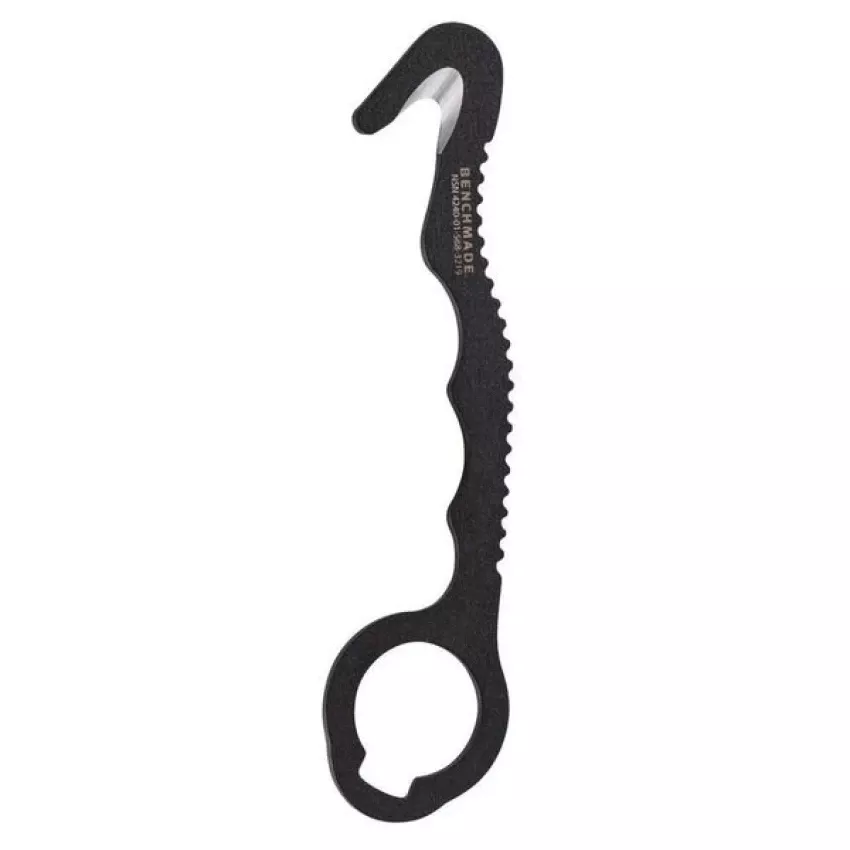
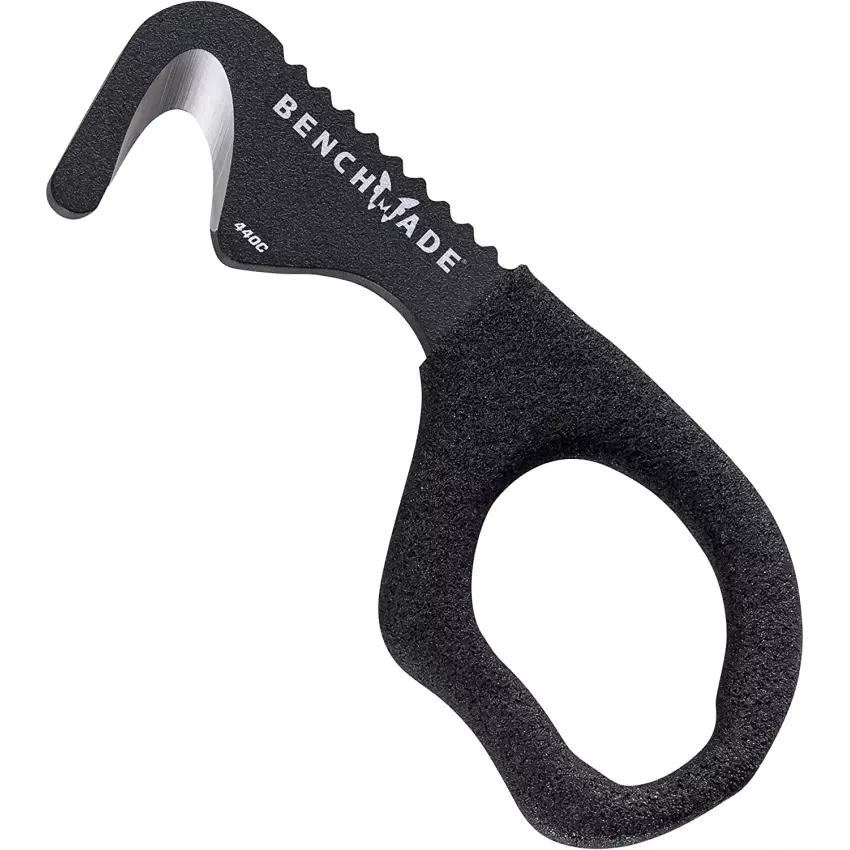
Strap cutters are tools designed for quick and safe cutting of seatbelts, straps, ropes, and other materials in emergency situations. They are widely used by rescuers, paramedics, and military personnel. Tactical strap cutters are adapted for field use — they are durable, lightweight, easy to handle even with gloves on, and capable of slicing through tough materials with minimal effort.
Tools specifically designed for cutting seatbelts are also in high demand. They are used when it’s necessary to quickly free a person from seatbelts, belts, or pieces of gear.
Emergency strap cutters are compact tools that should always be included in a first aid kit or survival pack.
A standard strap cutter features a curved, hook-shaped blade with a sharp cutting edge that slides under a strap, belt, or fabric. This design significantly reduces the risk of cuts and injuries, as the hook prevents accidental contact with the skin.
The body of the tool is typically made from plastic or metal, and it can be carried in a sheath or attached to MOLLE gear.
Strap cutters offer several advantages that make them indispensable for both rescuers and soldiers. In an emergency, having a tool that can instantly cut a belt or strap is crucial. At the same time, their design ensures complete safety — the hook shape minimizes body contact and reduces the risk of injury.
They are also lightweight and compact, making them easy to carry in a pocket, medical kit, or attached to tactical gear. Always choose certified, high-quality models that can withstand heavy use and maintain their sharpness over time. Common applications include rescue operations, technical rescue, military use, and mountaineering.
To choose a durable and efficient tool, pay attention to several key characteristics.
The blade material plays a major role — high-chromium stainless steel remains the most reliable option, retaining sharpness and resisting corrosion over time.
Inspect the blade shape as well: a hook-style or rounded-end blade is the safest choice. Look for a balance between portability and usability. Features like a sheath or MOLLE compatibility are great advantages.
To use a strap cutter effectively, guide the hooked blade under the strap or belt without touching the body. Pull the blade along the material with steady pressure. If necessary, clean fibers off the blade to maintain a clean cut. After use, wipe the blade and, if needed, apply a light coat of oil to preserve sharpness.
To find the best strap cutter, explore the selection at TacMed. The catalog includes only certified, reliable tools that meet modern safety standards and won’t fail when it matters most.