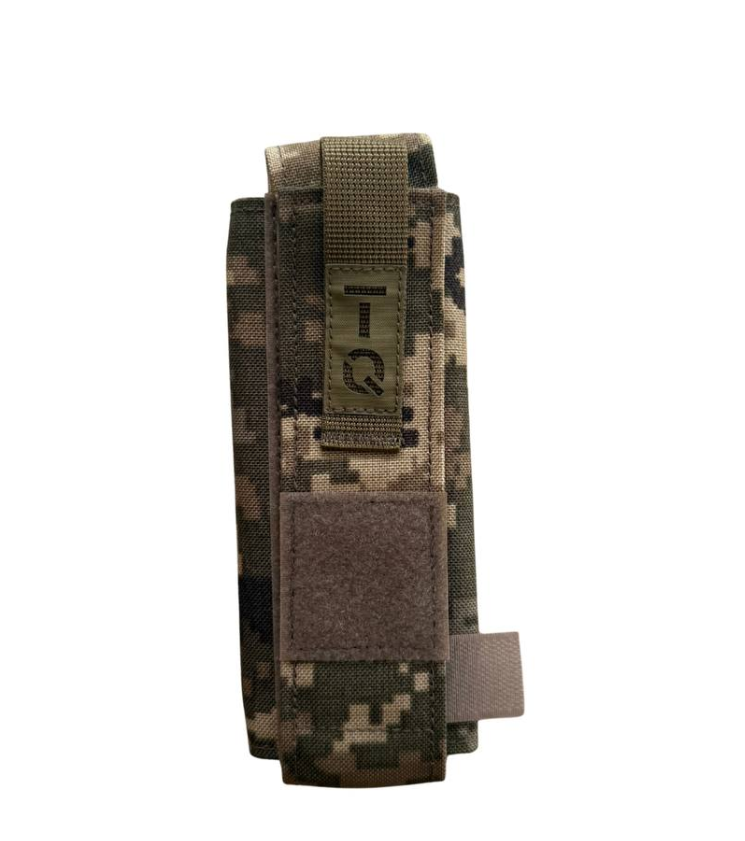
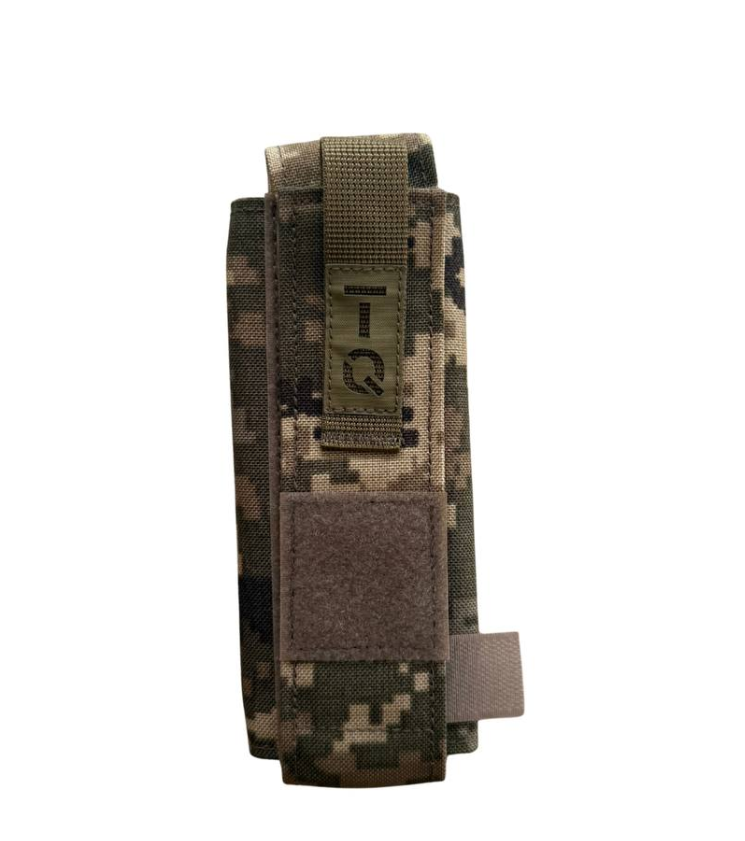
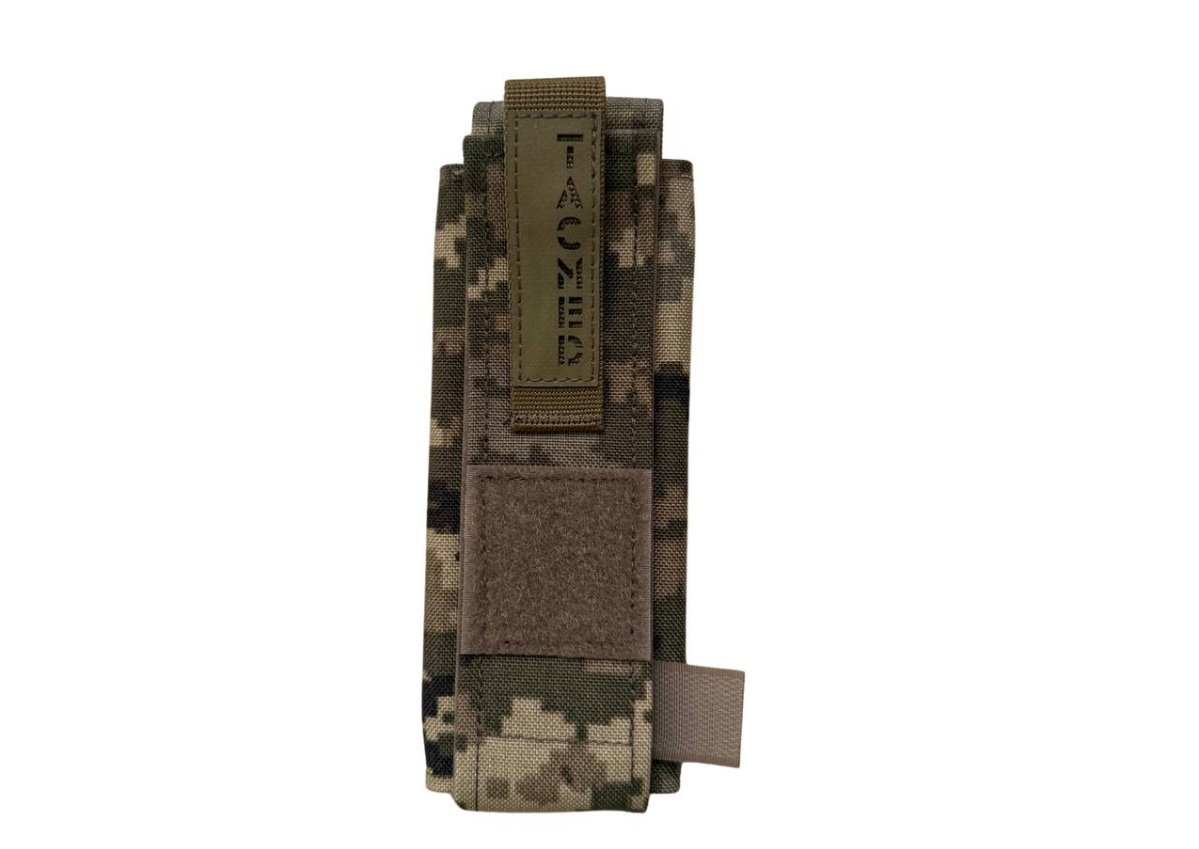
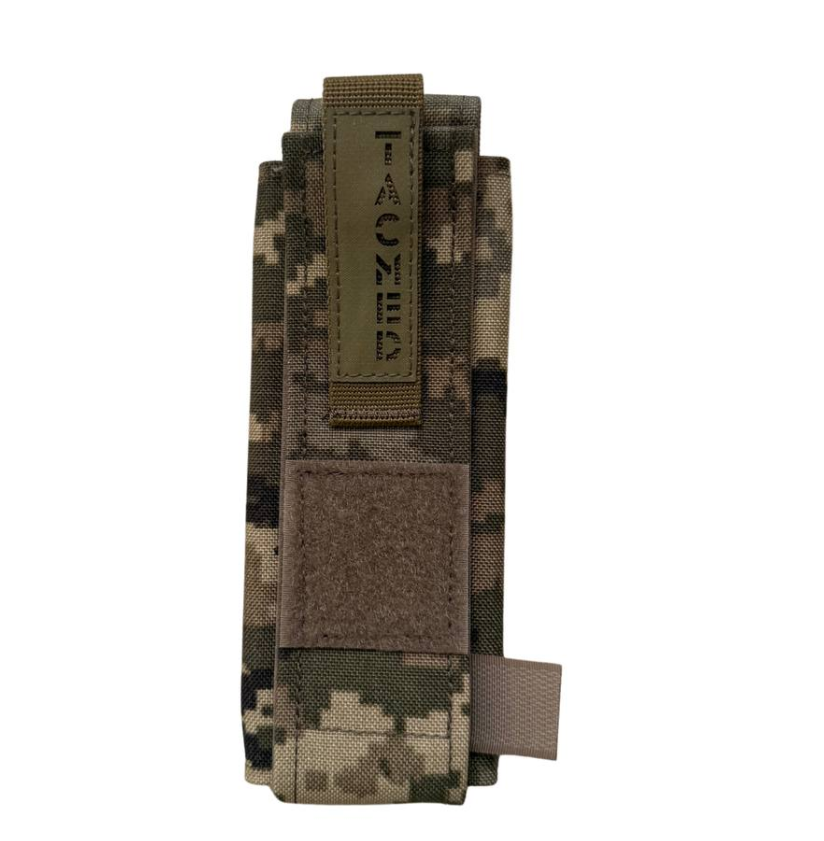
Tourniquet Pouches: Secure Storage and Rapid Access
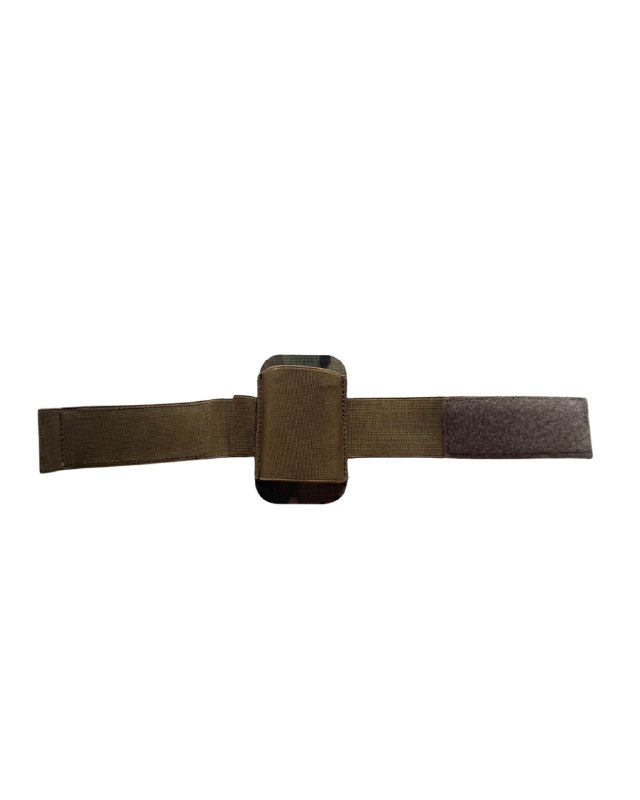
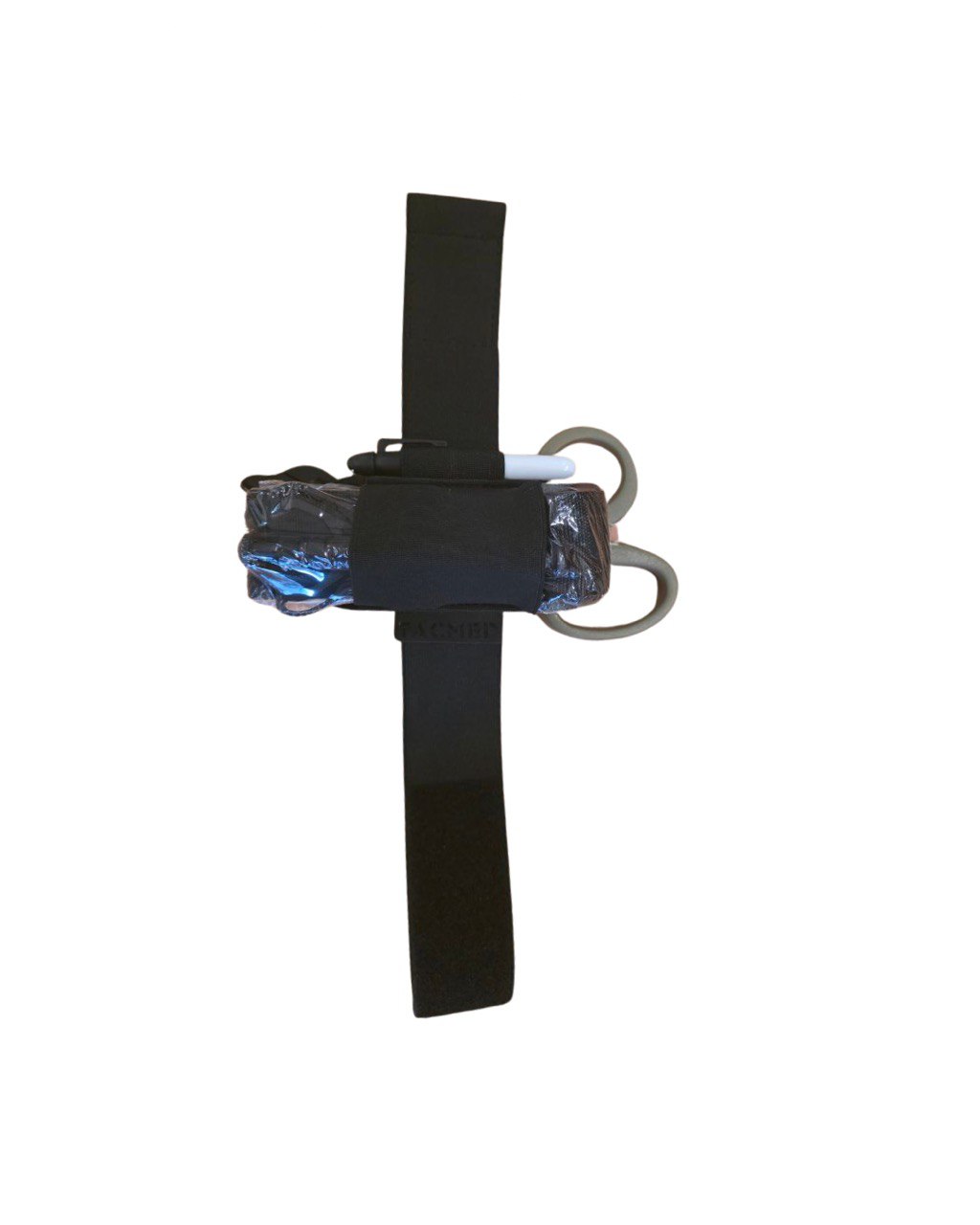
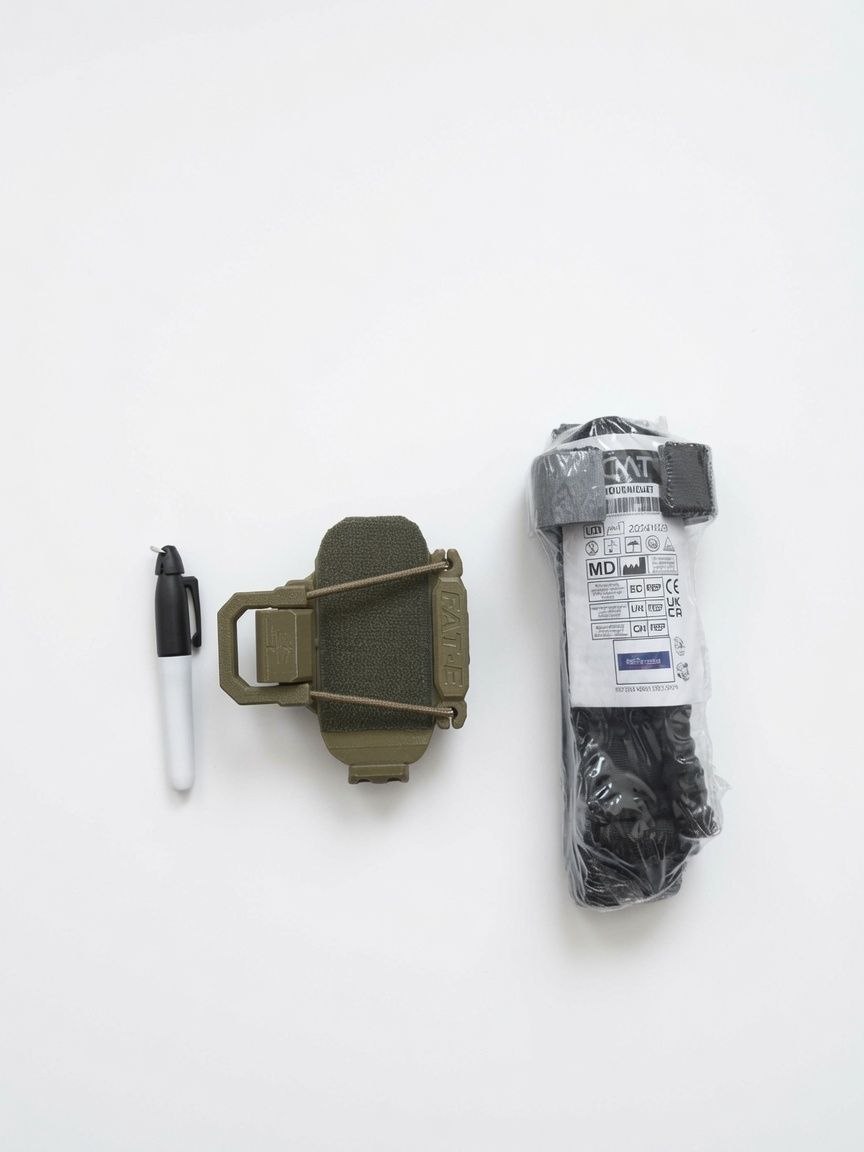
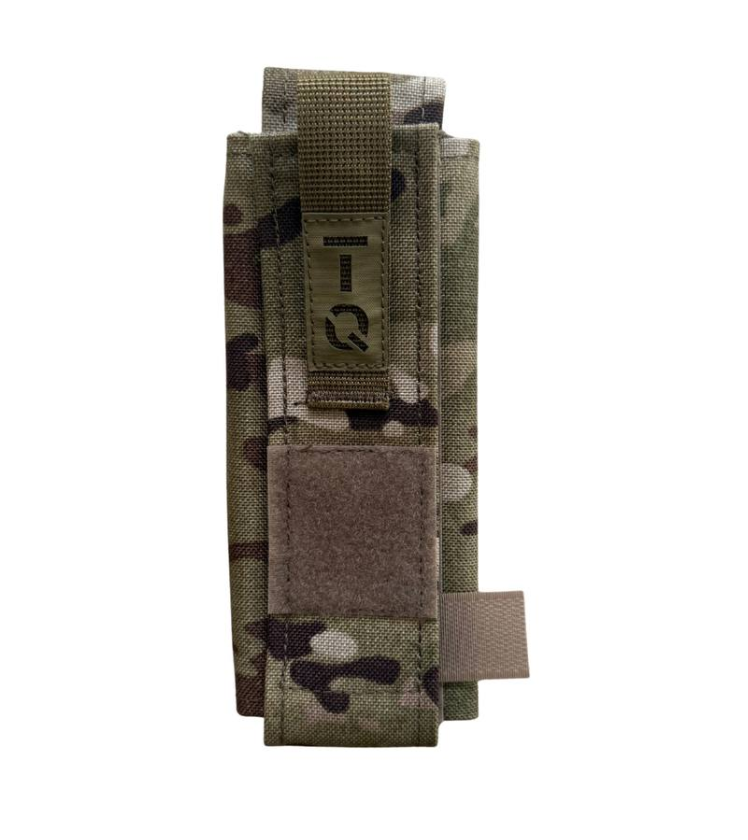
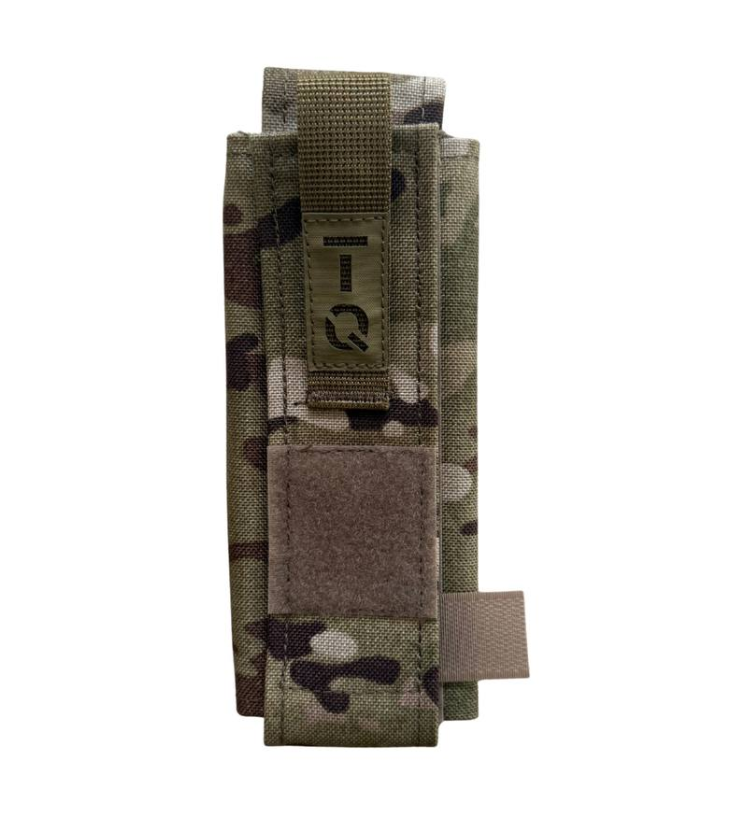
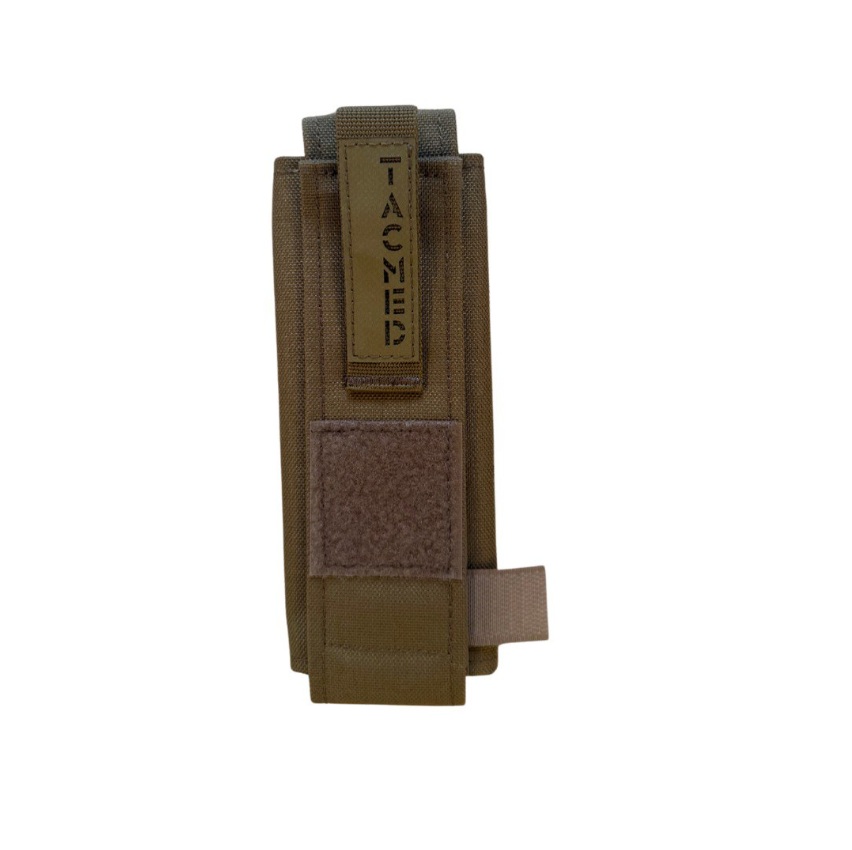
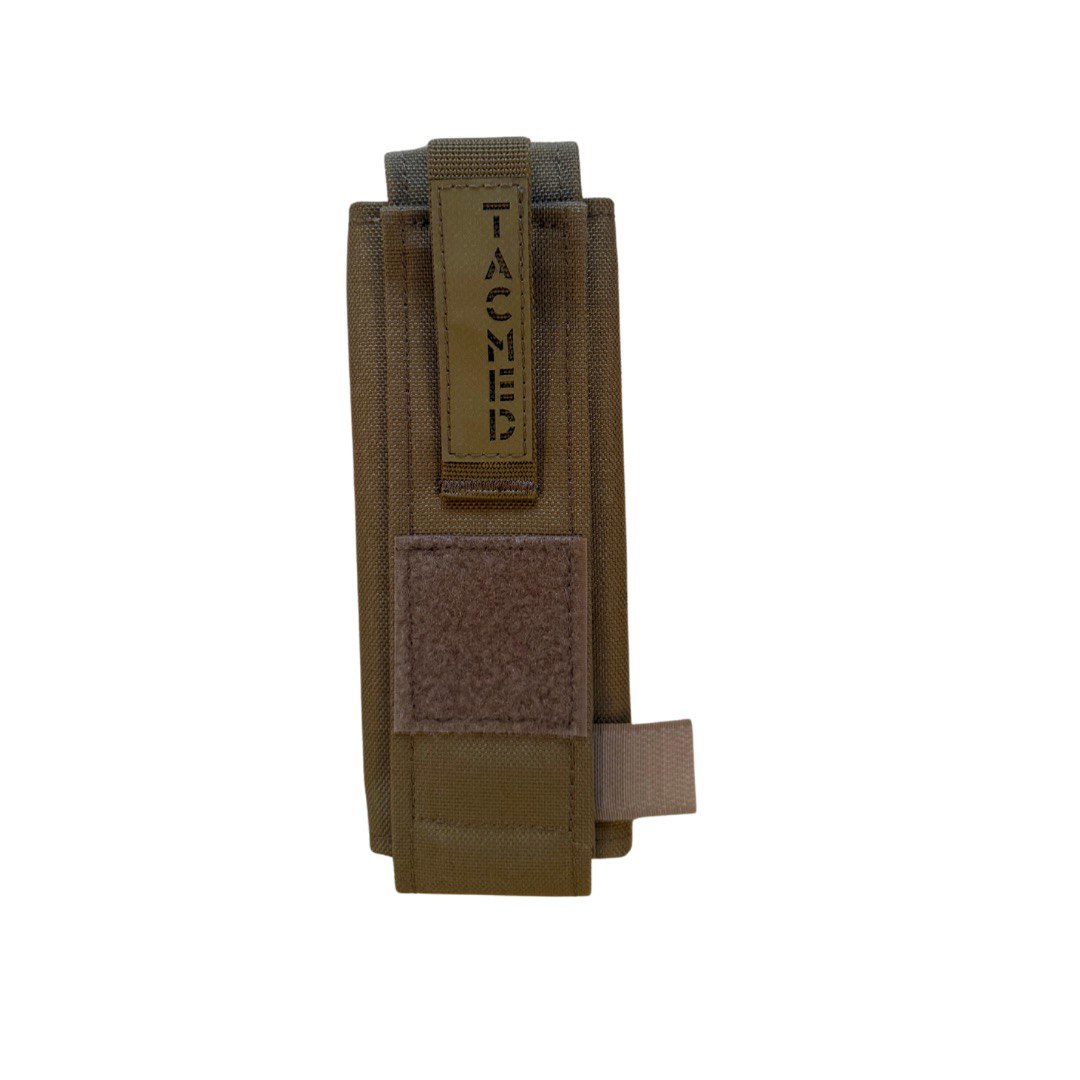
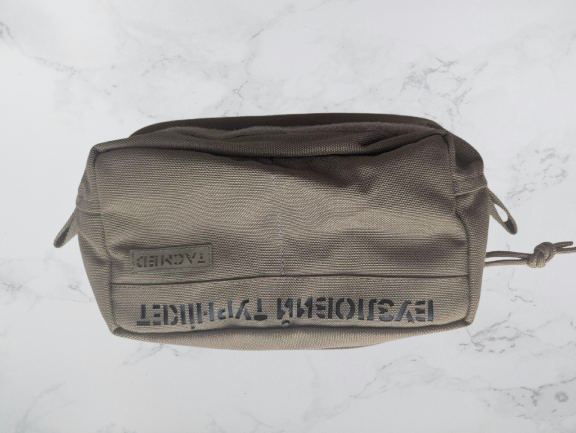
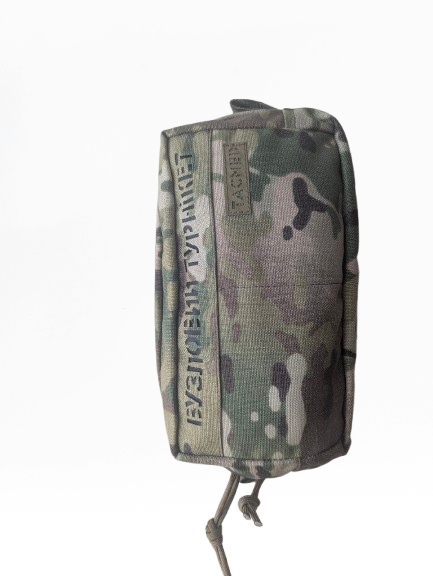
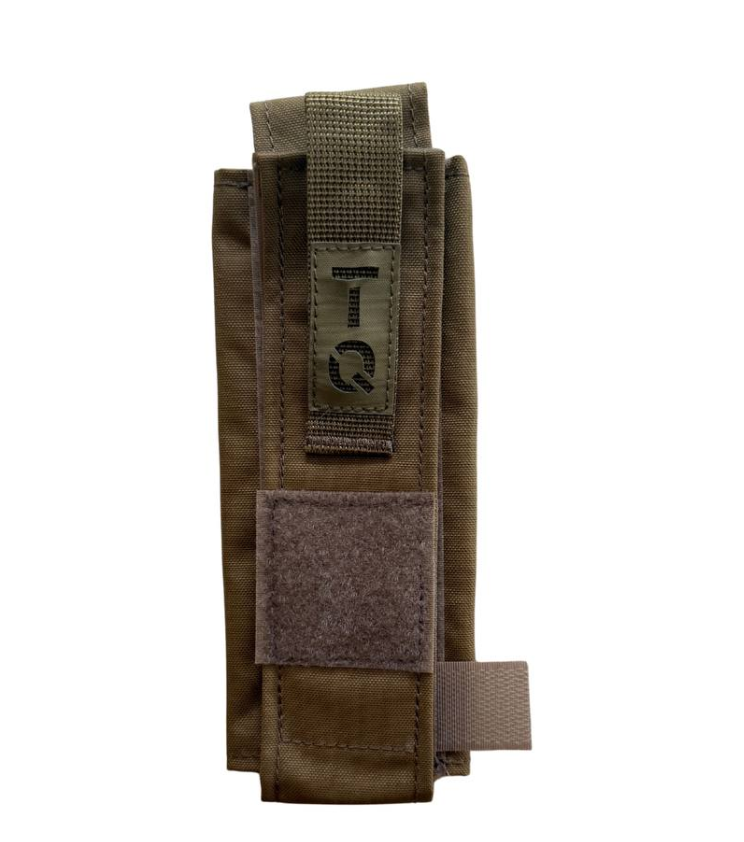
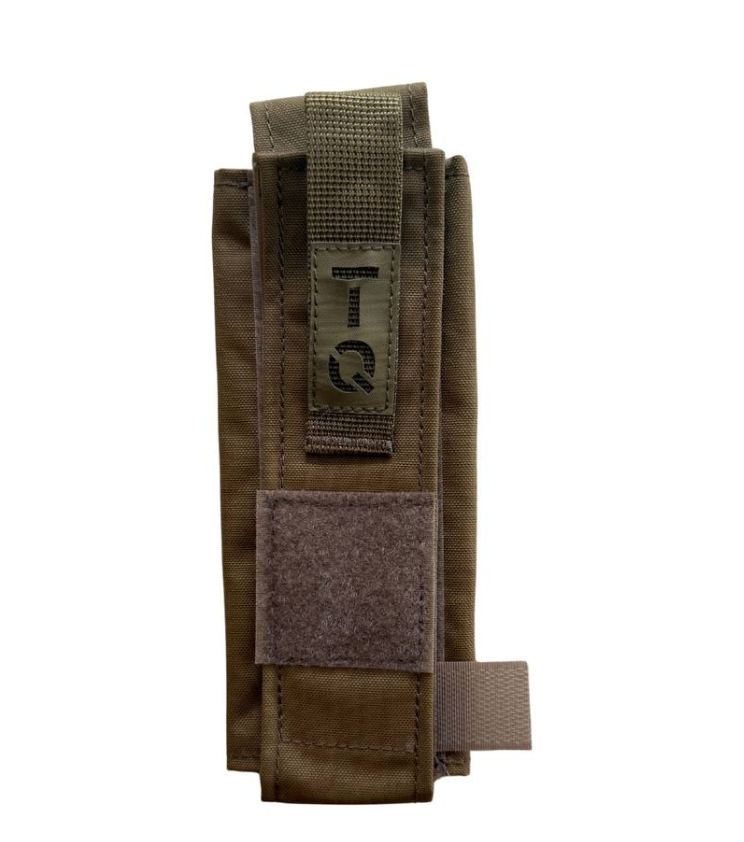
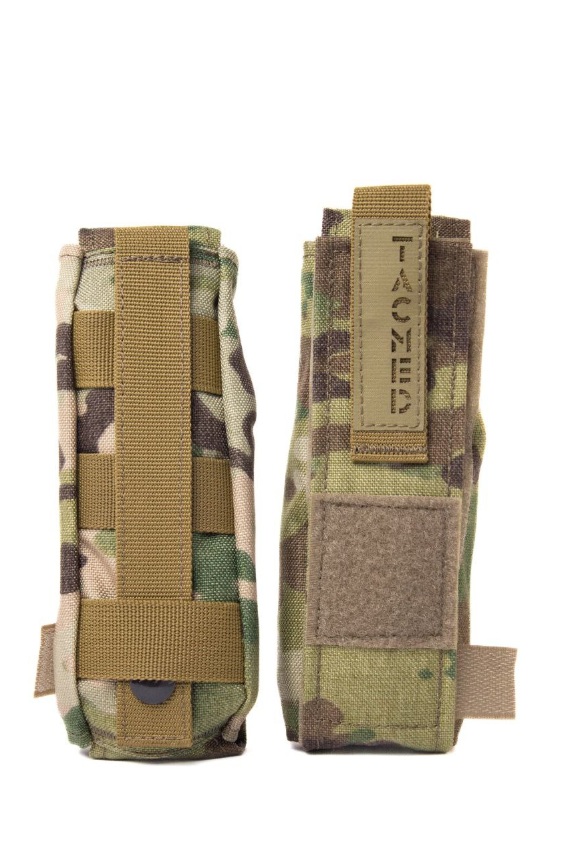
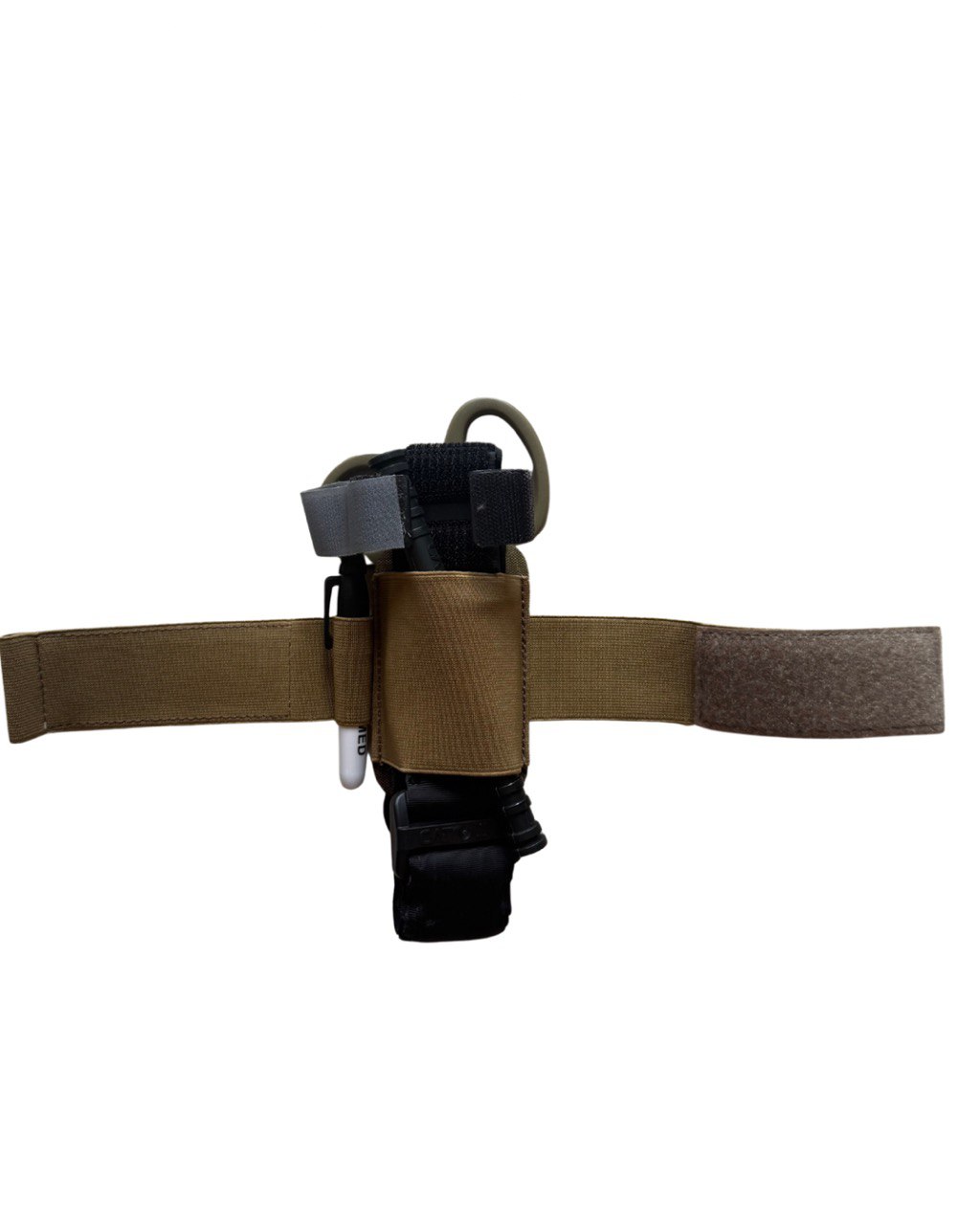
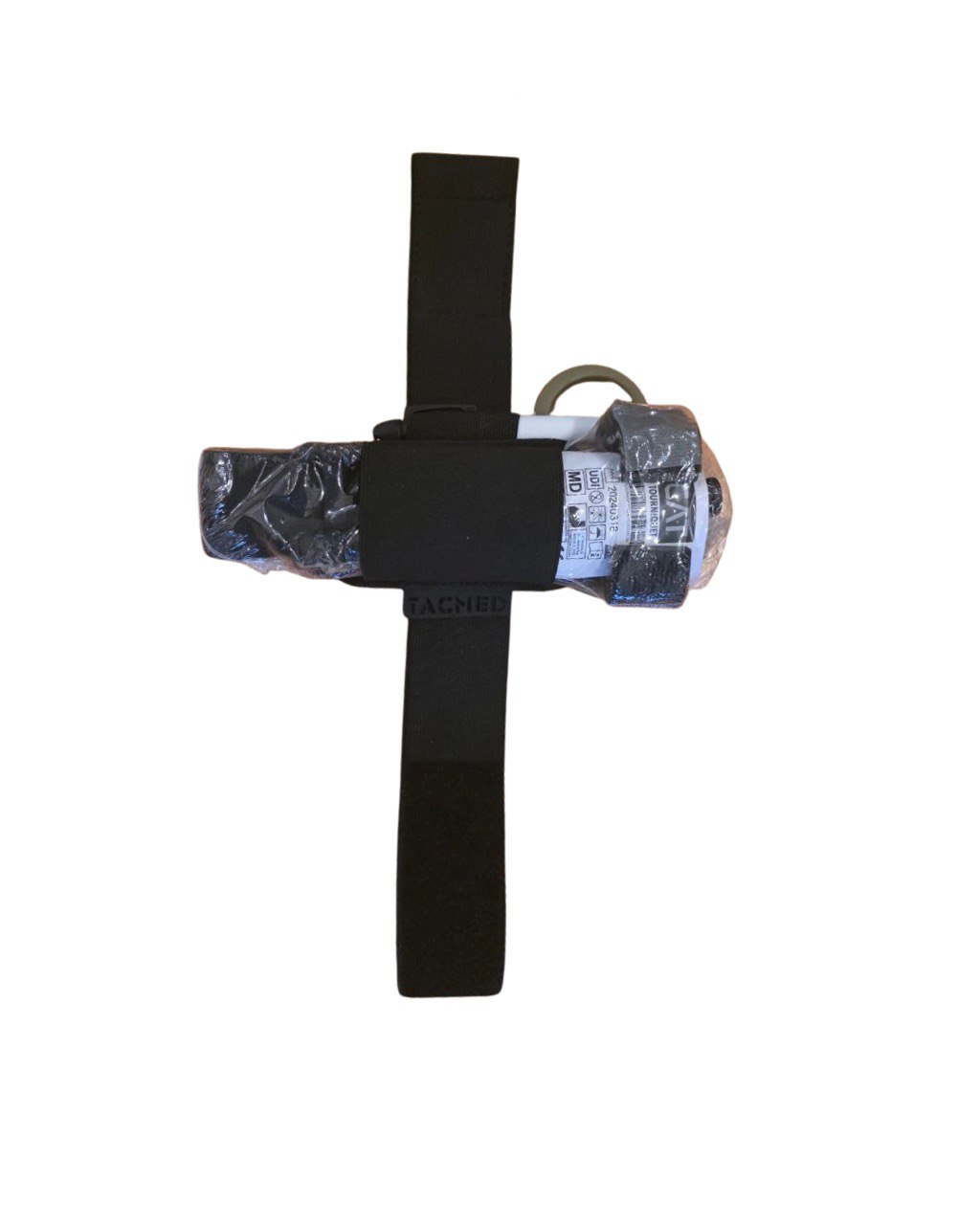
A tourniquet pouch is designed to provide secure storage, transportation, and rapid access to a tourniquet whenever it is needed. It helps protect the tourniquet from dust, moisture, mechanical damage, and accidental loss during movement. A properly selected pouch keeps the tourniquet in a dedicated location, ensuring it remains readily accessible without shifting among other equipment. The TacMed catalog includes open-top, flap-covered, and vehicle-mounted tourniquet pouches for different tourniquet models, together with solutions designed to complement modern load-bearing equipment. Products from TACMED and Anethum are available in Black, Coyote, Multicam, and Pixel color options.
Why Use a Tourniquet Pouch?
Even a high-quality tourniquet benefits from proper storage. When carried without protection, it is continuously exposed to dust, moisture, sunlight, and other environmental factors. During transport it may also shift, catch on surrounding equipment, or accidentally fall out.
A dedicated pouch addresses these issues by securely holding the tourniquet, protecting it from contamination, and providing immediate access without opening a first aid kit or searching through other equipment.
Tourniquet pouches are commonly used:
- as part of professional medical kits;
- on duty belts and load-bearing systems;
- on backpacks;
- inside vehicles;
- in training centers;
- for everyday equipment carry.
Using a dedicated pouch helps keep equipment organized and ensures the tourniquet always remains in the same location, making it easier to locate when time is limited. Protected storage also reduces exposure to dust, dirt, and moisture, contributing to the longevity of both the tourniquet and the overall equipment setup.
Features of Modern Tourniquet Pouches
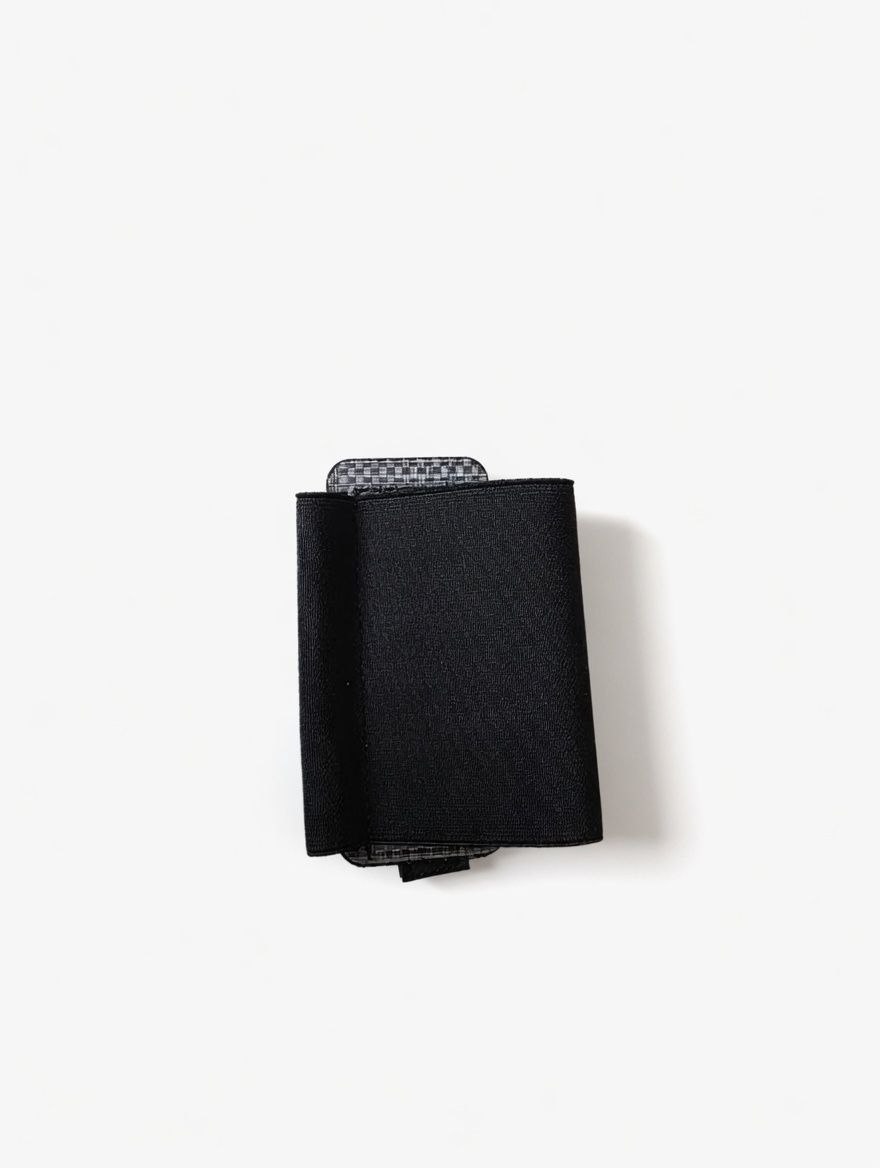
Modern tourniquet pouches are designed to combine compact dimensions, dependable retention, and immediate accessibility. The construction must securely hold the tourniquet during vigorous movement while allowing rapid removal whenever required. To achieve this, manufacturers use durable synthetic fabrics, elastic retention panels, reinforced stitching, and proven attachment systems.
Ergonomics also plays an important role. A pouch should occupy minimal space and remain comfortable during extended wear. Most modern models are compatible with the MOLLE attachment system, allowing users to reposition them easily according to personal preferences.
Key features:
- compact dimensions;
- rapid access to the tourniquet;
- secure retention;
- MOLLE compatibility;
- excellent abrasion resistance;
- reinforced stitching;
- lightweight construction;
- multiple design configurations.
Each of these characteristics contributes to everyday usability. Compact pouches add very little bulk to equipment, while lightweight construction minimizes additional load. Reinforced seams withstand prolonged use and repeated mechanical stress. MOLLE compatibility allows secure attachment to belts, vests, and backpacks. Durable synthetic materials resist moisture, maintain their shape after repeated use, and can be cleaned easily.
Which Tourniquet Pouches Are Available from TacMed?
When selecting a pouch, both dimensions and overall design should be considered. Different models provide distinct advantages depending on how and where they will be carried. Some prioritize the fastest possible access, while others provide greater protection from environmental exposure or are specifically designed for vehicle storage.
TacMed offers several categories of tourniquet pouches to accommodate different equipment configurations.
Available options:
- open-top pouches;
- flap-covered pouches;
- vehicle-mounted pouches;
- pouches for various tourniquet models;
- Black, Coyote, Multicam, and Pixel color options;
- products manufactured by TACMED and
Open-top designs provide the fastest access through their simple construction and minimal retention features. Flap-covered models offer increased protection against dust, moisture, and mechanical damage during extended carry. Vehicle-mounted versions keep the tourniquet secured inside a vehicle where it remains immediately available. The range of colors and designs also makes it easier to integrate the pouch with existing equipment.
How to Choose a Tourniquet Pouch
Before purchasing, confirm that the pouch is compatible with the tourniquet model you intend to carry. An oversized pouch may not hold the contents securely, while one that is too small can make insertion and removal difficult. Attachment location, material, and overall design should also be considered.
A quality pouch should provide an effective balance between secure retention and rapid access. These characteristics largely determine long-term usability.
When selecting a tourniquet pouch, consider:
- The pouch should match the dimensions of the intended tourniquet.
- Design type. Open-top models prioritize accessibility, while flap-covered versions provide greater protection.
- High-density synthetic fabrics offer excellent resistance to abrasion and tearing.
- Attachment system. MOLLE compatibility provides broad compatibility with modern equipment.
- Stitching quality. Reinforced seams improve durability.
- The pouch should not interfere with movement or create unnecessary bulk.
- Matching existing equipment may be desirable.
Evaluating all these characteristics together helps ensure long-term satisfaction. High-quality materials resist wear more effectively, dependable attachment prevents movement during activity, and an appropriate design allows rapid access to the tourniquet. For equipment used frequently, the quality of hardware and construction should also be taken into account because these factors significantly influence service life.
What Materials Are Used to Manufacture Tourniquet Pouches?
A tourniquet pouch is continually exposed to mechanical stress, moisture, dust, sunlight, and other environmental conditions. Manufacturers therefore use materials capable of maintaining their shape, strength, and functionality during prolonged use. The quality of thread, hardware, and stitching methods is equally important because these factors determine overall durability.
Modern pouches are primarily manufactured from high-density synthetic fabrics that combine low weight with excellent abrasion resistance. These materials dry quickly, absorb very little moisture, and withstand daily use.
Common materials include:
- high-density abrasion-resistant synthetic fabrics;
- elastic textile retention panels;
- reinforced thread;
- polymer or composite hardware;
- moisture-resistant materials;
- durable MOLLE webbing.
The combination of these materials provides excellent long-term durability. Reinforced thread reduces the likelihood of seam separation under load, while dense fabrics resist abrasion from surrounding equipment. Quality hardware retains its shape after repeated opening and closing, and moisture-resistant materials help protect the tourniquet from environmental exposure. Overall reliability depends on the complete construction rather than on any single material.
Common Selection Mistakes
Although a tourniquet pouch appears to be a simple accessory, choosing the wrong model may reduce convenience during everyday use. Buyers often focus only on appearance or price without considering compatibility, design, or attachment method. As a result, the pouch may not retain the tourniquet securely or may make rapid access more difficult.
To avoid these issues, consider the intended operating environment before making a purchase.
Common mistakes include:
- selecting a pouch without considering tourniquet dimensions;
- choosing an incompatible attachment system;
- focusing only on the lowest price;
- overlooking material quality;
- selecting a design without considering personal requirements;
- purchasing products of unknown origin.
Each of these mistakes can reduce overall usability. A poorly fitting pouch may either fail to secure the tourniquet or make removal unnecessarily difficult. Lower-quality materials wear more quickly, while weak stitching may lose strength after repeated use. Selecting products from established manufacturers helps ensure reliable long-term performance.
Care and Storage Recommendations
Even the highest-quality pouch benefits from basic maintenance. Regular cleaning removes dust and dirt while helping preserve both appearance and performance. Periodic inspection of seams, webbing, and attachment hardware also allows early identification of wear.
Routine care requires very little time yet significantly extends service life.
Recommended maintenance includes:
- clean the pouch whenever necessary;
- allow it to dry after exposure to moisture;
- avoid prolonged storage in damp environments;
- inspect seams and attachment points regularly;
- avoid contact with aggressive chemicals;
- do not overload the pouch with unrelated items.
These simple practices help preserve fabric strength and attachment reliability. After cleaning, allow the pouch to air dry naturally rather than using intense heat sources. Regular inspection requires only a few minutes while helping ensure that equipment remains ready for use.
Buy a Tourniquet Pouch from TacMed
TacMed offers a broad selection of tourniquet pouches for different tourniquet models and attachment methods. The catalog includes open-top, flap-covered, and vehicle-mounted designs manufactured from durable materials intended for extended service life. Every product includes detailed specifications to simplify comparison and selection.
Advantages of purchasing from TacMed:
- extensive range of modern tourniquet pouches;
- products from trusted manufacturers;
- multiple designs and color options;
- compatibility with widely used attachment systems;
- professional product support;
- fast nationwide delivery throughout Ukraine.
A properly selected pouch helps organize equipment, protects the tourniquet, and ensures rapid access whenever required. Durable materials, thoughtful design, and quality construction provide dependable long-term performance, even under intensive use. The TacMed catalog includes solutions for a wide variety of applications with delivery available to Kyiv, Lviv, Dnipro, Odesa, Kharkiv, and many other locations across Ukraine.
FAQ
Why is a tourniquet pouch useful?
It provides secure storage, transportation, and rapid access while protecting the tourniquet from contamination and mechanical damage.
Which type of pouch should I choose?
Open-top models provide the fastest access, while flap-covered designs offer greater protection against dust, moisture, and environmental exposure.
Are all pouches compatible with every tourniquet?
No. Before purchasing, verify compatibility with the dimensions and design of your specific tourniquet model.
What is the MOLLE system?
MOLLE is a standardized attachment system that allows pouches to be securely mounted on belts, vests, backpacks, and other equipment.
How should a tourniquet pouch be maintained?
Clean it regularly, allow it to dry after exposure to moisture, inspect seams and attachment points periodically, and avoid prolonged contact with aggressive chemicals.
What should I consider before purchasing?
Key factors include compatibility with your tourniquet, overall design, material quality, attachment system, construction quality, dimensions, and ease of access.