Retractors
NEW ITEM
PROMOTION
-17%
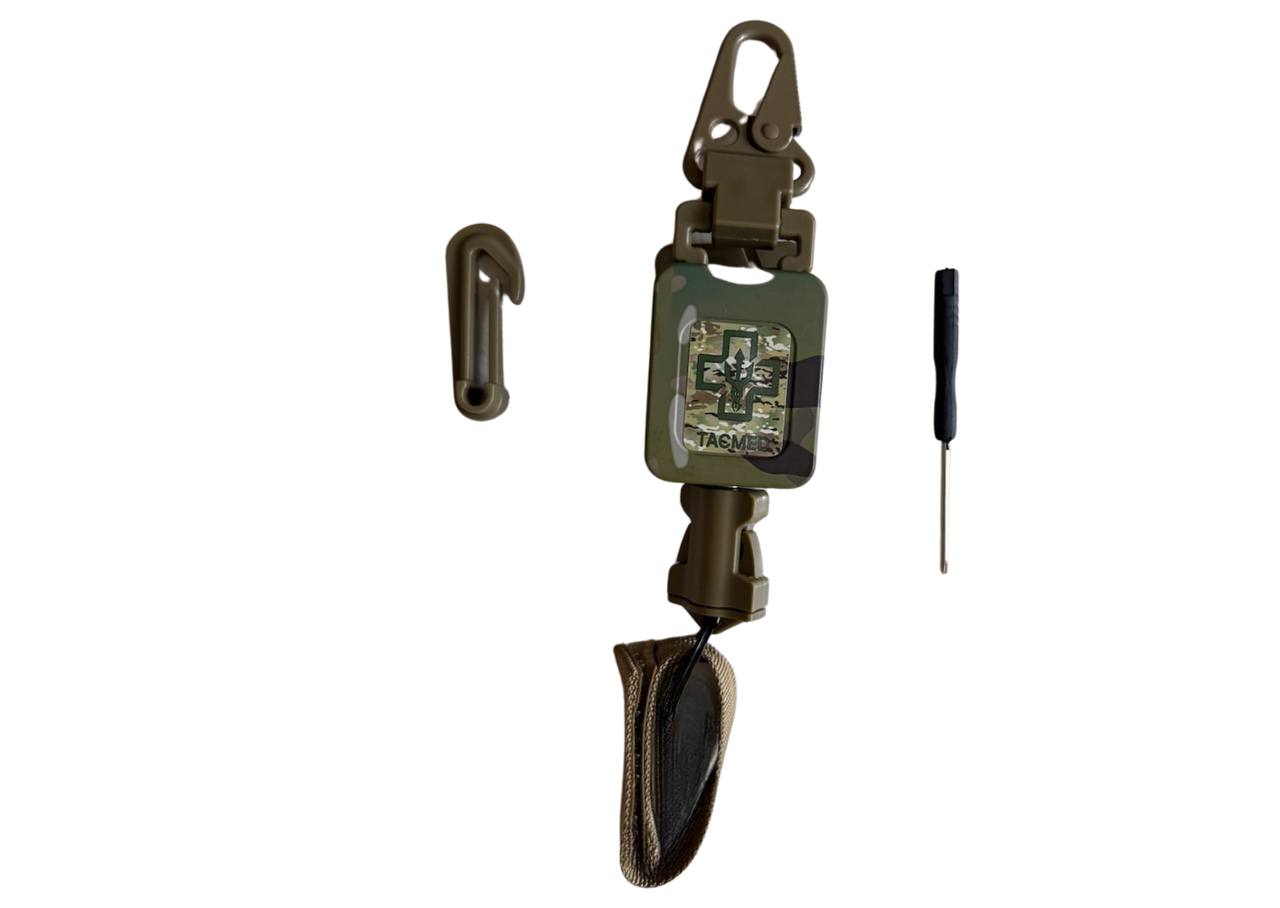
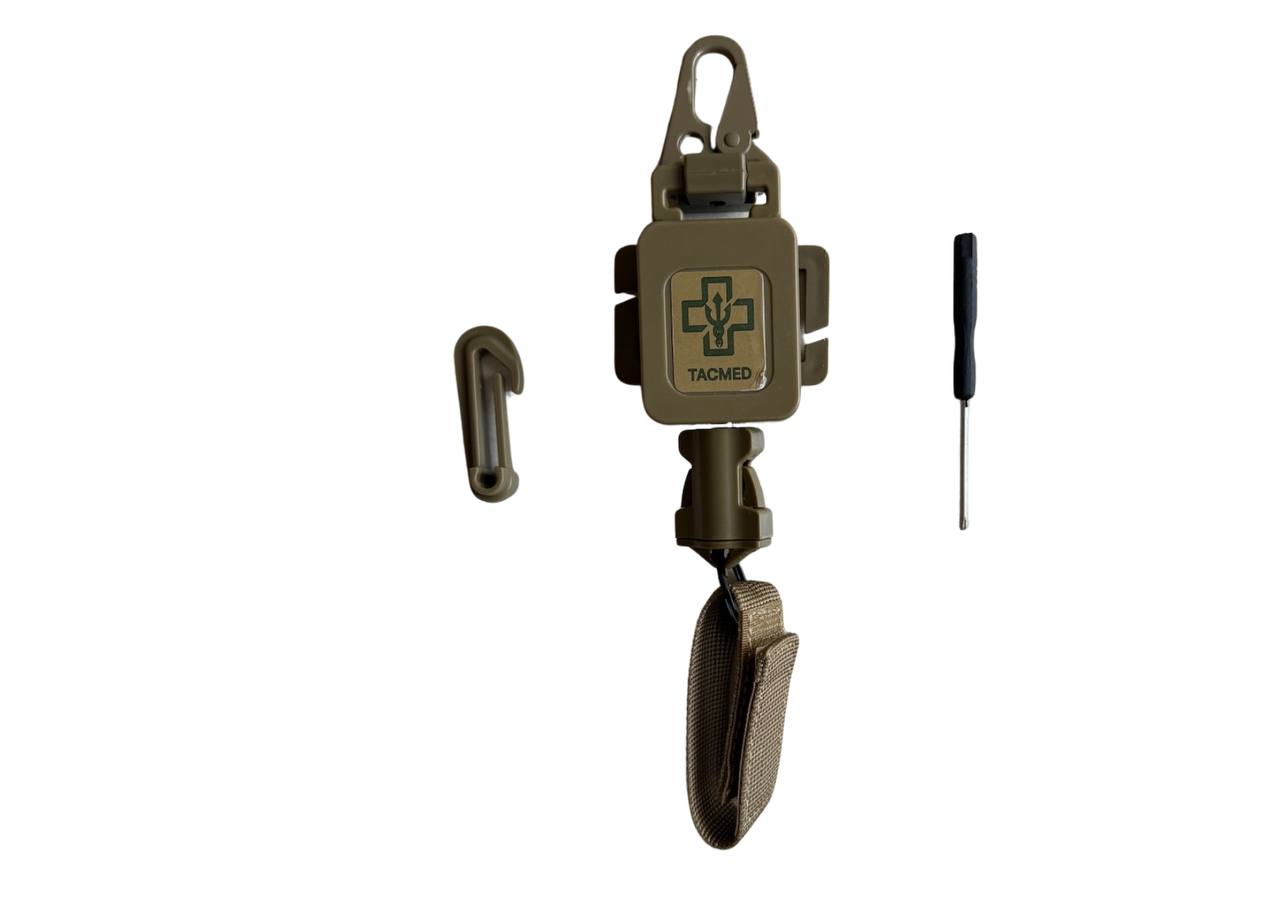
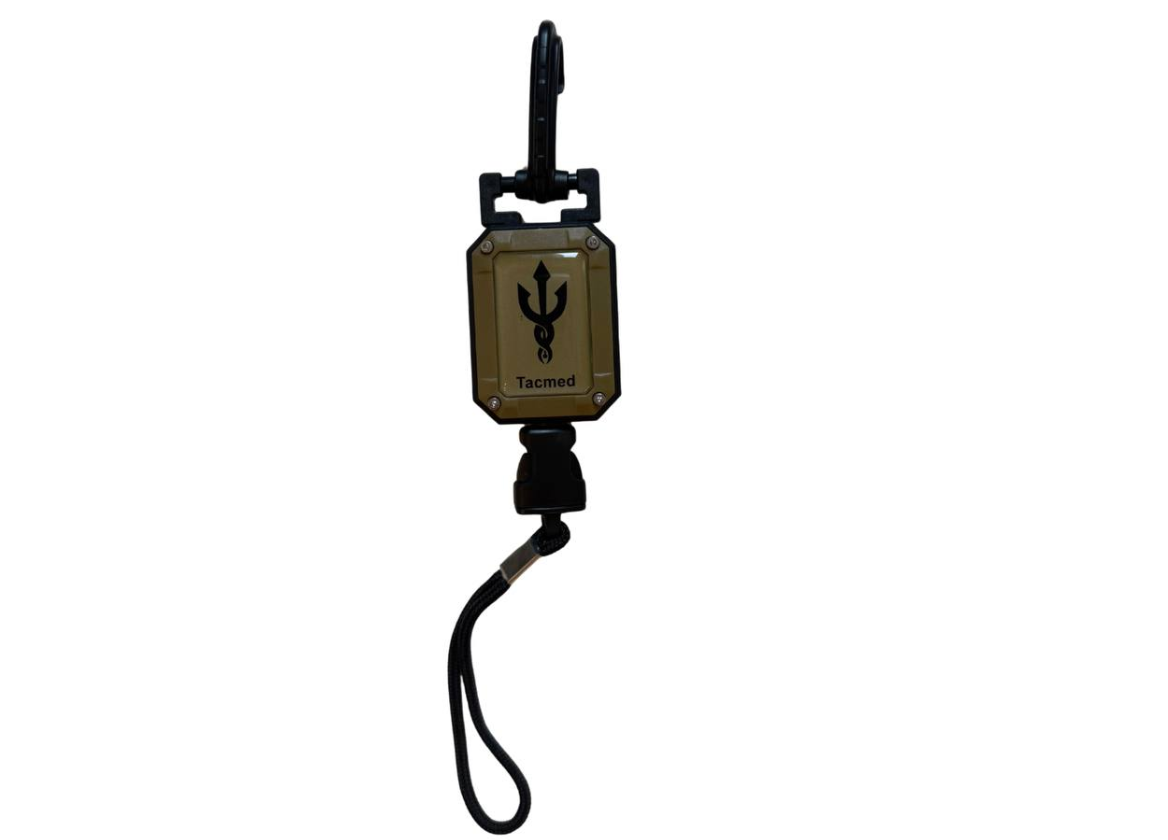
Retractors provide a secure attachment for first-aid kits, medical tools, and other equipment that must remain accessible during movement and work. A retractable cord or cable allows the attached item to be extended to the required distance, used, and kept connected to the equipment. This design reduces the risk of accidentally losing scissors, a multi-tool, a small pouch, or another item. The TacMed catalog includes retractors and safety cords for professional equipment. Available products include TACMED models designed for use with various equipment items. A suitable option can be selected according to its construction, attachment method, cable length, and intended use.
A retractor is a compact retention device with an extendable component. In models with a retracting mechanism, the cable automatically returns to the housing after use. The attached item can be moved away from its attachment point, while the cable remains neatly stored after the task is completed.
The specific construction depends on the model. For example, the TACMED retractor has an ABS plastic housing, a 42 cm stainless steel cable, and a combined attachment system. It can be secured with a carabiner or a 360° rotating mount compatible with MOLLE/PALS equipment.
Retractors can be used for:
The choice of attached item depends on the permitted load of the specific retractor. Excessive weight may affect the operation of the retracting mechanism and the reliability of the attachment.
During movement, a first-aid kit or individual medical tools may accidentally fall out when a pouch is opened. The risk is particularly high when working in gloves, inside a vehicle, in a confined space, or under poor lighting. A retention attachment keeps the required item connected to the equipment.
A retractor also simplifies equipment organization. Scissors or another frequently used tool can be secured in a designated location and retrieved without complete detachment.
This solution is used by service personnel, medical professionals, responders, law enforcement officers, hikers, and other equipment users. Possible applications depend on the specifications of the particular model and the item that needs to be secured against loss.
A typical design includes a housing, internal mechanism, retractable cable or cord, and attachment elements. The user extends the attached item to the available distance, after which the mechanism pulls the cable back.
The TACMED retractor uses a 42 cm stainless steel cable. A composite clip with an additional metal ring is attached to the retractable cable, while the housing can be secured with a carabiner or a MOLLE-compatible mount. This model measures 18 × 6 cm and has a stated weight of approximately 92 g.
The rotating mount allows the position of the retractor to change in relation to the equipment. This may be convenient when the user moves actively or retrieves the attached item from different angles.
The compatible equipment depends on the design and permitted load of the device. Retractors are most commonly used for compact items that are retrieved regularly during work.
The manufacturer of the TACMED retractor lists paramedic scissors, multi-tools, small cutting tools, and compact instruments among the possible applications. The retention device can also be used with other compatible equipment when its weight and attachment method correspond to the specifications of the selected model.
When organizing equipment, check whether:
Position the retractor so the cable can reach the attached item without constantly rubbing against sharp edges or other equipment components.
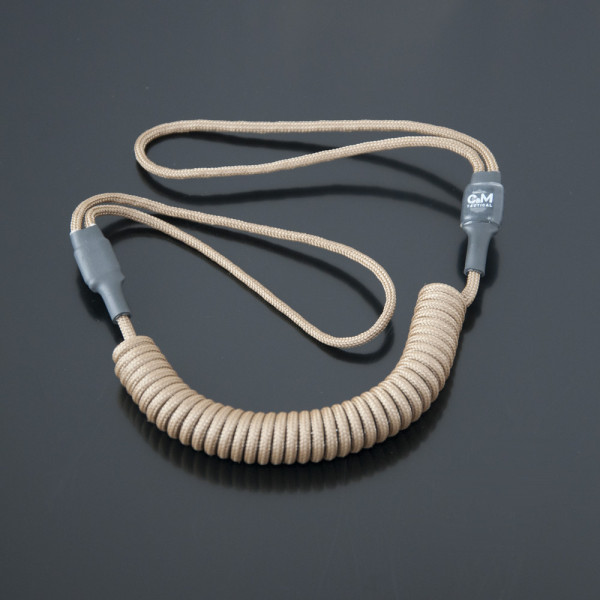
The TacMed category includes several retention device formats. A universal safety cord is available alongside retractors. Users can therefore select a design according to the intended application and equipment type.
A retractor with an automatic mechanism is convenient for items that need to be moved away from their attachment point regularly and returned afterward. The cable retracts into the housing after use, allowing its working section to occupy less space.
A safety cord has a different construction and can be used where automatic retraction is unnecessary. Before purchasing, check the specifications of the particular model, its attachment type, and its compatibility with the intended equipment.
The primary function of a retractor is to secure compact equipment against accidental loss. A properly selected device also helps organize tools and maintain a consistent equipment layout.
Practical advantages include:
Cable material has particular significance in field conditions. TACMED retractors use stainless steel cables and ABS plastic housings.
Before purchasing, determine which item will be attached and where the retractor will be positioned. You can then compare cable length, housing construction, and attachment systems.
The main selection criteria include:
After installation, retrieve and return the attached item several times while wearing the usual equipment. This check helps identify a position where the cable is long enough for use and the device does not restrict movement.
MOLLE/PALS is used on many carrier vests, backpacks, belts, and medical pouches. A compatible retractor can be positioned close to the item that needs to be secured.
The TACMED model provides two attachment options: a carabiner and a 360° rotating MOLLE/PALS-compatible mount. This expands the available placement options across different equipment components.
After installation, check that the housing is secured properly. The cable should extend freely from the retractor and return without catching on webbing, pouches, or fittings.
A mismatch between the retractor specifications and the actual load may shorten the service life of the mechanism or make it inconvenient to use. Size and appearance alone provide insufficient information about the device’s compatibility with the equipment.
Common mistakes include:
Inspect the housing, cable, and attachment points before use. If the cable is damaged, the attachment is deformed, or the mechanism operates inconsistently, the product requires inspection or replacement.
A retractor regularly comes into contact with dust, moisture, and other contaminants, especially during field use. The condition of the moving mechanism and cable should be checked periodically.
After intensive use, inspect the housing, carabiner, clip, metal ring, and cable. The cable should extend freely and return inside the housing. Follow the recommendations of the specific model’s manufacturer for cleaning and maintenance.
Avoid modifying the retractor or exceeding its stated load. The reliability of the complete system also depends on the point to which the retention device is attached.
The TacMed online store offers retractors and safety cords for first-aid kits, medical tools, and professional equipment. The current catalog includes TACMED retractors and a universal safety cord. TACMED models are suitable for attaching paramedic scissors, multi-tools, small cutting tools, and other compatible equipment. One available model has a 42 cm steel cable, a carabiner, and a rotating MOLLE mount.
Orders can be placed online with delivery throughout Ukraine, including Kyiv, Lviv, Odesa, Dnipro, Kharkiv, and other locations. TacMed also offers atraumatic scissors, strap cutters, gloves, sorting and marking supplies, and other first-aid kit components.
FAQ
What Is a Retractor Used For?
A retractor securely attaches tools and other compact items to equipment. The retractable cable allows the attached item to be used while maintaining its connection to the attachment point.
What Can Be Attached to a TACMED Retractor?
TACMED retractors can be used for paramedic scissors, multi-tools, small cutting tools, and other compatible equipment. The attachment design and permitted load of the particular model must be considered.
What Is the Cable Length of the TACMED Retractor?
The TACMED retractor available in the catalog has a stated cable length of 42 cm. The cable is made of stainless steel.
Can the Retractor Be Attached to MOLLE?
The TACMED retractor has a MOLLE/PALS-compatible mount and a carabiner. The rotating mount can turn through 360°.
Why Is a Retractor Convenient for Paramedic Scissors?
The scissors remain attached to the equipment during use. Afterward, the retracting mechanism returns the cable to the housing, helping maintain an organized tool layout.
How Do I Choose a Retractor?
Consider the item’s weight, cable length, cable material, housing design, and attachment type. For use with modular equipment, also check MOLLE/PALS compatibility.
Where Can I Buy a Retractor for Professional Equipment?
Retractors and universal safety cords are available in the TacMed category. Current availability, specifications, and package contents can be checked in the catalog.