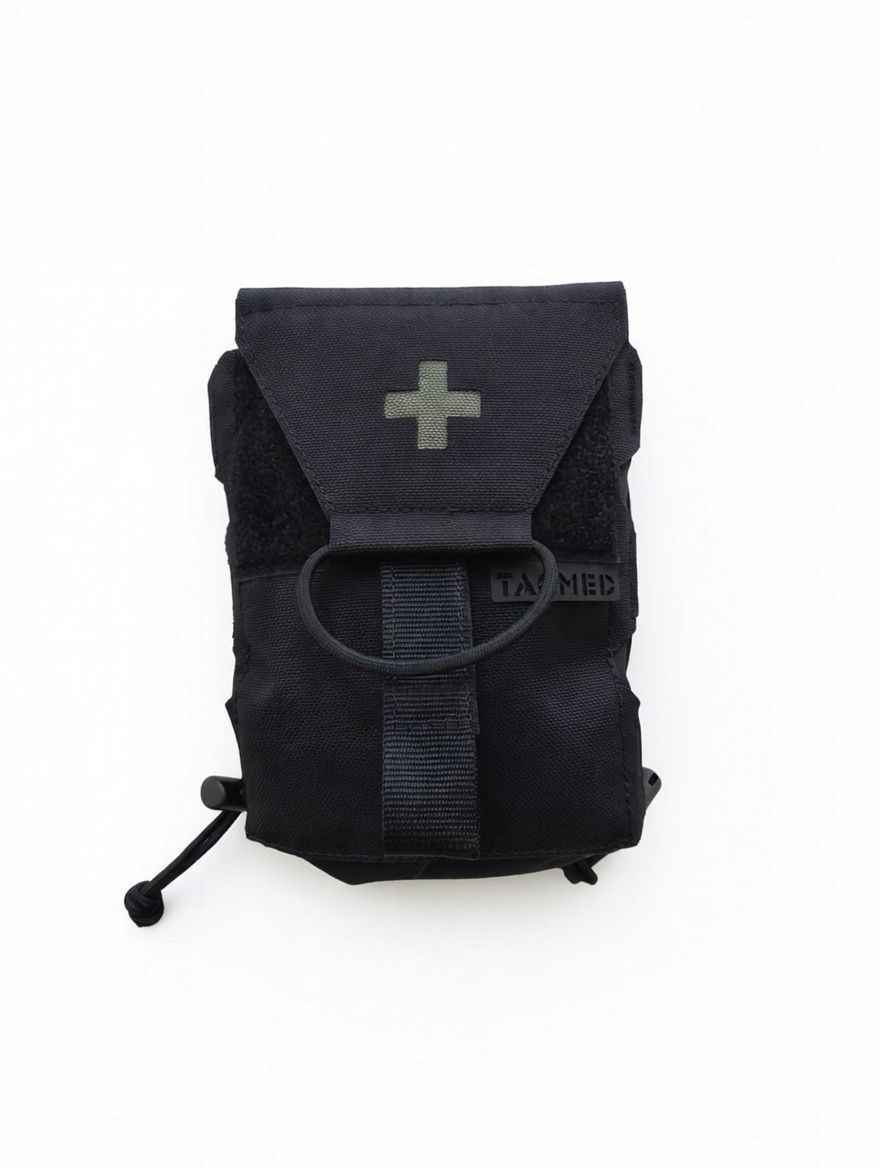
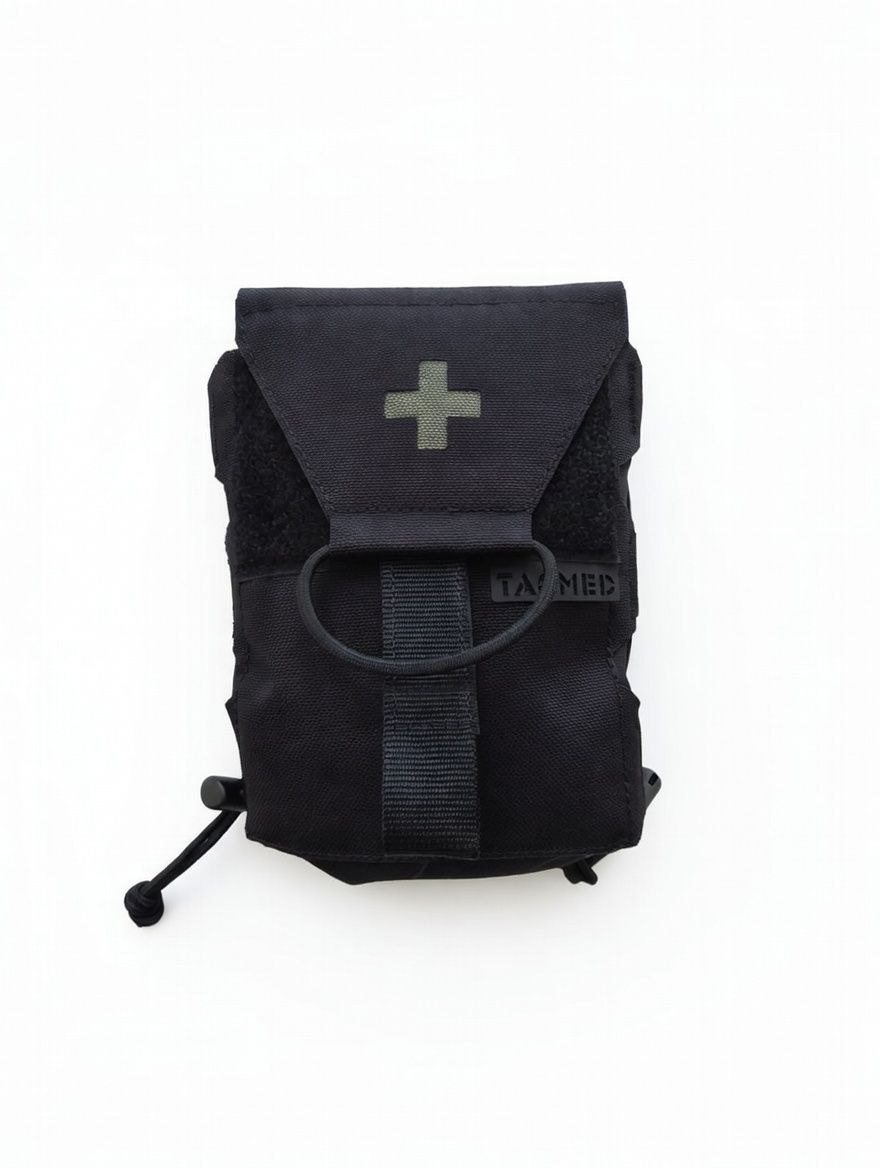
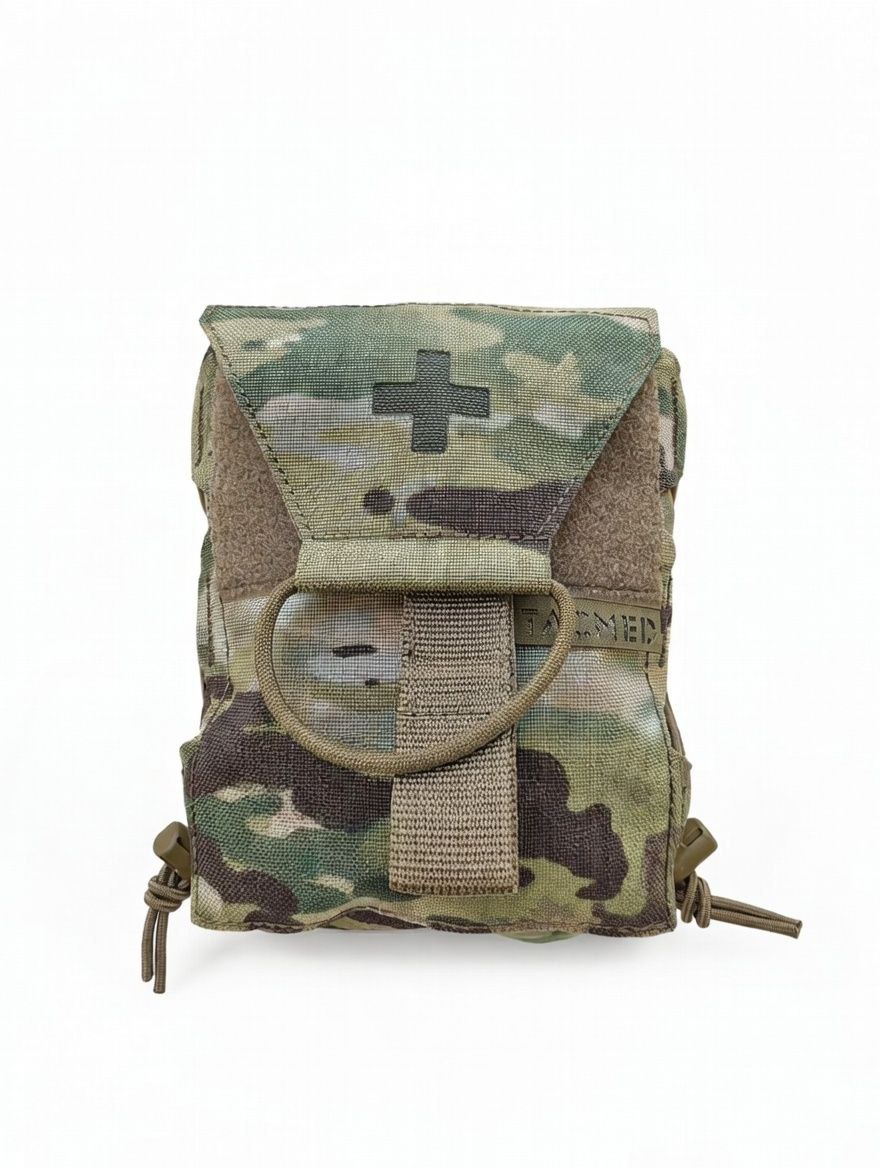
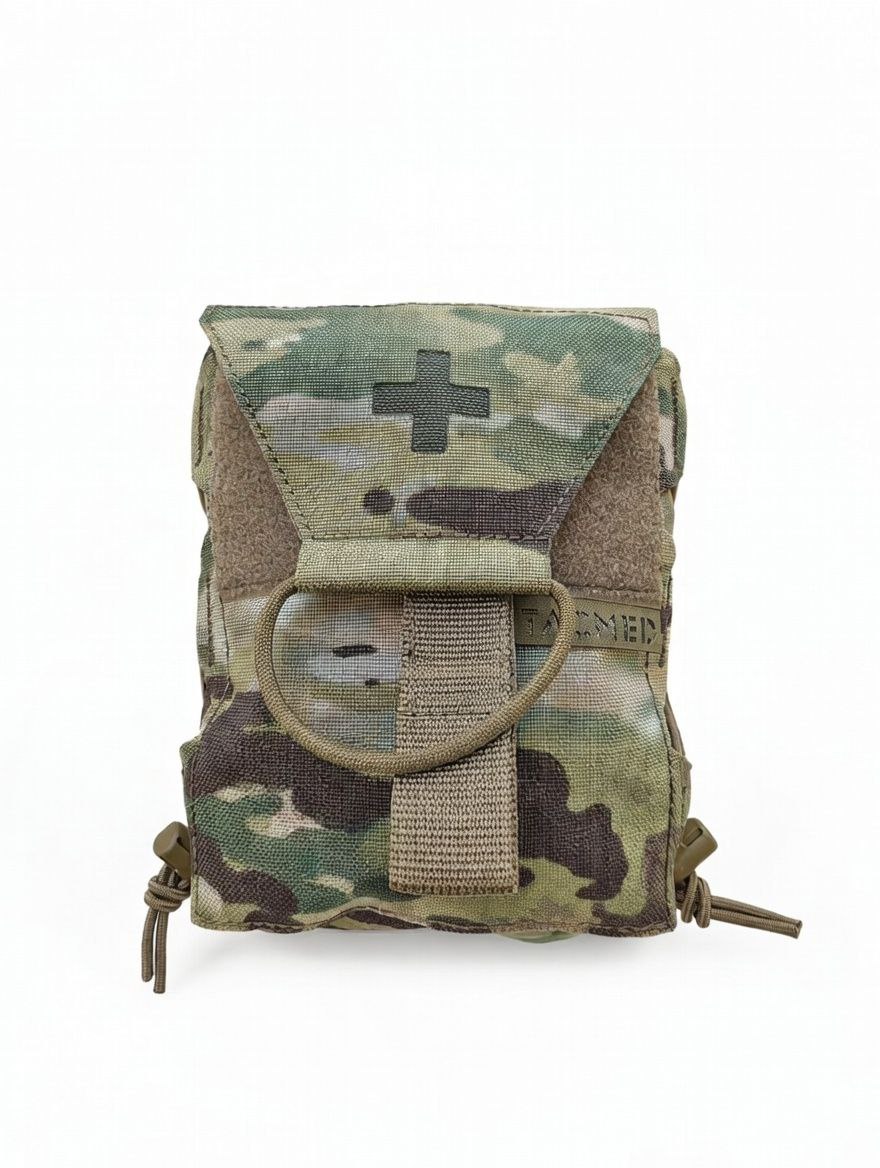
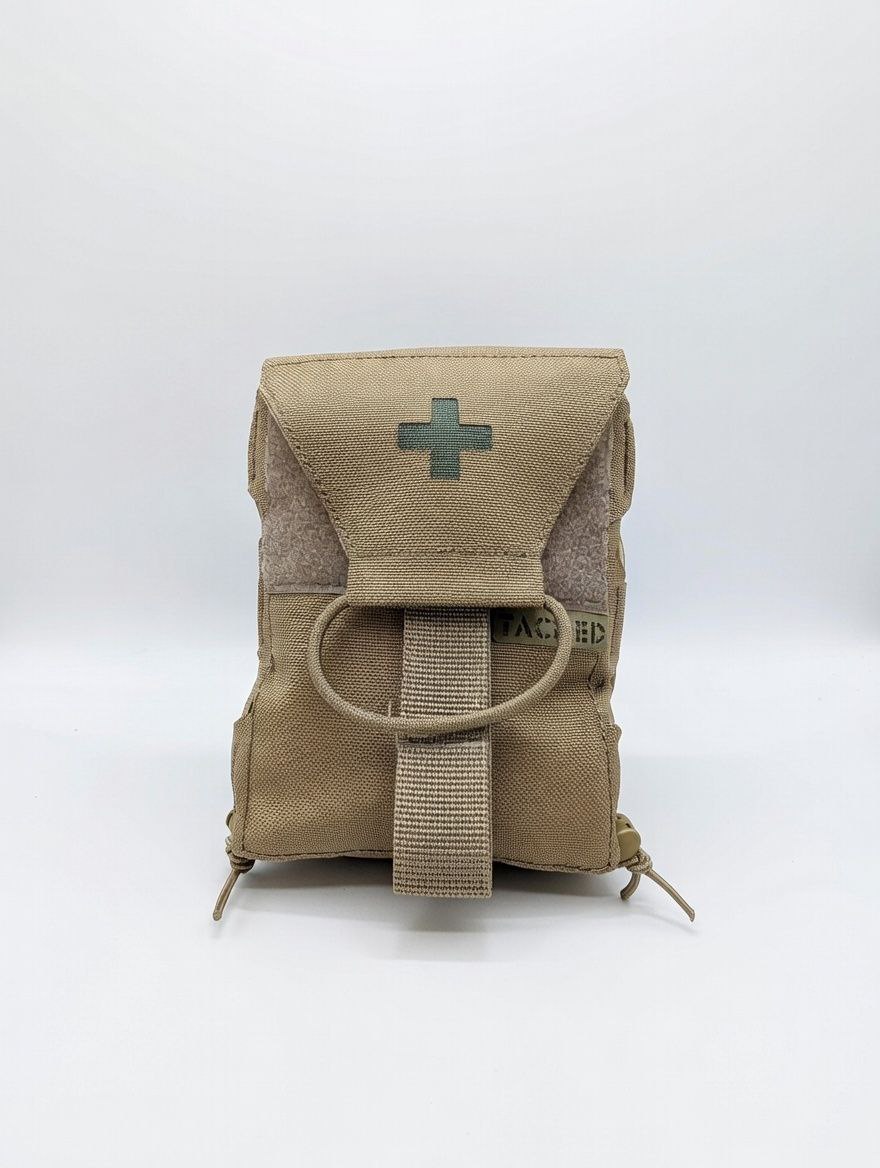
Tactical first aid kits: ready-made solutions for first aid in field conditions
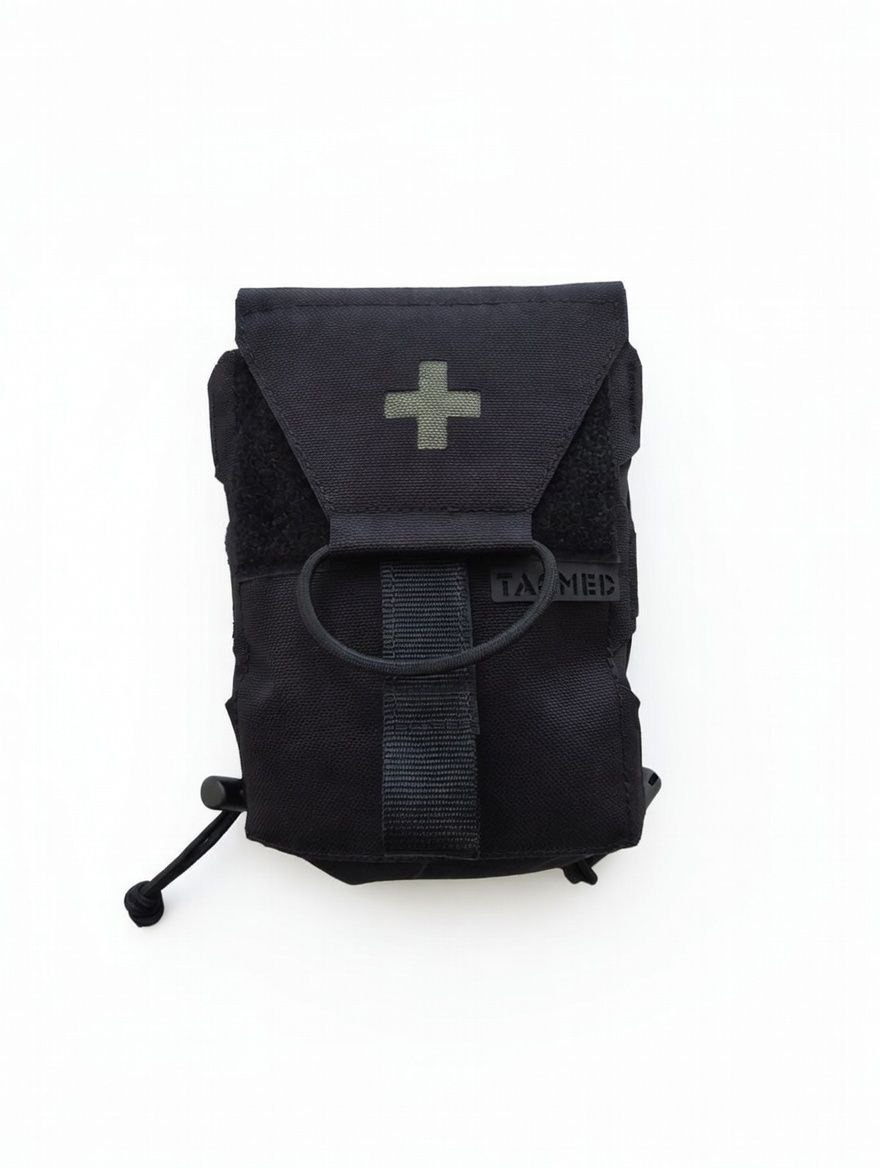
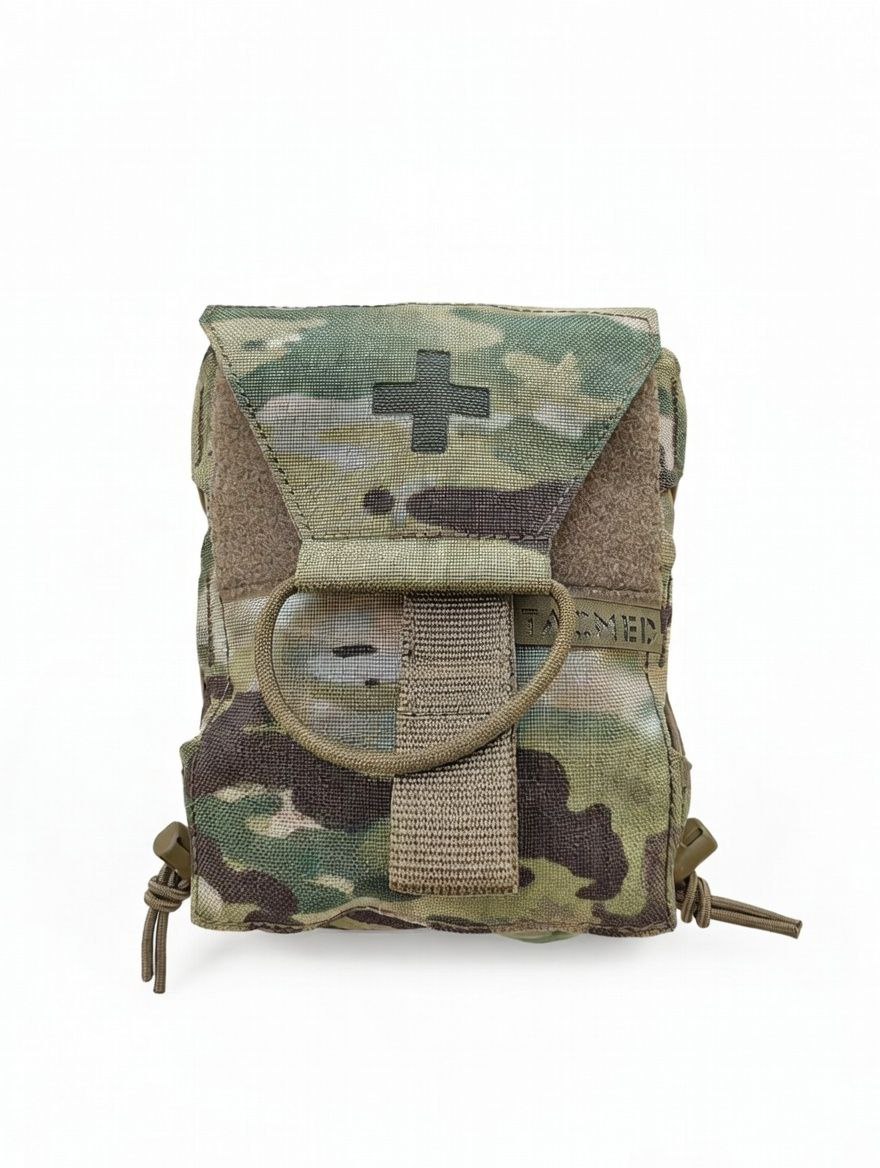
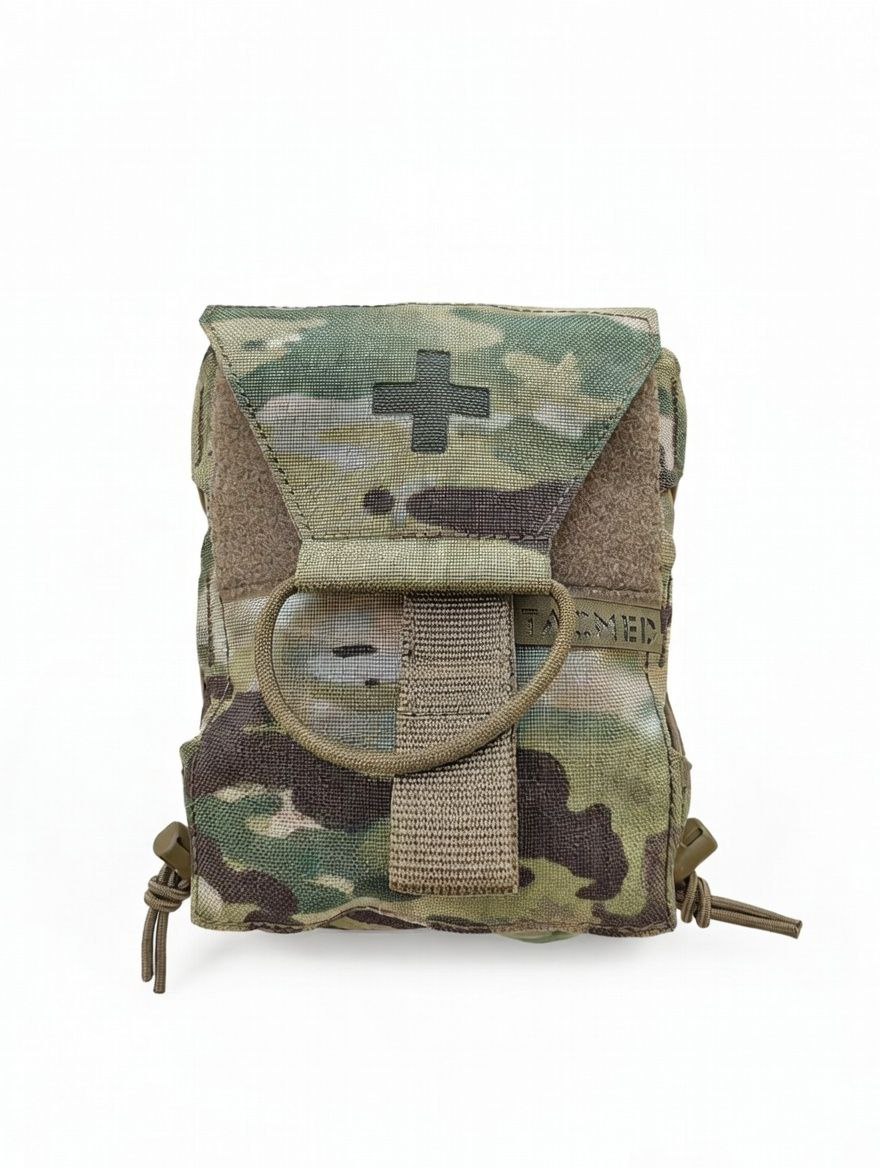
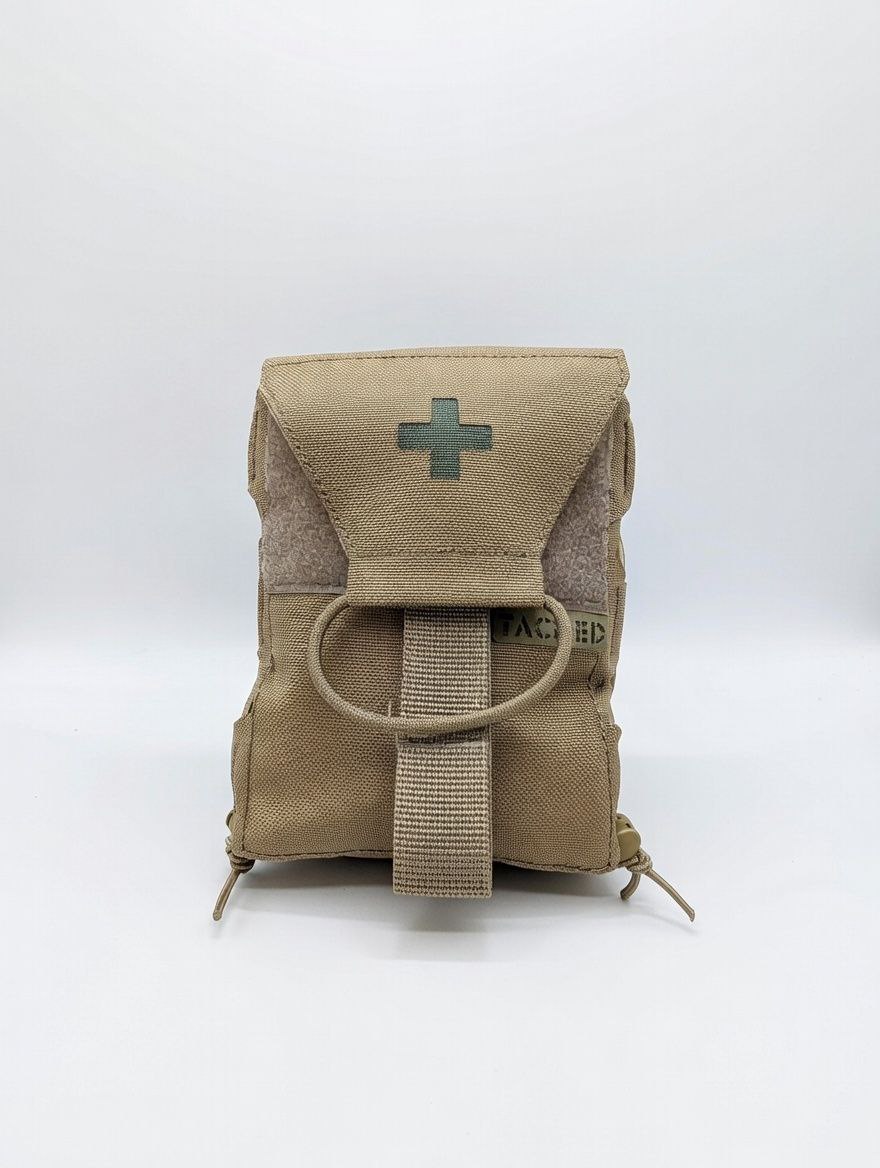
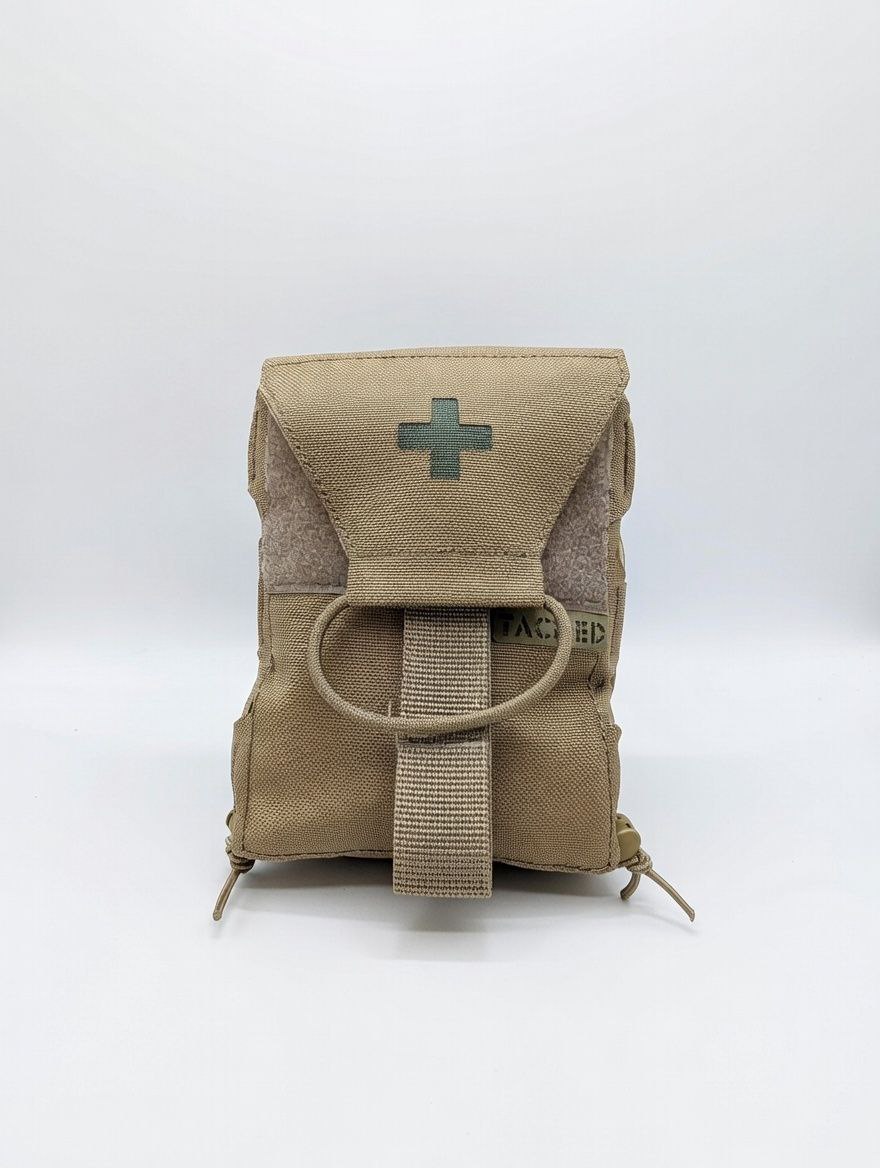
A tactical first aid kit is a specialized set of medical supplies designed for providing first aid in injuries and trauma in combat or extreme conditions. A modern tactical kit is assembled based on real usage scenarios, where speed of access, effectiveness, and compactness are critically important. That is why more and more users choose ready-made tactical kits that already have an optimal composition. The decision to buy a tactical first aid kit means readiness to act in situations where every minute matters. The TacMed catalog features kits for paramedics, rescuers, and civilians that meet modern tactical medicine standards in Ukraine. You can order them at an affordable price with delivery across Ukraine.
How does a tactical first aid kit differ from a standard one?
A tactical first aid kit differs significantly from a standard medical kit in both composition and usage logic. While a standard kit is designed for everyday situations, a military-oriented kit is intended for working with critical injuries.
Main differences:
- presence of bleeding control tools;
- adaptation for emergency care;
- compact and well-thought-out format;
- ability for rapid access.
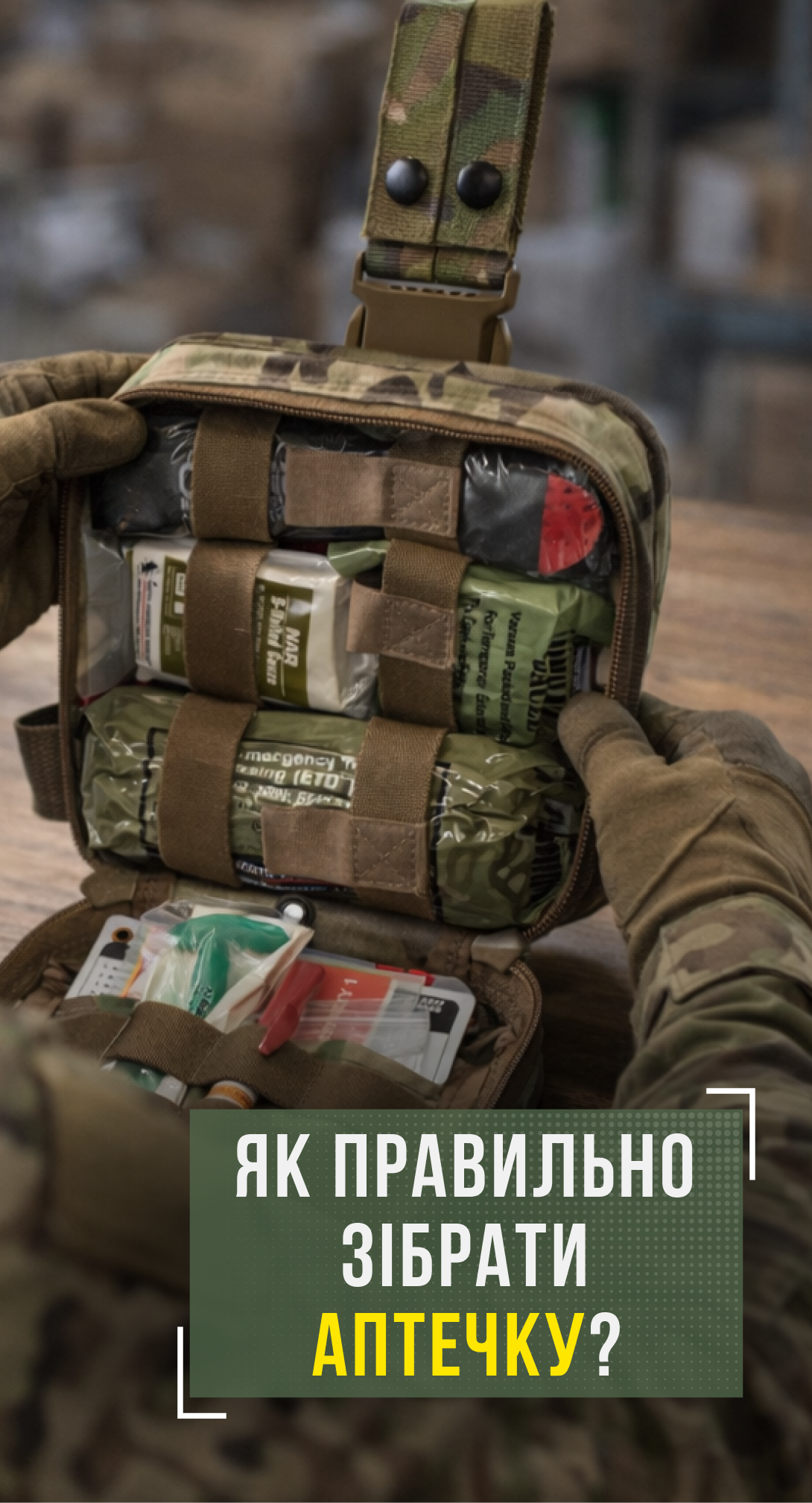
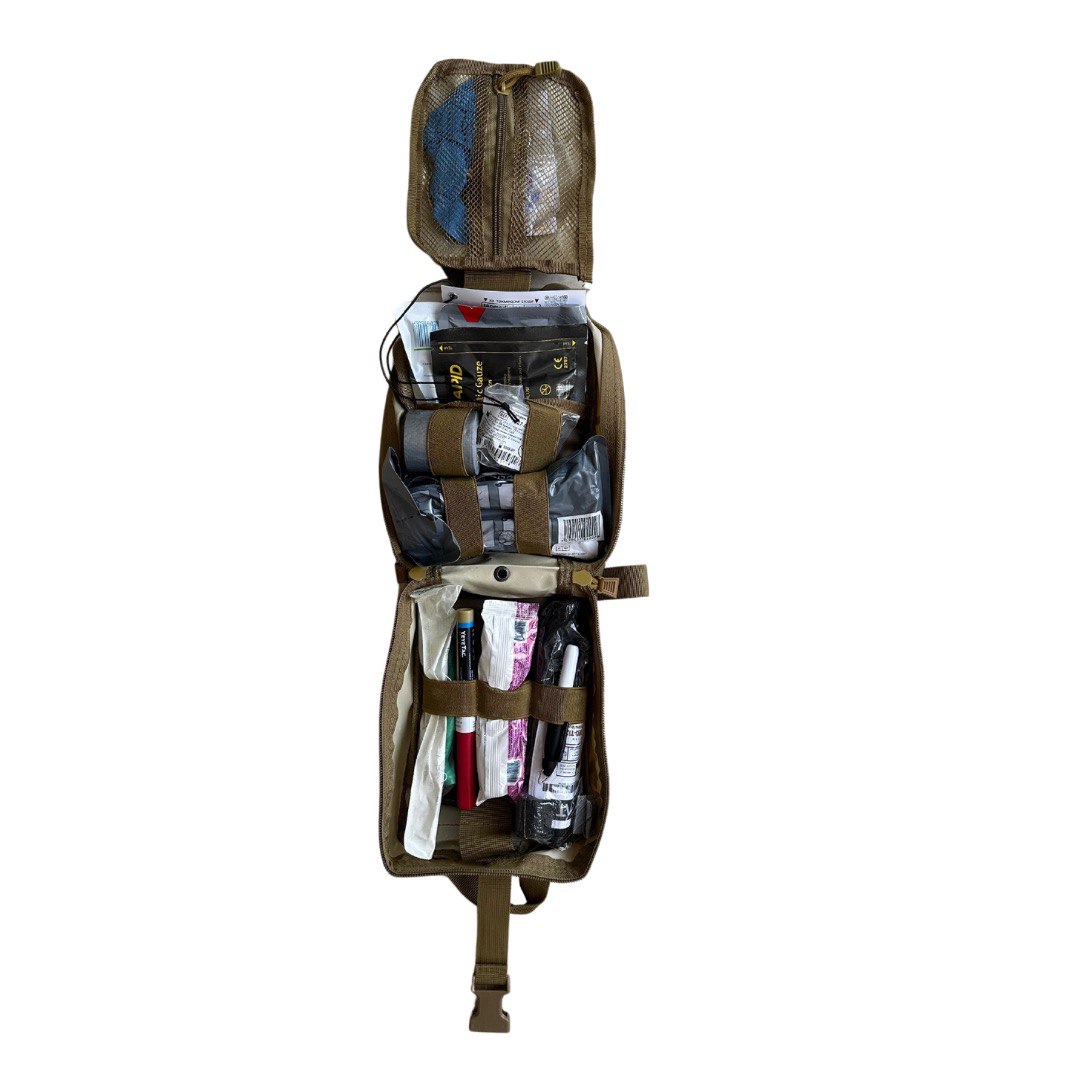
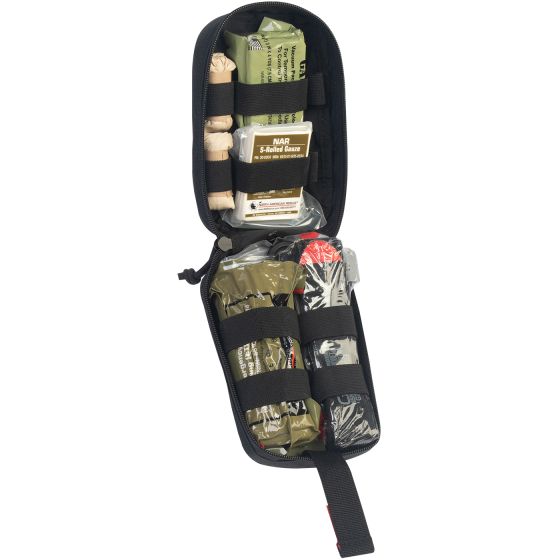
The organization of internal space also plays an important role. In a tactical first aid kit, each element is arranged so that it can be quickly located and used even under stress.
Importance of a tactical first aid kit
A tactical first aid kit is one of the key elements of survival, as it allows immediate action even before evacuation. It provides the ability to stabilize the condition of an injured person in the first minutes, when risks are highest and access to full medical assistance is limited. According to modern approaches, a significant portion of critical conditions can be controlled at the first-response level if the correct tools and basic skills are available. Therefore, the role of the kit goes beyond that of a supporting tool — it becomes part of a survival system.
A kit for field conditions allows:
- rapid response to injuries under time constraints;
- control of bleeding and reduction of complication risks;
- performing dressing and tissue protection;
- stabilizing the condition until evacuation;
- acting autonomously in difficult conditions.
It is also important to consider that the effectiveness of a tactical first aid kit depends on its contents, accessibility, and internal organization. In demanding conditions, it must be possible to use it quickly, often with one hand, without unnecessary actions. That is why such kits are designed based on real usage experience, including scenarios of limited visibility, stress, and time pressure. Tactical kits are continuously improved based on practice. They must be as reliable, effective, and adapted to real challenges as possible, since this directly affects the ability to preserve life in critical situations.
What should be in a tactical first aid kit?
The contents depend on tasks, but there are basic elements used in most cases. These components cover the main emergency scenarios. Before choosing, it is important to understand what is included and how the structure is formed.
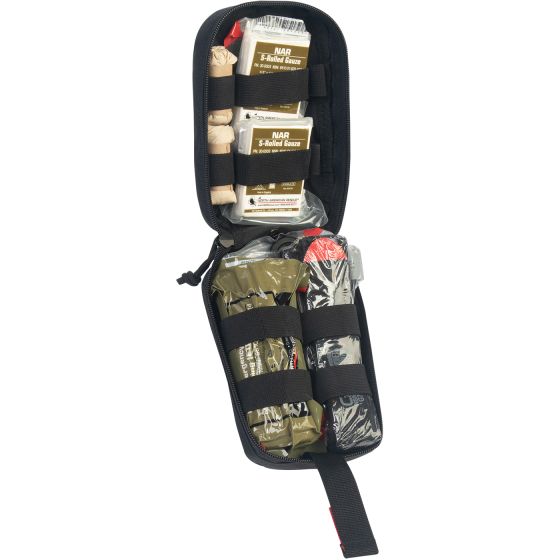
Basic contents:
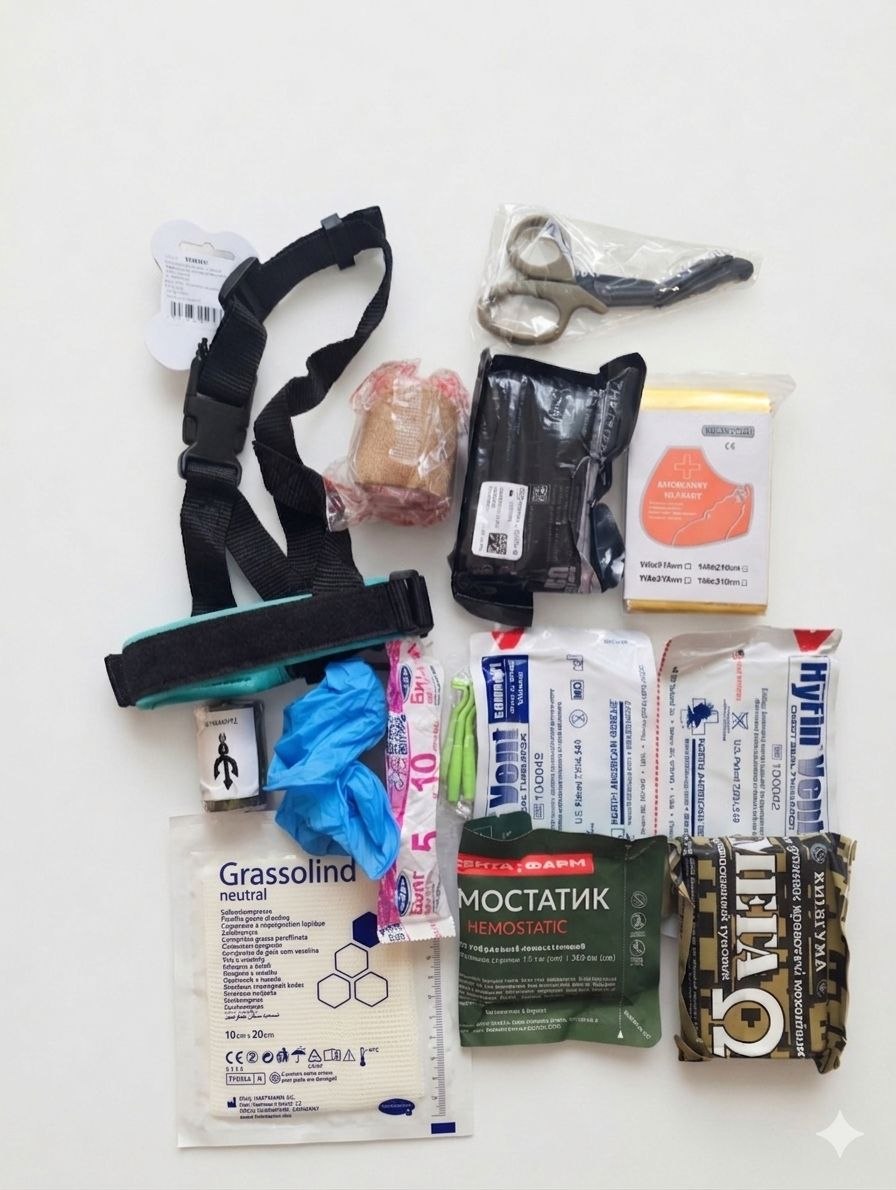
- bleeding control tools;
- dressing materials (bandages, braces);
- fixation tools;
- gloves and auxiliary elements;
- scissors, markers, and other tools.
Such composition is typical for ready-made kits presented in the catalog. It allows quick and effective action in field conditions.
How to choose an IFAK kit?
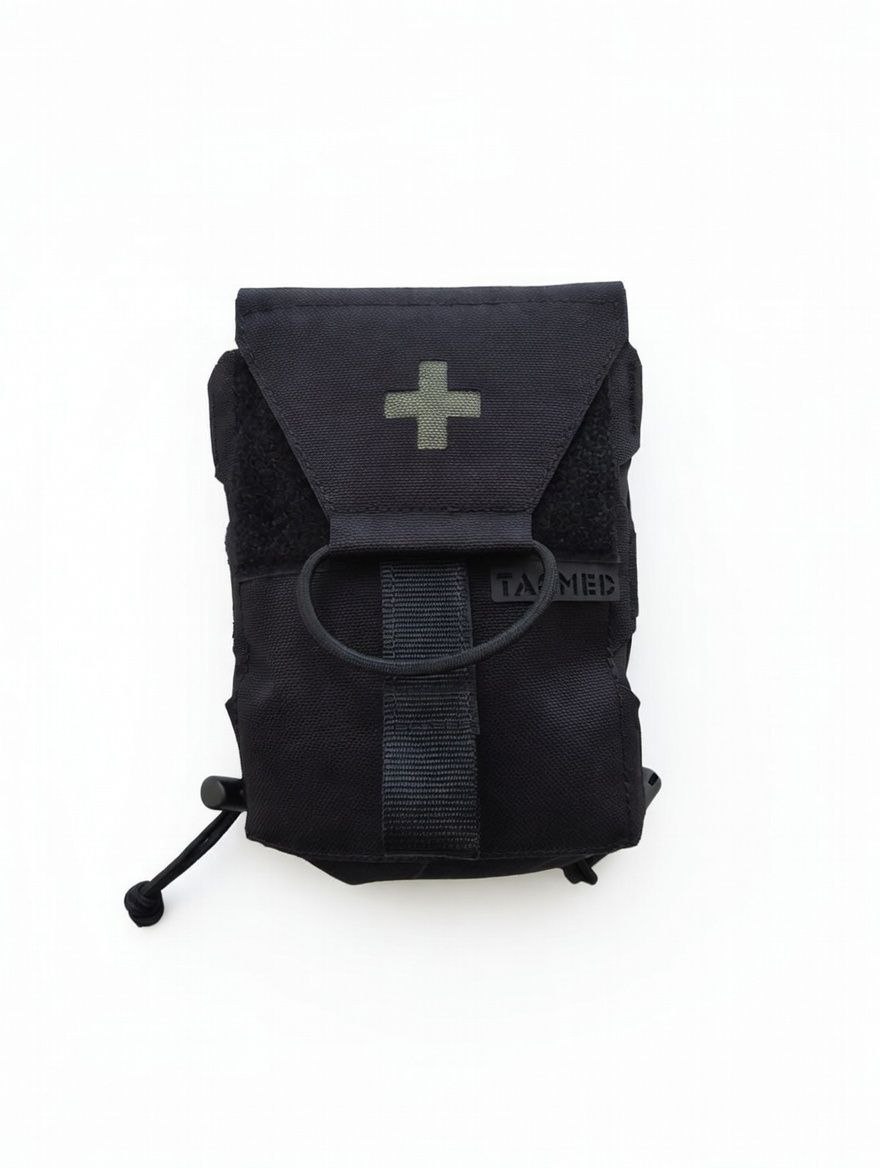
An IFAK (Individual First Aid Kit) is a personal first aid kit that must be adapted to the user and usage conditions. It is used in situations where speed of response and the ability to act independently before medical assistance arrives are critical.
The most common mistake is choosing a kit without considering real usage scenarios. As a result, some tools remain unused, while critical components may be missing at the moment they are needed.
When choosing, pay attention to:
- The kit must include bleeding control tools, dressing materials, and basic stabilization solutions;
- format and size. The kit should be compact and convenient for carrying without loss of functionality;
- internal organization. Key elements must be quickly accessible;
- quality of components. All tools must be reliable and suitable for emergency use;
- Choose depending on tasks — military, professional, or civilian;
- customization. Flexibility to adapt the kit to specific needs;
- compatibility with gear. The kit should integrate easily into equipment and be usable in real conditions.
The optimal solution is ready-made IFAK kits already assembled based on practical experience. They help avoid mistakes and provide a basic level of effectiveness without additional configuration. If there are doubts, it is better to rely on proven solutions aligned with modern first aid approaches.
How to assemble a tactical first aid kit yourself?
Self-assembly is a complex process requiring knowledge and understanding of tactical medicine principles. It is not enough to simply collect supplies — it is necessary to build a system that will work in a critical moment.
Before assembling, it is necessary to define:
- usage scenarios;
- level of training;
- operating conditions.
Self-assembly provides flexibility but requires time and experience. That is why many users choose ready-made tactical kits.
Importance of updating a tactical first aid kit
A tactical first aid kit requires regular updating. Some components have limited shelf life, and others may be used and need replacement.
It is recommended:
- Check the kit every 3–6 months.
- Replace expired components.
- Supplement the contents based on tasks.
- Adapt the kit to new conditions.
Ultimately, updating a tactical first aid kit is not a formal check but an element of continuous readiness. It is important to maintain relevance and functionality of components under real conditions. Regular review helps identify weaknesses and improve the kit for specific tasks. This approach ensures confidence that the kit will perform effectively in a critical moment.
How to properly carry and place a tactical first aid kit?
Placement is a critical factor in effectiveness. Even the best kit will not help if it is not quickly accessible. That is why proper organization of carrying is essential.
Basic principles:
- one-handed access;
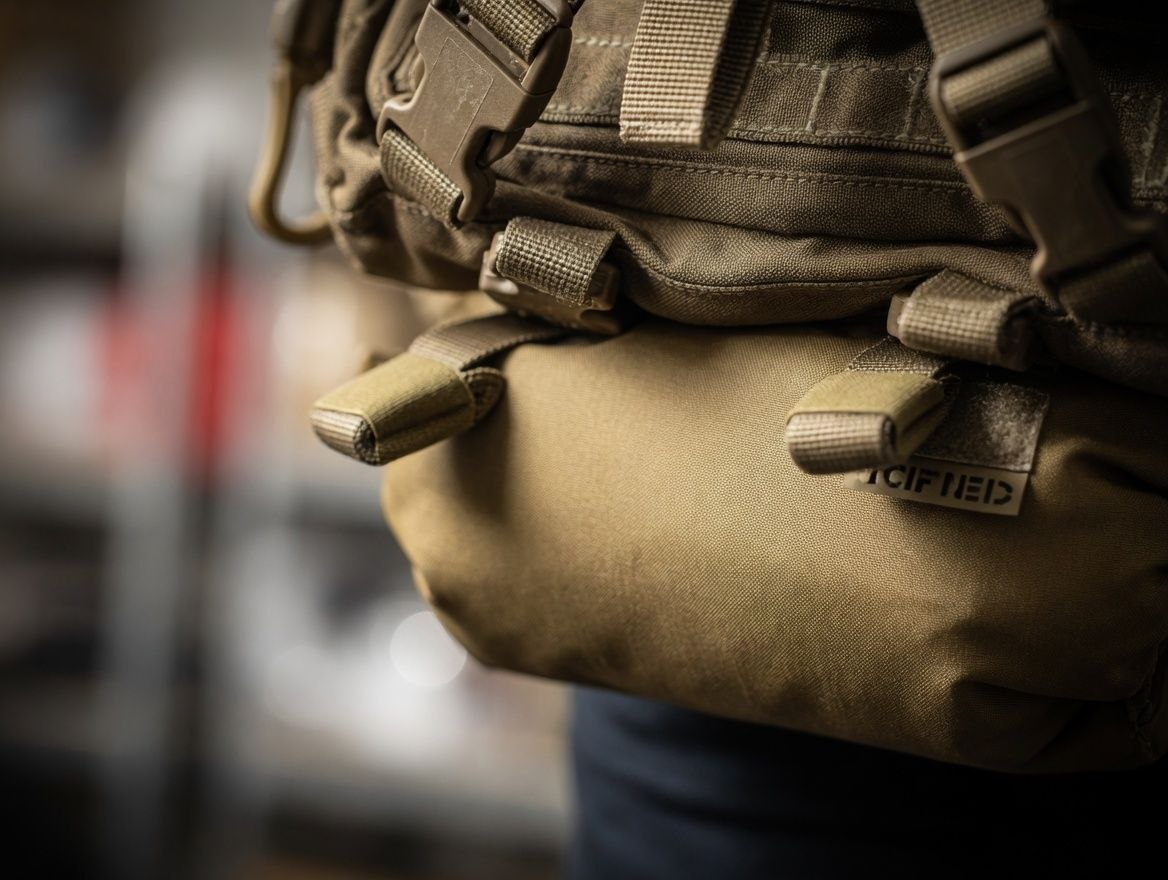
- secure attachment to gear;
- convenient placement;
- visibility or clear awareness of location.
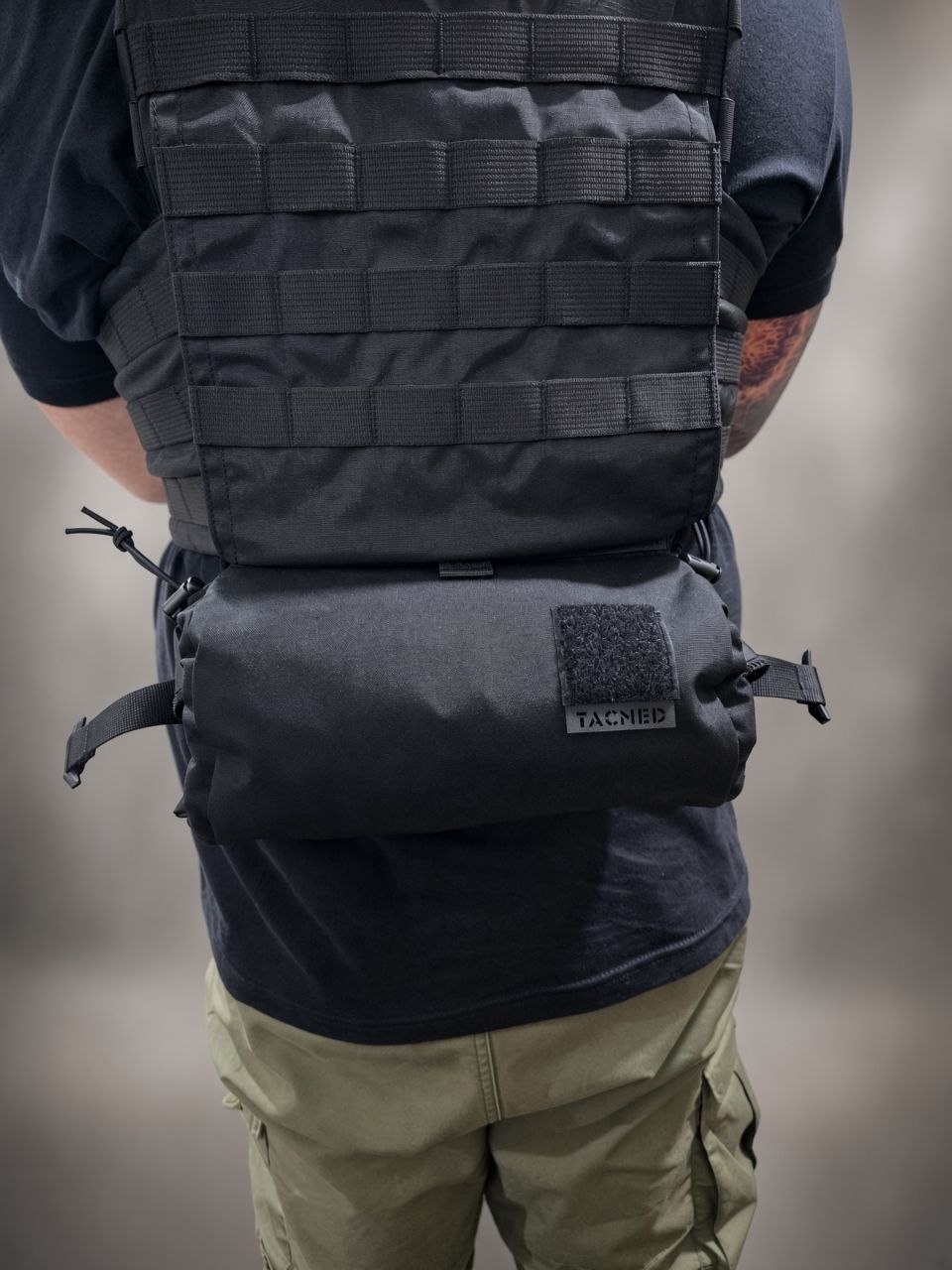
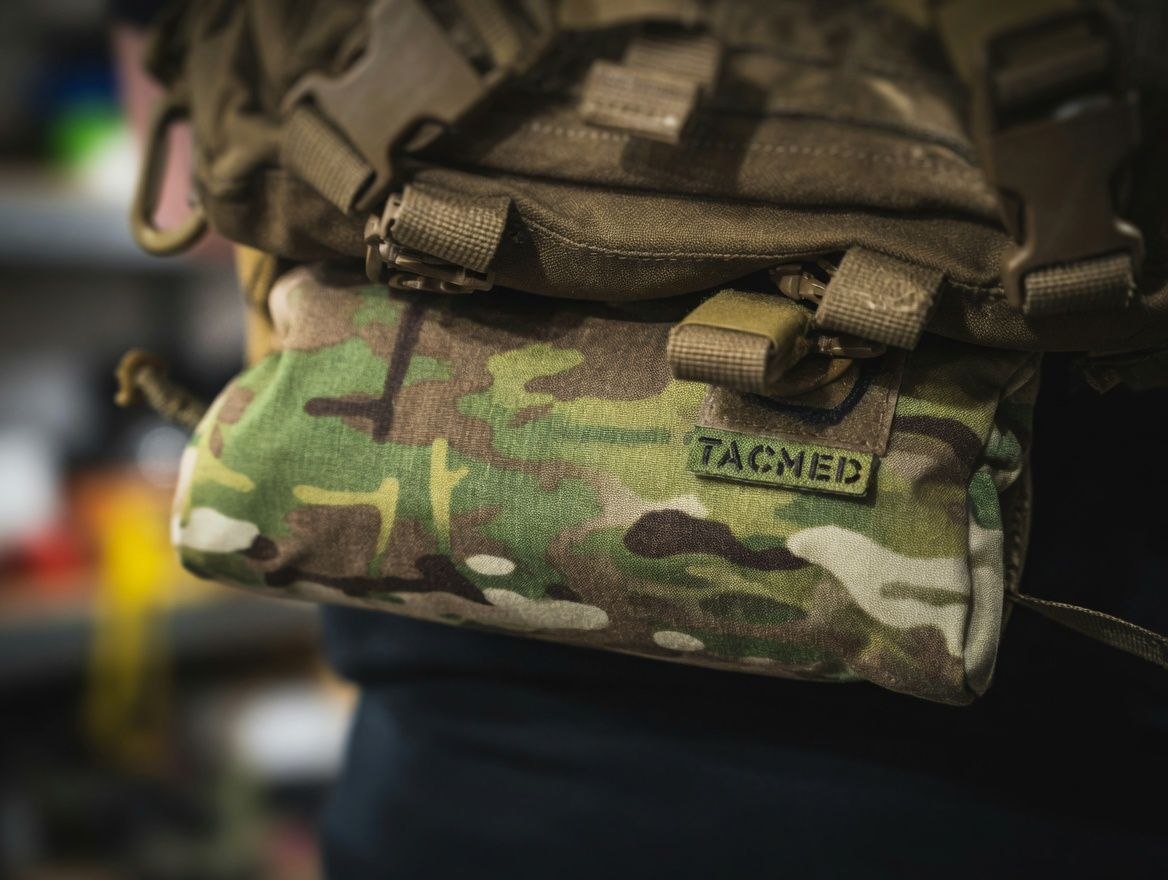
A tactical kit is most often mounted on a belt, body armor, or backpack. This allows immediate use when necessary.
We recommend buying tactical first aid kits at an affordable price in the TacMed online store
In the TacMed online store, you can buy tactical first aid kits for medics, rescuers, or civilian use. The catalog features ready-made kits that meet modern standards and are adapted to real conditions. We offer IFAK kits, tactical options for field use, and emergency solutions. We provide competitive prices, a loyalty program, and regular promotions with significant discounts. We offer delivery across Ukraine: Kyiv, Kharkiv, Dnipro, Odesa, Lviv, and other cities. This allows you to quickly equip yourself with the necessary supplies.
FAQ
1. What is included in a tactical first aid kit?
A tactical first aid kit includes bleeding control tools, dressing materials, and auxiliary instruments for first aid in injuries. This may include tourniquets, braces, bandages, gloves, scissors, and other elements. The specific contents depend on tasks and conditions of use. The main goal is to quickly stabilize the condition of the injured person until evacuation.
2. What kit is needed for field conditions?
An IFAK (Individual First Aid Kit) is required — a personal kit that is always carried. It must be compact, easily accessible, and contain all critically important tools. It is designed for rapid response in field conditions. This format is the standard in tactical medicine.
3. Is it better to buy a ready-made tactical first aid kit?
Yes, a ready-made tactical kit is the most convenient and safe solution for most users. It already has a balanced composition based on real usage scenarios. Self-assembly requires experience and knowledge of standards. Ready-made kits help avoid mistakes and save time.
4. How to choose a tactical first aid kit?
It is necessary to consider contents, format, and usage conditions. The kit must provide quick access to key elements and be comfortable to carry. It is also important to evaluate component quality and organization system. These factors determine effectiveness in critical situations.
5. How to properly carry a tactical first aid kit?
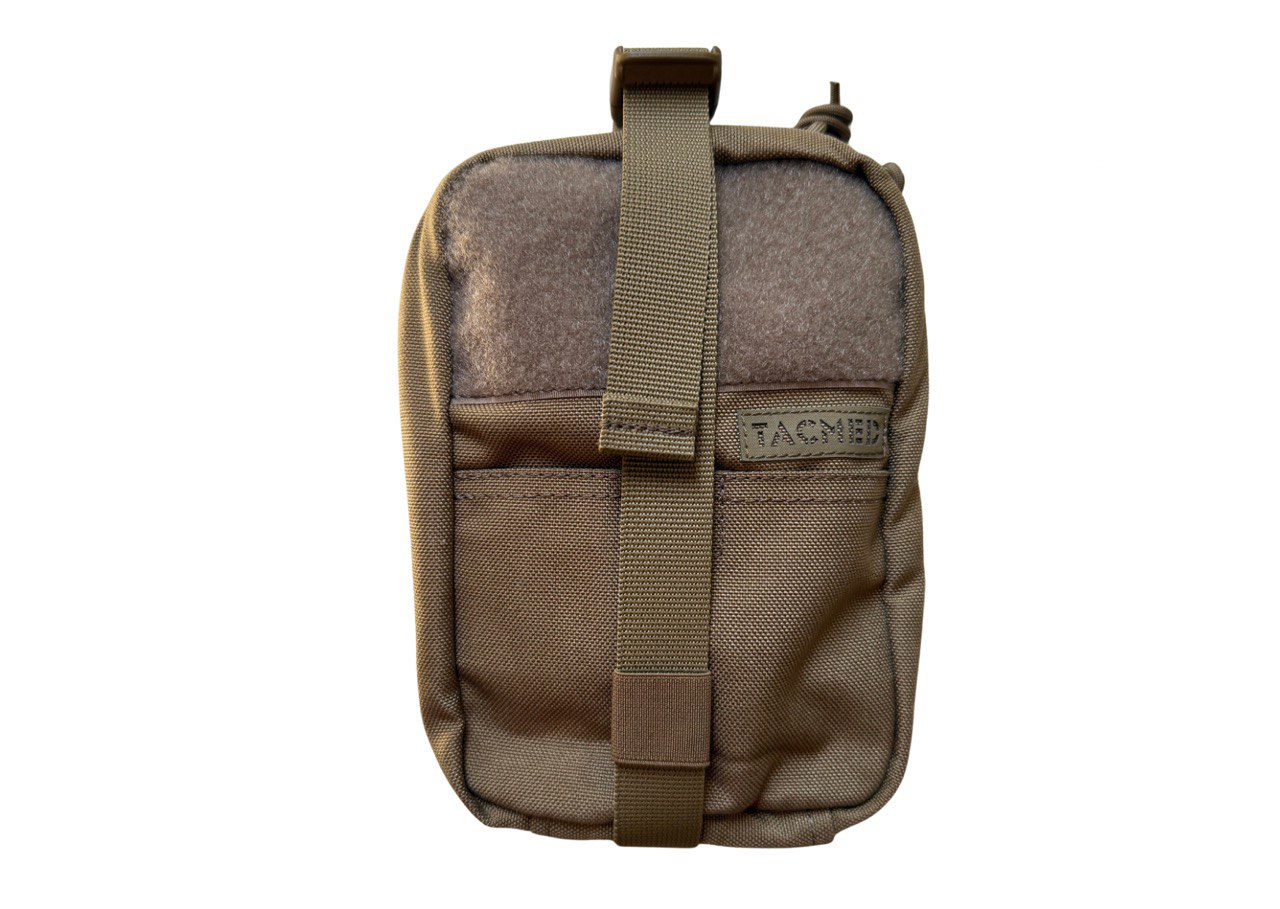
The kit should be mounted on gear so that it can be accessed with one hand. It is usually worn on a belt, vest, or as a pouch with MOLLE attachment. It should not interfere with movement but must remain within quick reach. Proper placement significantly reduces response time.
6. Is it necessary to update the kit?
Yes, a tactical first aid kit must be regularly checked and updated. Some components have limited shelf life or may be used. It is recommended to inspect it every 3–6 months. This ensures full readiness for use.