Medical backpacks: functional solutions for organizing equipment and first aid
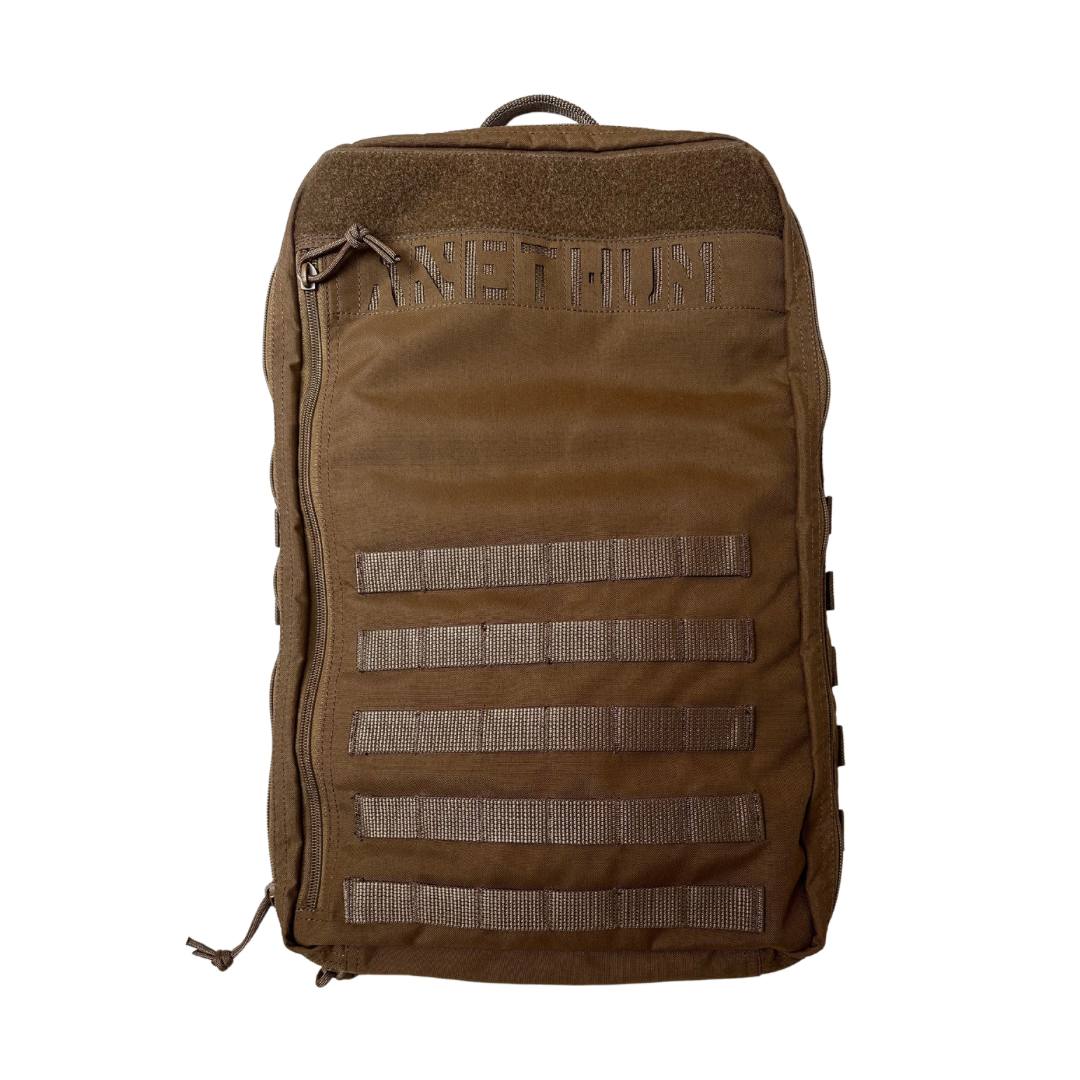
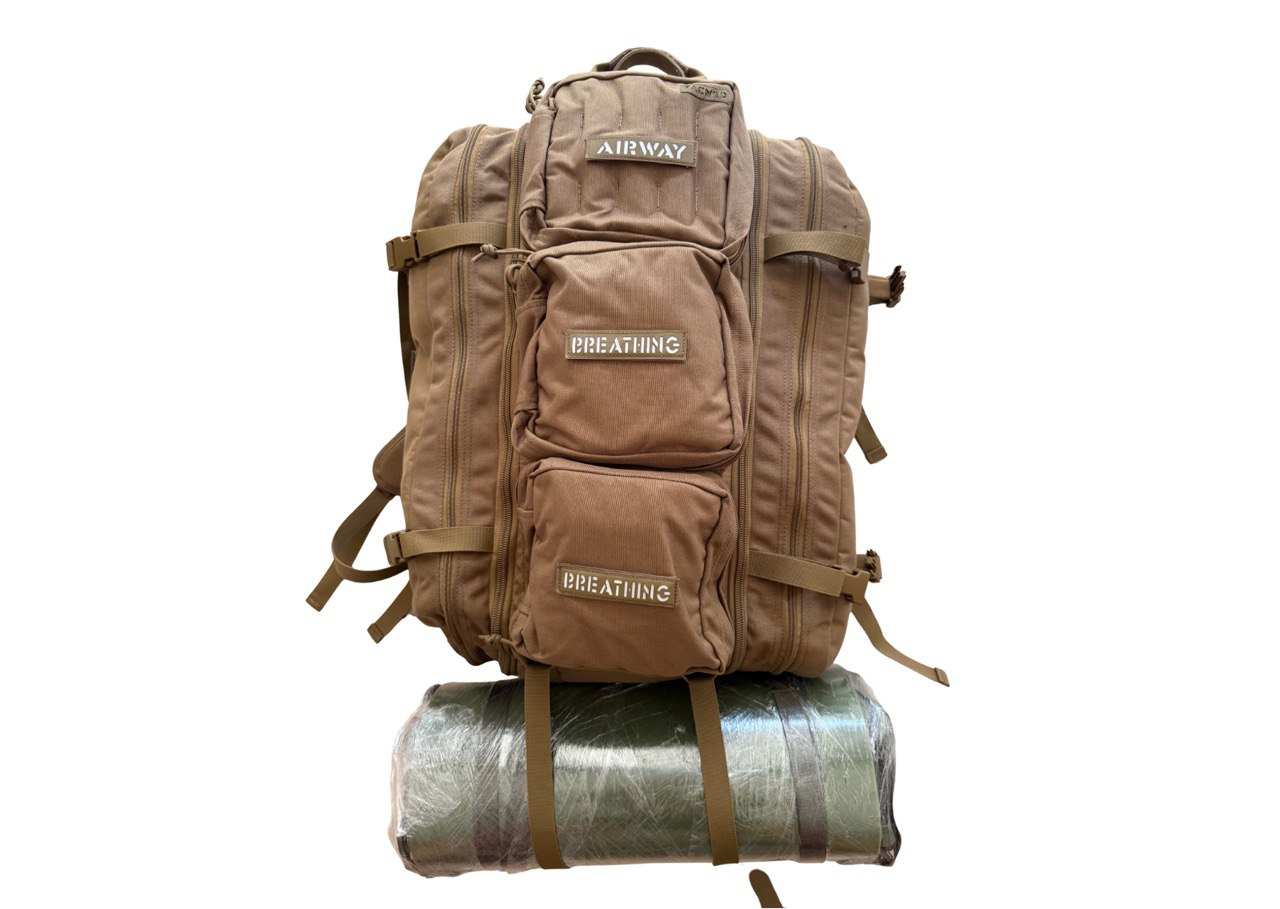
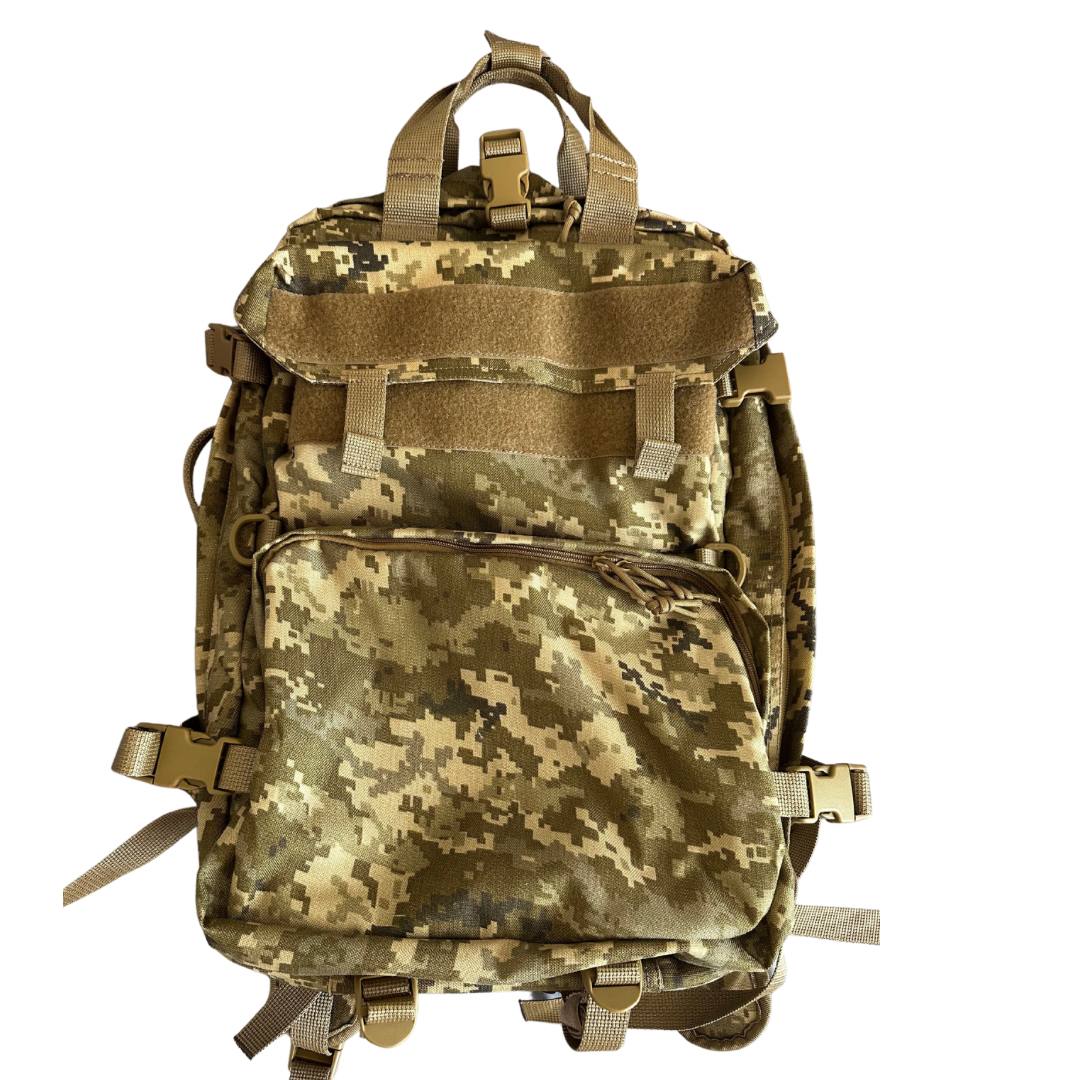
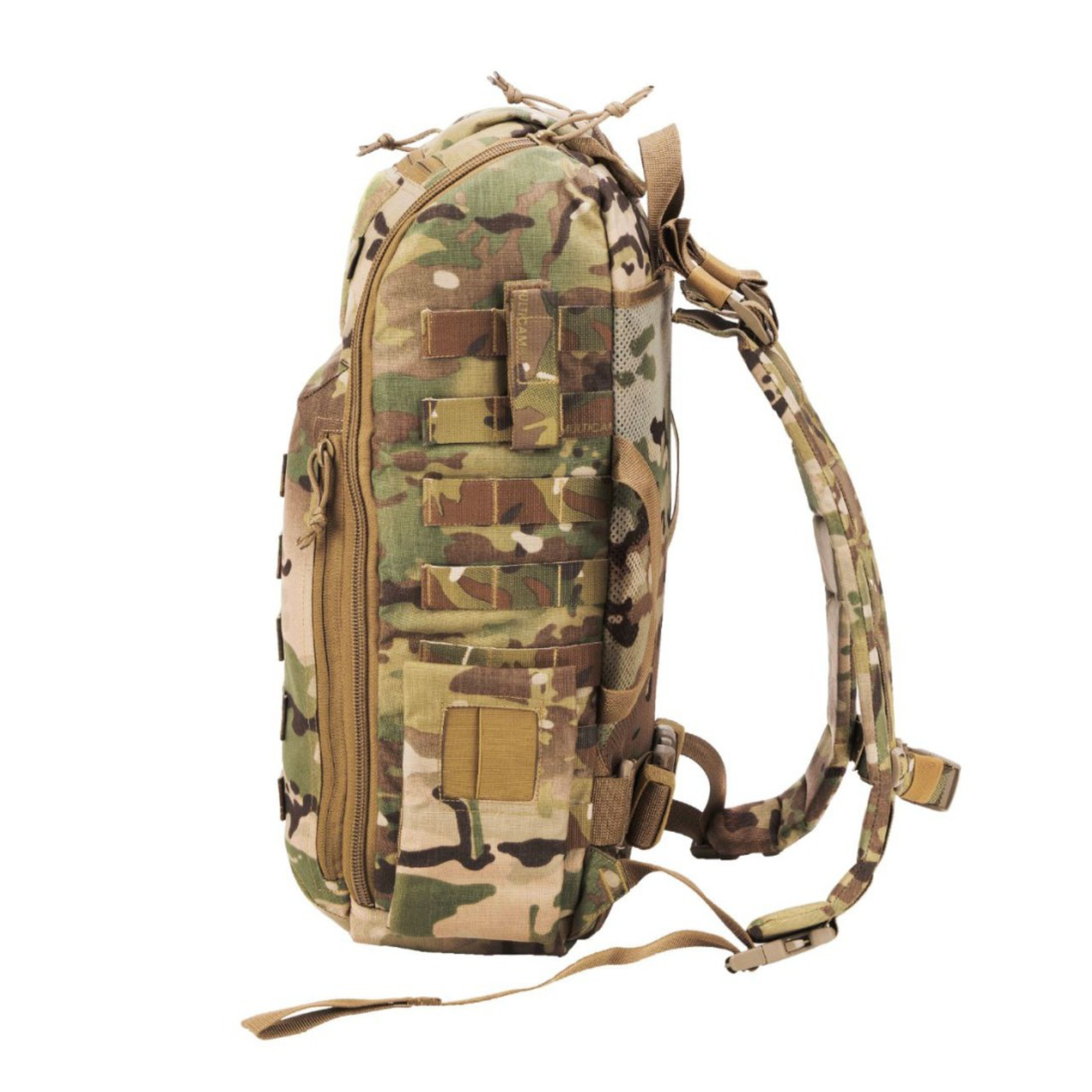
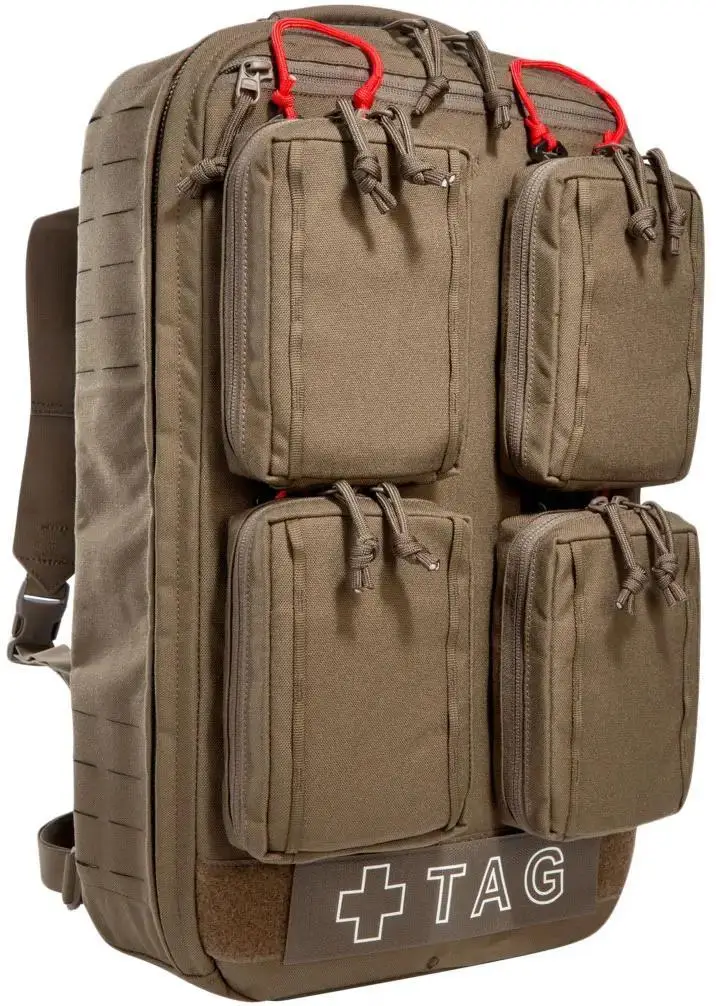
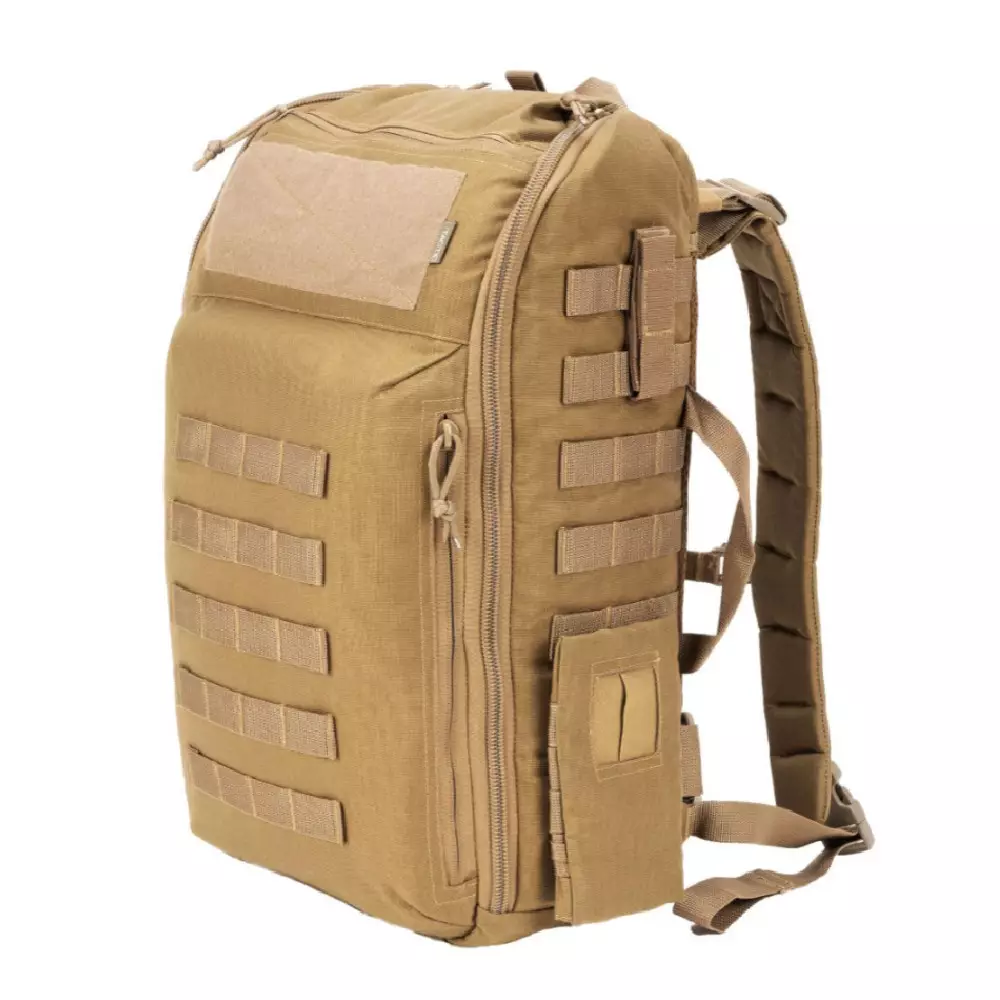
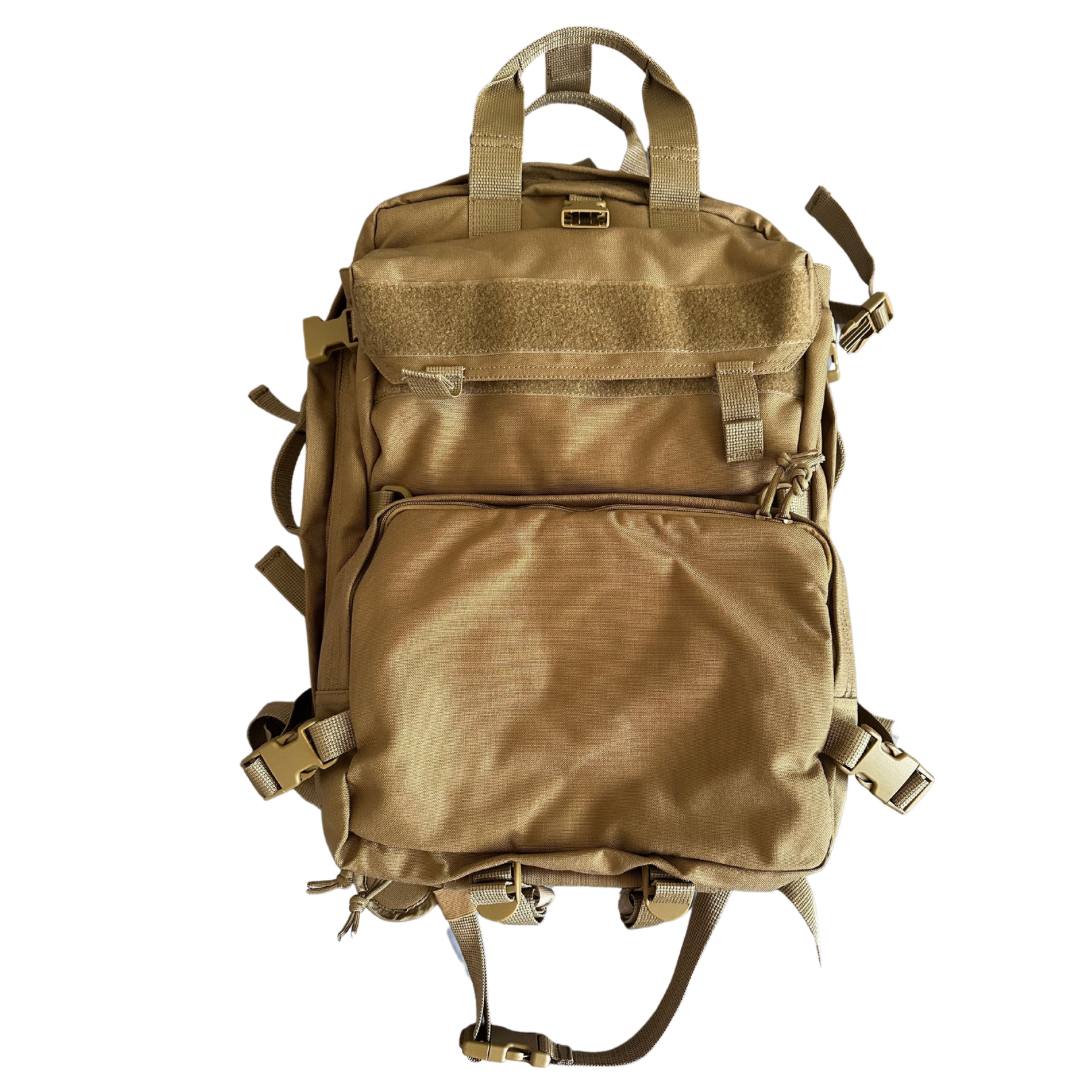
Medical backpacks are specialized equipment for transportation, systematization, and quick access to first aid supplies. A modern medical backpack is a well-thought-out system of space organization that allows effective work in critical situations, where every second matters. Therefore, today more and more specialists, rescuers, mobile teams, and people working in extreme conditions choose professional backpacks with an adapted design and functional internal layout. The TacMed catalog features medical backpacks and pouches for transporting equipment, organizing first aid kits, and working in field conditions. This allows selecting the optimal solution for different tasks and ordering the necessary equipment with delivery across Ukraine.
Why is a medical backpack needed?
A medical backpack allows organized transportation of first aid supplies and supports quick access to key components in critical situations. In difficult conditions, it is important not only to have the necessary equipment, but also to quickly find the required elements without wasting time. Modern backpacks are designed based on placement logic of medical components, ergonomics, and mobility.
Functionally, a medical backpack solves several tasks at once: transportation of equipment, protection of contents from external factors, systematization of components, and ensuring quick access to necessary supplies. A well-thought-out design allows effective organization of workspace even with a large amount of equipment.
In everyday use, medical backpacks are applied:
- for transportation of first aid supplies and bleeding control products;
- for organizing medical kits;
- in the work of mobile teams;
- in professional activities of the Armed Forces of Ukraine, rescuers, paramedics;
- in extreme and field conditions.
It is important to understand that a medical backpack significantly differs from regular models. Internal organization, speed of access to contents, material reliability, and adaptability to specific tasks are critically important here. Professional solutions are designed for real usage scenarios, where the effectiveness of each element of equipment matters.
Features of modern medical backpacks
Modern medical backpacks are developed for intensive use in difficult conditions. Manufacturers pay special attention to construction, ergonomics, and internal space organization. A well-thought-out layout allows quick work with equipment and maintaining order even with a large number of components.
The key feature of such backpacks is functionality. Each compartment, mounting system, or organizer has a practical purpose and helps optimize work with equipment.
Main features:
- modular organization of internal space;
- quick access to contents;
- large number of sections and organizers;
- ergonomic carrying system;
- resistance to intensive use.
Additionally, it is important that modern tactical backpacks allow adapting internal configuration to specific tasks. This provides flexibility and allows effective organization of different types of medical kits depending on working conditions.
Backpacks for work in extreme conditions
Backpacks for extreme conditions are designed considering increased loads and complex usage scenarios. Such models are used where equipment is constantly in motion, exposed to moisture, dust, or mechanical loads. Special attention is paid to material strength and construction reliability.
Tactical backpacks allow maintaining mobility and provide quick access to key components. This is especially important in situations where it is necessary to act quickly and without unnecessary movements.
Main advantages:
- increased wear resistance;
- reinforced materials and hardware;
- protection of contents from external factors;
- convenient load distribution system;
- adaptation to long-term use.
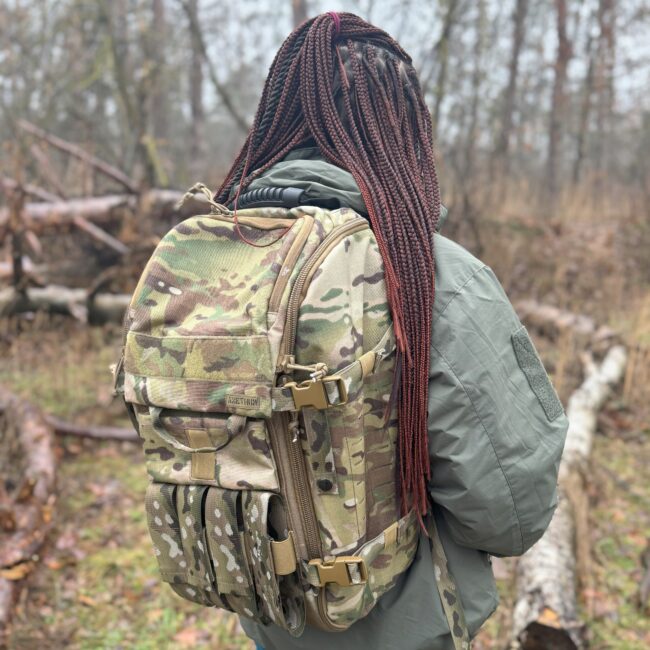
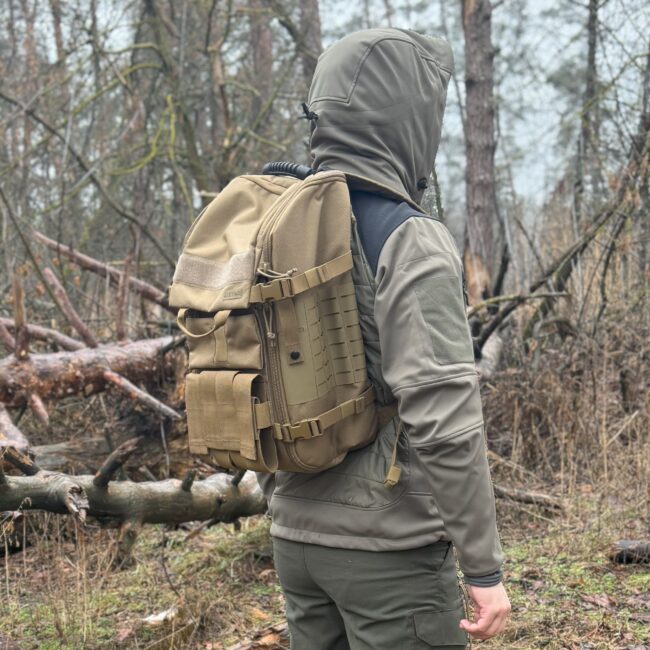
It is also important to consider ergonomics. Even under significant load, the backpack must ensure comfortable carrying and not restrict user mobility. Therefore, professional models have an anatomical back panel, adjustable straps, and weight stabilization systems.
Modular medical backpacks
A modular medical backpack is a solution that allows changing internal organization depending on tasks and usage format. This approach ensures maximum flexibility and allows adapting equipment to different working scenarios.
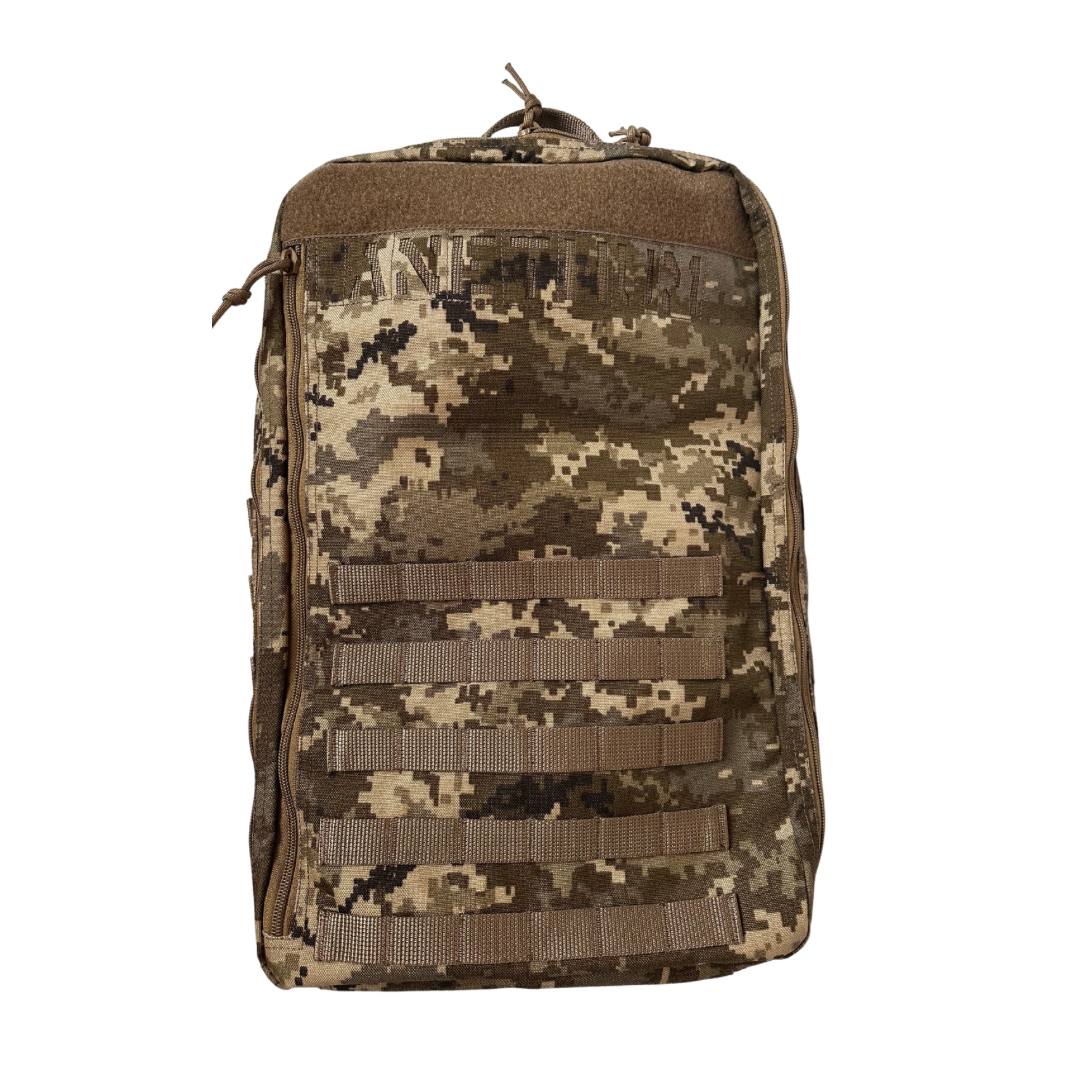
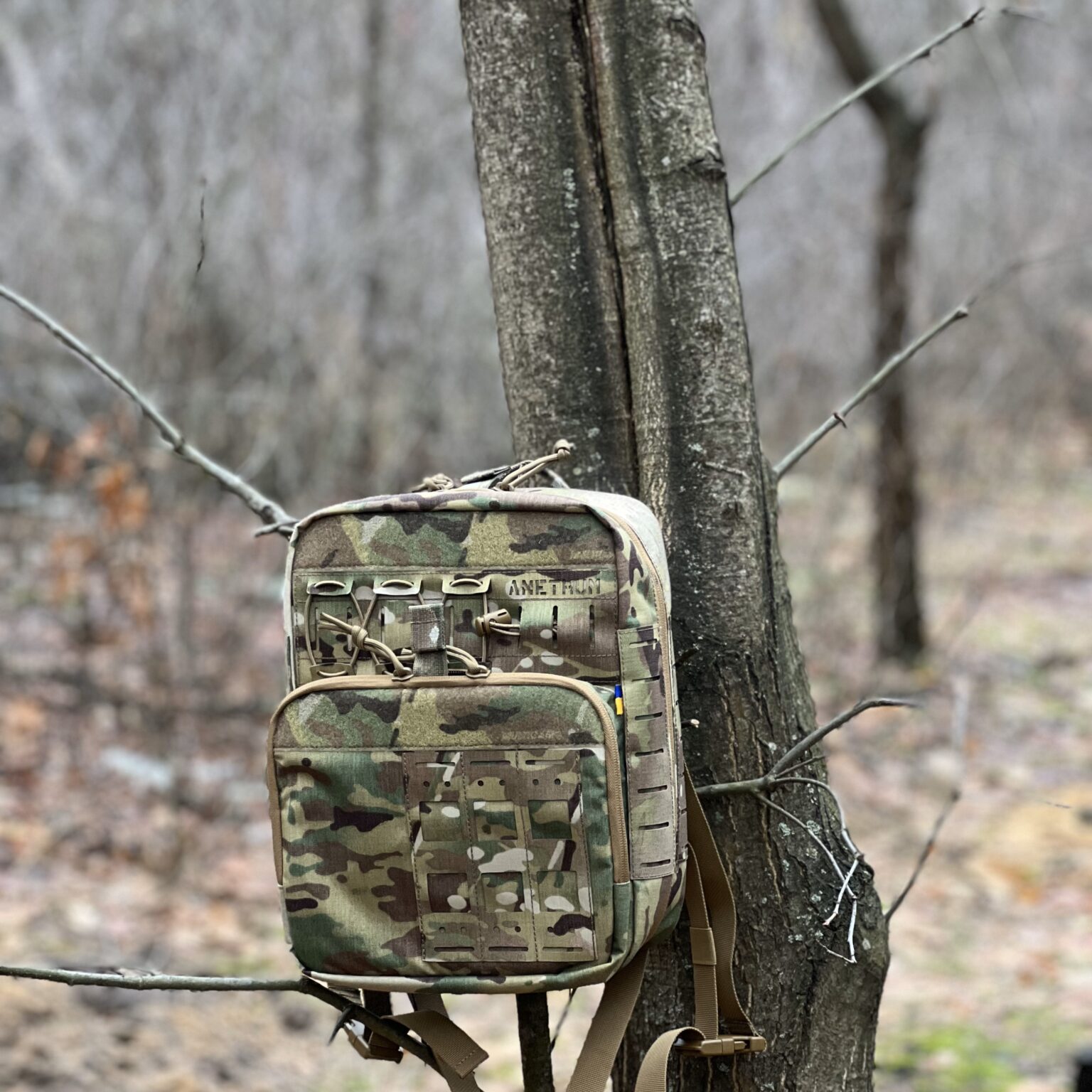
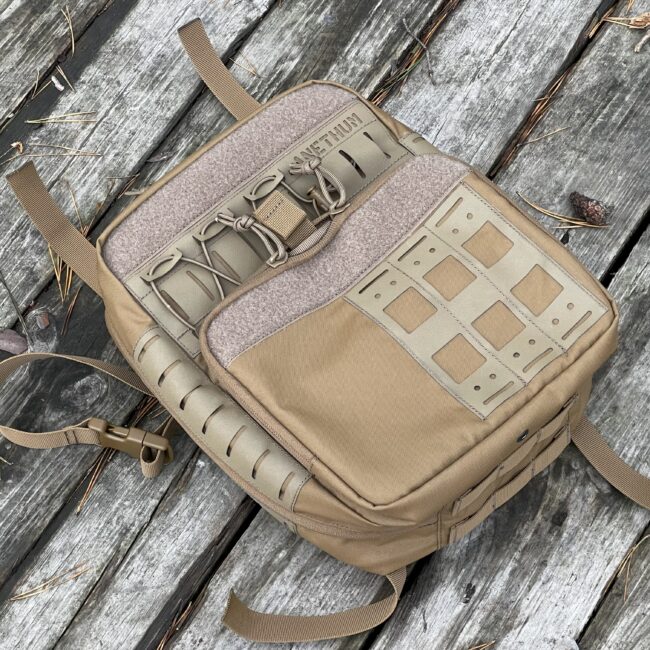
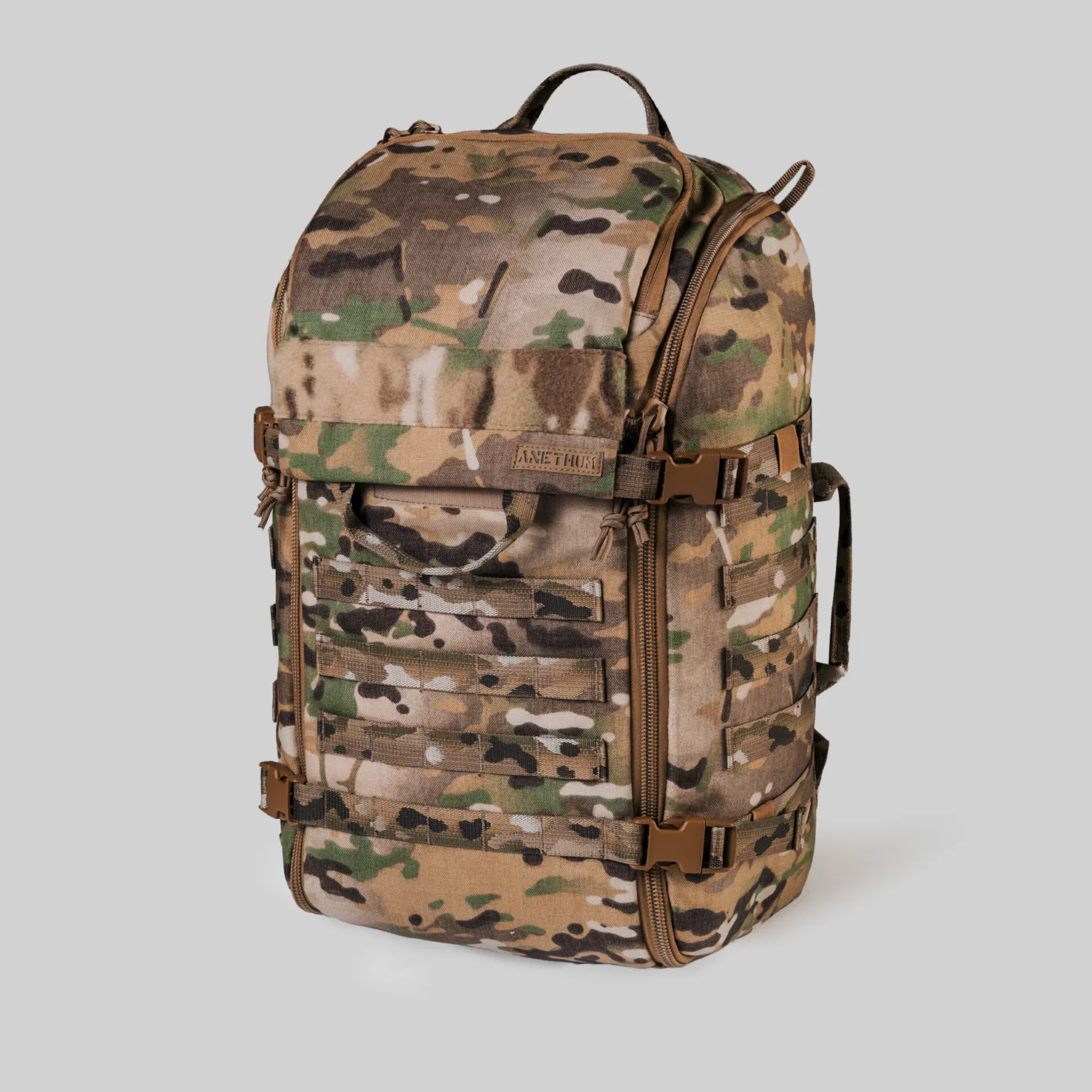
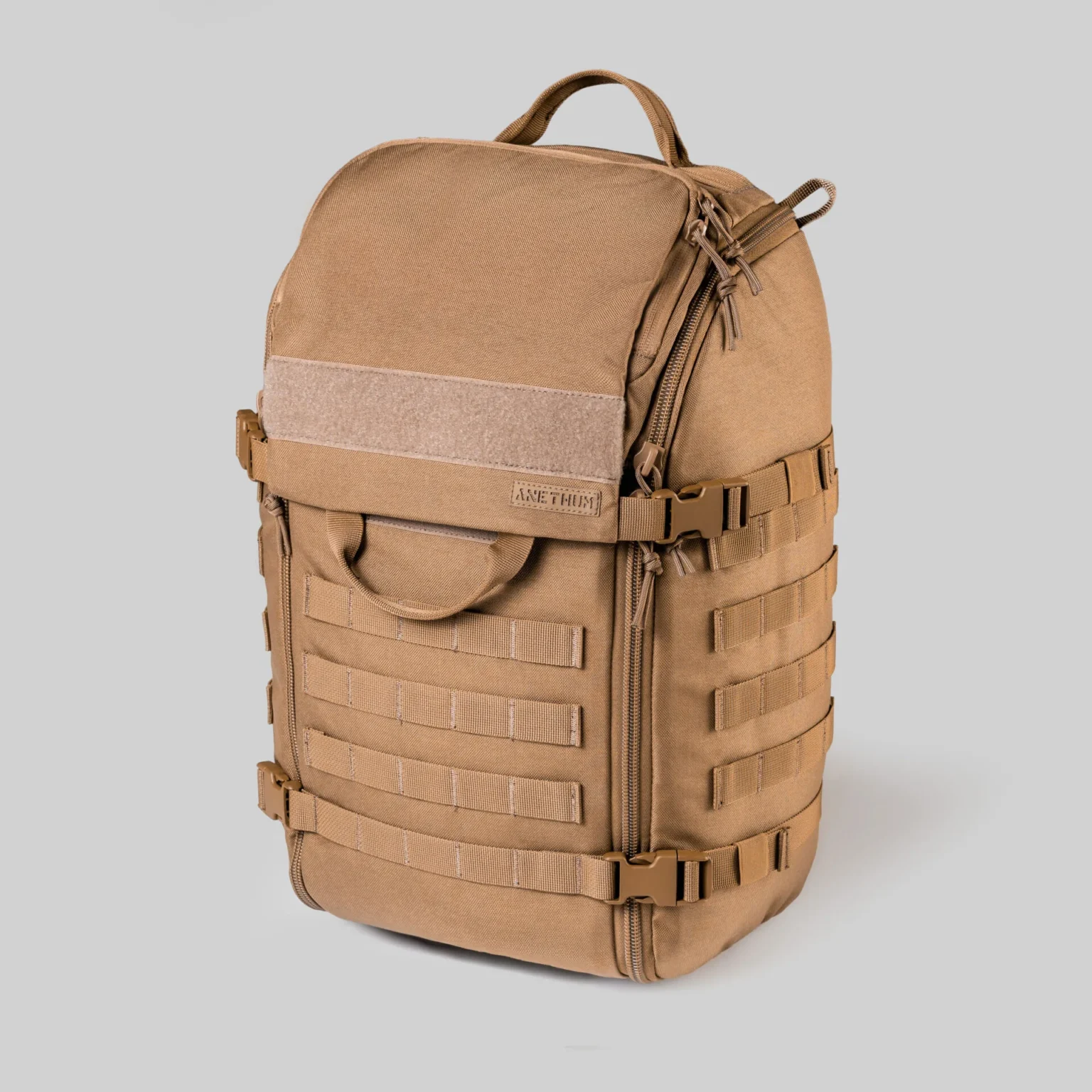
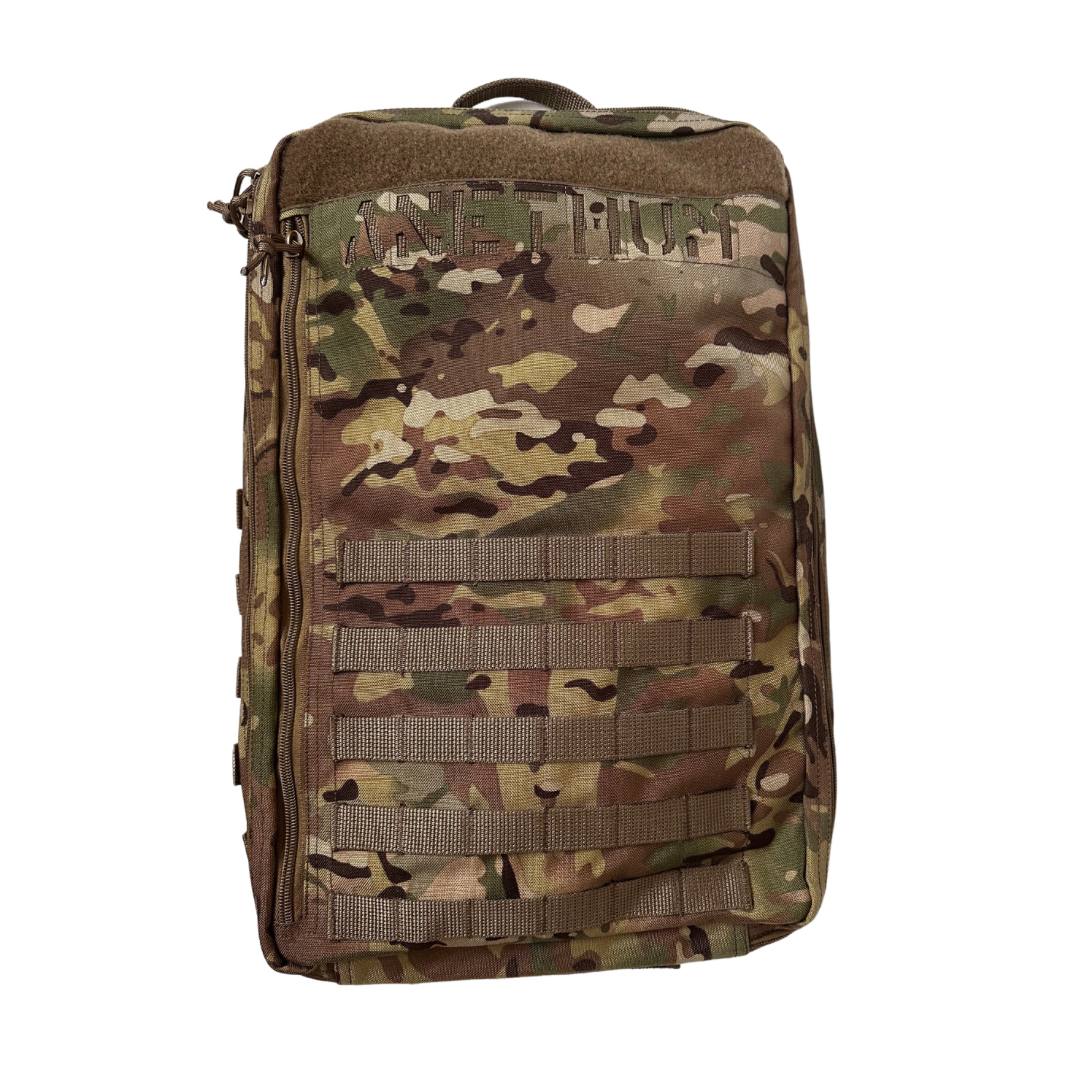
The MOLLE modular system allows quickly changing the configuration of sections, adding organizers, or adjusting placement of components. This significantly simplifies work with equipment and helps maintain a logical structure of contents.
Main characteristics:
- adaptability to different tasks;
- variable internal configuration;
- quick organization of components;
- efficient use of space;
- convenience in working with equipment.
The modular design makes such backpacks a universal solution for professional use. It allows more effective and faster adaptation of equipment to new conditions.
How to choose a medical backpack?
The choice of a medical backpack depends on tasks, volume of equipment, and usage conditions. A common mistake is focusing only on size or appearance without considering functionality and internal organization.
To correctly choose a medical backpack, it is necessary to consider:
- Purpose and usage format — different backpack volumes and configurations are used for combat medics, evacuation teams, or civilian tasks.
- Volume and number of sections — a large number of organizers and compartments allows quick sorting and finding of medical equipment.
- Material quality — professional models are made from wear-resistant fabrics such as Cordura and reliable hardware for intensive use.
- Ergonomics and carrying comfort — anatomical straps, ventilated back panels, and waist belts reduce load during prolonged use.
- Speed of access to contents — full opening of the backpack and quick-access systems allow efficient work with equipment.
- Modularity of construction — MOLLE interfaces and interchangeable pouches allow adapting the backpack to different tasks.
- Resistance to external factors — moisture-resistant materials and reinforced construction ensure reliability in field conditions.
- Manufacturer — recommended brands include TACMED, Anethum.
- Cost — depends on key characteristics.
These criteria determine the effectiveness of the backpack in real usage conditions. It is important that the model meets specific tasks and allows quick work with equipment without unnecessary limitations.
What materials are used in medical backpacks?
Material quality directly affects durability and effectiveness of the backpack in difficult conditions. That is why modern models are made from high-strength fabrics that withstand load and intensive use.
Most commonly used:
- high-density nylon;
- polyester with protective coating;
- water-repellent materials;
- reinforced zippers;
- wear-resistant hardware.
Special attention should be paid to seam quality and internal partitions. These elements ensure structural stability and comfortable work with equipment in field conditions.
Mistakes when choosing a medical backpack
An incorrectly selected backpack may complicate access to equipment and create additional difficulties in critical situations. Therefore, it is important to consider capacity and logic of internal organization.
The most common mistakes:
- insufficient number of separate sections for bleeding control products, occlusive dressings, tourniquets, airways;
- lack of modular organization;
- focusing only on price;
- use of low-quality materials;
- inconvenient carrying system;
- incorrect load distribution.
Avoiding these mistakes allows selecting a backpack that will be effective in real usage conditions. A systematic approach ensures comfort, mobility, and quick access to equipment.
Backpack care recommendations
A medical backpack requires regular maintenance and inspection of key elements. This allows maintaining equipment in working condition even with intensive use.
It is recommended to:
- Regularly clean the surface from dirt.
- Check the condition of zippers and straps.
- Avoid overloading the structure.
- Store the backpack in a dry place.
- Replace damaged elements in a timely manner.
This approach allows extending the service life of the backpack and ensures stable operation in different usage conditions.
We recommend buying medical backpacks in the TacMed online store
The TacMed online store features medical backpacks for organizing equipment, transporting first aid supplies, and working in critical situations. The catalog includes professional solutions with a well-thought-out design, ergonomic carrying system, and functional internal organization. You can also order first aid kits, components, and tourniquets. We offer affordable prices, favorable ordering conditions, and delivery across Ukraine: Kyiv, Odesa, Lviv, Dnipro, Kharkiv, and other cities.
FAQ
- Why is a medical backpack needed?
A medical backpack is used for transporting and organizing first aid supplies. It allows quick access to necessary components and maintains order in equipment.
- How is a medical backpack different from a regular one?
A medical backpack has specialized internal organization, modular sections, and an adapted design for quick work with equipment in critical situations.
- What materials are best for medical backpacks?
High-strength nylon, polyester, and water-repellent materials are most commonly used. They withstand intensive use and external loads well.
- Are modular backpacks suitable for professional use?
Yes, modular construction allows adapting internal organization to specific tasks and ensures more effective work with equipment.
- How to properly care for a medical backpack?
It is recommended to regularly clean the backpack, check zippers, straps, and internal sections, and avoid overloading the structure.
- How to choose a backpack for work in extreme conditions?
It is important to consider material strength, ergonomics, modularity of construction, and speed of access to equipment. These characteristics determine effectiveness in difficult conditions.