Tactical Gear: How to Choose It and Why You Need It
When facing potentially dangerous situations, it is essential to be confident not only in your skills and abilities, but also in the equipment you use. Military personnel, territorial defense fighters, medics, law enforcement officers, and even civilians need high-quality tactical gear. Properly selected equipment allows quick access to critical tools and prevents excessive physical strain and discomfort, enabling you to stay focused on performing important tasks. That is why investing in high-quality tactical equipment is crucial to remain prepared even for the most challenging situations.
What Is Tactical Gear
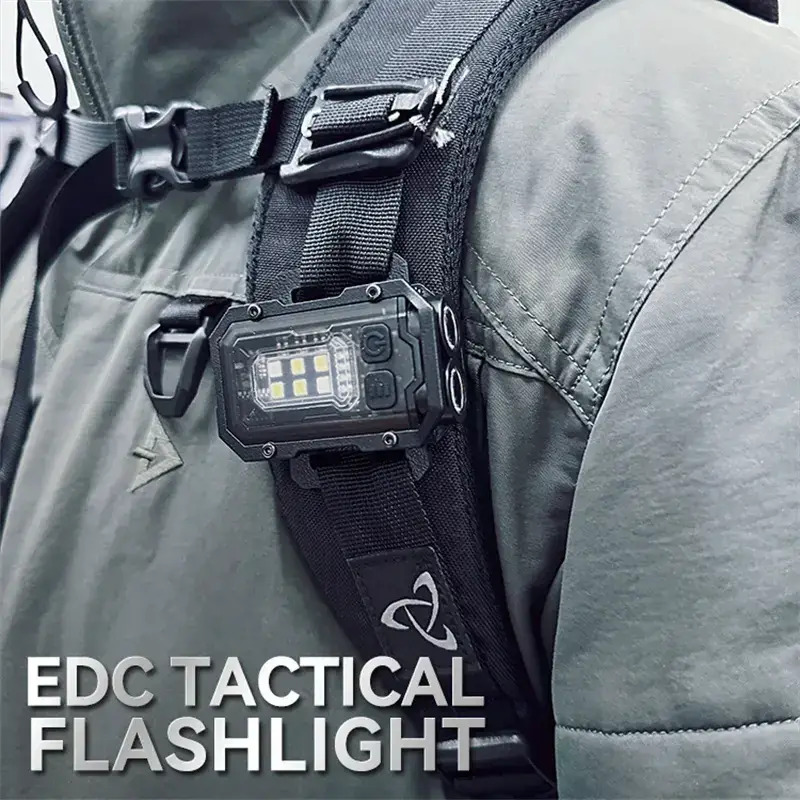
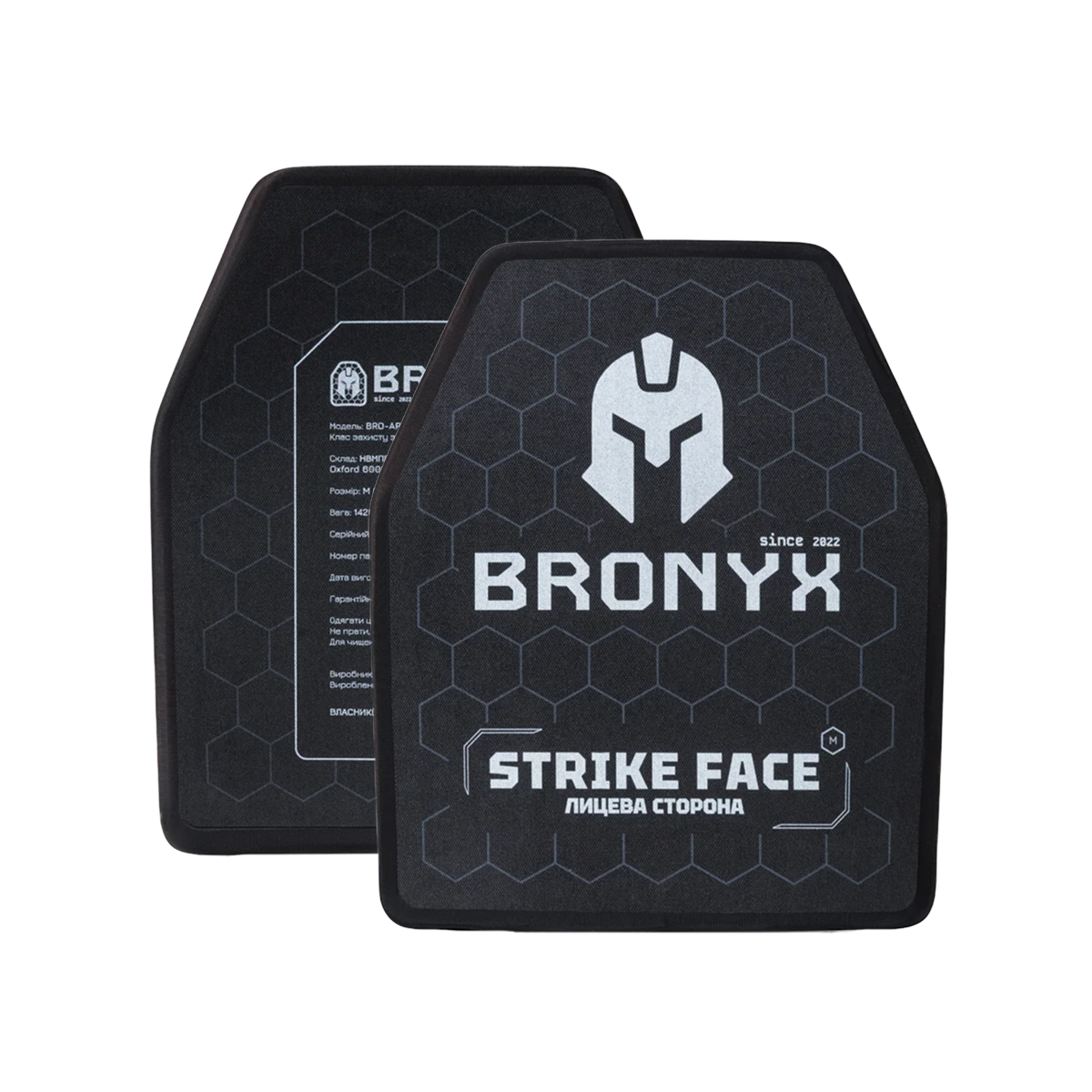
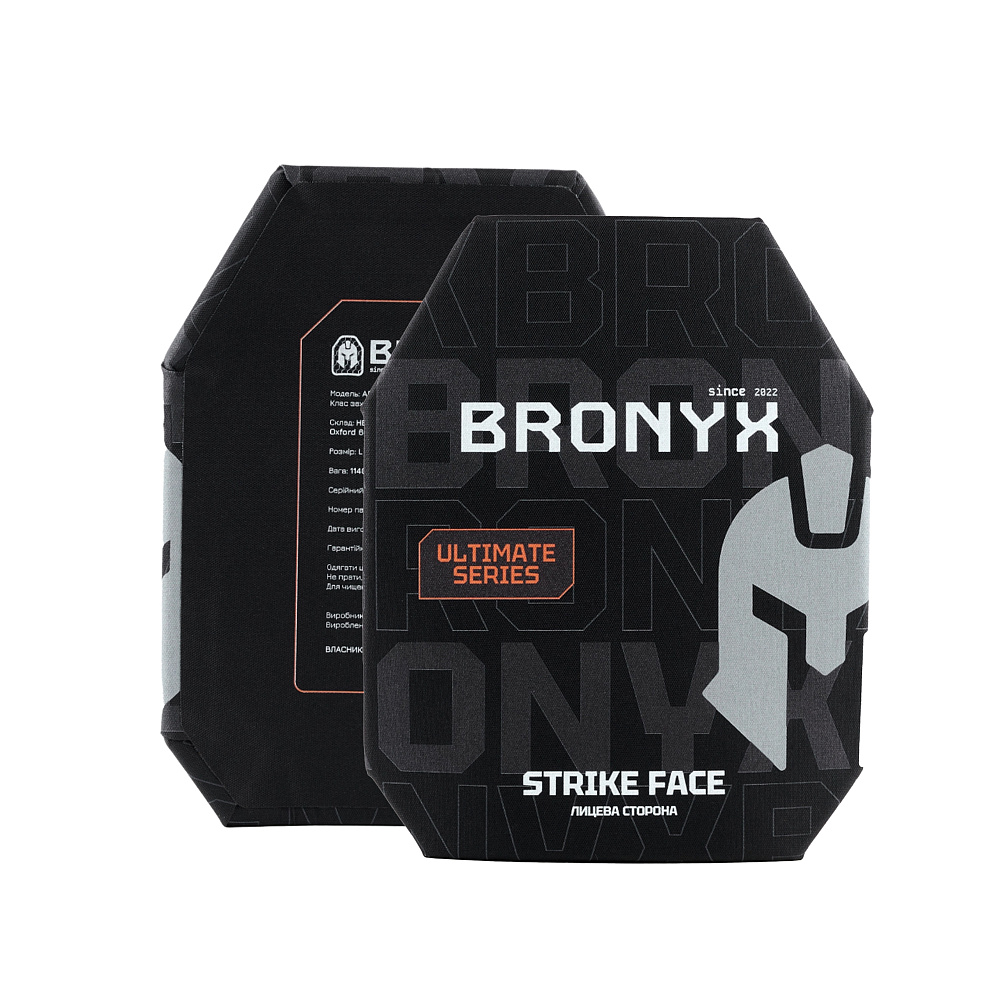
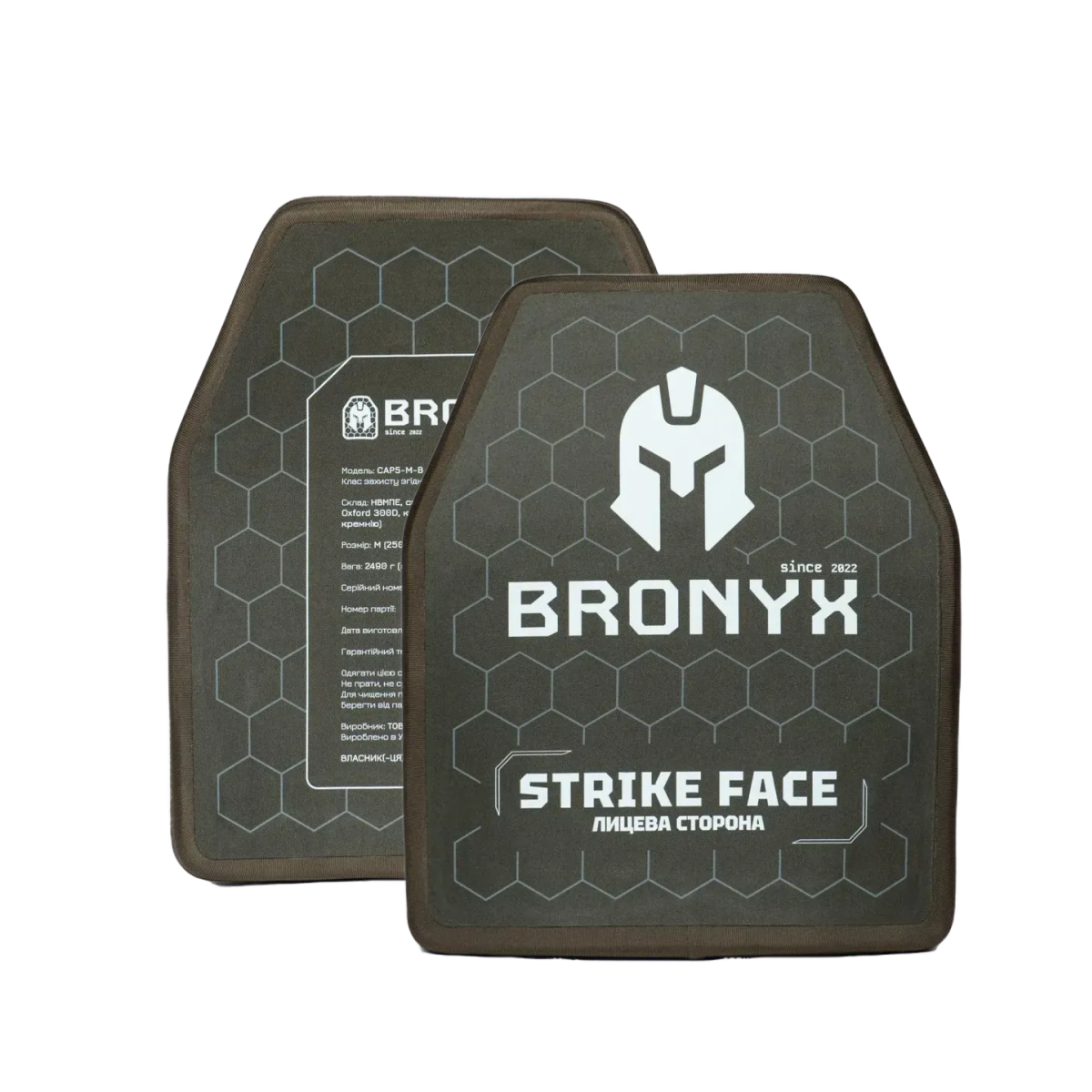
Tactical gear refers to equipment designed to increase safety while enhancing mobility and functionality. The need for such gear arises during combat operations, tactical missions, and emergency or rescue tasks. This category includes pouches, belts, load-bearing systems, tactical backpacks, medical pouches, magazine pouches, carabiners, tool holders, and many other components.
It is important that tactical gear features a well-thought-out design, is made of strong and durable materials, and allows each element to be adapted to specific tasks and conditions.
Main Types of Tactical Gear
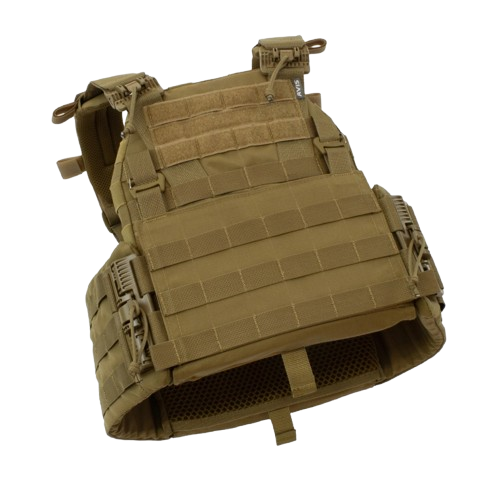
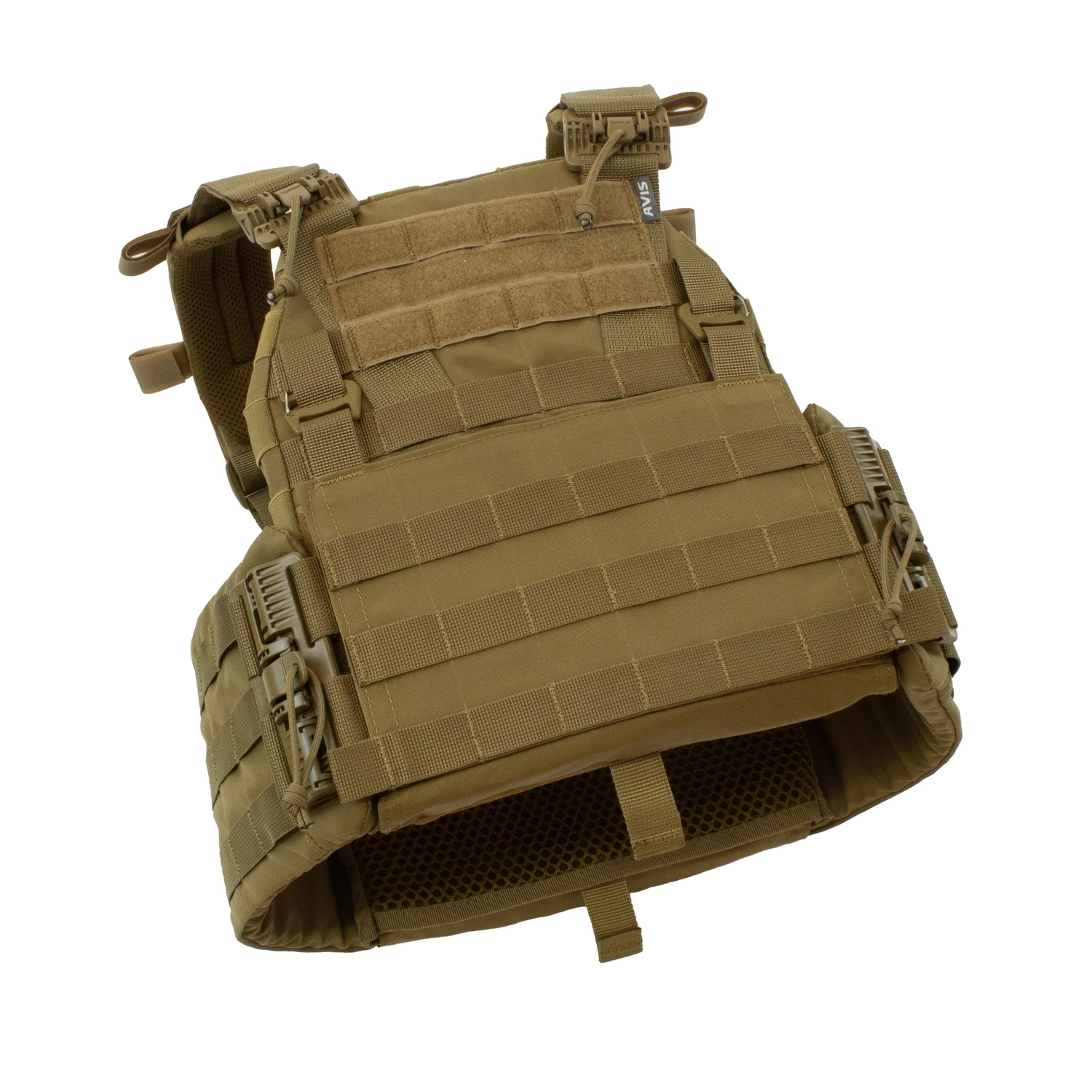
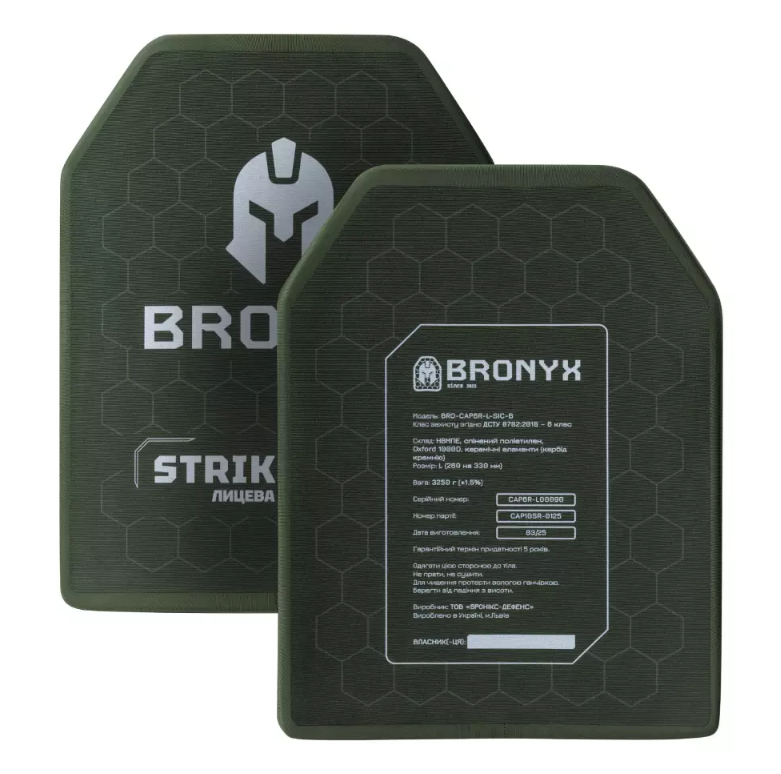
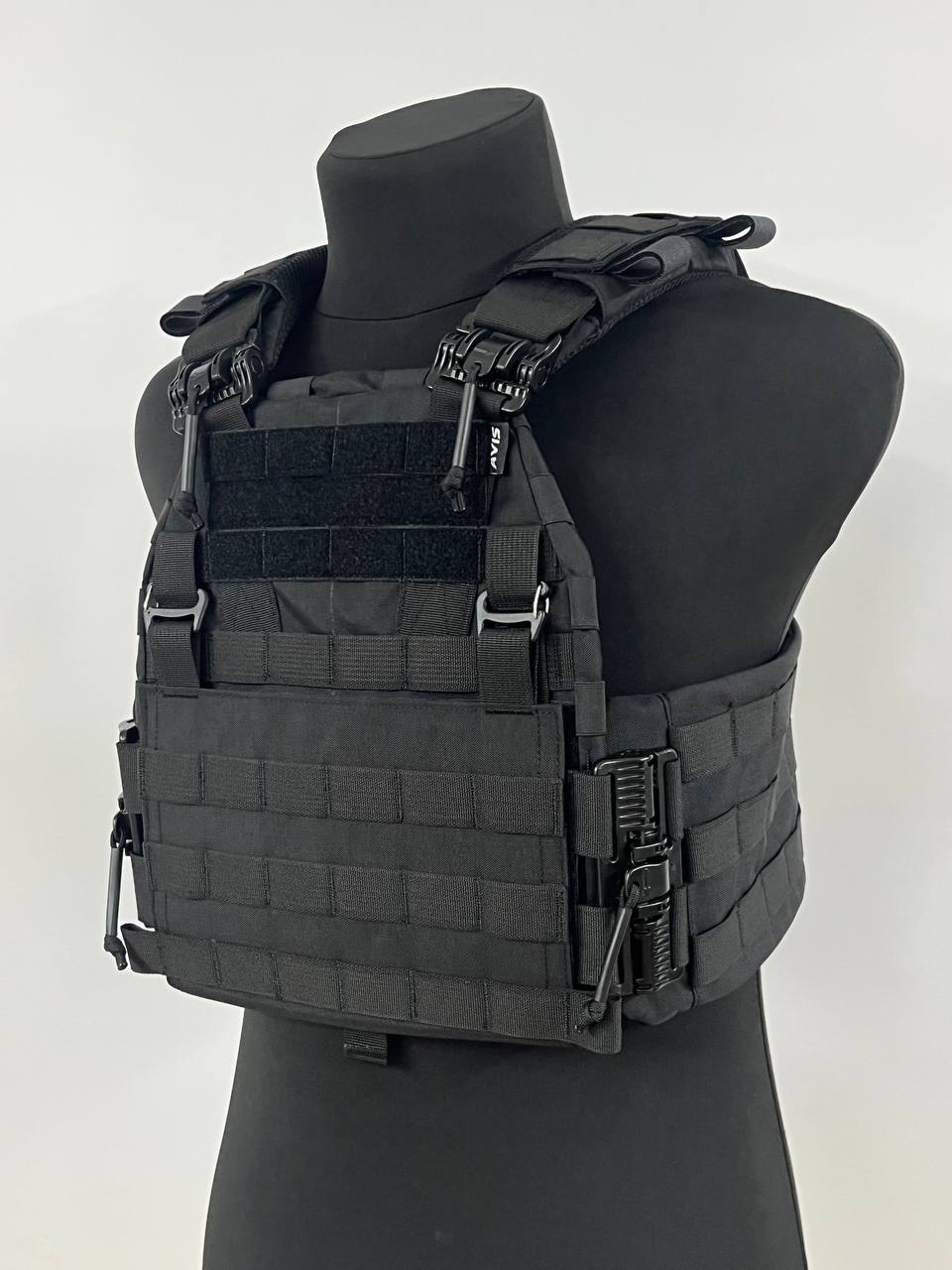
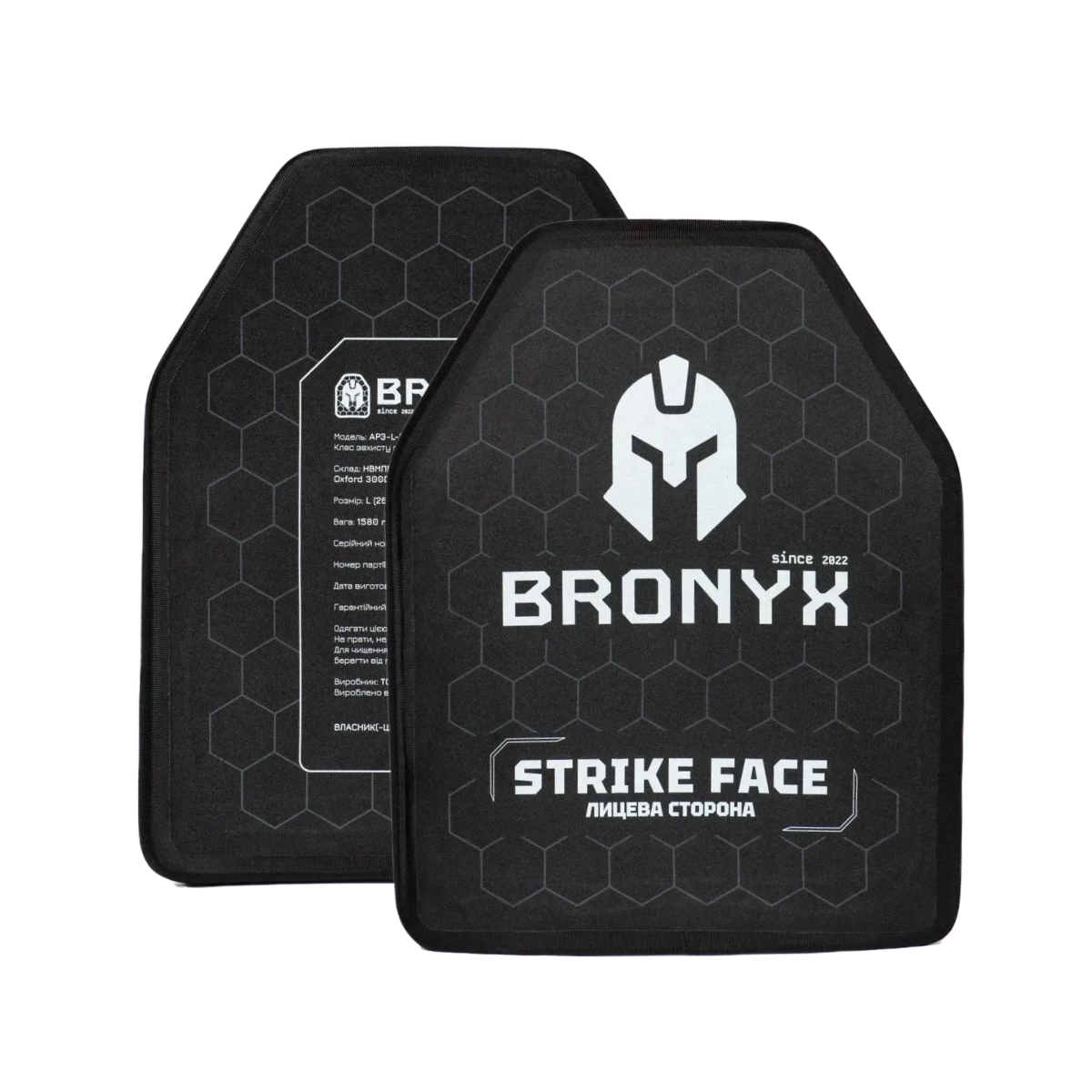
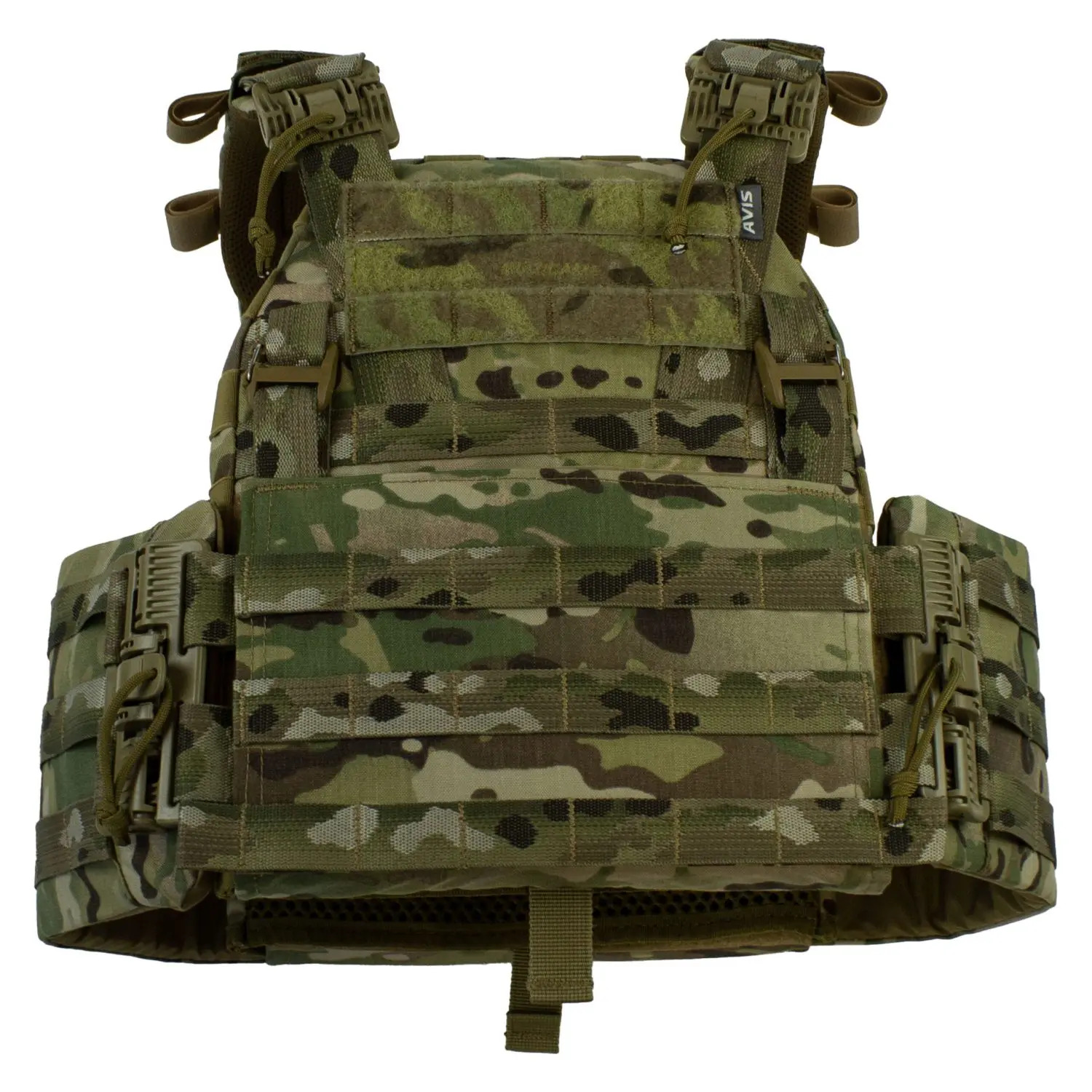
To choose the right equipment, it is important to understand the types currently available on the market. First of all, attention should be paid to tactical vests and load-bearing systems. A high-quality load-bearing system helps distribute the weight of all equipment evenly—from medical kits to radios—while also improving mobility during various tasks.
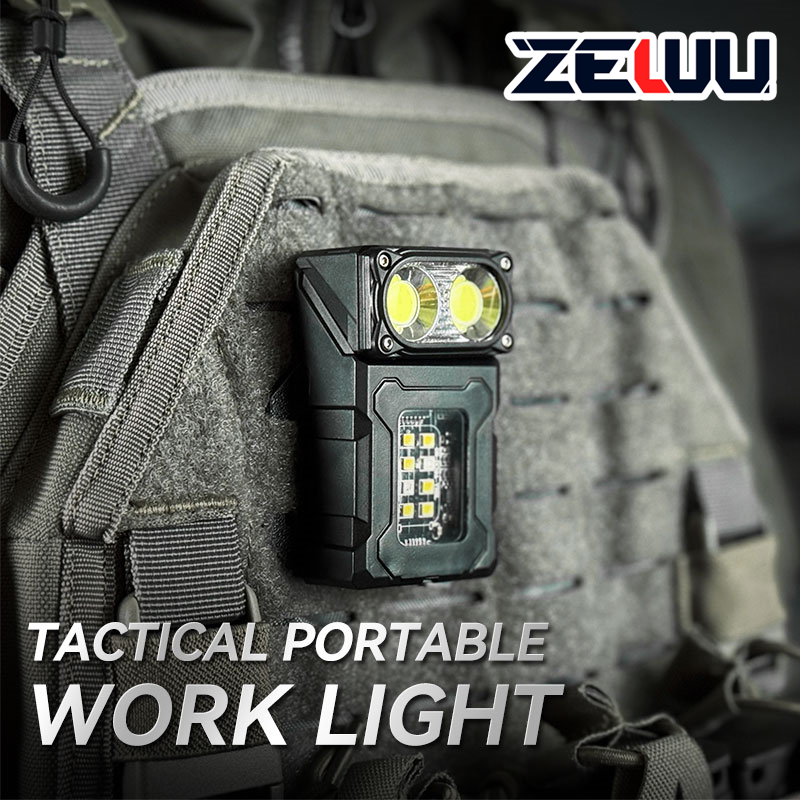
The MOLLE system is also extremely practical, as it allows you to quickly change the placement of pouches and other elements depending on your needs.
Magazine pouches are another essential component of any tactical setup. Other elements are equally important as well. Proper placement of magazines, knives, radios, or other tactical tools significantly affects overall efficiency. When choosing pouches, pay attention to their design, as they can be either open or closed.
A reliable and high-quality tactical backpack is also essential. Thoughtful design ensures comfort even during long routes and extended use. Modern models are equipped with reinforced frames, ventilated back panels, hydration system compartments, tool pouches, and additional external attachment points. Such backpacks are designed to withstand heavy loads and have proven their reliability in field conditions.
It is also recommended to purchase a durable tactical belt that allows you to securely carry pouches, holsters, knives, and other equipment that must always be within reach. One of the most popular options is belts with aluminum buckles. These models are versatile and well-suited for everyday use.
Do not forget about tactical first aid kits and specialized medical equipment. When operating in high-risk environments, having a reliable and well-equipped medical kit is vital. This is a life-saving component of tactical gear. The optimal choice is an IFAK-compliant kit, which should include tourniquets, hemostatic bandages, occlusive dressings, and other essential components for providing first aid.
What to Consider When Choosing Tactical Gear
Before spending money on equipment, it is important to determine how you plan to use it. This may include everyday wear, training, or gear intended for long-term missions. To ensure tactical training and operations run smoothly without unexpected issues, it is necessary to select effective and specialized equipment. Each task requires a tailored approach to gear selection.
Pay close attention to materials and build quality. Tactical gear is used in extreme conditions, so materials must be durable, resistant to abrasion, moisture, and mechanical damage.
Ergonomics also play a crucial role. Comfort and accessibility depend on how well the equipment is designed. All pouches should be positioned logically and intuitively, while the overall weight distribution should be balanced. Poorly designed gear can quickly become a burden rather than an advantage.
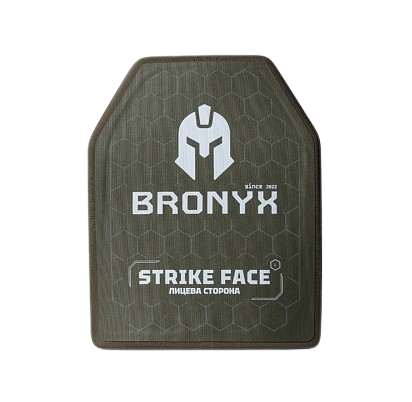
It is equally important to ensure that all elements of your gear are compatible with each other. Tactical equipment should function as a single integrated system: pouches should not restrict movement, backpacks should not block access to medical kits, and belts should not interfere with plate carriers or load-bearing systems. With properly selected gear, you will avoid unnecessary movements and save valuable time, which can be critical in emergency situations. This also reduces physical strain, even during prolonged use.
Ultimately, tactical gear is an investment in your safety, mobility, and confidence. Choose your equipment based on whether you need tactical gear for personal use or specialized equipment for professional tasks. In any case, prioritize high-quality, reliable, and ergonomic solutions.
With the right tactical gear, you will remain effective in any conditions and be prepared for whatever challenges the day may bring.