Decompression needles
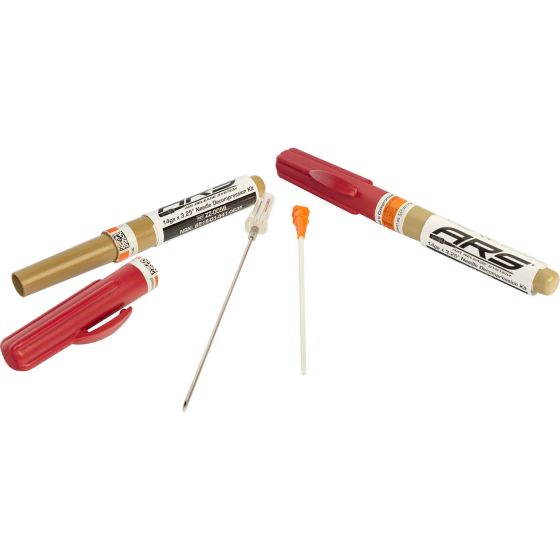
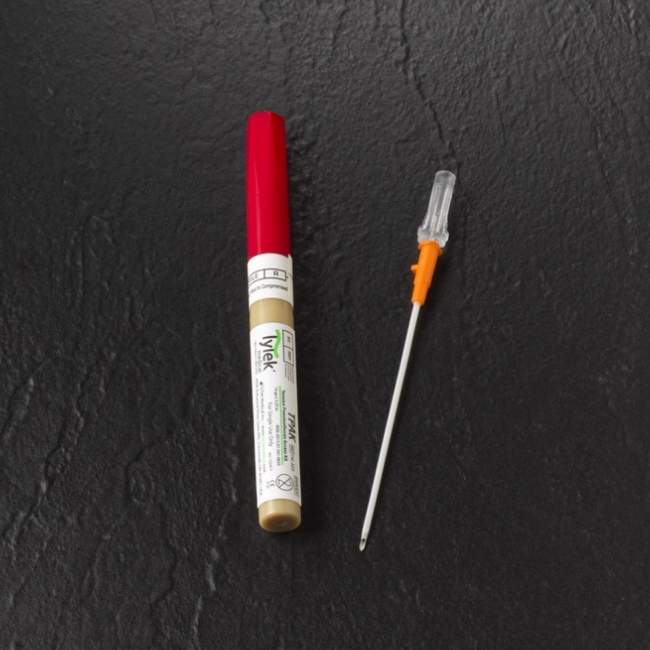
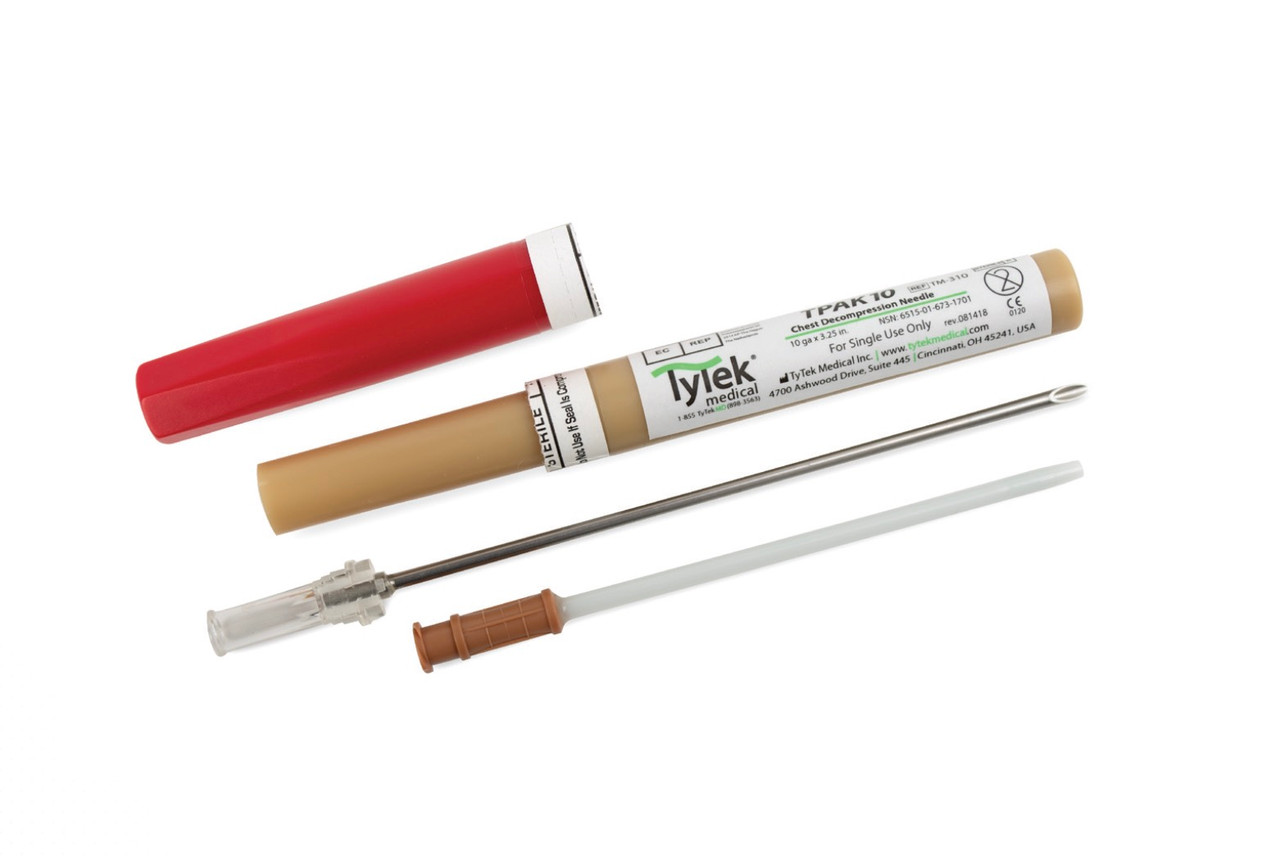
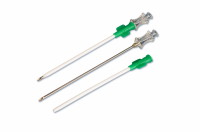
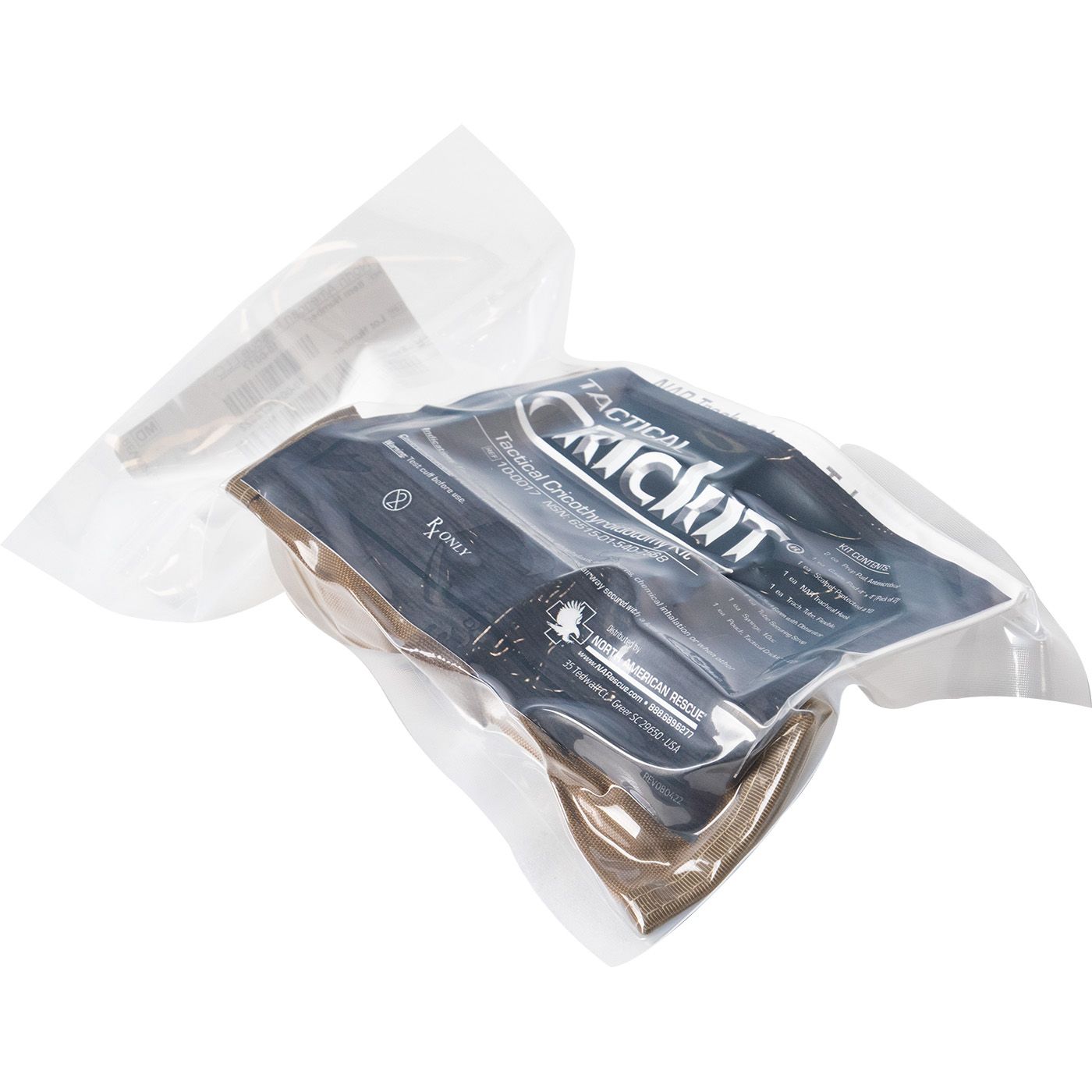
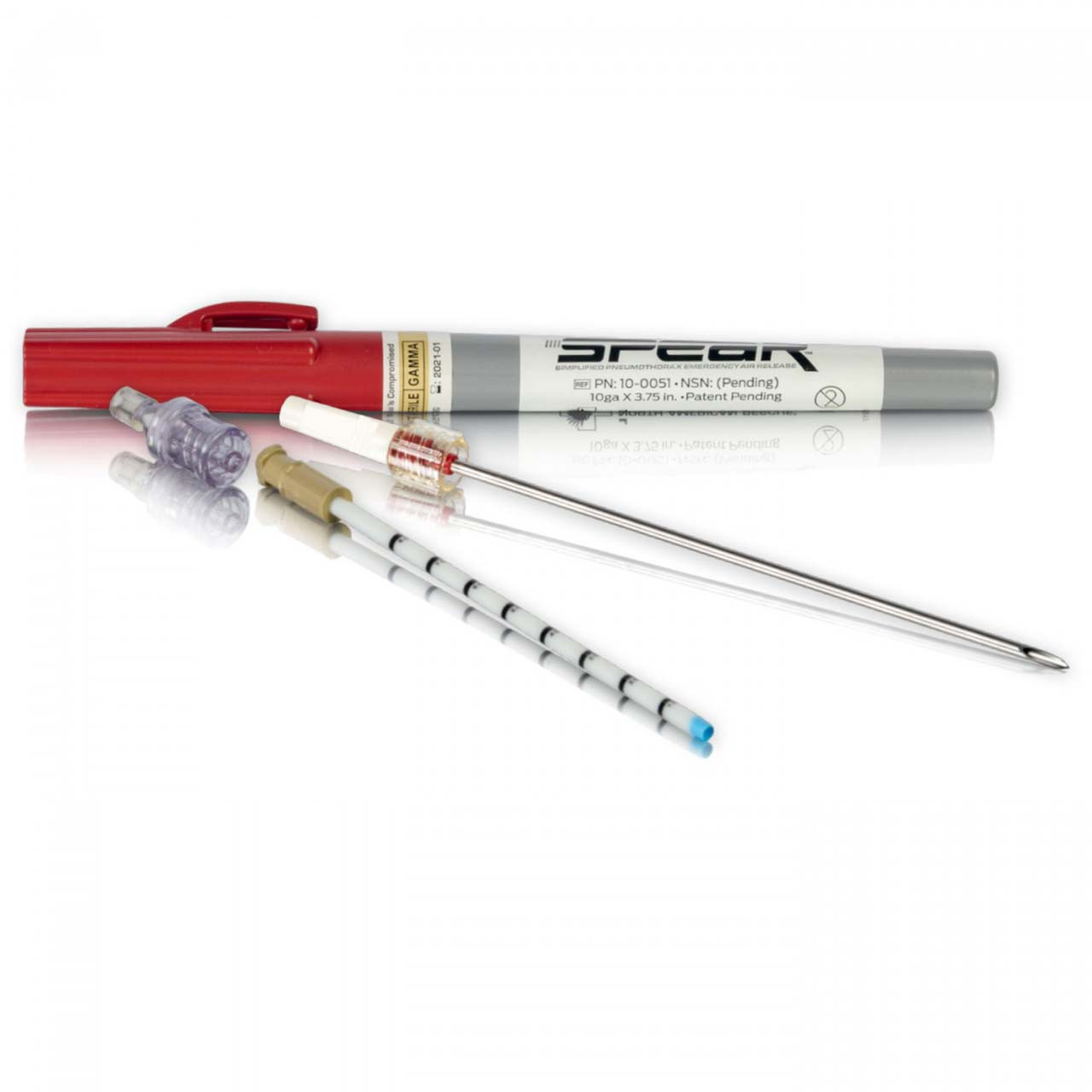
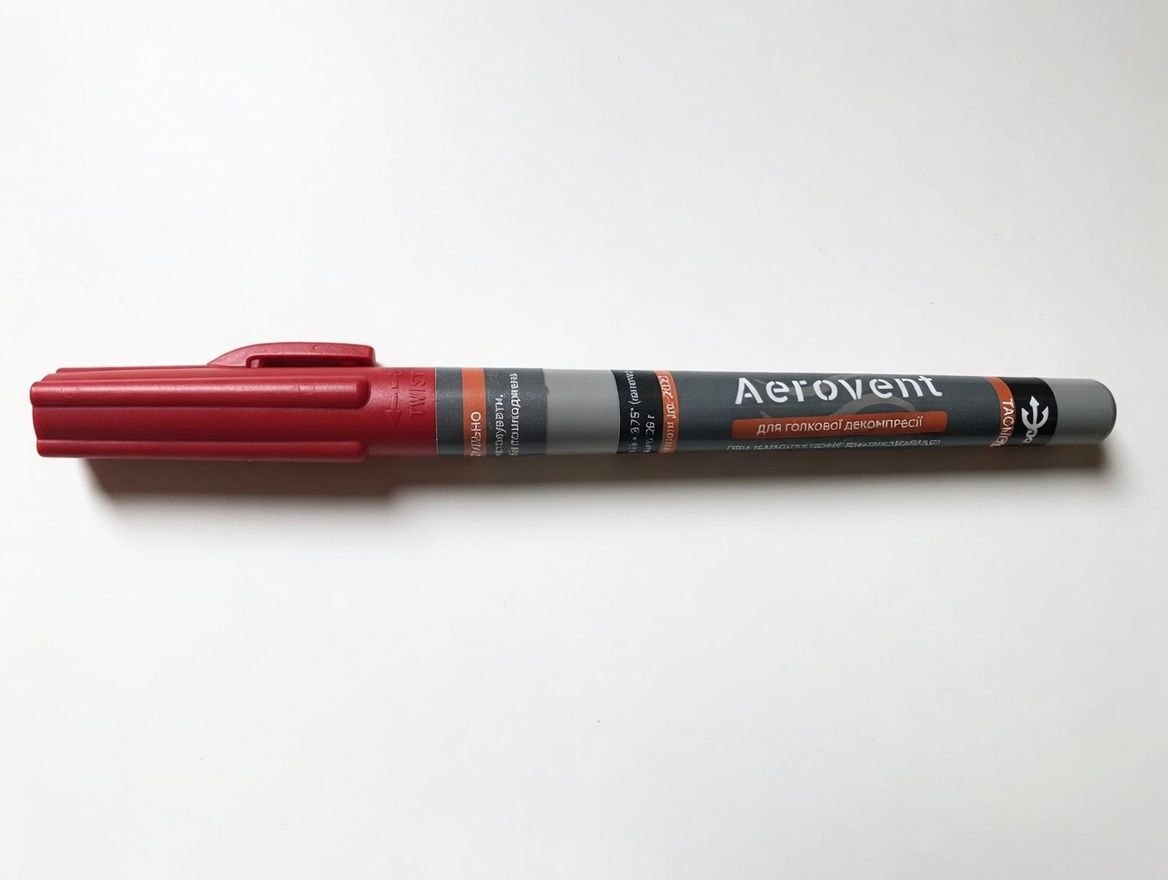
Decompression needles are specialized medical components used in professional kits for work in critical situations. Modern decompression systems are designed with consideration for quick access, compactness, and reliability in difficult conditions. That is why such components are included in professional medical kits, tactical first aid kits, mobile response systems, and specialized equipment for emergency assistance. The TacMed catalog features decompression needles for professional use in field and extreme conditions. This allows selecting the necessary solutions for medical kits and organizing specialized equipment with delivery across Ukraine.
Decompression needles are used as part of professional medical kits for work in critical situations where speed of response, compact equipment, and effective organization of medical components are important. Such tools are used by trained specialists and are integrated into specialized emergency response systems.
Modern decompression systems are designed to ensure convenient transportation, quick access, and stability of use even in difficult field conditions. That is why significant attention is paid to packaging ergonomics, material quality, and protection of components from external factors.
Decompression needles are used:
It is important to understand that decompression needles belong to the category of specialized medical components, therefore their use requires appropriate training and understanding of protocols for working with professional medical equipment.
Modern decompression needles are developed for use in difficult conditions where compactness, reliability, and speed of access to components are important. That is why manufacturers pay special attention to packaging design, material quality, and system stability during transportation.
A well-thought-out design allows integrating such components into professional first aid kits and mobile kits without increasing the volume of equipment.
Main features:
Additionally, it is important that modern decompression systems are created based on intensive use in mobile conditions. This ensures effective integration of components into professional medical kits.
Decompression needles are often included in professional first aid kits and specialized emergency kits. Due to their compact format, they do not take up much space and allow effective organization of equipment inside a medical kit.
In critical situations, speed of access to components is of key importance, therefore it is important to correctly organize the internal space of the first aid kit and maintain logical placement of medical supplies.
Main advantages:
Special attention should be paid to checking the integrity of the packaging and proper storage of components. This allows maintaining the kit in readiness for use even after prolonged transportation.
The choice of decompression needles depends on the format of the medical kit, conditions of use, and requirements for equipment organization. A common mistake is focusing only on compactness without considering component quality and packaging reliability.
To correctly choose decompression needles, it is necessary to consider:
These criteria determine the effectiveness of using components in real working conditions and allow maintaining the medical kit in readiness for rapid response.
Modern decompression systems are manufactured from materials that ensure reliability, structural stability, and resistance to external factors. The quality of components directly affects transportation safety and storage durability.
Most commonly used:
Special attention should be paid to packaging integrity and storage conditions. This allows maintaining components in proper condition over a long period of time.
Incorrect organization of a medical kit may complicate access to components in critical situations. That is why it is important to consider the logic of equipment placement and conditions of its use.
The most common mistakes:
Avoiding these mistakes allows maintaining a professional medical kit in readiness for use and ensures more effective organization of equipment.
Storage recommendations
Decompression needles require proper storage and regular monitoring of packaging condition. This allows maintaining the kit in working condition even during prolonged transportation or use in field conditions.
It is recommended to:
This approach allows maintaining professional equipment in readiness for use and ensures reliability of the medical kit in difficult conditions.
In the TacMed online store, you can order decompression needles for professional medical kits and work in field conditions. The catalog features modern solutions with compact design, hermetic packaging, and adaptation for intensive use. We offer affordable prices, выгодные order conditions, and delivery across all Ukraine: Kyiv, Odesa, Lviv, Dnipro, Kharkiv, and other cities.
FAQ
Decompression needles are used as part of professional medical kits for work in critical situations and specialized emergency assistance.
Yes, such components are often included in professional first aid kits and mobile response kits.
It is important to consider material quality, packaging hermeticity, adaptation to field conditions, and compatibility with the medical kit.
It is recommended to store components in a dry place, avoid packaging damage, and regularly check kit integrity.
Hermetic packaging helps protect components from external factors and maintain the kit ready for use.
Yes, compact format and adaptation to field conditions make them an effective solution for mobile professional kits.