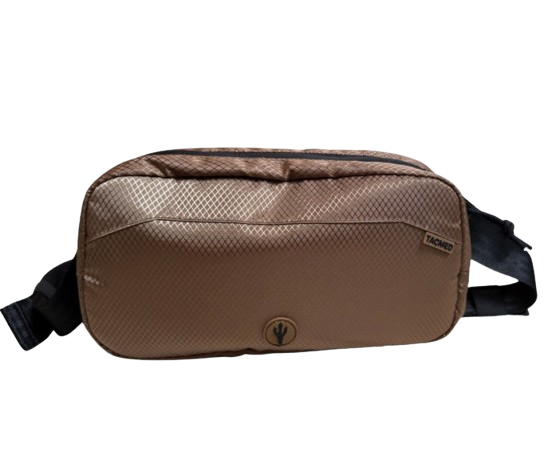
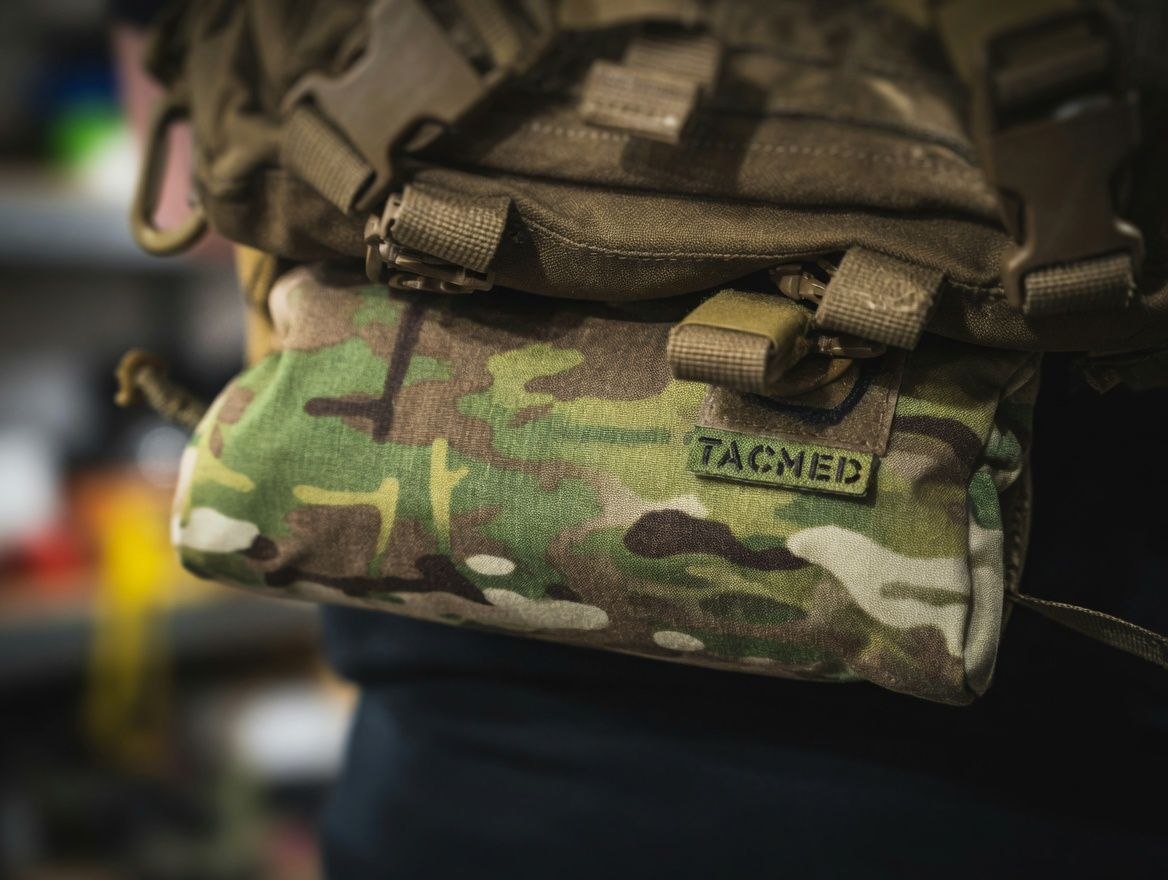
First aid kits: ready-made solutions for safety and medical assistance
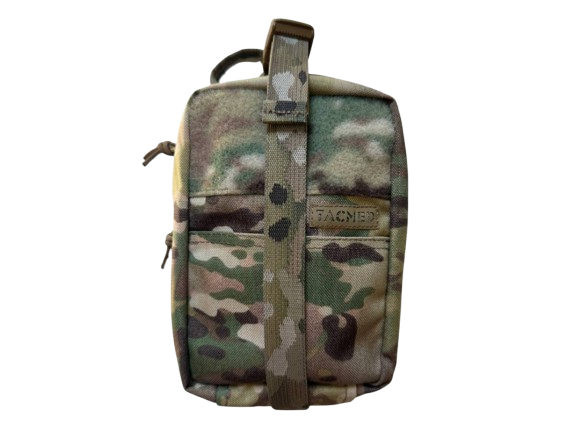
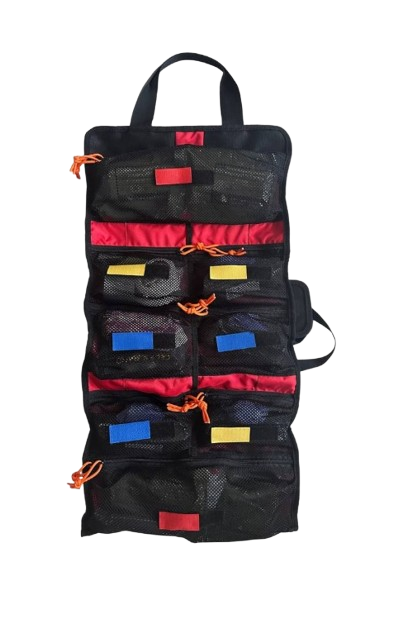
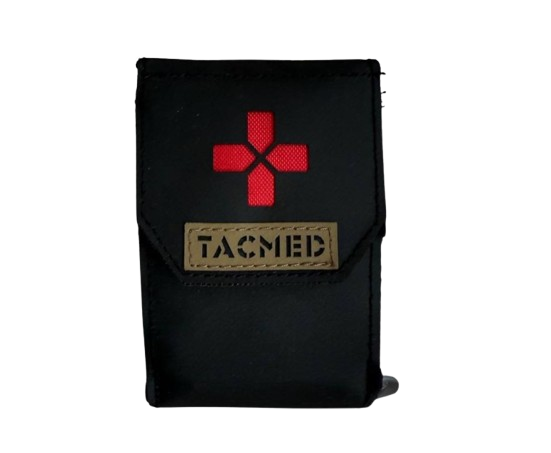
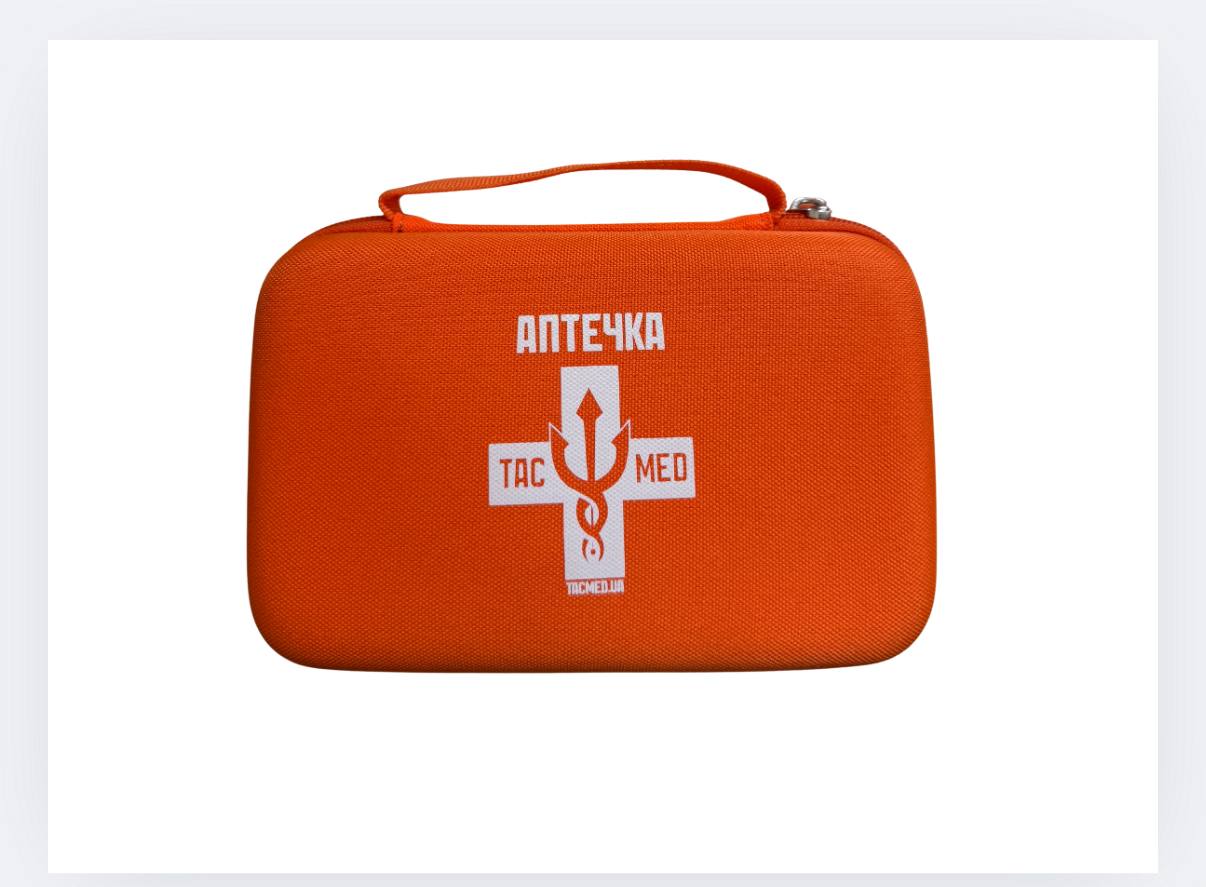
First aid kits are a basic safety element that allows a quick response to injuries, wounds, and other emergency situations. A modern medical first aid kit is not just a set of products, but a well-thought-out system of tools for stabilizing the condition of an injured person before medical professionals arrive. Today, more and more people choose ready-made kits that are already adapted to specific usage scenarios. The TacMed catalog features first aid kits for home, car, travel, and tactical medicine. This allows selecting the optimal option for any usage conditions in Ukraine and ordering it at an affordable price with fast delivery.
Why is a first aid kit needed?
A first aid kit allows you to gain critically important time before medical professionals arrive. In most emergency situations, it is the first minutes that determine the further condition of the injured person, and the absence of necessary tools can significantly complicate the situation. The presence of a first aid kit is an element of systematic safety. It allows acting in a structured way according to basic assistance protocols.
Functionally, a first aid kit covers several key tasks: bleeding control, protection against infection, reduction of complication risks, and stabilization of the condition until transfer to medical specialists. Its composition includes dressing materials, compression tools, fixation elements, and additional components for working with injuries of different types.
In everyday life, a first aid kit is used:
- for household injuries (cuts, burns, bruises);
- in road accidents;
- during travel and active recreation;
- in professional activities associated with risks;
- in educational and public spaces for rapid response.
It is important to understand that a first aid kit is not a universal set “for all cases.” Its composition must correspond to usage conditions, the user’s level of training, and potential risks. For example, a car first aid kit differs from a home or tactical one both in composition and priorities. That is why more and more users choose ready-made kits that are already adapted to specific scenarios and allow avoiding critical gaps in configuration.
Types of first aid kits by purpose
Modern first aid kits are classified according to usage conditions and tasks. This allows selecting a set as efficiently as possible for specific needs. Proper classification helps cover all possible scenarios.
Tactical first aid kits
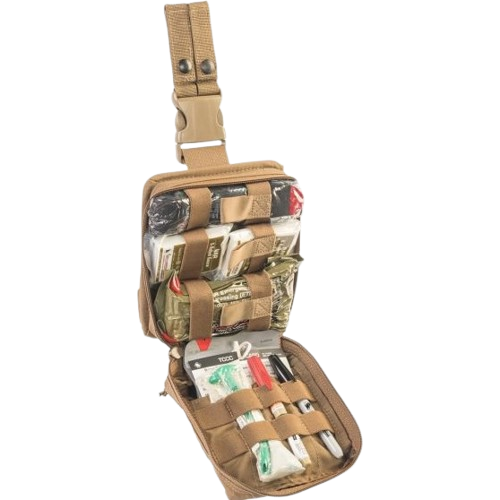
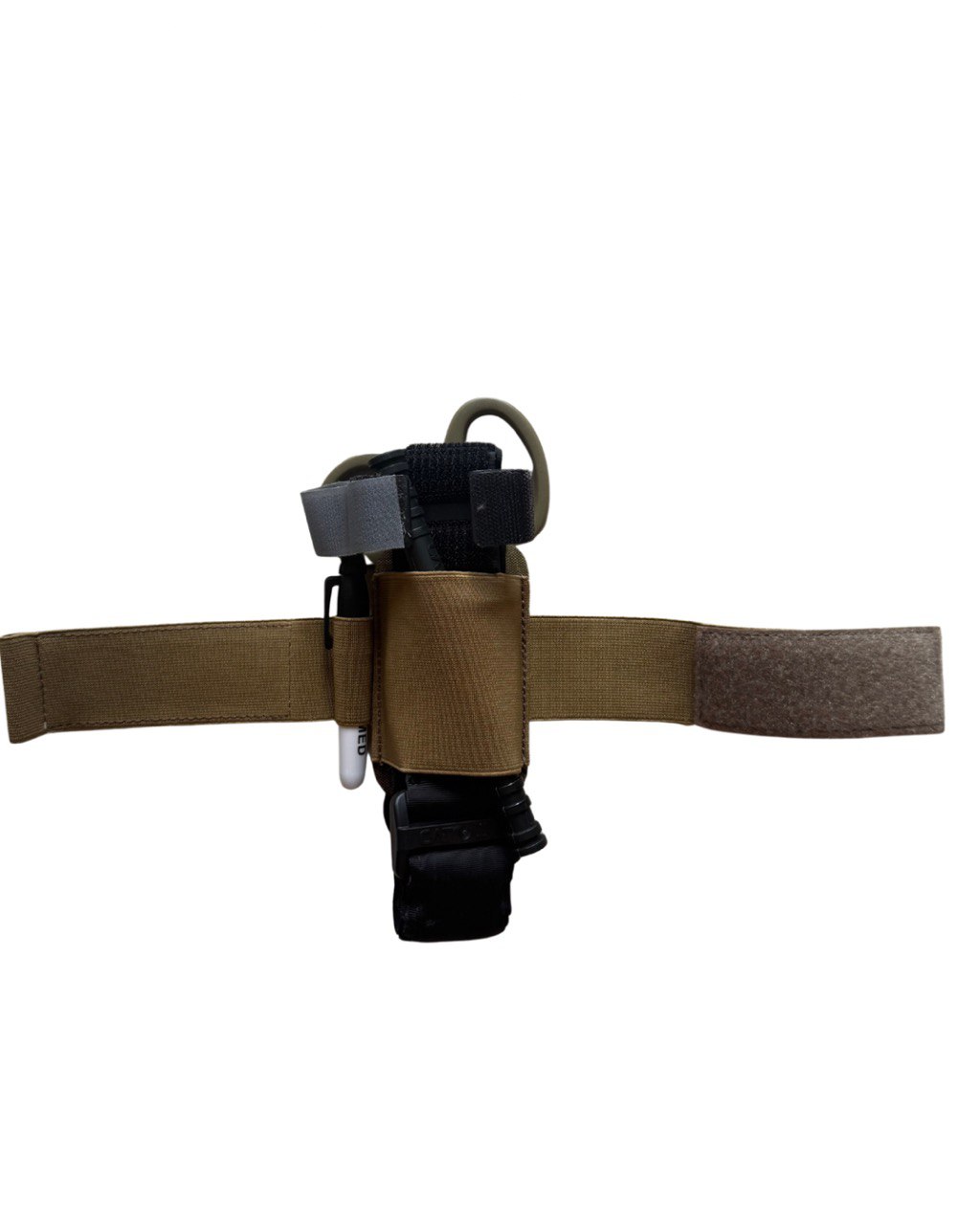
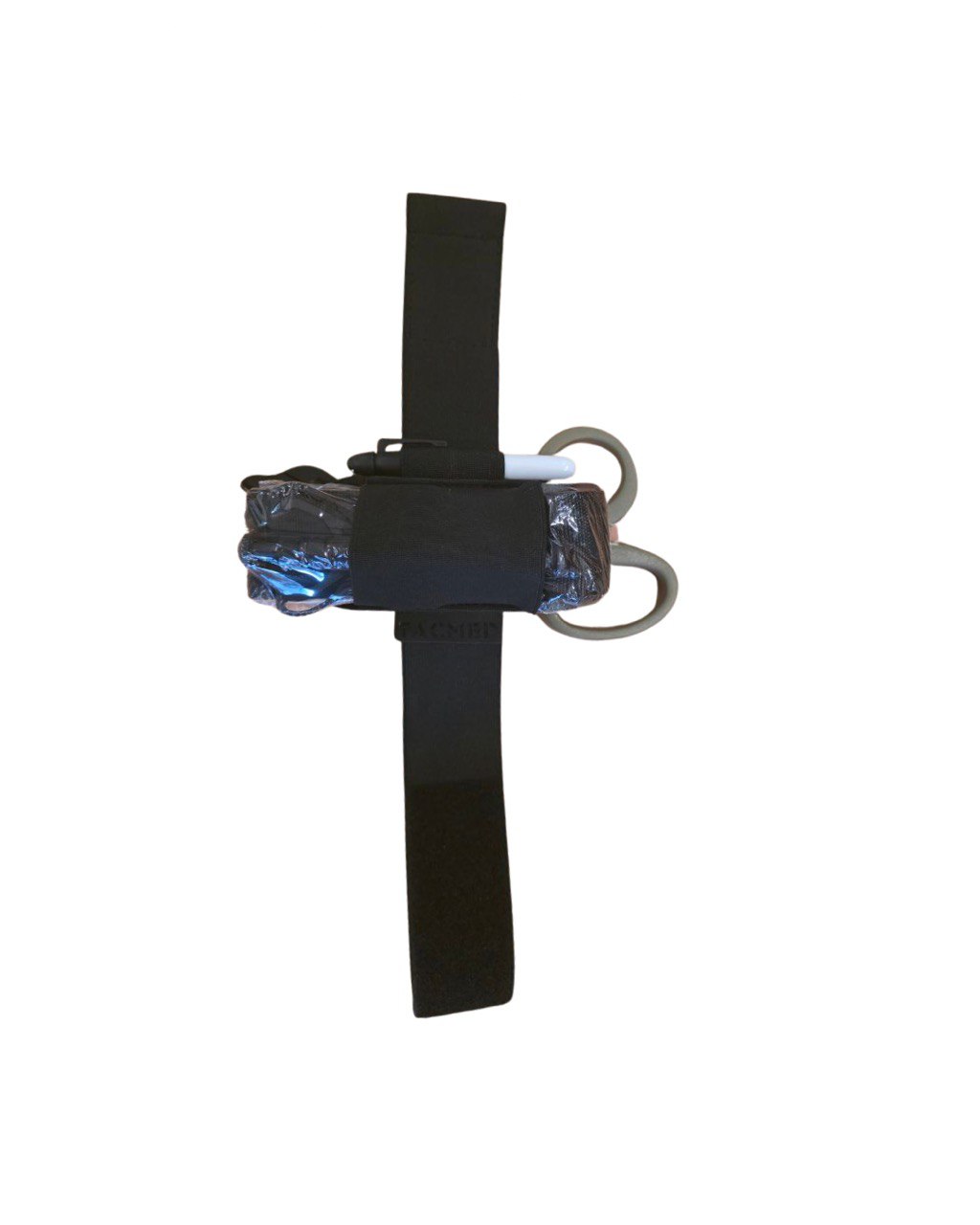
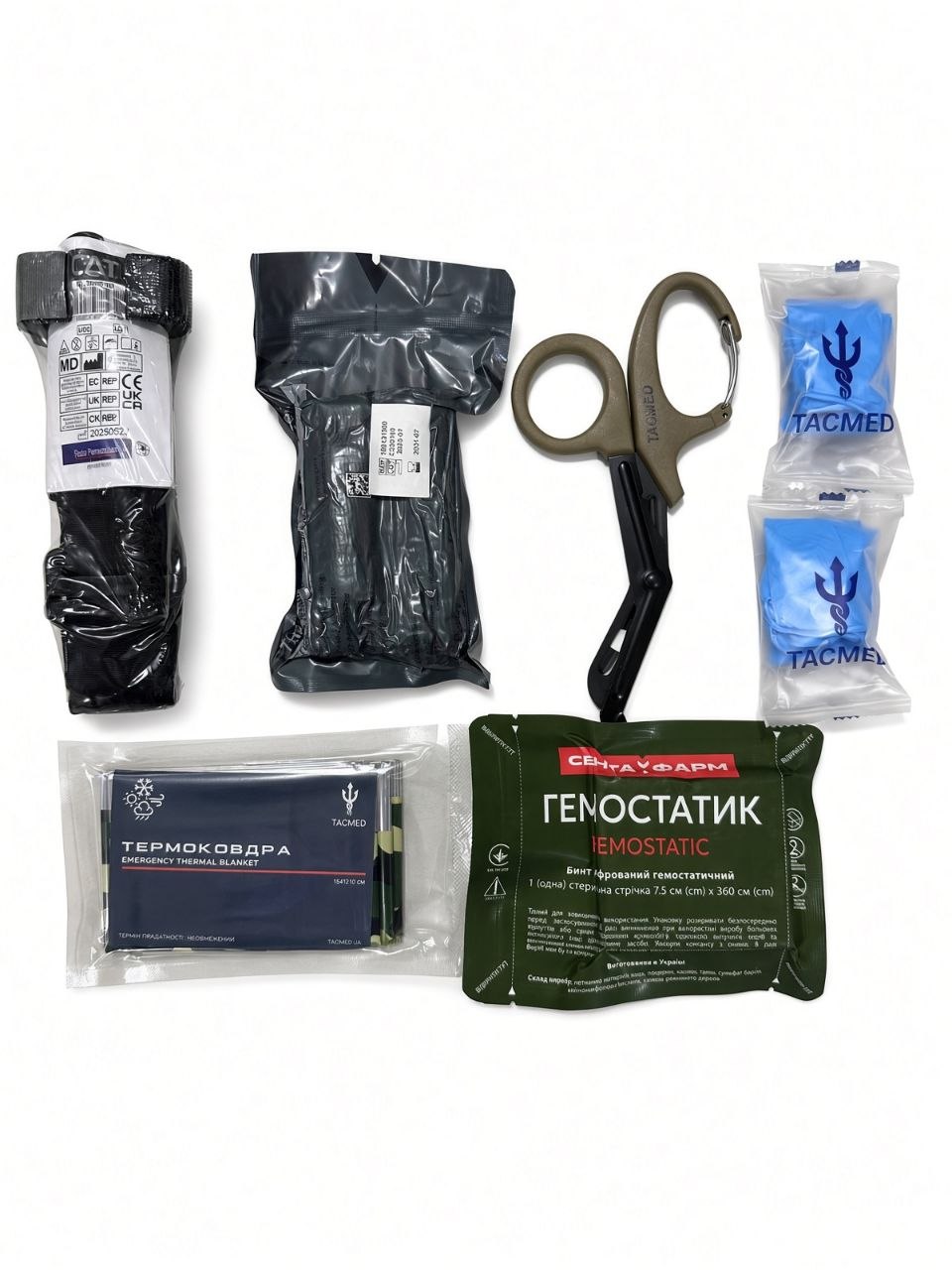
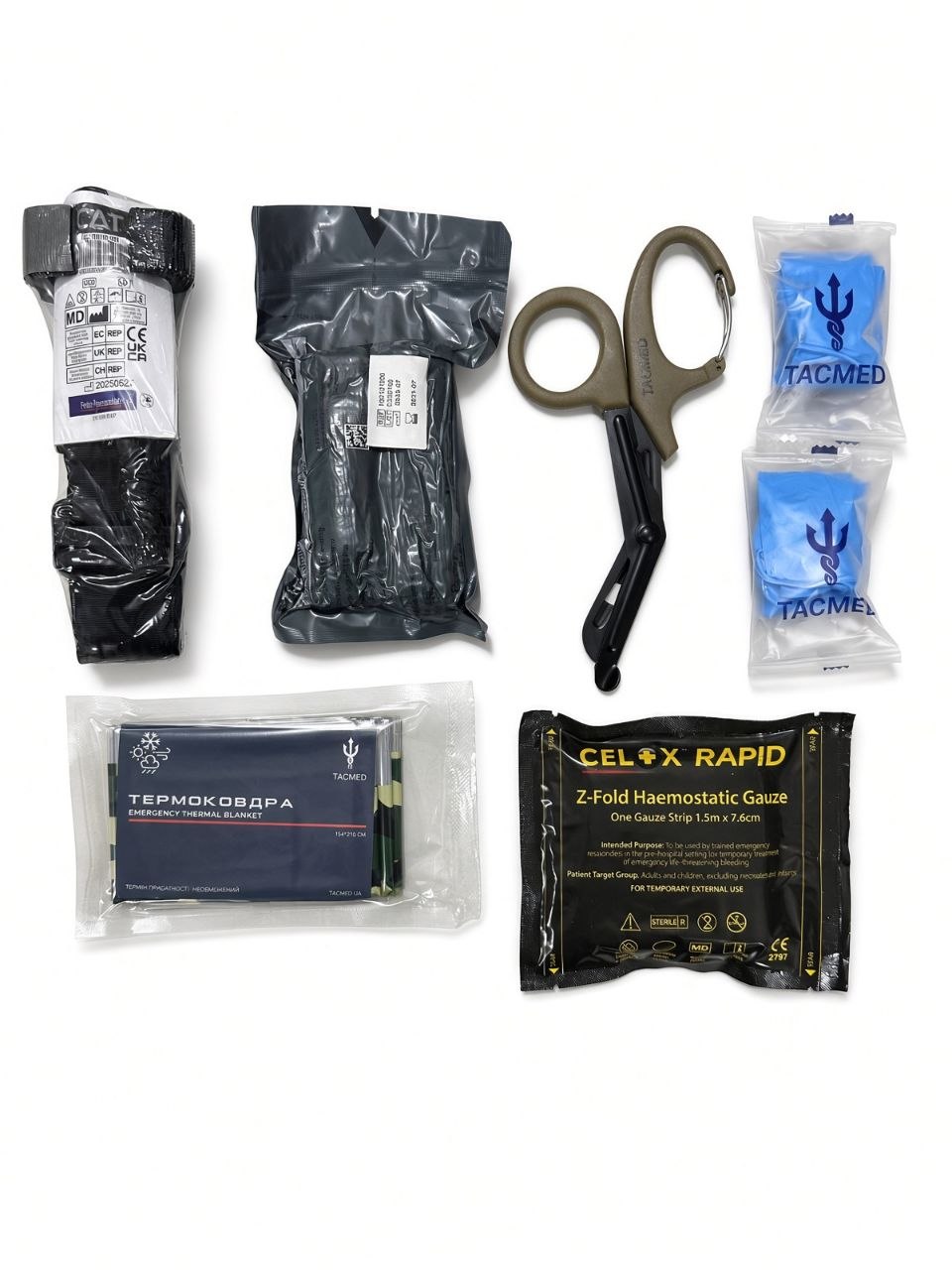
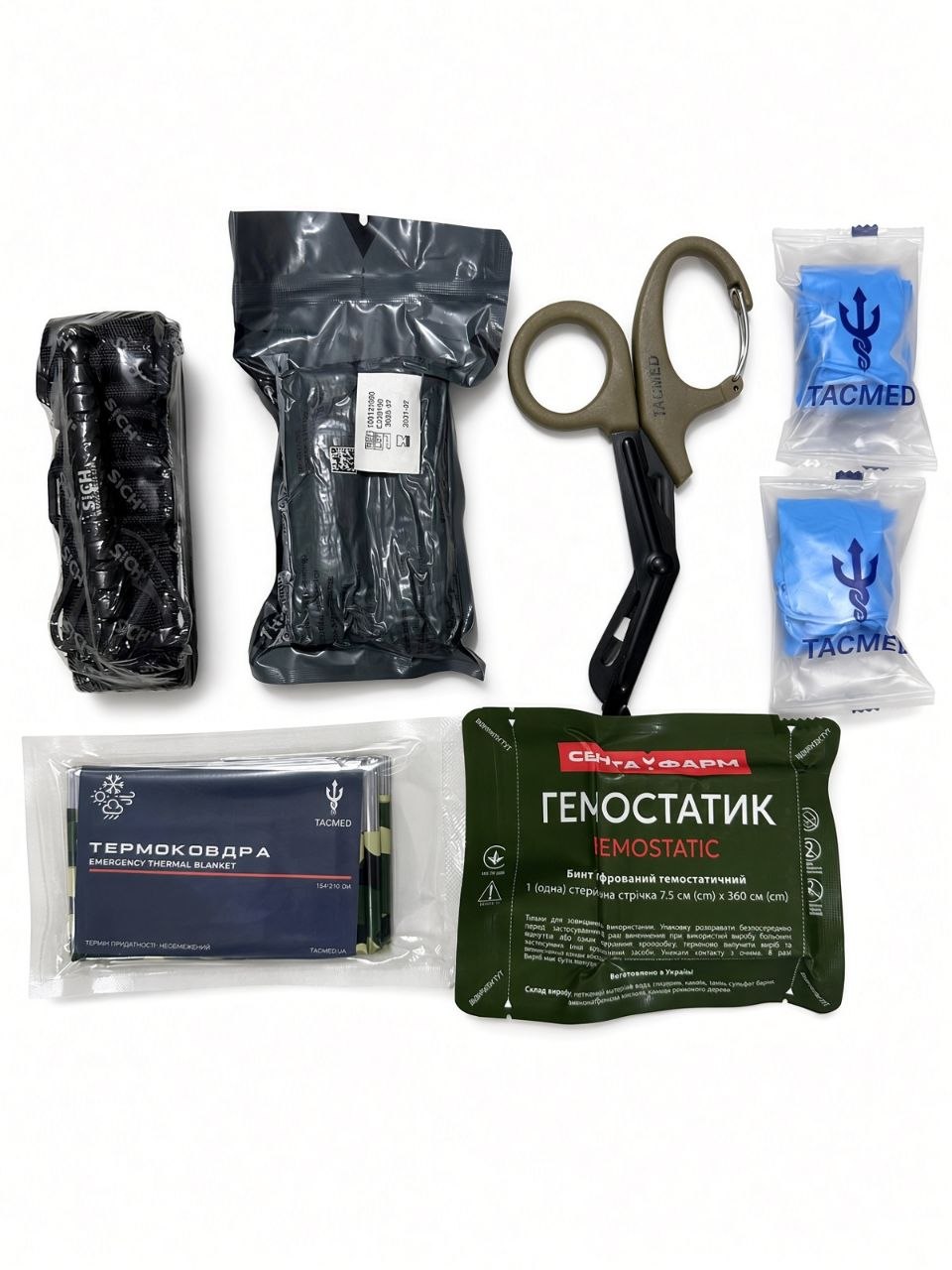
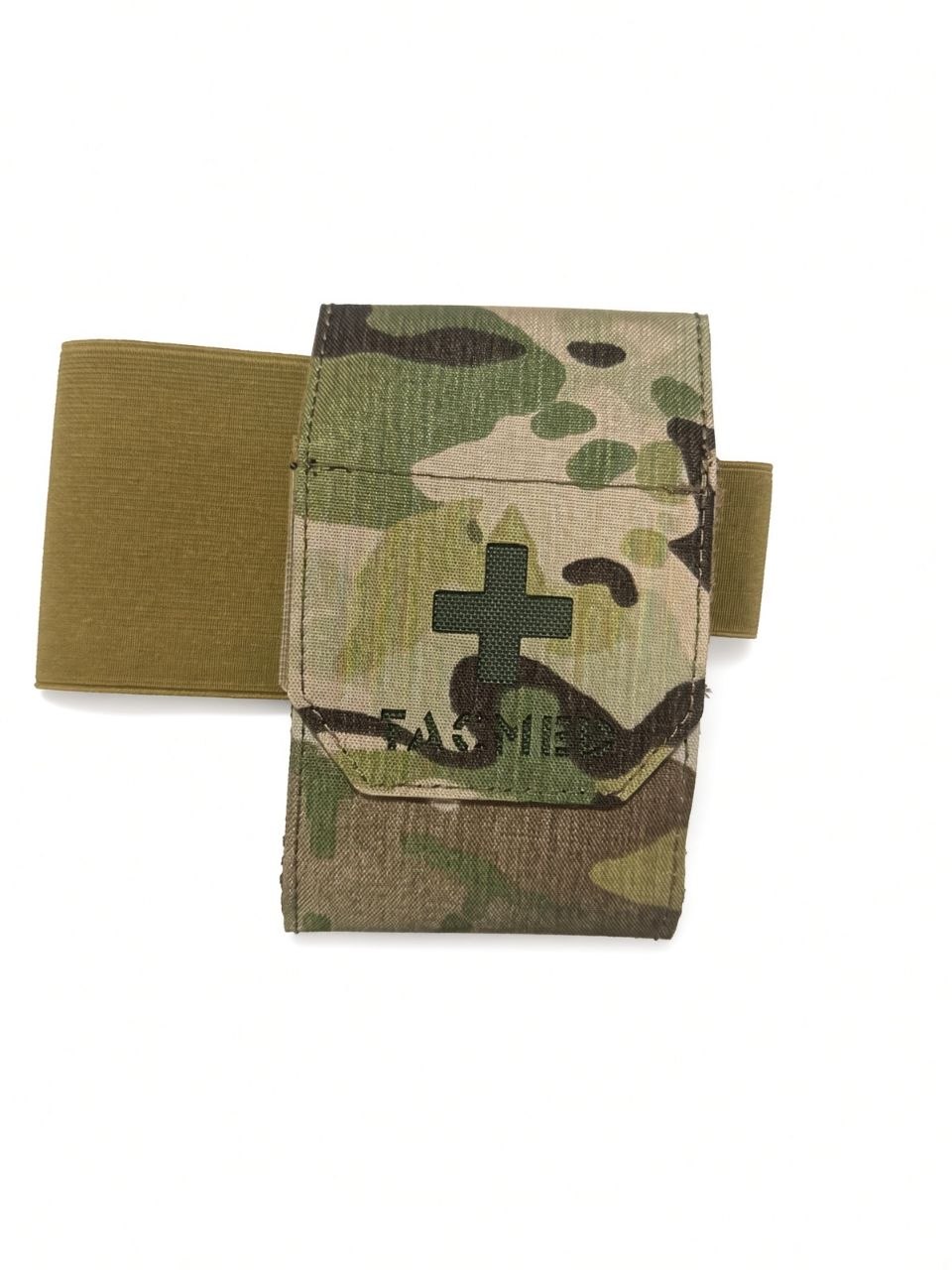
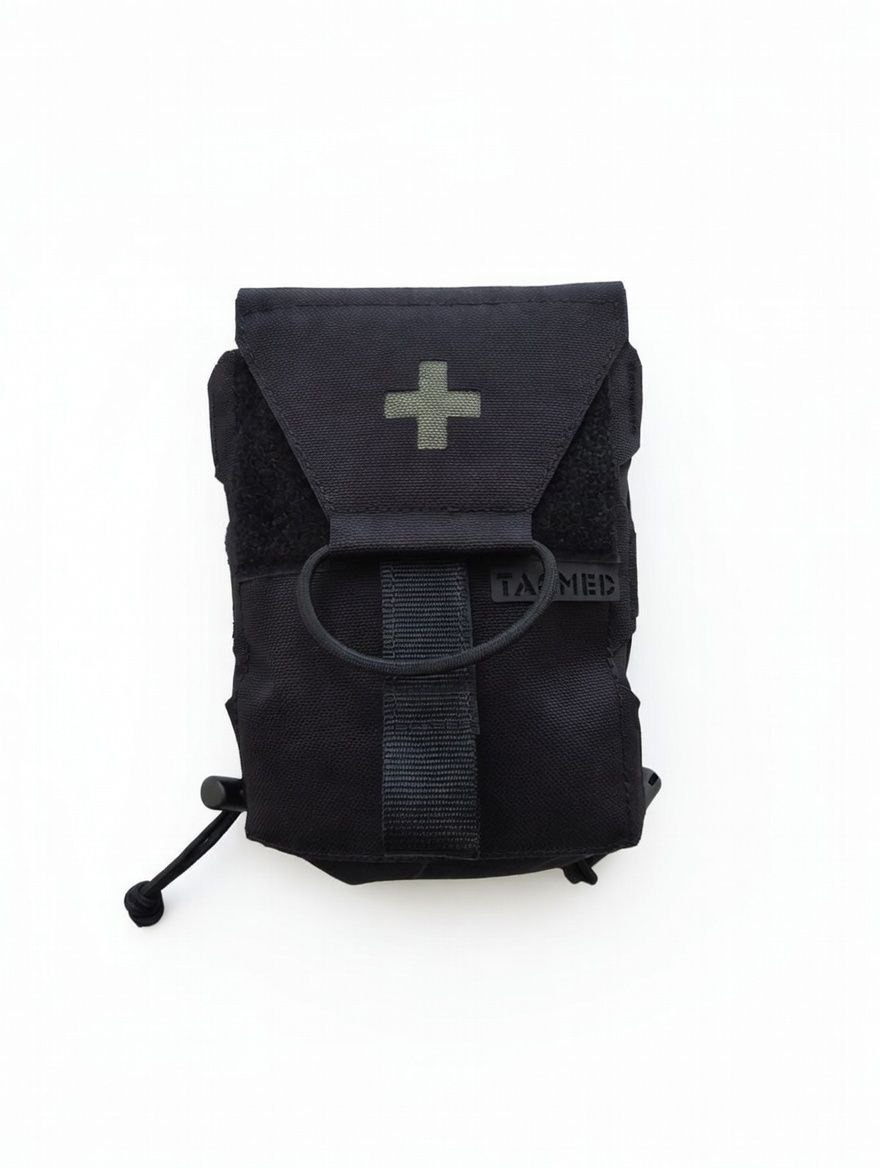
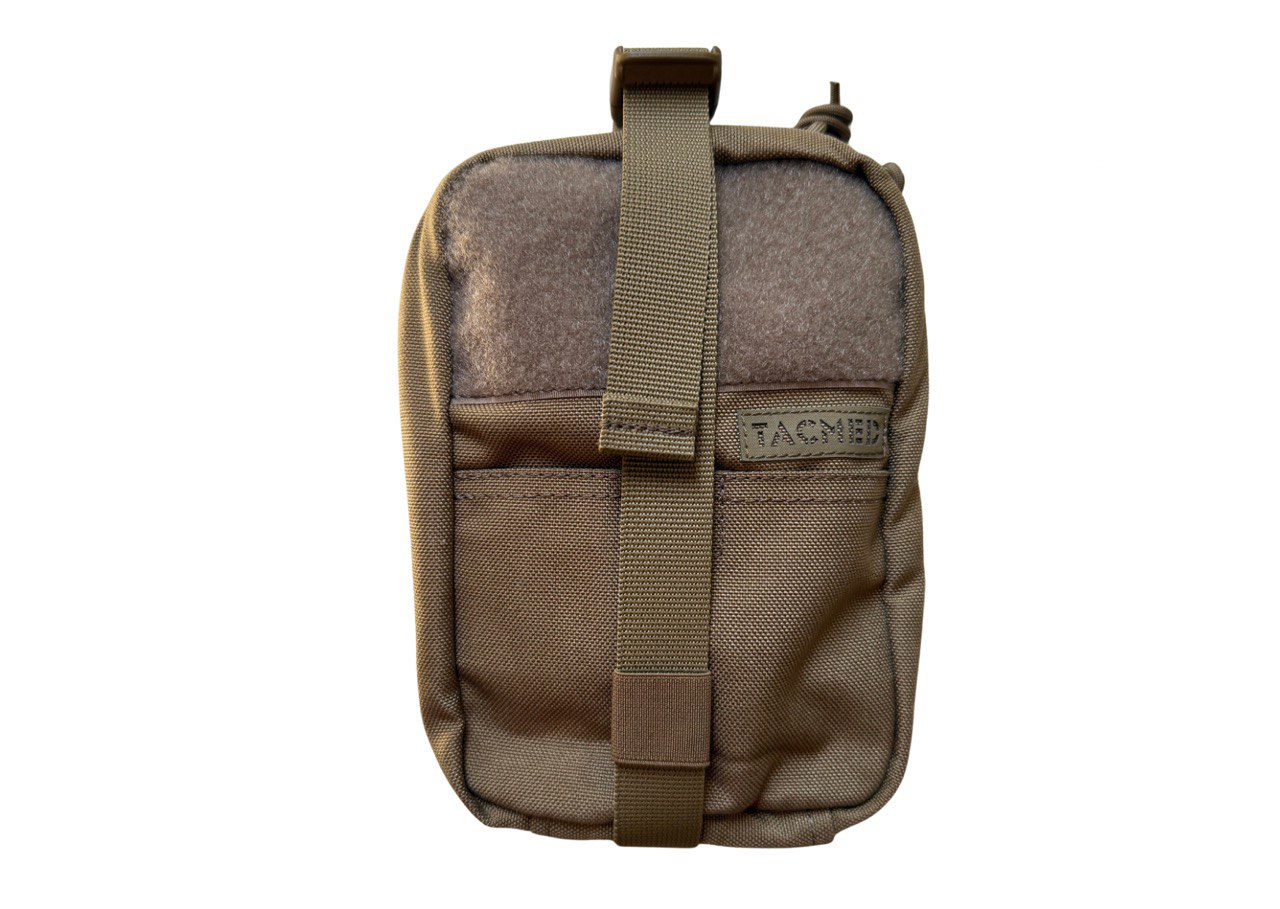
A tactical first aid kit is a specialized set for providing first aid in complex and potentially dangerous conditions, where access to medical professionals may be limited or delayed. It is designed taking into account real scenarios where availability of tools, speed of access, ease of use, and reliability of each element are important. Such kits are used by rescuers, security personnel, as well as civilians who work or stay in high-risk areas.
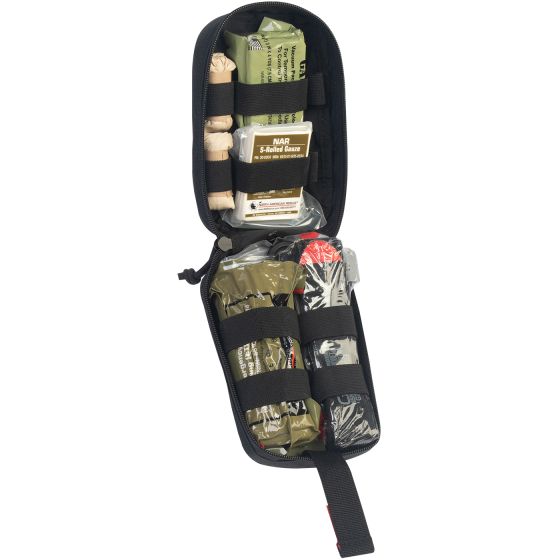
The key difference of a tactical first aid kit is its focus on critical conditions: massive bleeding, limb injuries, soft tissue injuries. That is why its composition is based on modern first aid protocols, where priority is rapid bleeding control and stabilization of the condition. Such sets use proven solutions that ensure maximum effectiveness in field conditions.
Main features:
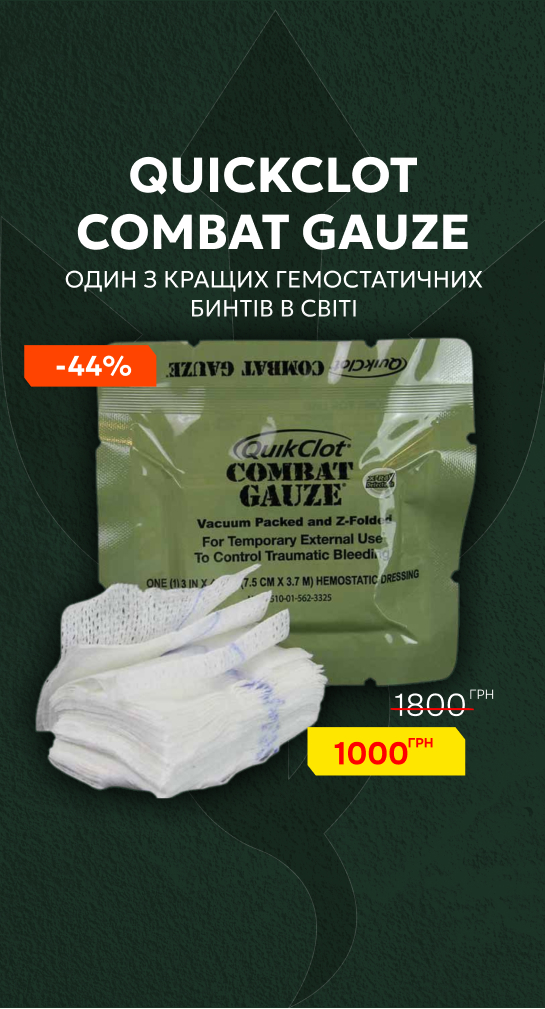
- availability of bleeding control tools (tourniquets, braces, hemostatic materials);
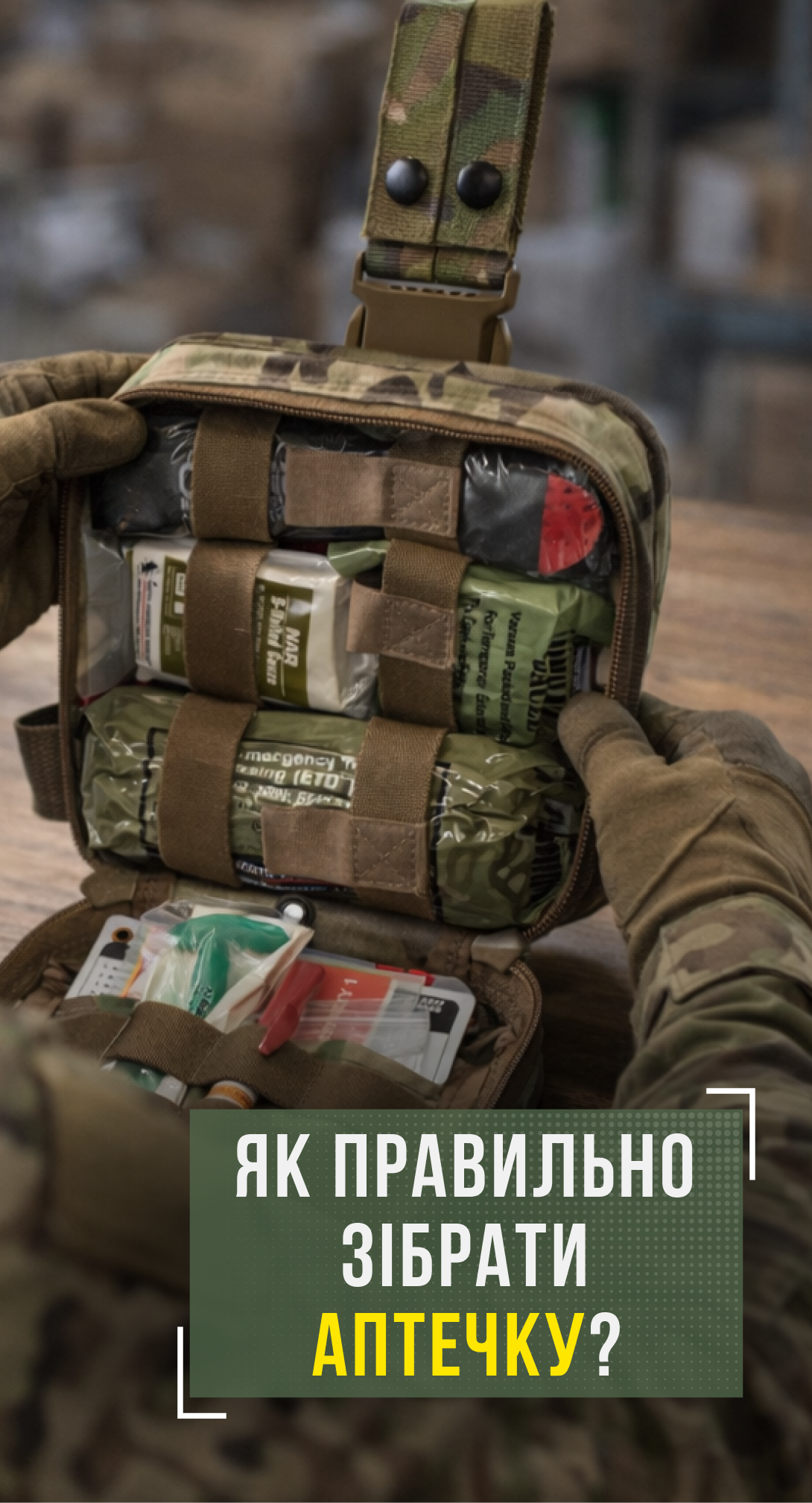
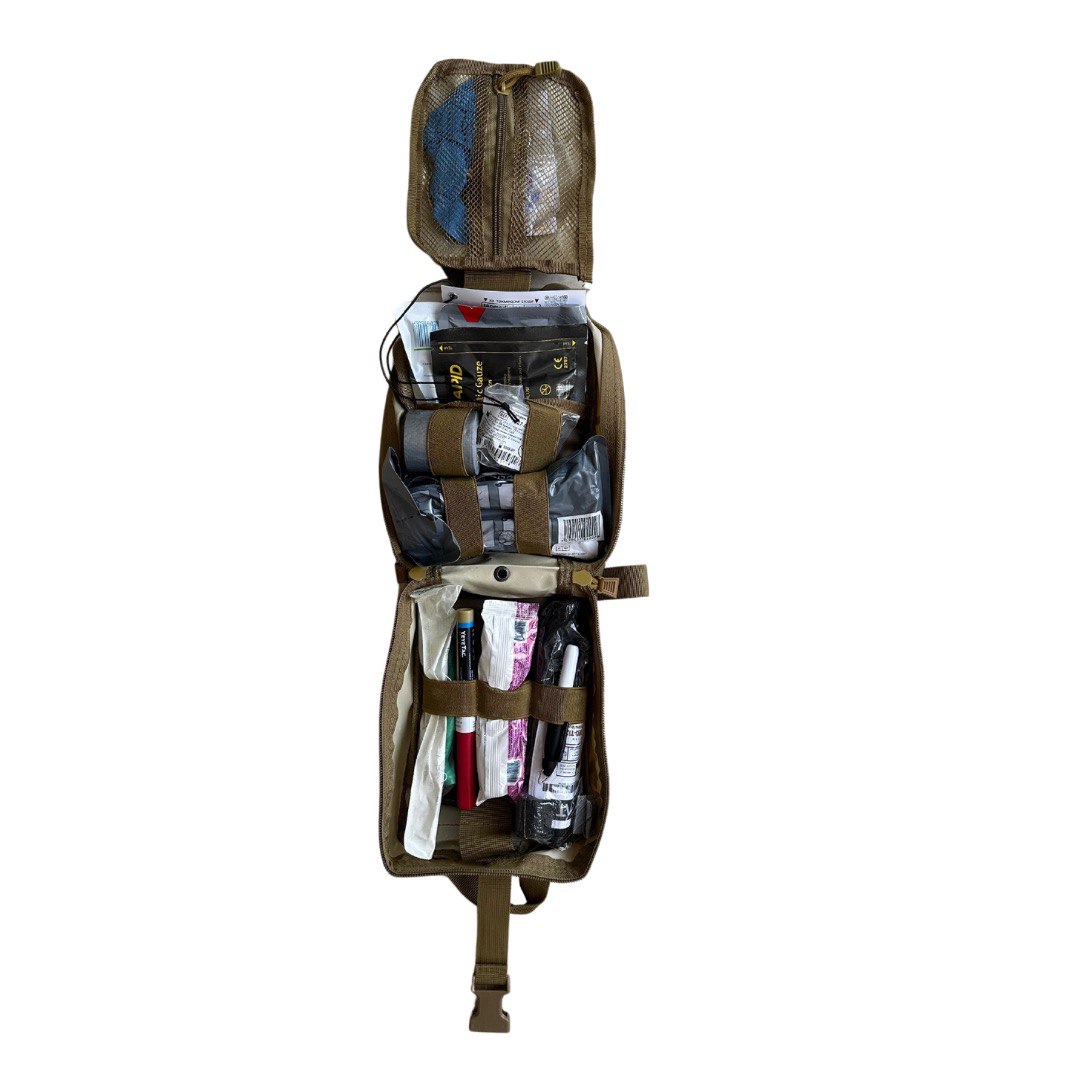
- compact format and well-thought-out internal organization;
- quick access to key components with one hand;
- adaptation to use in field conditions (dust, moisture, limited visibility);
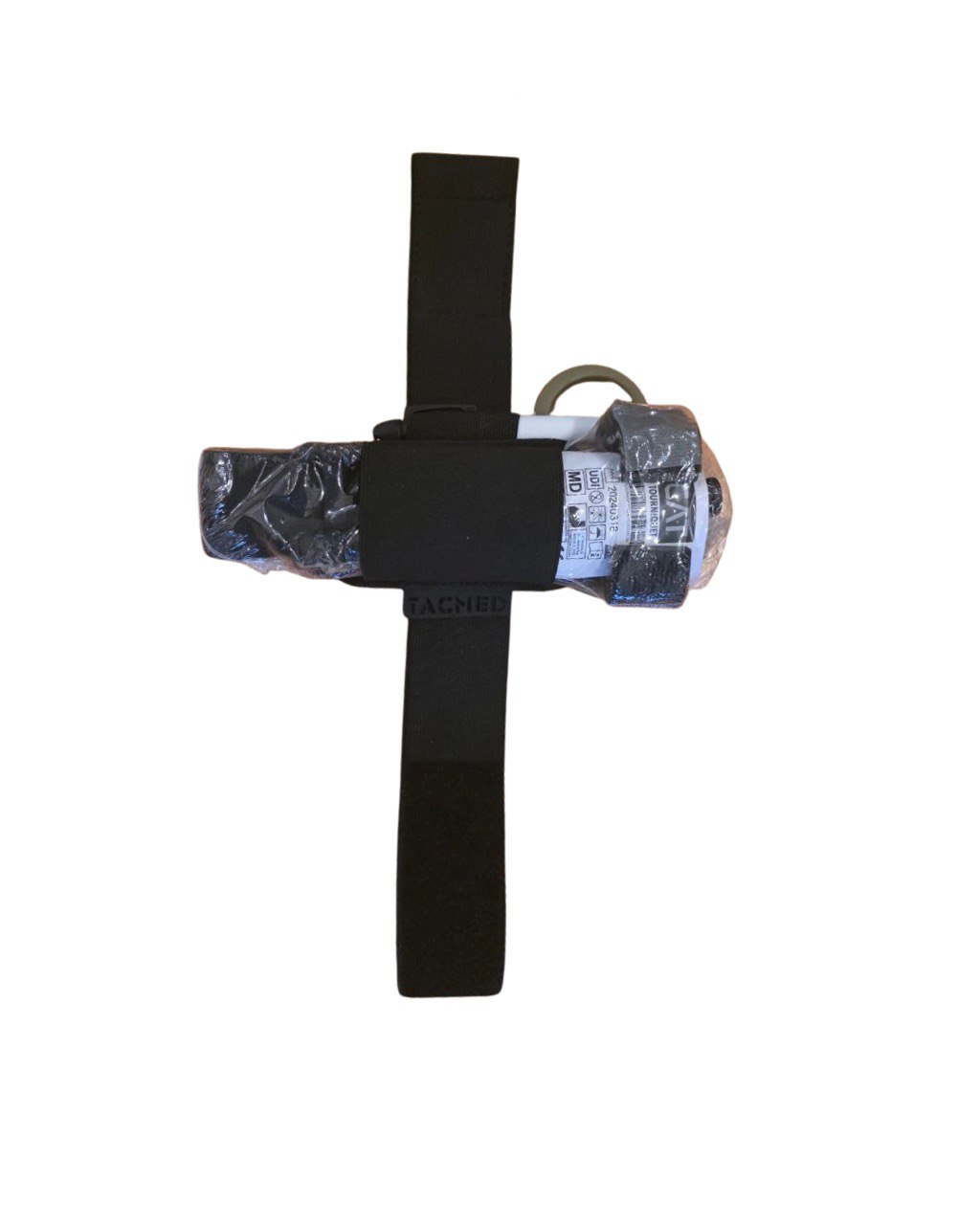
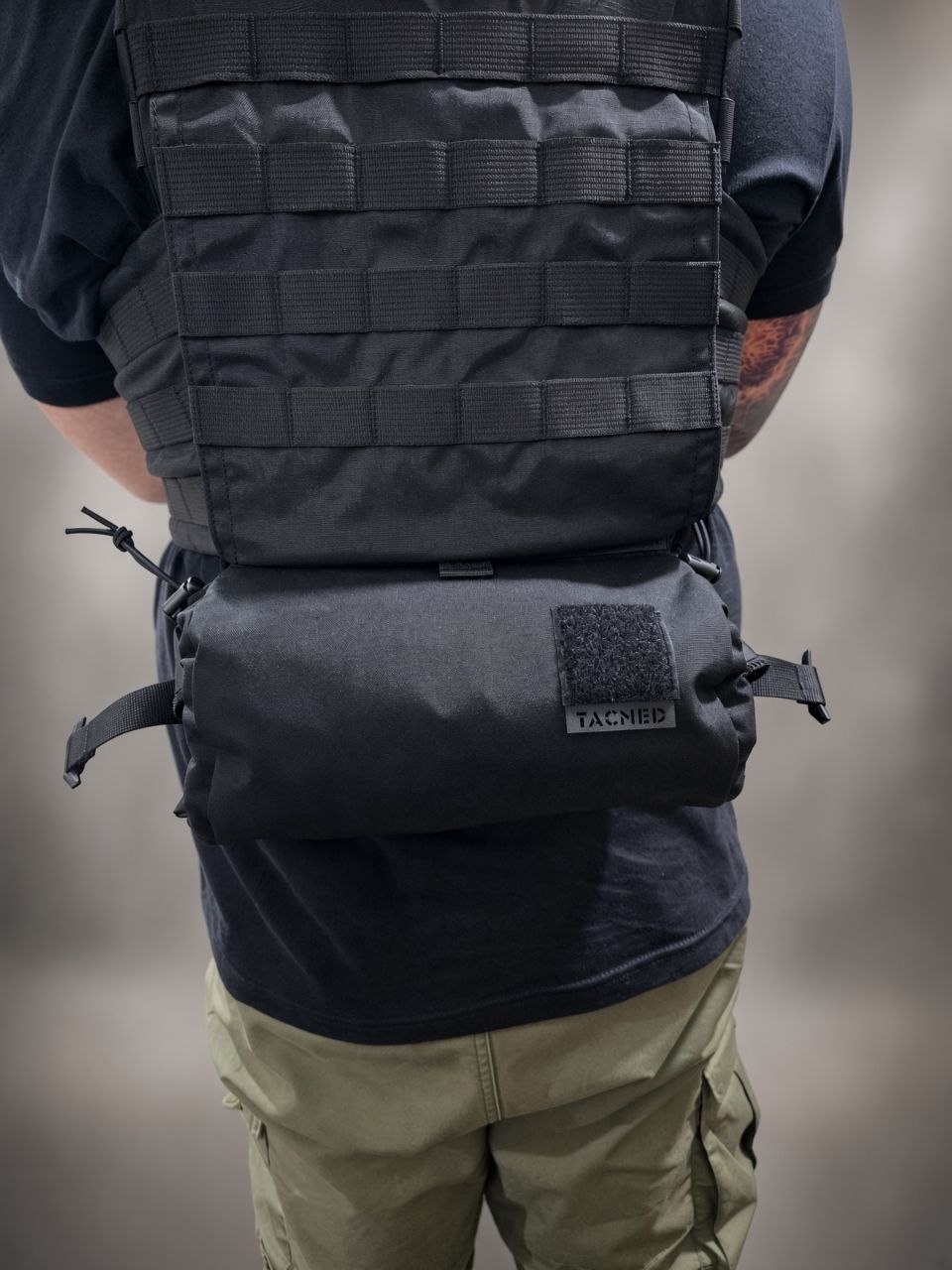
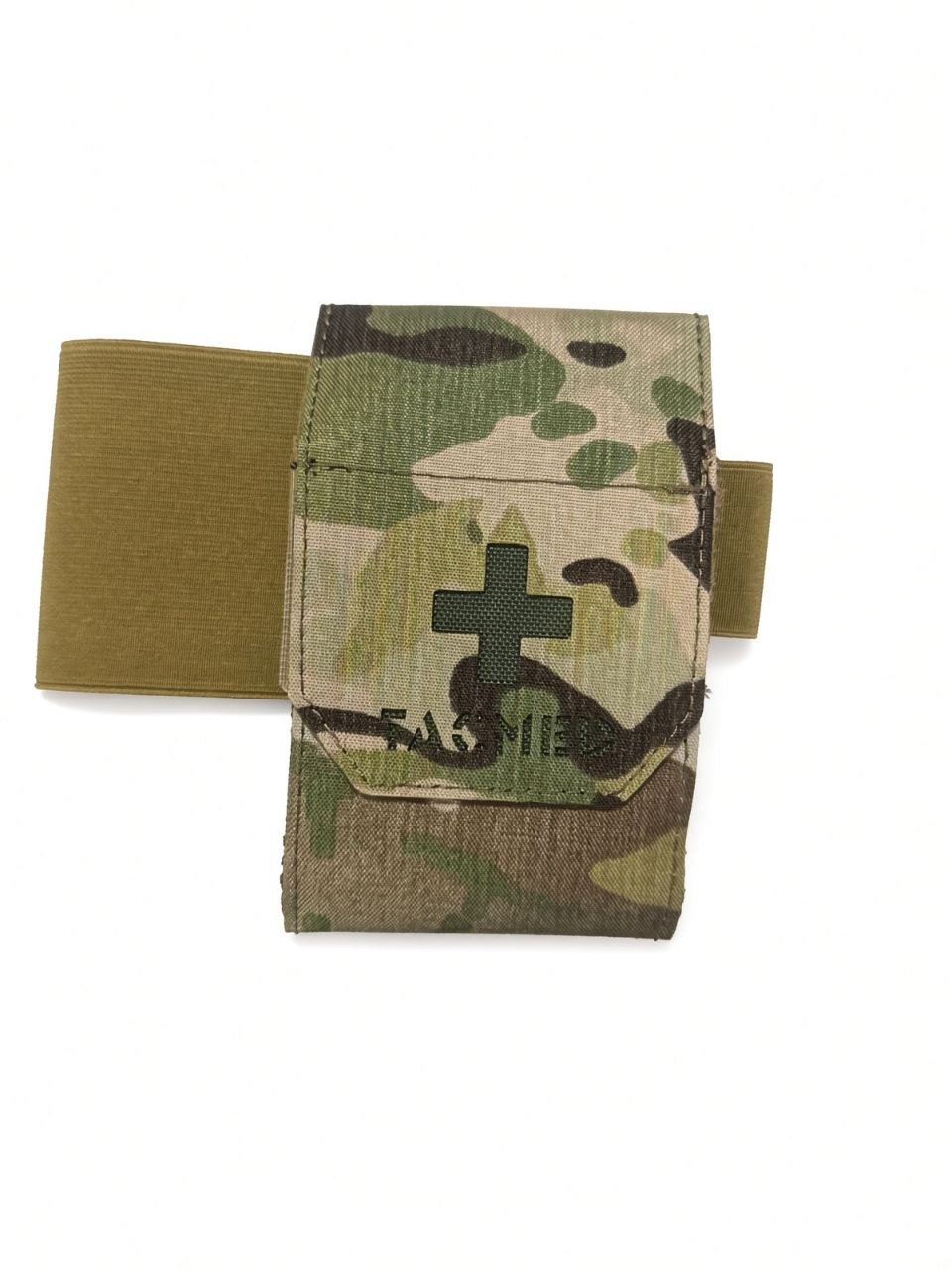
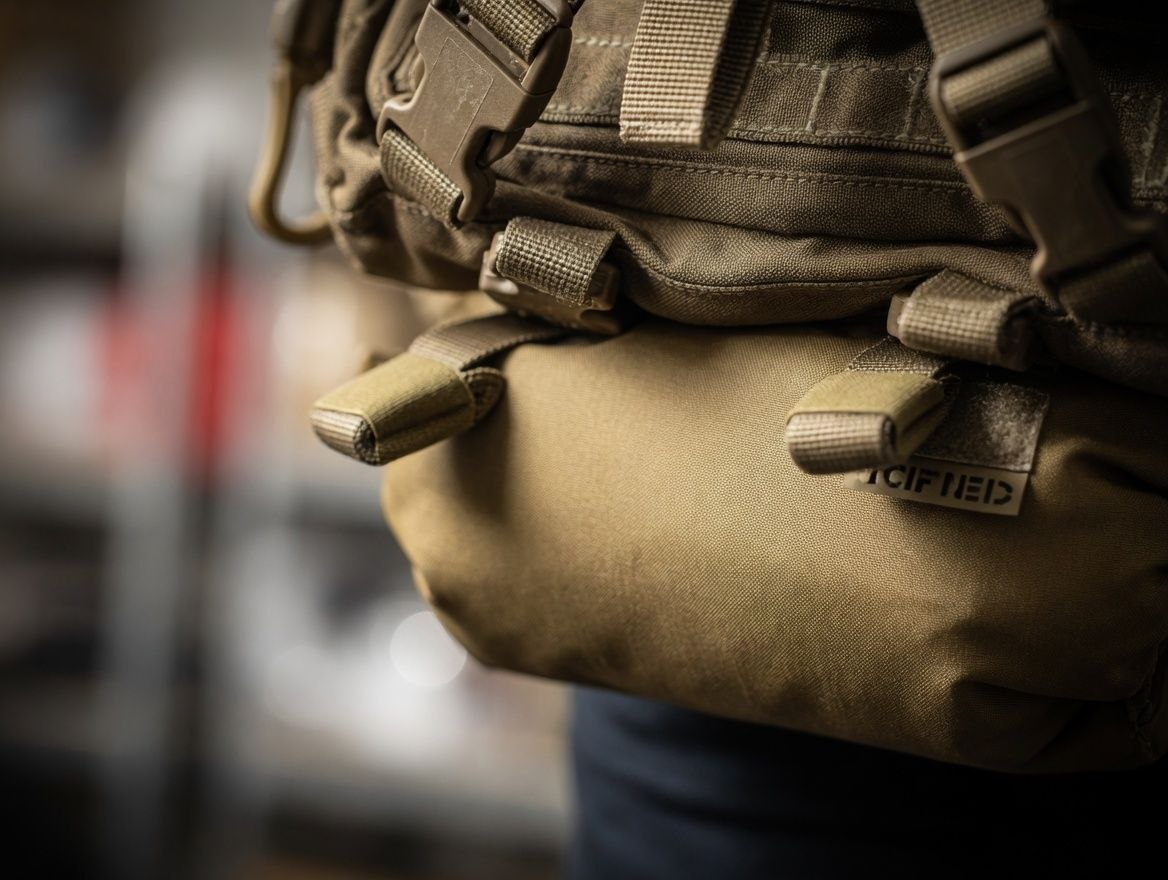
- compatibility with equipment (mounting on gear, belt, or backpack).
Additionally, it is important that such kits often have a modular structure — the user can change the contents depending on the task and conditions. The materials of pouches and components are designed for intensive use, and the tools themselves are intended for quick application without complex manipulations.
That is why a first aid kit for the Armed Forces is a separate category with increased requirements for quality, reliability, and effectiveness. In such conditions, a properly assembled set directly affects the real possibility of preserving life until full medical assistance is received.
Car first aid kits
A car first aid kit is a mandatory safety element that allows providing first aid in case of road accidents or other road incidents. In such situations, the first minutes are decisive, since before emergency services arrive, responsibility for basic assistance often lies with the driver or passengers. The presence of a properly equipped first aid kit in a car is a legal requirement and a real tool for reducing risks and complications.
The composition of a car first aid kit is usually oriented toward the most common scenarios: cuts, bleeding, bruises, minor injuries. It includes dressing materials, wound protection tools, and basic elements for stabilizing the condition. It is important that all components are selected in such a way that they can be used without special training, in stressful conditions and limited space.
Main characteristics:
- basic set of dressing materials for first aid;
- compact format for convenient storage in a vehicle;
- quick access to contents in a critical situation;
- ease of use without special skills;
- compliance with basic safety standards.
Special attention should be paid to the placement of the first aid kit — it should be located in an easily accessible place so that it can be quickly reached even in difficult conditions. It is also critically important to regularly check the contents: expiration dates, packaging integrity, and availability of all necessary components.
A car first aid kit must comply with current standards and be kept up to date. This allows being prepared for unforeseen situations and acting confidently when every minute matters.
Home first aid kits
A home first aid kit is a basic set of tools that allows quick response to everyday situations: cuts, burns, abrasions, minor injuries, or sudden deterioration of well-being. Unlike specialized kits, it is designed for universal use by all family members, so its composition must be clear and easy to use. It is important that such a kit actually covers typical household needs — from wound treatment to basic stabilization of the condition. That is why its composition should be formed consciously, taking into account age, lifestyle, and possible risks.
A standard home first aid kit usually includes dressing materials, antiseptics, fixation elements, and basic products for first aid. All components must be safe, have a clear purpose, and be easy to use without medical training. Additionally, it is important to organize the internal space so that the necessary tool can be quickly found in a stressful situation.
Main advantages:
- versatility for different household scenarios;
- accessibility and ease of use;
- ability to quickly provide assistance without special skills;
- adaptation to the needs of a specific family;
- convenient storage and systematization of tools.
Special attention should be paid to regular updating of contents: checking expiration dates, replenishing used items, and replacing damaged packaging. It is also important to store the kit in an accessible but safe place, especially if there are children in the home.
Travel first aid kits
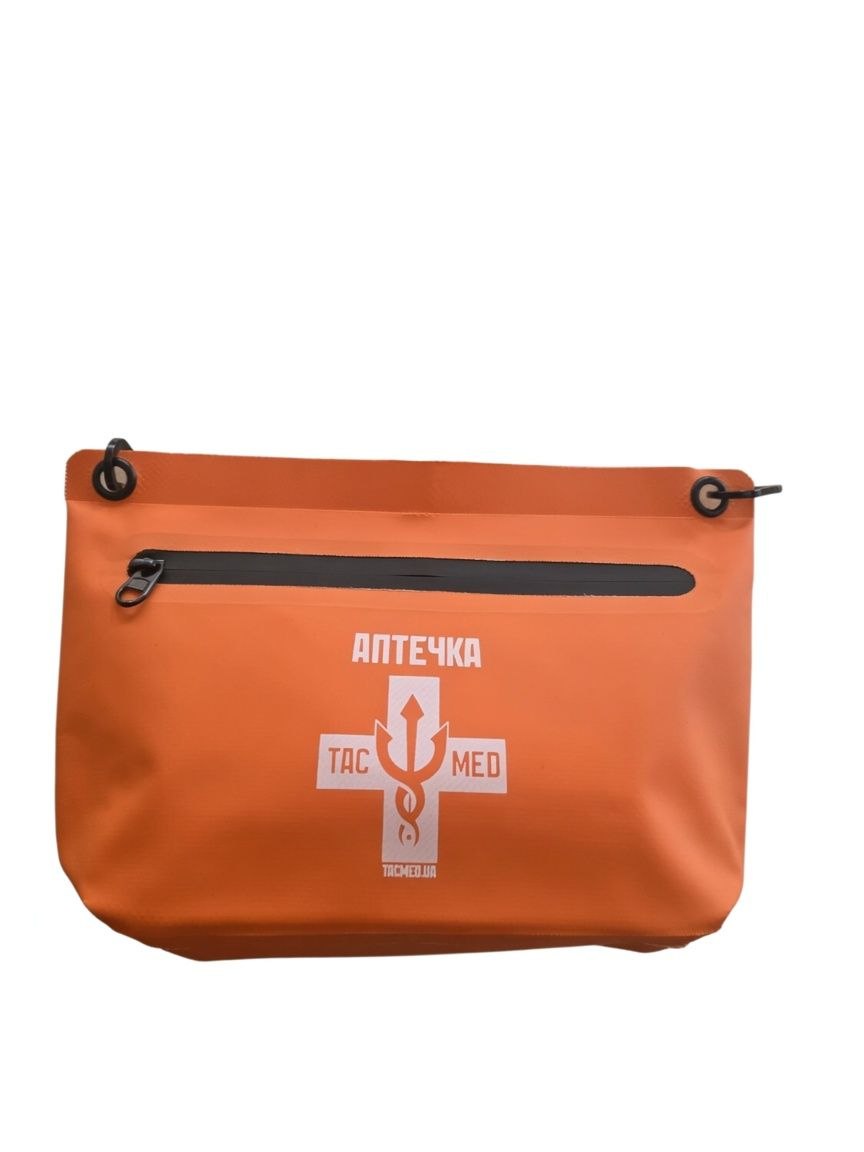
A travel first aid kit is a compact and functional set that allows quick response to injuries and ailments outside the home. During travel, access to medical assistance is often limited, so it is important to have a minimally sufficient set of tools for stabilizing the condition. Such a kit is especially relevant for active recreation, hiking, long trips, and travel to remote areas. Its main task is to ensure a quick response in conditions where resources are limited and time is critical.
The composition of a travel first aid kit is based on the principle of balance between weight and functionality. It includes dressing materials, antiseptics, tools for treating minor injuries, as well as basic products for typical problems during travel. It is important that all elements are compactly packed, protected from moisture and mechanical damage, and easily accessible at any time.
Main features:
- light weight and compactness for convenient transportation;
- universal composition for typical travel situations;
- adaptation to mobile conditions and limited resources;
- quick access to contents without unnecessary actions;
- protection of components from moisture and external factors.
It is also important to consider the specifics of the trip: duration, climate, level of physical activity, and distance from medical facilities. For example, for mountain hiking or active tourism, it is advisable to expand the set with tools for working with injuries, while for urban travel a basic set is sufficient.
A travel first aid kit should be formed individually according to a specific route and risks. This approach allows avoiding unnecessary weight while being prepared for most typical situations that may arise during travel.
What should be in a first aid kit: general list of supplies and products
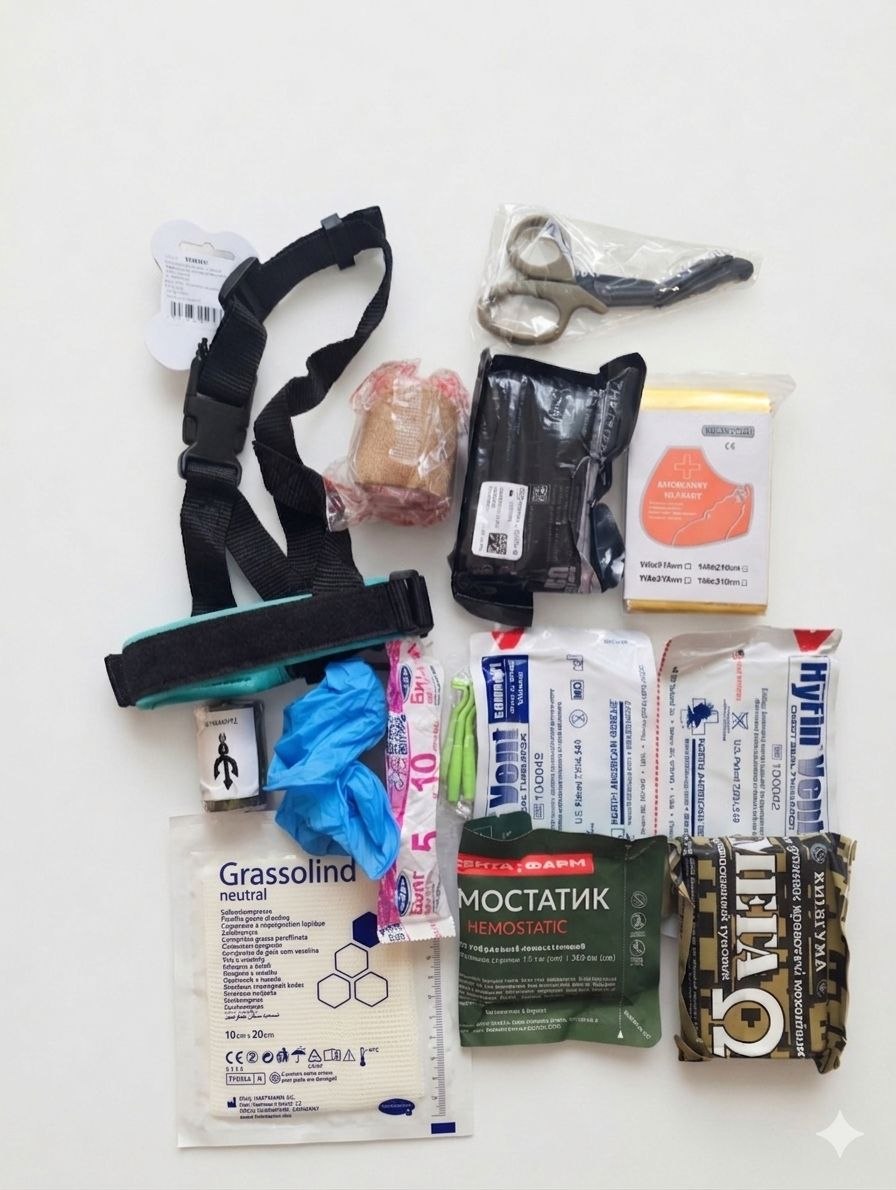
The composition of a first aid kit depends on its type, but there is a basic set that is recommended in most cases. It is this set that allows covering the main first aid scenarios. Before assembling a first aid kit, it is important to understand what should be included. The presence of key tools allows acting quickly and effectively.
Basic composition:
- dressing materials (bandages, braces, wipes);
- bleeding control agents;
- antiseptics;
- fixation tools;
- gloves and auxiliary elements.
This set may change depending on usage conditions. That is why the composition of a first aid kit should be formed individually or selected as a ready-made solution.
Which first aid kit is better to buy: selection criteria
The choice of a first aid kit depends on the tasks it should solve. The most common mistake is buying a universal set without considering usage scenarios. As a result, the kit exists but does not cover real needs.
To choose a first aid kit correctly, it is necessary to consider:
- For home, car, travel, or tactical medicine;
- Availability of basic and specialized tools;
- quality of components. All elements must meet standards;
- ease of use. Quick access and logical structure;
- Compactness or an extended set depending on tasks;
- It is recommended to buy a ready-made first aid kit from trusted suppliers;
- possibility of updating. The kit should be easy to supplement.
These criteria allow selecting a first aid kit that will work in real conditions. If you have doubts or questions, our experts are ready to provide individual consultation.
Cost of a first aid kit and factors influencing it
The price of a first aid kit is formed based on its composition, quality of components, and purpose. Basic solutions cost less but have limited functionality. Professional kits include a wider set and accordingly have a higher cost.
The price is influenced by:
- number of components;
- quality of materials;
- type of first aid kit;
- level of specialization.
It is important to understand that a first aid kit is not a product where it is worth saving. It must correspond to real tasks and provide effective assistance.
Mistakes when assembling a first aid kit
An incorrectly assembled first aid kit may turn out to be ineffective at a critical moment. That is why it is important to know typical mistakes and avoid them.
The most common:
- absence of key tools;
- focus only on price;
- ignoring usage scenarios;
- use of low-quality components;
- ignoring expiration dates;
- lack of regular content checks.
Avoiding these mistakes allows creating a first aid kit that actually works. A well-thought-out composition allows acting quickly, without unnecessary doubts and loss of time. It is a systematic approach that forms a set that truly works when it is critically important.
Recommendations for updating a first aid kit
A first aid kit is not a static set. It requires regular updating and checking. Over time, some tools lose effectiveness or are used.
It is recommended:
- to check the first aid kit every 3–6 months;
- to replace expired items;
- to supplement the set depending on needs;
- to adapt it to new conditions.
This approach allows maintaining the first aid kit in working condition. Systematic control helps avoid situations where the necessary tool is physically present but unusable. It is important not only to check the contents but also to review the logic of the composition according to changes in lifestyle or conditions. It is this attention to detail that ensures the readiness of the first aid kit for real use at any moment.
We recommend buying first aid kits at an affordable price in the TacMed online store
In the TacMed online store, you can buy first aid kits for any tasks: home, car, travel, or tactical medicine. The catalog features ready-made kits that meet modern standards and are adapted to real usage scenarios. We offer affordable prices, a выгодная loyalty program, and regular promotions and discounts. We provide delivery throughout Ukraine: Kyiv, Kharkiv, Dnipro, Odesa, Lviv, and other cities. This allows you to quickly provide yourself and your loved ones with the necessary supplies.
FAQ
1. What should be in a first aid kit?
The basic composition includes dressing materials (bandages, wipes, plasters), antiseptics, and tools for stabilizing the condition. This is the minimum set that allows treating a wound, stopping bleeding, and providing first aid. Additional items may include gloves, scissors, and other auxiliary elements. The specific composition depends on the purpose of the first aid kit — for home, car, or specialized use.
2. Which first aid kit is better to buy for home?
For home, it is optimal to choose a first aid kit with a universal composition that covers typical household situations. It should contain basic dressing materials, antiseptics, and wound treatment tools. If the kit is intended for a family, it is worth choosing extended sets. This allows providing quick assistance without the need for additional purchases.
3. What is the difference of a tactical first aid kit?
A tactical first aid kit differs by its extended composition and focus on complex injuries and emergency situations. It contains specialized tools and is used in field conditions. Unlike civilian kits, it requires basic usage skills. That is why it is used by medical personnel, rescuers, and trained users.
4. Is a first aid kit mandatory in a car?
Yes, a car first aid kit is mandatory according to traffic rules and is part of the basic safety set. It is used for providing first aid in road accidents and other road situations. Its presence allows a quick response before medical professionals arrive. It is not only a legal requirement, but also an important element of life protection.
5. How often should a first aid kit be updated?
It is recommended to check the first aid kit every 3–6 months. Special attention should be paid to expiration dates, packaging condition, and completeness. Used or damaged items must be replaced immediately. Regular updating guarantees that the kit will be ready for use at any moment.
6. Is it better to buy a ready-made first aid kit or assemble one yourself?
A ready-made first aid kit is the simplest solution, which already has a balanced composition and is suitable for most situations. Self-assembly allows adapting the kit to specific needs but requires knowledge and time. The optimal approach is to buy a ready-made set and supplement it if necessary. This allows combining convenience and an individual approach.