Jutes: simple and effective tools for bleeding control
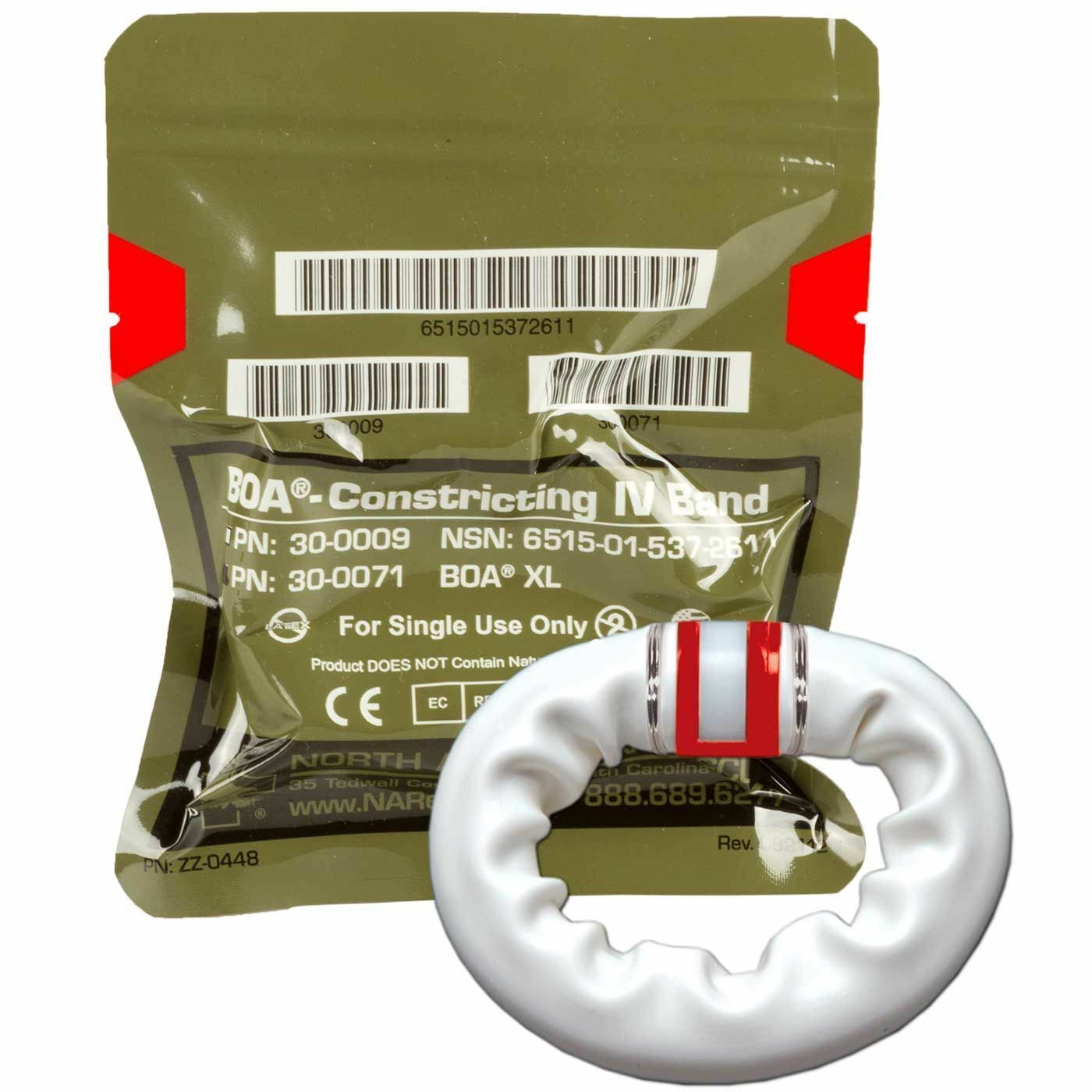
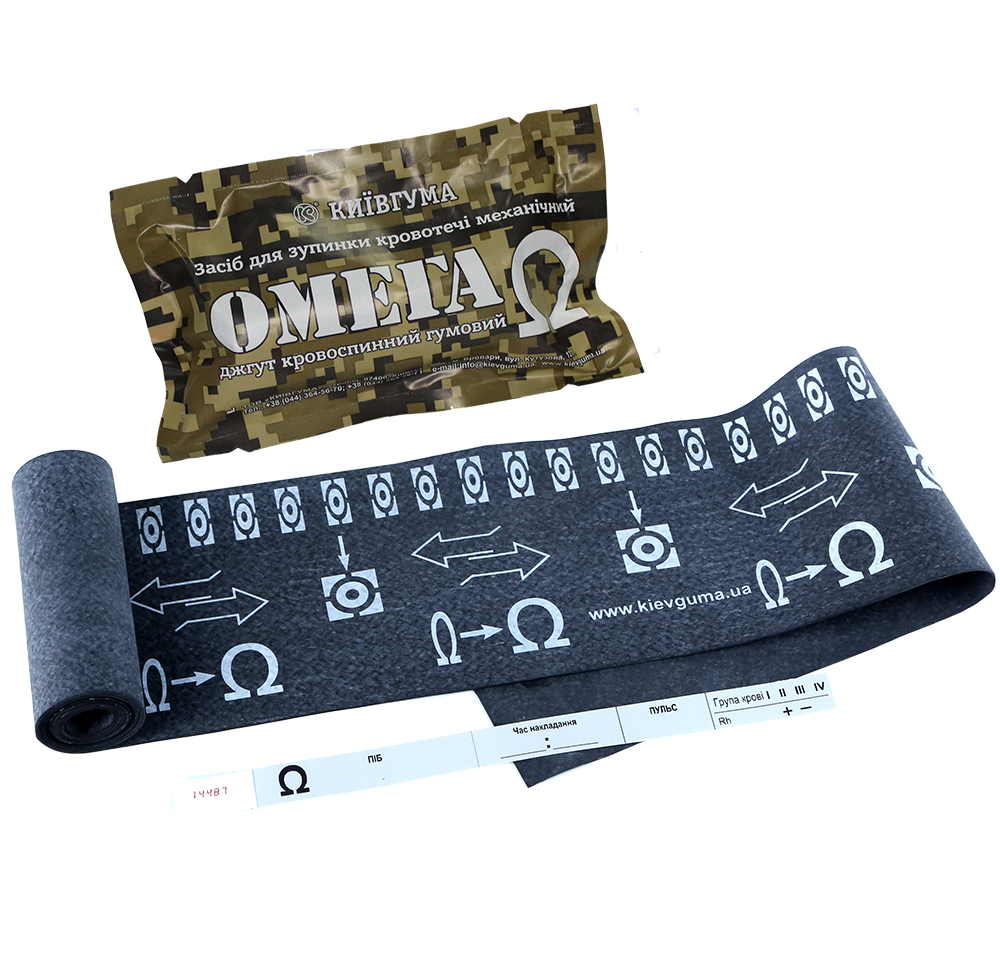
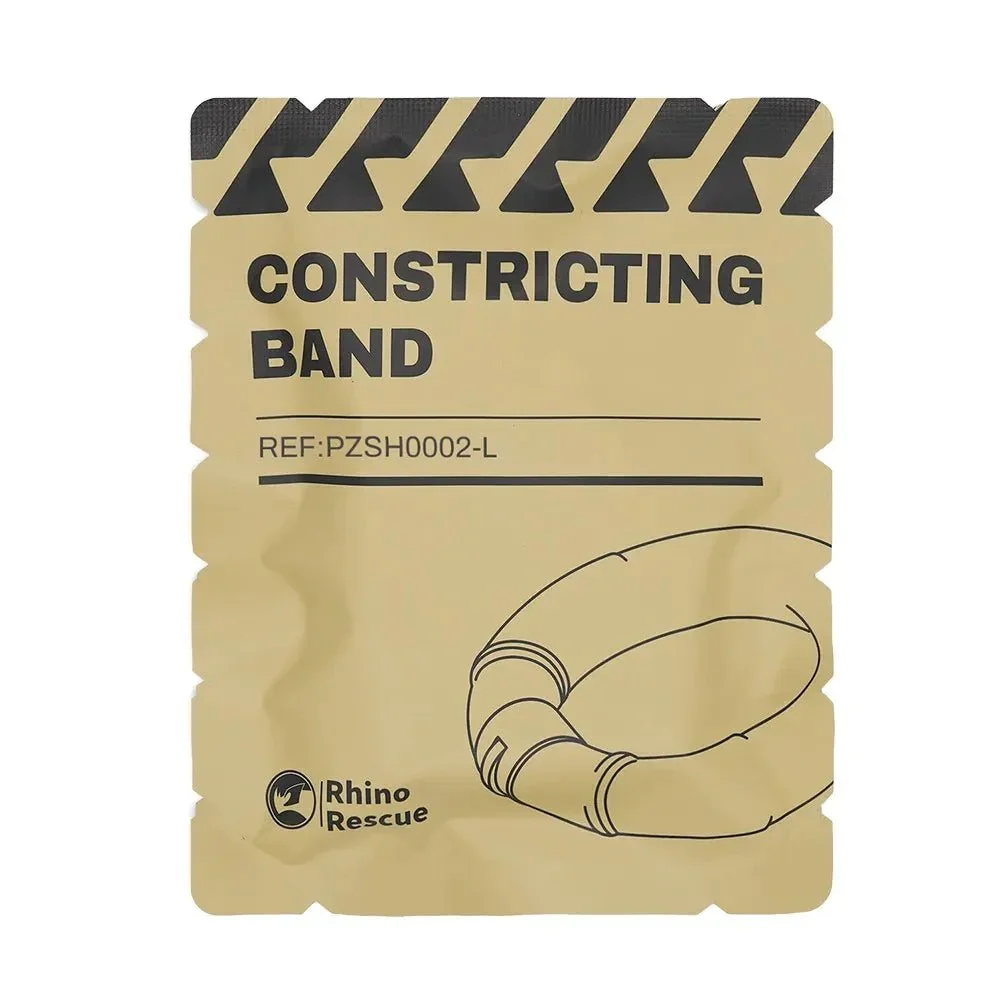
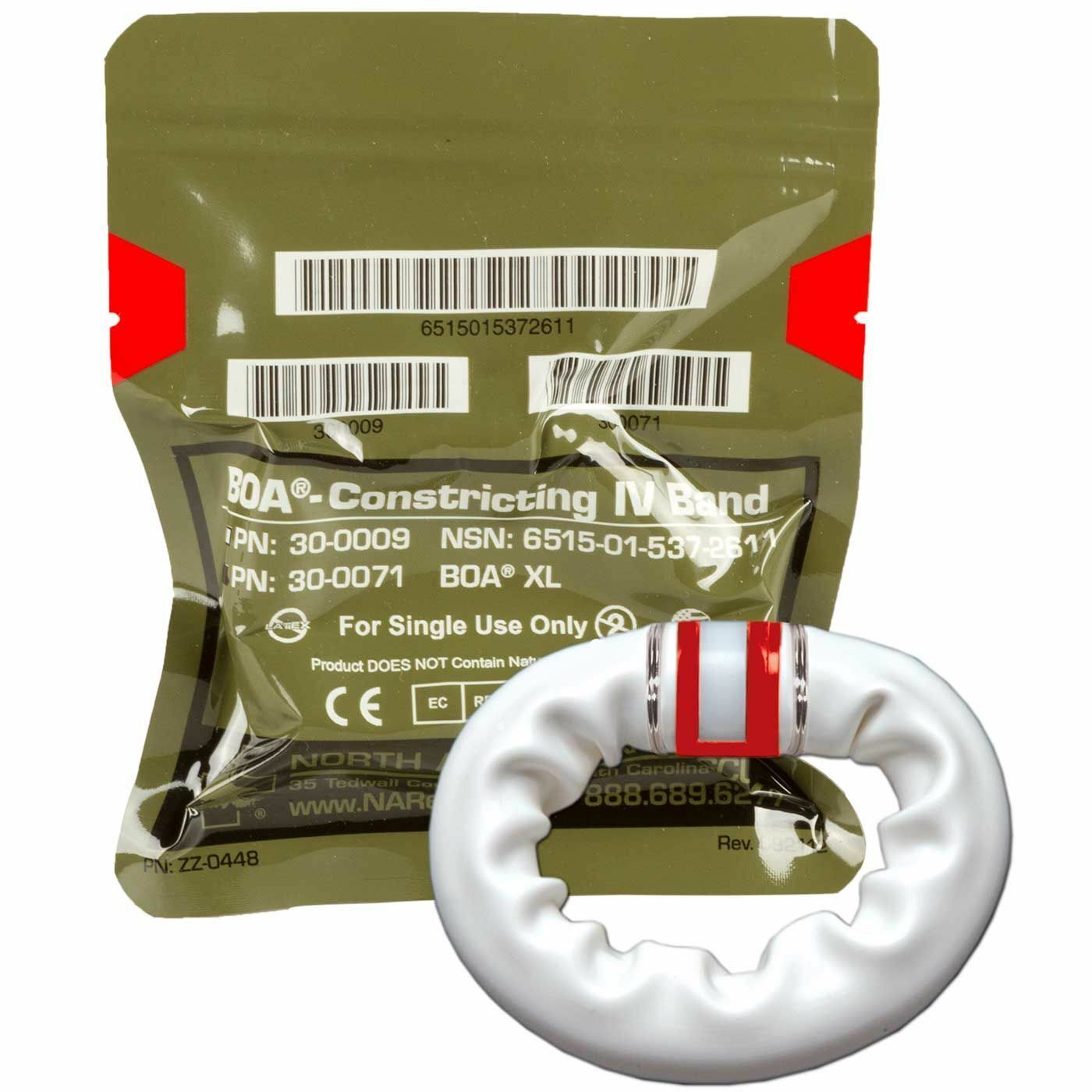
A jute is a basic medical tool used for rapid bleeding control in injuries and wounds. A modern medical jute remains one of the simplest and most accessible solutions for emergency assistance, especially when it is not possible to use more advanced tools. That is why a bleeding control jute is often included in car, home, and training first aid kits. Today, a jute for bleeding control is used in both civilian and tactical contexts. It allows quickly reducing or temporarily restricting blood flow, which is critical in serious injuries. The TacMed online store catalog features medical jutes suitable for first aid and usable in various scenarios.
What is a jute and how does it work?
A jute is a bleeding control device applied to a limb to temporarily restrict blood flow. Its main purpose is to reduce or stop bleeding until medical assistance is provided. Most often, it is used as a rapid solution in situations where there are no advanced tools or time for other interventions.
The working principle of a jute is based on mechanical compression of blood vessels. When applied correctly, it reduces blood flow to the injured area, helping stabilize the condition of the injured person. That is why a jute for first aid is considered one of the basic elements of a first aid kit.
It is important to understand that a jute is a temporary tool. Its role is to gain time, not to fully resolve the condition. That is why after its application it is necessary to ensure medical assistance as quickly as possible.
How does a jute differ from other bleeding control tools?
A jute and a tourniquet perform the same core function — temporary bleeding control — but differ in design, mechanism of action, and level of control. Understanding this difference is critically important, since the effectiveness of assistance in an emergency situation depends on choosing the appropriate tool.
A jute is a simple elastic device without complex mechanisms. It provides general compression of the limb but does not allow precise control of pressure. A tourniquet is a more advanced solution that includes a tightening or locking mechanism, enabling controlled and stable occlusion of blood flow.
Main differences:
- a jute is simple to use but does not provide precise pressure control;
- a tourniquet allows pressure adjustment and ensures secure fixation;
- a jute is more commonly used in civilian first aid kits;
- a tourniquet is the standard in tactical medicine.
At the same time, the jute remains relevant. As a basic or backup tool, it allows a quick response in the first seconds after injury. In many situations, it becomes the initial tool for stabilizing the condition before applying more precise and advanced solutions.
When should a jute be used?
A jute is used when it is necessary to quickly reduce bleeding and there is no possibility to apply other methods. This may be relevant in injuries, accidents, or everyday incidents. In such situations, speed of reaction is more important than perfect technique.
A jute is especially effective in cases of:
- limb injuries;
- household injuries;
- road traffic accidents;
- situations where there is no access to advanced tools.
It is important to consider that a jute does not always completely occlude arterial blood flow. That is why it is often used as a temporary solution or in combination with other first aid tools.
Which jute is better to buy: selection criteria
The choice of a jute depends on usage conditions and the tasks it must perform. Despite its simplicity, the quality of the product is critically important, especially in emergency situations. An unreliable jute may lose elasticity or tear at the moment of use.
Manufacturers of jutes must comply with quality standards. That is why the primary selection criterion is reliability. However, specific characteristics must also be considered.
When choosing, pay attention to:
- type of product. The catalog features rubber and elastic jutes used for first aid and dressing;
- The jute must be durable, elastic, and resistant to tearing. Rubber or modern polymer materials are most commonly used;
- length and width. These parameters affect ease of application and effectiveness of bleeding control;
- ease of use. The jute should be easy to apply and secure even in a stressful situation;
- Choose a jute for a home first aid kit, car kit, or tactical use depending on needs;
- It is recommended to buy a medical jute from trusted suppliers from the USA and Israel presented in the TacMed catalog, including North American Rescue, Safeguard Medical, PerSys Medical, RevMedX, iTClamp;
- storage conditions. It is important that the jute retains its properties during temperature fluctuations and long-term storage.
As for cost, it should not be the determining factor. A high-quality jute is a basic safety tool, and saving here may affect the outcome. If you have doubts or questions, consult with experts.
How to apply a jute correctly?
Correct application of a jute is a critical factor that determines the effectiveness of bleeding control and the safety of the injured person. Even a high-quality tool will not provide results if applied incorrectly. That is why basic principles should be known in advance, not at the moment of stress.
The jute is applied above the injury site (closer to the torso) and tightened until there is a noticeable reduction or complete cessation of bleeding. It is important that the pressure is sufficient to compress vessels, but not applied chaotically. After application, the jute must be secured, and the condition of the injured person must be monitored.
Incorrect placement or insufficient tightening are the most common reasons for ineffectiveness. Therefore, it is important to follow clear rules.
Basic rules:
- Apply the jute above the wound, not on a joint.
- Tighten until bleeding stops (not “symbolically”).
- Record the exact time of application.
- Do not cover the jute with clothing or dressings (it must remain visible).
- Continuously monitor the condition of the injured person.
After application, it is important not to leave the person unattended. It is necessary to monitor consciousness, skin color, and overall condition, and to arrange transportation to medical professionals as quickly as possible. The time factor should also be considered. On average, a jute is used for up to 1–2 hours, but this depends on conditions and the speed of medical assistance. It is a temporary measure, and its purpose is to gain time before professional intervention.
We recommend buying jutes at an affordable price in the TacMed online store
In the TacMed online store, you can buy a medical jute for first aid, a car kit, or a home first aid kit. The catalog features high-quality bleeding control jutes that meet modern requirements and are suitable for different usage scenarios. We offer jutes for first aid, solutions for emergency situations, and basic tools for first aid kits. We provide only proven products with delivery throughout Ukraine (Kyiv, Kharkiv, Dnipro, Odesa, Lviv, and other cities). This allows you to quickly assemble a first aid kit and be prepared for any situation.
FAQ
1. What is a medical jute and what is it used for?
A medical jute is a tool for temporary bleeding control by compressing blood vessels and restricting blood flow in a limb. It is used in injuries and emergency situations when it is necessary to quickly stabilize the condition of the injured person. It provides time until qualified assistance is delivered. That is why it is a basic element of a first aid kit.
2. Which jute is better to buy for a first aid kit?
For a first aid kit, it is recommended to choose a bleeding control jute made of high-quality elastic material that does not tear and retains its properties during long-term storage. It should be easy to use and provide sufficient compression. For home or car use, classic models are suitable, while for more complex scenarios more advanced solutions should be considered. Reliability and simplicity are the key criteria.
3. Jute or tourniquet: what is the difference?
A jute is a simple and universal tool that creates general compression of a limb. A tourniquet is a more advanced device with the ability to precisely regulate pressure and fixation. Tourniquets are more commonly used in tactical medicine, as they allow more effective bleeding control. Jutes remain an accessible and basic solution for first aid kits.
4. Is a jute needed in a home first aid kit?
Yes, a jute is an important element even in a civilian first aid kit. It may be needed in serious injuries, accidents, or other emergency situations. Its presence allows a quick response before medical professionals arrive. It is a simple but critically important tool for improving safety.