Burn and hypothermia care products: first aid for thermal injuries
Burns and hypothermia are common types of thermal injuries that require fast and proper first aid. In such situations, it is critically important to have burn care products and solutions for warming the body at hand, which help stabilize the condition of the injured person. Modern first aid kits increasingly include specialized tools for managing temperature-related injuries. Timely assistance in cases of burns or hypothermia helps reduce the risk of complications and speeds up recovery. The TacMed catalog features medical solutions for first aid in burns and hypothermia that meet modern standards and are suitable for use in Ukraine. You can order products at affordable prices with fast delivery.
What is hypothermia and how to avoid it?
Hypothermia is a condition in which the body temperature drops below the physiological norm, leading to disruption of vital body systems. It can develop gradually and remain unnoticed at early stages, but over time it progresses into a critical condition. Hypothermia is especially dangerous when combined with injuries or blood loss, as it significantly complicates stabilization of the injured person. That is why control of thermal balance is an essential part of first aid.
Main causes:
- cold environment and low air temperature;
- wet or damp clothing, which accelerates heat loss;
- prolonged immobility, which reduces natural heat production;
- injuries and blood loss that disrupt thermoregulation.
In addition to causes, it is important to understand early signs of hypothermia: shivering, weakness, reduced coordination, and pale skin. Later stages may include confusion, loss of sensitivity, and slowed breathing. At this stage, it is necessary to act quickly to prevent deterioration.
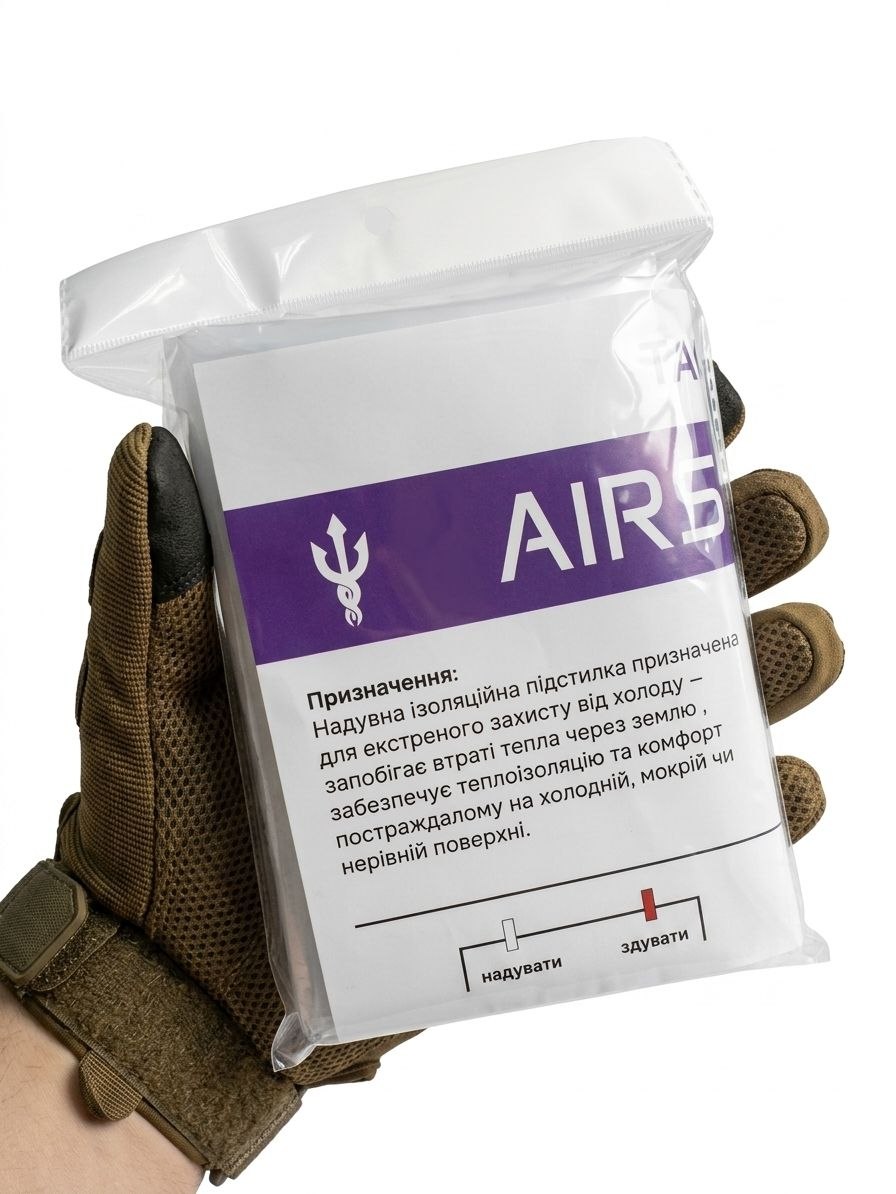
To avoid hypothermia, it is important to minimize heat loss: isolate the person from cold surfaces, replace wet clothing with dry, cover them, and reduce exposure to wind and moisture. In field or emergency conditions, an effective solution is the use of thermal protection tools that help retain body heat.
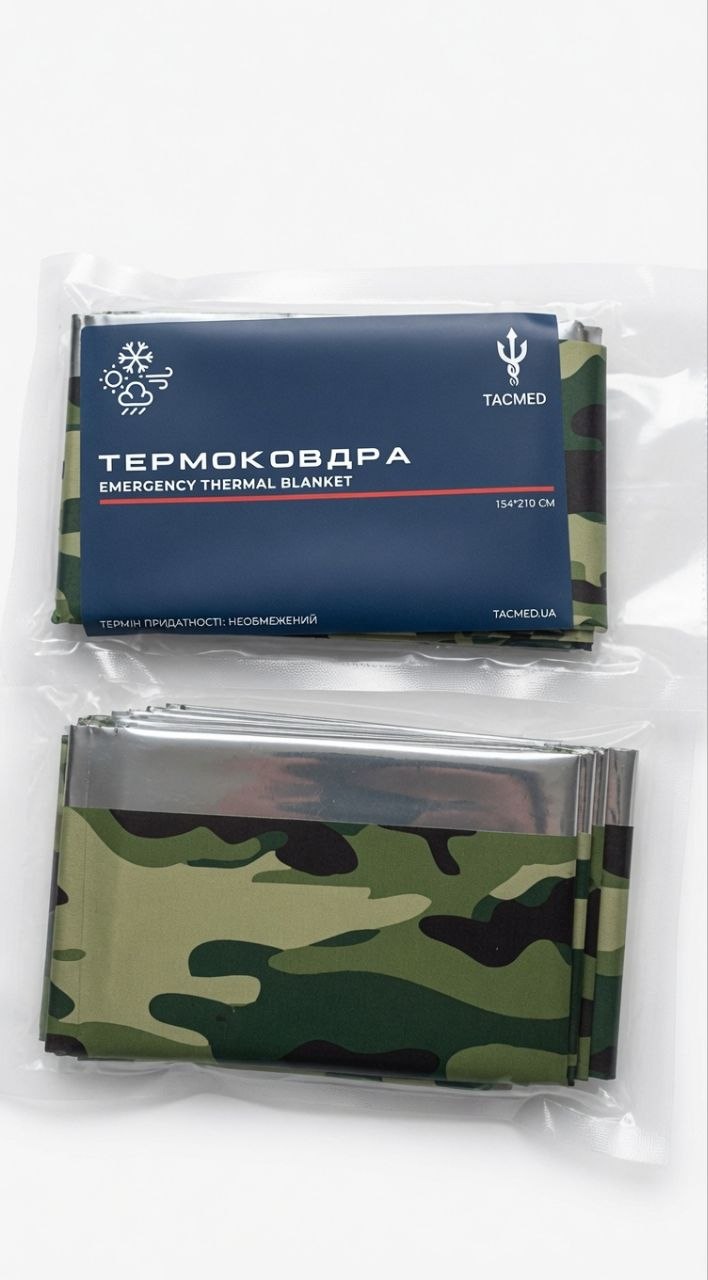
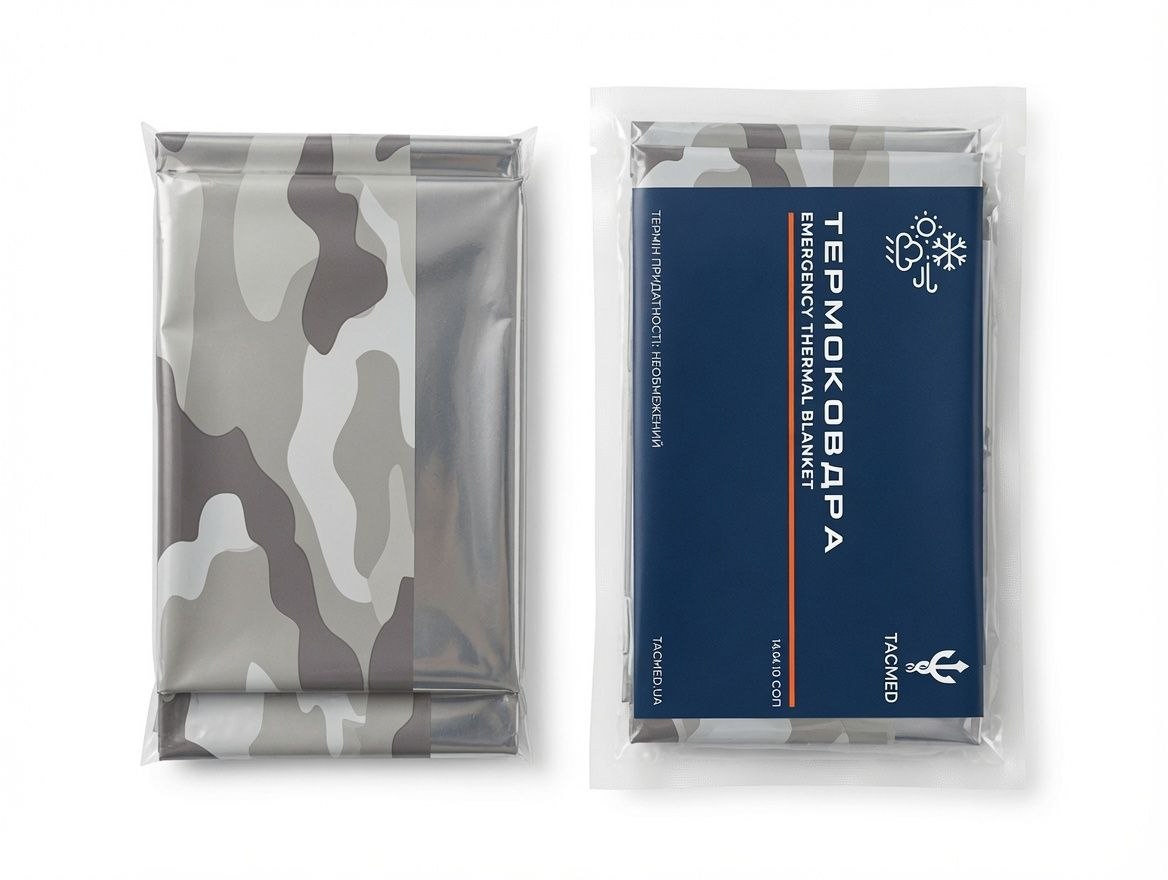
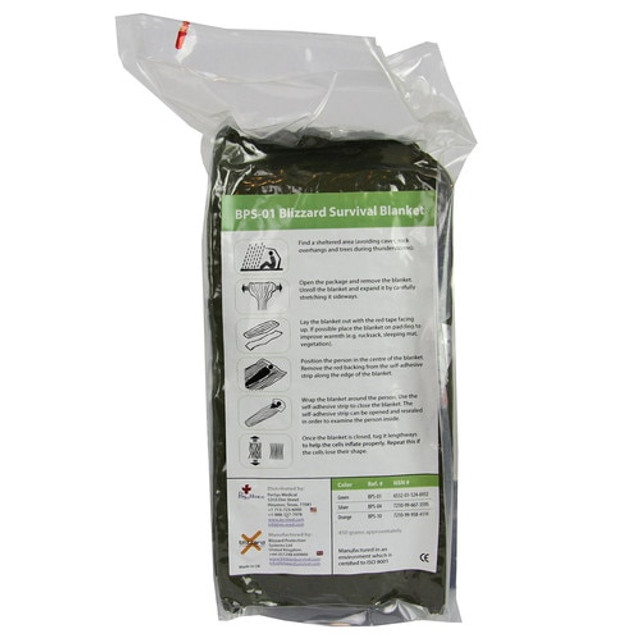
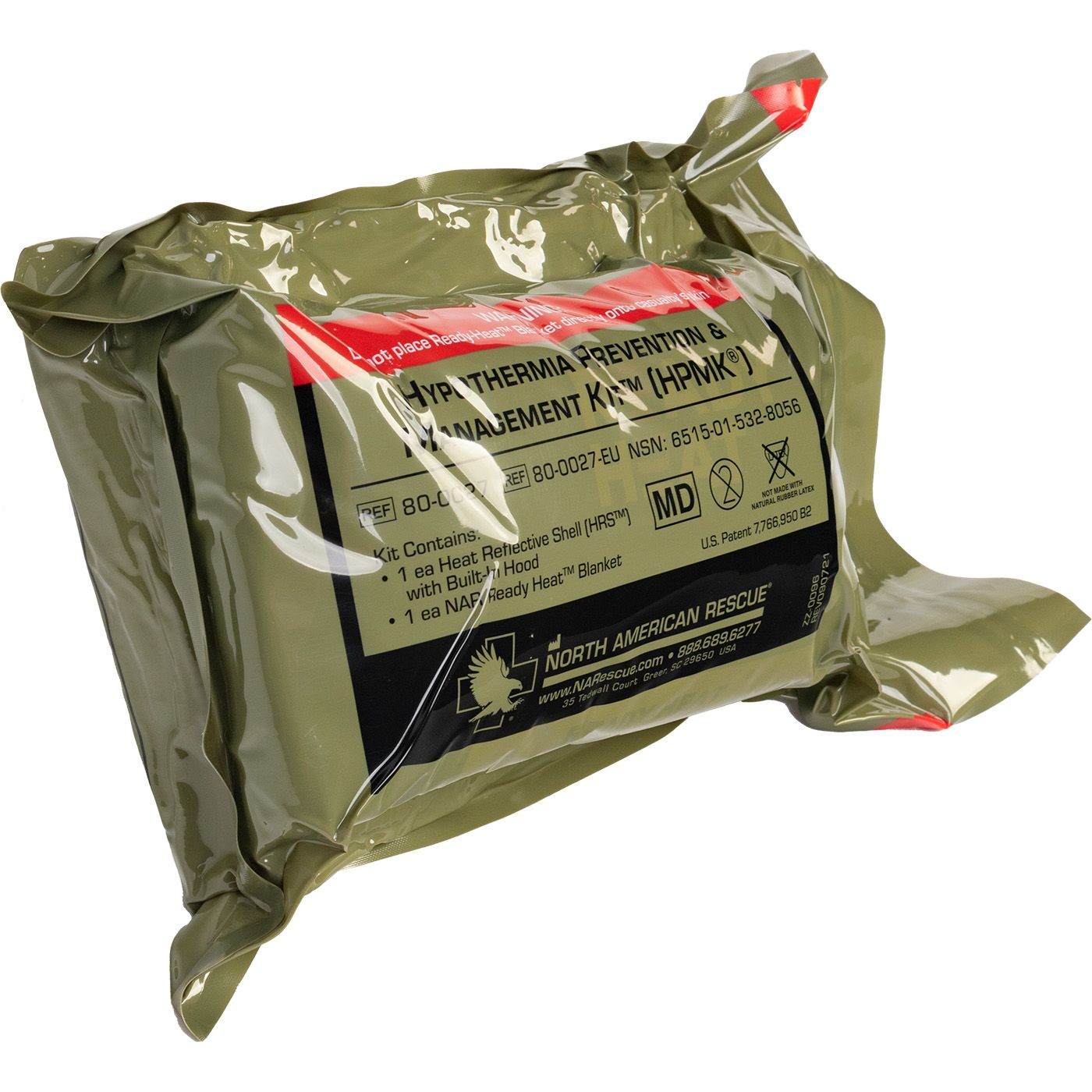
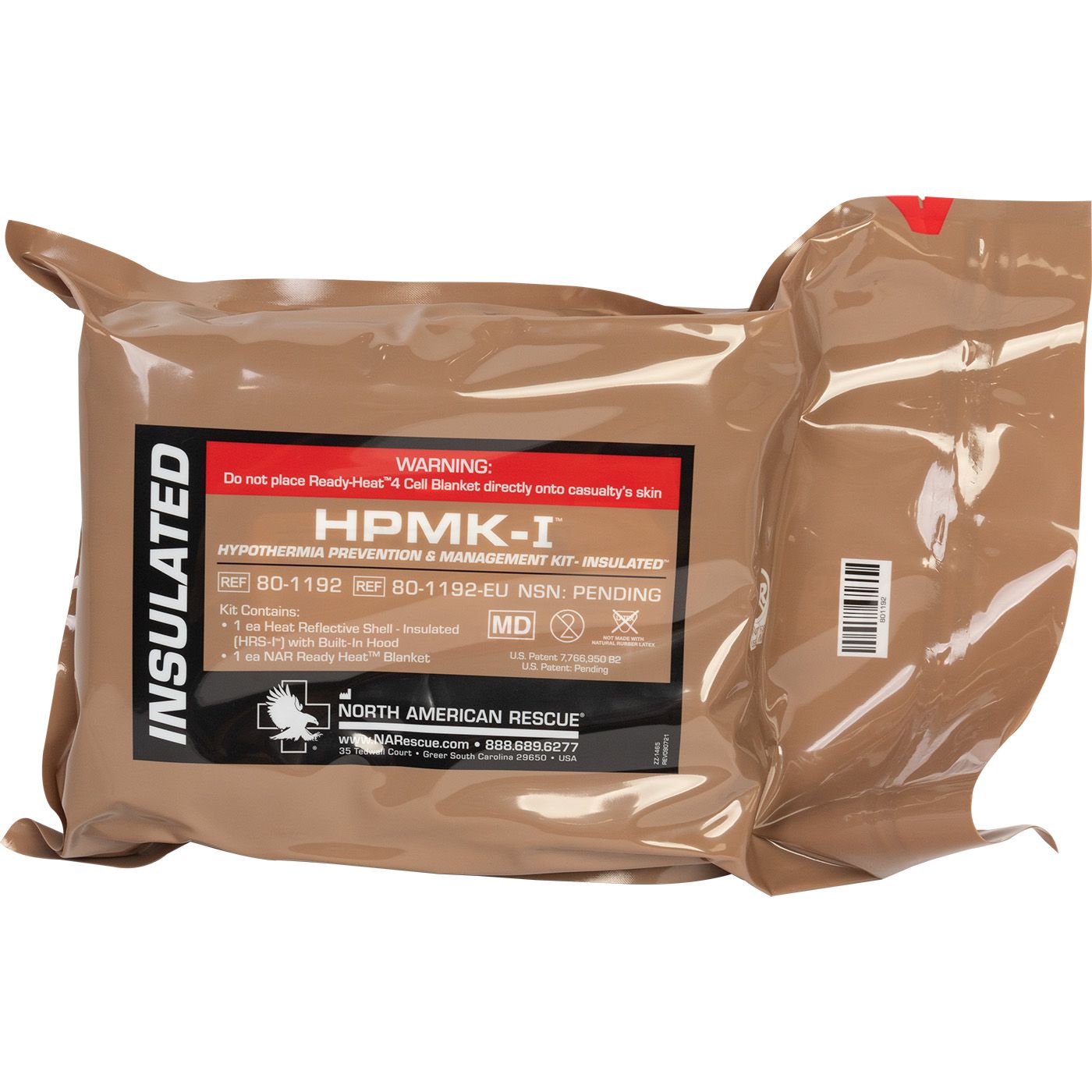
One of the most practical options is an emergency thermal blanket, which reflects heat back to the body and helps stabilize the condition even in difficult conditions. Hypothermia protection tools are included in modern first aid kits and are considered a mandatory element of first aid.
How to provide first aid for burns?
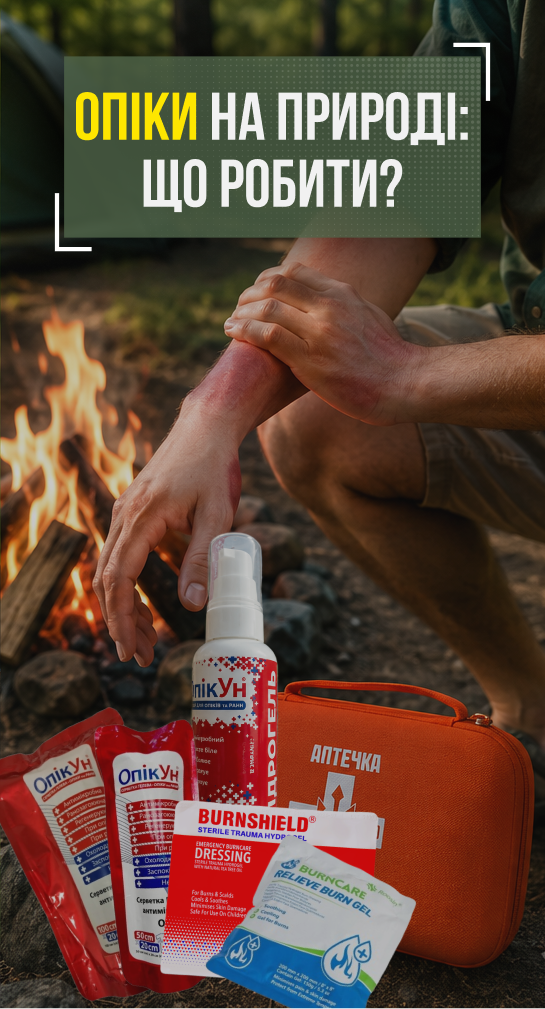
First aid for burns is aimed at quickly removing the damaging factor, reducing the depth of tissue damage, and protecting the skin from infection. In such situations, speed and correctness of actions are crucial, as typical mistakes can worsen the condition and complicate further treatment. It is especially critical to act correctly in the first minutes after injury, when it is still possible to influence the degree of tissue damage. That is why basic knowledge of burn first aid is essential.
In case of burns, it is necessary to:
- stop exposure to the heat source or harmful factor;
- cool the affected area with clean cool water for 10–20 minutes;
- carefully apply specialized dressings or sterile material;
- protect the damaged skin from contamination and infection.
After providing initial assistance, it is important to assess the condition: the area and depth of the burn, presence of blisters, pain level, and general well-being of the injured person. In case of significant damage or burns to the face, hands, or joints, it is necessary to seek medical assistance. It is also not recommended to puncture blisters or use unverified substances, as this may worsen healing.
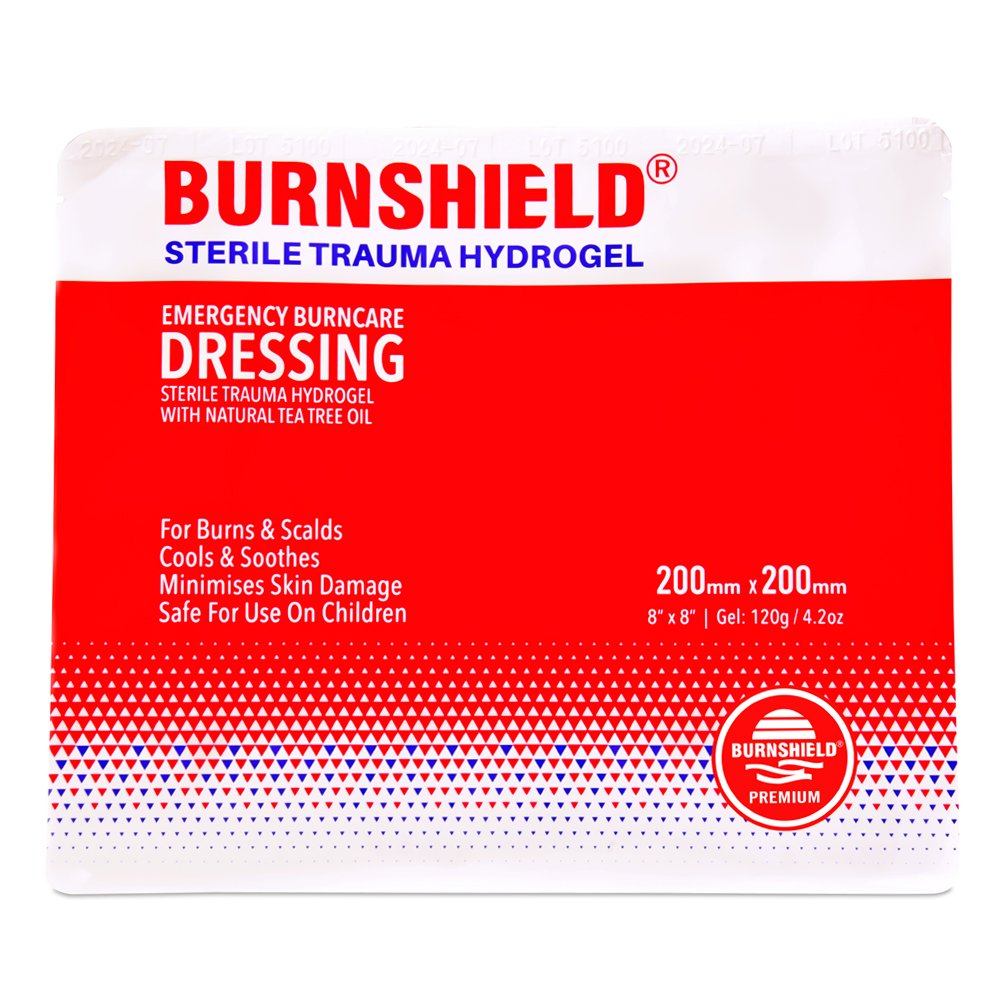
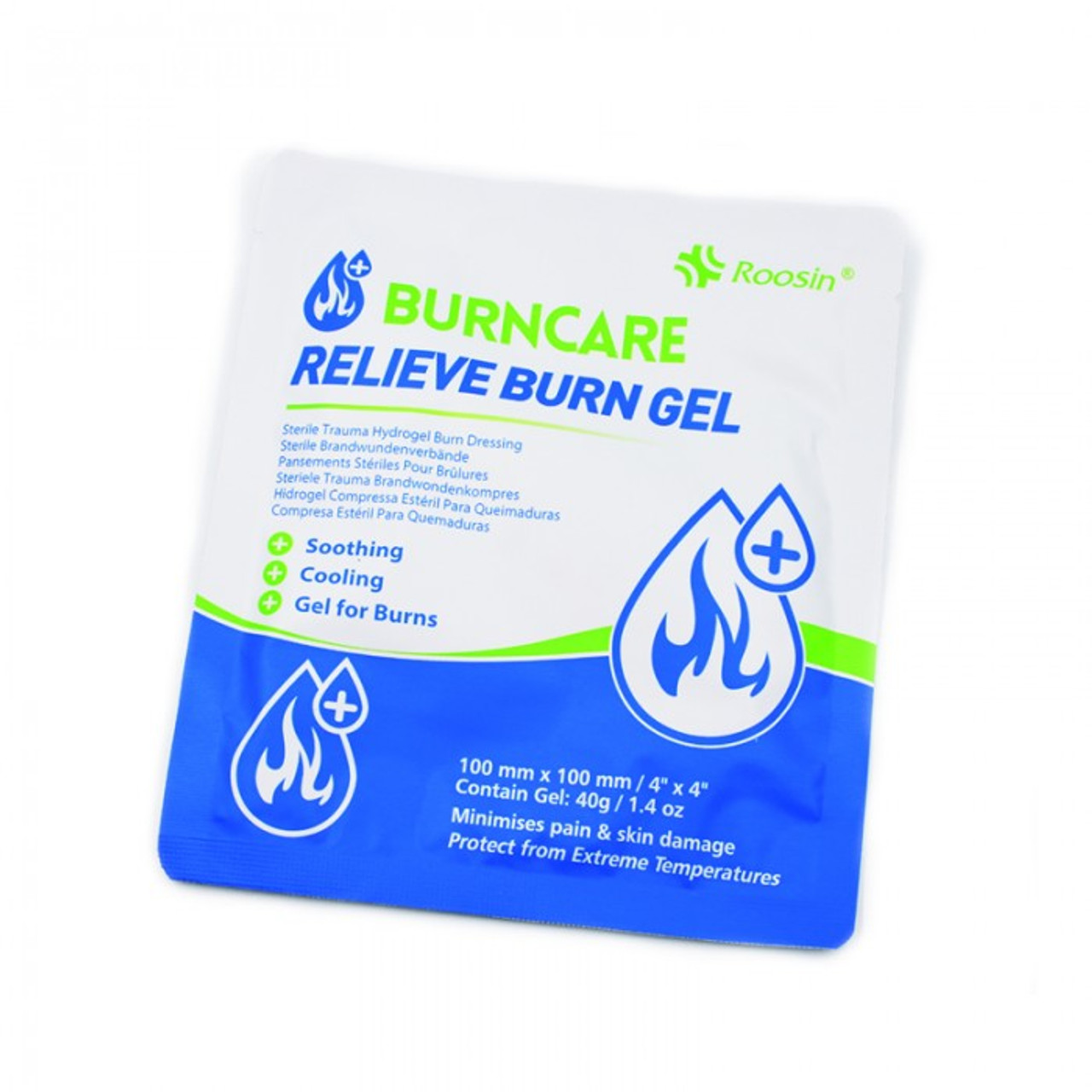
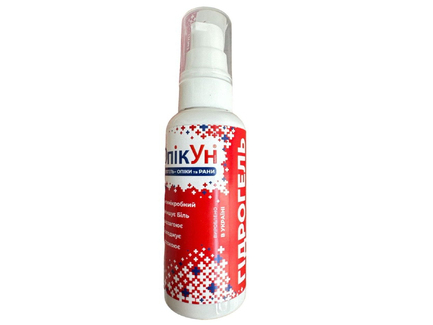
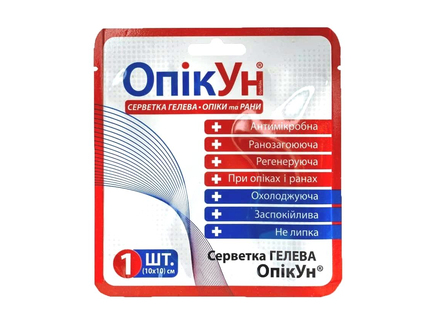
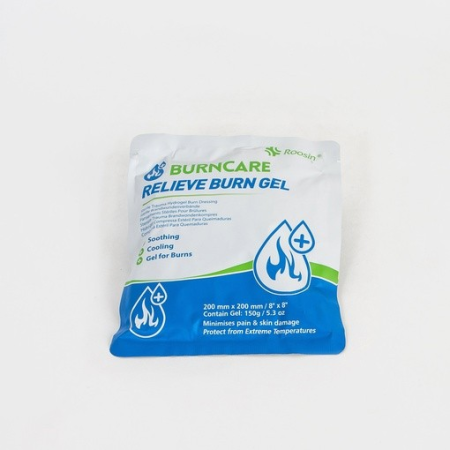
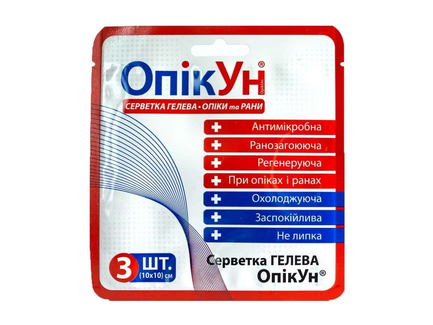
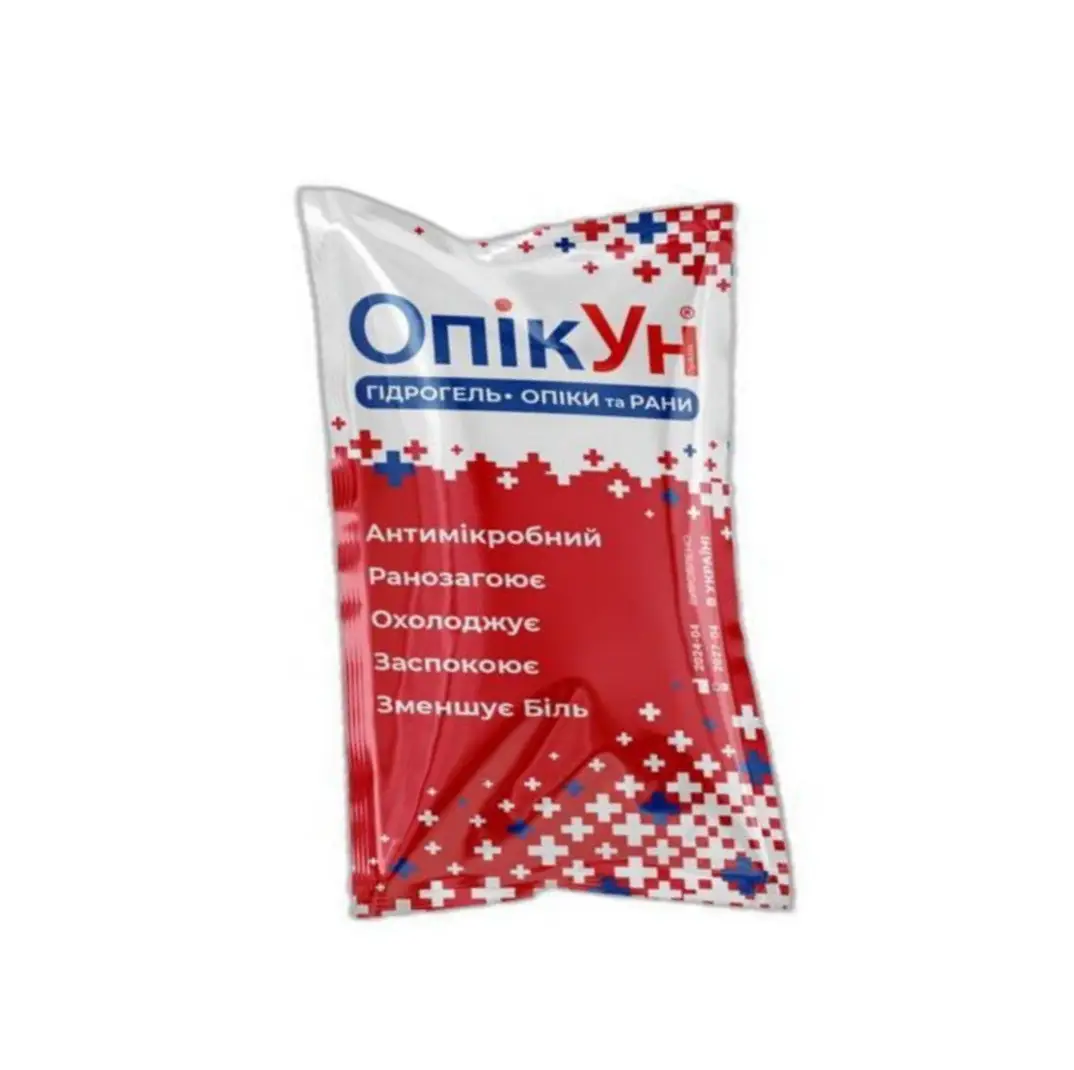
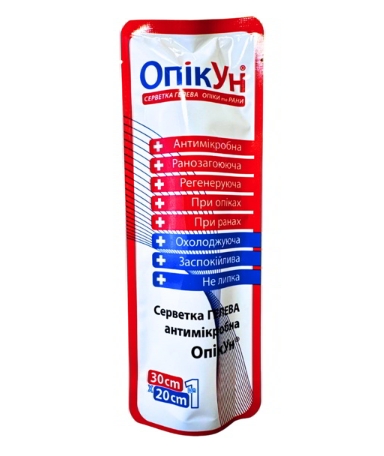
Specialized burn care products help quickly stabilize the condition and reduce pain. In modern practice, cooling gels and specialized dressings are widely used, as they create a protective environment for healing and reduce the risk of complications.
What burn and hypothermia care products are used in first aid?
Modern medicine offers specialized solutions for managing thermal injuries. They allow not only providing first aid but also preventing complications. The correct selection of products determines the effectiveness of assistance.
The category includes:
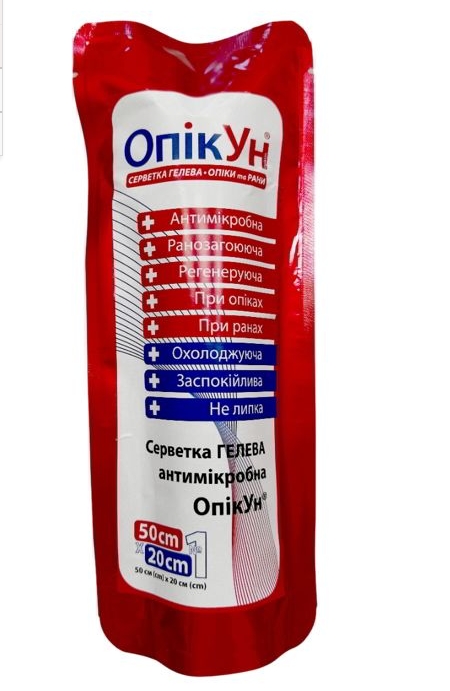
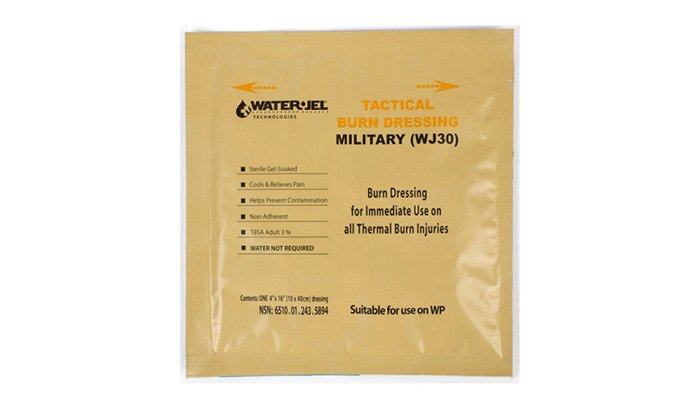
- burn gel — cools and reduces pain;
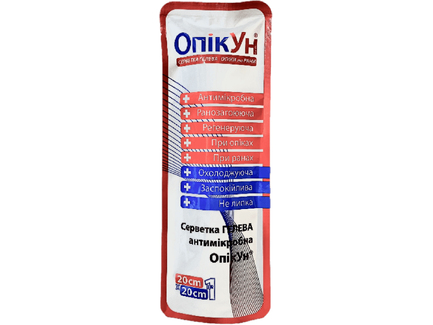
- burn dressings — protect the skin and support healing;
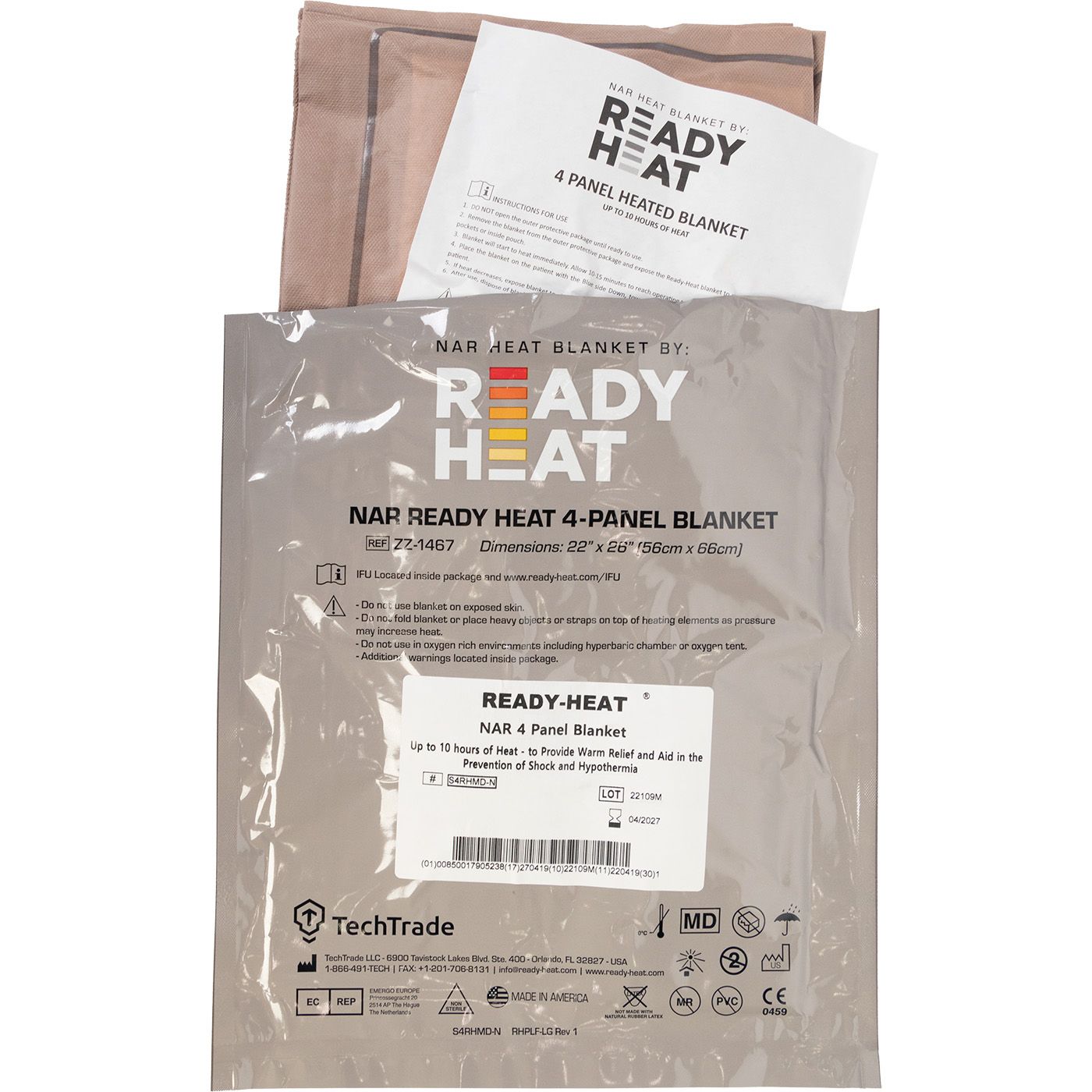
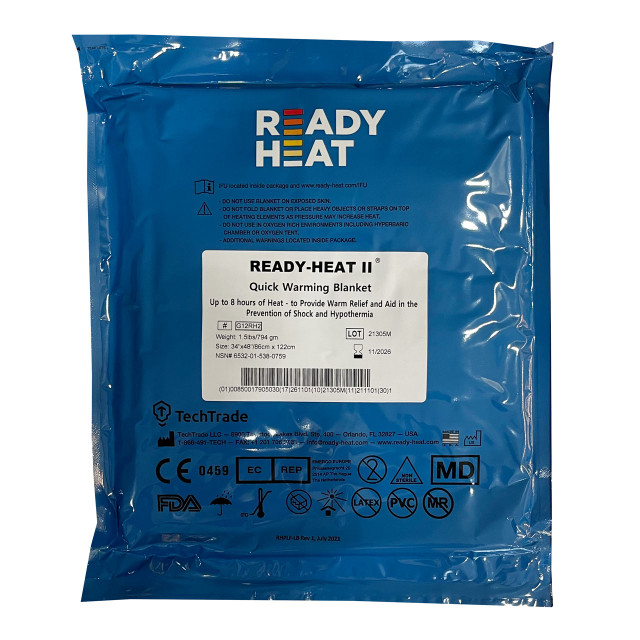
- thermal blanket — retains body heat and is used in hypothermia;
- warming products — help stabilize body temperature.
Each of these tools performs its own function. For example, a thermal blanket is worth purchasing for protection against hypothermia, while gels and dressings are used for burn treatment. It is the comprehensive approach that ensures effective assistance in such injuries.
How to choose hypothermia and burn care products?
The choice of hypothermia and burn care products depends on usage conditions, level of risk, and scenarios in which they may be needed. These are specialized tools, each performing a specific function: heat retention or skin protection and recovery. That is why it is important to approach selection systematically, evaluating not only availability but also effectiveness in real conditions. A properly selected set allows acting quickly and without errors in a critical situation.
The most common mistake is choosing universal kits without considering real tasks. As a result, a first aid kit may contain basic elements but fail to cover key risks, such as hypothermia in field conditions or burns from working with hot surfaces. It is important to understand that these tools must be selected for specific scenarios, not “just in case.”
When choosing, pay attention to:
- type of product. Thermal blankets for heat retention, cooling gels and specialized dressings for burns;
- Choose products depending on conditions — for home, travel, or emergencies;
- material quality. Products must be safe, effective, and suitable for use in difficult conditions;
- ease of use. Ability to apply quickly without special training;
- Products should take minimal space in a first aid kit and not complicate transportation;
- Each element must perform a clear task — cooling, protection, or heat retention;
- compatibility with a first aid kit. It is important that the products integrate logically into the overall kit.
The optimal choice is proven burn and hypothermia care products already adapted for practical use in first aid. They help avoid mistakes in configuration and ensure an effective response in situations where speed and reliability are critical.
We recommend buying burn care products and thermal blankets at an affordable price in the TacMed online store
In the TacMed online store, you can buy burn care products and solutions for managing hypothermia. The catalog features burn dressings, thermal blankets, and other medical products for first aid. You can order first aid products and ready-made kits at an affordable price, with beneficial promotions and a loyalty program available. We offer high-quality products with delivery across Ukraine: Kyiv, Kharkiv, Dnipro, Odesa, Lviv, and other cities. This allows you to quickly assemble a first aid kit and be prepared for any situation.
FAQ
1. What should be done in case of a skin burn?
The first step is to immediately stop exposure to the heat source (fire, hot liquid, or surface). Then the affected area should be cooled with cool water for 10–20 minutes without using ice. After that, a sterile burn dressing should be applied or a gel used to reduce pain. It is important not to puncture blisters or apply greasy substances, as this may worsen the condition.
2. What products are used for burns?
First aid uses specialized burn care products: gels, cooling wipes, and burn dressings. The gel quickly reduces tissue temperature and relieves pain, while the dressing protects the wound from infection and supports proper healing conditions. Together, these tools provide effective assistance in thermal injuries. This approach is used in modern first aid kits.
3. How to help a person with hypothermia?
In hypothermia, it is important to gradually warm the person and prevent further heat loss. The injured person should be moved to a dry and wind-protected area, wet clothing removed, and covered with a thermal blanket. Additional insulation (clothing, blankets) can be used if available. Sudden heating should be avoided, as it may cause complications.
4. How does a thermal blanket work?
A thermal blanket works by reflecting infrared heat emitted by the human body. It allows retaining up to 80–90% of body heat and significantly reduces heat loss. It also protects against wind and moisture, which is critical in hypothermia. It does not generate heat but retains it, making it effective for first aid.
5. Are such products necessary in a first aid kit?
Yes, burn and hypothermia care products are an important part of a modern first aid kit. Thermal injuries and hypothermia can occur at home, on the road, or outdoors. Having such tools allows quick stabilization and reduces the risk of complications. This is a basic level of preparedness for emergencies.
6. How to choose burn and hypothermia care products?
When choosing, it is important to consider the type of products (gel, dressing, thermal blanket) and usage scenarios. For a first aid kit, it is optimal to have a combined set covering different situations. Pay attention to sterility, material quality, and ease of use. These parameters determine effectiveness in real conditions.