Splints
NEW ITEM
PROMOTION
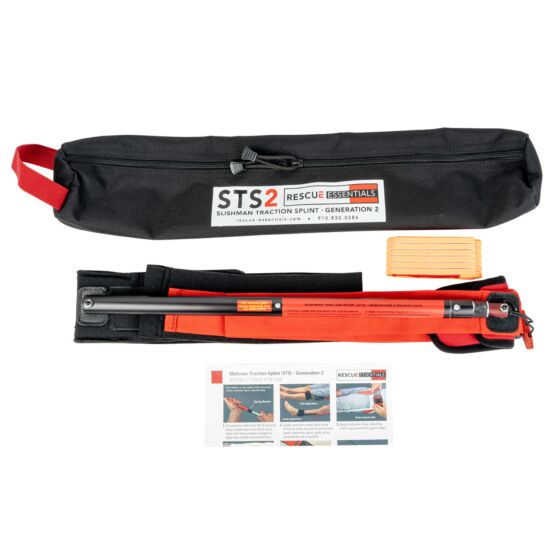

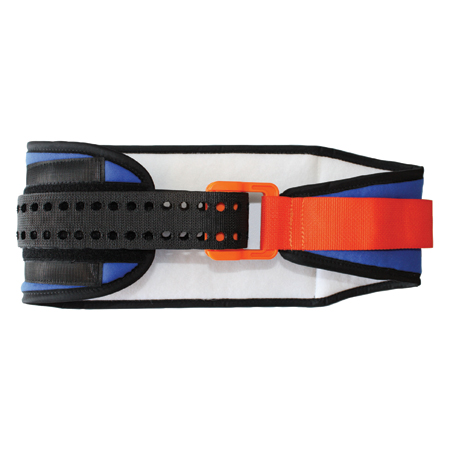
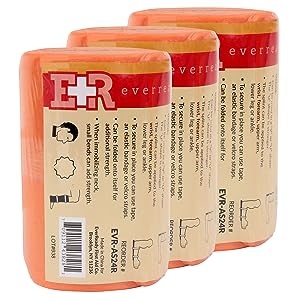
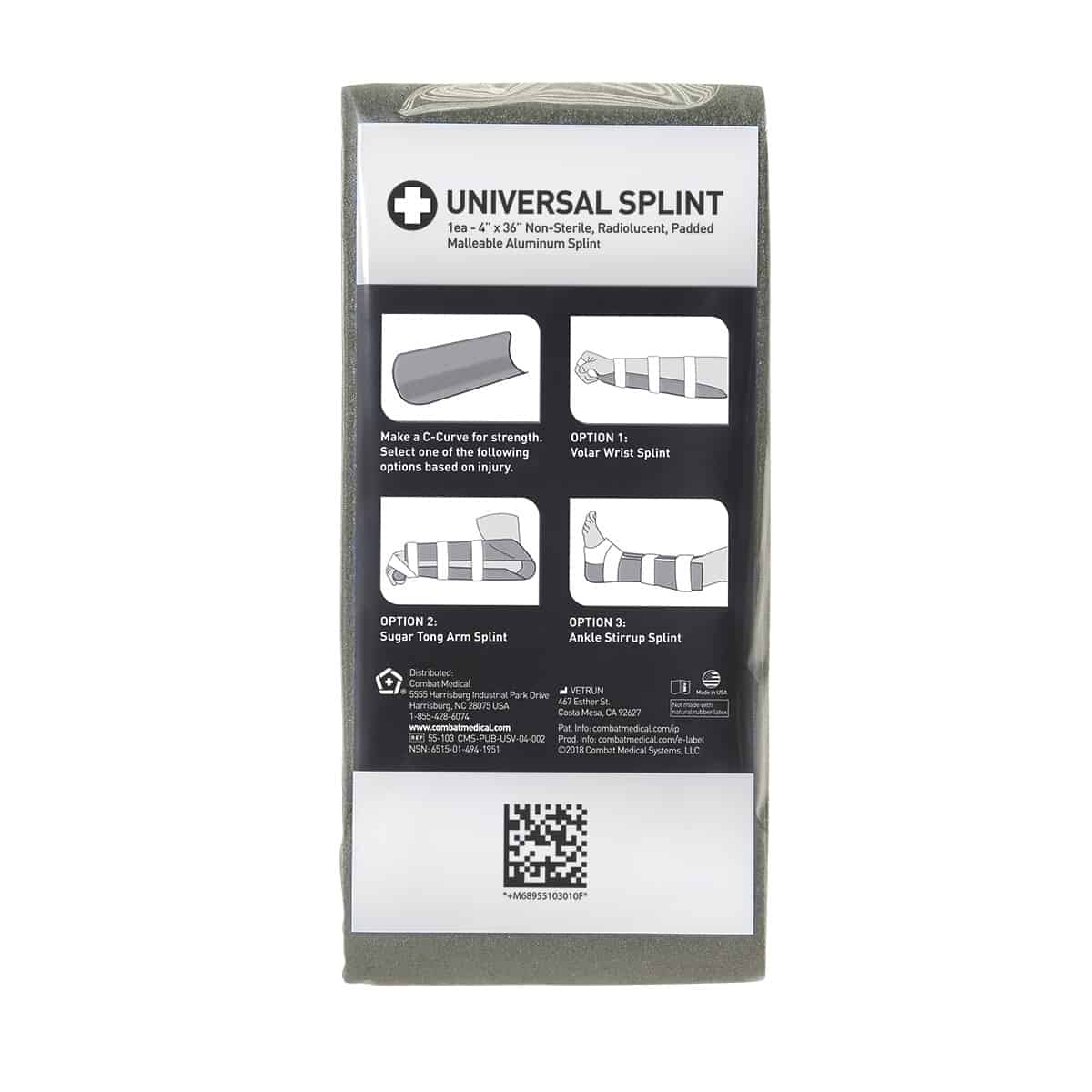
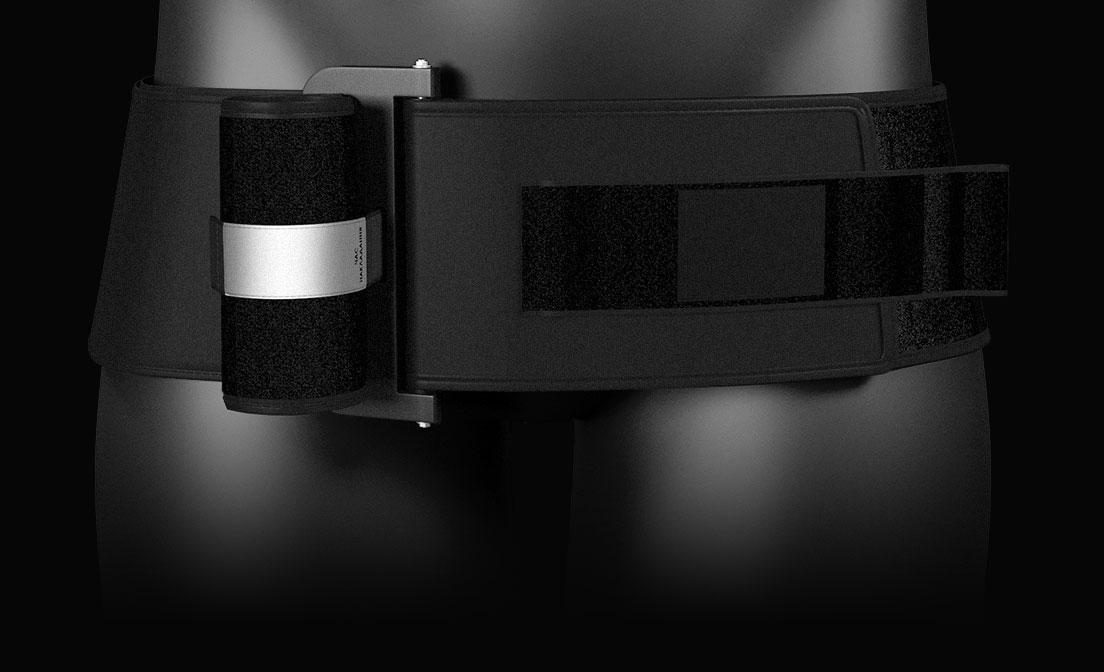
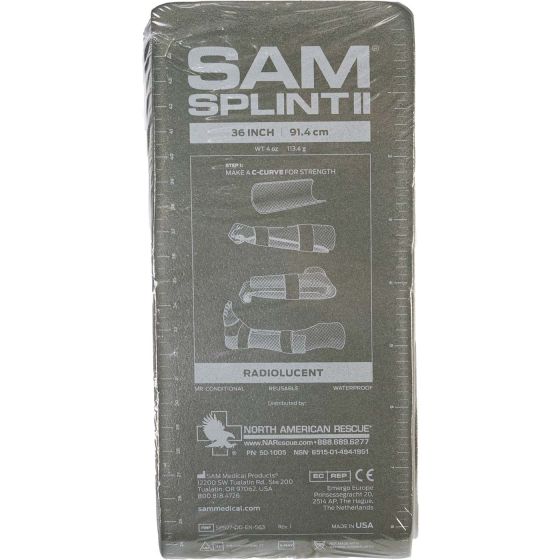
Medical splints are used for temporary fixation of limbs in cases of suspected fractures, dislocations, joint injuries, and other trauma. Their main task is to limit movement of the damaged area, reduce the risk of additional injury, and ensure safe transportation of the affected person to a medical facility. That is why splints are included in modern first aid kits, emergency care sets, and equipment used by rescue services.
The TacMed catalog features medical splints for different usage scenarios. You can select solutions for a first aid kit, professional use, or emergency response kits and order them online with delivery across Ukraine.
A medical splint is a specialized tool for temporary immobilization of a damaged part of the body. It helps fix a limb in the required position and reduce mobility in the injured area.
Immobilization is one of the key stages of first aid for musculoskeletal injuries. Even minor movements may increase pain or worsen the condition of the affected person. That is why the use of splints allows creating safer conditions while waiting for medical assistance or during transportation. Modern medical splints combine light weight, compactness, and reliability. Most models fold easily, take up minimal space, and can be used in various conditions.
Today, there are several types of splints that differ in design, materials, and application. The choice depends on the nature of the injury and usage conditions.
Main types of medical splints:
Each type has its own advantages. Universal models allow adapting the splint to different parts of the body, while specialized solutions are designed for specific tasks. That is why, when assembling a first aid kit or professional set, it is important to consider usage scenarios and potential risks. The TacMed catalog features modern splints that meet first aid requirements and can be used both by professionals and people with basic training.
Modern models differ significantly from traditional fixation tools. They are designed with the needs of rescuers, medical professionals, and users assembling their own first aid kits in mind.
Main advantages of modern splints:
Due to these characteristics, splints have become one of the most versatile immobilization tools. They can be used in urban environments, during travel, outdoor activities, or work in difficult conditions. Versatility and compactness make them a popular choice for first aid kits of different levels.
The correct choice depends on how and where the product will be used. One type of model may be suitable for a compact first aid kit, while more functional solutions may be required for professional use.
When choosing, pay attention to:
It is also important to consider storage and transportation conditions. If the splint is constantly kept in a vehicle or backpack, compactness and durability become especially important. For professional kits, additional features and reusability may be significant. That is why it is advisable to assess your needs before purchase and choose the most effective solution for your conditions.
Splints are used in many areas where temporary immobilization of injured limbs may be required.
They are most commonly used:
The wide range of applications is explained by their versatility. They help stabilize the injured area until qualified assistance is provided. In addition, modern splints easily adapt to different situations and can be used as part of a comprehensive emergency response kit.
In the TacMed online store, you can buy medical splints for immobilization and limb fixation from trusted manufacturers. The catalog features compact and universal solutions suitable for first aid kits, professional use, and emergency response kits. We offer affordable prices and regular promotions with significant discounts. We provide high-quality products that meet modern first aid standards. You can order medical splints with delivery across Ukraine: Kyiv, Lviv, Odesa, Kharkiv, Dnipro, and other cities.
FAQ
What is a medical splint used for?
A medical splint is used for temporary fixation of a damaged body part and restriction of movement until medical assistance is provided.
What splints are best for a first aid kit?
Universal flexible models that can be used for different body parts are most commonly chosen for first aid kits.
Can one splint be used for different limbs?
Yes, many modern splints have a universal design and can be adapted depending on the situation.
What are the advantages of modern immobilization splints?
They are lightweight, compact, easy to use, and can be reused.
Does a splint take up a lot of space in a first aid kit?
No. Most modern models fold easily and take up minimal space during transportation.
Why buy medical splints at TacMed?
TacMed offers quality solutions from trusted manufacturers, professional consultation, and fast delivery across Ukraine.