
Tactical flashlights
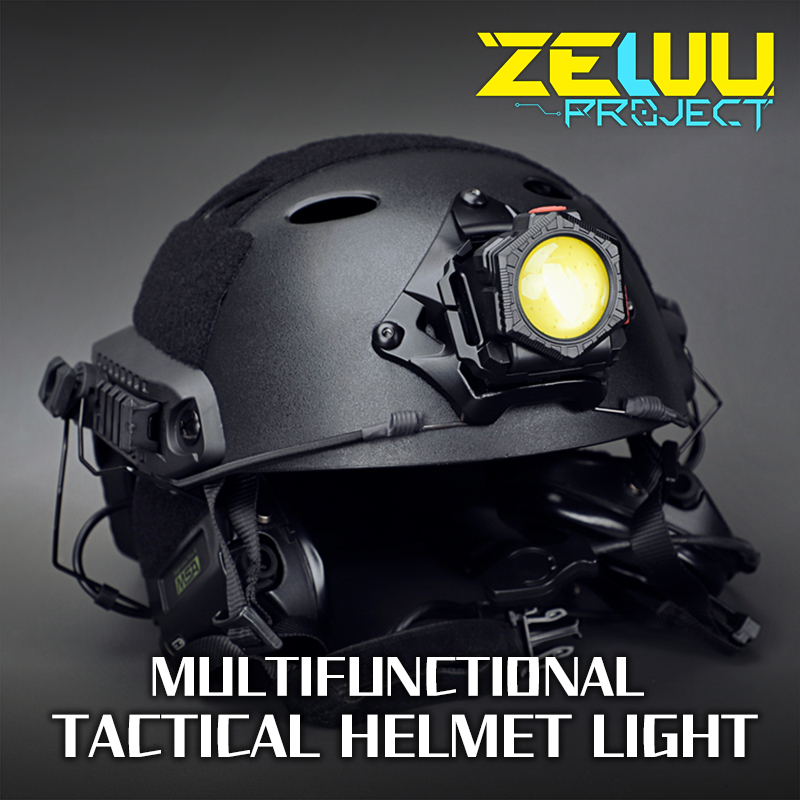
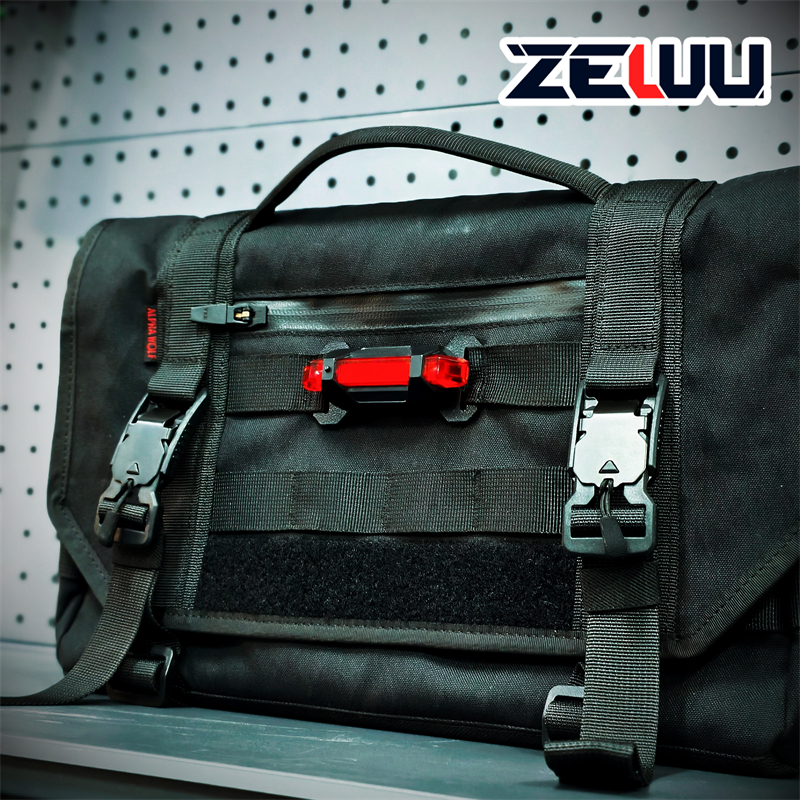
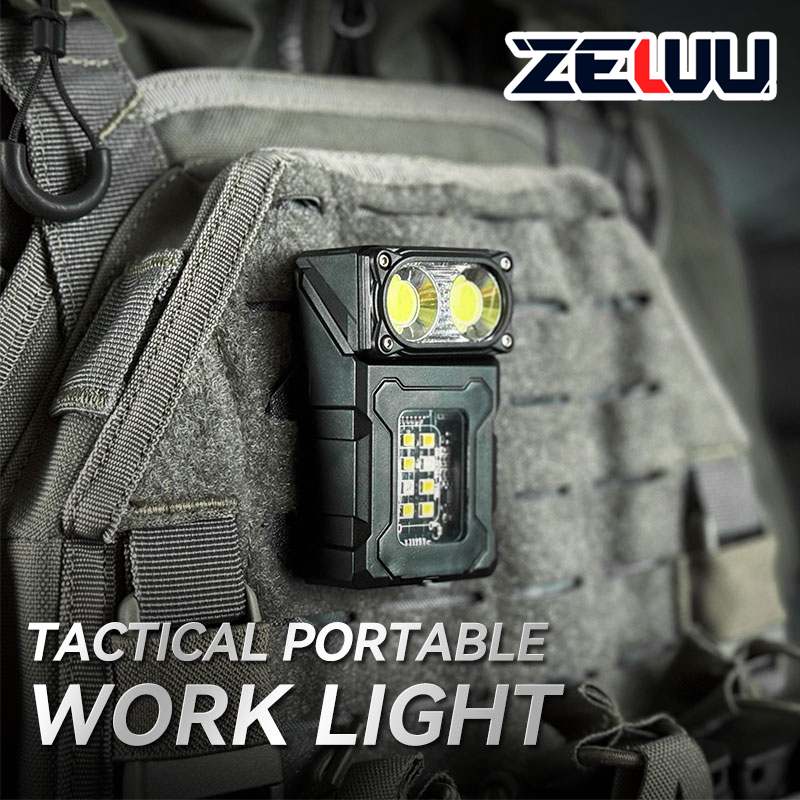
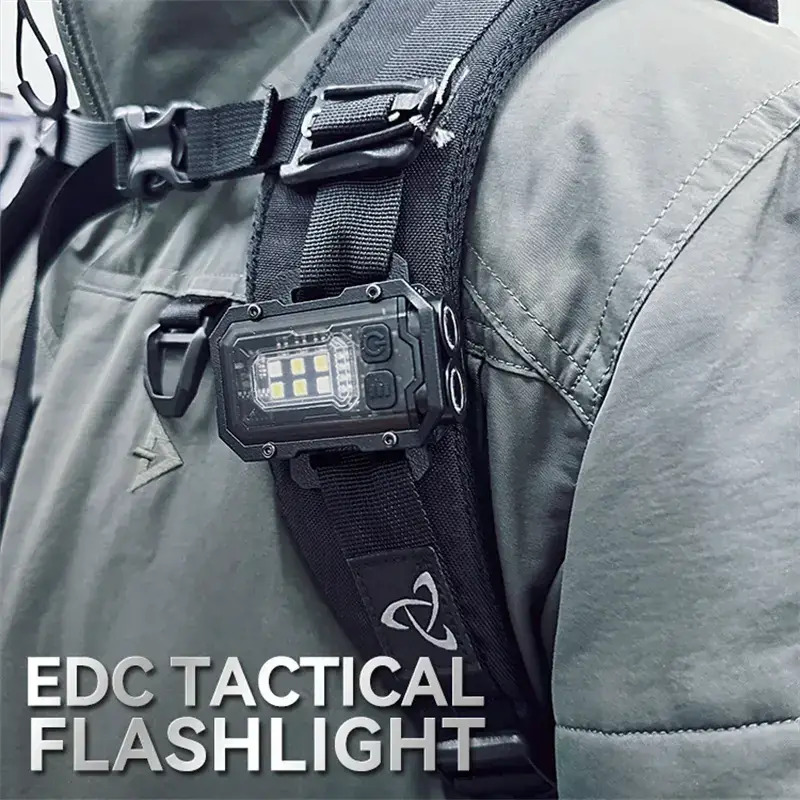
Tactical flashlights illuminate routes and work areas, help users check gear, provide light signals, and mark a person or object in the dark. Choose a format based on how you plan to use it: handheld, MOLLE-mounted, attached to a metal surface, or fitted to headgear. Other key factors include light color, brightness, runtime, charging method, and whether the button is easy to reach while wearing gloves.
The TacMed catalog features rechargeable Zewu flashlights in standard and XL sizes, a headgear-mounted model, and compact red and blue signal lights. The range includes primary lighting and auxiliary devices for close-up tasks or marking equipment. Current models, prices, and availability are shown on the individual product pages.
One flashlight rarely performs every task equally well. A wide beam suits nearby work, a focused beam helps illuminate a distant area, and colored modes are used for close-up lighting and signals. Before choosing a model, decide what you will use it for most and where you want to mount it.
The category includes several formats:
Compact models with a magnet and clip can be attached to metal surfaces, belts, pockets, and gear. The headgear-mounted version keeps hands free and directs light according to the user’s head position. Signal lights are smaller and provide steady or flashing colored light.
A flashlight can be part of a tactical gear setup, vehicle equipment, or a camping kit. For critical tasks, consider carrying two independent light sources with separate batteries.
Compare the full set of specifications. High maximum brightness is useful in some situations, but it drains the battery faster and may be excessive for reading, checking a first-aid kit, or working at arm’s length. Mounting options and lighting modes can matter more in practice than peak output.
|
Model |
Main modes |
Power |
Mounting options |
Weight |
|
Zewu tactical flashlight |
8 modes: spot, wide, red, and red-blue light |
750 mAh battery, USB Type-C |
25 mm MOLLE, magnet, clip |
50 g |
|
XL tactical flashlight |
7 modes: primary, side, red, blue, and signal light |
1250 mAh battery, USB Type-C |
25 mm MOLLE, magnet, clip |
110 g |
|
Headgear-mounted flashlight |
4 modes: white High, white Low, red, and red flashing |
Built-in battery, USB Type-C |
MICH, M88/LWH, NVG mount |
50 g |
|
Red or blue signal light |
Steady light, gradual glow, flashing |
Li-ion battery, USB |
25 mm MOLLE |
25 g |
The standard flashlight has the widest selection of modes among the category’s compact models. The XL version offers a larger battery, brightness up to 500 lumens, and a stated runtime of 3 to 24 hours, depending on the mode. The headgear-mounted model offers angle adjustment up to 90 degrees and up to 3 hours of operation at maximum power.
Use the table to compare the specifications with your planned use. If you will carry the flashlight as a backup, prioritize low weight and compact size. For extended shifts, a larger battery, an economy mode, and the option to charge from a power bank may be useful.
The standard model has a 750 mAh battery and charges via USB Type-C. It comes with a 25 mm MOLLE attachment, a clip, and a magnet. Attach it to a backpack, belt, plate carrier, pocket, or metal surface.
The device has eight modes. Choose bright or dim spot light, dual spot light, wide illumination, red light, or red-blue flashing. A short press changes modes; press and hold the button for two seconds to turn the flashlight on or off.
The model weighs 50 g, making it suitable for regular carry on the outside of gear or in a pocket. Before heading out, practice switching quickly to the mode you need. Cycling through eight options in the dark takes some getting used to.
The XL model provides up to 500 lumens and has a 1250 mAh battery. Its stated runtime is up to 3 hours in maximum-output modes and up to 24 hours in economy mode. Actual runtime depends on the selected brightness, temperature, battery condition, and how often you switch modes.
The primary light has bright, dim, and flashing modes. The side module offers steady, red, blue, and red-blue flashing light. This setup lets one device provide general illumination, light for nearby work, and signals.
The flashlight weighs 110 g and has a MOLLE mount, magnet, and clip. Its stated IP45 rating indicates a defined level of protection from solid particles and water jets under the conditions set by the standard. Do not submerge the device or wash it under a strong stream of water. If it gets wet, dry the charging port before connecting a cable.
This model suits tasks that require both hands. Use it to check gear, move around, read labels, work with tools, or provide aid within the illuminated area. The light direction changes with the position of the user’s head.
The model is compatible with MICH, M88/LWH, and NVG mount interfaces. Its swivel mechanism lets you adjust the angle by up to 90 degrees. Before ordering, compare the specific headgear interface with the included adapters and make sure other installed equipment will not block the mounting point.
Four modes are available: high-intensity white, low-intensity white, red, and red flashing. Maximum brightness is stated at up to 500 lumens. The built-in battery charges via USB Type-C, with up to 3 hours of operation at maximum power.
The casing measures 60 × 50 mm and weighs 50 g. Once mounted, check the balance, whether it holds the selected angle, and whether the controls are accessible with gloves on. Test the mount while walking, bending, and turning your head quickly.
Red light is used to illuminate maps, instruments, labels, and gear nearby. Compared with bright white light, it may have less effect on dark adaptation, especially at low brightness. The result depends on output, distance, duration of use, and individual eyesight.
The headgear-mounted light and the main Zewu models have red modes. The catalog also includes a separate red signal light with steady, gradual-glow, and flashing modes.
The separate light has an ABS casing, a Li-ion battery, USB charging, and a 25 mm MOLLE mount. It measures 75 × 35 mm and weighs 25 g. Its compact format suits marking a backpack, bag, piece of equipment, or person when this method fits the conditions of use.
The blue signal light has the same design: three modes, a Li-ion battery, USB charging, and a 25 mm MOLLE mount. It offers steady, gradual-glow, and flashing light. The unit weighs 25 g and measures 75 × 35 mm.
Blue light can help distinguish groups, objects, or areas within an agreed signaling system. Set the meaning and mode in advance, since the same signal may mean different things to different teams. Using flashing light without coordination may cause confusion.
A signal light does not replace white illumination for checking a route or carrying out precise tasks. It is designed for colored indication and marking. For a versatile setup, pair it with a handheld or headgear-mounted flashlight.
Peak lumens indicate light output, but they do not fully describe lighting quality. Beam shape, how evenly the light spreads, color temperature, range, casing heat, and how quickly brightness drops as the battery drains also matter. For close-up work, a wide, dim mode is often more comfortable.
Battery capacity alone does not give an exact runtime unless power consumption is also considered. Two flashlights with the same battery capacity may run for different lengths of time because of differences in LED output and control settings. Check the stated runtime for the specific mode you plan to use and run your own test as well.
The mounting method determines where you can use the device. A magnet suits a car body, metal cabinet, or piece of equipment. A clip works well on a pocket or belt, while MOLLE integrates the flashlight into modular gear.
Before buying, define the main task, the expected lighting range, and how long the flashlight needs to run. Decide where you will carry it, which charging options you have, and whether you need colored modes. Then compare the models based on the features that will affect everyday use.
Follow these steps:
After choosing a model, test its runtime in the mode you need. Record how long it takes for the brightness to drop noticeably and compare that time with the planned task. If you will use the flashlight in winter, repeat the test at a low temperature.
Store the primary and backup devices in different places. If one mount fails, a cable is damaged, or a battery runs out, the user will still have a separate source of light.
Inspect the flashlight after charging and before placing it in your gear. A damaged casing, deformed port, or unreliable button may affect its operation. Check the magnet, clip, MOLLE fastener, and headgear adapter separately.
Before use:
After testing, switch the flashlight off and place it somewhere accessible. Other items in the bag or pouch should not press the button. Accidental activation can drain the battery before the flashlight is needed.
Check the colored modes separately. In the dark, you should be able to switch between them without searching for the controls. For team use, agree on signals and permitted modes before heading out.
Clean the casing with a soft, dry cloth. Use a brush without stiff metal bristles to remove sand and dust from around the button, clip, and charging port. Turn off the flashlight and disconnect it from power before cleaning.
After exposure to rain, wipe the device and let it dry. Connect the USB cable only after the port is dry. If water gets inside or the casing takes a hard impact, stop using the flashlight until its condition has been checked.
Do not leave the battery fully discharged for a long time. Charge and test flashlights kept in an emergency kit periodically. How often you do this depends on storage conditions and the manufacturer’s instructions.
TacMed’s online store offers tactical flashlights for gear, headgear, vehicles, camping, or a backup kit. The catalog includes handheld, headgear-mounted, and signal models by Zewu with USB charging and several mounting options. Check the selected product page for the current price, package contents, and availability.
Delivery is available to Kyiv, Lviv, Odesa, Kharkiv, Dnipro, Zaporizhzhia, Vinnytsia, Poltava, Cherkasy, Zhytomyr, Chernihiv, Rivne, Lutsk, Ternopil, Ivano-Frankivsk, Uzhhorod, Chernivtsi, Khmelnytskyi, Kropyvnytskyi, Mykolaiv, Sumy, Kherson, and other locations across Ukraine. Before ordering a headgear-mounted flashlight, check that its mount is compatible with your specific headgear model.
Frequently asked questions
How many lumens does a tactical flashlight need?
The required brightness depends on the distance and size of the area you need to illuminate. A dim, wide mode is useful for close-up tasks, while a higher-output beam helps check a larger area.
Which flashlight should I choose for headgear?
Choose a model with a compatible adapter, a secure mount, and an adjustable beam direction. The Zewu headgear-mounted flashlight supports MICH, M88/LWH, and NVG mount interfaces and swivels up to 90 degrees.
How does the XL flashlight differ?
The XL provides up to 500 lumens, has a 1250 mAh battery and seven modes, and offers a stated runtime of 3 to 24 hours. It weighs 110 g.
What is red light used for?
Red mode suits close-up lighting and may have less effect on dark adaptation. Brightness and duration of use still need to be controlled.
What is a blue signal light used for?
Blue light can mark a person, object, or area within an agreed signaling system. Decide what the color means before work begins.
Can a flashlight be attached to a plate carrier?
Models with a 25 mm MOLLE mount can be attached to compatible webbing on a plate carrier, backpack, or pouch. Check the mount while moving.
Do these flashlights use disposable batteries?
The Zewu models in this category have built-in rechargeable batteries and charge via USB or USB Type-C. The product page lists the power type for each item.
Can the XL flashlight be used in the rain?
The model has a stated IP45 rating. It allows for water exposure under specified conditions, but the device is not designed for submersion or washing under a strong stream.
How long does the headgear-mounted flashlight run?
The stated runtime at maximum power is up to 3 hours. Temperature, battery condition, and how often you switch modes affect the actual result.
Why carry a backup flashlight?
A separate backup source of light helps if the main battery runs out, the casing is damaged, or the primary flashlight is lost. Store it separately and check it along with the main device.
