Supplies for Breathing Support and Airway Patency
Breathing support supplies are used when providing care for airway obstruction, inadequate ventilation, and chest trauma. This group includes nasopharyngeal and supraglottic airways, laryngeal tubes, bag-valve masks (BVMs), chest seals, and decompression needles. Each device has specific indications, instructions for use, and user qualification requirements.
The TacMed catalog features products from TACMED, North American Rescue, Teleflex, Intersurgical, Safeguard Medical, Celox, Beacon, HALO, PerSys Medical, and TyTek. The category covers equipment for stages A, Airway, and R, Respiration, of the MARCH algorithm. Available models include Rusch and TACMED nasopharyngeal airways, i-gel, KING LTS-D, BVMs, HyFin, FoxSeal, Beacon, and HALO Chest Seals, as well as ARS and TyTek decompression needles.
What tasks do breathing support supplies perform?
Equipment in this category covers several consecutive tasks. First, responders assess airway patency, whether the person can speak, and whether there are signs of obstruction. They then check breathing rate and pattern, chest movement, and possible torso trauma.
Airways help maintain a passage for airflow or provide controlled access for ventilation. A BVM is used to move air manually into the lungs through a mask or compatible inserted device. Chest seals cover open defects in the chest, while trained professionals use decompression needles when indicated.
One product cannot address every breathing problem. A nasopharyngeal airway does not seal chest trauma, a Chest Seal does not maintain upper airway patency, and a BVM does not remove a mechanical obstruction. Kits are therefore organized into functional groups according to the user’s training level.
How do stages A and R differ?
Stage A concerns airway patency. The responder assesses whether air can pass through the upper airway and checks for blood, vomit, foreign objects, tongue obstruction, or swelling. Positioning techniques, a nasopharyngeal airway, or more advanced devices may be used to maintain patency, depending on the user’s training.
Stage R covers ventilation and chest trauma. At this stage, responders assess the rate, depth, and symmetry of breathing, and examine the front, sides, and back of the torso. Open defects in the chest wall may require a chest seal, while a trained responder or medical professional assesses signs of tension pneumothorax.
The Joint Trauma System training program separates Airway Management and Respiration Assessment and Management into different modules. The second module includes Chest Seal application and needle decompression of the chest. This division helps teams select equipment for specific functions.
Main types of breathing support equipment
The category brings together products of varying complexity. Some are designed for personal first aid kits and are used after practical first aid training. Other devices are part of the professional equipment carried by a field medic, paramedic, or evacuation team. Before purchasing, determine who will use the equipment and which procedures are within their scope of practice.
The main types of supplies include:
- Nasopharyngeal airways. Flexible tubes used to help maintain upper airway patency through the nasal passage. They vary in diameter, measured in Fr, and length.
- Supraglottic airways. i-gel and similar devices sit above the laryngeal inlet and create a route for ventilation. Size is often selected according to patient weight.
- Laryngeal tubes. KING LTS-D has cuffs and channels for professional airway management. Insertion requires lubricant, a syringe, and ventilation equipment.
- Bag-valve masks. A BVM is used with a face mask or inserted airway. A set may include a reservoir, oxygen tubing, masks, and a filter.
- Chest seals. A Chest Seal covers open defects in the chest. Vented, non-vented, and combination models are available.
- Decompression needles. Specialized needles and catheters are used for chest decompression when indicated. Models differ in gauge, length, and design.
Each type of equipment has a defined role in the care algorithm. Airway devices and BVMs should be checked for compatibility. Chest Seals also require supplies for cleaning the skin and accessing the affected area. Decompression needles are stored in a rigid container and assigned to trained users.
Nasopharyngeal airways
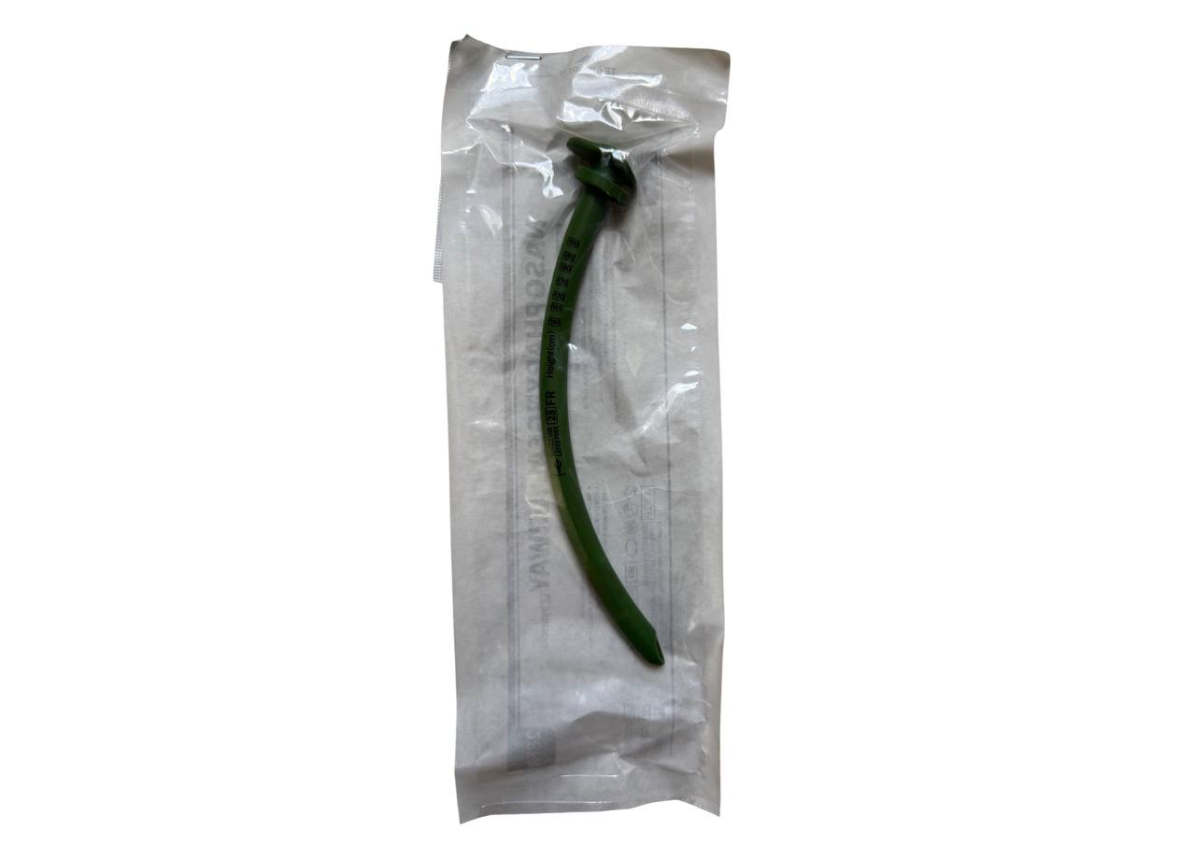
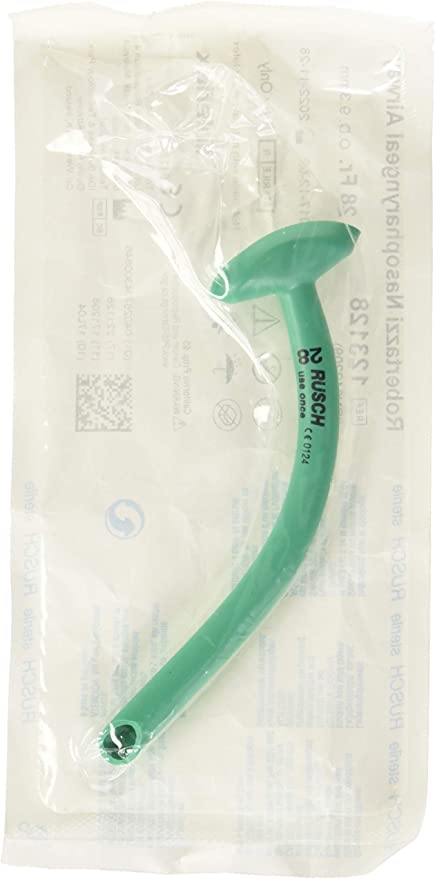
A nasopharyngeal airway, or NPA, passes through the nasal cavity into the pharynx. The flexible tube helps maintain an airflow passage when the person’s level of consciousness is reduced. The device does not provide ventilation on its own and is not an oxygen source.
TacMed offers Rusch airways in sizes 28, 30, 32, 34, and 36 Fr. The TACMED 28 Fr model comes with lubricant. Specifications for some options list lengths of 117, 118, or 140 mm, depending on size.
The French scale indicates the tube’s outer diameter. One Fr is approximately one-third of a millimeter, so size 30 indicates a diameter of about 10 mm. Correct selection also involves assessing length using anatomical landmarks and the manufacturer’s instructions.
Use water-soluble lubricant during insertion when the model’s instructions recommend it. Noticeable resistance, nasal trauma, or other clinical circumstances call for reassessment. NPA insertion should be practiced during hands-on training.
i-gel and KING LTS-D laryngeal tubes
Supraglottic airways are inserted deeper than an NPA and create a ventilation passage at the level of the laryngeal inlet. i-gel has an anatomical cuff made of thermoplastic elastomer that does not require inflation. TacMed offers size 4 for patients weighing 50–90 kg and size 5 for those weighing over 90 kg.
KING LTS-D uses a cuff system. After insertion, the cuffs are inflated with the recommended volume of air using a syringe, and the device’s position is checked using available methods. The catalog includes Size 4 and Size 5 models.
To assemble a kit, add a compatible BVM, filter, lubricant, syringe, and securing device. Select sizes for the intended patient group. If a medical backpack is intended for use with several people, one size may not be sufficient.
Supraglottic airway insertion requires practical training. After insertion, check chest movement, the seal, tube position, and ventilation effectiveness. Repeat the checks if the person’s position changes.
Bag-valve masks (BVMs)
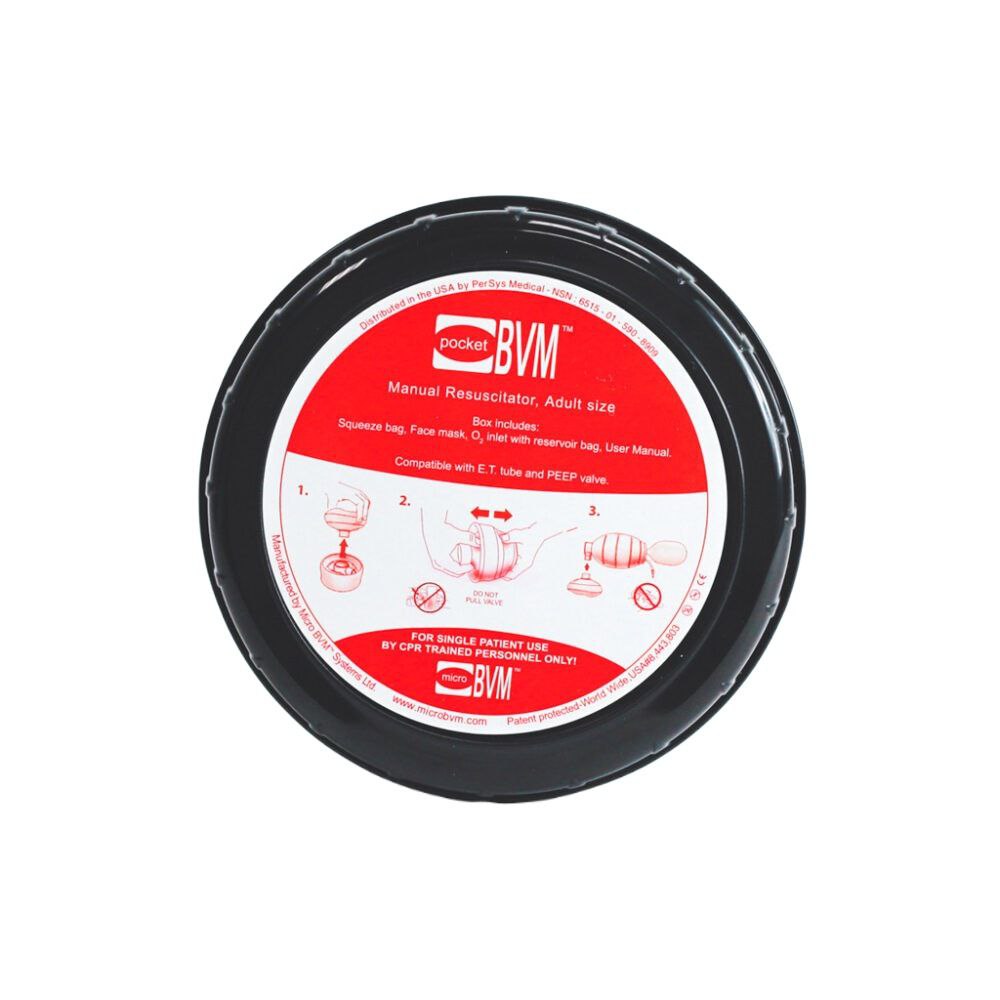
BVM stands for Bag-Valve-Mask. The device consists of a self-inflating bag, valve assembly, and face mask. Depending on the set, it may also include an oxygen reservoir, tubing, several masks, and a carry bag.
When the bag is squeezed, air is directed to the person. When released, the bag expands and draws in a new volume of air. The valve limits the flow of exhaled air back into the bag.
Effective ventilation requires an open airway and a tight seal between the mask and face. Trauma, a beard, blood, dirt, and an incorrectly sized mask can impair the seal. Two trained responders can divide the tasks of holding the mask in place and squeezing the bag.
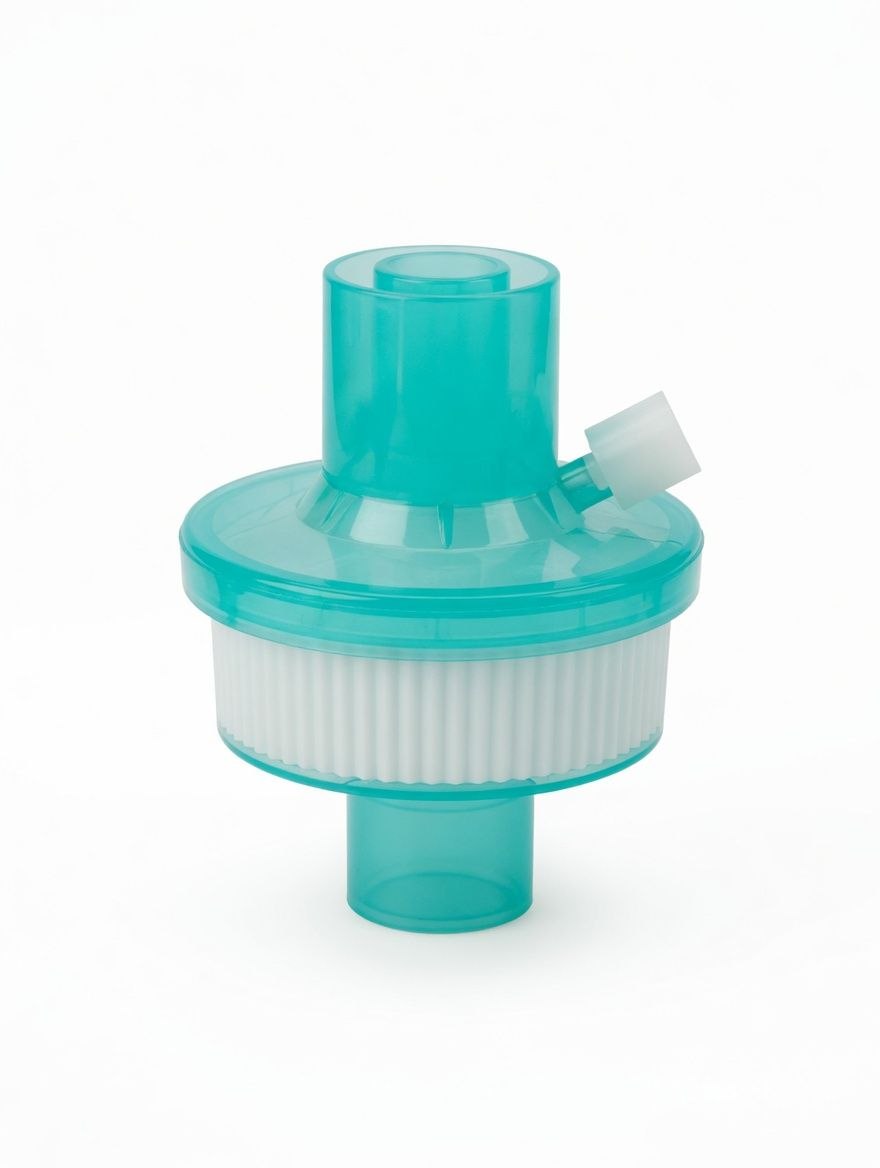
A BVM can connect to an i-gel or KING LTS-D through a standard compatible connector. Check all connections before adding the equipment to a backpack. Select a breathing filter based on connector diameter, flow resistance, and dead-space characteristics.
Chest seals
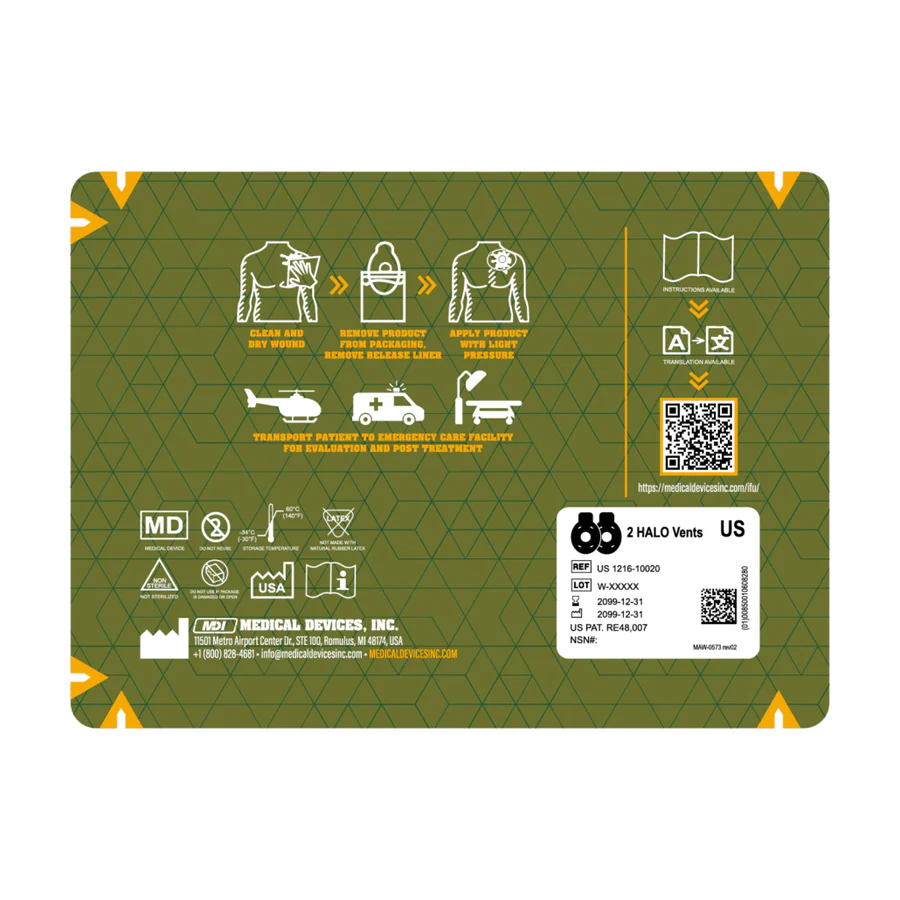
A chest seal covers an open defect in the chest wall. It consists of a polymer backing and medical adhesive. Vented models also have a valve or channels that allow air and fluid to escape.
TacMed offers HyFin Vent Twin Pack, HyFin Vent Compact, non-vented HyFin, FoxSeal, FoxSeal Vent, HALO, Beacon Chest Seal, H*VENT, and MARCH Sentinel chest seals. The range includes single products, pairs, and Combo Packs with different seal types.
TCCC recommendations call for a vented seal for an open chest wound. A non-vented option may be used when a vented model is unavailable, followed by monitoring of breathing and signs that the person’s condition is worsening.
Before securing the seal, expose the area, clean away blood, and dry the skin when possible. The seal edges should contact the skin around the entire wound. After application, check adhesion, ventilation channels, and the person’s breathing.
Decompression needles
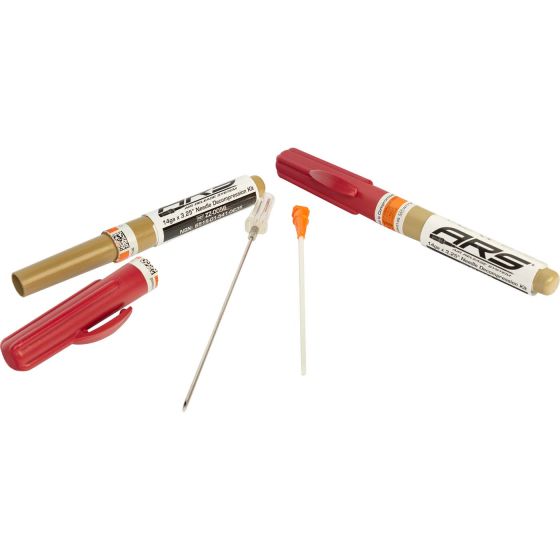
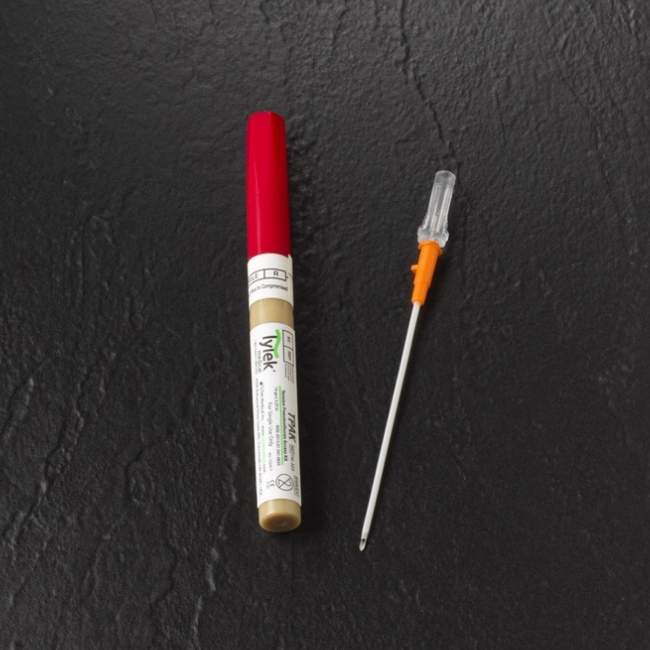
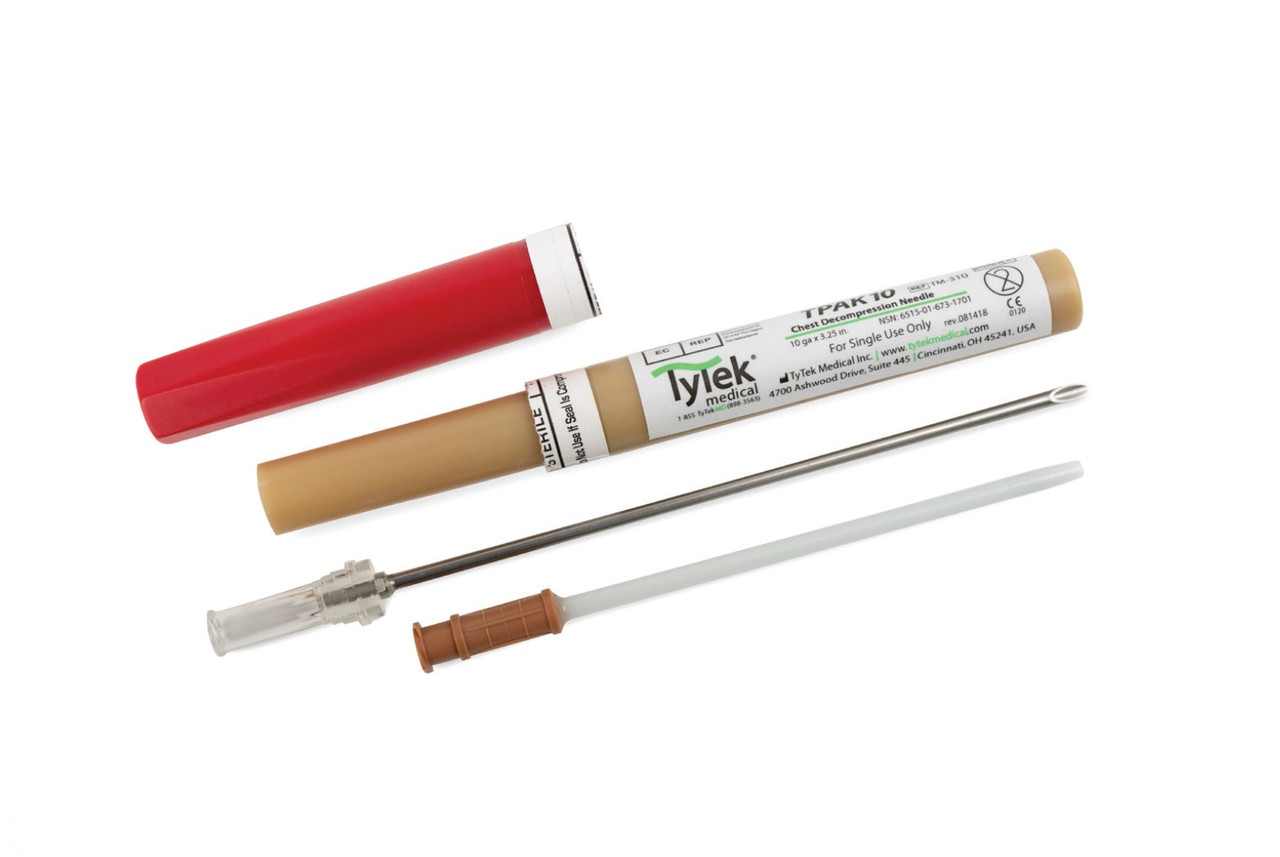
A decompression needle includes a metal introducer needle and a plastic catheter. After insertion, the catheter remains in the specified position to allow air to escape. The procedure is performed when tension pneumothorax is reasonably suspected and in accordance with the current protocol.
TacMed offers ARS 14G and TyTek 14G decompression needles. The wider stage R catalog also includes 10G models and other options. Gauge indicates diameter, while length determines whether the pleural cavity can be reached.
A lower Gauge number corresponds to a larger diameter. When selecting a model, consider both measurements, catheter type, protective container, and training program recommendations. The package should preserve sterility and protect the sharp product from damage.
Needle decompression is an invasive skill. An error in identifying indications or performing the procedure can damage the lung, blood vessels, nerves, and other anatomical structures. This device is intended for medical professionals and responders whose training covers the procedure.
How to assemble a breathing support kit
The kit contents depend on the level of care. A personal first aid kit contains supplies its owner can use after training. A field responder’s kit is expanded according to their training program. A medical professional may carry several airway sizes, a BVM, Chest Seals, decompression needles, and backup devices.
A basic kit may include:
- an airway patency module with an NPA and lubricant;
- a Chest Seal module with two seals or a combination pack;
- wipes or gauze for cleaning the skin around the wound;
- a BVM with a mask and compatible filter for a trained user;
- several sizes of supraglottic airways for a medical kit;
- decompression needles in line with the user’s qualifications and approved equipment list;
- securing devices, gloves, and trauma shears;
- a patient card and marker for documenting procedures.
Arrange all components in the order they are used. Store seals in a flat pocket protected from punctures. Airway devices should not become deformed under the weight of other equipment. Keep decompression needles in rigid containers.
Test the assembled kit during training. Users should be able to locate the necessary product while wearing gloves and in low light. Do not open operational single-use products for repeated practice. Use training Chest Seals, manikins, and separate airway devices for exercises.
How to choose breathing support equipment
Before ordering, identify the users and likely scenarios. For a personal first aid kit, compact size and accessibility are critical. A medical backpack should prioritize a range of sizes, backup supplies, and component compatibility. A vehicle kit can include more equipment because more space is available.
Consider the following when choosing:
- Device function. An airway helps maintain patency, a BVM provides manual ventilation, a Chest Seal covers a wound, and a decompression needle is used for a separate invasive procedure.
- Training level. The equipment list should match the user’s skills and the current protocol.
- For an NPA, consider diameter in Fr and length. Select i-gel by patient weight, KING LTS-D according to the manufacturer’s chart, and a BVM mask according to anatomical measurements.
- Connector compatibility. The BVM, mask, filter, and supraglottic airway should connect without extra adapters or have the required adapter available.
- Chest Seal design. Consider whether it is vented, the backing area, adhesive properties, number of seals, and package dimensions.
- Decompression needle specifications. Medical professionals check the Gauge, catheter length, protective container design, and compatibility with the training program.
- Set contents. Devices may require lubricant, a syringe, filter, oxygen tubing, mask, wipes, and a securing device.
- Storage conditions. Check the expiration date, package integrity, temperature range, and resistance to deformation.
After selecting the equipment, check it as a complete system. A BVM may not fit the mask or filter already in the kit. An airway without lubricant or a KING LTS-D without a syringe leaves the set incomplete. Without a wipe near the Chest Seal, skin preparation becomes more difficult.
Mark each size so the label is visible before opening the package. Keep an inventory with expiration dates for an extended kit. Inspect the kit after use, training, or prolonged transport.
Common mistakes when choosing and using equipment
A common mistake is adding devices without considering the owner’s training. Having a decompression needle or supraglottic airway does not provide the skills to identify indications, insert the device correctly, and assess the result. Complete a practical course and train regularly before using the equipment.
Another issue is choosing a size at random. An NPA that is too short or narrow may not work properly, while an incorrectly sized i-gel can make it difficult to achieve a seal. One airway size will not fit every adult patient.
A further mistake is mixing components in one general-purpose pocket. Valves, packages, and catheters can be damaged by friction and pressure. Functional modules reduce search time and protect equipment.
Repeat assessment is required after inserting any device. A Chest Seal may detach, a supraglottic airway may shift, or a ventilation circuit may disconnect during transport. Monitor the person’s condition and the effectiveness of care throughout evacuation.
Equipment storage and inspection
Keep sterile, single-use products in their original packaging. During kit inspections, check the seams, labels, expiration dates, and package for punctures. Also protect Chest Seals from overheating, which can affect adhesive properties.
Store NPAs and supraglottic airways without sharp bends. The molded part of an i-gel should retain its factory shape. Check KING LTS-D together with its syringe and lubricant.
Inspect the BVM according to the manufacturer’s instructions. Check the bag’s elasticity, valve operation, and the condition of the mask, reservoir, tubing, and connectors. Replace contaminated single-use filters after use.
Buy breathing support supplies at TacMed
The TacMed online store offers nasopharyngeal airways, i-gel, KING LTS-D laryngeal tubes, BVMs, vented and non-vented Chest Seals, and decompression needles. Browse dedicated subcategories and compare models by brand, type, size, and set contents. You can also choose a field first aid kit, medical bag, trauma shears, and supplies for other stages of MARCH. Prices, specifications, and current availability are listed on the product pages.
Delivery is available to Kyiv, Lviv, Odesa, Kharkiv, Dnipro, Zaporizhzhia, Vinnytsia, Poltava, Cherkasy, Zhytomyr, Chernihiv, Rivne, Lutsk, Ternopil, Ivano-Frankivsk, Uzhhorod, Chernivtsi, Khmelnytskyi, Kropyvnytskyi, Mykolaiv, Sumy, Kherson, and other cities across Ukraine.
FAQ
Which products are considered breathing support equipment?
The category includes nasopharyngeal and supraglottic airways, laryngeal tubes, BVMs, chest seals, and decompression needles. They are used during stages A and R of the MARCH algorithm.
How does an airway differ from a bag-valve mask?
An airway helps maintain a passage for airflow. A BVM is used for manual ventilation through a mask or compatible inserted device.
What is a chest seal used for?
A Chest Seal covers an open chest wound. Vented models have a valve or channels that allow air and fluid to escape.
Why buy two chest seals?
Penetrating trauma may create several external openings. Twin Pack makes it possible to cover two defects or keep the second seal as a spare.
Which nasopharyngeal airway should I choose?
Consider the outer diameter in Fr, length, and the person’s anatomical measurements. Selection and insertion technique are covered in practical training.
Can a BVM be used without an airway?
A BVM may be used with a face mask when the airway is open and the mask forms a tight seal. The specific technique depends on the person’s condition and the responder’s training.
Who can use a decompression needle?
Needle decompression should be performed by trained medical professionals or responders whose certified program covers this skill. The procedure requires recognition of indications and knowledge of anatomical landmarks.
How can I check breathing equipment compatibility?
Connect the BVM, mask, filter, and airway in a training setting, then check the connector diameters. Keep operational single-use products sealed unless the test requires opening them.