
Civil bags
NEW ITEM


Civilian bags are used to carry personal items, documents, electronics, and a compact medical kit. A chest or waist-worn design keeps the hands free and provides quicker access to the contents than a large backpack. These bags suit city commutes, work, travel, hiking, training, and vehicle kits.
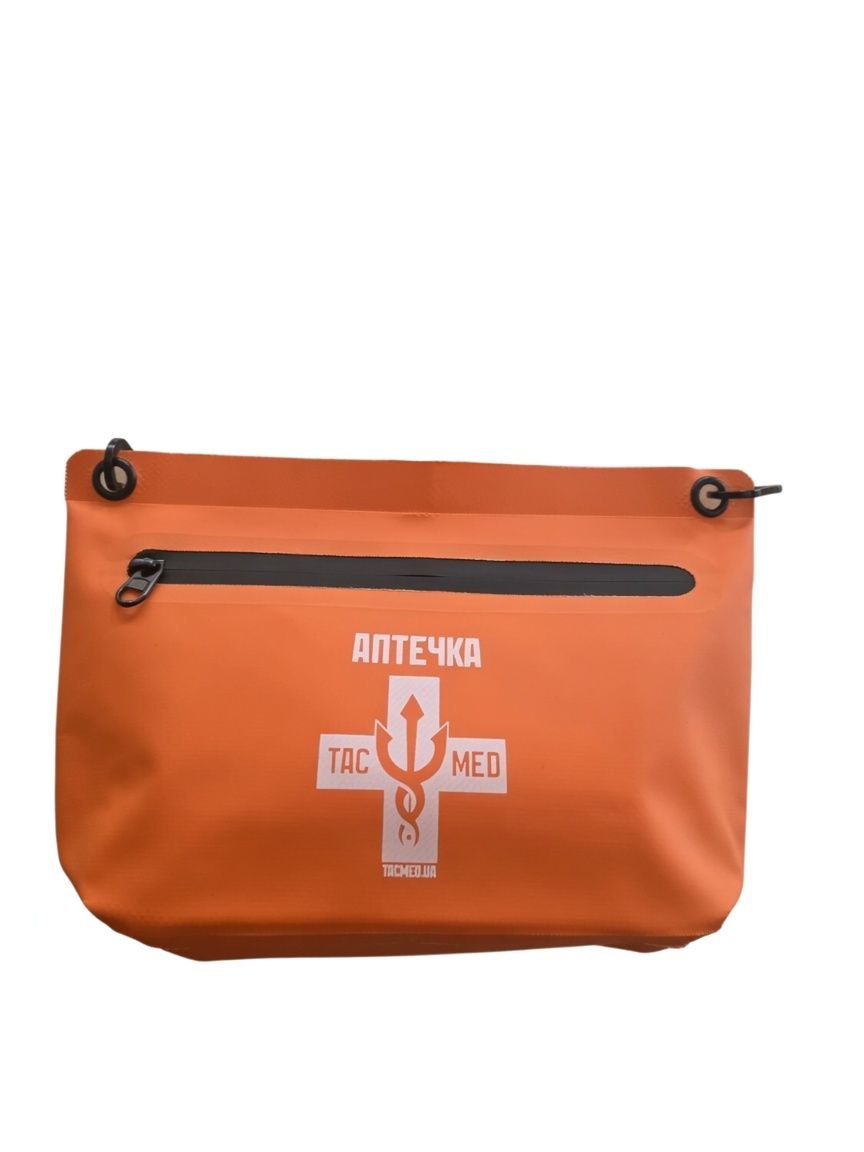
The TacMed category includes empty chest and waist bags designed as first aid kits, in standard and XL sizes, as well as a waterproof pouch for a hiking first aid kit. Models are available in black, red, blue, purple, bronze, raspberry, olive, and metallic colors. Depending on the model, they are made from Cordura 500D, polyester, or PVC.
A civilian bag is designed for everyday carry without requiring a plate carrier or load-bearing system. Its adjustable strap lets you wear it on your chest, across your shoulder, or at your waist. You can change its position depending on your clothing, transport, and current load.
The medical format keeps a first aid kit in a recognizable, accessible place. An empty model lets you assemble a set according to your needs, training, and conditions of use. You can also set aside space for a phone, documents, keys, or a charger, if the internal layout and capacity allow.
TacMed civilian bags can be used in several ways:
The intended use determines the size and how the bag should be packed. The standard model suits a phone, documents, and a minimal first aid kit. The XL format offers more room for dressings and additional personal items. The water-resistant pouch is designed for conditions where rain or splashes are possible.
An empty bag does not include a ready-made set of medical products. Purchase the contents separately and arrange them according to the manufacturers’ instructions. If you need a complete set, you can browse civilian first aid kits and ready-made field kits at TacMed.
The main product line includes chest and waist bags in two sizes. The standard model measures 23 × 15 × 5 cm. It is designed for a compact EDC set and basic medical supplies. It is listed as made from Cordura 500D.
The XL format measures 27 × 17 × 5 cm. Its additional four centimeters in length and two centimeters in height provide more space for the contents, while the thickness remains 5 cm. This model is also made from Cordura 500D and can be worn on the chest or waist.
Compare the formats based on the items you plan to carry. External dimensions do not show the exact usable capacity because seams, lining, dividers, and hardware take up some space. Before ordering, lay out the planned contents within an area matching the bag’s dimensions and check their combined thickness.
The larger bag suits a bulky bandage, gloves, dressings, and personal items. The standard format sits closer to the body and fits more easily under outerwear. Once packed, check that the zipper closes without excessive tension.
Wearing the bag on the chest keeps it accessible in front of you. This option suits walking, public transport, cycling, and situations where clothing pockets are covered by equipment. Adjust the strap so the bag does not swing or shift when you bend.
At the waist, the bag takes up less room on the upper torso. You can position it at the front, side, or closer to the lower back, depending on the strap design and your build. If worn at the side, check the fit while seated in a car, as the bag may press against the seat belt or armrest.
For shoulder carry, adjust the strap to account for seasonal clothing. A strap that is too long lets the bag swing more, while one that is too short makes the zipper harder to reach. Keep the buckle or other fastener accessible and positioned so it does not press against you.
The way you wear the bag affects how its contents should be arranged. Secure heavier items closer to your torso. Store sharp tools in a sheath or separate compartment so they do not damage the bag or nearby items.
The material affects weight, abrasion resistance, shape retention, and care requirements. TacMed category filters list Cordura 500D and polyester. The water-resistant hiking pouch is made from PVC.
Cordura Classic is made from high-strength textured nylon yarns. The material manufacturer specifies abrasion and tear resistance and produces fabrics in different denier ratings, including 500D. Finished fabrics may have a coating or laminate, so a particular bag’s properties depend on the complete fabric construction, seams, and zippers.
Polyester is used in lightweight civilian bags and allows models to be made in different colors. Its actual properties depend on fabric density, weave, lining, and coating. Check the specifications of the specific model when comparing products.
The PVC pouch is designed to protect its contents from moisture and external dirt. The TacMed model has a capacity of 2 L, measures 26 × 16 cm, weighs 105 g, and has an IPX4 rating. This rating indicates protection against water splashes from different directions, but the product is not designed for prolonged submersion.
A multipurpose bag works best when each group of items has a designated place. A phone, documents, and keys should not damage the packaging of medical supplies. Use internal pockets, elastic retainers, or small pouches to separate them.
Build the medical kit around the user’s skills. Keep the tourniquet where it can be reached without emptying the bag. Give the bandage, hemostatic product, and blunt-tip medical shears their own fixed places as well.
Keep personal medication in its original packaging with legible labels. Check the expiry date and recommended temperature range. A bag left in a vehicle may become hotter or colder than the storage conditions permitted for some medicines.
Documents and electronics should also be protected from moisture. Water-resistant fabric does not guarantee that zippers and seams are watertight. For hiking or water activities, place sensitive items in an additional sealed inner bag.
First, decide on the bag’s primary purpose. An EDC bag, personal first aid bag, and hiking kit each require a different interior capacity. Then list the items you plan to carry and measure the largest ones. Check the combined thickness of the packed set as well.
When choosing, assess these features:
After choosing a size, try the bag on with the full set of contents. Check it while walking, bending, climbing stairs, and sitting in a car. The contents should not shift inside or throw off the bag’s balance. The strap should stay at its adjusted length.
If several family members will use the bag, adjust it for each person. Everyone should know where the main medical compartment is. Clear external labeling can help identify a first aid kit. Try it on again after changing the contents.
The contents depend on the number of people, trip duration, and likely risks. Daily city carry calls for a compact list. For travel or hiking, consider how far you will be from medical care and the surrounding conditions.
The bag can hold medical gloves, dressings, adhesive bandages, a marker, scissors, and supplies for minor injuries. Use tourniquets, hemostatic products, and other components according to your training. Choose personal medication in consultation with a doctor.
An empty bag lets you avoid supplies that do not suit your needs. However, assembling your own kit requires a checklist. Replenish any supplies used after each use.
TacMed offers separate first aid kit components, gauze, bandages, gloves, emergency blankets, and other medical products. For a systematic setup, organize supplies by function, then check that the full set fits without excessive compression.
A civilian bag comes into contact with clothing, vehicle seats, dust, and precipitation. Dirt can build up on zippers, straps, and buckles over time. Regular inspection helps identify abrasion, damaged seams, or a loose adjuster.
Remove all contents before cleaning. The care method depends on the material and the manufacturer’s instructions. Hot water, bleach, and intensive machine washing can damage coatings, hardware, or the shape of some models.
During a scheduled check:
After cleaning, let the bag dry completely in a ventilated place. Return medical products only after checking their packaging. Avoid leaving a damp bag closed, as condensation and odor can build up inside.
The water-resistant pouch also needs inspection. A crease, puncture, or damaged closure can reduce its protection level. After using it in the rain, clean and dry the surface according to the instructions.
Buying a bag without first listing the items it needs to hold often leads to choosing the wrong size. An overly compact model compresses packages and strains the zipper. An oversized bag lets items shift and takes up more room when worn.
Another problem comes from storing sharp tools with a phone, documents, and medical packaging. Scissors, keys, and a multitool need a separate pocket or sheath. This reduces the risk of damaging the contents.
An incorrectly adjusted strap makes the bag swing while walking. The buckle’s position also affects comfort, especially under a backpack or seat belt. Check the fit while wearing the clothing you will use most often with the bag.
The “waterproof” label calls for checking the actual protection rating. An IPX4 model protects against splashes, so submersion exceeds its stated conditions. For water routes, sensitive items should also be sealed in an inner bag.
The TacMed online store offers civilian bags for city EDC, personal first aid kits, travel, and hiking. The catalog includes standard and XL models for chest or waist carry, as well as a compact PVC pouch with IPX4 protection.
Chest and waist bags are available in several colors: Black, Red, Blue, Purple, Bronze, Raspberry, Olive, and Metall. You can pack an empty model with medical supplies and personal items to suit your planned use.
You can also order a civilian first aid kit, medical gloves, dressings, a tourniquet, scissors, and other components with your bag. Product cards list current prices, availability, material, and color.
Orders can be delivered to Kyiv, Lviv, Odesa, Kharkiv, Dnipro, Zaporizhzhia, Vinnytsia, Poltava, Cherkasy, Zhytomyr, Chernihiv, Rivne, Lutsk, Ternopil, Ivano-Frankivsk, Uzhhorod, Chernivtsi, Khmelnytskyi, Kropyvnytskyi, Mykolaiv, Sumy, Kherson, and other cities across Ukraine.
FAQ
How does a civilian bag differ from a tactical pouch?
A civilian model has its own strap and is designed to be worn without a plate carrier or MOLLE platform. Field equipment pouches are more often attached to gear using mounting straps.
What bag sizes are available at TacMed?
The standard chest or waist model measures 23 × 15 × 5 cm. The XL format measures 27 × 17 × 5 cm. The hiking PVC pouch measures 26 × 16 cm and has a capacity of 2 L.
Are medical supplies included?
The first aid bags in this category are sold empty unless the product name and product card specify a different set of contents. Choose the contents separately.
Which bag should I choose for EDC?
The standard format suits a phone, documents, keys, and a compact first aid kit. If you need to carry a bulky bandage or more personal items, consider the XL model.
Can the bag be worn on the chest and at the waist?
Yes. TacMed models in this line support chest and waist carry. Before purchasing, check the strap design on the product card for the selected color and size.
What material is used for the chest bags?
The product cards for the standard and XL models list Cordura 500D. The category filters also include polyester models.
Is the hiking pouch suitable for water trips?
The pouch has IPX4 protection against splashes. If submersion is possible, use a sealed option with a suitable confirmed rating.
Which color should I choose for a first aid kit?
Red makes a medical kit easier to identify visually. Choose other colors to suit your clothing, carrying style, and personal preference.
How should I care for a Cordura bag?
The care method is specified by the manufacturer of the finished product. Remove all contents before cleaning, avoid harsh products, and let the bag dry completely.
Where can I buy a civilian bag in Ukraine?
Chest, waist, and hiking bags can be ordered from the TacMed online store. The category page lists current colors, materials, prices, and availability.
