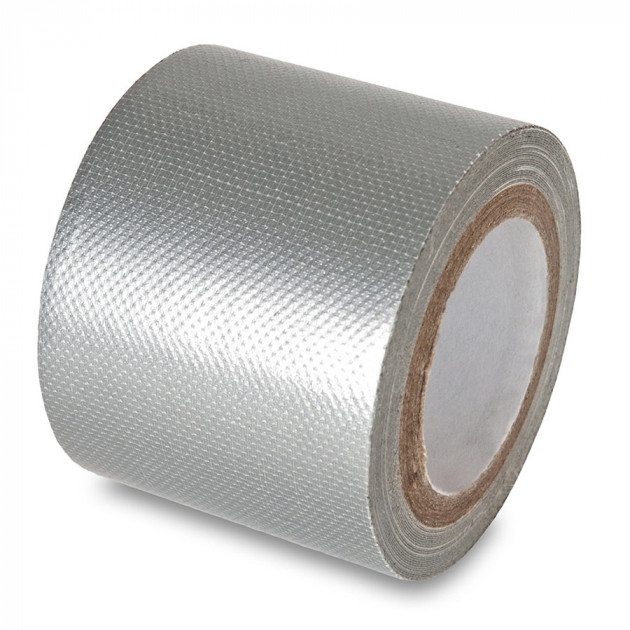
Reinforced tape
TOP SALES
PROMOTION
-8%
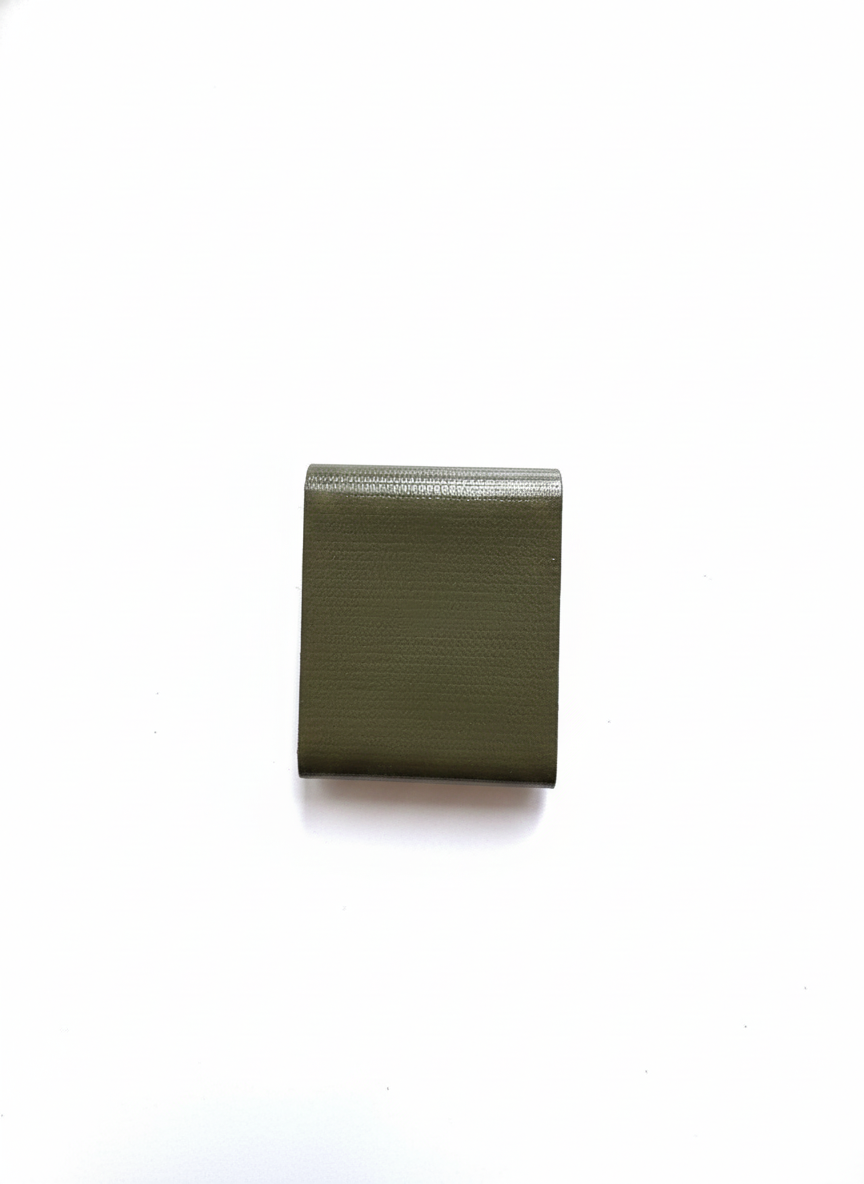
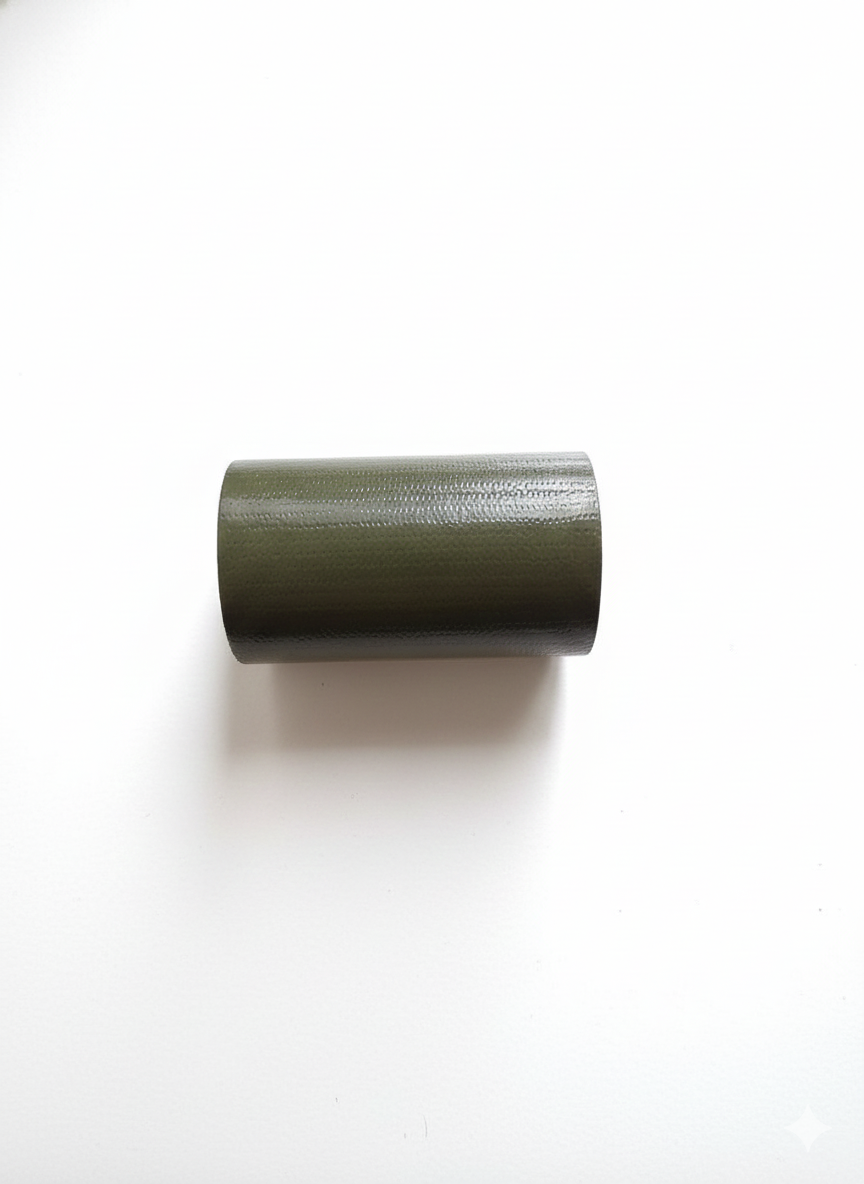
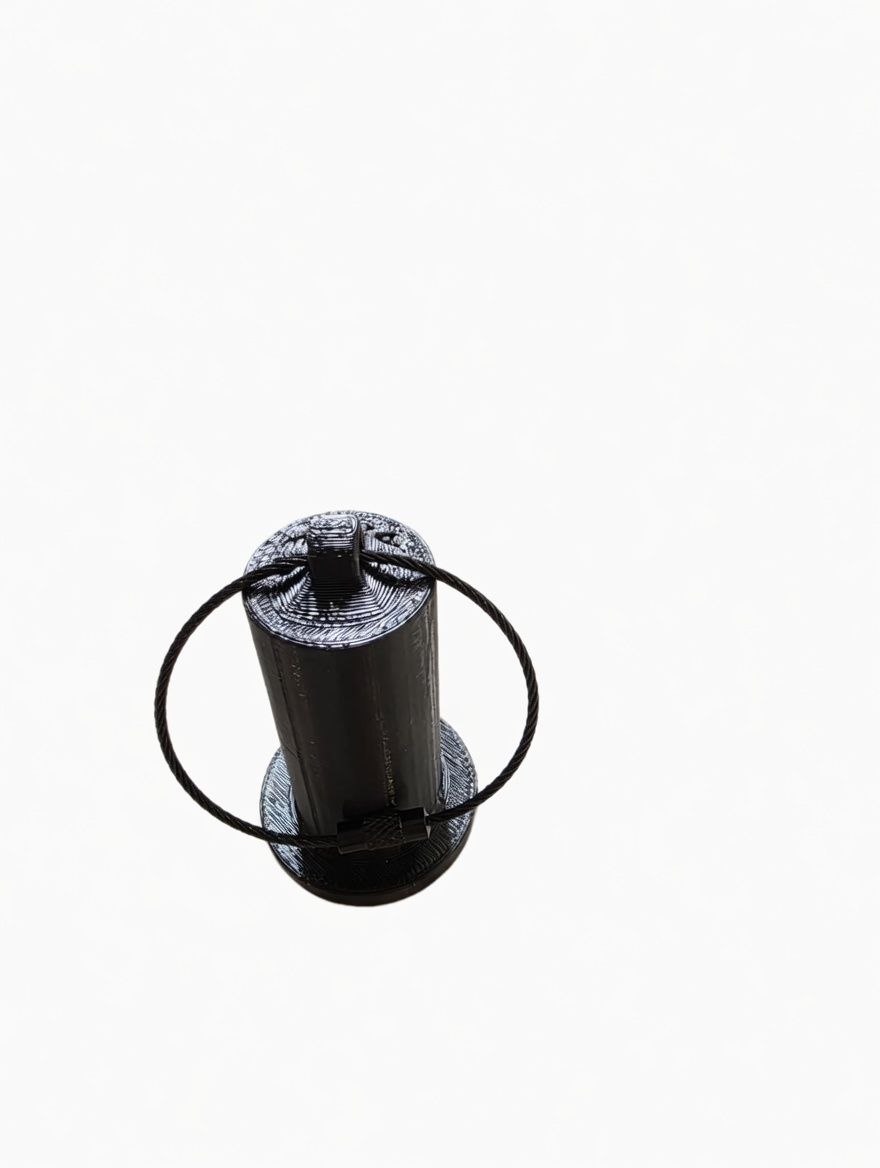
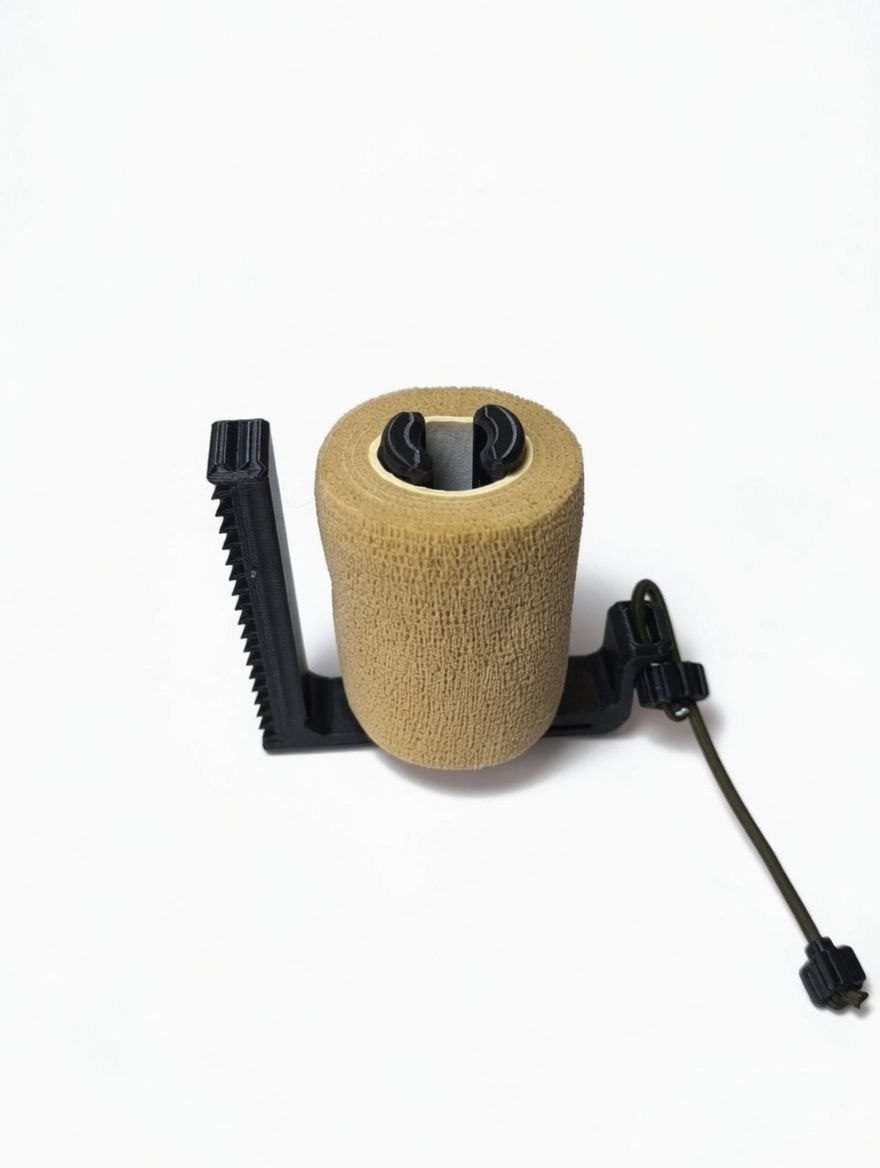
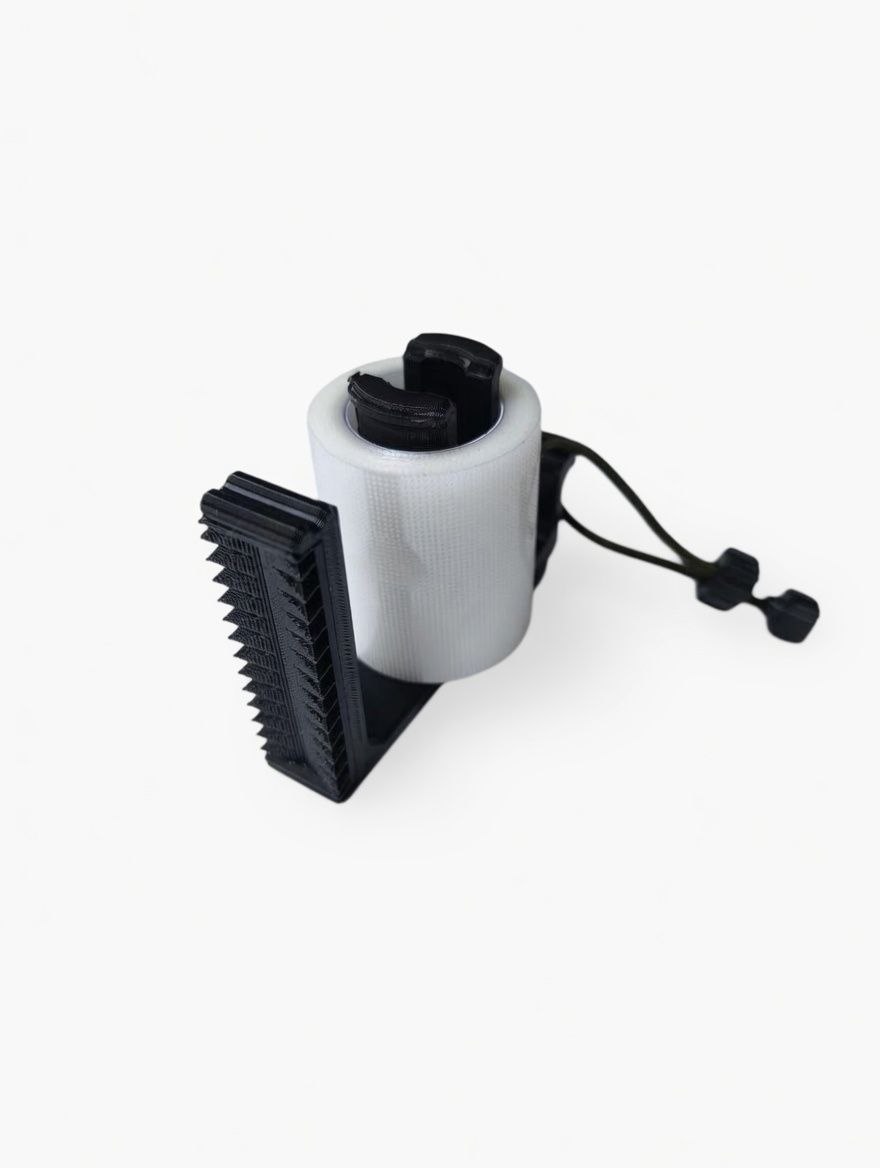
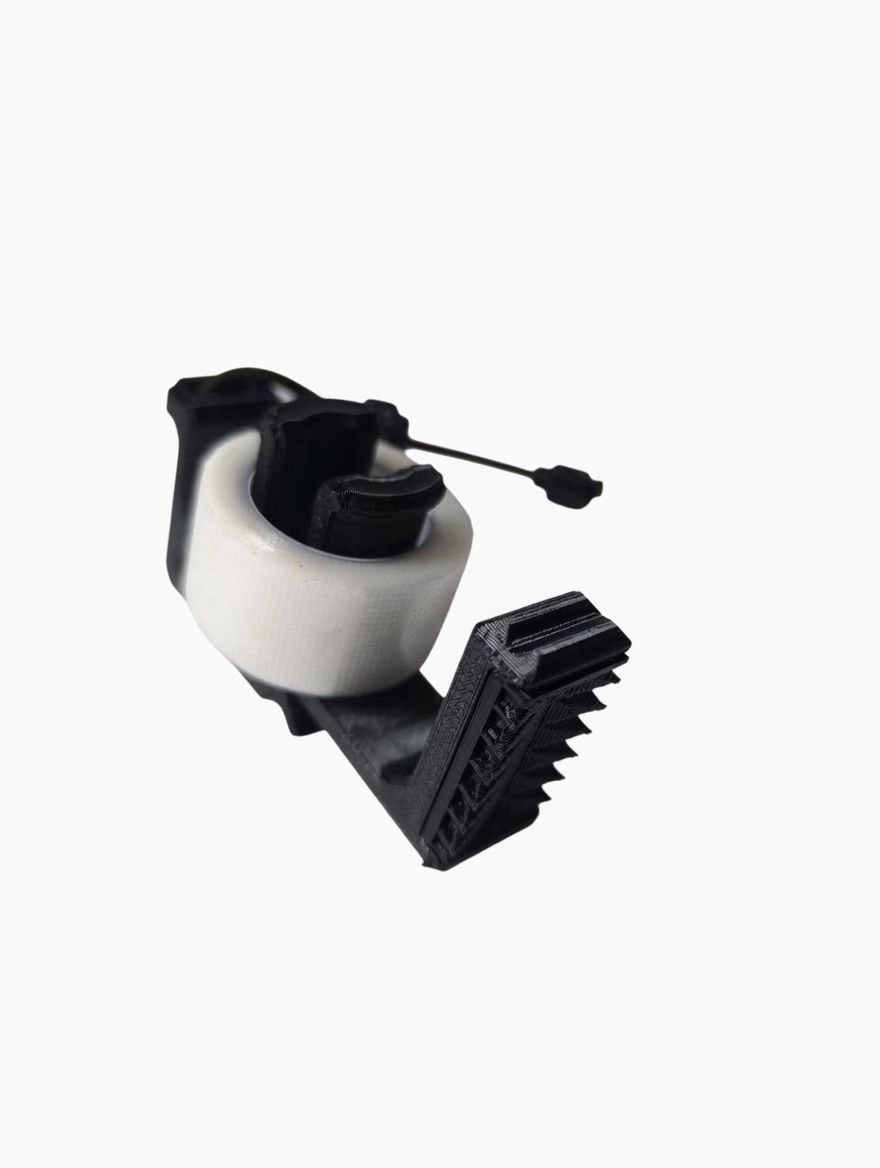
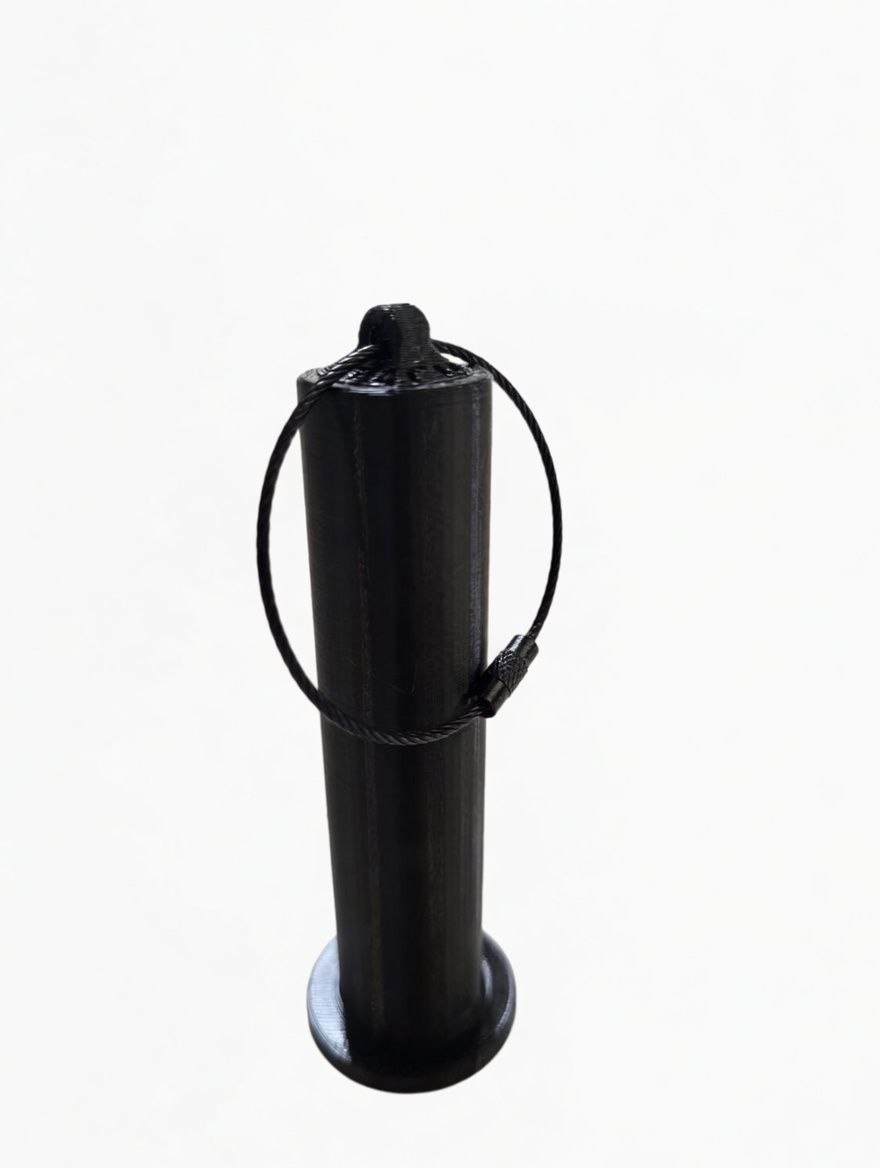
Reinforced medical tape is one of the most commonly used consumable materials for securing dressings, bandages, catheters, tubing, and other medical devices. Its ease of use, compact size, and strong adhesive properties make it an essential component of professional medical kits, first aid kits, and emergency care supplies. Properly selected reinforced medical tape helps keep dressings securely in place, reduces the risk of displacement, and provides comfort during wear. The TacMed catalog includes medical tapes in various widths and configurations suitable for both professional healthcare settings and everyday first aid.
Reliable fixation is just as important as selecting the appropriate dressing. If a bandage, gauze pad, catheter, or medical tube shifts during transport or patient movement, the effectiveness of treatment may be reduced. Modern fixation systems are therefore included in individual first aid kits, professional medical equipment, emergency response supplies, and first aid kits. This category includes various types of medical tapes and reinforced adhesive tapes that securely hold medical devices in the desired position.
When selecting a fixation system, it is important to consider the intended application, the required coverage area, and the expected duration of use. Different tasks require products with different widths, backing materials, and adhesive strengths.
Common applications of fixation systems:
High-quality fixation systems combine reliable strength, wearing comfort, and durability during everyday use. A flexible backing allows the material to conform to body contours, while a dependable adhesive layer helps maintain secure fixation even during active movement. These characteristics make reinforced medical tape one of the most versatile solutions for securing dressings and medical devices in field, clinical, and everyday environments.
The primary purpose of reinforced medical tape is to secure dressings and medical devices to the skin. It helps maintain stable positioning even during movement and keeps dressings properly aligned for extended periods. For this reason, it is widely used in healthcare facilities, emergency response services, training centers, and home first aid kits.
Modern medical tapes combine dependable strength with user comfort. They adapt well to body contours, can easily be cut to the required length, and allow rapid fixation without additional fastening devices.
Reinforced medical tape is commonly used for:
A quality medical tape should provide reliable adhesion without placing excessive pressure on the skin. The balance between adhesive strength and flexibility plays an important role in long-term comfort. It is equally important that the tape unwinds smoothly, resists tearing during application, and maintains its properties under different conditions. Technical characteristics should therefore be considered alongside roll size.
Reinforced medical tape is manufactured from materials that provide strength, comfort, and dependable fixation. Depending on its intended use, it may feature woven fabric, nonwoven, or polymer backings together with different adhesive formulations. This allows users to select a product suited to specific applications and expected wear time.
Manufacturers also pay particular attention to adhesive quality. The adhesive should bond securely to both skin and dressings while allowing careful removal after use.
Key features:
Each of these characteristics contributes to ease of use. Flexible backing allows the tape to follow body contours without forming wrinkles, improving fixation quality. Compact rolls fit easily into even small first aid kits or organizers. Modern adhesive materials retain their performance for long periods when stored correctly, making reinforced medical tape a practical item for permanent inclusion in first aid equipment.
Selection depends on the intended application. Narrow rolls are generally suitable for smaller dressings, while wider tape is more convenient for securing larger dressings or medical devices. The backing material, adhesive type, and roll length should also be considered.
A quality medical tape should maintain secure fixation for the required period, resist lifting at the edges, and be easy to apply without specialized tools.
When choosing reinforced medical tape, consider:
Each of these factors affects overall performance. Proper roll width helps reduce material waste while simplifying application. Breathable backing improves comfort during extended wear, while a reliable adhesive reduces the likelihood of accidental detachment. If the tape will be used regularly, roll length should also be considered because it directly affects long-term value.
The performance of reinforced medical tape depends largely on its backing material and adhesive formulation. These components determine strength, flexibility, comfort, and overall fixation performance. Modern manufacturers use materials capable of withstanding routine use while maintaining stable adhesion to skin and dressings.
The adhesive layer is equally important. It should be applied evenly, remain stable during long-term storage, and provide dependable adhesion. High-quality medical tapes combine secure fixation with user comfort, particularly when dressings remain in place for extended periods.
Common materials include:
Cotton backing provides comfortable skin contact and good air permeability. Nonwoven materials combine low weight with dependable strength and are widely used in professional medical products. Polymer-backed tapes provide increased resistance to moisture and mechanical stress. A carefully selected combination of backing and adhesive contributes to long service life and dependable performance.
The selection of reinforced medical tape continues to grow, making it difficult to choose the most appropriate product without considering technical characteristics. Many buyers focus only on price or packaging appearance, although these factors alone do not reflect product quality. Backing material, adhesive strength, roll width, and intended application are much more important.
Defining the intended requirements before purchasing helps avoid unnecessary expense and makes it easier to choose the most suitable product.
Common mistakes include:
Each of these mistakes can reduce performance. For example, a roll that is too narrow increases material consumption when securing larger dressings, while inadequate adhesive strength may result in premature lifting. Lower-quality materials may also lose their properties more quickly when exposed to moisture or temperature changes. Product specifications, manufacturer reputation, and compliance with medical standards should therefore be considered alongside price.
Proper storage helps preserve adhesive performance throughout the product's shelf life. Although modern materials offer good resistance to environmental conditions, simple storage practices help prevent premature drying of the adhesive layer and deformation of the roll.
This is particularly important when the tape remains stored for extended periods in vehicles, first aid kits, or equipment exposed to changing weather conditions.
Recommended storage practices include:
Following these recommendations helps maintain both the adhesive layer and the backing material in optimal condition. Damaged packaging may allow dust and moisture to reduce adhesive performance over time. Long-term exposure to heat should also be avoided because elevated temperatures may affect adhesive properties. Routine inspection requires very little time while helping ensure that first aid supplies remain ready for use.
TacMed offers a wide selection of reinforced medical tapes for professional and everyday use. The catalog includes products in multiple widths and configurations designed for secure fixation of dressings and medical devices. Detailed specifications are provided for every product, making it easy to compare available options and choose the most suitable solution.
Advantages of purchasing from TacMed:
Quality reinforced medical tape is one of the essential components of any first aid kit. Reliable fixation, durable materials, and stable adhesive performance contribute to dependable use throughout the product's service life. The TacMed catalog includes modern solutions for a wide variety of applications, with detailed product descriptions that help customers make informed purchasing decisions. Orders can be placed online with delivery to Kyiv, Lviv, Odesa, Dnipro, Kharkiv, and many other locations throughout Ukraine.
FAQ
What is reinforced medical tape used for?
Reinforced medical tape is used to secure dressings, bandages, gauze pads, catheters, medical tubing, and other medical devices. It helps keep them properly positioned while maintaining reliable fixation during movement.
Which backing material is the best choice?
The appropriate material depends on the intended application. Cotton-backed tapes provide excellent breathability and comfort, nonwoven materials combine low weight with durability, while polymer backings offer increased moisture resistance.
Why is roll width important?
Roll width determines the fixation area and influences material consumption. Narrow rolls are generally suitable for smaller dressings, while wider rolls are more practical for larger applications.
How should reinforced medical tape be stored?
Store the tape in a dry place, protected from direct sunlight, moisture, and mechanical damage. The expiration date and packaging integrity should also be checked periodically.
Can reinforced medical tape be used for extended periods?
The recommended duration depends on the specific product and the manufacturer's instructions. To maintain secure fixation, the tape should be inspected regularly and replaced when necessary.
What should I consider before purchasing?
The most important factors include roll width and length, backing material, adhesive quality, breathability, ease of use, and manufacturer reputation. These characteristics determine durability, reliability, and user comfort.