Triage and marking

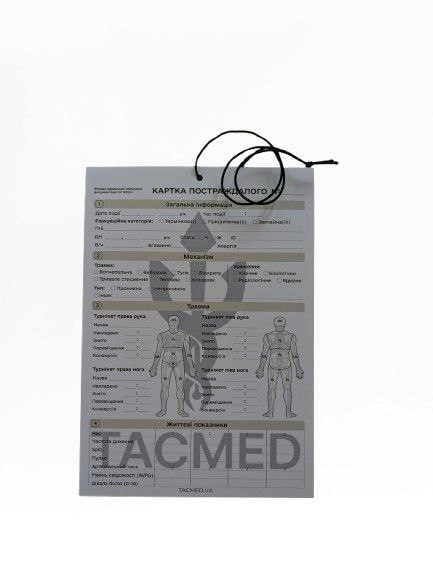
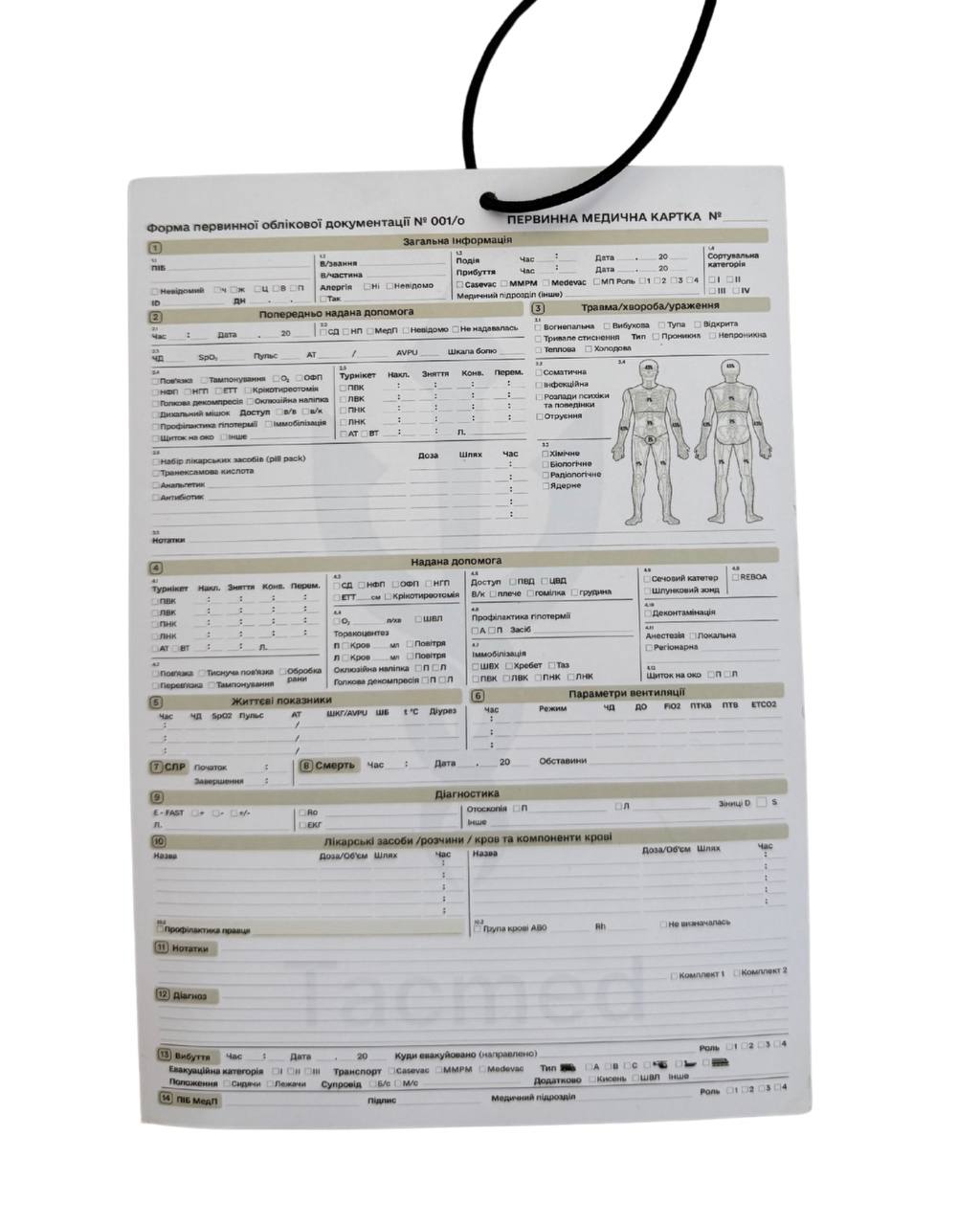
Correct medical marking allows medics, rescuers, and volunteers to accurately prioritize care. This helps organize evacuation effectively and avoid wasting time, which can be a decisive factor in extreme conditions. Below, we will discuss what medical marking is, which markers are available for medical labeling, and how to properly use casualty triage tags.
Medical marking refers to visual signs applied to record the status of casualties. It is also used to communicate necessary actions or to organize the space at the scene. This can be achieved through color coding, alphanumeric indicators, pictograms, or specialized tags.
The main objective is to provide quick orientation on-site and standardize information so that it is clear to all medics, rescuers, or other responders.
Most often, in tactical medicine, marking is used for sorting casualties based on the severity of their condition. It can also indicate procedures performed or communicate a person's status at the time of evacuation.
Proper labeling significantly reduces the wait time for assistance and ensures a logical sequence of care delivery.
Triage tags are frequently used in the field. These tools indicate a person's status and contain standardized information about the severity of their condition. For example, the tag may label the status as critical, serious, delayed, etc.
After assessing the casualty's condition, the appropriate tag is attached so that other responders can see the individual's priority level—specifically, how urgently they require medical attention.
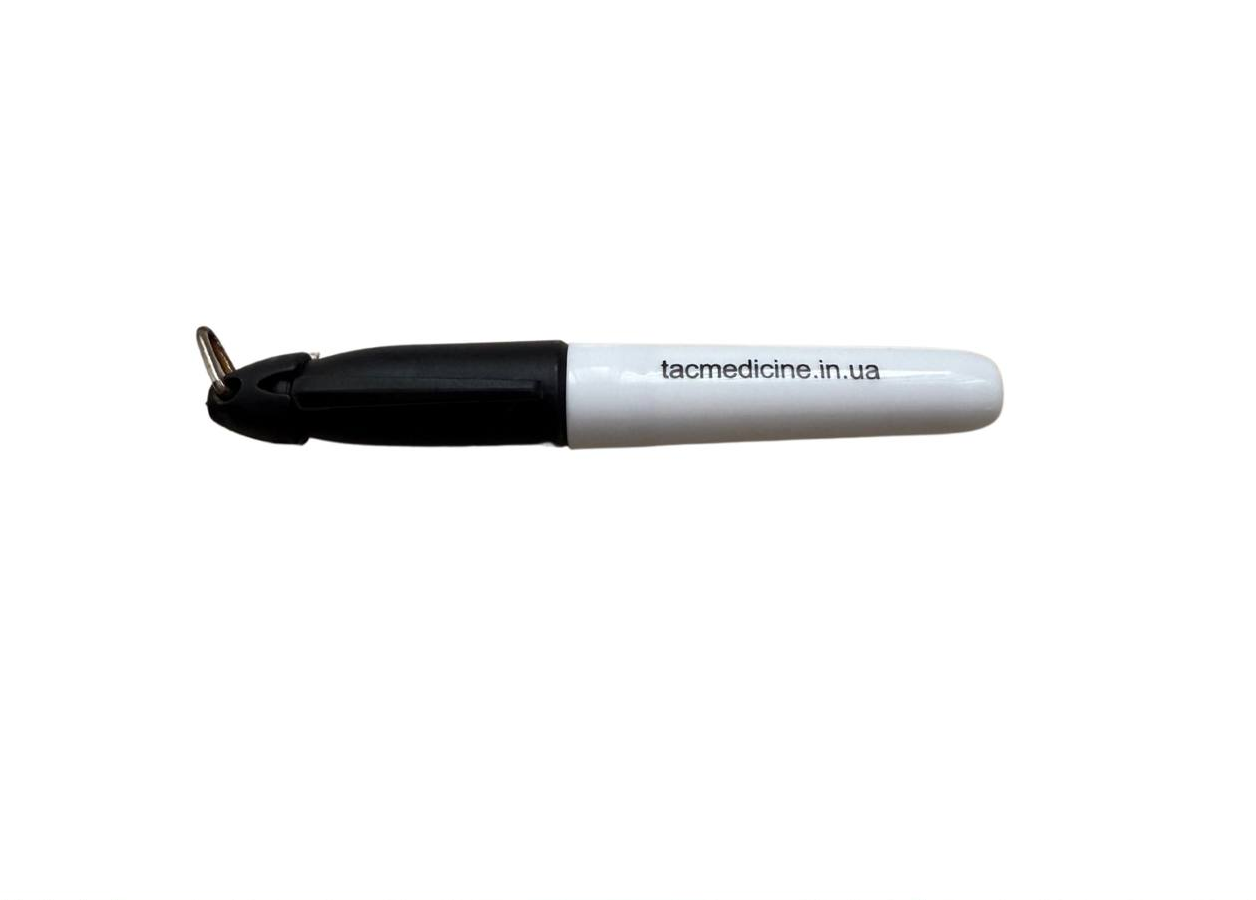
Specialized markers are also used for medical labeling. They are necessary for applying marks, notes, or symbols that record the victim's status. Markers must leave clear and visible marks under various circumstances.
High-quality markers should be smudge-resistant, ensure good visibility regardless of lighting, be easy to apply to various surfaces, and have contrasting colors. You can purchase such markers at tacmed.ua.
We recommend ensuring you have everything necessary for medical marking at hand. It is a reliable tool for providing aid in the most challenging conditions.