Types of Armor Plates: Protection Levels and What You Need to Know Before Buying
Content
- What an Armor Plate Protection Level Means
- Armor Plate Materials and Their Impact on Protection
- Single-Hit vs Multi-Hit Armor Plates
- What to Consider When Choosing Armor Plates
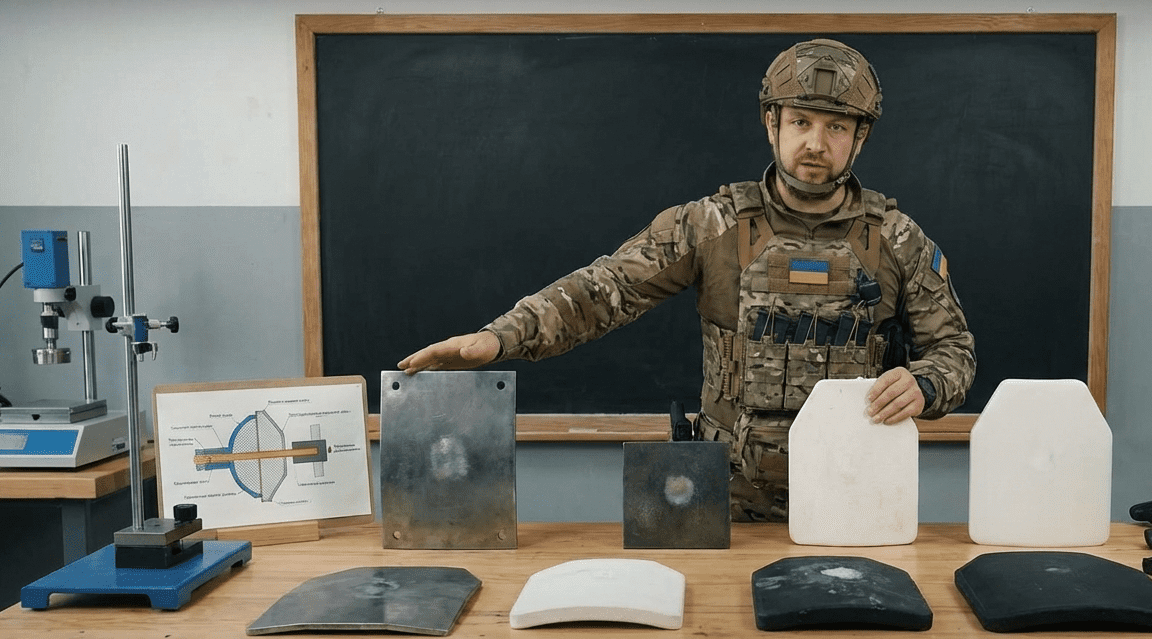
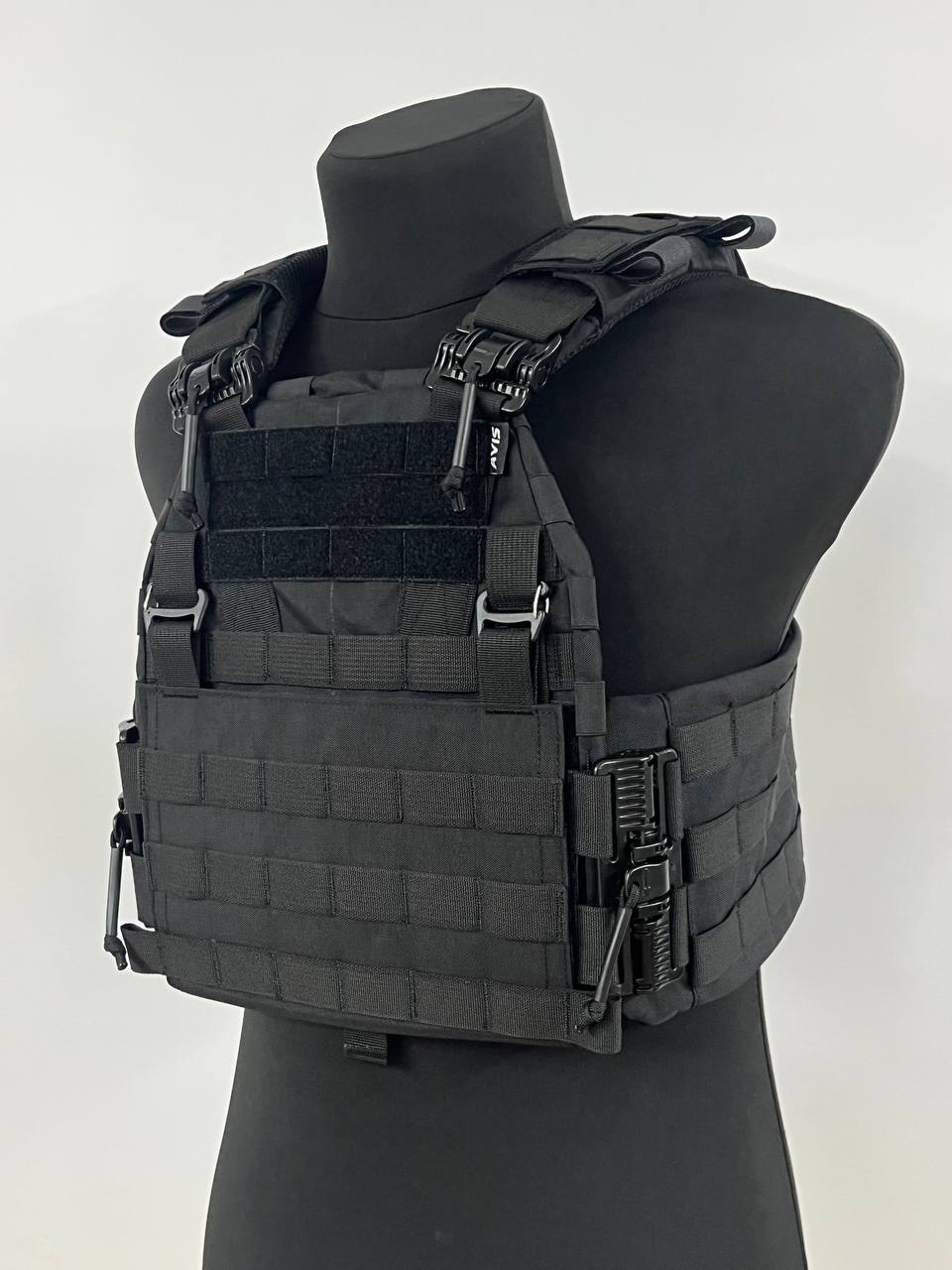
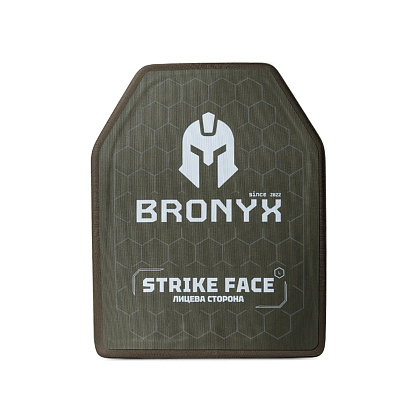
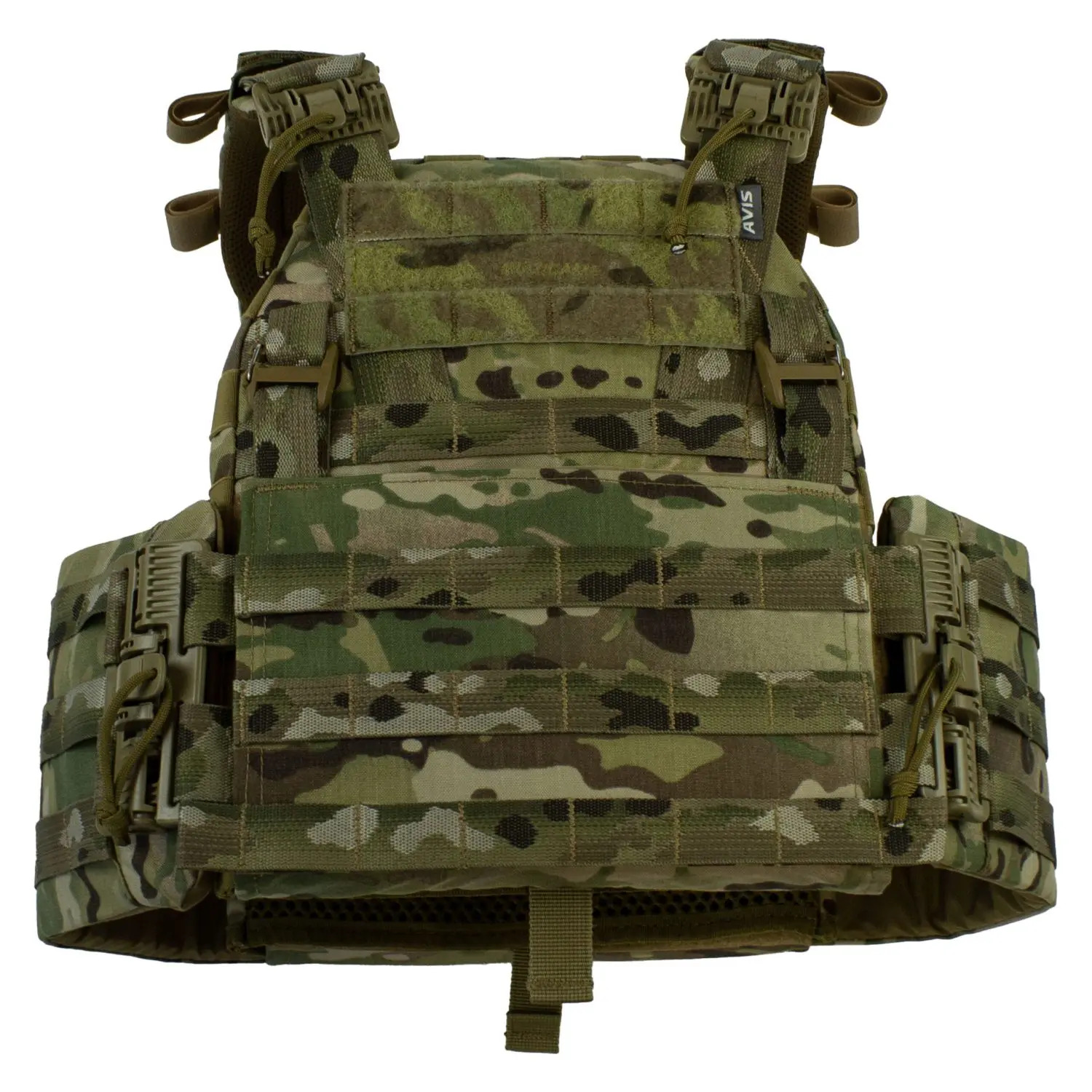
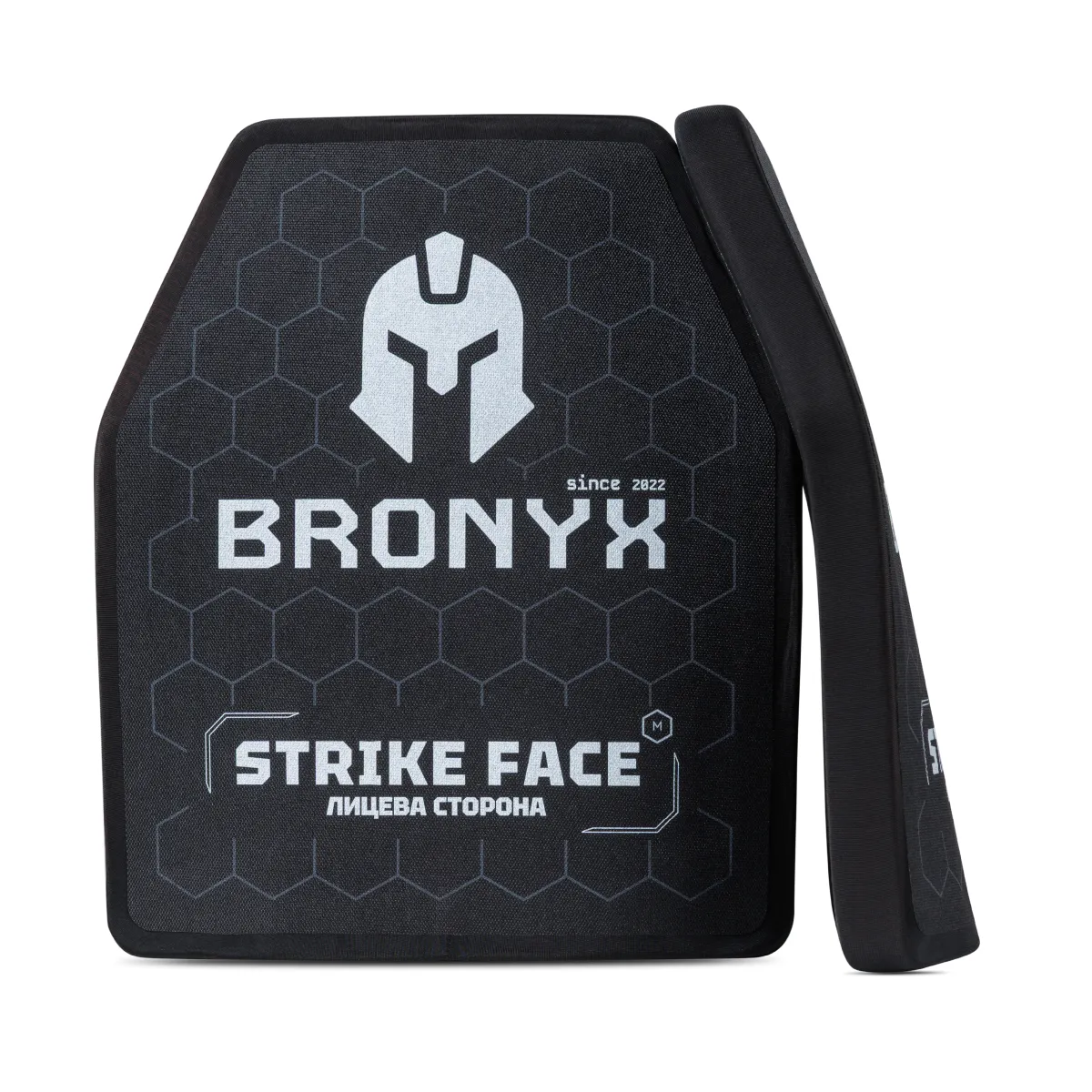
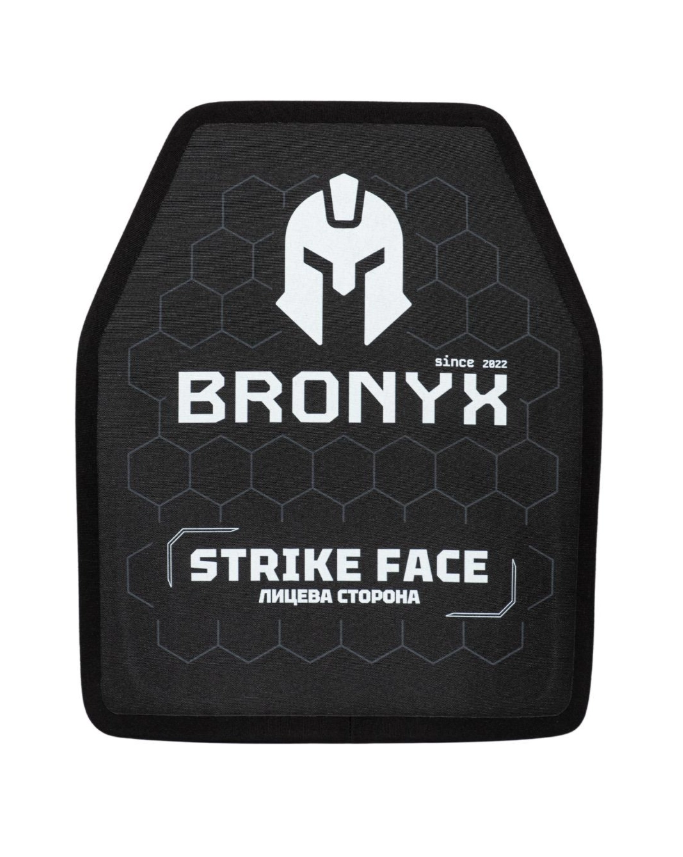
Armor plates are a key element of personal protective equipment. They are specifically designed to protect vital organs from bullets, fragments, and secondary damage. To choose the right level of protection, it is important to understand the different armor plate protection classes, how they differ from each other, and the conditions they are intended for.
What an Armor Plate Protection Level Means
The standard indicator that determines which types of ammunition and what level of impact energy a plate can withstand is its protection level. To assign a specific level, armor plates undergo specialized ballistic testing regulated by international and national standards.
The most widely used standard in the world is NIJ (National Institute of Justice, USA), although Ukrainian and European classification systems are also applied.
Today, the following armor plate protection levels are commonly distinguished:
- NIJ Level IIIA. These plates provide protection against handgun and revolver ammunition. They are made from soft or semi-rigid materials. They are lightweight but are not designed to stop rifle or automatic weapon fire.
- NIJ Level III. This level protects against rifle rounds fired from automatic weapons. It is a full military-grade level of protection that is often used in combat zones. Plates in this class can be made of steel, ceramic, or composite materials.
- NIJ Level IV. This is the highest level of protection, capable of stopping armor-piercing rounds. These plates are primarily manufactured from ceramic combined with composite materials. This construction provides maximum protection, but typically comes with increased weight and higher cost.
Armor Plate Materials and Their Impact on Protection
The level of protection is closely related to the material used in manufacturing. Steel plates are widely available on the market. They are strong and durable, but relatively heavy and may produce secondary fragments upon impact.
Ceramic plates are also common. They are lighter and more effective, offering excellent protection against armor-piercing rounds. However, they have a limited service life after being hit.
Composite materials are used quite frequently as well. By combining several materials, manufacturers achieve a balance between weight, protection, and comfort.
The choice of material directly affects wearing comfort and the overall lifespan of the armor plate.
Single-Hit vs Multi-Hit Armor Plates
One of the key parameters is the ability of an armor plate to withstand multiple impacts. Single-hit plates are designed to stop only one bullet. In contrast, multi-hit plates retain their protective properties after several impacts within the allowed distance.
For combat and high-risk environments, multi-hit armor plates are generally preferred.
What to Consider When Choosing Armor Plates
The protection level that suits you depends on the type of threat and the conditions in which the plate will be used. The acceptable weight of the equipment and the duration of wear also play an important role.
A higher protection level provides greater safety but also increases physical load. Therefore, it is crucial to find the right balance between protection and mobility.
Understanding the different armor plate protection levels allows you to make an informed decision. The class, material, and construction should match real-world usage conditions, not just the highest possible specifications. A properly selected armor plate is a combination of effective protection, comfort, and reliability in the most critical situations.