How to Choose a Plate Carrier: Key Criteria and Practical Tips
Content
- Purpose and Conditions of Use
- Size and Compatibility with Armor Plates
- Materials and Build Quality
- Comfort and Ease of Wear
- Common Mistakes When Choosing a Plate Carrier
- How to Adapt a Plate Carrier to Your Needs
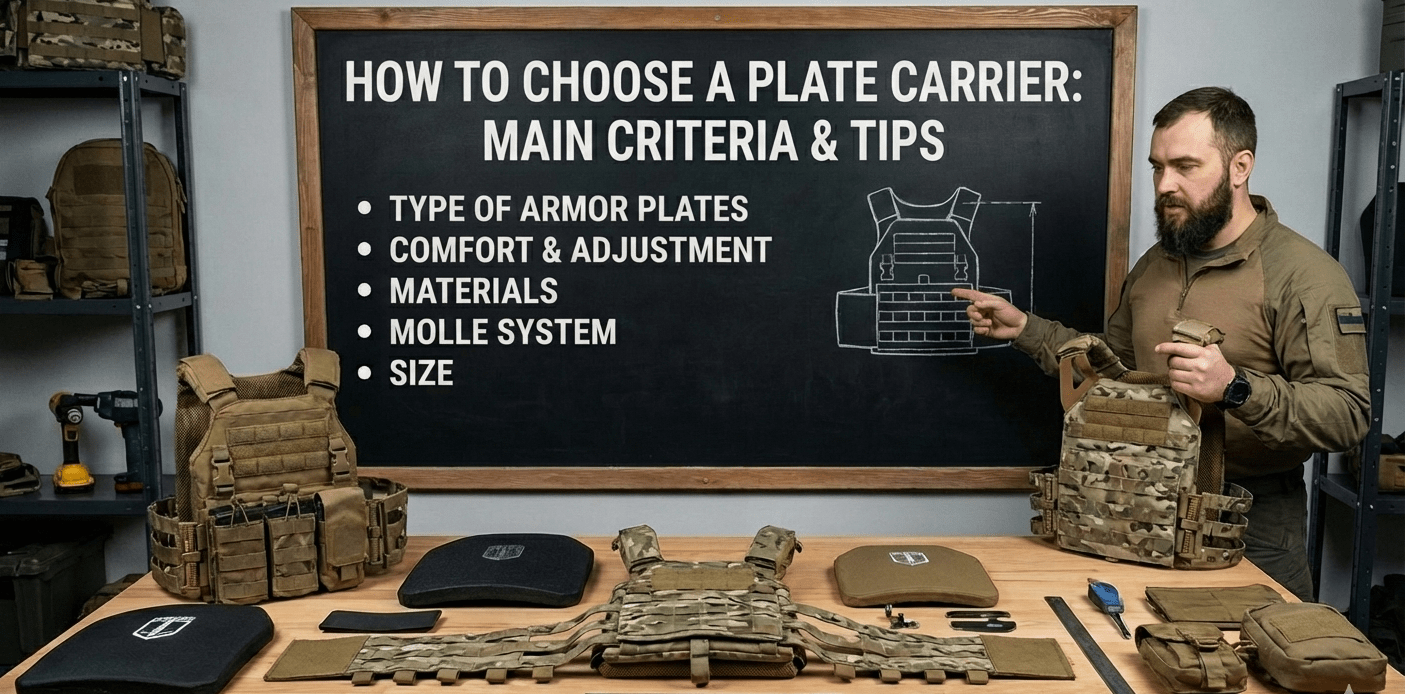
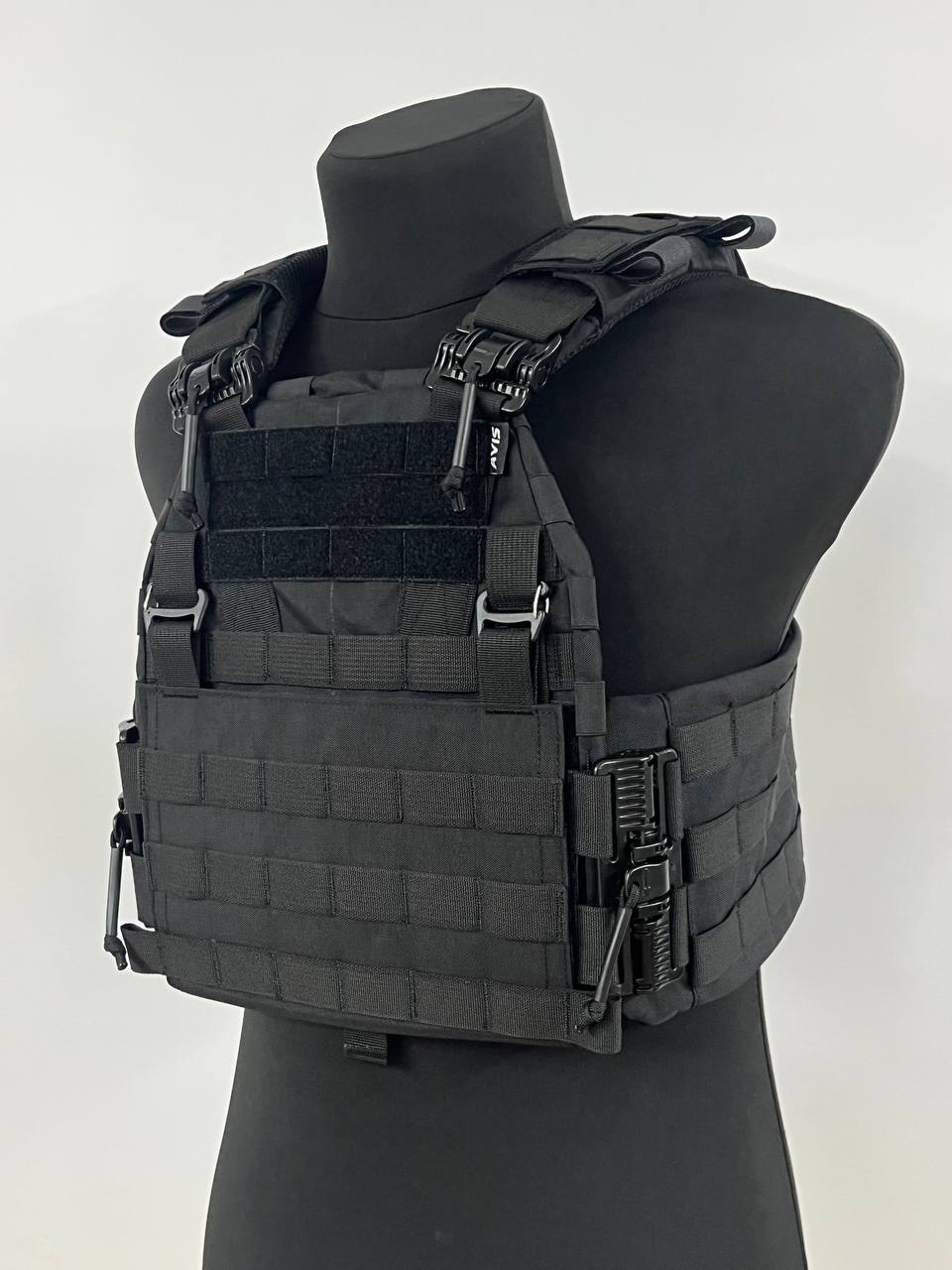
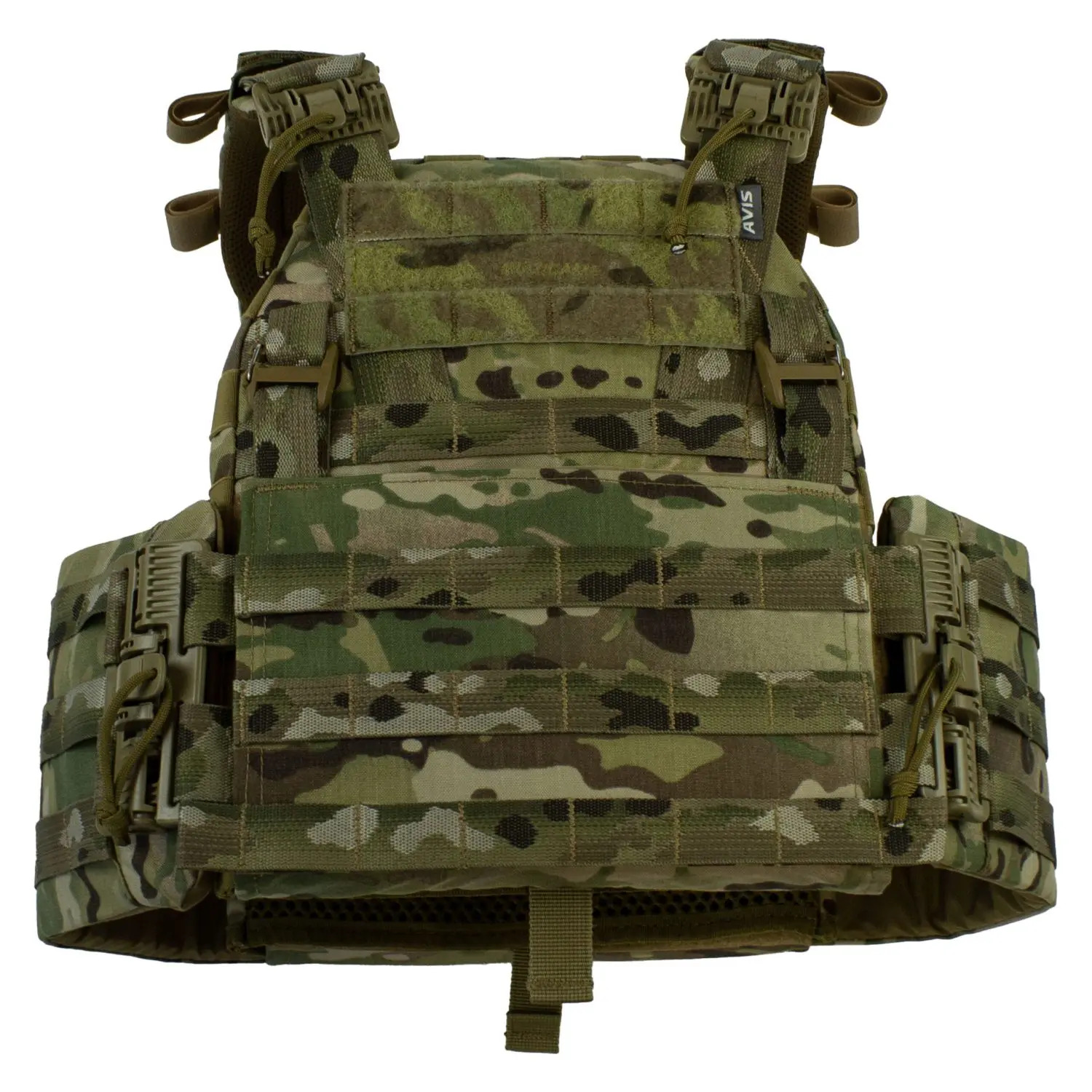
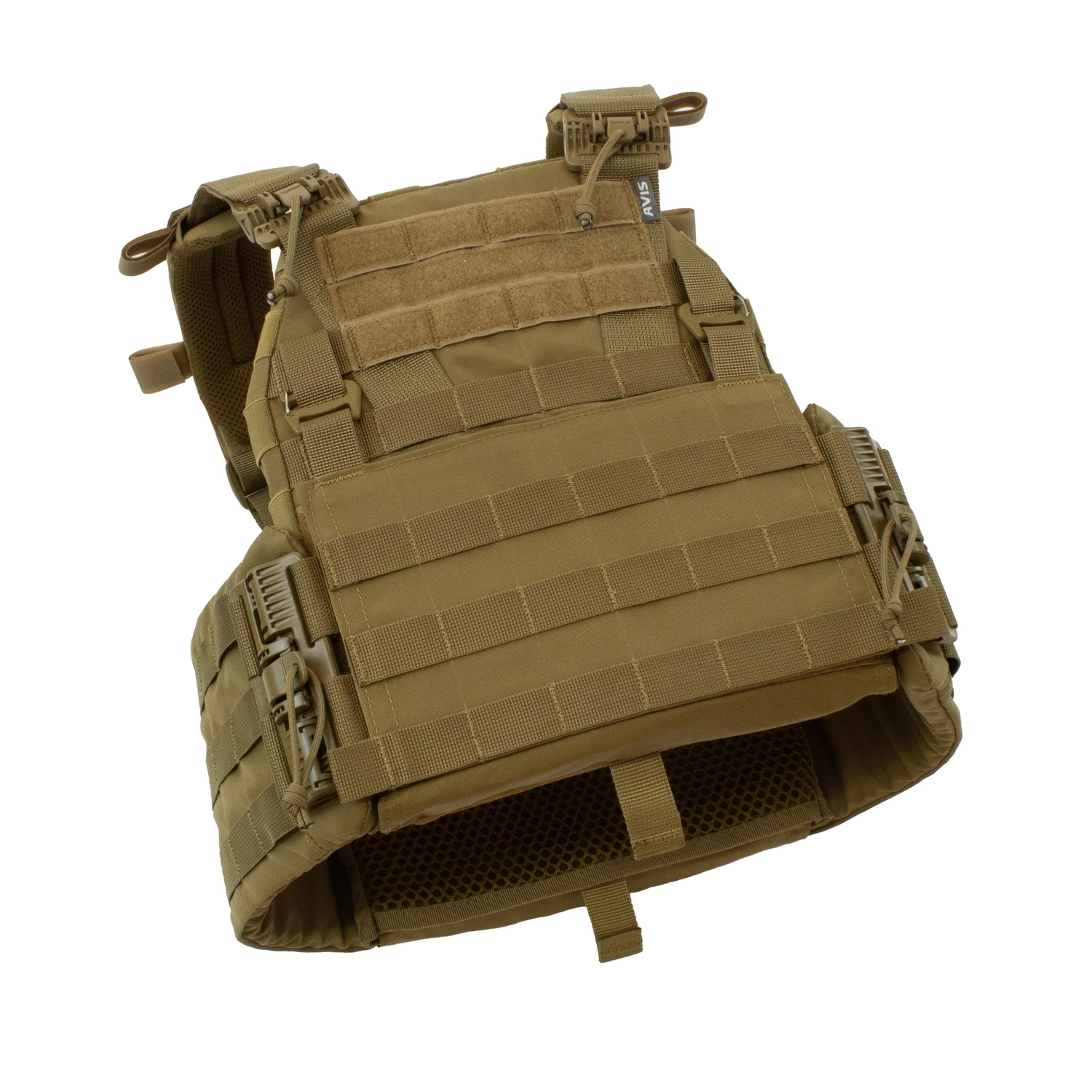
A plate carrier is an element of personal protective equipment designed to carry ballistic plates and additional gear. A properly selected plate carrier directly affects a person’s safety, mobility, and endurance in combat conditions, specialized training, or work in high-risk environments. That is why it is so important to choose a reliable plate carrier from trusted manufacturers who can guarantee compliance with key performance requirements.
Purpose and Conditions of Use
To choose the right plate carrier, you should first determine the specific tasks you plan to use it for. This directly influences the weight, design, and functionality of the equipment. For prolonged wear in field conditions, comfort and ventilation are critical. For assault or highly dynamic tasks, freedom of movement is essential. For duty or guard service, the ability to quickly remove the carrier and adapt it to different scenarios is especially important.
Size and Compatibility with Armor Plates
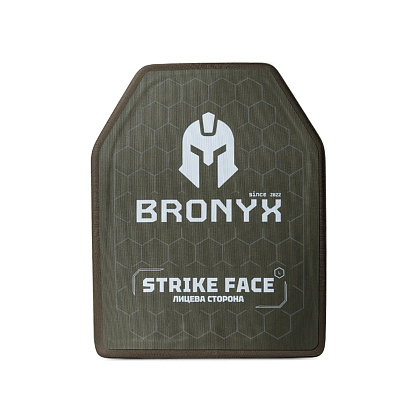
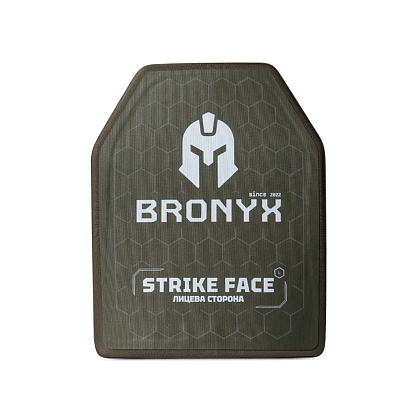
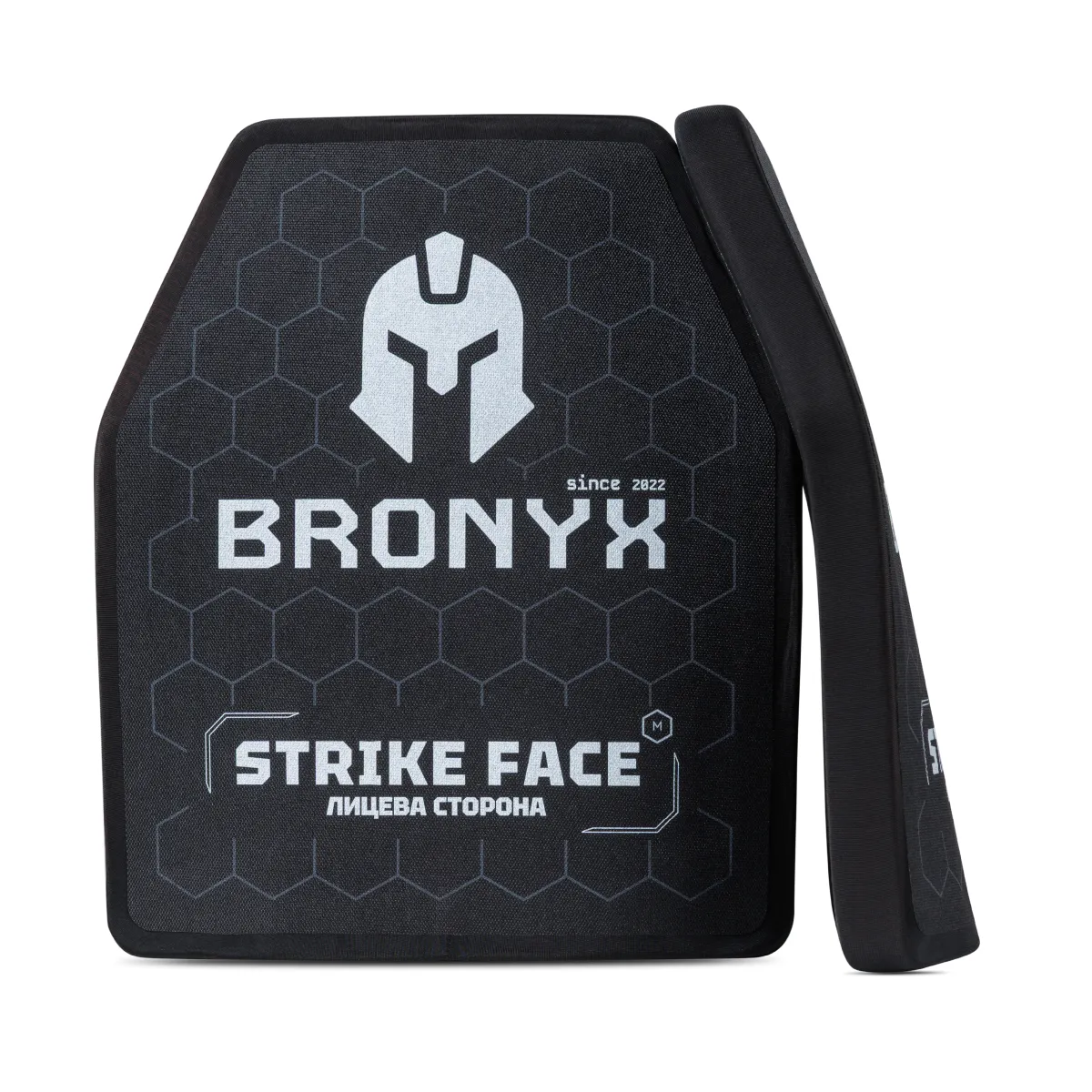
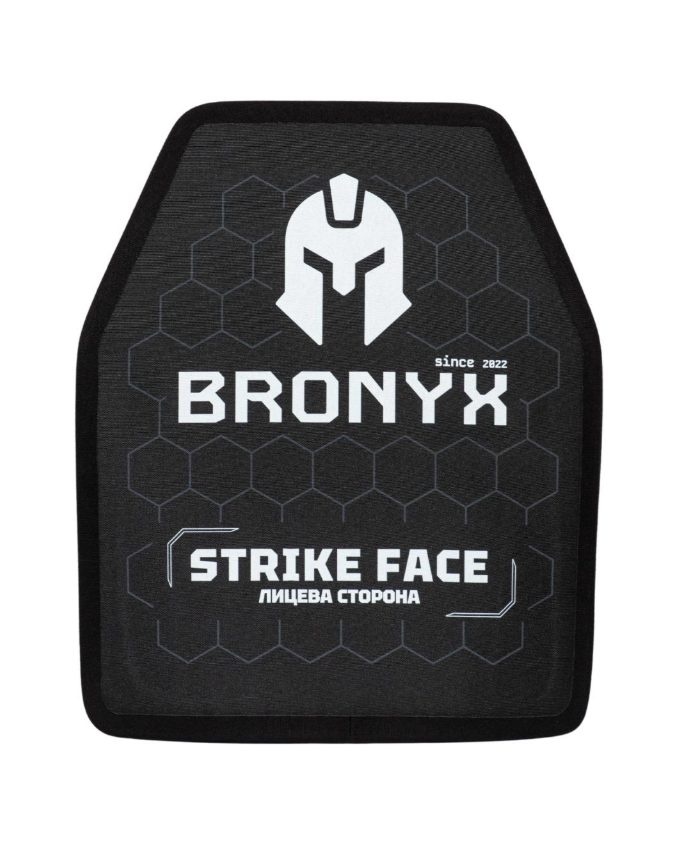
One of the key parameters is compatibility between the plate carrier and the size of the armor plates. The most common standards are SAPI and ESAPI. A plate carrier must securely hold the plate in place, preventing it from shifting during movement, while not creating excessive pressure.
It is also important to select the correct size based on height and body build. A plate carrier that is too large will restrict movement, while one that is too small will not provide adequate protection.
Materials and Build Quality
A high-quality plate carrier is made from durable, wear-resistant materials that are resistant to moisture, dirt, and mechanical damage. Seams should be even and reinforced, while buckles and hardware must be reliable and free of weak points.
Special attention should be paid to the shoulder straps. They should distribute weight evenly and avoid chafing, even during prolonged wear.
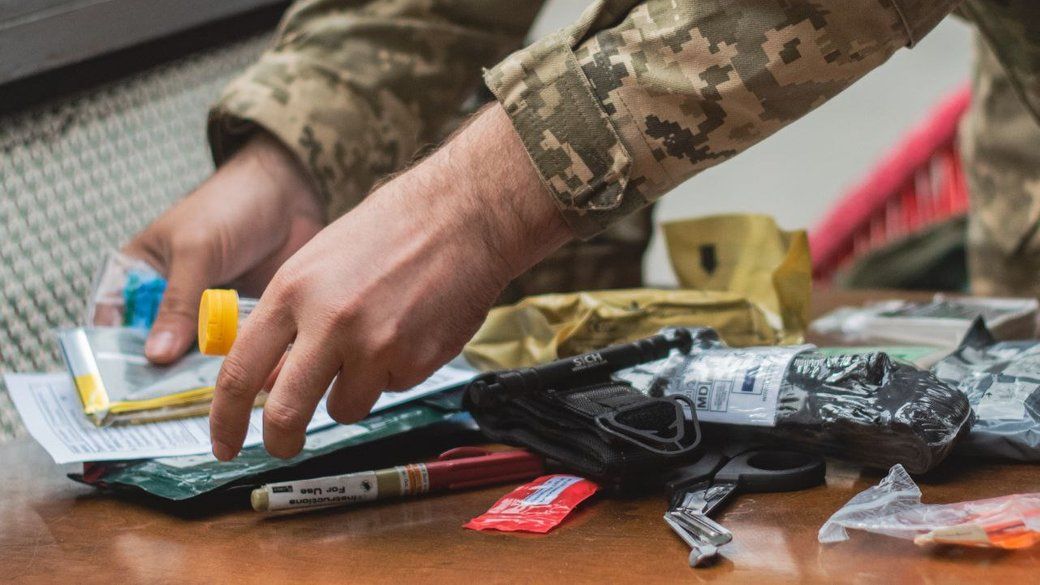
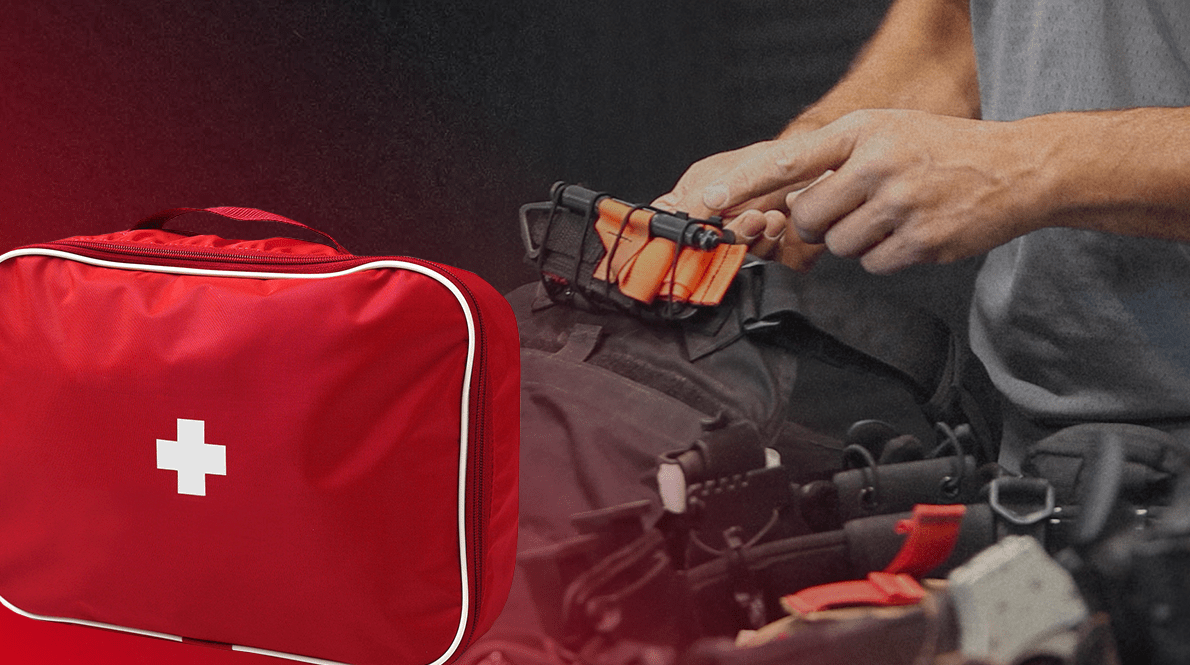
Modern plate carriers usually feature a modular attachment system that allows the placement of pouches, first aid kits, magazine holders, and other equipment. This makes it possible to adapt the configuration to specific needs.
It is important that access to gear is convenient and logical, and that the plate carrier itself is not overloaded with unnecessary elements. That is why the best solution is to try on a plate carrier in advance to determine whether it is comfortable or whether another option should be considered.
Comfort and Ease of Wear
Comfort and ease of wear are decisive characteristics. Even the most reliable plate carrier will not be effective if it is uncomfortable to wear. High-quality models feature padded inserts, ventilation channels, or mesh elements that reduce overheating and increase overall comfort.
It is also advisable to choose models with adjustable height and circumference. This allows the plate carrier to be precisely fitted to the body, which is especially important for extended use.
Another important feature is the presence of a quick-release system. It allows the plate carrier to be removed rapidly in the event of injury, water immersion, or other emergency situations. If such scenarios are possible, this function should be considered in advance.
When choosing a plate carrier, focus on safety, comfort, and practicality. It is important to consider the intended use, compatibility with armor plates, material quality, and wearing comfort. A properly selected plate carrier does not restrict movement, distributes weight evenly, and allows tasks to be performed effectively in any conditions.
Common Mistakes When Choosing a Plate Carrier
The most common mistake when choosing a plate carrier is purchasing equipment without considering the size of the armor plates. Incompatibility with SAPI or ESAPI standards leads to poor plate retention and reduced protection. Another frequent issue is ignoring personal body type and height, resulting in a carrier that either restricts movement or fails to cover vital areas.
It is also not recommended to overload the plate carrier with excessive pouches and equipment. This leads to faster fatigue and reduced mobility.
We strongly recommend paying attention to the quality of materials and hardware, as weak seams or low-quality fasteners can fail at a critical moment. Choosing the right plate carrier is about finding a balance between protection, comfort, and real operational needs.
How to Adapt a Plate Carrier to Your Needs
Once you have purchased a basic plate carrier, it is important to properly adapt it to your individual requirements. Even a high-quality model requires precise adjustment, including shoulder strap length and plate height positioning. The armor plate should be positioned to protect vital organs while not pressing against the neck or restricting movement during bending or running.
Special attention should be paid to the placement of pouches. They should be positioned where they can be easily accessed without changing body position. Overly dense or asymmetrical placement of gear quickly leads to discomfort and fatigue.
If the plate carrier is properly adjusted, it will not feel like a foreign object. Instead, it will become an effective part of your equipment that works to your advantage.