Pelvic Injuries in Field Conditions: Recognition, Stabilization, and Evacuation
Content
- Why are pelvic injuries so dangerous?
- Which injury mechanisms most often cause a pelvic fracture?
- Classification of pelvic fractures
- Why is internal hemorrhage from a pelvic fracture so dangerous?
- How can a pelvic fracture be recognized in the field?
- Initial assessment using the MARCH algorithm
- Massive Hemorrhage
- Airway
- Respiration
- Circulation
- Hypothermia
- Should pelvic mobility be checked?
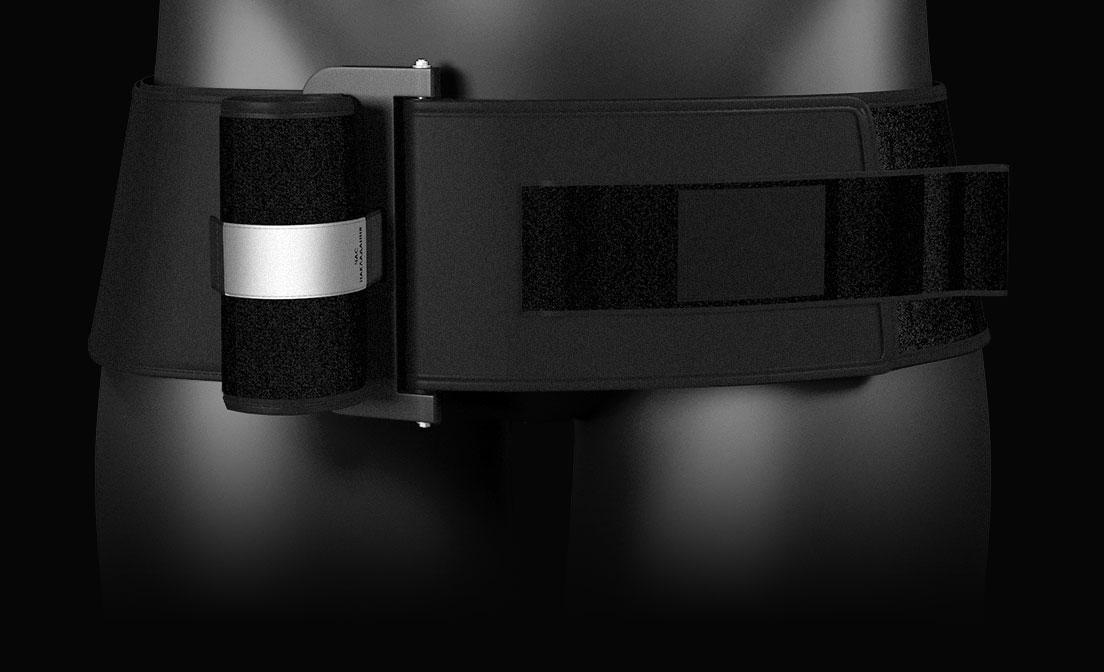
- When should a Pelvic Binder be used?
- How should a Pelvic Binder be applied?
- If a pelvic binder is unavailable
- Evacuating the injured person
- Monitoring during transport
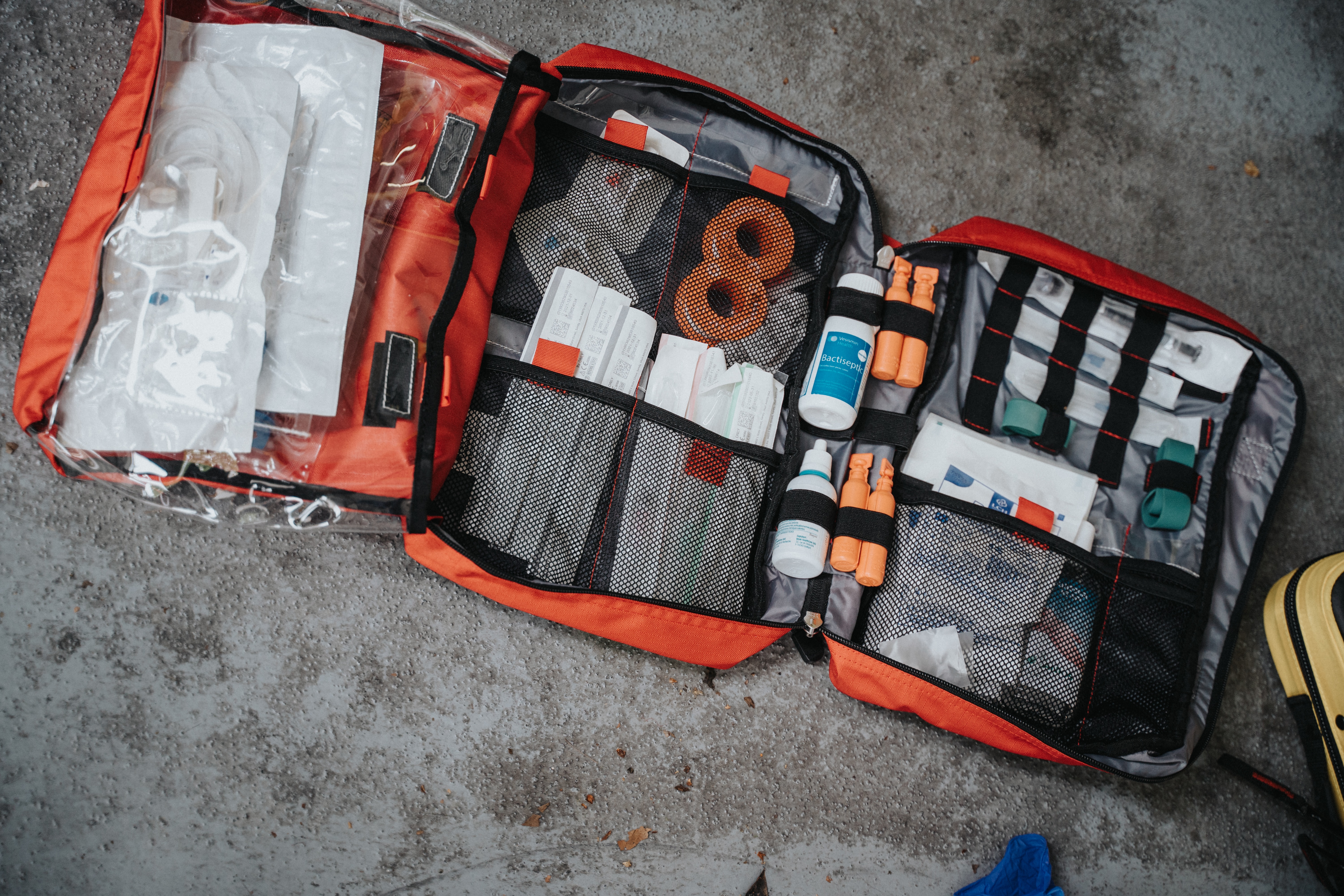
- What should a first-aid kit contain?
- Common mistakes
- Features of blast-related pelvic injuries
- Combined injuries: why should attention not focus on the pelvis alone?
- Myths about pelvic fractures
- Myth 1. If a person can move their legs, they do not have a pelvic fracture
- Myth 2. No external bleeding means the person is stable
- Myth 3. The pelvis must be “checked by hand”
- Myth 4. A Pelvic Binder treats the fracture
- Comparison of stable and unstable pelvic fractures
- When should a pelvic binder be applied?
Pelvic injuries are among the most dangerous injuries that service members, rescuers, and civilians may face during armed conflict, blasts, road traffic collisions, or building collapses. These injuries carry a high risk of massive internal hemorrhage, which can develop without visible external signs. A person may remain conscious, have no open injuries, and still lose a significant volume of blood into the pelvic cavity. Pelvic fractures accompanied by hemodynamic instability are associated with high mortality. In field conditions, diagnosis is further complicated by limited resources, lack of time, and the need to evacuate under the threat of renewed shelling. For this reason, current Tactical Combat Casualty Care (TCCC) guidance treats any suspected unstable pelvic fracture as an indication for early mechanical stabilization and transport with the greatest possible care.
This article explains how to recognize a pelvic injury before hospital care, which injury mechanisms pose the greatest risks, when to apply a pelvic binder, and which mistakes to avoid when providing first aid.
Why are pelvic injuries so dangerous?
The human pelvis is a complex anatomical structure that supports the body, protects internal organs, and enables movement. It consists of two pelvic bones, the sacrum, and the coccyx, which form a closed pelvic ring. Inside are large venous plexuses, branches of the iliac arteries, the bladder, urethra, rectum, reproductive organs, and numerous nerve structures. Because of this anatomy, even a single fracture can cause multiple injuries.
Severe trauma may involve:
- massive venous hemorrhage;
- arterial vessel damage;
- bladder rupture;
- urethral injury;
- intestinal damage;
- nerve plexus damage;
- instability of the pelvic ring.
The most common sources of hemorrhage are the venous plexuses and bleeding cancellous bone, although arterial damage accounts for about one third of cases. Arterial hemorrhage usually requires specialized surgery or endovascular embolization, which is unavailable before hospital care. The rescuer’s main task is therefore to minimize movement of pelvic fragments and evacuate the injured person to a medical facility quickly.
Another concern is the large potential space inside the pelvis. A significant volume of blood can collect there before obvious external signs appear. Blood pressure may fall gradually, and the first signs of hemorrhagic shock may emerge only after blood loss has become life-threatening.
Which injury mechanisms most often cause a pelvic fracture?
A pelvic fracture rarely results from a minor impact. In most cases, it follows high-energy trauma. The injury mechanism can raise suspicion before characteristic symptoms appear.
The most common causes include:
- blast waves;
- blast-related injuries;
- road traffic collisions;
- falls from height;
- building collapses;
- entrapment between heavy objects;
- impact by armored vehicles or cars;
- projectile injuries;
- fragment injuries;
- industrial accidents.
In military medicine, blast-related injuries form a distinct category. A powerful blast wave places an extremely high load on the pelvic ring, especially when the blast occurs directly beneath a service member. These injuries often coincide with lower-limb amputations, severe perineal and abdominal injuries, and massive blood loss. CoTCCC guidance recommends treating any severe blast injury as a potential indication for pelvic stabilization, even when it is impossible to confirm a fracture in the field.
In civilian settings, pelvic fractures are most often associated with road traffic collisions or falls from great heights. The principles of first aid remain the same: minimize unnecessary movement, stabilize early, and transport the injured person quickly to a trauma center.
Classification of pelvic fractures
Pelvic fractures vary in severity. Some involve minimal displacement of bone fragments and rarely cause massive hemorrhage. Others compromise the stability of the entire pelvic ring and pose an immediate threat to life.
In clinical practice, the main categories are:
- stable fractures;
- unstable fractures;
- open fractures;
- closed fractures;
- Open Book fractures;
- vertically unstable fractures.
Stable injuries usually involve little displacement of bone fragments, so the risk of massive hemorrhage is lower. Unstable fractures occur when the pelvic ring breaks in several places or loses its mechanical integrity. This category most often requires a pelvic binder and the fastest possible evacuation.
Doctors pay particular attention to Open Book fractures. In this type of injury, the front of the pelvic ring “opens,” increasing the internal volume of the pelvis. This creates conditions for massive hemorrhage. One of the pelvic binder’s main purposes is to reduce this volume and bring the fragments closer together, which may help limit blood loss.
Why is internal hemorrhage from a pelvic fracture so dangerous?
With most external bleeding, a rescuer can quickly identify the source, assess its severity, and use an appropriate control method: a tourniquet, compression, or a hemostatic agent.
Internal hemorrhage develops differently. Blood collects within the tissues of the pelvis and is almost impossible to see during an initial examination. The injured person may have no significant external injuries yet already be experiencing progressive hemorrhagic shock. This makes pelvic fractures one of the most challenging injuries to manage before hospital care.
Signs of concealed blood loss may include:
- pale skin;
- cold, clammy sweat;
- rapid pulse;
- falling blood pressure;
- thirst;
- weakness;
- drowsiness;
- confusion;
- delayed capillary refill.
None of these symptoms alone confirms a pelvic fracture. However, if they occur together after high-energy trauma, the rescuer should immediately suspect internal hemorrhage. Joint Trauma System guidance states that hemodynamic instability combined with a suspected pelvic fracture is sufficient reason for early stabilization with a pelvic binder, even without X-ray confirmation.
How can a pelvic fracture be recognized in the field?
Assessing pelvic injuries before hospital care differs considerably from examining a patient in a hospital. A rescuer or field medic cannot perform X-rays or computed tomography, so decisions must be based on the injury mechanism, clinical presentation, and the injured person’s overall condition.
Current TCCC guidance emphasizes that a fracture should not be confirmed at any cost after high-energy trauma. If an unstable pelvic injury is reasonably suspected, aid should begin immediately. Delays caused by attempts to perform a detailed examination may cost the injured person their life.
Pay particular attention to the following signs:
- severe pain in the pelvic area;
- inability to stand without assistance;
- pain with any leg movement;
- a forced body position;
- pelvic deformity;
- a shortened limb or an unnatural limb position;
- blood in the perineal area;
- blood at the external opening of the urethra;
- signs of hemorrhagic shock.
None of these symptoms alone confirms a pelvic fracture. For example, severe pain may result from a femur fracture, while hemorrhagic shock may be caused by abdominal organ injuries. Assessment must therefore consider the full clinical picture. If the injury mechanism indicates high-energy trauma and the clinical presentation suggests an unstable pelvic fracture, manage the injured person as though the fracture has been confirmed.
Initial assessment using the MARCH algorithm
The MARCH algorithm remains unchanged when a pelvic injury is suspected. Starting the examination with the pelvis or attempting to apply a pelvic binder before addressing critical threats to life would be a mistake. Aid should always follow the established sequence.
Massive Hemorrhage
The first step is to look for and control massive hemorrhage. You should:
- examine the limbs;
- check junctional areas;
- identify critical external bleeding;
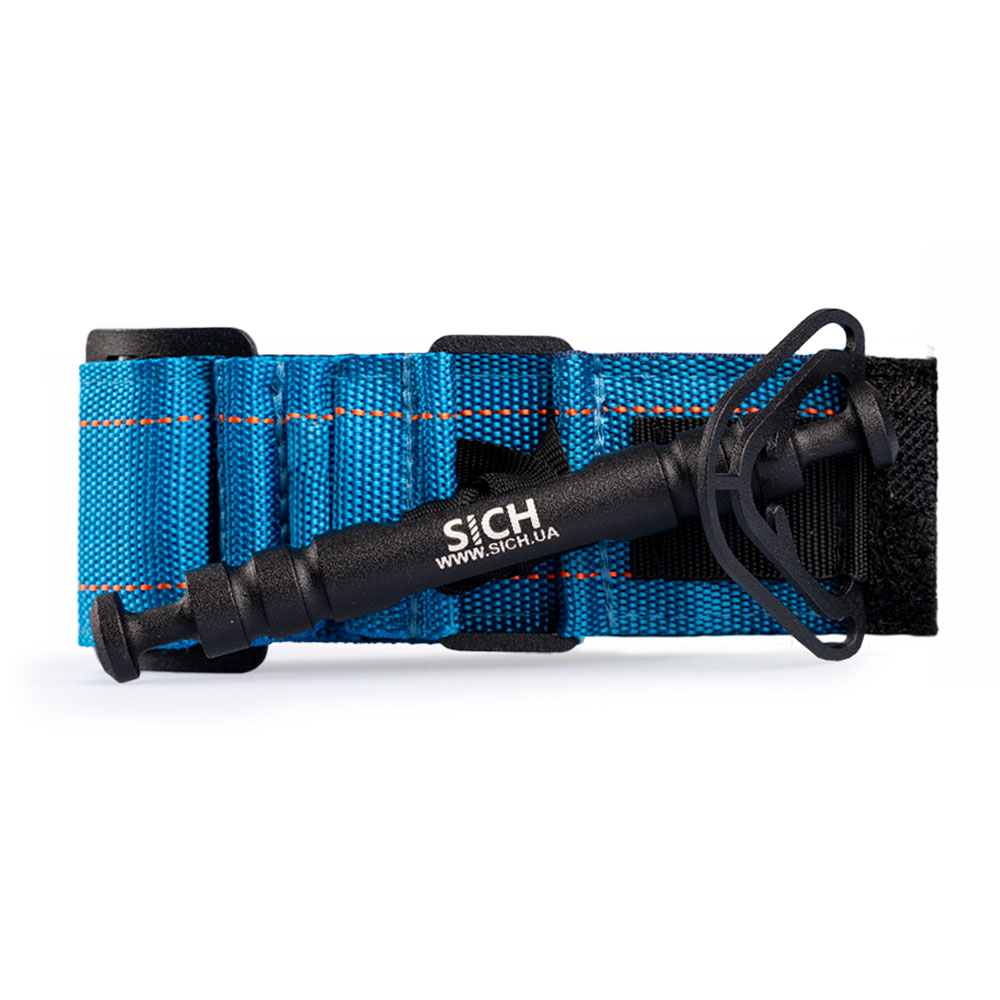
- apply a tourniquet or use hemostatic agents when indicated.
If a pelvic fracture and massive bleeding from a limb are both present, control the external bleeding first. Delaying this to stabilize the pelvis may lead to fatal blood loss.
Airway
After controlling bleeding, assess the airway. Pay particular attention to people injured in blasts, building collapses, and road traffic collisions, where pelvic injuries often coincide with traumatic brain injury, facial bone damage, or cervical spine injury. If the airway is compromised, restoring it becomes the next priority.
Respiration
Next, assess breathing. Rule out:
- open pneumothorax;
- tension pneumothorax;
- massive hemothorax;
- chest injury.
Pelvic fractures often coincide with chest injuries in high-energy trauma. Do not focus on the pelvis alone and overlook another critical injury.
Circulation
At this stage of the algorithm, assess for possible internal hemorrhage. Grounds for suspecting a pelvic fracture include:
- a compatible injury mechanism;
- hemodynamic instability;
- pain in the pelvic area;
- no other obvious source of blood loss.
This is when the question of using a pelvic binder arises.
Hypothermia
Even in warm weather, an injured person with massive blood loss loses body heat quickly. You should:
- insulate the person from cold surfaces;
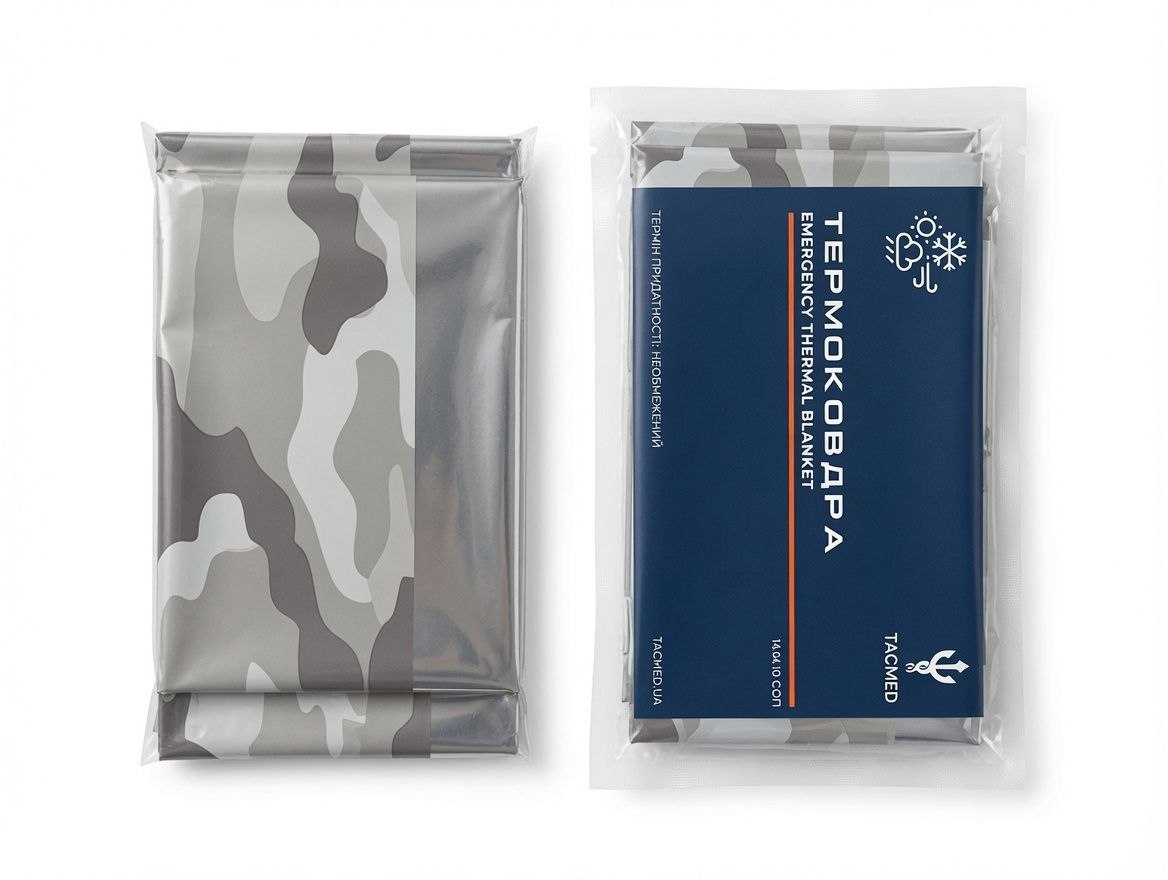
- use a thermal blanket;
- protect them from wind;
- change wet clothing when possible.
Hypothermia is part of the so-called “lethal triad of trauma,” together with coagulopathy and acidosis. It significantly worsens the prognosis for patients with severe pelvic fractures. The TacMed catalog features thermal blankets included in modern field medical kits and used to prevent hypothermia before hospital care.
Should pelvic mobility be checked?
This is one of the most common mistakes in first aid. Many training courses used to recommend squeezing the pelvis by hand to assess instability. Current guidance has moved away from this approach.
Do not:
- squeeze the pelvis repeatedly;
- spread the iliac wings;
- test whether the fragments move;
- ask the injured person to walk;
- lift them to assess pain.
The reason is simple. If a fracture is present, additional mechanical manipulation may displace fragments, worsen hemorrhage, and increase soft-tissue damage. The diagnostic value of this examination is also low, because the absence of movement does not rule out an unstable fracture. Current protocols recommend relying primarily on the injury mechanism and clinical presentation, rather than trying to “test” the pelvis with your hands.
When should a Pelvic Binder be used?
A Pelvic Binder is one of the most important tools for providing aid before hospital care in cases of unstable pelvic fracture. The main indications are:
- high-energy trauma;
- suspected unstable pelvic fracture;
- hemodynamic instability;
- pelvic pain after a blast or road traffic collision;
- pelvic ring deformity;
- inability to bear weight on the legs.
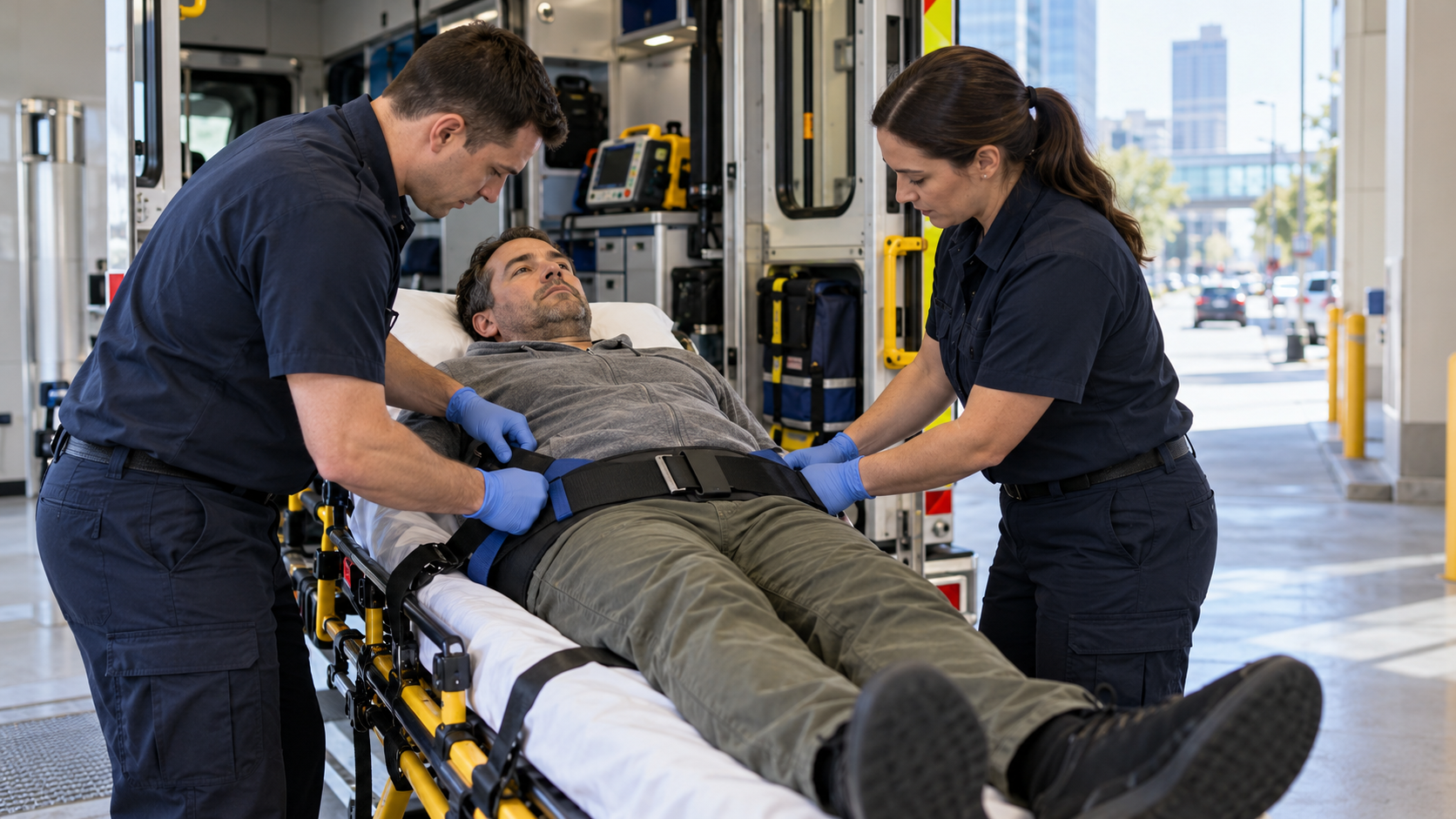
There is no need to wait for X-ray confirmation. This is not possible in the field, so the decision is made clinically. If the risk of fracture is high, early application of a pelvic binder offers greater potential benefit than waiting for a precise diagnosis. A correctly applied device reduces movement of the fragments, decreases the volume of the pelvic cavity, and may help limit venous hemorrhage. It does not replace definitive treatment, but it creates better conditions for safe evacuation to a surgical hospital.
How should a Pelvic Binder be applied?
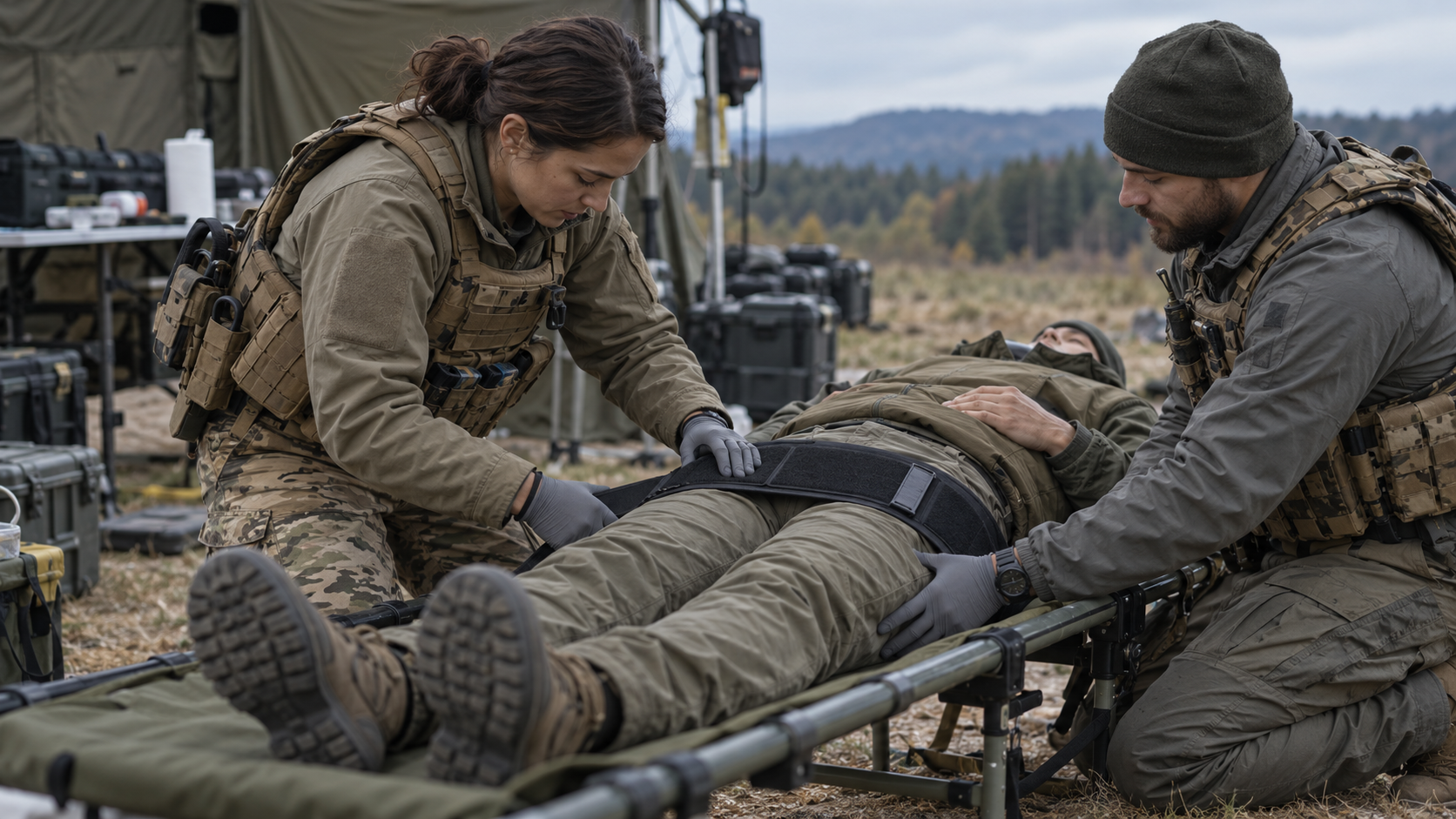
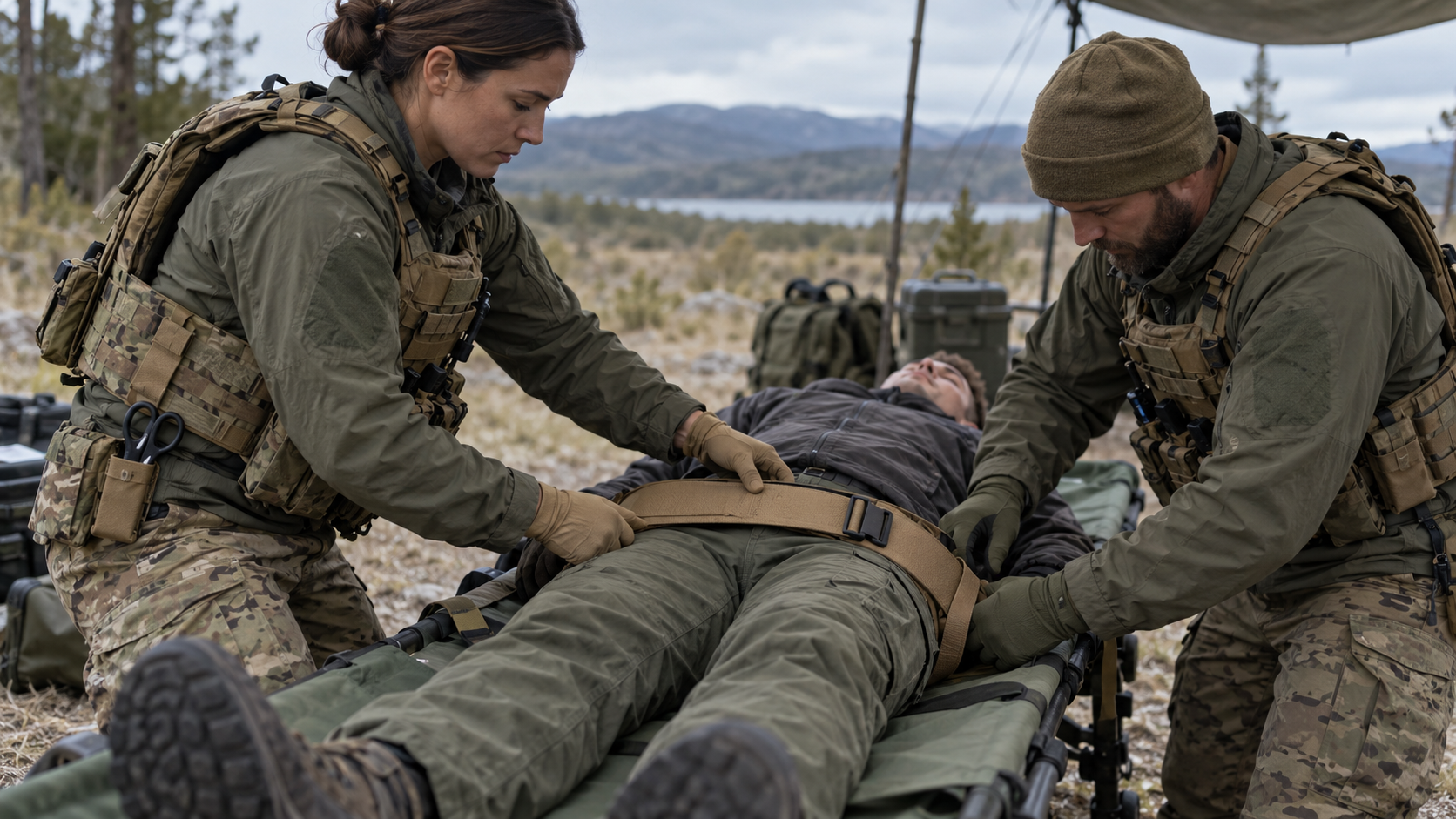
A pelvic binder is one of the most effective tools for stabilization before hospital care when an unstable pelvic fracture is suspected. Its main purpose is to reduce the volume of the pelvic ring, restrict movement at the fracture site, and partially control internal hemorrhage.
In practice, the effectiveness of a pelvic binder depends almost entirely on correct placement. Research shows that incorrect positioning is the most common mistake. If the device is placed at the level of the iliac bones or waist, compression will not provide the necessary stabilization of the pelvic ring. Current Joint Trauma System and CoTCCC guidance therefore emphasizes that the binder must pass over the greater trochanters of the femurs. This provides the optimal mechanical effect and helps reduce separation of fragments in Open Book fractures.
The application procedure includes:
- Explain what you are doing if the injured person is conscious.
- Minimize all movement of the pelvis.
- Carefully slide the binder beneath the pelvis without twisting the torso.
- Position it precisely over the greater trochanters.
- Tighten the system according to the manufacturer’s instructions.
- Secure the fasteners.
- Reassess the injured person’s condition.
After applying the binder, check that circulation in the lower limbs has not worsened. Assess skin temperature and color, sensation, and the presence of a peripheral pulse. If time and conditions allow, also monitor blood pressure, heart rate, and other signs of hemodynamic status. Do not remove or loosen the binder just to reassess the pelvis. If it is correctly positioned and causes no obvious complications, leave it in place until the patient is handed over to medical staff.
If a pelvic binder is unavailable
A specialized pelvic binder may be unavailable in the field. This is particularly likely in the first minutes after an injury or when a small unit is operating.
If necessary, improvised materials may be used:
- a wide bedsheet;
- dense fabric;
- a wide belt of suitable length;
- specialized evacuation straps.
Improvised stabilization should use only wide material that distributes pressure evenly. Thin ropes, cables, or narrow belts must not be used because they do not provide stabilization and may damage soft tissues. Even well-executed improvised fixation is less effective than a certified pelvic binder in terms of speed, application, and compression stability. If a factory-made pelvic binder becomes available during evacuation, replace the improvised device as carefully as possible while minimizing pelvic movement.
Evacuating the injured person
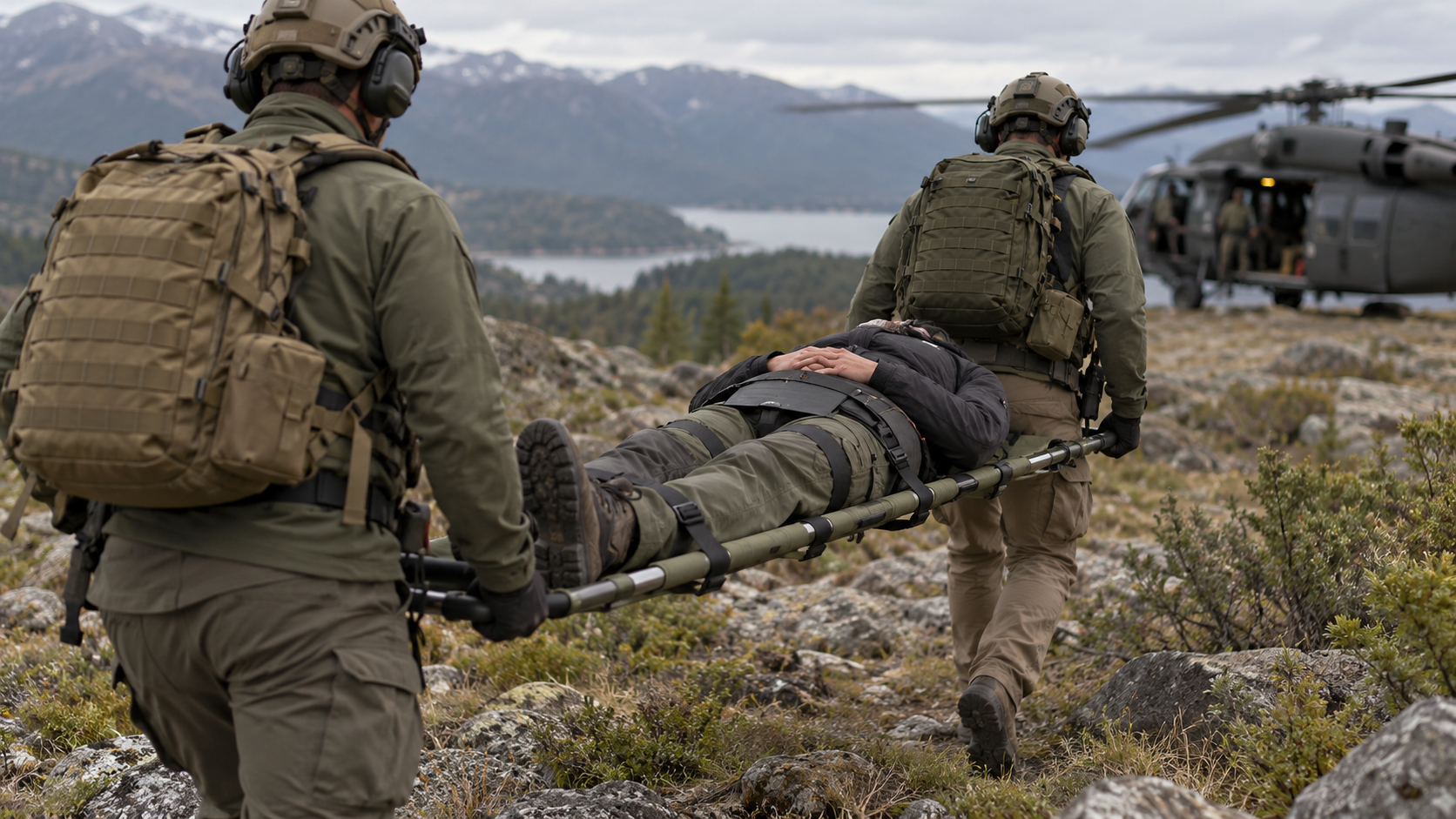
After pelvic stabilization, any further movement must be carried out with great care. The main rule is to avoid unnecessary movement of the pelvic ring. Even slight displacement of fragments may restart hemorrhage or worsen an existing injury.
During evacuation, it is recommended to:
- use a rigid or vacuum stretcher if available;
- have a team of several people carry the injured person;
- maintain body alignment during transfers;
- minimize the number of transfers;
- monitor vital signs continuously;
- prevent hypothermia.
Pay particular attention to transfer technique. All team members should move in sync, following the instructions of one coordinator. Pulling the injured person by the arms or legs, turning the torso abruptly, or lifting them by the shoulders may cause pelvic fragments to shift again. If evacuation takes a long time, reassess the injured person regularly using the MARCH and PAWS algorithms.
Monitoring during transport
Care does not end once evacuation begins. A severe pelvic fracture may cause hemodynamic status to deteriorate gradually, even after correct stabilization.
During transport, regularly monitor:
- level of consciousness;
- respiratory rate;
- pulse;
- blood pressure, if possible;
- skin color and temperature;
- effectiveness of the pelvic binder;
- signs of recurrent hemorrhage;
- pain level.
Any deterioration requires immediate reassessment. If tachycardia worsens, blood pressure falls, or other signs of hemorrhagic shock appear, reassess all possible sources of blood loss and return to the MARCH algorithm. This is one of the basic principles of TCCC: care continues until the injured person is handed over to the next level of medical care.
What should a first-aid kit contain?
A first-aid kit should cover not only massive external bleeding, but also high-energy injuries involving internal blood loss.
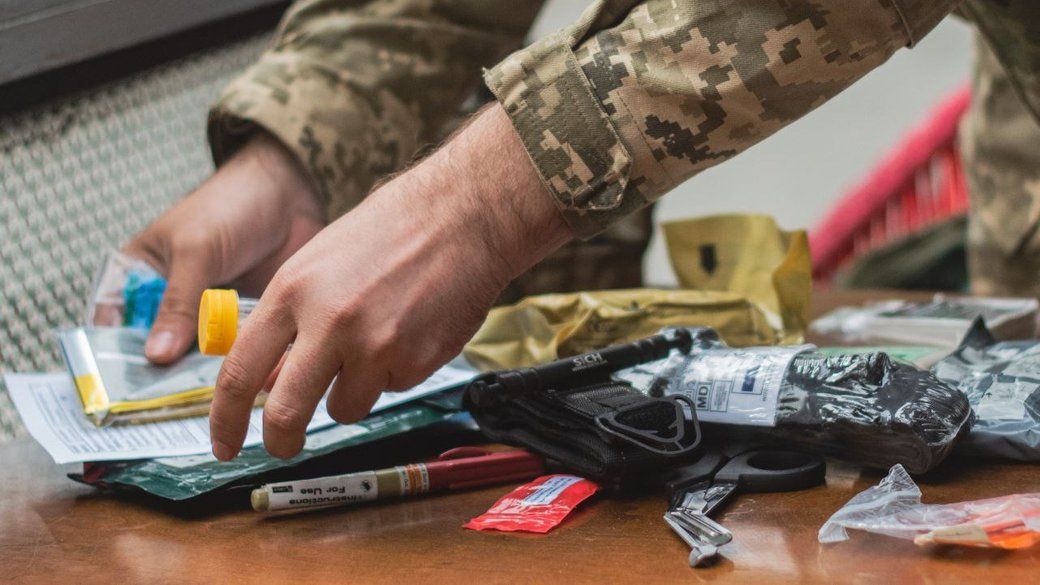
Consider including:
- a certified tourniquet;
- hemostatic gauze or a bandage;
- a compression bandage;
- occlusive dressings;
- a thermal blanket;
- nitrile gloves;
- medical shears;
- a marker;
- a TCCC medical card;
- a SAM Splint for associated fractures.
If a unit operates where the risk of blast injuries or road traffic collisions is elevated, it is advisable to add a certified pelvic binder. The TacMed catalog features tourniquets, hemostatic agents, compression bandages, thermal blankets, medical pouches, and other components for equipping a first-aid kit in line with current TCCC guidance. If pelvic binders are available in the catalog, they are suitable for kits intended for evacuation teams and field medics.
Common mistakes
The most common mistakes in pelvic injuries include:
- repeatedly checking pelvic mobility by hand;
- trying to get the injured person onto their feet;
- positioning the Pelvic Binder incorrectly;
- placing the binder at waist level;
- turning the torso abruptly during evacuation;
- underestimating internal hemorrhage;
- failing to prevent hypothermia;
- inadequate monitoring during transport.
Most of these mistakes happen because people want to assess the severity of an injury quickly or rush the evacuation. In practice, careful handling and following the established algorithms help prevent secondary injury. Repeatedly squeezing the pelvis for diagnostic purposes is especially dangerous. Current protocols have moved away from this practice because it does not improve diagnostic accuracy and may worsen hemorrhage. It is also important to remember that a pelvic binder does not treat the fracture. Its purpose is temporary stabilization until specialized medical care is available.
Features of blast-related pelvic injuries
Field conditions differ considerably from civilian trauma care, both in the injury mechanism and in the combination of several severe injuries in one person. In a road traffic collision, a pelvic fracture may be the main problem. After a blast or artillery strike, it often coincides with amputations, massive bleeding, abdominal and chest injuries, and traumatic brain injuries.
A blast wave places a powerful axial load on the lower limbs and pelvic ring. Fragments, secondary projectiles, and falls after the blast can cause further injuries. As a result, the absence of open injuries in the pelvic area does not rule out an unstable fracture.
Assess the pelvis particularly carefully after:
- an antipersonnel explosive-device incident;
- a blast involving an improvised explosive device;
- an armored vehicle striking an explosive device;
- an ammunition explosion;
- building collapse following an artillery strike;
- combined lower-limb injuries.
In these situations, the risk of an unstable pelvic fracture is high enough that current TCCC guidance recommends a low threshold for applying a pelvic binder. If the injured person experienced high-energy trauma, shows signs of hemorrhagic shock, and has no other obvious source of blood loss, early pelvic stabilization is justified. It must never delay control of critical external bleeding or management of an airway problem.
Combined injuries: why should attention not focus on the pelvis alone?
One of the most dangerous mistakes is so-called “tunnel vision.” Seeing pronounced pelvic pain or deformity of the lower limbs, a rescuer may focus solely on that injury and miss other critical damage.
A pelvic fracture often coincides with:
- massive bleeding from the limbs;
- junctional bleeding;
- open or tension pneumothorax;
- abdominal injuries;
- traumatic brain injury;
- cervical spine injury;
- long-bone fractures.
The MARCH algorithm therefore remains unchanged regardless of the injury. If the injured person has both a pelvic fracture and massive bleeding from a limb, bleeding control always takes priority. If tension pneumothorax is present, treat it before beginning pelvic stabilization. This sequence addresses the most life-threatening conditions before they become irreversible.
Myths about pelvic fractures
Many outdated beliefs about pelvic injuries can lead to poor decisions before hospital care.
Myth 1. If a person can move their legs, they do not have a pelvic fracture
Movement of the lower limbs does not rule out an unstable fracture. Some injured people can move independently for a time even with severe damage to the pelvic ring.
Myth 2. No external bleeding means the person is stable
Pelvic fractures often involve internal hemorrhage. It cannot be seen without diagnostic equipment, so assessment relies on the injury mechanism, clinical signs, and hemodynamic status.
Myth 3. The pelvis must be “checked by hand”
Current guidance no longer supports repeatedly testing pelvic mobility. This maneuver has little diagnostic value and may increase displacement of the fragments.
Myth 4. A Pelvic Binder treats the fracture
A pelvic binder does not replace surgery. Its purpose is temporary stabilization, reduced movement of the pelvic ring, and possible limitation of hemorrhage until hospital admission.
Comparison of stable and unstable pelvic fractures
Distinguishing between stable and unstable fractures has significant practical value and deserves specific attention.
|
Feature |
Stable fracture |
Unstable fracture |
|
Integrity of the pelvic ring |
Mostly preserved |
Compromised |
|
Risk of massive hemorrhage |
Low |
High |
|
Risk of hemorrhagic shock |
Lower |
Significant |
|
Need for a Pelvic Binder |
Depends on the clinical picture |
Usually indicated if suspected |
|
Urgency of evacuation |
High |
As urgent as possible |
Unstable injuries are more often associated with hemodynamic problems and require early mechanical stabilization. However, the fracture type cannot be determined conclusively before hospital care without diagnostic equipment. The decision to apply a pelvic binder is therefore based on the combined clinical findings and injury mechanism, rather than X-ray results.
When should a pelvic binder be applied?
The main principle is to use a Pelvic Binder when the expected benefit exceeds the potential risks. If the injury mechanism is consistent with an unstable fracture and the person’s condition suggests possible internal hemorrhage, early stabilization is justified even before the diagnosis is confirmed in hospital.
|
Situation |
Recommendation |
|
High-energy pelvic trauma |
Yes |
|
Hemodynamic instability and suspected fracture |
Yes |
|
Suspected Open Book fracture |
Yes |
|
Severe pelvic pain after a blast or road traffic collision |
Consider applying |
|
Isolated stable fracture without signs of instability |
Based on clinical assessment |
Pelvic fractures are among the most dangerous injuries in field medicine. The main cause of high mortality is massive internal hemorrhage, which cannot be quickly seen without specialized equipment. The injury mechanism, careful clinical examination, and timely recognition of signs of hemorrhagic shock are therefore crucial.
Current TCCC and Joint Trauma System guidance recommends minimizing all manipulation of the pelvis, avoiding repeated attempts to test its mobility, and applying a pelvic binder as early as possible when an unstable fracture is reasonably suspected. The priorities after that are preventing hypothermia, continuously monitoring vital signs, and evacuating the injured person to a medical facility as quickly as possible.
For work in armed conflict or emergency settings, a first-aid kit should include more than a tourniquet and hemostatic agents. It should also contain supplies for prolonged care, such as compression bandages, a thermal blanket, an immobilization splint, a TCCC medical card, and other equipment. A comprehensive approach to care significantly improves the injured person’s chances of successful treatment and recovery.
FAQ
Is pelvic fracture always accompanied by internal hemorrhage?
No. Massive internal hemorrhage occurs most often with unstable fractures of the pelvic ring, which pose the greatest threat to life.
Should the pelvis be checked by hand?
Current guidance advises against repeatedly squeezing or rocking the pelvis. This examination has little diagnostic value and carries a risk of worsening hemorrhage.
Where should a Pelvic Binder be placed?
Over the greater trochanters of the femurs. Placing it at the waist or over the iliac bones is incorrect.
Can an improvised pelvic binder be used?
If a certified Pelvic Binder is unavailable, a wide bedsheet or another wide piece of material may be used. However, improvised options are less effective and provide poorer stabilization.
Should the pelvic binder be removed after the person’s condition improves?
No. After correct application, leave the Pelvic Binder in place until the patient is handed over to the medical team, unless a doctor decides otherwise.
Can a Pelvic Binder stop hemorrhage?
It does not stop hemorrhage directly, but it may reduce movement of the fragments, pelvic volume, and the rate of venous blood loss.
Which injuries most often occur alongside a pelvic fracture?
Blast-related injuries, lower-limb fractures, abdominal and chest injuries, and traumatic brain injuries.
Why is hypothermia prevention needed with a pelvic fracture?
Hypothermia impairs blood clotting, contributes to coagulopathy, and increases the risk of death when blood loss is massive.
When should the injured person’s condition be reassessed?
Repeat the MARCH assessment and reassess according to PAWS principles after every transfer, before evacuation, during transport, and whenever the person’s condition deteriorates.