First aid for falls from height, injuries in field conditions, road accidents, and sports injuries
Content
- Injury statistics and why first aid skills are becoming increasingly important
- What injuries require immobilization
- First aid for falls, road accidents, and sports injuries
- How has the experience of military medics changed approaches to immobilization and evacuation?
- Drag stretchers and casualty transport systems
- Compact soft stretchers for first aid kits and vehicles
- What immobilization tools should be included in a first aid kit?
- Why does rapid immobilization help reduce the risk of complications?
Injuries to limbs, joints, and the spine remain among the most common reasons for seeking emergency medical assistance. People sustain serious injuries not only during road accidents. Falls from ladders, workplace injuries, unsuccessful landings during sports, mountain hikes, cycling, or active recreation — all of these can lead to situations where proper first aid critically affects a person’s condition.
In many cases, the problem lies not only in the injury itself, but also in incorrect actions afterward. Attempts to lift the injured person independently, check limb mobility, or quickly transport a person without fixation may worsen the damage. That is why modern first aid is increasingly focused on the principles of stabilization and minimizing unnecessary movement.
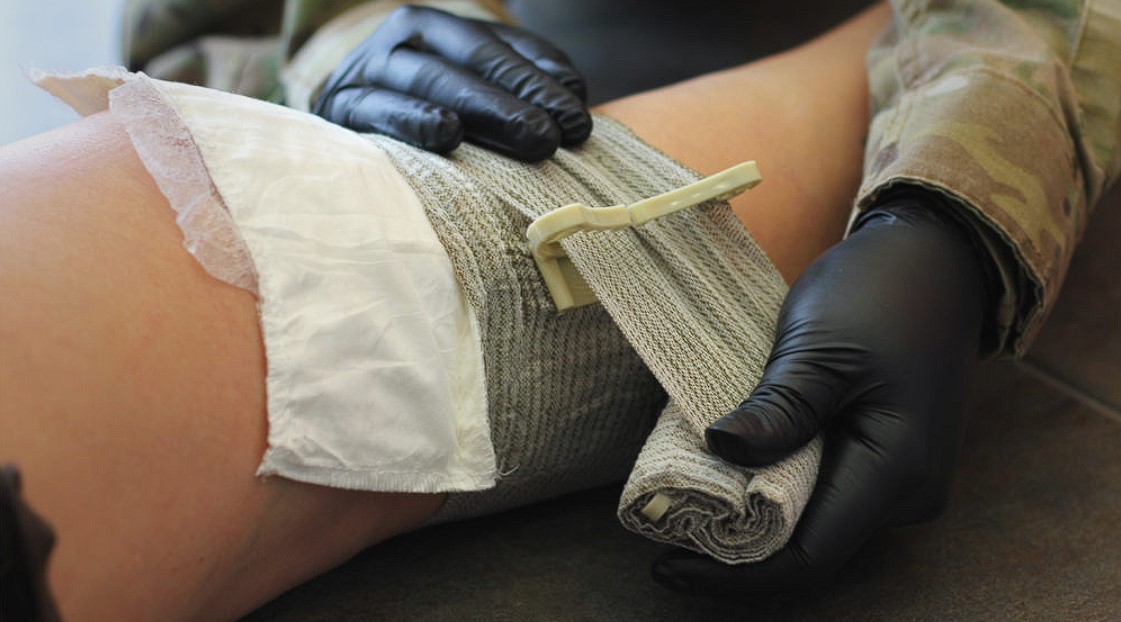
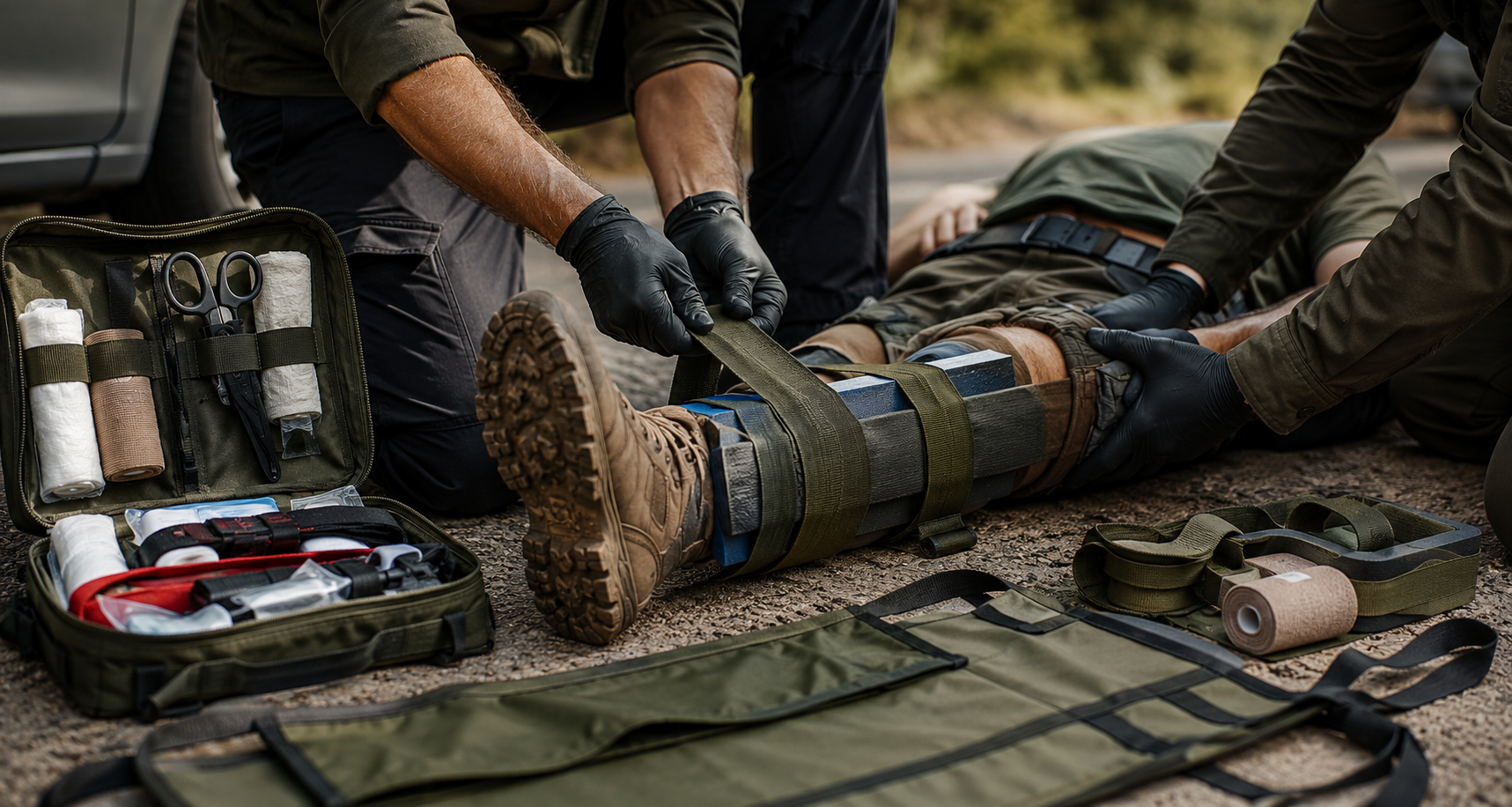
In recent years, the development of modern tactical medicine has had a significant influence on civilian emergency care. Some solutions that were previously used mainly by professional responders are now available to civilian users. This primarily concerns compact immobilization tools, modern first aid kits, universal splints, soft stretchers, and casualty transport systems. This approach allows faster response to critical situations and makes it much safer to wait for medical professionals to arrive. Proper immobilization helps reduce stress on the injured area, decrease the risk of additional damage, and facilitate transportation of the person.
Today, injury stabilization tools are actively used not only by professional rescuers. They are increasingly included in home, vehicle, and travel first aid kits. This is especially relevant for drivers, athletes, tourists, volunteers, and people who regularly operate in complex or remote conditions.
Injury statistics and why first aid skills are becoming increasingly important
Traumatic injuries remain one of the leading causes of emergency hospitalizations worldwide. Particularly often, serious injuries are associated with road accidents, falls, sports activities, and everyday situations. That is why modern first aid is increasingly focused on rapid stabilization of a person’s condition and safe transportation.
According to the World Health Organization, approximately 1.19 million people die each year worldwide as a result of road traffic incidents, while another 20 to 50 million sustain injuries of varying severity. A significant portion of these injuries involves limbs, joints, and the spine. Experts also note that road injuries remain one of the leading causes of serious harm among young people aged 5 to 29. Therefore, car first aid kits and first aid skills are now considered an important part of basic safety.
Falls are also among the most common causes of injury. According to international studies, millions of emergency department visits are recorded annually in the United States alone due to falls, and approximately one in five falls among older individuals results in serious injuries, including fractures. Sports injuries should also be mentioned separately. Studies show that sports-related injuries account for up to 15–20% of emergency visits. Most commonly, these involve injuries to knees, ankles, wrists, shoulders, and the head.
All of this has influenced the development of modern immobilization and evacuation systems. Today, compact splints, soft stretchers, and stabilization tools are increasingly used not only by professional services, but also by civilian users — drivers, tourists, sports clubs, and volunteer teams.
What injuries require immobilization
Immobilization is the fixation of a damaged body part to minimize movement. It is most commonly used for fractures, dislocations, severe bruises, joint injuries, ligament damage, and suspected bone cracks. The main goal is to stabilize the affected area until medical professionals arrive or until safe transportation is possible.
People often underestimate the severity of an injury. For example, after a fall or road accident, an injured person may continue moving due to adrenaline or a shock condition. However, even if a person can move an arm or leg, this does not mean there is no serious damage. Excessive activity after an injury may worsen swelling, cause additional tissue damage, or deteriorate the overall condition.
Situations following falls from height, sports collisions, bicycle accidents, or sudden mechanical loads are particularly dangerous. In such cases, the main rule is to minimize movement and not attempt to independently correct the position of a limb.
Signs that require immobilization:
- sharp pain during movement;
- unnatural position of a limb;
- severe swelling;
- limited mobility;
- joint deformation;
- pain under load;
- suspected fracture after a fall or road accident;
- inability to properly bear weight on a limb.
Proper fixation helps make transportation safer and reduces the risk of further damage. That is why modern immobilization systems are increasingly used by both professional services and everyday users.
First aid for falls, road accidents, and sports injuries
In most situations, first aid begins not with bandaging or using a first aid kit, but with assessing the situation. Before helping the injured person, it is necessary to make sure that the location is safe for everyone present. This is especially relevant in road accidents, injuries on the road, or in conditions of active traffic.
After that, it is necessary to call emergency services and assess the person’s condition. If there is severe bleeding, it is controlled first. If the main problem is a limb injury or severe pain after a fall, it is important to limit the mobility of the damaged area.
One of the most common mistakes is the attempt to quickly lift the person or help them move independently. In many cases, this may worsen the injury. Particular caution is required when there is suspicion of damage to the spine, pelvis, or lower limbs.
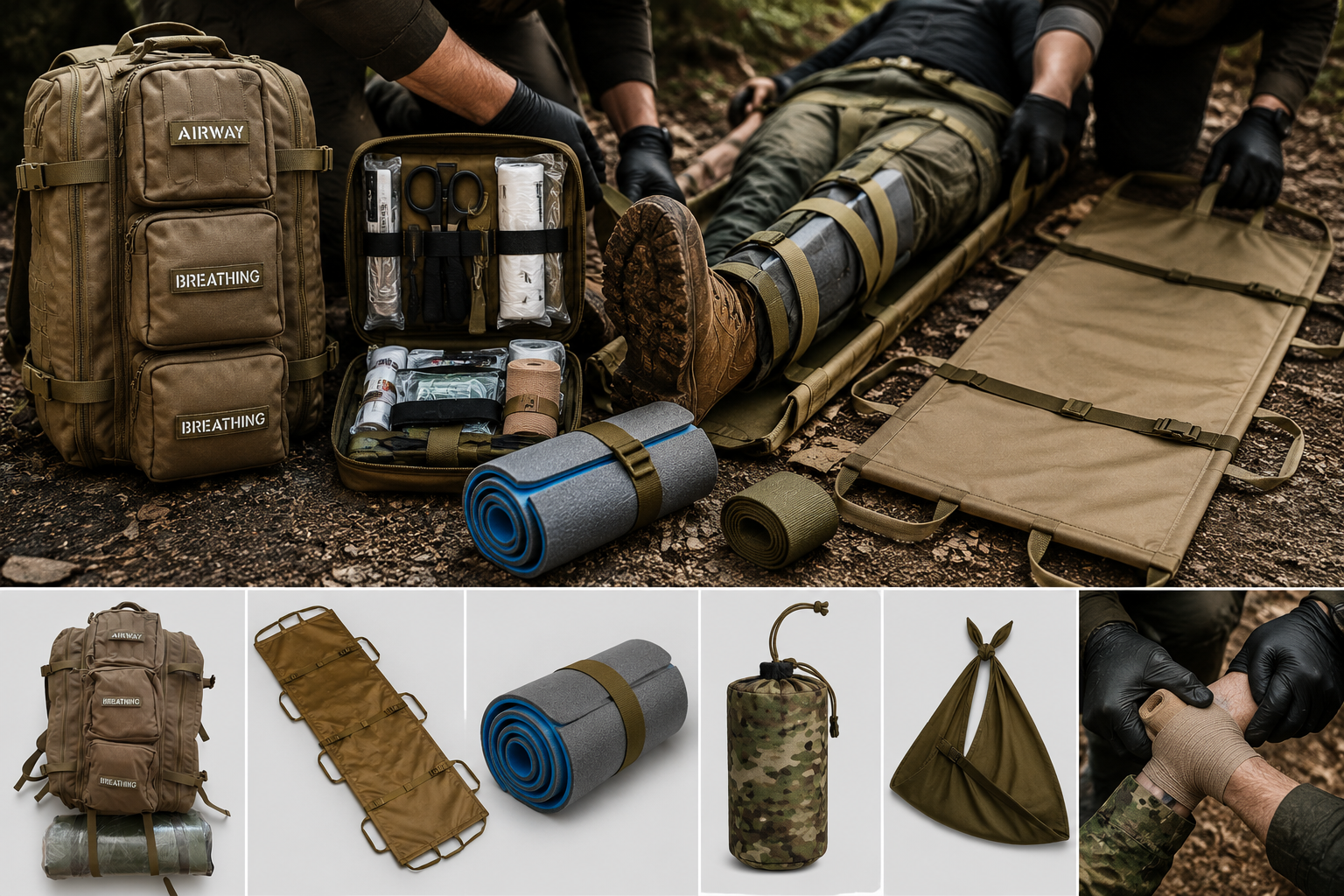
The modern approach to first aid involves the principle of transport immobilization. Its goal is to stabilize the injured area until medical professionals arrive or until safe transportation of the injured person is possible.
For this, the following may be used:
- universal splints;
- elastic bandages;
- triangular slings;
- cervical collars;
- soft stabilization systems;
- compact stretchers for evacuation.
It is precisely the compactness and speed of use that have made modern immobilization tools popular among civilian users. Many solutions take up minimal space in a vehicle or backpack, but can significantly help in a critical situation.
How has the experience of military medics changed approaches to immobilization and evacuation?
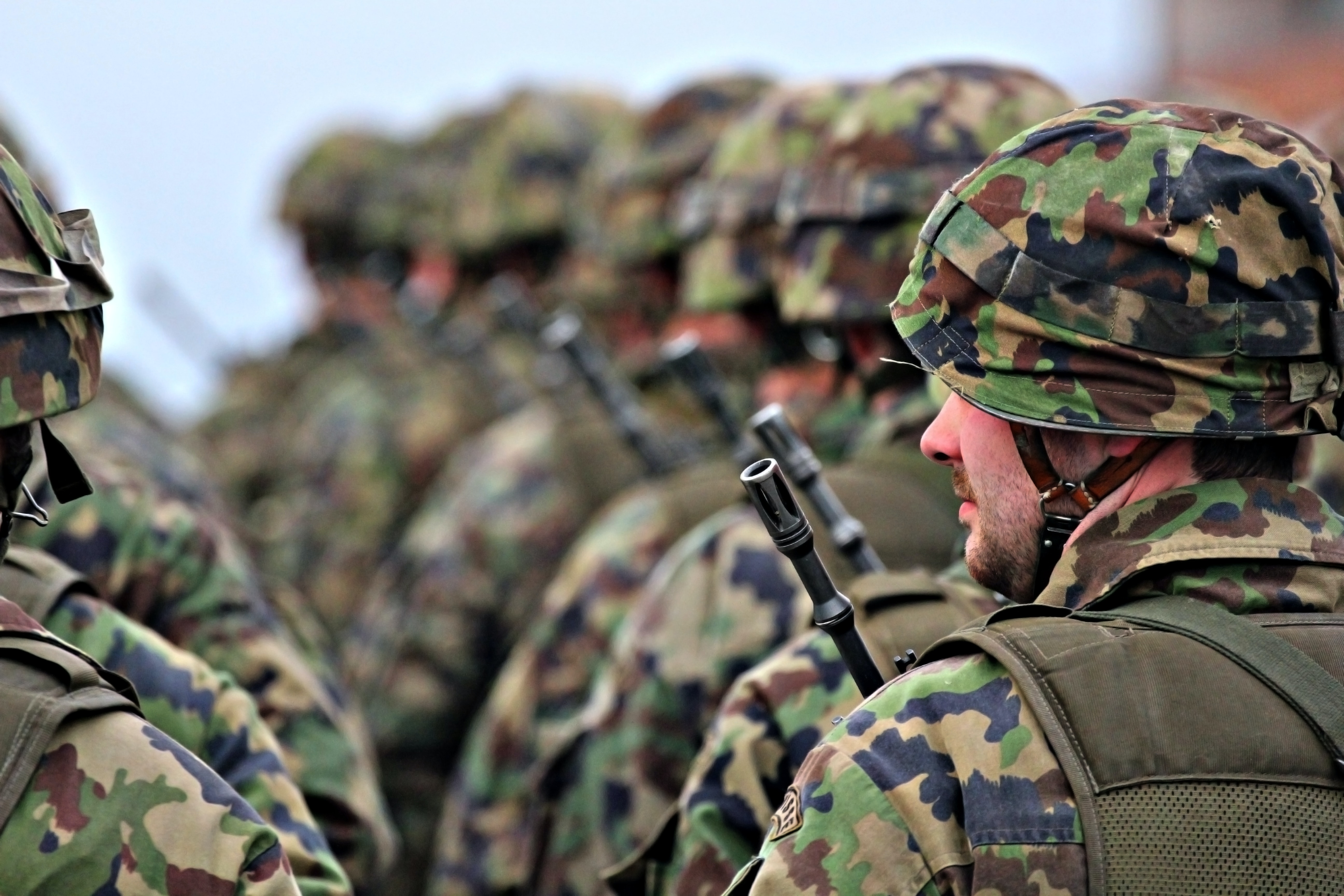
Practical experience of military medics and emergency services has played an important role in the development of modern first aid. This primarily concerns rapid stabilization of injuries and safe evacuation of the injured in difficult conditions where access to medical assistance may be limited.
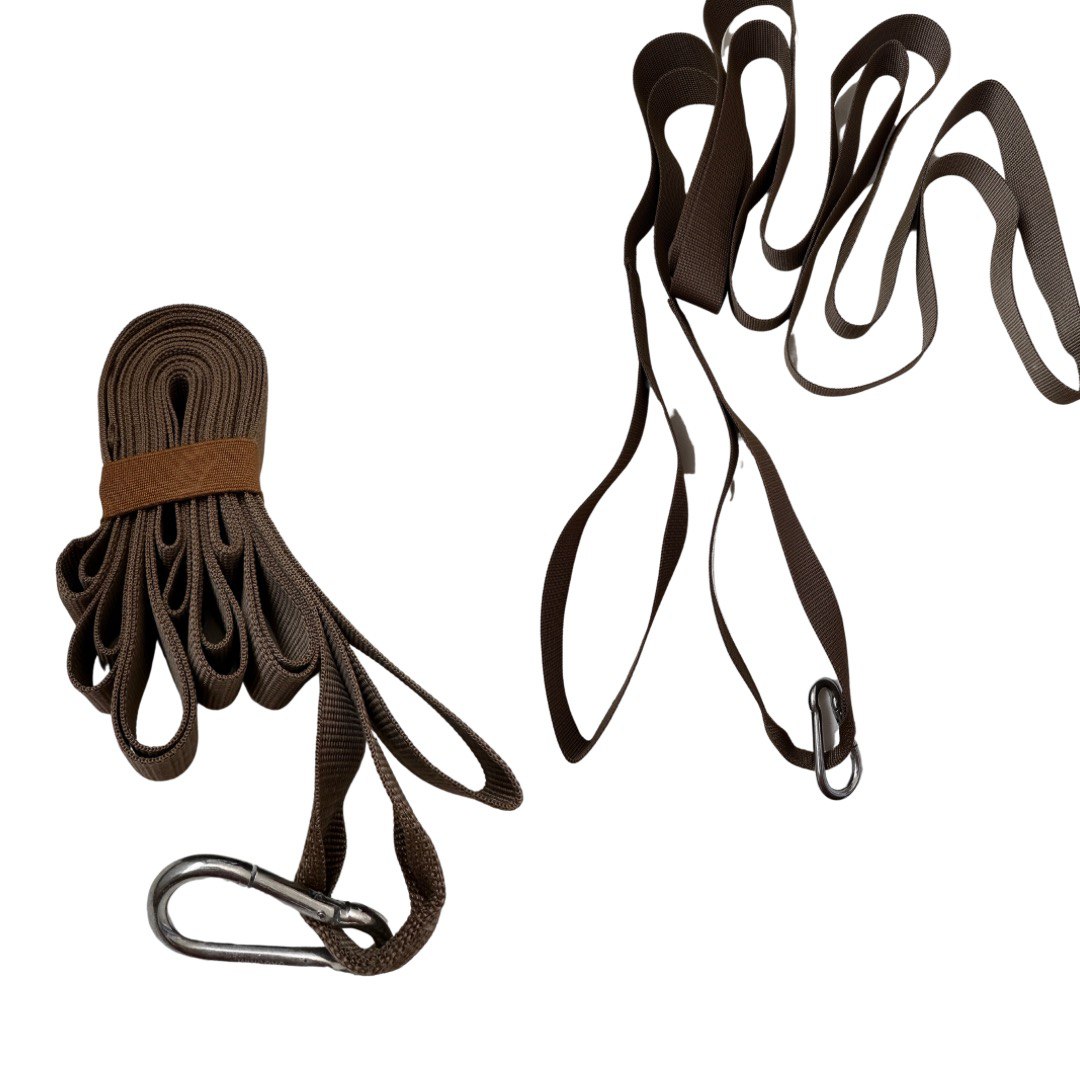
Many solutions that are now actively used in civilian first aid kits were originally developed specifically for situations with a high risk of injury and complex transportation of casualties. This includes universal splints, compact immobilization systems, soft stretchers, and lightweight evacuation straps that can be quickly used even in confined spaces or on uneven terrain.
Particularly important is the approach to so-called manual evacuation. In many situations, the injured person must be transported by hand — on stairs, rough terrain, forest trails, or areas where vehicles cannot reach. Therefore, modern soft stretchers and drag stretchers are designed to be as compact, lightweight, and quick to use as possible.
For civilian use, this is also of great importance. For example, after a road accident, a vehicle may end up in a ditch or in a location where standard rigid stretchers cannot be used quickly. Similar situations occur during mountain hikes, sports events, or injuries in hard-to-reach areas. In such conditions, compact transport systems allow safer movement of the injured person to medical professionals.
Another important change is the focus on minimizing unnecessary movement. The modern approach to immobilization involves not complex manipulations, but rapid stabilization of the injured area and careful transportation. That is why today even compact first aid kits are increasingly supplemented not only with bandages or adhesive plasters, but also with full-fledged tools for fixation and evacuation of injured persons.
Drag stretchers and casualty transport systems
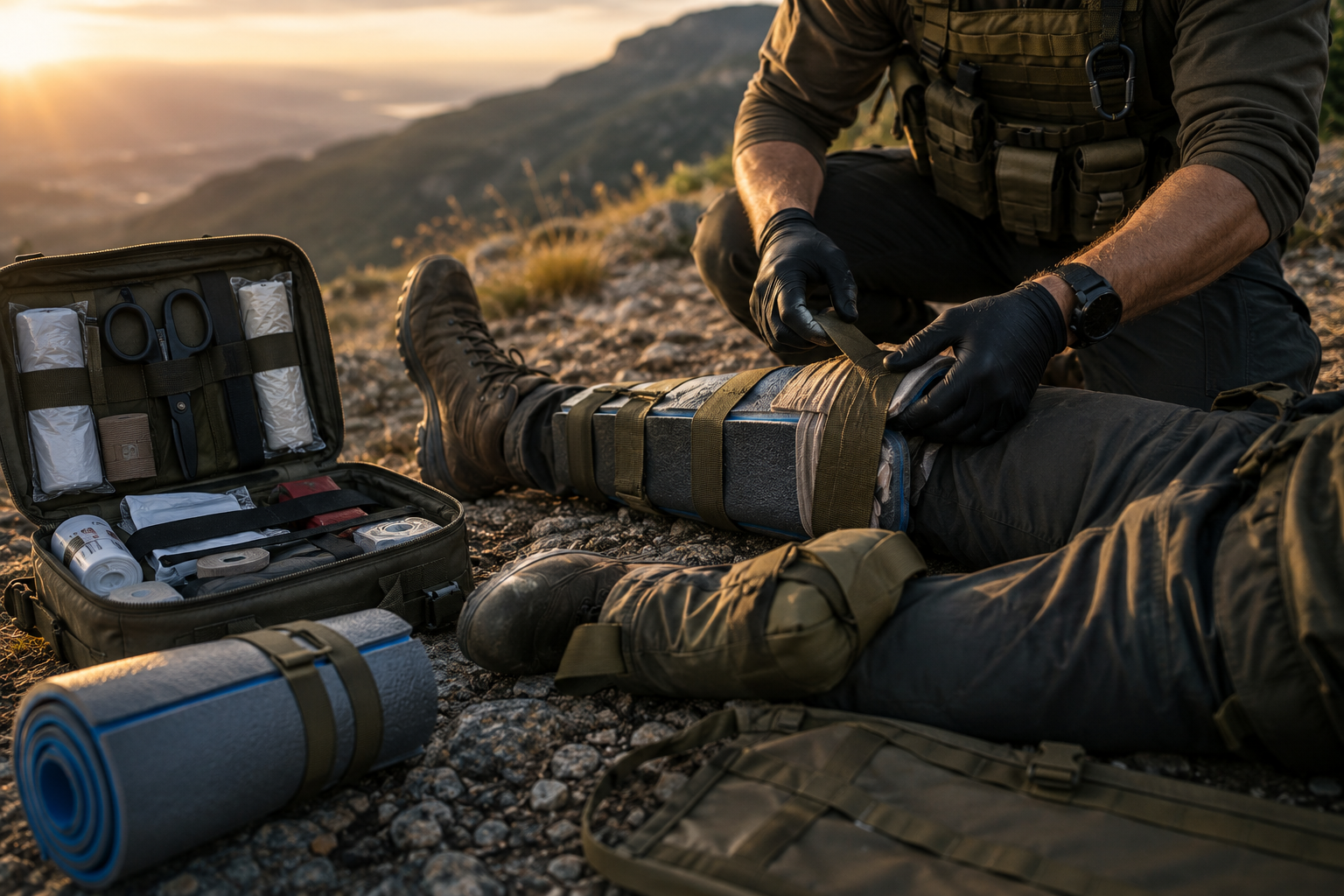
In serious injuries, fixation of a limb alone may not be sufficient. In many situations, there is a need to safely move the injured person to medical professionals or transport. That is why modern drag stretchers and compact evacuation systems are used.
They are especially relevant:
- in hard-to-reach terrain;
- during hiking trips;
- in the mountains;
- at sports events;
- after road accidents;
- in workplace injuries;
- in field conditions.
Unlike classic rigid stretchers, modern drag systems have a compact format, low weight, and are quickly prepared for use. They allow safer movement of a person even in narrow passages, on stairs, or uneven surfaces.
A major advantage of such systems is the ability to use them with a small number of people. For civilian scenarios, this is critically important, as a professional rescue team is not always nearby. Modern soft stretchers also allow partial stabilization of body position during transportation. This helps reduce discomfort for the injured person and minimize unnecessary movement.
Compact soft stretchers for first aid kits and vehicles
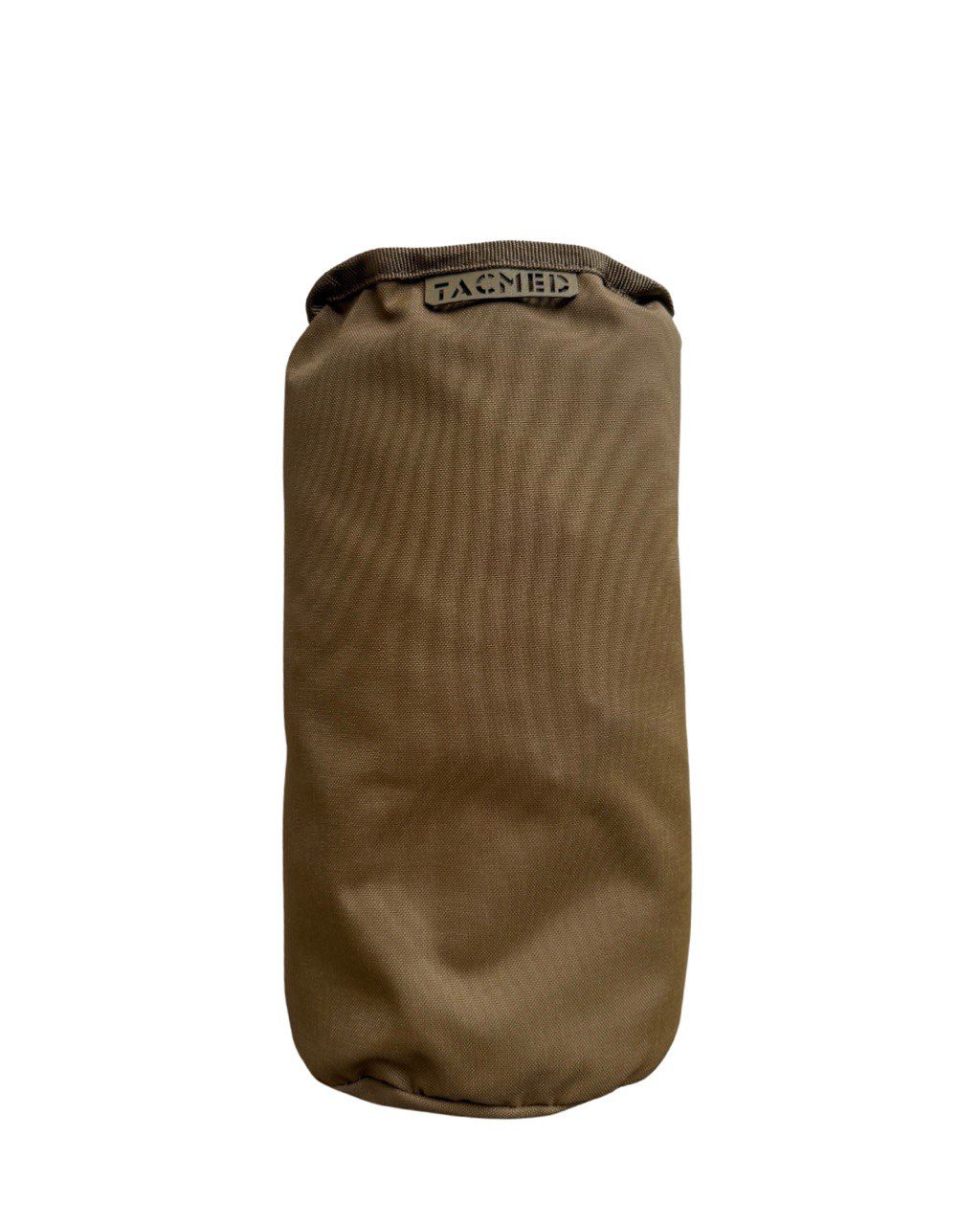
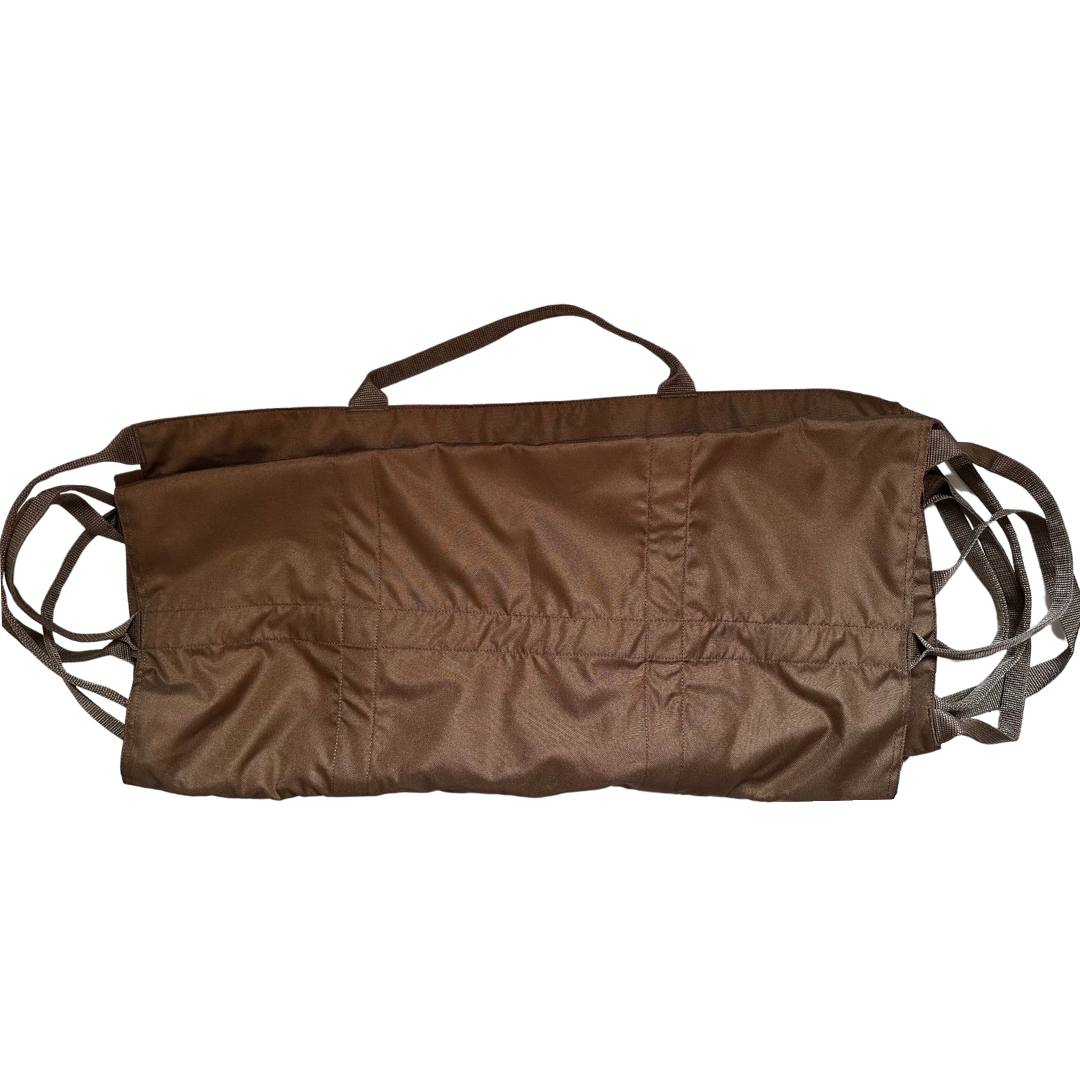
Special attention should be given to compact soft stretchers that can be stored even in a car trunk or a large first aid kit. Such solutions have become popular due to their combination of compactness, low weight, and ease of use.
For example, the TACMED online store catalog features soft stretchers that can be used for evacuation of injured persons in various scenarios. Their advantage lies in rapid deployment and the ability to transport a person even in difficult conditions.
Such systems are especially useful:
- for vehicle first aid kits;
- for tourist groups;
- for sports events;
- for volunteer teams;
- for evacuation kits;
- for enterprises and industrial facilities.
In real situations, the problem often lies in the inability to safely move a person. That is why compact transport systems are increasingly becoming part of modern first aid kits.
Another advantage is versatility. Such systems can be used for fractures, general weakness, heat-related conditions, exhaustion, or situations where the injured person cannot move independently.
What immobilization tools should be included in a first aid kit?
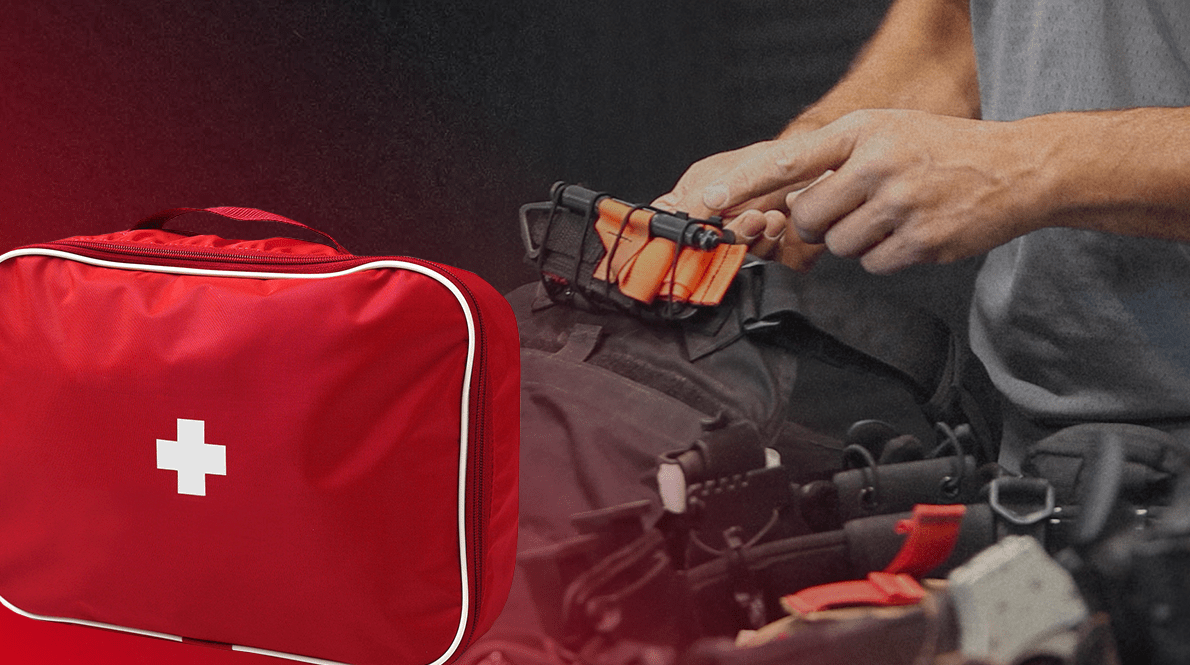
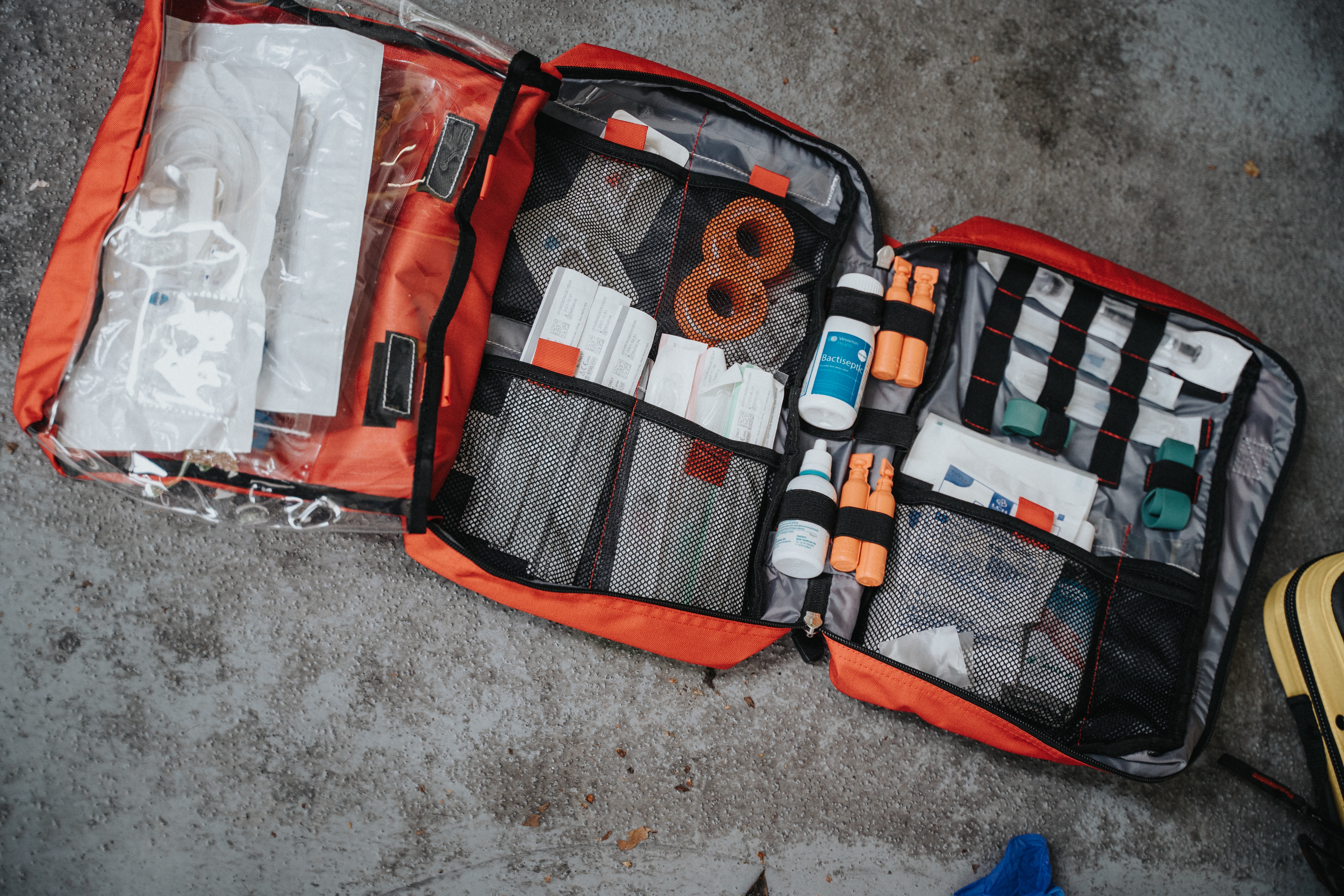
A modern first aid kit is increasingly focused on real injury scenarios. That is why bandages or adhesive plasters alone are often not enough. For more effective assistance, the kit should be supplemented with stabilization and transport tools.
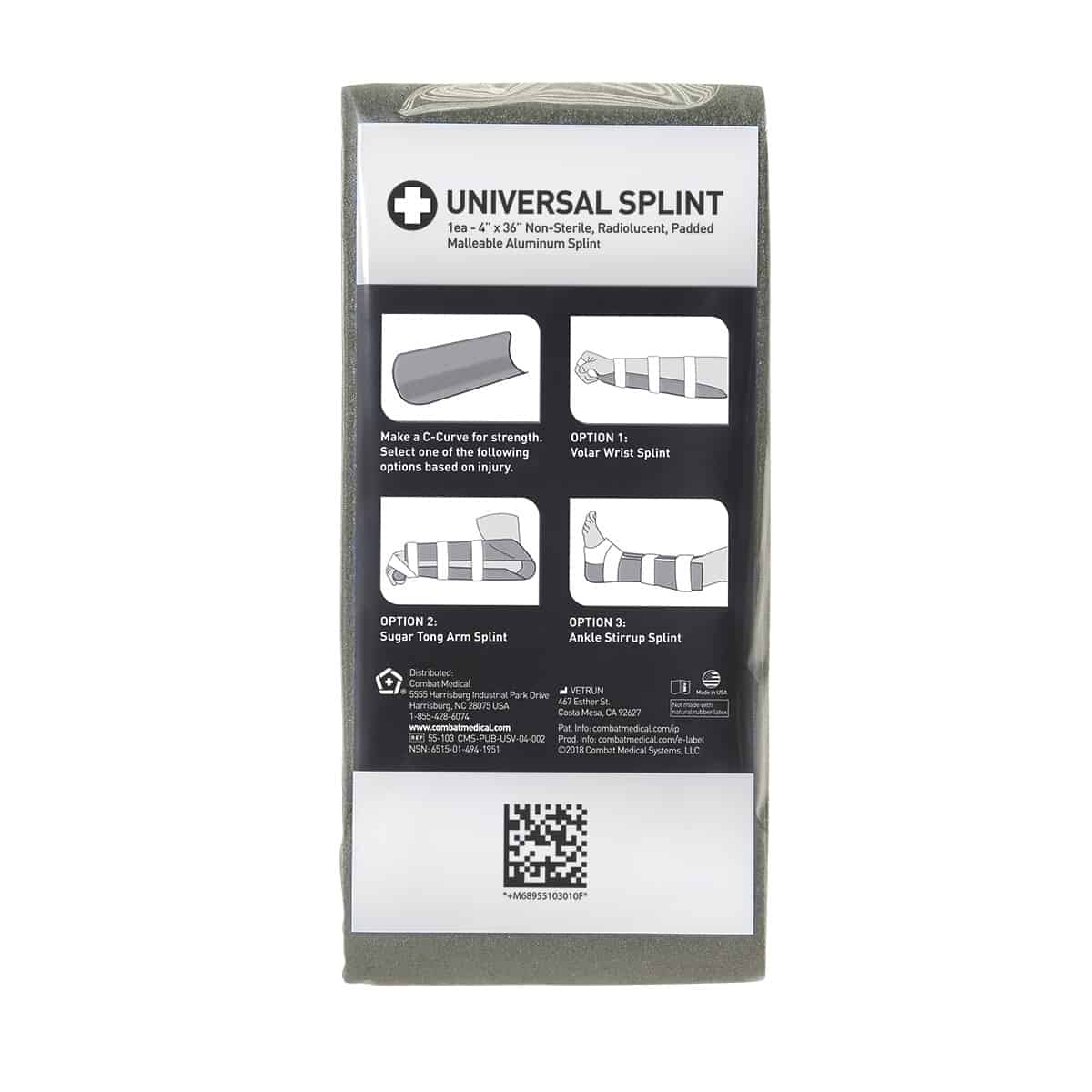
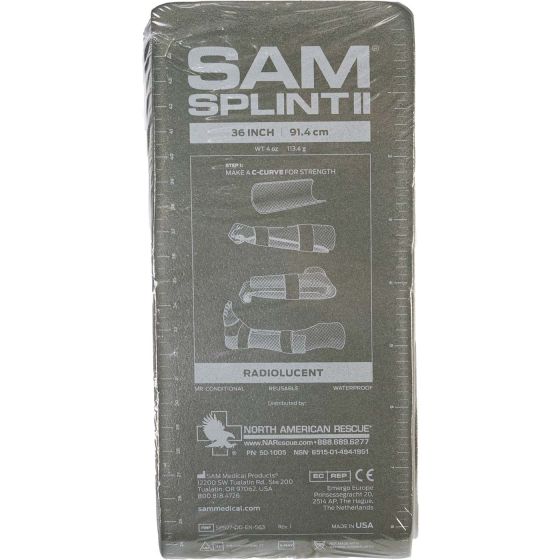
The most universal solutions are considered to be splints such as SAM Splint. They are lightweight, compact, and can be used for different parts of the body. Such splints are easily shaped to the form of an arm or leg and take up minimal space.
It is also useful to have:
- elastic bandages;
- triangular slings for arm fixation;
- cervical collars;
- soft stretchers;
- thermal blankets;
- gloves;
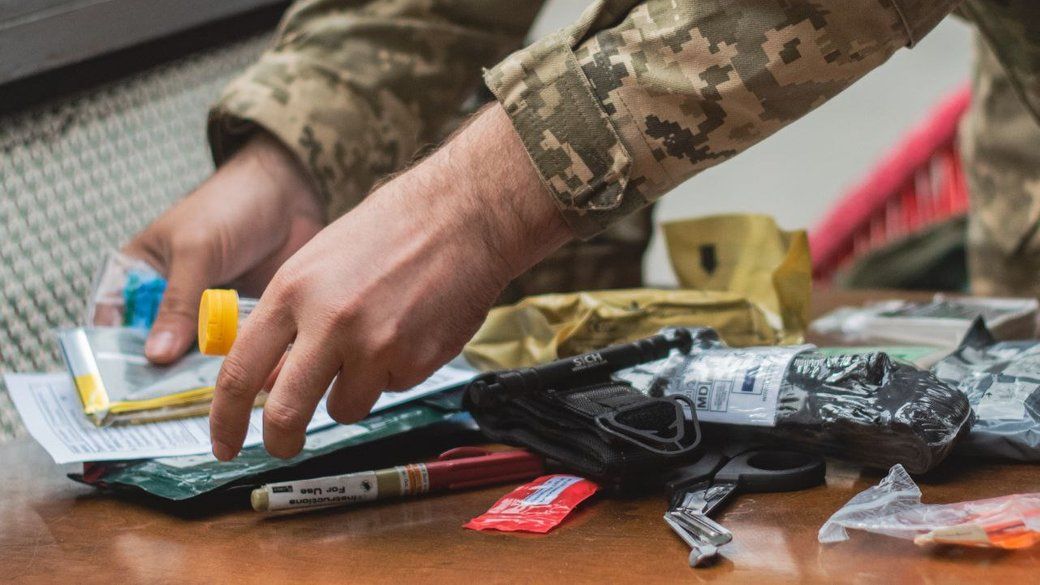
- bleeding control products.
Many standard vehicle first aid kits do not contain full immobilization systems. Therefore, people often face situations where they have bandages but cannot properly stabilize an injured limb or safely move the injured person.
That is why modern first aid kits are increasingly supplemented with additional solutions for stabilization and evacuation. The TACMED store offers various types of splints, fixation devices, and transport systems suitable for vehicle, travel, and home first aid kits.
Why does rapid immobilization help reduce the risk of complications?
The main goal of immobilization is to minimize unnecessary movement of the injured area. This helps reduce stress on tissues, decrease pain, and make transportation safer. This is especially important during prolonged waiting for medical professionals or in difficult access conditions. In such situations, even basic stabilization of an arm or leg can significantly improve a person’s condition.
Another advantage is psychological comfort. When the injured limb is fixed, the person moves less, and the level of stress often decreases. This is especially important after road accidents or serious falls, when a person may be in a shock state.
Modern first aid is increasingly focused on simple and effective actions. It is not necessary to have professional medical education to correctly fix a limb or use soft stretchers for transportation. The main thing is to act calmly, minimize unnecessary movements, and ensure the safest possible waiting for professional assistance.
Injuries can happen anywhere — on the road, at home, during sports, while traveling, or during active recreation. That is why a modern first aid kit should include basic dressing materials, stabilization tools, and means for transporting the injured person.
Modern immobilization systems have become more compact, simpler, and more accessible for civilian users. Universal splints, soft stretchers, cervical collars, and other elements help safely wait for medical professionals and minimize the risk of additional damage.
This is especially relevant for drivers, tourists, athletes, volunteers, and people who often operate in remote or difficult conditions. A properly equipped first aid kit today is a tool that allows more effective response to critical situations. You can ознакомиться with modern immobilization tools, soft stretchers, and components for first aid kits in the TACMED online store catalog.
FAQ
When is immobilization needed after an injury?
Immobilization is recommended when a fracture, dislocation, serious joint injury, severe bruise, or ligament damage is suspected. Fixation helps limit movement of the injured area until medical professionals arrive.
Can a person be moved after a fall from height?
If there is suspicion of a serious injury to the spine, pelvis, or limbs, it is not recommended to move the injured person unless necessary. First, the person’s condition should be assessed and emergency services should be called.
How to recognize that there may be a fracture?
A fracture may be indicated by severe pain, swelling, limb deformation, limited mobility, and inability to bear weight on an arm or leg after injury.
How is a SAM Splint different from a regular splint?
A SAM Splint has a lightweight construction with an aluminum core and soft coating. It can be easily shaped to different parts of the body, takes up little space, and is suitable for most typical limb injuries.
What should be included in a first aid kit for immobilization?
It is advisable to have a universal splint, elastic bandage, triangular sling for arm fixation, gloves, a thermal blanket, and bleeding control products. For travel and vehicles, compact stretchers may also be useful.
Why are soft stretchers needed?
Soft stretchers help safely transport an injured person in cases where the person cannot move independently. They are especially useful during hiking trips, after road accidents, or in hard-to-reach areas.
Are immobilization tools suitable for a vehicle first aid kit?
Yes. Universal splints, elastic bandages, and compact stretchers take up little space but can significantly improve the effectiveness of first aid before medical professionals arrive.
Why is it important to limit movement after an injury?
Unnecessary movement may increase pain, worsen swelling, and cause additional tissue damage. That is why stabilization of the injured area is considered one of the key stages of first aid.
Where are drag stretchers used?
Drag stretchers are used to transport injured persons in difficult conditions: rough terrain, forests, mountains, stairways, sports events, or after road incidents.
Are special skills required to use modern immobilization tools?
Most modern splints, fixation devices, and soft stretchers are designed so that they can be used by people without medical education. However, taking first aid courses allows using such tools more confidently and effectively.