First Aid at a Road Crash: Steps for a Witness
Content
- The first seconds after a crash: what shapes the outcome?
- Put your own safety first
- How should you call emergency services?
- Should you pull someone out of the car immediately?
- When should the injured person be evacuated immediately?
- Before touching the injured person
- The MARCH algorithm after a road crash
- M — Massive Hemorrhage: control severe bleeding
- How can severe bleeding be controlled?
- A — Airway: assess airway patency
- R — Respiration: assess breathing
- C — Circulation: assess circulation
- H — Hypothermia: prevent heat loss
- What if several people are injured?
- Common injuries after a road crash
- Traumatic brain injury
- Suspected spinal injury
- Chest injuries
- Abdominal injuries
- Limb fractures
- What should you do if the injured person is unconscious?
- What should you do if the person is not breathing?
- A crash involving a motorcyclist
- A crash involving children
- A crash involving an electric vehicle
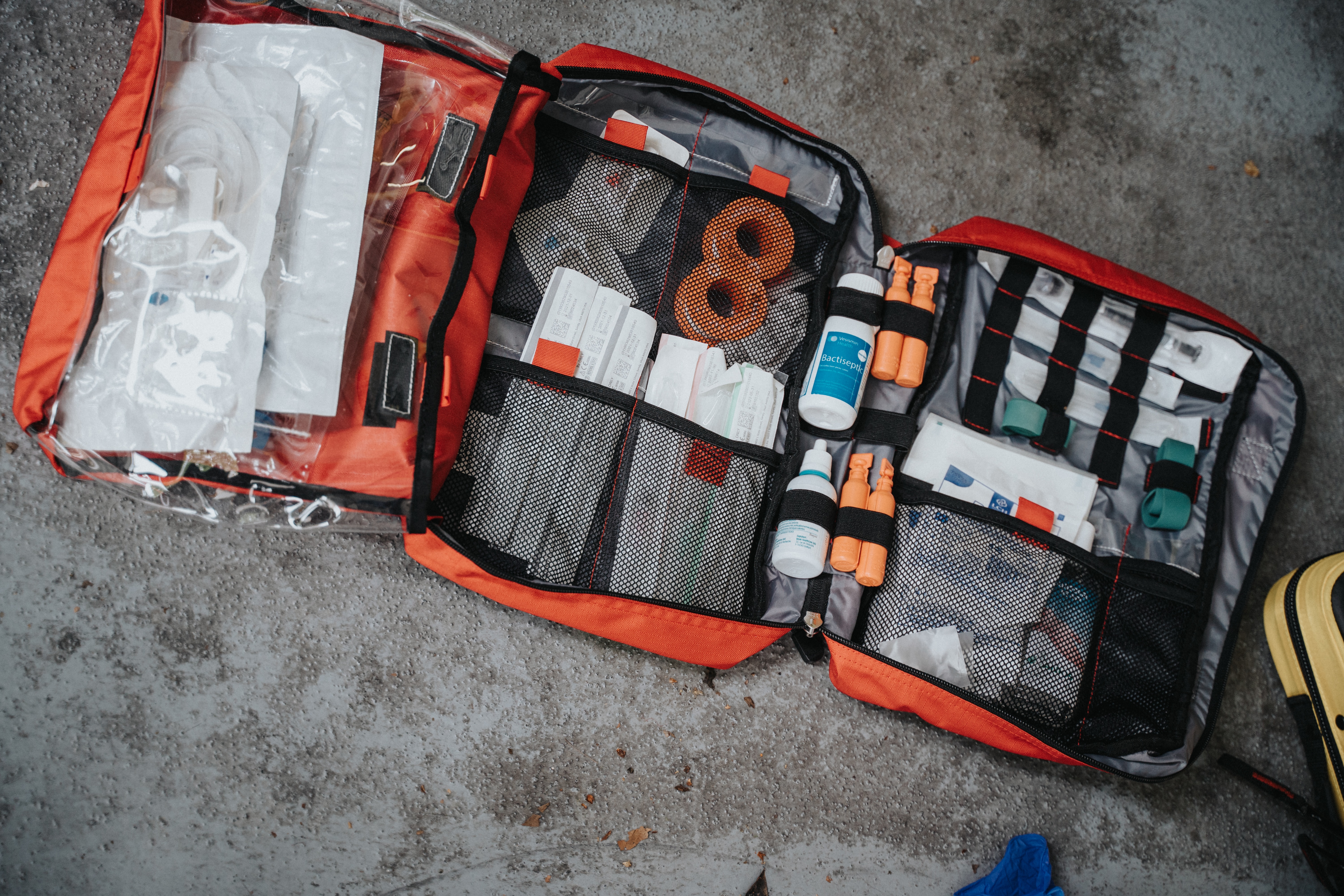
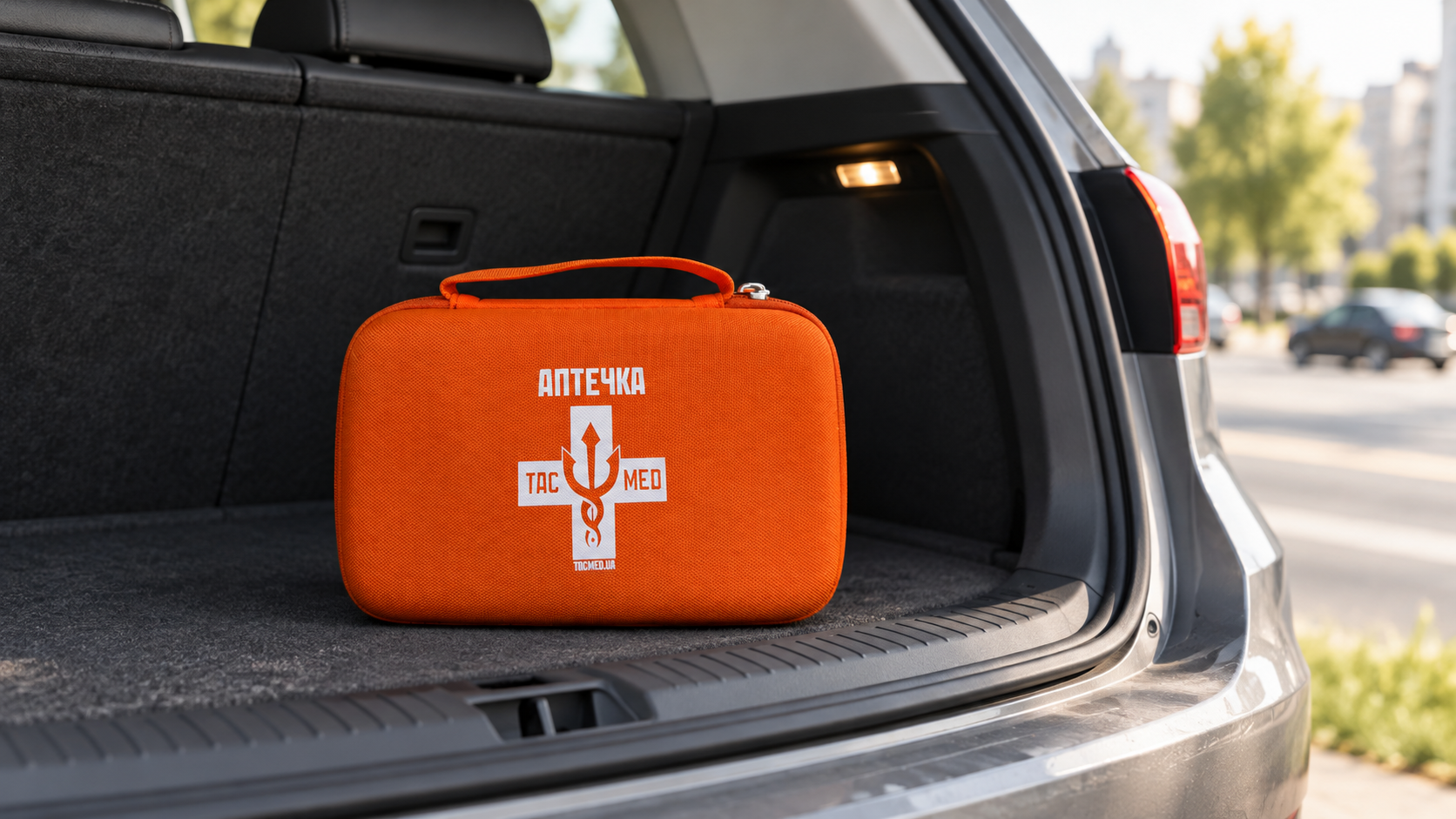
- What should a modern vehicle first-aid kit contain?
- Common mistakes made by crash witnesses
- Common myths about first aid after a road crash
- Myth 1. The injured person must be made to sit up immediately
- Myth 2. A tourniquet should be applied for any bleeding
- Myth 3. If a person can speak, they are not seriously injured
- Myth 4. The person should be given water
- Myth 5. Headgear should be removed immediately
Every year, road traffic accidents cause thousands of severe injuries. The first few minutes often shape the injured person’s prognosis. During this time, massive bleeding, airway obstruction, tension pneumothorax, or traumatic shock may develop. If these critical conditions remain uncontrolled until emergency medical services arrive, the risk of a fatal outcome rises significantly.
Bystanders can also make the situation more dangerous through ill-considered actions. Pulling someone from a car without a clear reason, moving a person with a suspected spinal injury, or neglecting personal safety can worsen the consequences of a crash. Current first aid principles recommend following a clear sequence that protects the rescuer, allows a quick assessment, and addresses the most life-threatening injuries. Civilian TECC guidance and Ukrainian first aid protocols emphasize scene safety, an early call to emergency services, and use of the MARCH algorithm to assess injured people.
This article explains the steps a witness should take after a road crash, common mistakes, how to assist injured people, and what to keep in a vehicle first-aid kit.
The first seconds after a crash: what shapes the outcome?
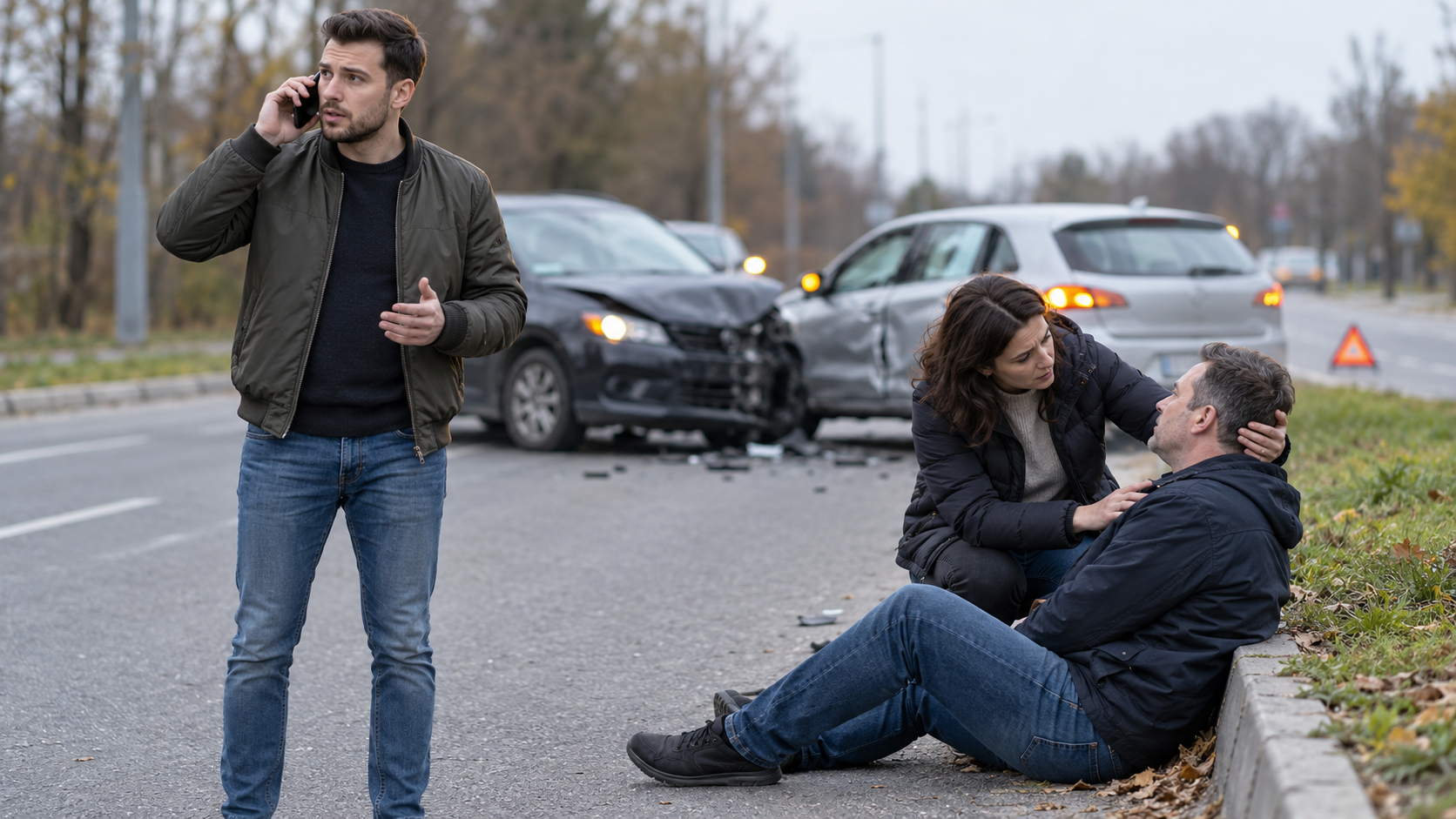
Wanting to run straight to the car is a natural reaction. Still, use the first few seconds after a crash to assess the scene. Your attempt to help should not create more injured people.
Before approaching, look for:
- the volume and speed of traffic;
- the risk of another collision;
- fuel leaks;
- smoke;
- open flames;
- damaged power lines;
- hazardous cargo;
- an unstable vehicle position.
Many severe injuries among bystanders happen because these risks are ignored. A car may shift suddenly, roll over, or catch fire after an impact. On a highway, other vehicles may collide with the wreck. First, create a safe working area. Then approach the injured people. This follows current TECC guidance, which treats rescuer safety as a necessary condition for providing aid.
Put your own safety first
First aid begins with a risk assessment, not an examination of the injured person.
A witness should:
- stop their own car in a safe place;
- switch on the hazard lights;
- put on a high-visibility vest;
- place a warning triangle;
- assess traffic conditions;
- wear gloves before contact with blood.
At night, making the crash site visible is critical. Approaching drivers need time to see the scene. If possible, ask other witnesses to direct traffic until police arrive. If there is a risk of fire, a blast, or electric shock, move to a safe distance and wait for rescuers. Helping an injured person should never put the helper’s life at risk.
How should you call emergency services?
A common mistake is calling the dispatcher without a clear picture of what happened. This wastes valuable time while the dispatcher asks for basic details.
During the call, provide:
- the exact location;
- the direction of travel;
- the number of vehicles involved;
- the approximate number of injured people;
- whether anyone is trapped;
- whether there is a fire;
- whether fuel is leaking;
- whether hazardous cargo is present;
- your phone number.
Do not end the call first. The dispatcher may ask questions to determine how many ambulance crews, rescue teams, and police officers are needed. If you do not know the exact address, give the road number, kilometer marker, nearest settlement, or another visible landmark. The more precise the information, the faster emergency services can find the scene.
Should you pull someone out of the car immediately?
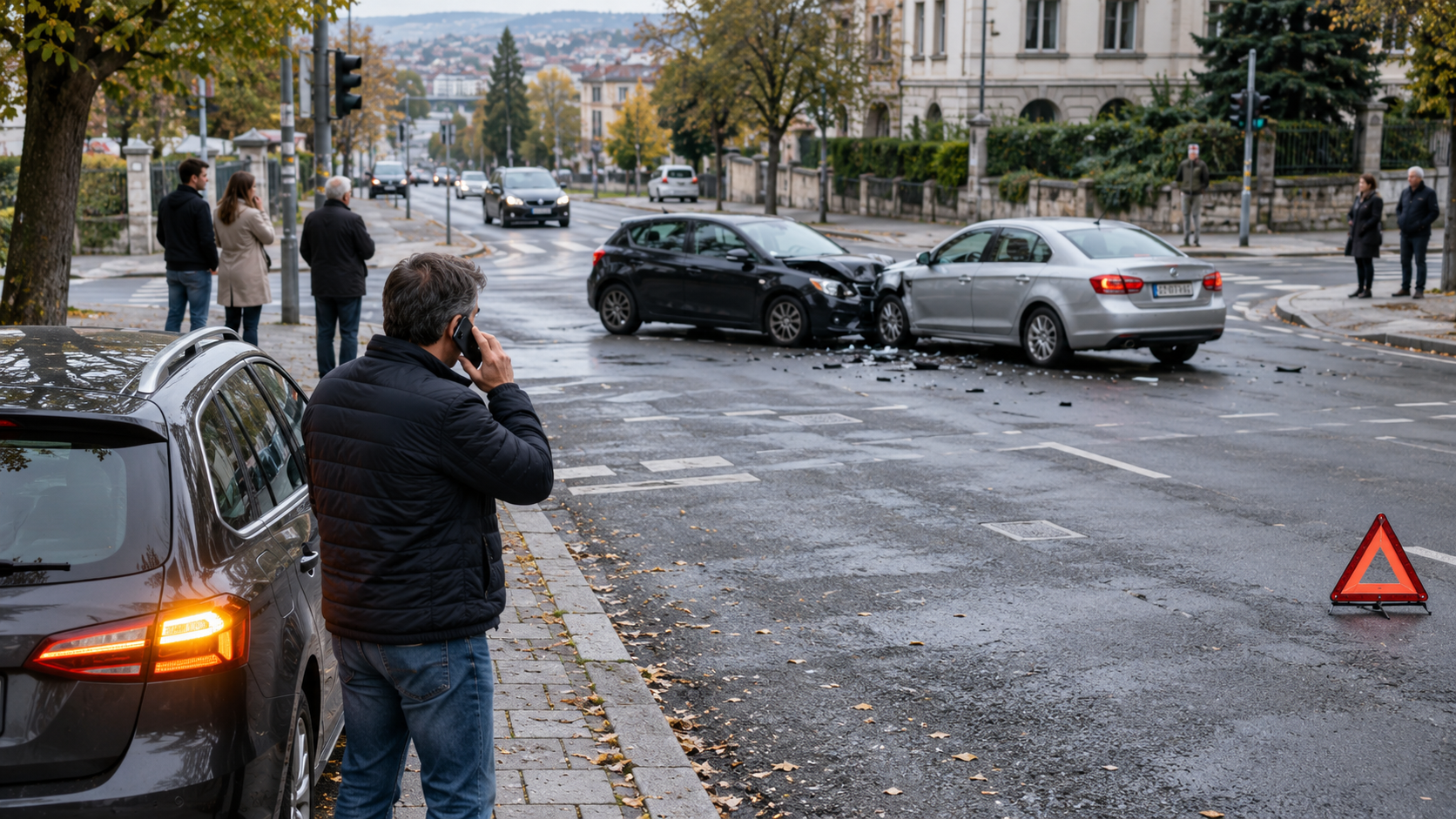
This is one of the most common questions witnesses ask after a crash. In most cases, the answer is no.
Do not pull the injured person out if:
- the car is not on fire;
- there is no risk of a blast;
- the vehicle remains stable;
- there is no risk of it going into water;
- there is no threat of another collision;
- the person is breathing and relatively safe.
Uncontrolled movement may worsen an injury to the cervical spine, damage the spinal cord, or aggravate pelvic fractures. Even slight twisting of the torso while pulling someone out can cause lasting neurological effects. Current guidance recommends minimizing movement until rescuers arrive when there is no immediate threat to the person’s life.
When should the injured person be evacuated immediately?
Sometimes waiting for professional help poses a greater risk than moving the person. Immediate evacuation is justified when there is:
- a car fire;
- heavy smoke inside the vehicle;
- a fuel leak with a risk of ignition;
- a risk of a blast;
- a car submerged in water;
- a risk of another collision;
- a structural collapse;
- another immediate threat to life.
The priority in these situations is to move the person to a safe area as quickly as possible. If a spinal injury is suspected, move them as carefully as possible. However, delaying evacuation to achieve perfect immobilization may cost their life. TECC guidance for hazardous environments follows this principle: address the immediate threat first, then carry out a full assessment and provide further care.
Before touching the injured person
Once the scene is safe, quickly assess the person’s condition. First, determine:
- whether they respond when spoken to;
- whether they open their eyes;
- whether they can answer;
- whether they can follow simple commands;
- whether they appear to be breathing normally;
- whether there is massive bleeding.
This brief assessment helps determine what to do next. If the person is conscious, speaking, and has no critical bleeding, there may be time for a more detailed examination. If they are unconscious or losing blood rapidly, start the MARCH algorithm immediately. It is now used in civilian trauma care as well as field medicine.
The MARCH algorithm after a road crash
Once the scene is safe and you have made a quick assessment, follow the MARCH algorithm. Although developed for field medicine, it is widely used in civilian prehospital care for severe injuries, including those caused by road crashes. Its main advantage is a clear sequence: address first the conditions that can cause death within minutes.
After a road crash, the algorithm helps identify what needs immediate attention and what can wait for medical staff.
M — Massive Hemorrhage: control severe bleeding
Severe bleeding is one of the few causes of death a crash witness can realistically prevent. A person can lose a critical volume of blood within minutes, so finding and controlling hemorrhage comes first.
Check:
- both arms;
- both legs;
- the groin;
- the armpits;
- the neck;
- areas under clothing, if you can check them safely.
Pay particular attention to bright red blood that spurts with each pulse or quickly soaks through clothing. Large pools around the injured person or rapid soaking of an existing dressing are also dangerous signs. Do not spend time looking for minor scrapes or superficial injuries. Focus on injuries that pose an immediate threat to life.
How can severe bleeding be controlled?
The method depends on the injury’s location. Common options include:
- direct pressure on the injury;
- a compression dressing;
- a tourniquet;
- hemostatic agents;
- packing a deep injury.
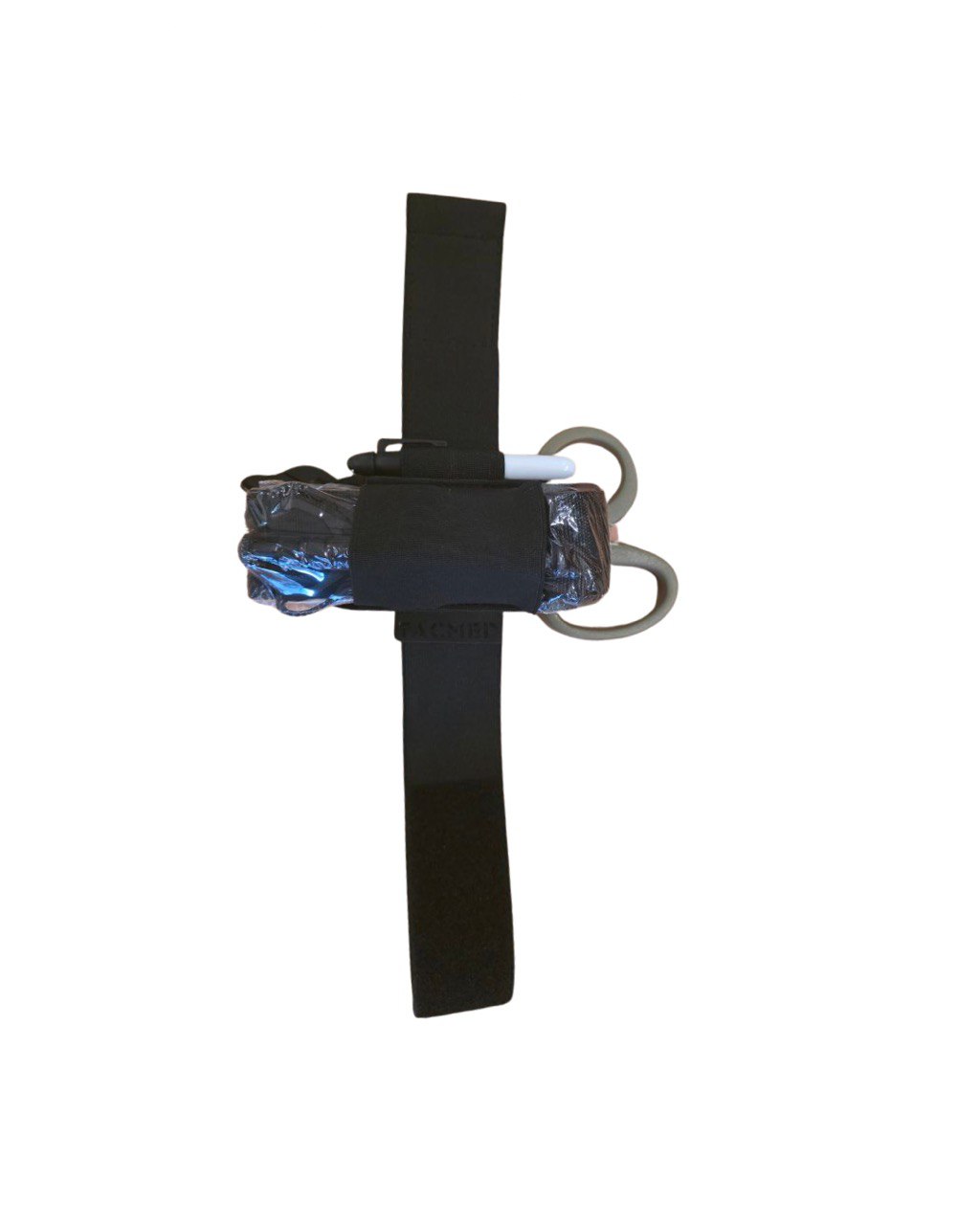
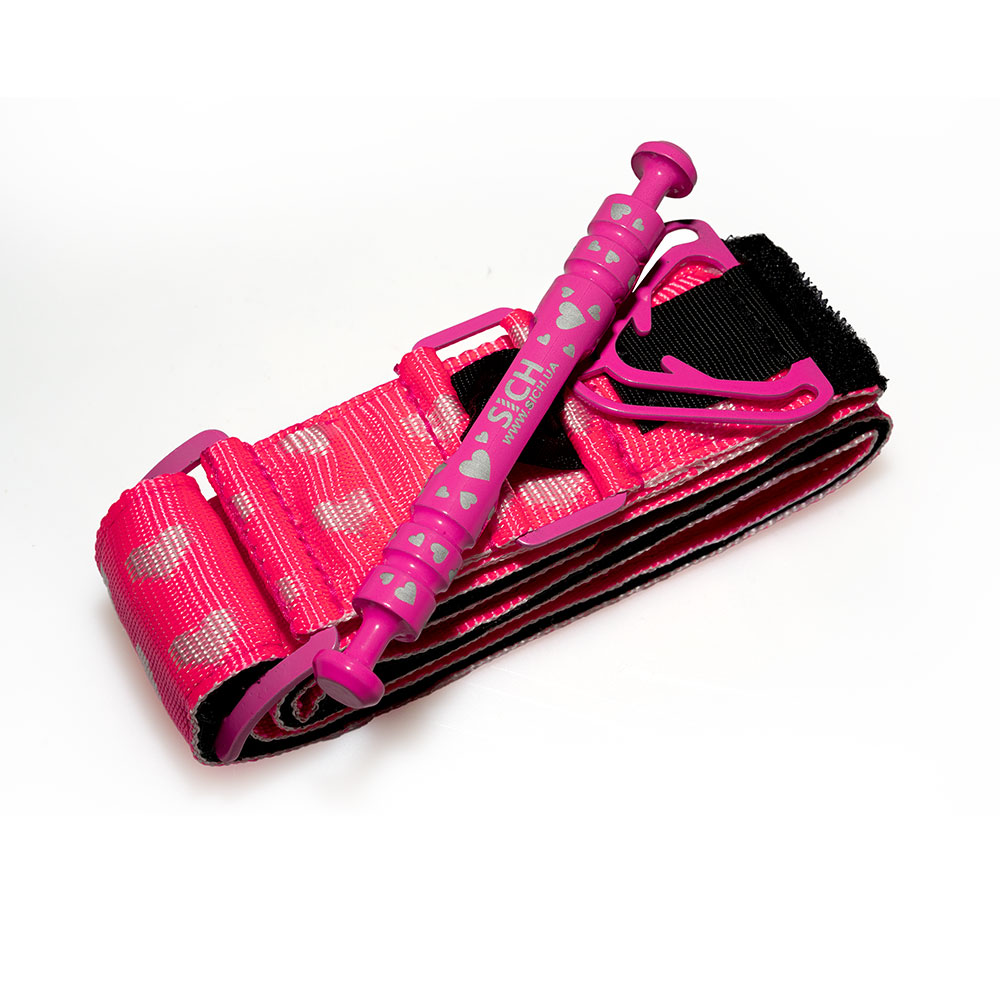
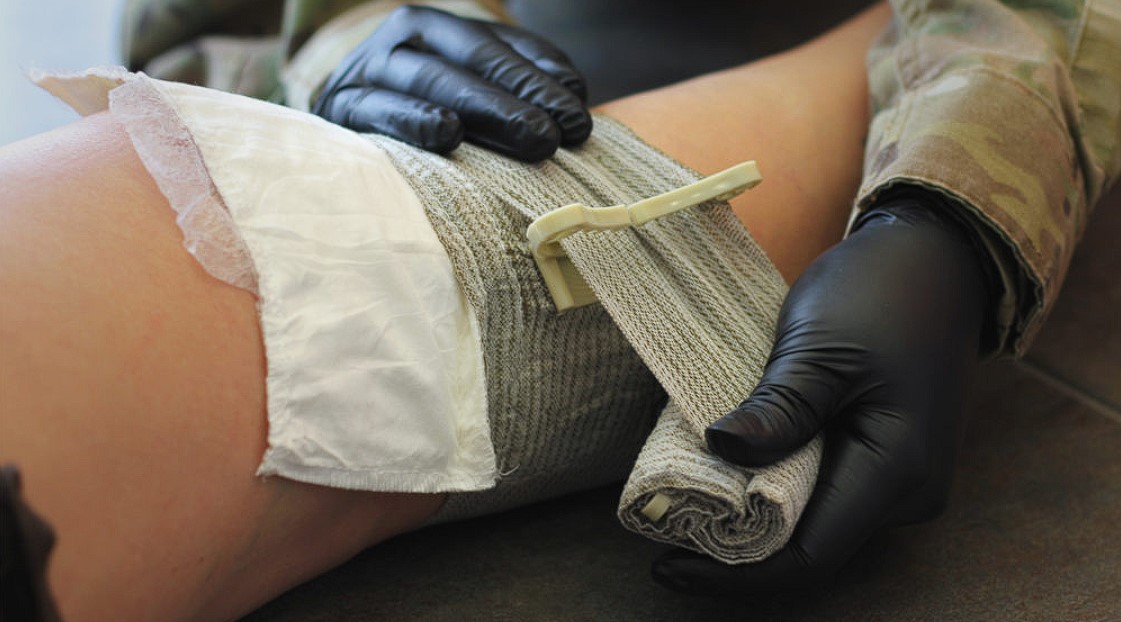
For severe bleeding from a limb, current guidance supports the use of certified tourniquets. Apply one above the injury according to the manufacturer’s instructions. A standard tourniquet will not work when the source is in the groin, armpit, or neck. In those cases, pack the injury deeply with hemostatic gauze and maintain continuous direct pressure.
The TacMed catalog includes tourniquets that meet current field medicine requirements, along with Celox Rapid, Celox Gauze, QuikClot hemostatic gauze, and compression bandages used to control critical bleeding in both field and civilian settings.
A — Airway: assess airway patency
After controlling critical bleeding, make sure the injured person can breathe. Check:
- whether they respond;
- whether they can speak;
- whether there are unusual sounds during breathing;
- whether they are vomiting;
- whether there is blood in the mouth;
- whether the tongue is obstructing the airway.
If the person can speak in full sentences, their airway is generally open. If they are unconscious, carefully check for breathing and remove any obvious obstruction. Keep a possible cervical spine injury in mind. Tilting the head back too far or moving the neck abruptly may worsen the person’s condition. If possible, use a jaw thrust without significantly extending the neck.
R — Respiration: assess breathing
Rib fractures, lung contusions, open pneumothorax, and tension pneumothorax are common after road crashes. Assess:
- respiratory rate;
- symmetry of chest movement;
- open injuries;
- shortness of breath;
- bluish lips;
- use of accessory breathing muscles.
Pay particular attention to penetrating chest injuries. If air passes through an injury, an open pneumothorax may be present. An occlusive dressing can provide temporary coverage. TacMed carries modern Chest Seal products for this type of injury. They can help reduce the risk of tension pneumothorax before medical staff arrive.
If the person becomes short of breath quickly, has severe chest pain, or one side of the chest barely moves during breathing, arrange emergency medical care as quickly as possible. These conditions require specialized treatment.
C — Circulation: assess circulation
After addressing visible bleeding, check for signs of concealed blood loss. Possible signs of shock include:
- cold skin;
- pale skin;
- a rapid, weak pulse;
- intense thirst;
- confusion;
- sudden weakness.
After a road crash, these signs may result from internal hemorrhage, even when there are no open injuries. Internal bleeding often follows injuries to the abdomen, pelvis, or chest. It cannot be fully controlled before hospital care, so the priorities are to recognize it quickly, maintain body temperature, and evacuate the person to hospital as soon as possible.
Recheck any tourniquet or compression dressing already applied. It may shift while the injured person is being moved, allowing bleeding to resume. Reassessment is necessary after every transfer or change in position.
H — Hypothermia: prevent heat loss
Many people mistakenly think hypothermia happens only in winter. In fact, a severely injured person can lose heat quickly even in warm weather. Blood loss, immobility, wet clothing, and contact with cold asphalt all speed up this process.
To prevent hypothermia:
- insulate the person from the ground;
- cover them with a thermal blanket;
- protect them from rain and wind;
- remove wet clothing when possible;
- avoid unnecessary exposure during the examination.
Hypothermia interferes with blood clotting and worsens traumatic shock. That is why thermal blankets are included in modern kits for field and civilian first aid. TacMed carries compact thermal blankets that take up little space and may significantly affect the person’s condition before medical staff arrive.
What if several people are injured?
At a major crash, a witness may encounter several injured people at once. Quickly establish priorities.
Give first aid first to people who:
- have severe bleeding;
- are not breathing because of a reversible cause;
- are unconscious;
- show signs of severe shock;
- face an immediate threat, such as fire, smoke, or another possible collision.
If there are several witnesses, assign roles. One person can call emergency services, another can direct traffic, and a third can help the most severely injured person. This makes better use of the first few minutes and follows the principles of triage in emergencies.
Common injuries after a road crash
An injured person rarely has only one injury after a road crash. Combined trauma is common, with injuries to the head, chest, abdomen, and limbs occurring together. After completing MARCH, carry out a secondary assessment and avoid focusing only on the most obvious injury.
Common injuries after a crash include:
- traumatic brain injuries;
- cervical spine injuries;
- pelvic fractures;
- femur fractures;
- chest injuries;
- abdominal organ injuries;
- open fractures;
- large lacerations;
- burns;
- traumatic amputations.
Each injury has its own features, but several may occur together. Once the immediate threat to life has been addressed, examine the person systematically from head to toe. During the secondary assessment, look for pain, deformities, bleeding, swelling, changes in sensation, and any changes in condition that may have gone unnoticed during the first few minutes.
Traumatic brain injury
Traumatic brain injury is one of the main causes of death after road crashes. Being conscious does not rule out serious damage to the brain. Possible signs include:
- loss of consciousness;
- confusion;
- repeated vomiting;
- severe headache;
- seizures;
- speech problems;
- pupils of different sizes;
- drowsiness;
- memory problems.
Monitor the person continuously. Pay particular attention to their level of consciousness, ability to answer questions, and how their symptoms change. If they become less responsive or stop reacting when spoken to, the damage inside the skull may be worsening. These changes require hospital admission as quickly as possible.
Suspected spinal injury
Almost any crash involving a severe impact should be treated as a possible spinal injury until doctors rule it out.
Signs that may raise suspicion include:
- neck pain;
- back pain;
- numbness in the arms or legs;
- limb weakness;
- inability to move;
- loss of bladder control;
- changes in sensation.
If there is no immediate threat to life, do not sit the person up, lift them, or pull them out of the car yourself. Unnecessary movement may worsen spinal cord damage. If evacuation is necessary because of a fire or another hazard, move the person as carefully as possible, keeping the head, neck, and torso aligned.
Chest injuries
A strong impact with the steering wheel, seat belt, or car frame may cause severe chest injuries. Common examples include:
- rib fractures;
- lung contusion;
- open pneumothorax;
- closed pneumothorax;
- hemothorax;
- heart contusion.
The person may report sharp pain when breathing in, shortness of breath, or difficulty taking a deep breath. If there is a penetrating injury to the chest, cover it with an occlusive dressing. The TacMed catalog includes modern HyFin Chest Seal dressings for temporary coverage until medical staff arrive.
Abdominal injuries
Internal organ injuries may remain unnoticed for some time. Watch for:
- abdominal pain;
- tense abdominal muscles;
- pale skin;
- cold sweat;
- weakness;
- falling blood pressure;
- thirst;
- declining consciousness.
If internal hemorrhage is suspected, do not give the person food or drink. Even if they ask for water, wait until a doctor has examined them, since emergency surgery may be needed.
Limb fractures
Fractures after a road crash may involve severe bleeding or remain closed. Common signs include:
- severe pain;
- deformity;
- abnormal movement;
- a shortened limb;
- rapidly increasing swelling;
- inability to move.
Do not try to “set” a fracture or straighten the limb yourself. The priority is to minimize movement and immobilize the limb if possible. Use a standard splint or a versatile SAM Splint, available from TacMed, to temporarily stabilize fractures in different locations.
What should you do if the injured person is unconscious?
Unconsciousness after a crash always requires careful assessment. First, check:
- whether the person is breathing normally;
- whether a pulse is present;
- whether there is severe bleeding;
- whether they respond to pain.
If the person is unconscious but breathing on their own, and there is no suspicion of a critical spinal injury, place them in the recovery position to help prevent aspiration of vomit. If a severe spinal injury is suspected and there is no threat from fire or another hazard, avoid unnecessary movement until medical staff arrive.
What should you do if the person is not breathing?
After checking scene safety, quickly determine whether normal breathing is present. If it is not:
- Call emergency services or ask someone else to call.
- Begin cardiopulmonary resuscitation.
- Use an automated external defibrillator (AED), if available.
- Continue resuscitation until medical staff arrive or signs of life appear.
Cardiopulmonary resuscitation is a broad subject, but crash witnesses should know its basic principles. If another person is present, take turns performing chest compressions every two minutes to maintain their quality.
A crash involving a motorcyclist
Assisting a motorcyclist requires special care because they may be wearing protective equipment. Follow these basic rules:
- do not remove the headgear unless absolutely necessary;
- assess breathing through its open section;
- control bleeding;
- minimize neck movement;
- move the person only if a threat requires it.
Removing full-face headgear requires a specific technique and is best done by two people. If the injured person is breathing and there is no need to open the airway, leave the headgear in place until medical staff arrive.
A crash involving children
Children have different anatomical and physiological features, so even a seemingly minor crash may have severe consequences. Pay particular attention to:
- whether a child seat was used;
- consciousness;
- breathing;
- concealed injuries;
- signs of shock.
A child who cries and speaks after a crash may still have serious internal injuries. Medical staff should examine every child involved in a significant crash.
A crash involving an electric vehicle
The number of electric vehicles is increasing each year, so witnesses encounter them more often after crashes.
Remember to:
- avoid touching damaged high-voltage cables;
- keep away from the battery pack;
- watch for smoke or an unusual smell;
- tell rescuers what type of vehicle is involved.
In most cases, care for the injured person is the same. However, if the battery shows signs of ignition, increase the safety distance and wait for specialized teams.
What should a modern vehicle first-aid kit contain?
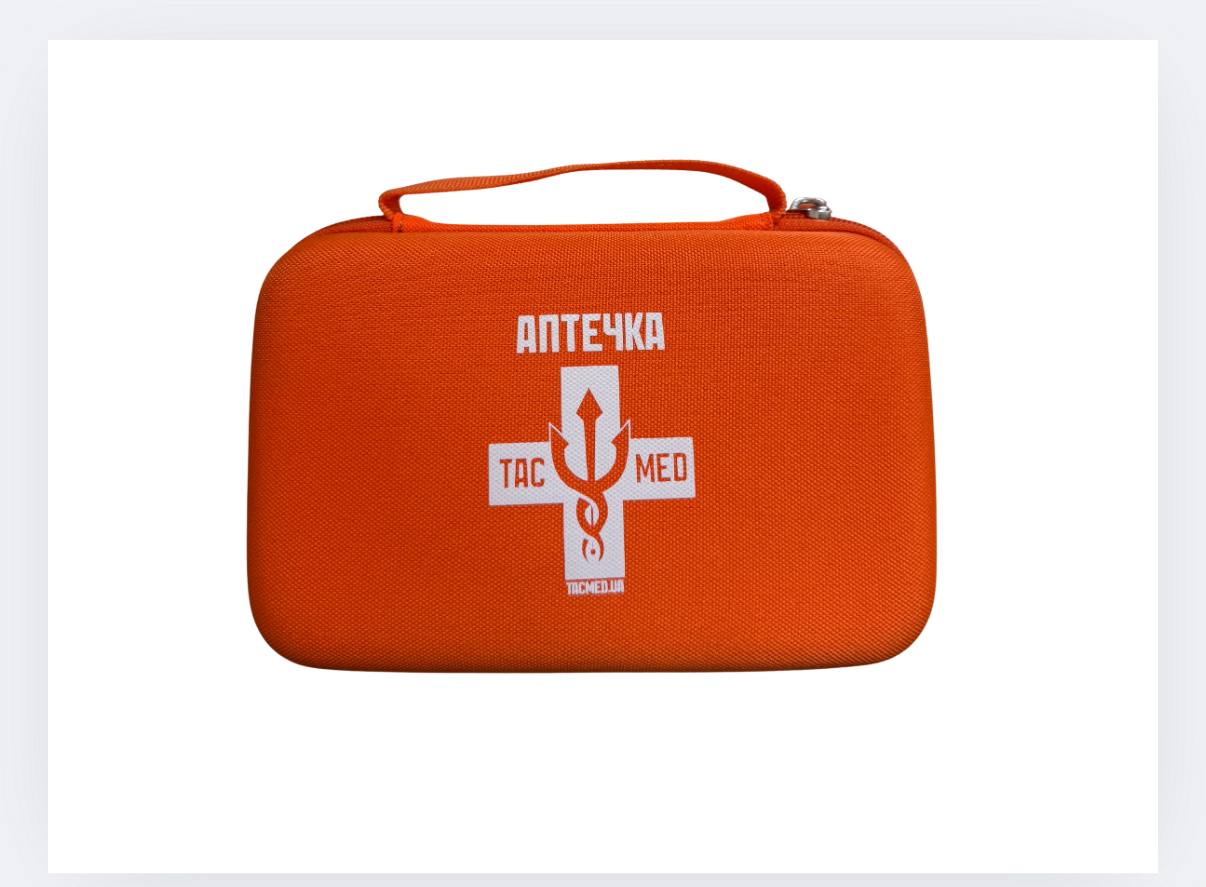
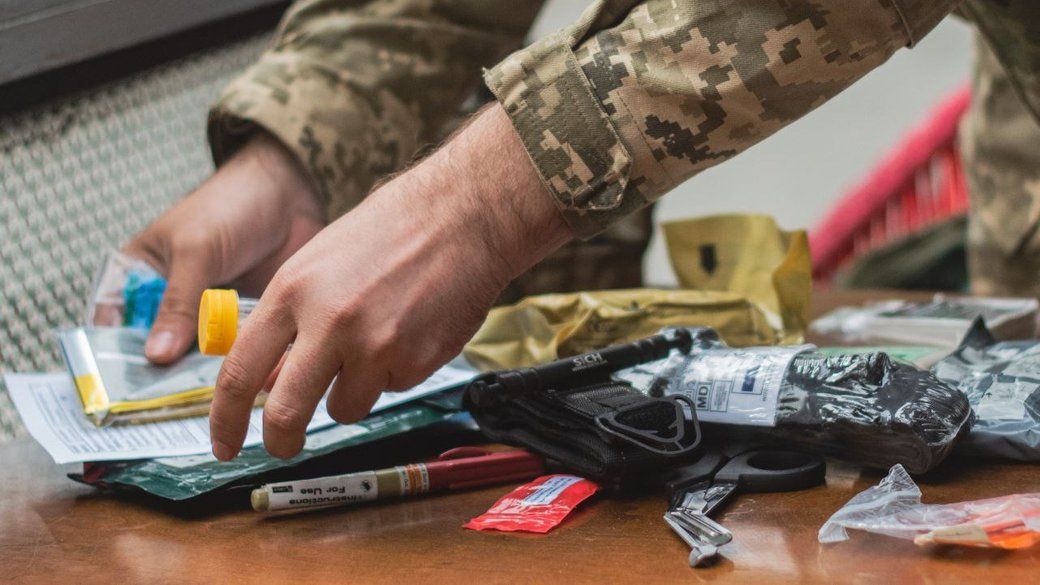
Many ready-made vehicle first-aid kits meet only the minimum regulatory requirements. They often lack items now considered highly effective in saving lives after severe trauma. For example, many standard kits do not include a certified tourniquet, hemostatic agents, or occlusive dressings for chest injuries.
If you regularly drive long distances, travel with children, or use rural roads, consider adding modern first-aid supplies to your kit.
A more comprehensive vehicle first-aid kit should include:
- a certified tourniquet;
- hemostatic gauze, such as Celox Rapid, Celox Gauze, or QuikClot hemostatic gauze;
- a compression bandage;
- occlusive dressings for chest injuries;
- elastic bandages;
- a versatile SAM Splint;
- a thermal blanket;
- nitrile gloves;
- medical shears;
- a marker;
- a CPR mask;
- a flashlight;
- hand sanitizer.
Each item has a specific purpose. A tourniquet is used for severe bleeding from a limb; hemostatic products help control deep injuries; compression bandages apply steady pressure to an injured area; and a thermal blanket reduces the risk of hypothermia. Shears allow you to cut clothing for a full examination, while a SAM Splint can temporarily immobilize fractures until an ambulance crew arrives.
TacMed carries the main components of a modern vehicle first-aid kit in line with guidance for severe trauma. This makes it possible to assemble a kit based on how the vehicle is used and the risks involved.
Common mistakes made by crash witnesses
Wanting to help is natural, but rushing often leads to mistakes that may worsen the injured person’s condition. Common mistakes include:
- running to the car without assessing scene safety;
- moving the injured person without a clear reason;
- overlooking severe bleeding;
- spending time on minor scrapes;
- giving the person water or food;
- trying to set fractures;
- removing motorcycle headgear unnecessarily;
- forgetting to reassess the person;
- failing to wear gloves when handling blood;
- stopping observation after applying a dressing.
A common problem is assuming the job is done once a tourniquet or compression dressing has been applied. The person’s condition can change quickly. A dressing may shift, bleeding may resume, or internal blood loss may gradually cause unconsciousness. Keep monitoring the injured person until medical staff arrive.
Another common mistake is trying to pull everyone out of the car at all costs. When there is no immediate threat to life, moving someone may do more harm than good, particularly if they have a spinal or pelvic injury.
Common myths about first aid after a road crash
Even today, people repeat advice that modern medicine has disproved.
Myth 1. The injured person must be made to sit up immediately
Unnecessary movement may worsen a spinal or pelvic injury.
Myth 2. A tourniquet should be applied for any bleeding
Use a tourniquet only for severe bleeding from a limb. For most other injuries, direct pressure and a compression dressing are sufficient.
Myth 3. If a person can speak, they are not seriously injured
A person may remain conscious with internal hemorrhage, a pelvic fracture, or traumatic brain injury.
Myth 4. The person should be given water
Do not give food or drink if internal injuries or emergency surgery are suspected.
Myth 5. Headgear should be removed immediately
Do not remove it unless absolutely necessary. Removing full-face headgear without the proper technique may worsen a cervical spine injury.
A road crash is always a high-risk situation, and the first few minutes may shape the injured person’s prognosis. A witness does not need to act as a doctor, but can address several critical threats that often cause death before emergency services arrive. That is why current first aid protocols prioritize scene safety, a prompt call for help, control of severe bleeding, airway assessment, and prevention of hypothermia.
Care does not end after applying a dressing or tourniquet. Keep monitoring the injured person, reassess vital functions, and be ready for their condition to worsen. This approach follows current MARCH and TECC principles, which are used in field medicine and in severe civilian trauma care.
A well-equipped vehicle first-aid kit gives a witness more ways to help. Tourniquets, hemostatic agents, compression bandages, occlusive dressings, thermal blankets, SAM Splints, medical shears, and other items in the TacMed range support care in line with current first aid standards and help the injured person wait for qualified treatment.
FAQ
What should I do first after a road crash?
Make sure you are safe, mark the crash site, call emergency services, and only then approach the injured people.
When can I pull someone out of a car?
Only when there is an immediate threat to life, such as fire, smoke, a risk of a blast, the car sinking in water, or a high likelihood of another collision.
Should I apply a tourniquet immediately?
Only for severe bleeding from a limb. In other cases, use direct pressure and a compression dressing first.
What should I do if someone is unconscious but breathing?
Monitor their breathing, assess whether you can safely place them in the recovery position, and wait for medical staff. If a severe spinal injury is suspected and there is no immediate threat, avoid unnecessary movement.
What should I do if the injured person is not breathing?
After checking scene safety, begin cardiopulmonary resuscitation and use an AED if one is available.
Why should I avoid giving water?
With internal injuries or a possible emergency operation, food or drink may complicate further treatment.
Should I remove a motorcycle helmet?
Only when there is a clear reason, such as the need to open the airway.
Which injuries are most dangerous after a road crash?
Severe bleeding, traumatic brain injuries, chest injuries, internal hemorrhage, pelvic fractures, and spinal injuries.
What should a modern vehicle first-aid kit contain?
A tourniquet, hemostatic agents, a compression bandage, occlusive dressings, a thermal blanket, a SAM Splint, gloves, shears, a CPR mask, and a marker.
Should I keep monitoring the injured person?
Yes. Their condition can change quickly even after bleeding has been controlled or a dressing applied. Reassess them until medical staff arrive.