Allergic Reaction and Anaphylaxis in Outdoor Settings: What to Do During the First Minutes
Content
- How Does an Allergic Reaction Differ from Anaphylaxis?
- What Most Commonly Triggers Anaphylaxis Outdoors?
- Symptoms That Should Never Be Ignored
- Skin Changes
- Breathing Problems
- Cardiovascular Symptoms
- Altered Level of Consciousness
- What Should Be Done During the First Minutes?
- Why Don't Antihistamines Treat Anaphylaxis?
- What Should Be Included in a First Aid Kit for Outdoor Activities, Field Work, and Remote Operations?
- Mistakes That May Have Serious Consequences
- FAQ
The warm season traditionally brings more outdoor activities, including hiking, field training, fishing, hunting, and extended time outside. At the same time, the likelihood of exposure to allergens that may trigger a severe allergic reaction also increases. The most common causes are bee, wasp, and hornet stings, although certain foods, medications, latex, and even intense physical activity may also become triggers. In most cases, an allergy causes itching or localized swelling. Sometimes, however, the reaction progresses rapidly and develops into anaphylaxis. This life-threatening condition may lead within minutes to airway swelling, a sudden drop in blood pressure, impaired circulation, and loss of consciousness. Anyone who spends time outdoors, works in field environments, or prepares a first aid kit should know the basic first aid algorithm before professional medical assistance becomes available.
How Does an Allergic Reaction Differ from Anaphylaxis?
An allergic reaction occurs when the immune system overreacts to a substance that is harmless for most people. The body releases large amounts of inflammatory mediators, primarily histamine, which leads to characteristic symptoms.
A mild allergic reaction is usually limited to one area of the body. For example, after an insect sting, redness, itching, or slight swelling may appear. These symptoms may last for several hours or days, while the person's overall condition remains stable.
Anaphylaxis develops in a completely different way. It affects several body systems at the same time. Blood vessels dilate rapidly, blood pressure drops, the airways become narrowed, and pronounced swelling of the mucous membranes develops. Without timely assistance, the condition may quickly become critical.
The first symptoms may appear minor. After a wasp sting, a person may initially experience only itching, but within minutes breathing becomes difficult, weakness develops, or dizziness appears. Any rapid deterioration following contact with a potential allergen requires immediate attention.
What Most Commonly Triggers Anaphylaxis Outdoors?
People in natural environments are exposed to many factors that may trigger a severe allergic reaction. Some of them are commonly encountered during outdoor recreation, work, or operational activities.
The most common triggers include:
- bee stings;
- wasp stings;
- hornet stings;
- certain foods;
- medications;
- latex;
- physical exertion combined with allergen exposure.
Stings from hymenoptera insects are among the most frequent causes of anaphylaxis. Their venom contains protein components capable of triggering an extremely strong immune response in sensitive individuals. If a person has experienced a similar reaction before, the likelihood of another episode increases significantly.
Food allergens also represent an important risk. During hiking trips and outdoor activities, people often try unfamiliar foods, ready-to-eat meals, or energy bars containing nuts, peanuts, or seafood. Even a very small amount of an allergen may lead to a severe reaction.

Symptoms That Should Never Be Ignored
The first signs of anaphylaxis may appear within a few minutes after exposure to an allergen, although in some cases the reaction develops within 30 to 60 minutes. The faster symptoms progress, the greater the risk of a severe course.
Skin Changes
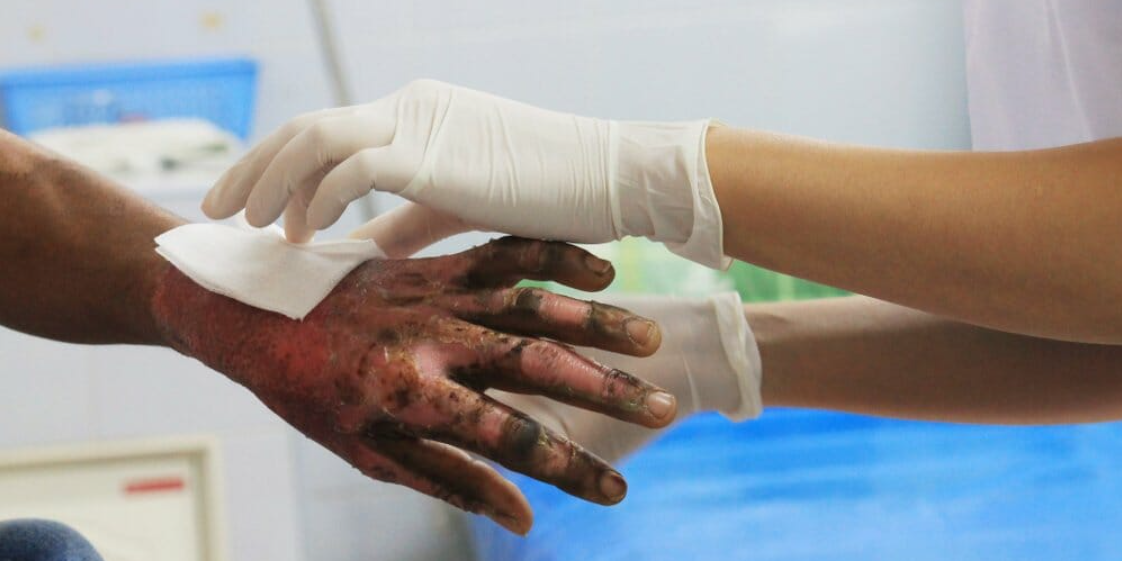
In many cases, the earliest signs of anaphylaxis appear on the skin within minutes after allergen exposure. They may spread rapidly and affect large areas of the body. Even if the person's overall condition initially appears stable, these symptoms should never be ignored because they often precede breathing and circulatory problems. Each symptom should be assessed together with its speed of onset and progression.
These signs include:
- widespread hives;
- intense itching;
- redness;
- swelling of the lips;
- swelling of the eyelids;
- swelling of the tongue.
If swelling rapidly spreads to the face or neck, there is a risk of upper airway involvement. Even without significant complaints, the person's condition requires continuous observation because swelling may progress quickly. Skin symptoms combined with coughing, hoarseness, or difficulty breathing indicate a high risk of severe anaphylaxis.
Breathing Problems
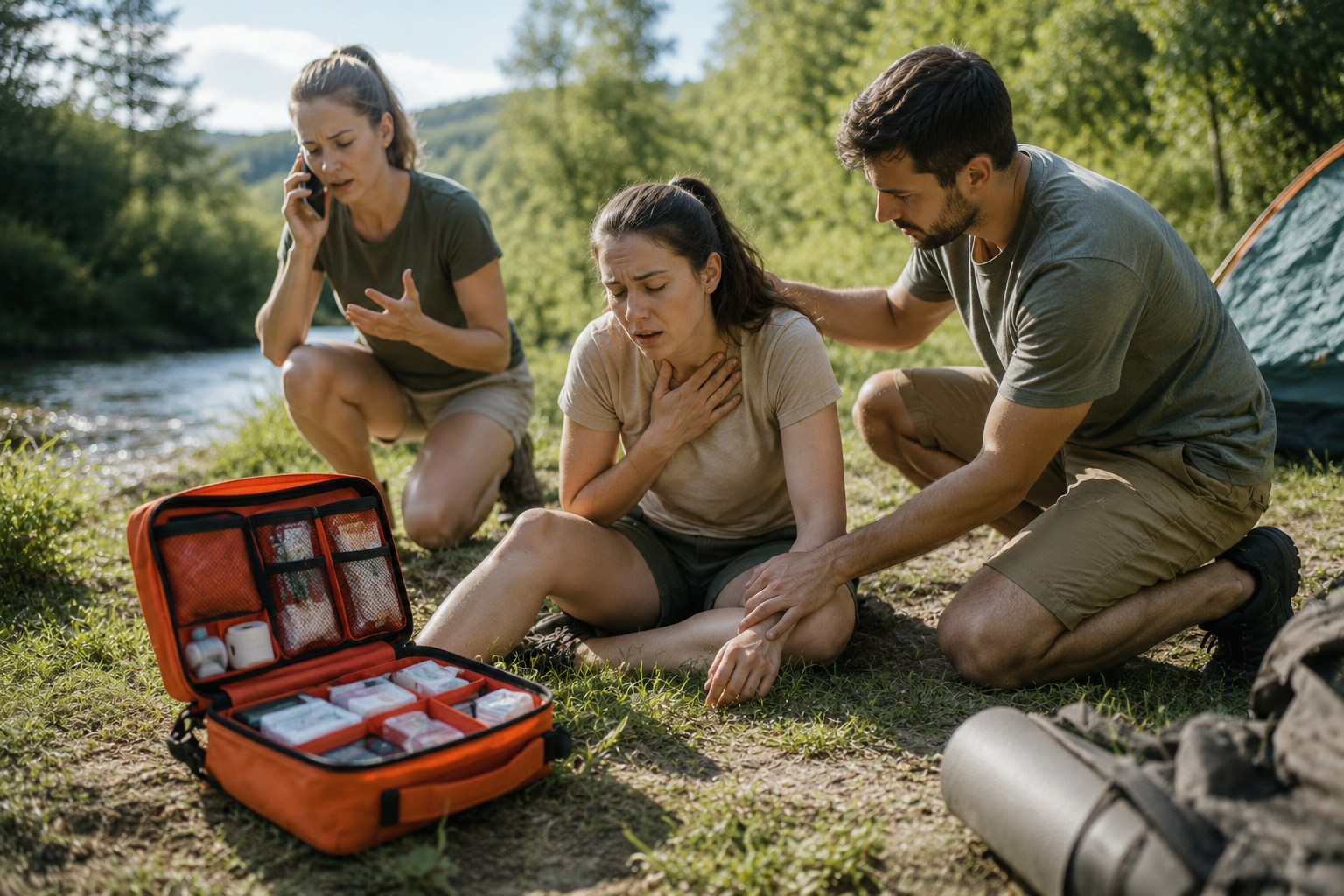
Respiratory symptoms are among the most dangerous manifestations of anaphylaxis because they may quickly result in a critical lack of oxygen. They are caused by swelling of the airway lining, bronchospasm, or a combination of both. Symptoms may worsen within minutes, making any breathing difficulty an emergency. Particular attention should be paid to voice changes and wheezing.
Warning signs include:
- difficulty inhaling;
- wheezing;
- hoarseness;
- a sensation of something stuck in the throat;
- severe coughing;
- shortness of breath.
The appearance of even one of these symptoms after an insect sting or contact with an allergen requires immediate action. Delays may result in complete airway obstruction or severe bronchospasm. If symptoms rapidly worsen, epinephrine should be administered as soon as possible if an auto-injector is available, and emergency medical services should be contacted immediately.
Cardiovascular Symptoms
During anaphylaxis, the allergic reaction affects vascular tone and cardiac function, leading to a rapid reduction in blood supply to vital organs. Blood pressure may fall very quickly, and the person's condition can deteriorate within minutes. These changes pose an immediate threat to life and require prompt action. Cardiovascular symptoms combined with breathing difficulties indicate a particularly critical situation.
A person may experience:
- severe weakness;
- dizziness;
- cold sweating;
- rapid heartbeat;
- a sudden drop in blood pressure.
In severe cases, the affected person may lose consciousness because of inadequate blood flow to the brain. This indicates critical circulatory failure and a high risk of anaphylactic shock. Until professional medical help arrives, continuously monitor the person's condition, breathing, and level of consciousness.
Altered Level of Consciousness
Changes in consciousness occur when the brain no longer receives enough oxygen and blood to function properly. These symptoms usually develop during severe anaphylaxis and indicate that the person's condition has become critical. The response of people nearby should be immediate because every minute affects the outcome.
Signs of reduced consciousness include:
- confusion;
- no response when spoken to;
- fainting;
- seizures.
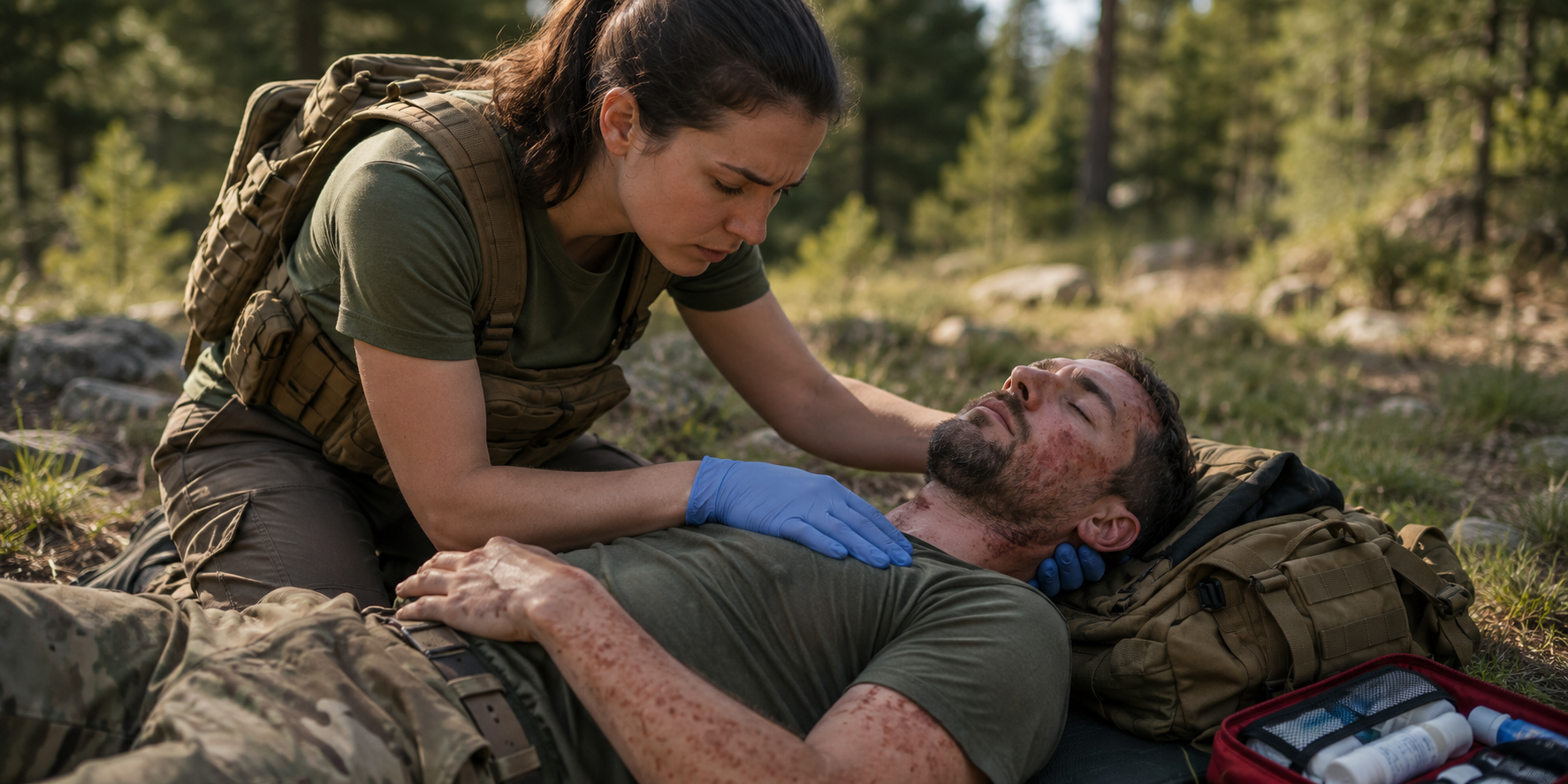
If the person becomes unresponsive, loses consciousness, or develops seizures, immediately contact emergency medical services and begin appropriate first aid measures. Until professional medical assistance arrives, maintain an open airway, check for breathing and pulse, and begin cardiopulmonary resuscitation (CPR) without delay if they are absent.
What Should Be Done During the First Minutes?
In anaphylaxis, every minute matters. The outcome largely depends on how quickly the correct actions are taken.
The recommended sequence of actions includes:
- Stop exposure to the allergen. If the reaction was caused by a bee sting, carefully remove the stinger if possible. If food or medication triggered the reaction, discontinue its use immediately.
- Call emergency medical services immediately and inform the dispatcher that anaphylaxis is suspected.
- If the affected person has a prescribed epinephrine auto-injector and can use it, or if someone nearby knows how to administer it, epinephrine should be given as early as possible according to the manufacturer's instructions.
- Lay the person on their back and elevate the legs approximately 20 to 30 centimeters if there is no severe breathing difficulty or vomiting. If breathing is difficult, allow the person to remain in the position that makes breathing easier.
- Continuously monitor consciousness and breathing until emergency medical services arrive. If the person becomes unconscious and stops breathing normally, begin CPR immediately.
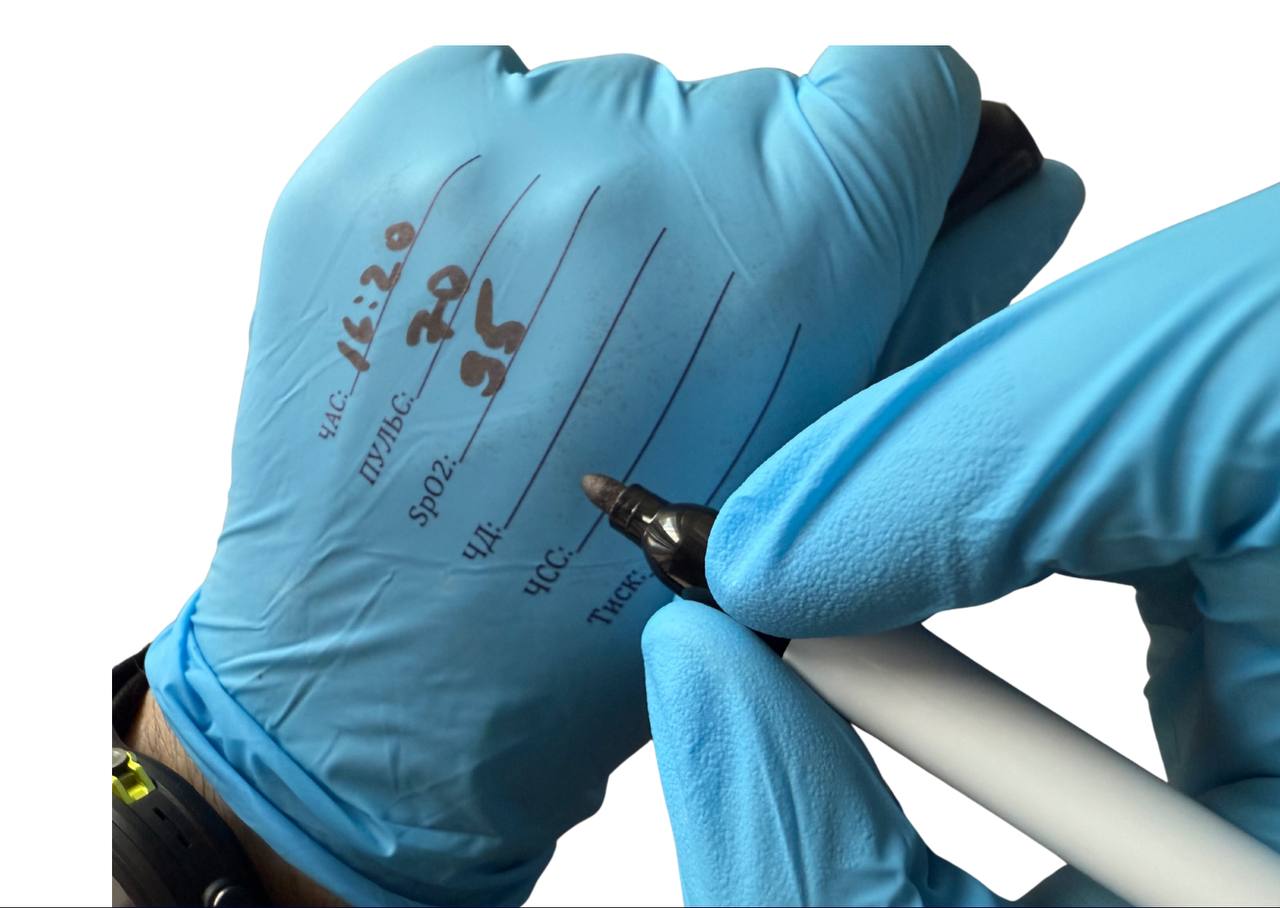
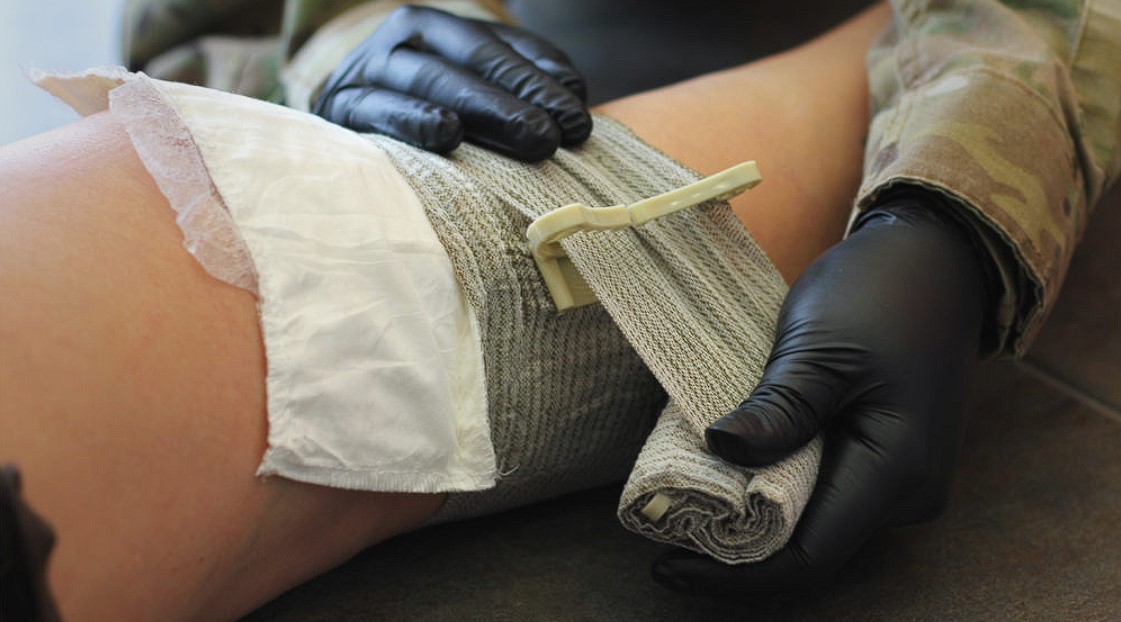
During CPR, using a barrier device for rescue breathing provides additional protection. For this reason, it is advisable to include CPR face shields or barrier masks in travel, vehicle, and field first aid kits. Disposable nitrile gloves are also recommended during any contact with an injured person because they help reduce exposure to body fluids.
Why Don't Antihistamines Treat Anaphylaxis?
Many people mistakenly believe that taking an antihistamine tablet is sufficient for any allergic reaction. In mild allergic reactions, antihistamines may indeed help reduce itching, redness, or rash. Anaphylaxis, however, develops through a different mechanism and requires a completely different approach.
During anaphylaxis, the body releases a massive amount of biologically active substances that affect nearly every organ system. Blood vessels dilate rapidly, blood pressure falls sharply, vascular permeability increases, and the muscles surrounding the airways contract. These processes create the greatest danger to life.
Antihistamines cannot rapidly reverse:
- critically low blood pressure;
- bronchospasm;
- swelling of the larynx;
- circulatory failure;
- the development of shock.
They may be used only as supportive treatment after epinephrine has been administered and the patient's condition has stabilized. According to international guidelines, epinephrine remains the first-line treatment for anaphylaxis.
For this reason, people who have previously experienced anaphylaxis are generally advised by their physician to carry a prescribed epinephrine auto-injector at all times. Having it readily available significantly increases the chances of successful early intervention before professional medical assistance arrives.
What Should Be Included in a First Aid Kit for Outdoor Activities, Field Work, and Remote Operations?
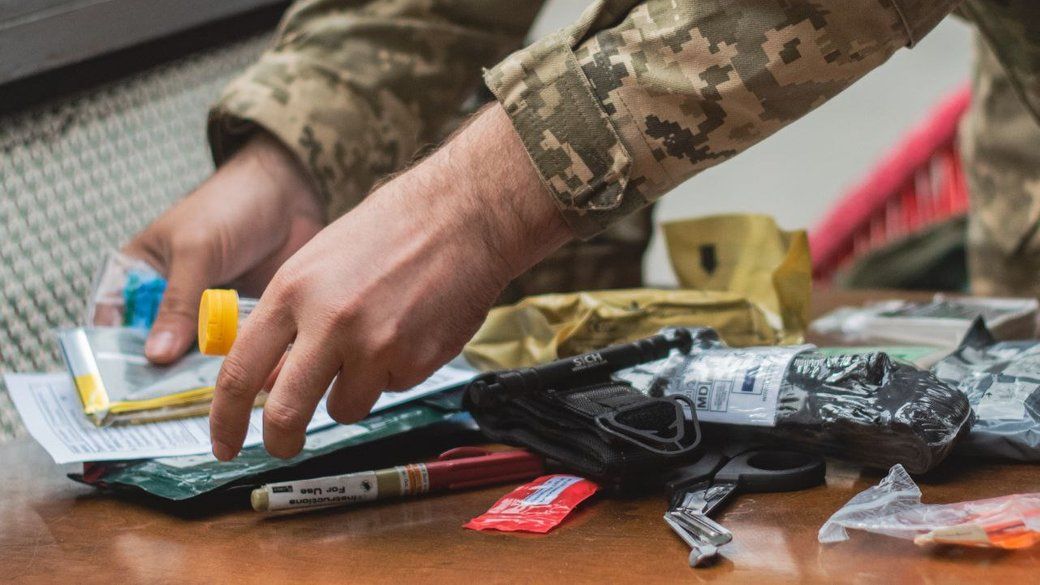
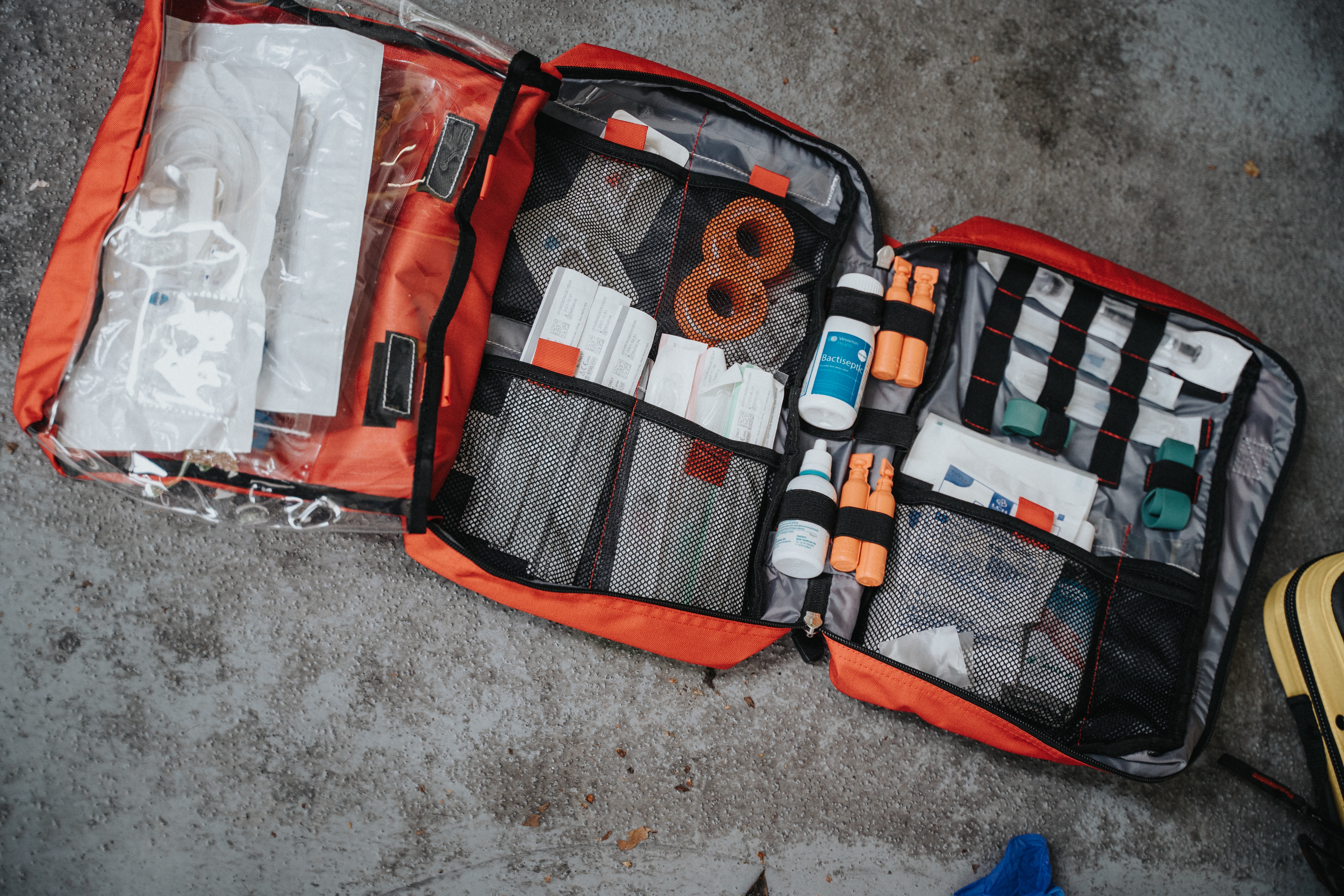
Completely eliminating the risk of allergen exposure is practically impossible. A person may not even be aware of their susceptibility to a severe allergic reaction until the first episode occurs. For this reason, a field first aid kit should be prepared for a variety of emergencies, including anaphylaxis and the possible need for cardiopulmonary resuscitation.
A basic kit should include:
- disposable nitrile gloves;
- a CPR face shield or rescue breathing valve;
- an emergency thermal blanket to help prevent hypothermia;
- trauma shears for rapid access to injured areas;
- sterile dressings and wound care supplies;
- bleeding control supplies;
- a ready-to-use first aid kit appropriate for the intended environment.
Most of these products are available in the TacMed range. Instead of selecting dozens of individual components separately, a pre-configured field, travel, or vehicle first aid kit is often the more practical solution, as essential supplies are already organized for quick access.
For instructors, rescue personnel, and outdoor groups, medical pouches, organizers, and dedicated first aid bags are also valuable. They make it easier to locate essential equipment quickly, even in low-light conditions or when time is limited.
If a person has been diagnosed with a condition associated with a high risk of anaphylaxis, a prescribed epinephrine auto-injector should be obtained in advance following a physician's recommendation and carried at all times. It is generally not included in standard first aid kits, making personal preparedness essential.
Mistakes That May Have Serious Consequences
During anaphylaxis, valuable time is often lost on actions that provide no benefit or may even worsen the situation. This usually happens because people confuse a mild allergic reaction with anaphylaxis or are unfamiliar with the correct first aid procedure.
The most common mistakes include:
- waiting for symptoms to resolve on their own;
- relying only on antihistamines without contacting emergency medical services;
- delaying the use of an available epinephrine auto-injector;
- encouraging the affected person to remain physically active;
- leaving the person unattended;
- failing to monitor breathing and consciousness;
- delaying the start of CPR when indicated.
Even if the person's condition improves after epinephrine has been administered, medical observation is still necessary. In some cases, a second phase of anaphylaxis develops several hours later and also requires treatment. Any suspected case of anaphylaxis should be treated as a medical emergency regardless of whether it occurs in a forest, the mountains, a training area, while fishing, or during family recreation.
An allergic reaction and anaphylaxis differ significantly in severity. While localized redness after an insect sting is usually not life-threatening, a systemic allergic reaction may cause critical breathing and circulatory problems within minutes.
In outdoor environments, professional medical assistance may not be immediately available. Knowing the first aid algorithm, contacting emergency medical services without delay, administering epinephrine when indicated, and carrying a properly equipped first aid kit all significantly improve the chances of a positive outcome.
The TacMed online store offers a wide selection of ready-to-use first aid kits, medical pouches, CPR supplies, nitrile gloves, emergency thermal blankets, and other products designed to help people prepare for emergencies during hiking, field activities, operational duties, and outdoor recreation.
FAQ
How can I tell the difference between a common allergic reaction and anaphylaxis?
A mild allergic reaction is usually limited to local symptoms. Anaphylaxis develops rapidly and typically includes difficulty breathing, significant swelling, severe weakness, a sudden drop in blood pressure, or loss of consciousness.
What should I do if someone develops breathing difficulty after a bee or wasp sting?
Contact emergency medical services immediately, use a prescribed epinephrine auto-injector if one is available, continuously monitor breathing, and be prepared to begin CPR if necessary.
Is taking an antihistamine enough?
No. Antihistamines do not address the life-threatening processes involved in anaphylaxis and cannot replace epinephrine.
Should medical attention still be sought if the person feels better after epinephrine?
Yes. Medical evaluation and observation remain necessary because a second phase of anaphylaxis may develop several hours later.
What items should be included in a field first aid kit?
A field first aid kit should include nitrile gloves, CPR supplies, wound care materials, an emergency thermal blanket, bleeding control supplies, and other components appropriate for the intended environment.
Who should always carry an epinephrine auto-injector?
People who have previously experienced anaphylaxis or who have been identified as being at high risk should follow their allergist's recommendations and carry their prescribed epinephrine auto-injector at all times.