First Aid Kit Components: Consumables, Tools, and Medical Accessories
First aid kit components help build an individual kit, replenish used supplies, or adapt a ready-made kit to specific conditions. They are selected for service and civilian kits, vehicle kits, medical bags, evacuation gear, and team equipment.
TacMed’s catalogue features disposable materials, personal protective equipment, tools, fastening components, labels, and sorting supplies. Separate categories include gloves, medical shears, reinforced tape, strap cutters, retractors, wipes, films, and professional systems for warming transfusion and infusion fluids.
The wide range makes it possible to assemble a kit according to the MARCH algorithm, a professional protocol, an organisation’s internal standard, or the requirements of a specific task. When choosing, consider each product’s purpose, compatibility with other equipment, expiry date, packaging, and the future user’s level of training.
What first aid kit components are available in the catalogue?
A kit’s contents depend on the environment, number of users, and likely types of trauma. A vehicle kit, an individual service member’s first aid kit, and a medical worker’s pack have different purposes. It is therefore useful to group components by the role they serve during preparation or while providing assistance.
Basic materials are generally used to maintain hygiene, secure dressings, and reach a person quickly. Specialised components require relevant training and indications. The catalogue includes both everyday consumables and equipment for medical teams.
The range includes:
- Nitrile gloves that provide a barrier for the hands during contact with biological fluids.
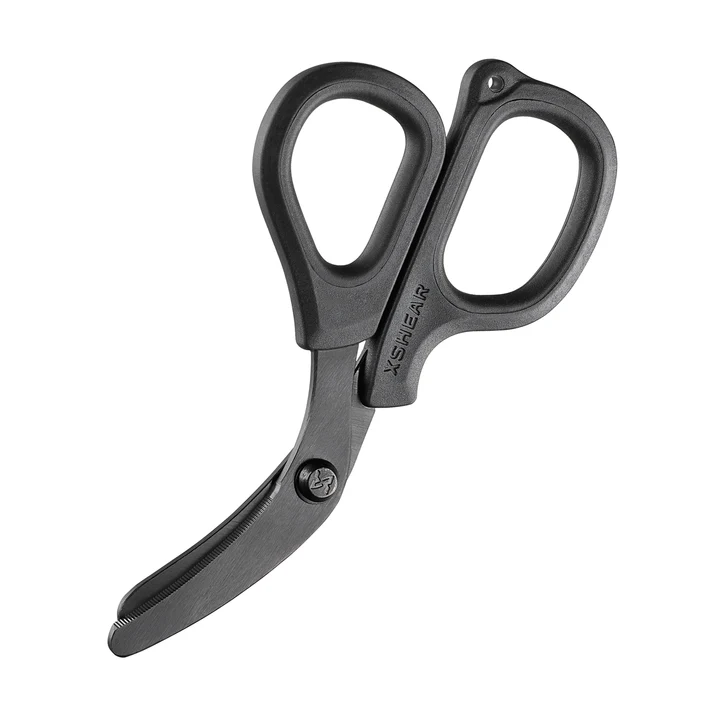
- Medical shears for cutting clothing, gear, bandages, and adhesive dressings.
- Reinforced medical tape for securing dressing materials and equipment.
- Adhesive dressings, wipes, films, and dressing covers in different sizes.
- Strap cutters for controlled cutting of belts, webbing, and gear components.
- Casualty cards, markers, and sorting supplies for documenting care.
- Eye shields, holders, retractors, and auxiliary tools.
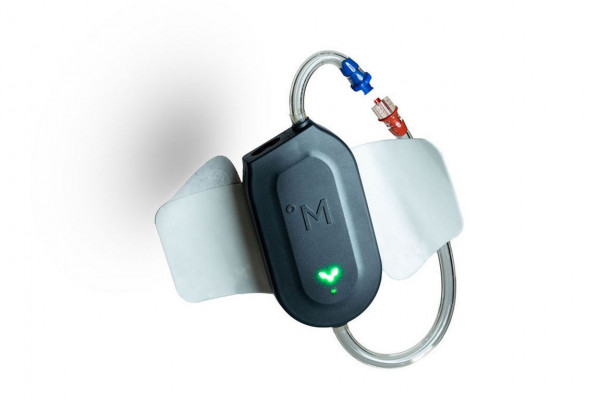
- Chemical warmers, containers, and professional fluid-warming systems.
- Organisers, pill cases, patches, and contents identification supplies.
- Syringes, atomisers, and other specialised components for trained medical professionals.
Each product should have a designated place in the kit and suit a real use case. An excess of miscellaneous accessories adds weight, takes up useful space, and makes the right item harder to find. Grouping components by function helps speed up supply checks.
Keep disposable materials in their original packaging until use. Arrange tools so they can be retrieved without a lengthy search. Consider a separate, labelled module for components that require specialised training.
Gloves, adhesive dressings, and wound care materials
Nitrile gloves are among the basic personal protective items. Include several pairs in a first aid kit, since gloves may become contaminated or damaged, or another responder may need a pair. The size should provide a close fit without excessive tension on the material.
Glove colour affects how visible contamination is and how easy the gloves are to inspect. In field conditions, compact, flat packaging is useful because it can fit in an easy-access pocket. Before packing, check that the pouch is intact and review the manufacturer’s storage guidance.
Choose adhesive dressings, wipes, and film covers according to their intended use. The category includes rolls of medical tape, fabric and nonwoven options, silicone dressings, transparent polyurethane covers, and auxiliary wipes. Products vary by backing, size, adhesive properties, and conditions of use.
Major bleeding requires specialised products from the tourniquet, bandage, and compression wrap categories. An ordinary adhesive dressing or wipe does not replace a bleeding-control product selected according to the protocol and type of trauma.
Medical shears and strap cutters
Medical shears provide quick access to an affected area and are used to cut clothing, dressings, and some gear components. A curved working edge reduces the risk of accidental skin damage when used correctly. TacMed offers TACMED, XShear, and North American Rescue models, along with compatible holders.
When choosing shears, assess their length, handle shape, blade alignment, comfort when worn with gloves, and attachment options. A carabiner or separate holder makes access easier, but the tool should still be secured against accidental loss. After use, clean and process reusable shears according to the manufacturer’s instructions and the organisation’s procedures.
Strap cutters are designed for belts, webbing, textile fasteners, and other gear components. A covered or partially guarded blade helps control the cut. This tool may be useful during evacuation, road accidents, and when freeing a person from damaged gear.
Reinforced tape and fastening supplies
Reinforced tape is an auxiliary product used to secure dressing materials, package equipment, and make minor gear repairs. It has a durable backing, resists tearing, and may come as a roll or in a compact flat format. Check each product listing for the available options and specifications.
Flat tape takes up less room in an individual pouch. A roll may be more convenient in a group medical kit, vehicle first aid kit, or stationary pack. Keep the adhesive layer clean and dry. Replace the outer packaging if it is damaged.
Use tape within its stated specifications and the manufacturer’s guidance. It should not be treated as a universal substitute for specialised medical dressings, splints, or occlusive seals. For chest trauma, choose certified occlusive dressings designed for the relevant clinical purpose.
Labelling, sorting, and documentation
A casualty card helps record observed trauma, procedures performed, and their timing. This information supports handover to the next level of medical care. A marker suitable for the expected weather conditions and card material is needed to fill it in.
When several people need assistance at once, use medical triage supplies and clear labels. The marking format should follow the organisation’s or team’s protocol. An improvised colour system can cause confusion between teams.
Patches and textile labels help identify modules, pouches, and staff roles. They do not provide treatment, but they can reduce the time needed to find equipment. Clear compartment labels are particularly useful in large medical bags and vehicle organisers.
Warmers and professional components
Preventing hypothermia is part of the MARCH algorithm, so care should include protecting the person from cooling as well as other medical procedures. Chemical warmers and thermal blankets may be used in individual and civilian first aid kits. Choose them with the temperature, duration of use, and safe skin contact in mind.
Warmers for transfusion and infusion fluids are professional equipment. The TacMed category includes portable systems, single-use warmers, controllers, transfusion sets, and specialised containers. This equipment should be used by medical professionals with appropriate training who follow approved protocols.
Syringes, intranasal atomisers, retractors, and other specialised tools also require a clearly defined purpose. Adding them to a kit without a trained user is not advisable. Select medicines according to the user’s scope of practice, protocols, storage conditions, contraindications, and expiry dates.
How to choose first aid kit components
Start by identifying who will use the kit and under what conditions. A trained medic may need a wider range of tools, while a civilian user needs supplies they understand and have practised with. Next, check the equipment already on hand to avoid missing key items or adding unnecessary duplicates.
Assemble the kit using a written checklist. It may follow MARCH, workplace requirements, a vehicle standard, or a medical service protocol. Every item should have a specific function and a designated place for storage.
Use these criteria when choosing first aid kit components:
- Define the use case. Consider likely trauma, distance from professional care, the number of people, and how long the kit may be needed.
- Account for the user’s training. Include supplies the user knows how to apply and practises with regularly.
- Check the main functional modules. Review supplies for bleeding control, breathing support, hypothermia prevention, and care of affected areas.
- Pack spare gloves. One pair may not be enough if gloves become contaminated or damaged, or several responders are involved.
- Choose tools for the working conditions. Compact size and secure attachment matter in an individual kit; tool durability also matters in a medical bag.
- Match component sizes to the pouch. The kit should close without excessive compression of packages or damage to sealed materials.
- Check compatibility. Holders, single-use cartridges, tubing, controllers, and other system components must match the specific equipment model.
- Assess packaging. Labels should remain legible, and disposable sterile products should retain intact packaging.
- Compare expiry dates. Place materials with a shorter remaining shelf life where they are easy to inspect and replace.
- Arrange quick access. Keep the most critical supplies in predictable locations and label modules by purpose.
After assembling the kit, physically check access to each module. Practise opening it while wearing gloves, in the dark, and in an awkward position. This shows whether secondary items block access to essential supplies.
Use separate training materials for practice. A sterile product that has been opened should not be returned to the working kit as ready for use. Replenish and inspect the kit after each use.
How to check the condition of kit components
Regular inspections help identify expired, damaged, or missing supplies in time. The inspection schedule depends on how often the kit is used and its storage conditions. Vehicle kits need particular attention because of temperature and humidity changes.
For group kits, it is useful to assign someone to track supplies. Keep a contents list inside the kit or maintain it electronically. After opening the kit, check not only which materials were used but also the condition of nearby packages.
- Compare the actual contents with the approved checklist;
- Check expiry dates on consumables;
- Inspect sealed packages for punctures and separation;
- Check gloves for signs of ageing or damage;
- Clean reusable tools according to their instructions;
- Check electronic equipment charge and included components;
- Replace unclear or damaged labels;
- Check attachments for shears, strap cutters, and external pouches;
- Replenish supplies immediately after use;
- Record the inspection date.
After inspection, reassemble the kit in its predetermined order. Standardise component placement across matching kits used by a team or organisation. This helps another person find supplies more quickly when providing assistance.
Remove damaged disposable materials from the working kit. Check expensive professional equipment according to the manufacturer’s schedule. Keep compatible consumables, power sources, and protective transport arrangements available for this equipment.
Common mistakes when assembling a first aid kit
One common mistake is copying someone else’s checklist without considering your own conditions. Even a well-equipped kit may be difficult to use if the user is unfamiliar with its contents. Another problem is including too many small accessories, making priority supplies harder to find quickly.
Packaging can no longer be relied on to maintain sterility once it is damaged. Crushed edges, punctures, moisture, and faded labels are reasons to inspect the product carefully and replace it if needed. Avoid storing components loose in a general pocket with tools that could damage their packaging.
Equipment that requires training needs particular attention. Including it in a kit offers little practical value without the necessary knowledge, an applicable protocol, and compatible consumables. Confident use requires training and regular practice.
Buy first aid kit components at TacMed
The TacMed online store lets you choose components for an individual, field-use, civilian, vehicle, or professional first aid kit. The catalogue has separate sections for gloves, shears, tape, fastening supplies, labels, strap cutters, and fluid-warming equipment.
You can order a pouch, medical bag, or vehicle organiser to store the selected components. Ready-made kits are available for users who need a complete solution.
Order components online for delivery across Ukraine, including to Kyiv, Kharkiv, Dnipro, Odesa, Lviv, Zaporizhzhia, Poltava, Vinnytsia, Cherkasy, and other locations. Before placing an order, check availability, specifications, sizes, and contents on the relevant product page.
Frequently asked questions
Which components are essential in a first aid kit?
The contents depend on the kit’s purpose and the user’s training. Common basic items include gloves, dressing materials, fastening supplies, and a tool for accessing an affected area. Select supplies for critical conditions according to the relevant protocol.
How many pairs of gloves should I pack?
It is advisable to include several pairs in the appropriate size. The exact number depends on kit capacity, the number of potential users, and the expected use case.
What are medical shears used for?
They help cut clothing, bandages, and some gear components to access an affected area. Their design supports controlled use close to the person receiving assistance.
How does a strap cutter differ from medical shears?
A strap cutter is mainly designed for belts, webbing, and textile gear. Shears have a wider range of uses, including preparing dressing materials and cutting clothing.
Can reinforced tape be used instead of medical tape?
That depends on the task and the product specifications. Reinforced tape is often used for auxiliary fastening and packaging, while medical tape is designed for contact with skin and dressing materials.
What is a casualty card used for?
It records a person’s condition, the timing and nature of procedures, and other information required by the applicable protocol. This supports information handover during evacuation and between medical teams.
Is a blood warmer needed in an individual first aid kit?
Professional warmers are intended for trained medical teams and relevant clinical situations. Compact heat-retention supplies are more commonly selected for an individual kit.
How often should kit components be checked?
Carry out scheduled inspections regularly and after each use, exposure to moisture, significant mechanical stress, or prolonged storage in unfavourable conditions.
Can I add components to a ready-made first aid kit?
Yes, if the added components suit the kit’s purpose, pouch capacity, and the user’s skills. Before buying, make a list of the missing functional items.
How should spare components be stored?
Keep them in a dry place within the temperature range specified by the manufacturer. Leave disposable sterile materials in intact original packaging and protect them from punctures, moisture, and direct sunlight.