How a First Aid Kit and Tactical Medicine Change in Different Conditions: Hot Summer vs. Cold Weather
Content
- Summer First Aid Kit: Main Risks and Essential Supplies
- So what should be in a summer first aid kit?
- What a Winter First Aid Kit Should Include
- How a Summer and Winter First Aid Kit Differ
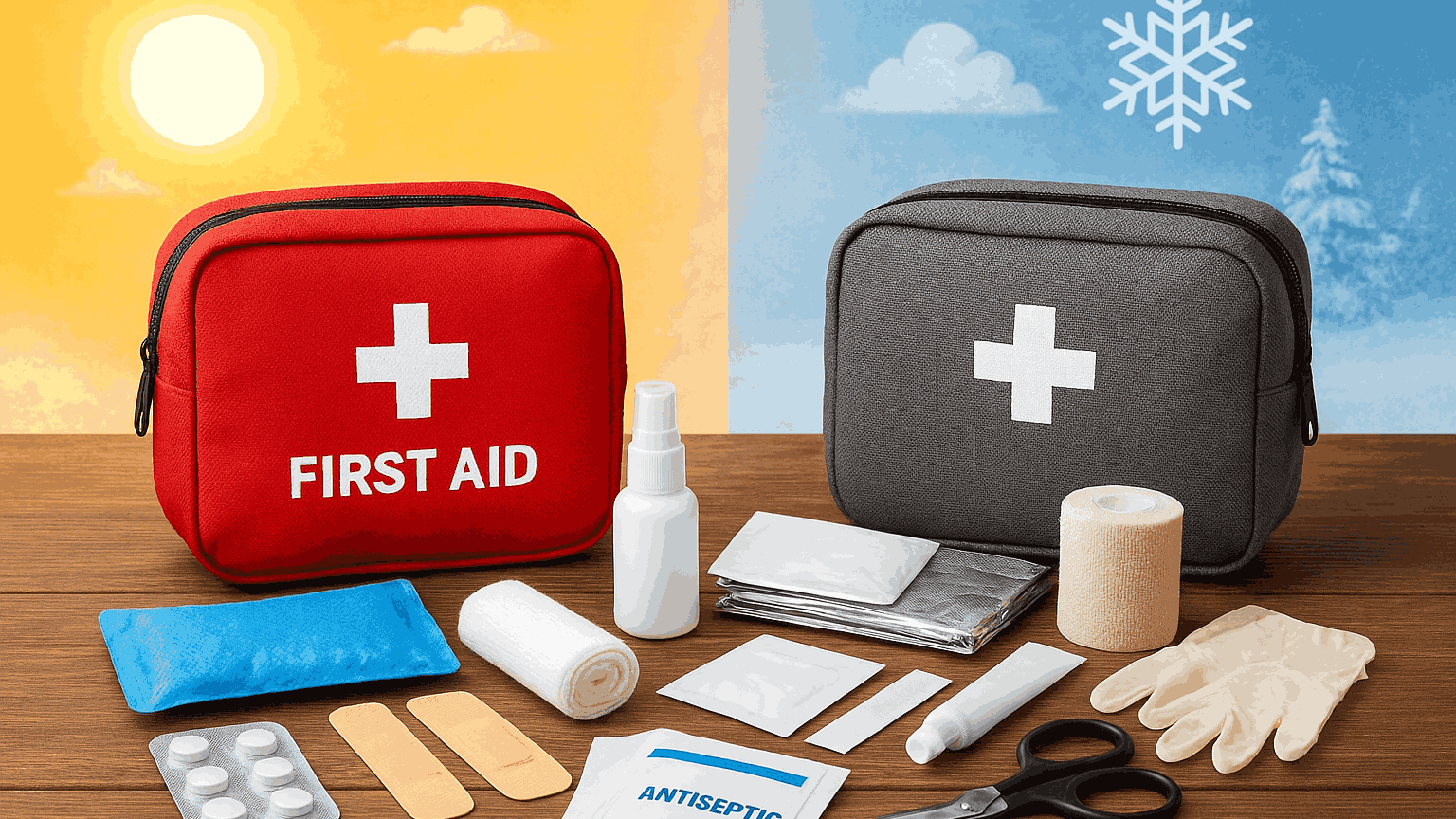
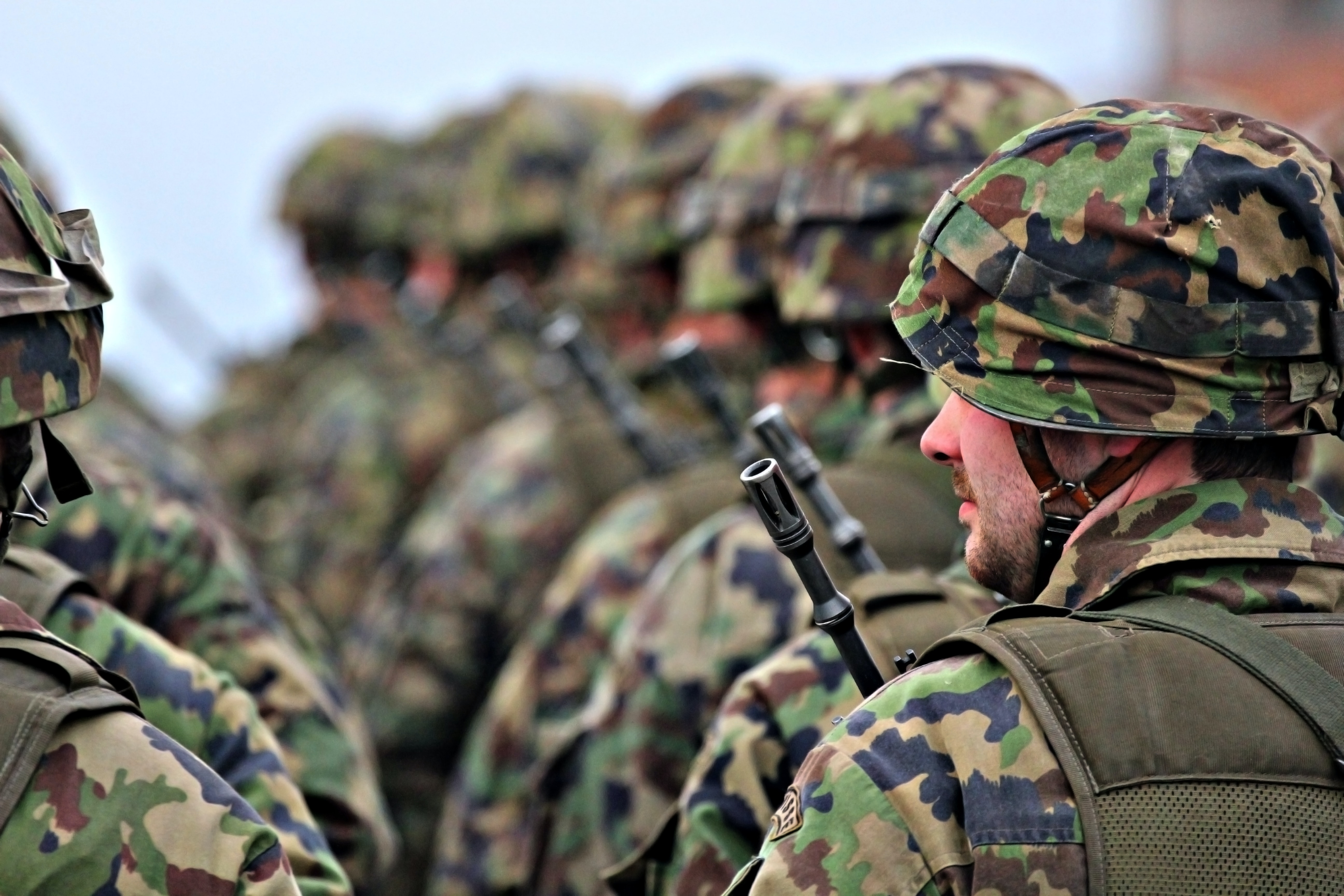
The way you assemble your first aid kit depends not only on your individual needs but also on the season in which you plan to use it. Weather conditions affect injury risks, the state of the body, the stability of medical materials, and the specifics of their use. Therefore, a first aid kit that is ideal for a hot summer will differ from the one you should prepare for winter. This is equally important for military personnel, tourists, drivers, and anyone who wants to have a personal first aid kit prepared for the most unpleasant scenarios.
Below, we will examine which supplies are necessary for different times of the year.
Summer First Aid Kit: Main Risks and Essential Supplies
During the hot season, the key problems are overheating, infections, insect bites, and the rapid deterioration of materials due to exposure to sunlight. A summer first aid kit must consider increased outdoor activity, longer trips, high air temperatures, and increased fluid loss.
The most common summer issues include:
- Heatstroke
- Dehydration
- Insect bites that cause severe allergic reactions
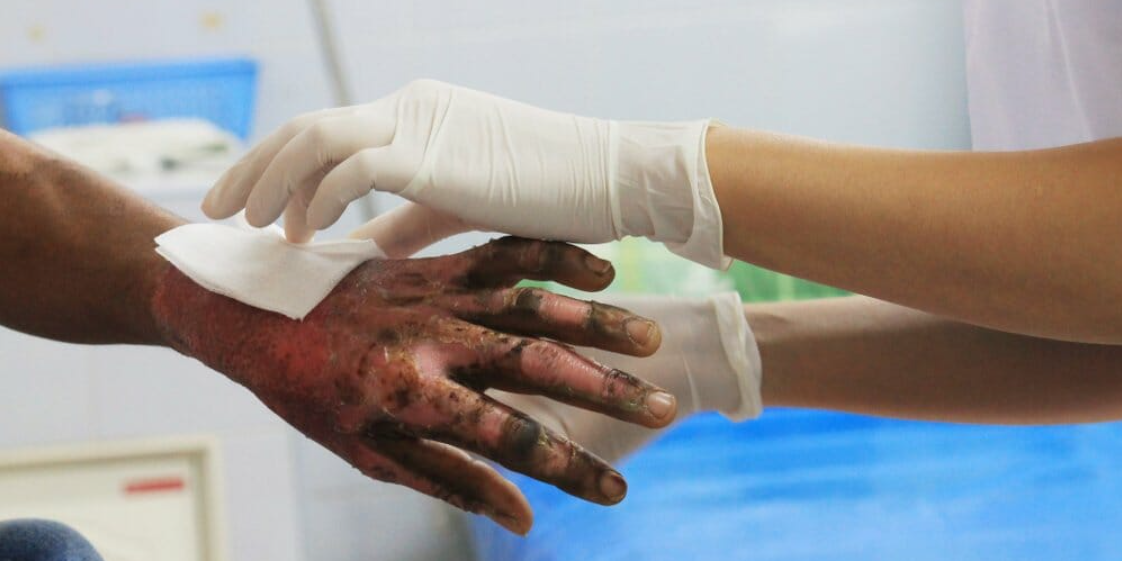
- Burns
- Medications spoil significantly faster
- Cuts
So what should be in a summer first aid kit?
It is important to have high-quality anti-overheating supplies on hand. These include cooling packs, as well as electrolyte solutions and emergency blankets (isothermal blankets) that protect from the sun.
You cannot do without antiseptics and materials for wound dressing. Therefore, add sterile wipes, bandages, adhesive plasters, and a universal antiseptic in a heat-resistant form.
To prevent allergic reactions, we also recommend having antihistamines, gels for insect bites, and similar remedies. Add panthenol or a special burn gel and other burn-treatment supplies. Also make sure you have alcohol wipes, antibacterial spray, and sterile gloves — all essential when there is a risk of infection.
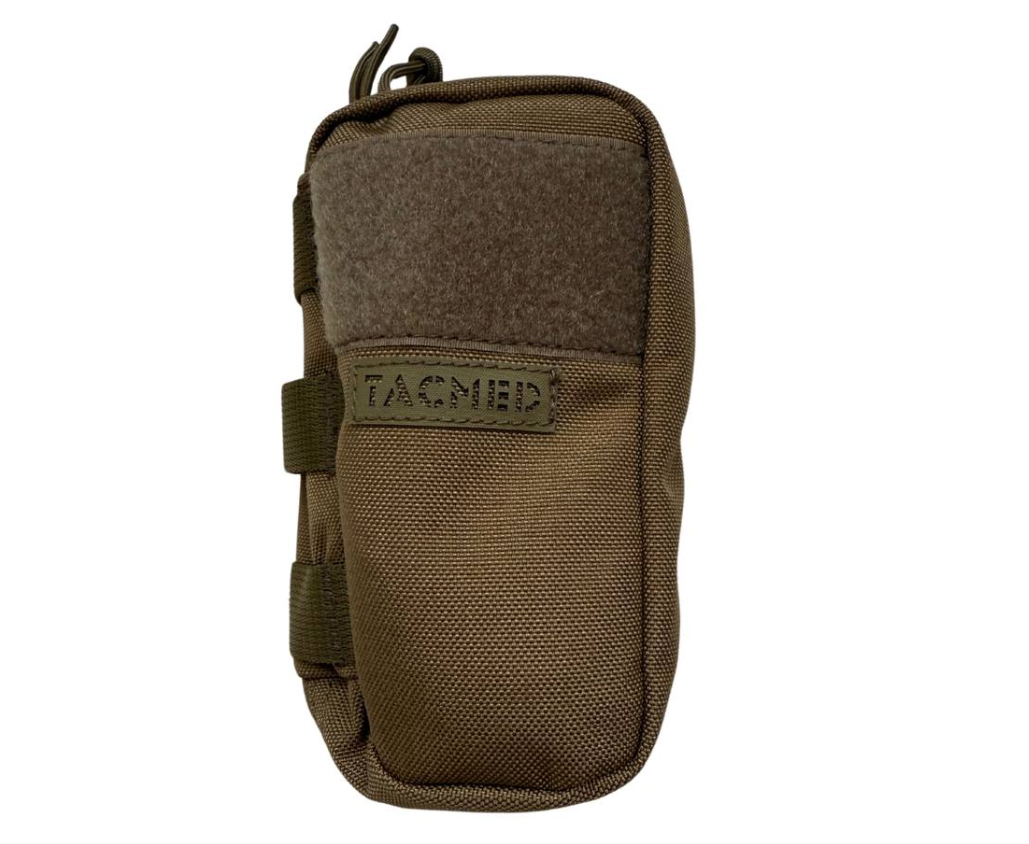
To ensure the first aid kit does not fail you in hot weather, avoid heating it above +25 °C. Do not leave the kit in a car under direct sunlight. You may also purchase a waterproof and heat-resistant organizer.
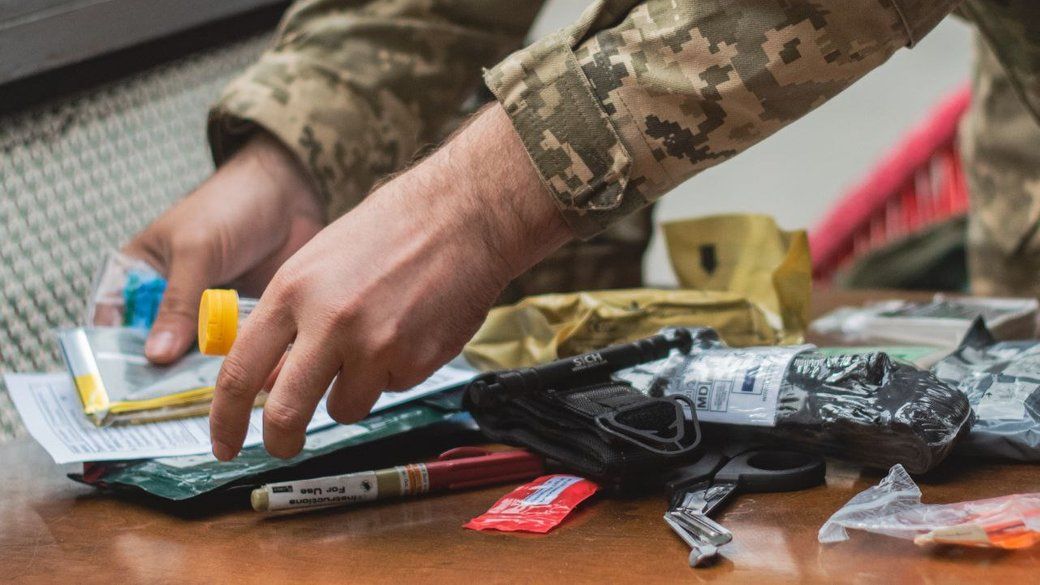
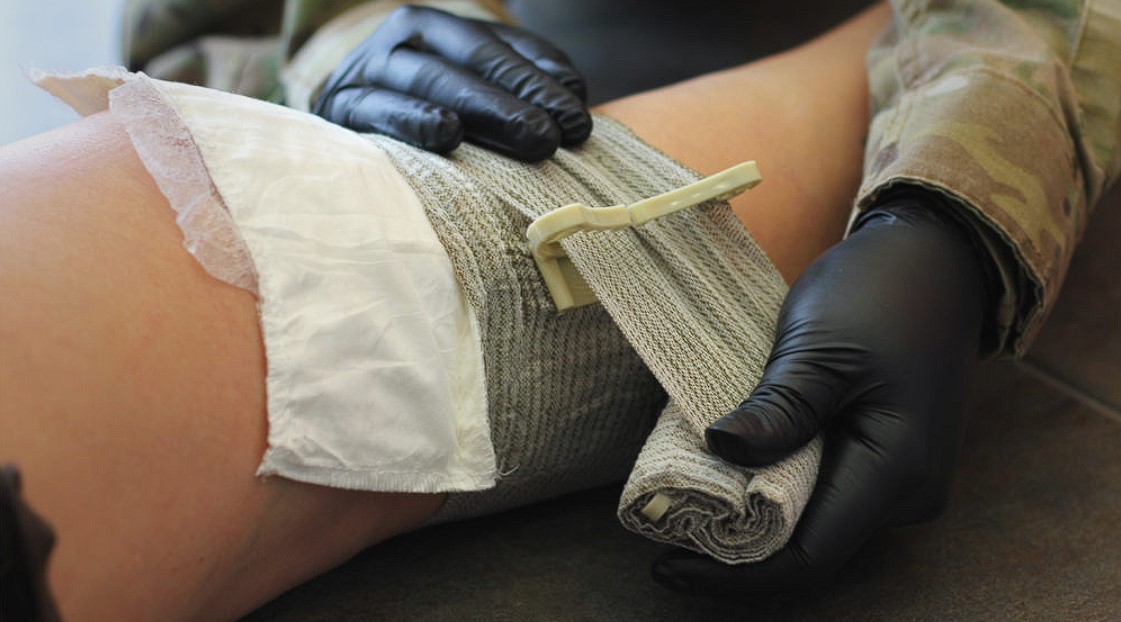
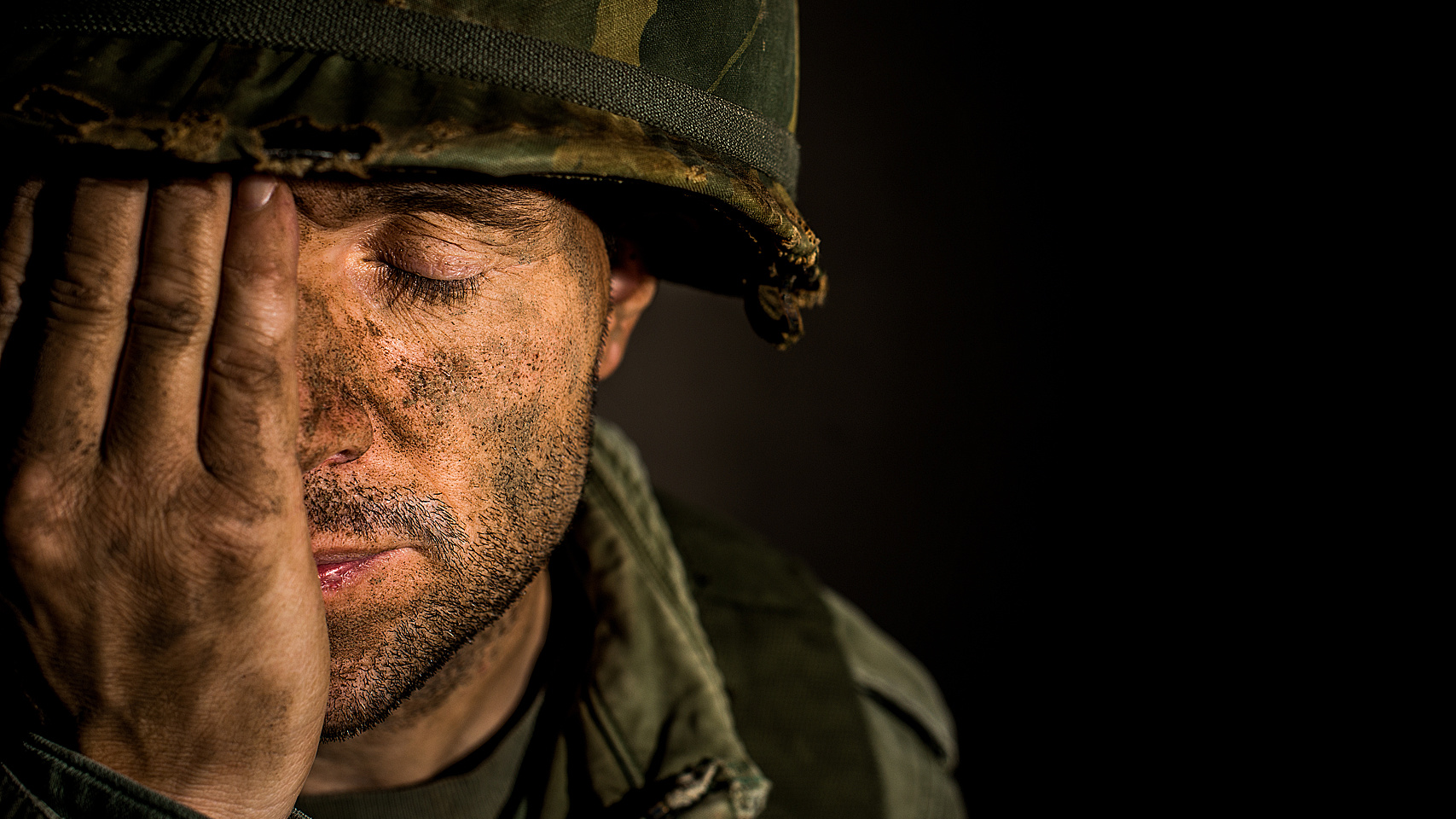
In combat and field conditions, it is especially important to avoid dehydration and overheating. Standard tools (tourniquets, Israeli bandages, hemostatics) can be used the same way, but you must check that the packaging remains sealed, monitor medication expiration dates, and ensure all items are stored in the shade.
What a Winter First Aid Kit Should Include
A winter first aid kit must account for increased risks of hypothermia, frostbite, falls on slippery surfaces, and impaired blood circulation in cold environments. In freezing temperatures, not only does the body react differently — medical supplies themselves may lose effectiveness.
You may also encounter slowed blood flow, freezing medications, reduced elasticity of tourniquets, and the simple difficulty of performing medical procedures while wearing gloves.
Therefore, you need to ensure your first aid kit is properly equipped. It must include warming supplies: a high-density thermal blanket, chemical heat packs, extra hats/socks for emergencies, and dry gloves.
You will also need medications and tools to provide help in case of injuries. For example, elastic bandages that do not become rigid in cold. Add soft joint stabilizers. You must also have a high-quality tourniquet that meets international standards.
Special attention should be paid to bleeding-control tools. This includes hemostatic agents resistant to low temperatures and tightly packed bandages that do not freeze. Avoid the cheapest options, as most of them lose their properties in cold conditions and may fail at the most critical moment.
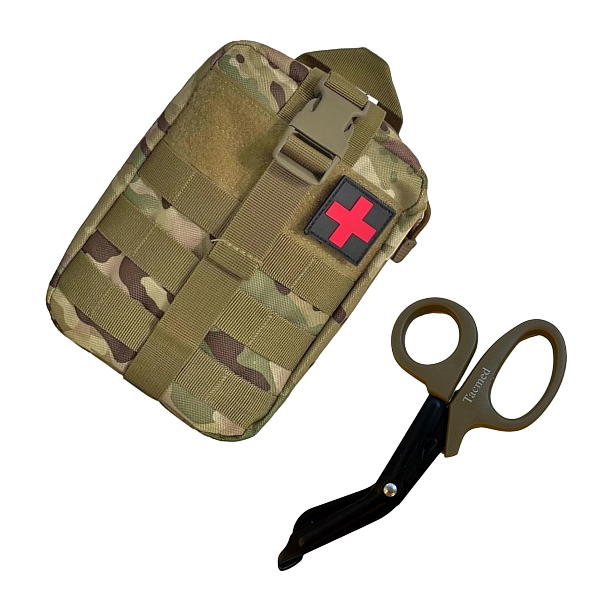
You should also take care of skin protection. Purchase creams or ointments that prevent frostbite, as well as barrier products for the face and hands. Additional equipment, such as a flashlight, scissors, and a thermos with warm water, will also be useful.
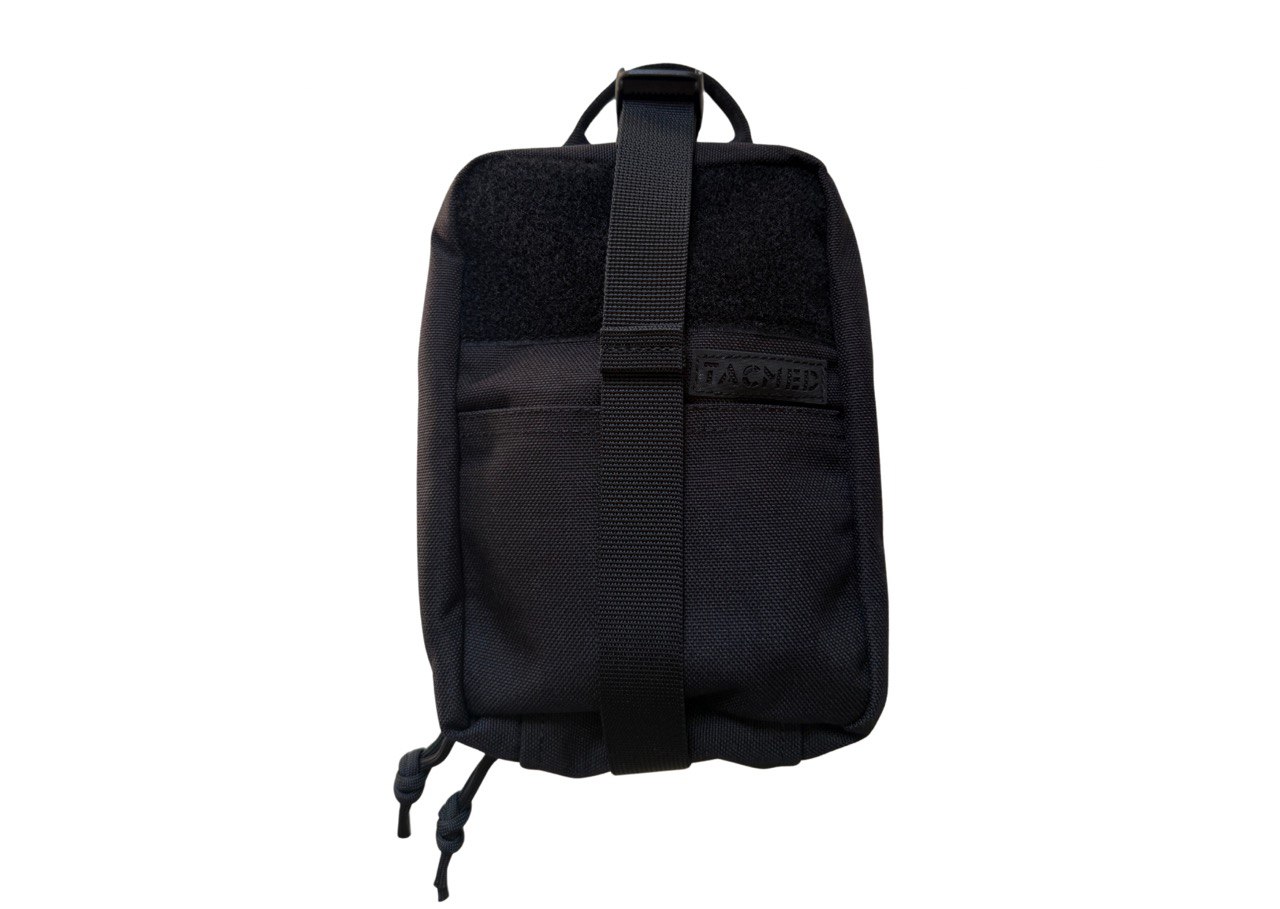
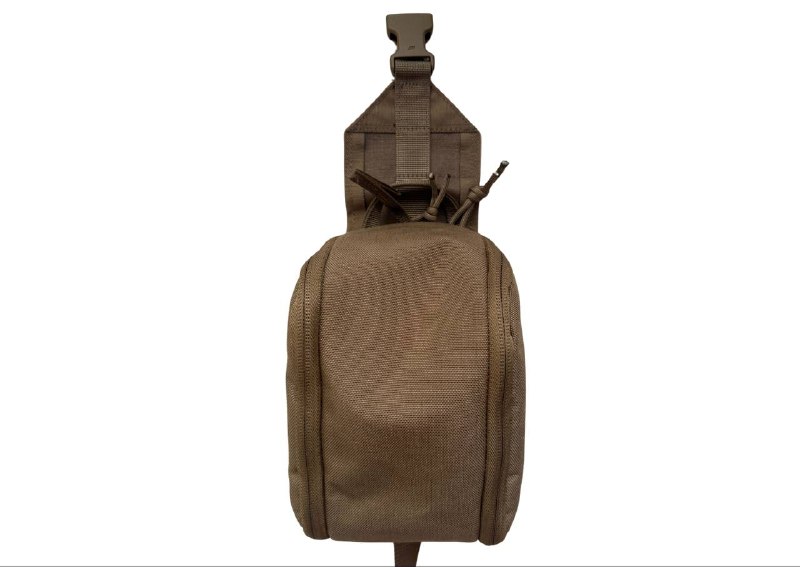
In winter, you must follow basic first aid kit storage rules. Do not keep the kit in a car trunk — it is better to store it where temperature and humidity remain relatively stable. You can also use insulated pouches with additional layering.
How a Summer and Winter First Aid Kit Differ
We have already reviewed the key differences between a winter and summer first aid kit. The conclusion is obvious: a first aid kit must be seasonal. A universal option simply does not exist, even if some sellers try to convince you otherwise. You should take the assembly process seriously.
A summer first aid kit should help prevent overheating, infections, and sun-related injuries. A winter first aid kit should protect you from cold, frostbite, and falls. For first aid kits used in tactical medicine, seasonal adaptation is even more important: temperature changes affect not only the human body but also the effectiveness and lifespan of medical supplies.
A properly selected first aid kit is the step that significantly increases your readiness for emergencies. Do not ignore the recommendations above, as neglecting them may lead to tragic consequences.