Junctional Hemorrhage in Tactical Medicine: Groin, Axilla, and Neck
Content
- What Is Junctional Hemorrhage?
- Why Doesn't a Standard Tourniquet Work?
- How to Recognize Junctional Hemorrhage
- Groin Hemorrhage
- Axillary Hemorrhage
- Special Considerations for Neck Hemorrhage
- Wound Packing: Why This Skill Saves Lives
- Which Hemostatic Products Are Recommended by Tactical Combat Casualty Care?
- What Should Be Included in a First Aid Kit for Junctional Hemorrhage?
- Common Mistakes
Massive bleeding remains the leading potentially preventable cause of death following combat injuries and severe trauma. Modern Tactical Combat Casualty Care (TCCC) guidelines are designed to identify and control this life-threatening condition as quickly as possible. For most extremity injuries, a tourniquet is the preferred solution. However, there is a separate category of injuries where applying a standard tourniquet is physically impossible.
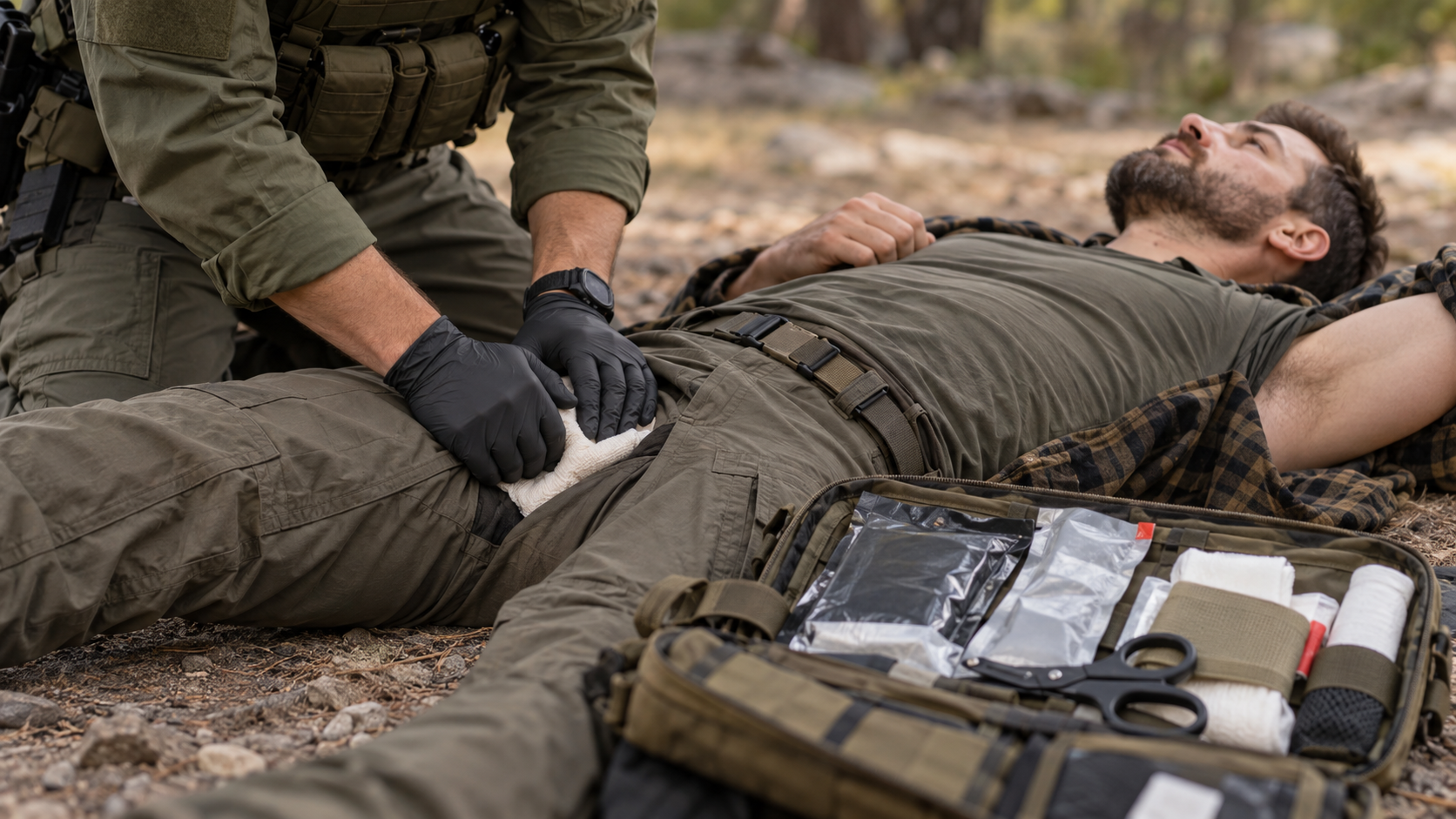
These injuries are known as junctional hemorrhages. They involve wounds to the groin, axilla, and the base of the neck, where major blood vessels pass close to the torso and there is no location where a standard tourniquet can be applied above the injury. These hemorrhages are considered among the most challenging situations in tactical medicine because the casualty may lose a critical volume of blood within only a few minutes. In these situations, the primary methods of treatment include rapid wound packing, the use of modern hemostatic products, and continuous direct pressure in accordance with Tactical Combat Casualty Care (TCCC) recommendations.
What Is Junctional Hemorrhage?
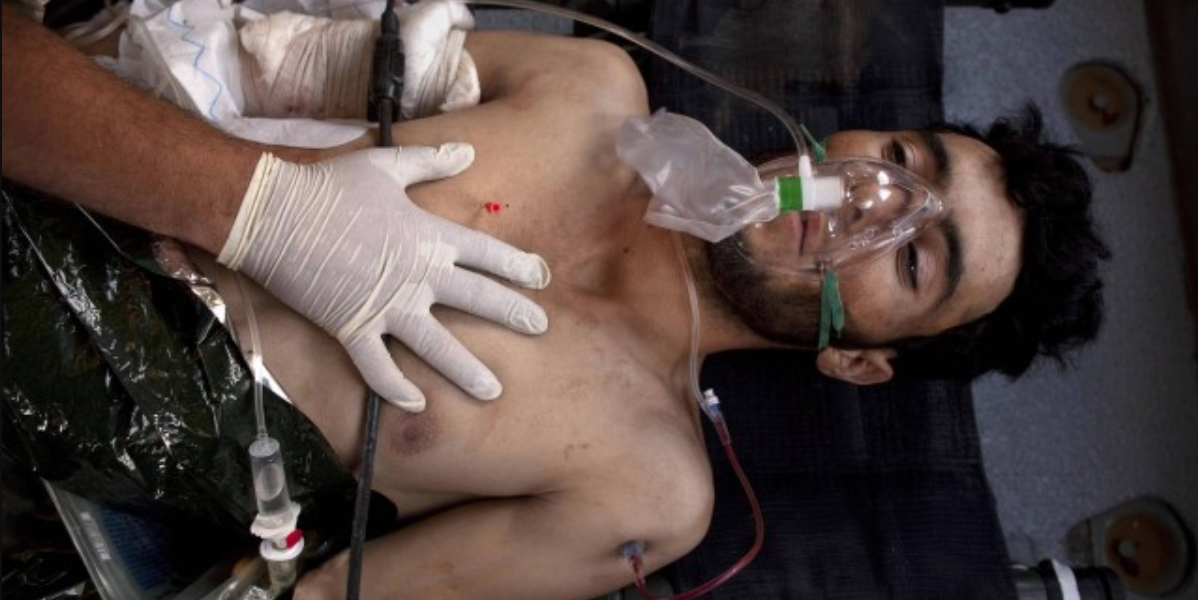
Junctional areas are anatomical regions where the limbs connect to the torso. Major arteries and veins that supply blood to large portions of the body pass through these regions. When these vessels are injured, blood loss occurs very rapidly, while the use of a standard tourniquet is impossible in most cases.
The junctional regions include:
- the groin;
- the axilla;
- the base of the neck.
Each of these regions has unique anatomical characteristics. The femoral artery passes through the groin, the axillary artery and vein pass through the axilla, and the carotid arteries and jugular veins are located in the neck. Injury to any of these vessels can quickly result in hemorrhagic shock. For this reason, the MARCH algorithm prioritizes the control of massive bleeding before airway assessment or the management of any other injuries. For junctional wounds, Tactical Combat Casualty Care (TCCC) recommends hemostatic wound packing, direct pressure, and, when indicated and appropriate equipment is available, the use of specialized junctional tourniquets.
Why Doesn't a Standard Tourniquet Work?
A tourniquet is effective only when it can be applied to an extremity proximal to the injury and completely occlude blood flow through the affected major artery.
Junctional injuries present different circumstances:
- the wound is located too close to the torso;
- there is no suitable location for proper tourniquet placement;
- sufficient compression around the injured vessel cannot be achieved;
- vital anatomical structures are located nearby and cannot safely be compressed.
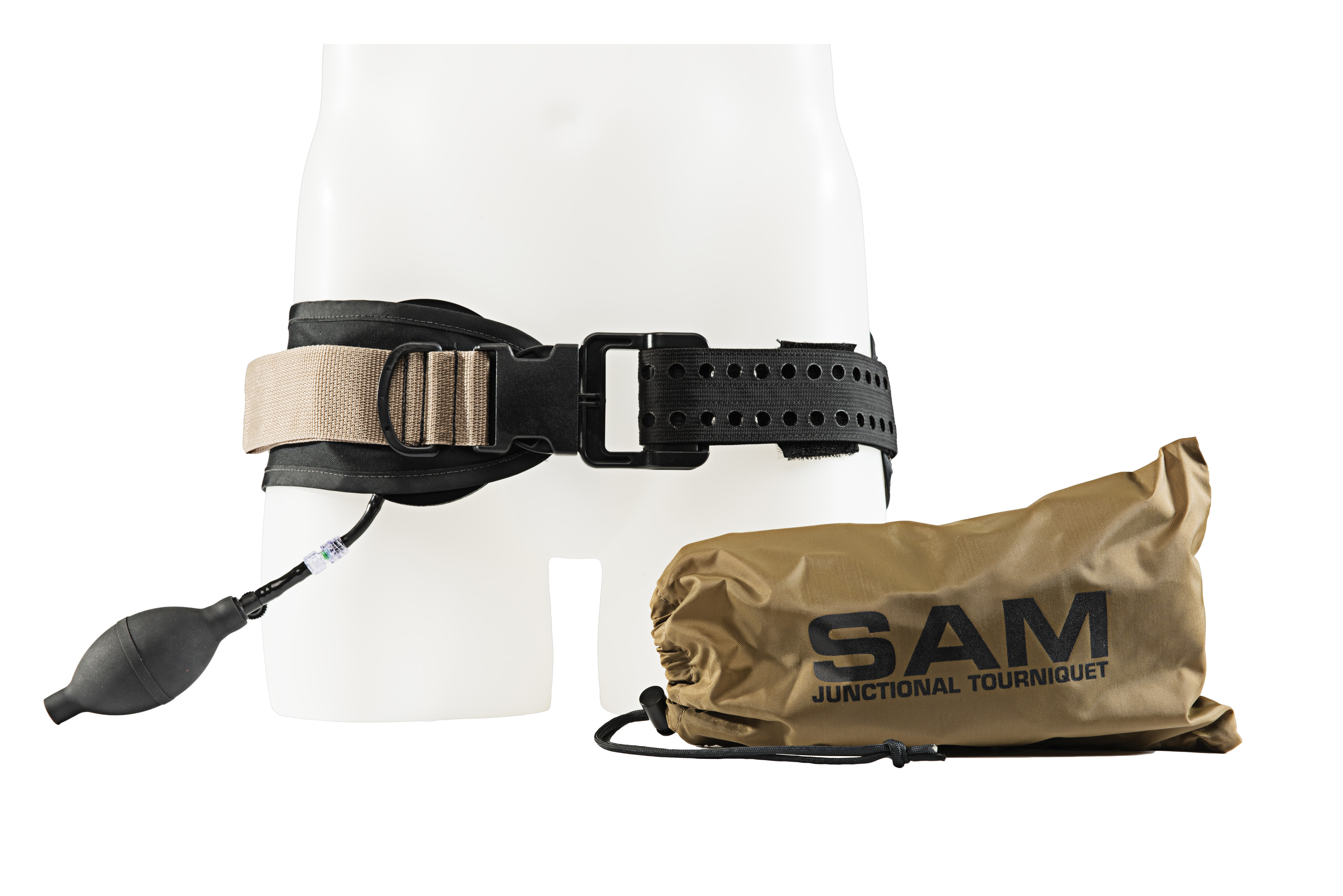
For this reason, attempting to apply a tourniquet to a groin or axillary injury often wastes valuable time. While the responder attempts to use equipment that is not intended for this type of injury, bleeding continues. Current Committee on Tactical Combat Casualty Care (CoTCCC) recommendations emphasize that junctional hemorrhage should be managed immediately with wound packing using a hemostatic dressing followed by direct pressure. If the injury location allows the use of a specialized junctional tourniquet, such as the SAM Junctional Tourniquet, Combat Ready Clamp (CRoC), or Junctional Emergency Treatment Tool (JETT), it should be applied as soon as it is prepared without delaying bleeding control.
How to Recognize Junctional Hemorrhage
Not every wound to the groin or axilla results in life-threatening blood loss. The responder's task is to determine quickly whether severe hemorrhage is present.
The primary signs include:
- heavy bleeding;
- pulsatile blood flow;
- rapid saturation of clothing or equipment;
- the formation of a large pool of blood;
- pale, cool skin;
- sudden weakness;
- altered level of consciousness;
- signs of hemorrhagic shock.
In field conditions, the bleeding source may be concealed beneath body armor, belts, or heavy clothing. For this reason, Tactical Combat Casualty Care (TCCC) guidelines recommend fully exposing the wound before determining the appropriate treatment. Only then can the responder select the correct method of care. If there is any suspicion of injury to a major blood vessel, immediate action is required without waiting for signs of shock to develop.
Groin Hemorrhage
Groin injuries are among the most dangerous junctional wounds because of the possibility of injury to the femoral artery. This artery has a large diameter and carries a high volume of blood, meaning that even a relatively small defect in the vessel can result in rapid, life-threatening blood loss.
The recommended treatment sequence includes:
- Fully expose the wound.
- Identify the bleeding source.
- Pack the wound tightly with hemostatic gauze or a hemostatic dressing.
- Continue packing until the entire wound cavity has been completely filled.
- Apply firm, uninterrupted direct pressure.
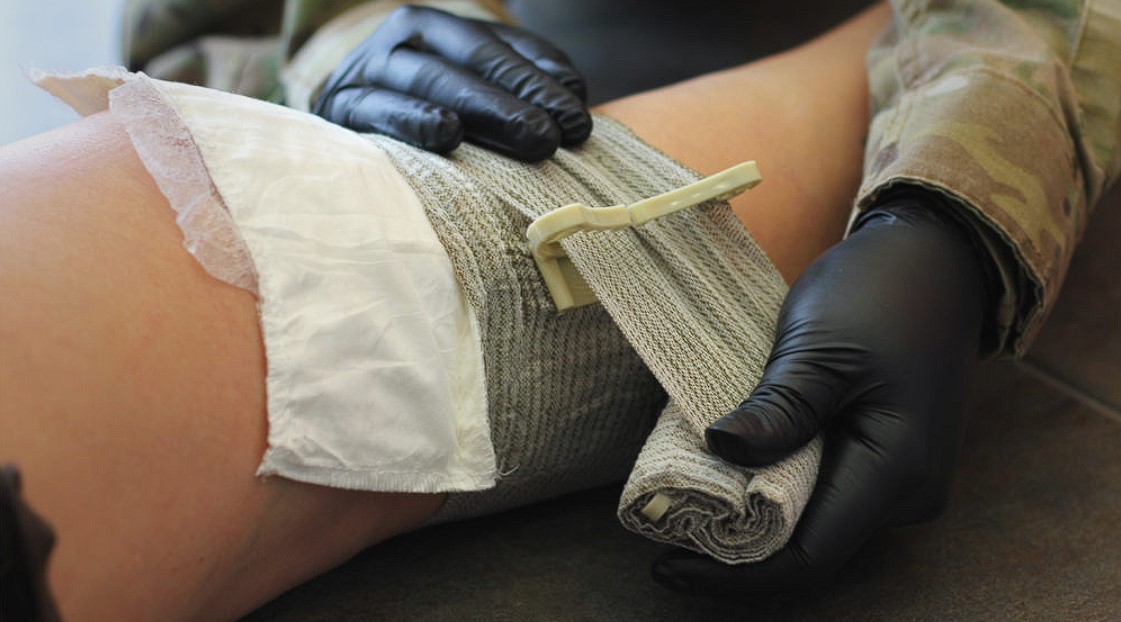
- Secure the hemostatic material with a compression bandage.
- Continuously monitor for recurrent bleeding.
One of the most common mistakes is placing the gauze only near the wound entrance. This approach has very little effect on bleeding originating from a deep vessel. During wound packing, the hemostatic material must be inserted as deeply as possible, filling the entire wound cavity layer by layer. Only direct contact between the hemostatic material and the injured vessel allows effective clot formation. If one hemostatic dressing is insufficient to completely fill the wound cavity, additional material should be used. After wound packing has been completed, direct pressure should be maintained for at least three minutes or according to the manufacturer's instructions for the specific hemostatic product.
Axillary Hemorrhage
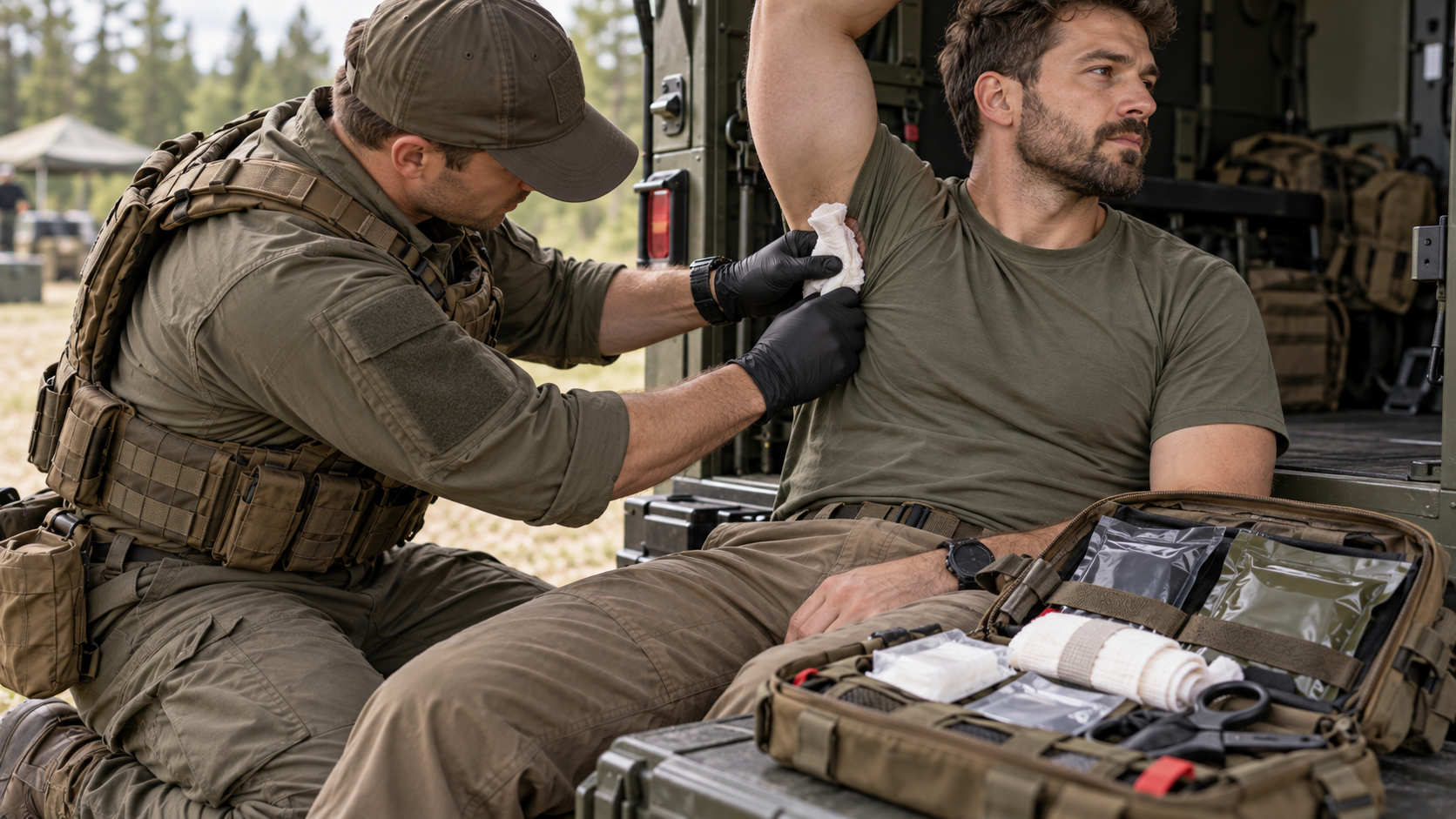
The axillary region presents similar challenges. The axillary artery passes through this area, and the anatomy of the shoulder makes maintaining constant pressure significantly more difficult than with injuries involving the extremities.
Treatment includes:
- fully exposing the wound;
- locating the bleeding source;
- deep wound packing with hemostatic gauze;
- firm continuous direct pressure;
- application of a compression bandage;
- reassessment after every movement of the casualty.
The same principles used for groin injuries apply to axillary wounds. The primary objective is to create sufficient pressure directly over the injured vessel. If blood continues to pass through the hemostatic material, it should not simply be covered with another dressing. Tactical Combat Casualty Care (TCCC) recommendations call for reassessing the wound and repeating wound packing after removing ineffective material or adding additional gauze depending on the type of product being used. Every time the casualty is moved, the responder must reassess whether bleeding remains under control.
Special Considerations for Neck Hemorrhage
Neck injuries are among the most dangerous injuries encountered in tactical medicine. This region contains the carotid arteries, jugular veins, trachea, esophagus, and major nerve structures. Even a relatively small wound may involve severe bleeding, airway compromise, and the risk of air embolism when large veins are injured.
When providing care, the responder should:
- rapidly identify the source of bleeding;
- apply localized direct pressure to the wound;
- use a hemostatic dressing whenever it can be applied safely;
- continuously monitor airway patency;
- assess the casualty's level of consciousness and breathing;
- prepare for immediate evacuation.
When managing neck injuries, it is particularly important to remember that compression must remain localized. Wrapping a bandage completely around the neck or creating circumferential pressure is strongly discouraged because it may reduce blood flow to the brain or compromise the airway. If the bleeding is accompanied by an open injury to the trachea or larynx, treatment priorities should follow the MARCH algorithm while continuously reassessing airway patency. For this reason, neck injuries remain among the most challenging situations even for experienced combat medics.
Wound Packing: Why This Skill Saves Lives
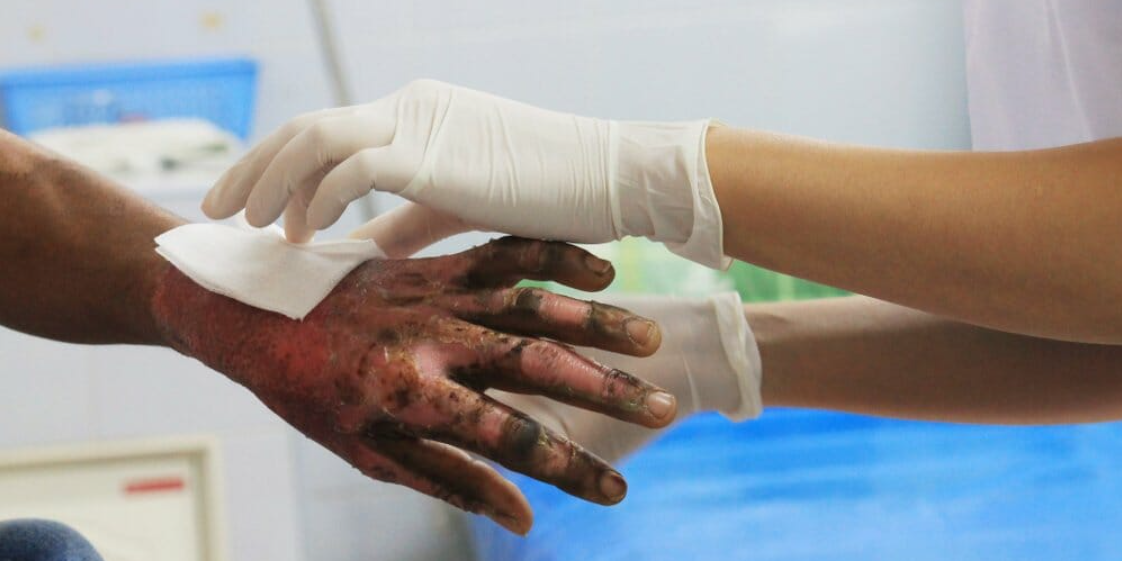
For junctional hemorrhage, wound packing is the primary method of controlling blood loss. The objective is not simply to cover the wound with dressing material, but to create sufficient pressure directly against the injured blood vessel.
Proper wound packing includes:
- Fully exposing the wound for inspection.
- Identifying the direction of the wound tract.
- Inserting hemostatic gauze or a hemostatic dressing to the deepest part of the wound.
- Filling the entire wound cavity layer by layer without leaving empty spaces.
- Applying firm direct pressure.
- Securing the dressing with a compression bandage.
The quality of wound packing is often the determining factor in successful bleeding control. If the hemostatic material remains only at the entrance of the wound, bleeding from the damaged vessel will continue deeper inside the wound cavity. For this reason, Tactical Combat Casualty Care (TCCC) recommendations emphasize the importance of completely filling the wound tract. Once wound packing has been completed, continuous direct pressure should be maintained for the period specified by the manufacturer of the hemostatic product. Only after this period should the responder evaluate whether bleeding has been controlled and proceed to the next stage of care. If bleeding continues, the wound should be reassessed and additional wound packing performed.
Which Hemostatic Products Are Recommended by Tactical Combat Casualty Care?
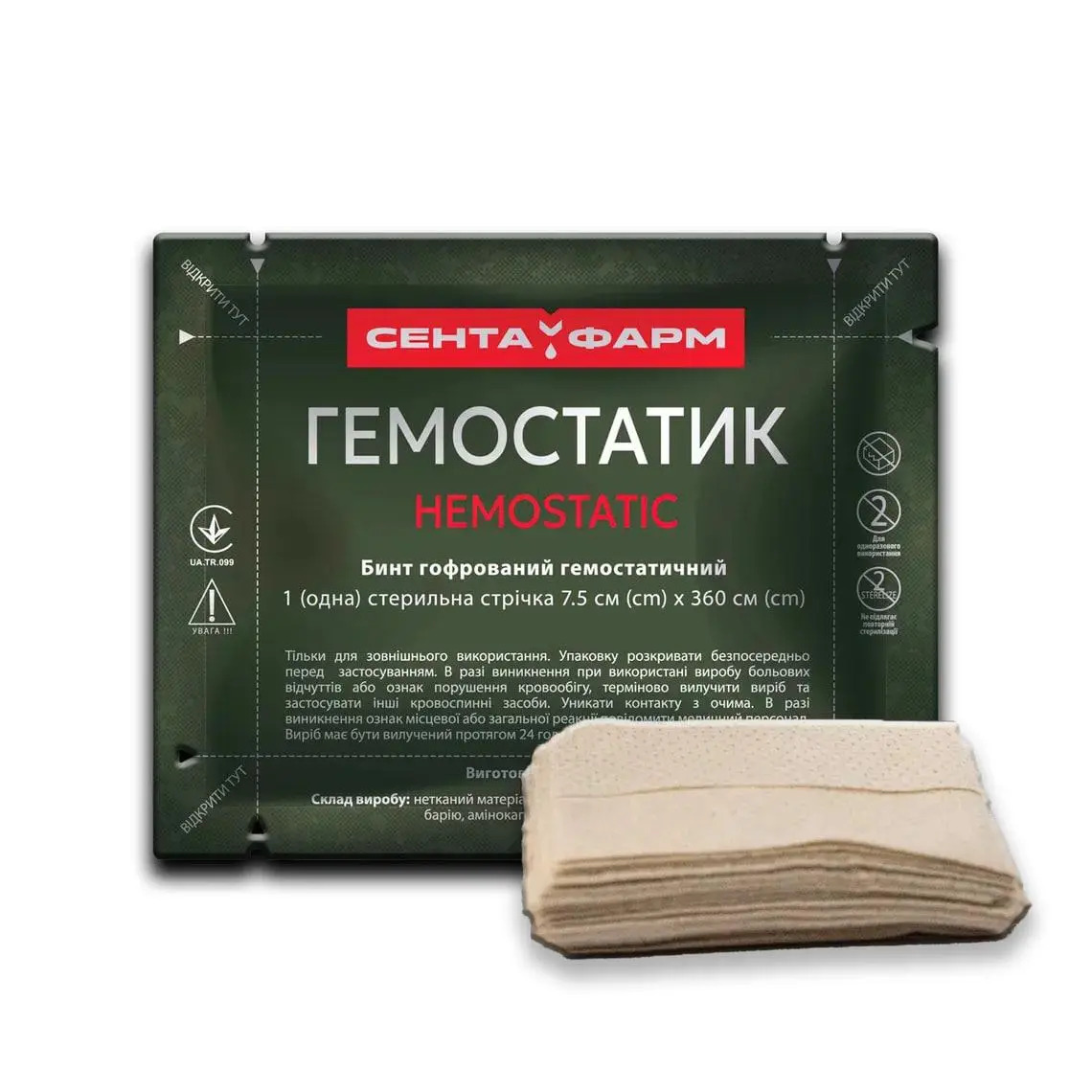
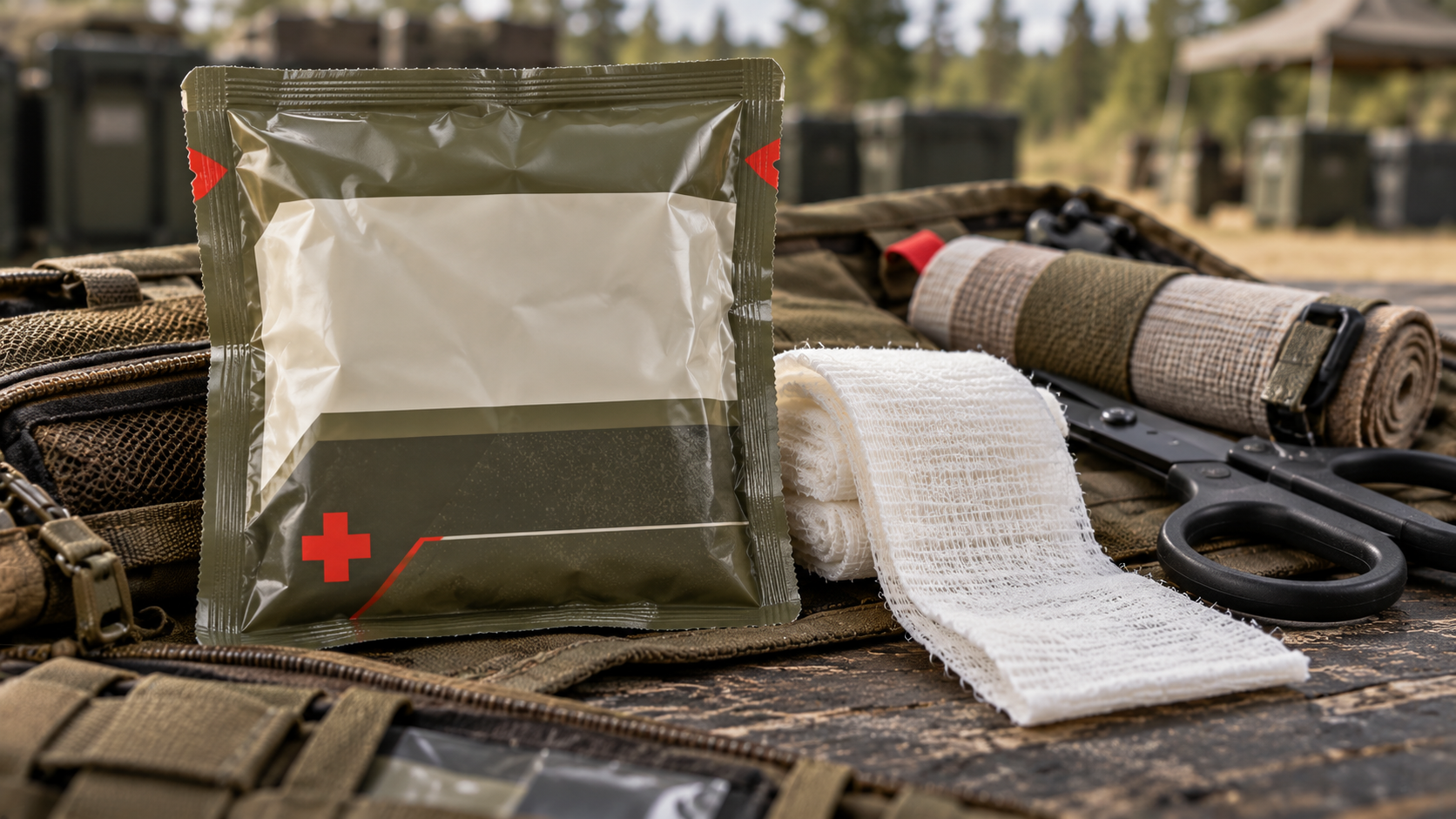
Modern tactical medicine recommends the use of specialized hemostatic dressings that combine mechanical wound packing with accelerated blood clot formation. These products have demonstrated significantly greater effectiveness than standard gauze when managing deep injuries involving the groin, axilla, or neck.
The products most commonly used for junctional hemorrhage include:
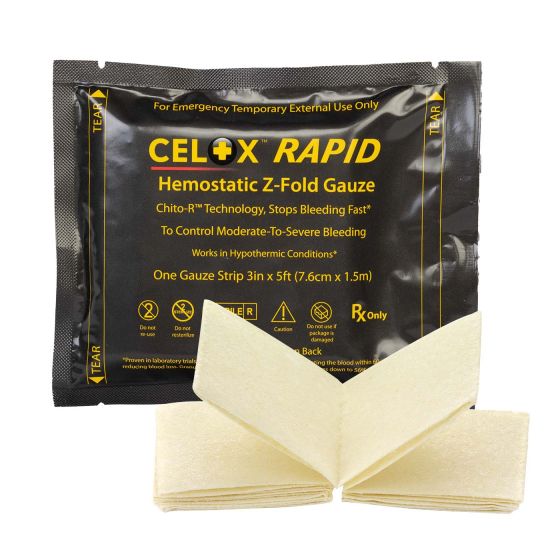
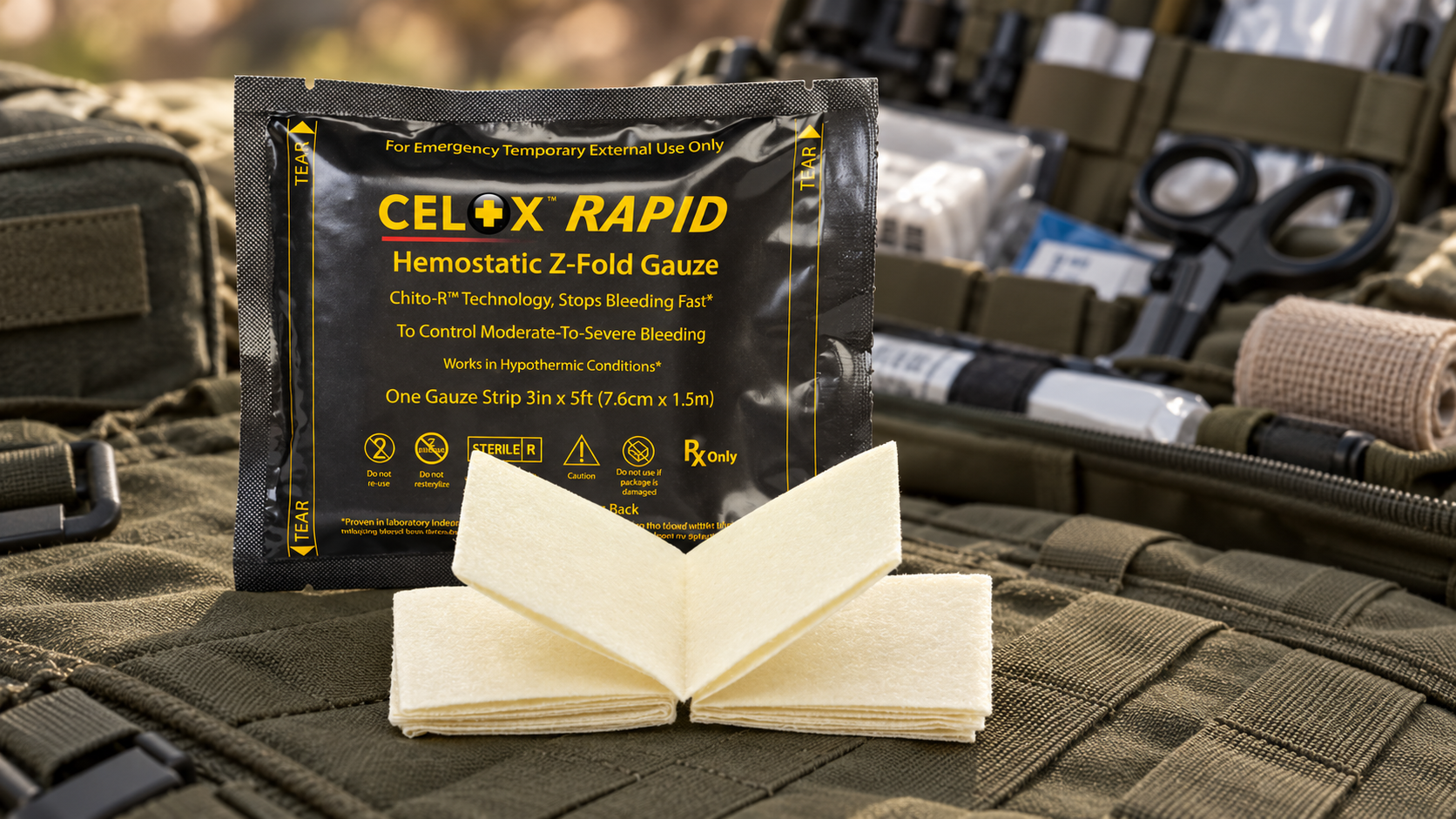
- Celox Rapid;
- Celox Gauze;
- Celox Gauze XL;
- QuikClot Combat Gauze;
- compression bandages for final dressing stabilization.
Each product has its own characteristics; however, the method of application remains the same. The material should be inserted as deeply as possible into the wound tract, followed by continuous direct pressure. The TacMed product range includes the major hemostatic products recommended for use according to current Tactical Combat Casualty Care (TCCC) guidelines. This allows first aid kits to be assembled according to real operational risks encountered by military personnel, rescue teams, instructors, and civilians working in hazardous environments.
What Should Be Included in a First Aid Kit for Junctional Hemorrhage?
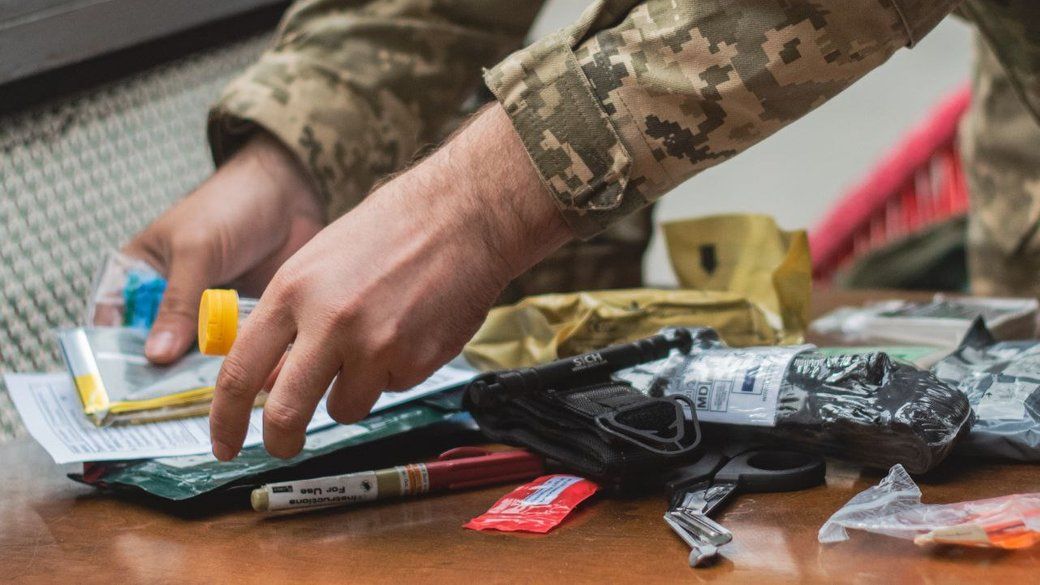
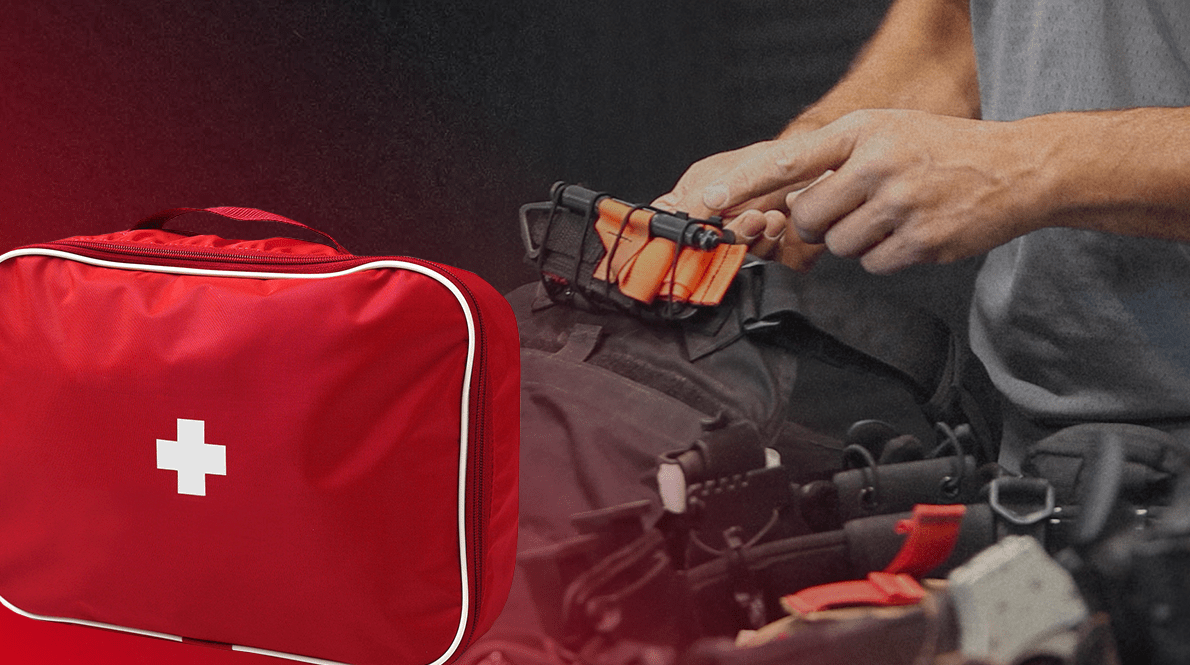
A properly equipped first aid kit should address different types of injuries. While a tourniquet is the preferred solution for extremity injuries, junctional hemorrhage requires hemostatic materials together with products used to secure them in place.
A first aid kit should include:
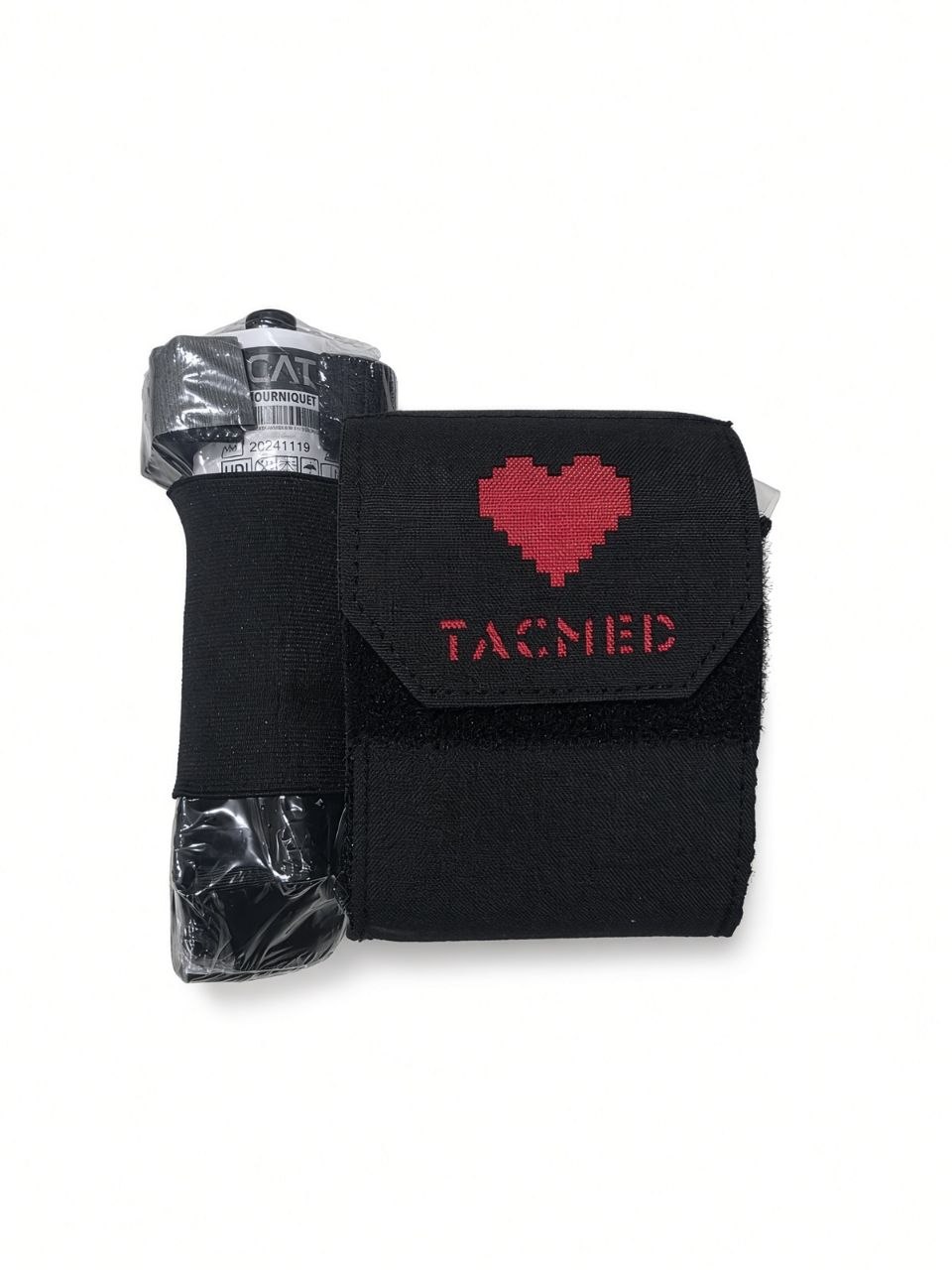
- a certified tourniquet;
- hemostatic gauze or a hemostatic dressing;
- a compression bandage;
- nitrile gloves;
- trauma shears;
- a chest seal;
- an emergency blanket;
- a permanent marker for documenting tourniquet application time.
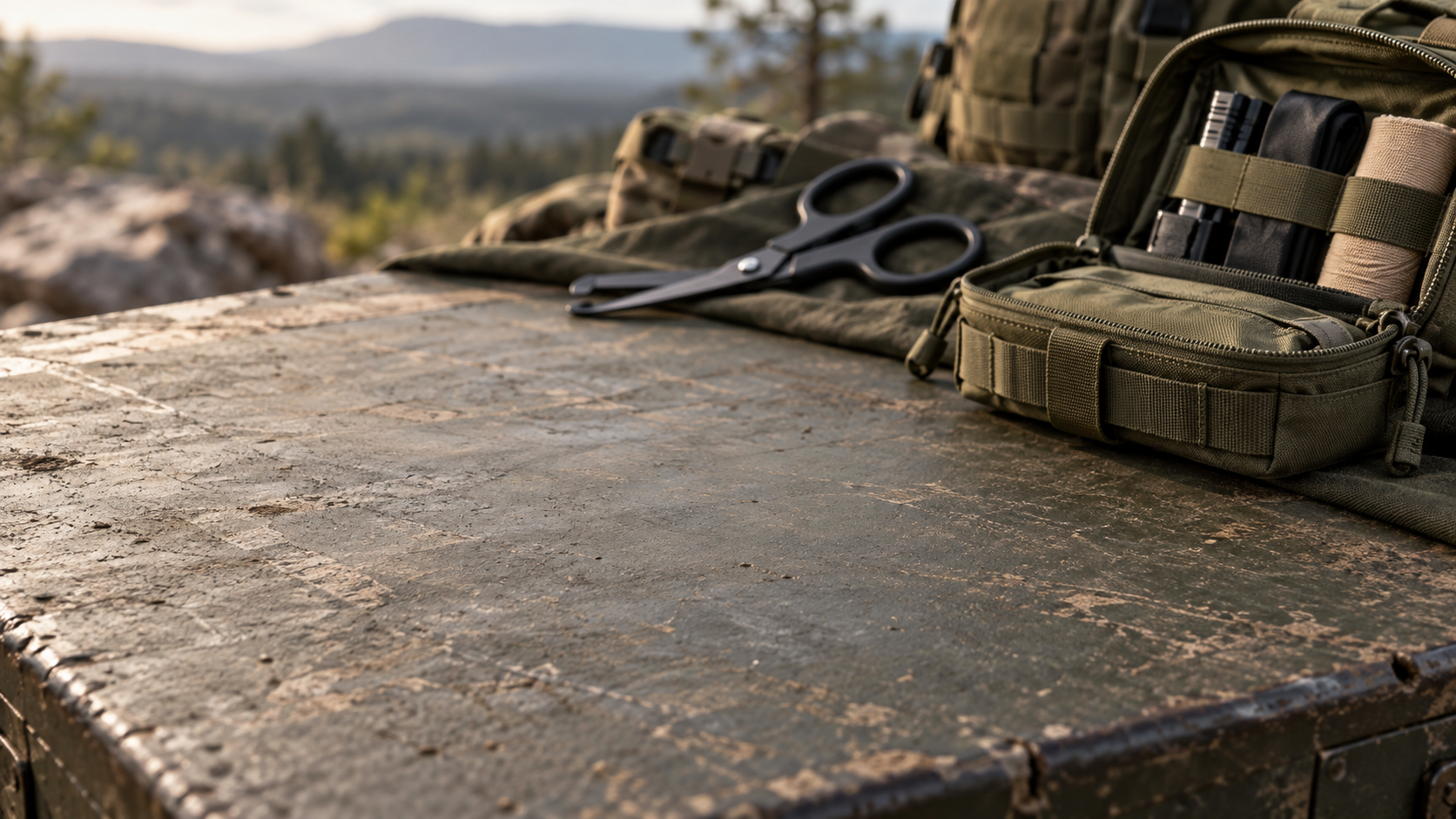
Ready-to-use TacMed Individual First Aid Kits are assembled according to modern first aid principles and allow responders to react quickly to different injury scenarios. The product range also includes medical pouches and organizers designed to provide rapid access to hemostatic products, even while wearing gloves or working in low-light conditions. Proper organization of first aid supplies saves valuable time, and in cases of severe bleeding, every second can influence the outcome.
Common Mistakes
The most common mistakes when treating junctional hemorrhage include:
- attempting to use a standard tourniquet where it cannot be effective;
- superficial wound packing;
- insufficient direct pressure;
- releasing pressure too early;
- using standard gauze for severe bleeding when a hemostatic product is available;
- failing to reassess the wound after transportation;
- overlooking signs of hemorrhagic shock.
Most of these mistakes are related to misunderstanding the principles of junctional bleeding control rather than a lack of equipment. For example, attempting to apply a tourniquet to a groin injury only delays effective treatment. Another frequent mistake is placing hemostatic gauze only near the wound opening, leaving the damaged vessel without adequate compression. After wound packing has been completed, both the dressing and the casualty's overall condition should be monitored continuously, particularly during evacuation. If bleeding resumes, treatment should be repeated immediately without delay.
Junctional hemorrhage remains one of the greatest challenges in tactical medicine. Injuries involving the groin, axilla, and neck do not allow the effective use of a standard tourniquet. For these injuries, rapid wound packing, modern hemostatic products, and continuous direct pressure remain the primary methods of bleeding control.
Practical training in the use of hemostatic gauze, a thorough understanding of the MARCH algorithm, and a properly equipped first aid kit significantly improve the likelihood of keeping the casualty alive until advanced medical care becomes available. The TacMed product range includes Celox Rapid, Celox Gauze, Celox Gauze XL, QuikClot Combat Gauze, compression bandages, tourniquets, ready-to-use Individual First Aid Kits, and medical pouches, allowing equipment to be assembled according to current Tactical Combat Casualty Care (TCCC) recommendations.
FAQ
What is junctional hemorrhage?
Junctional hemorrhage occurs when the groin, axilla, or neck is injured in a location where a standard tourniquet cannot be applied effectively.
Why doesn't a tourniquet work for a groin injury?
Because the injury is located too close to the torso, a standard tourniquet cannot completely stop blood flow through the affected major blood vessel.
What is the primary method of controlling junctional hemorrhage?
Current Tactical Combat Casualty Care (TCCC) guidelines recommend deep wound packing using a hemostatic dressing followed by continuous direct pressure.
Which hemostatic products are most commonly used?
The most frequently used products include Celox Rapid, Celox Gauze, Celox Gauze XL, and QuikClot Combat Gauze.
What should a first aid kit contain for junctional hemorrhage?
A first aid kit should include hemostatic gauze or a hemostatic dressing, a compression bandage, a tourniquet, nitrile gloves, trauma shears, an emergency blanket, a chest seal, and other products recommended by current first aid guidelines.