Five critical mistakes when applying a tourniquet
Content
- Tourniquet applied at the wrong height
- Insufficient fixation
- Ignoring the time of tourniquet application
- Incorrect placement over clothing
- Premature loosening or removal
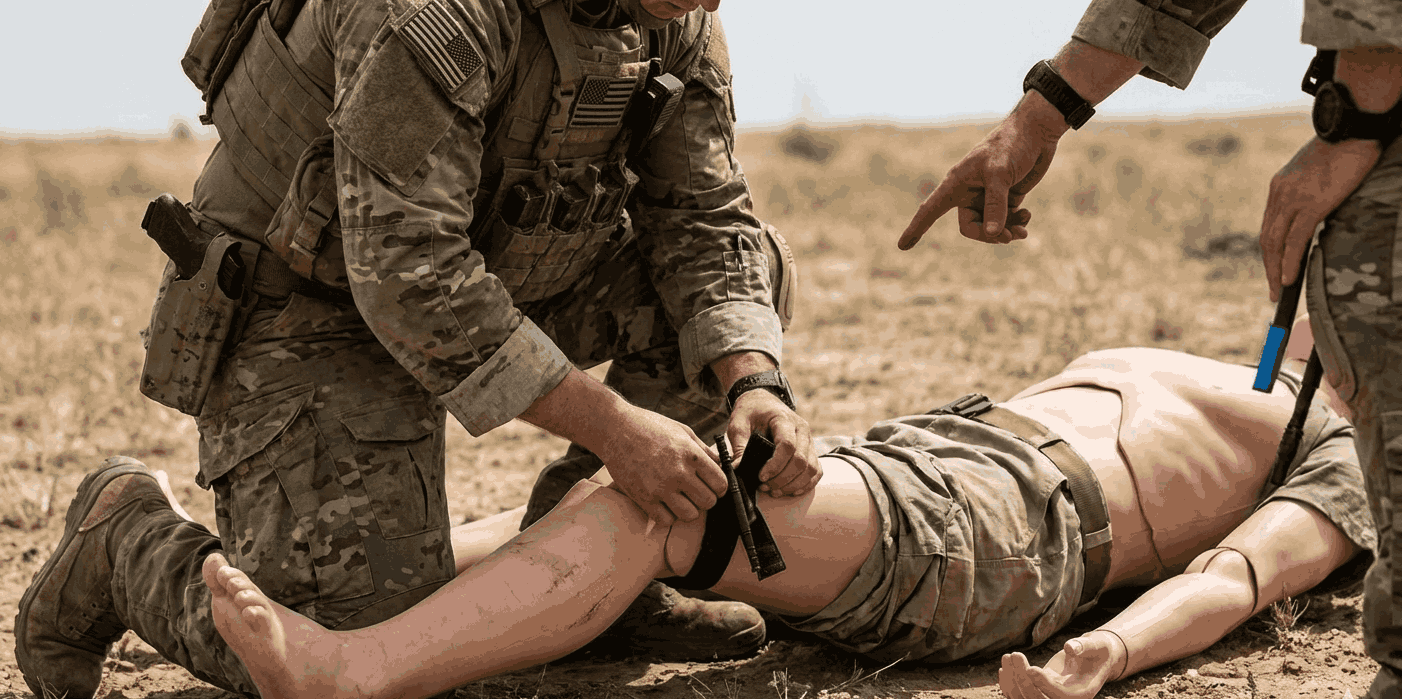
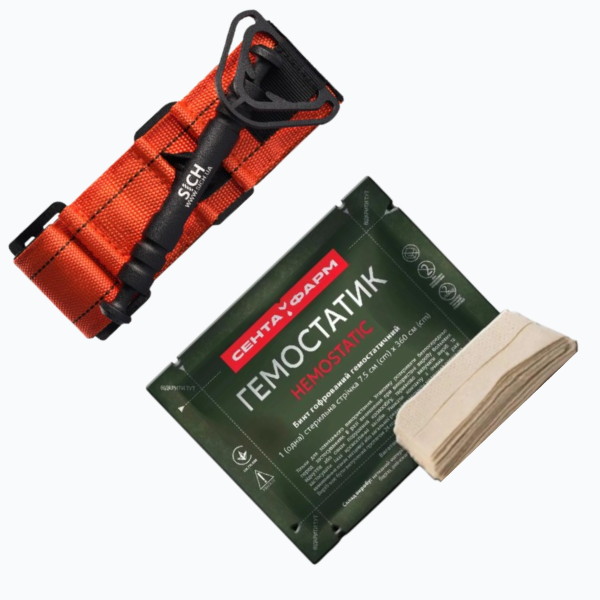
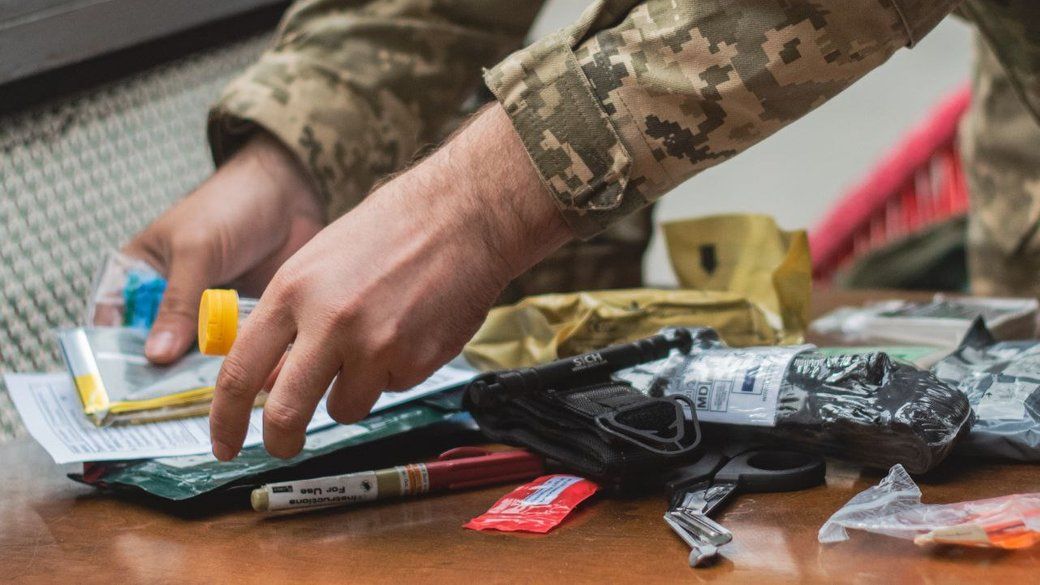
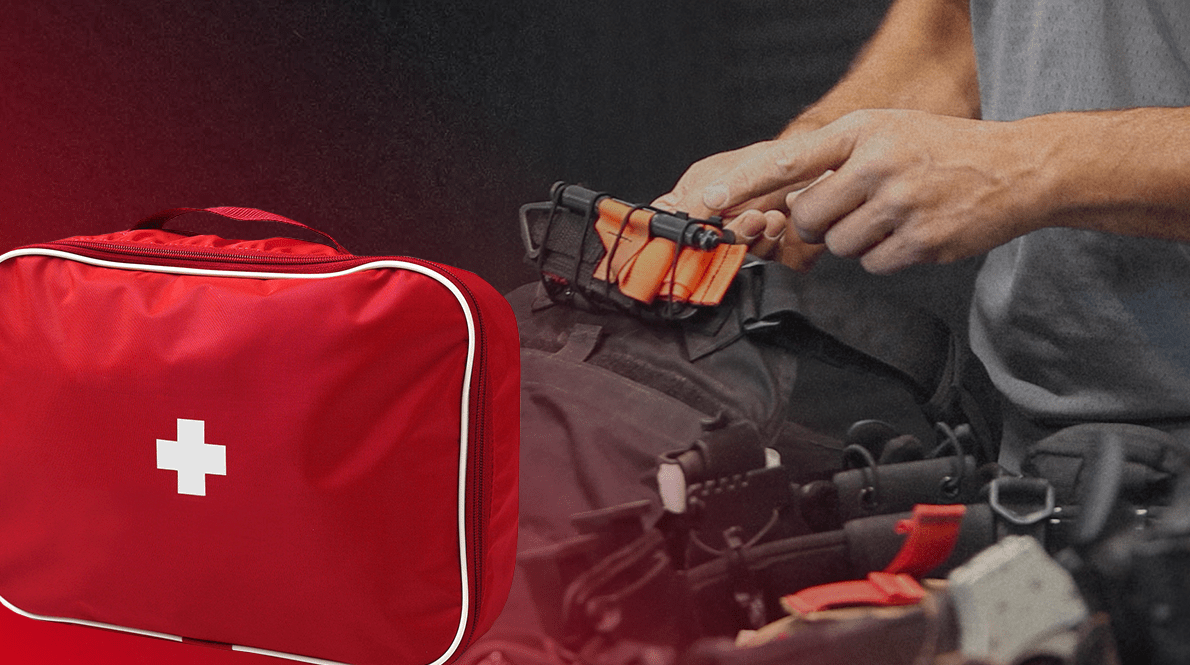
Today, tourniquets should be in the first aid kits of the military, volunteers, police officers, and even civilians. In other words, they are no longer limited to medical professionals. But their availability creates the illusion that simply tightening any strap is enough to solve the problem. But the truth is different: a tourniquet can only save a life if it is applied correctly. A mistake can lead to a real disaster. To make the use of tourniquets more effective, let's look at the key mistakes.
Tourniquet applied at the wrong height
One of the mistakes that can lead to critical consequences is applying the tourniquet too low. In stressful situations, people often try to cover the bleeding site directly. Anatomical features are not taken into account in this case.
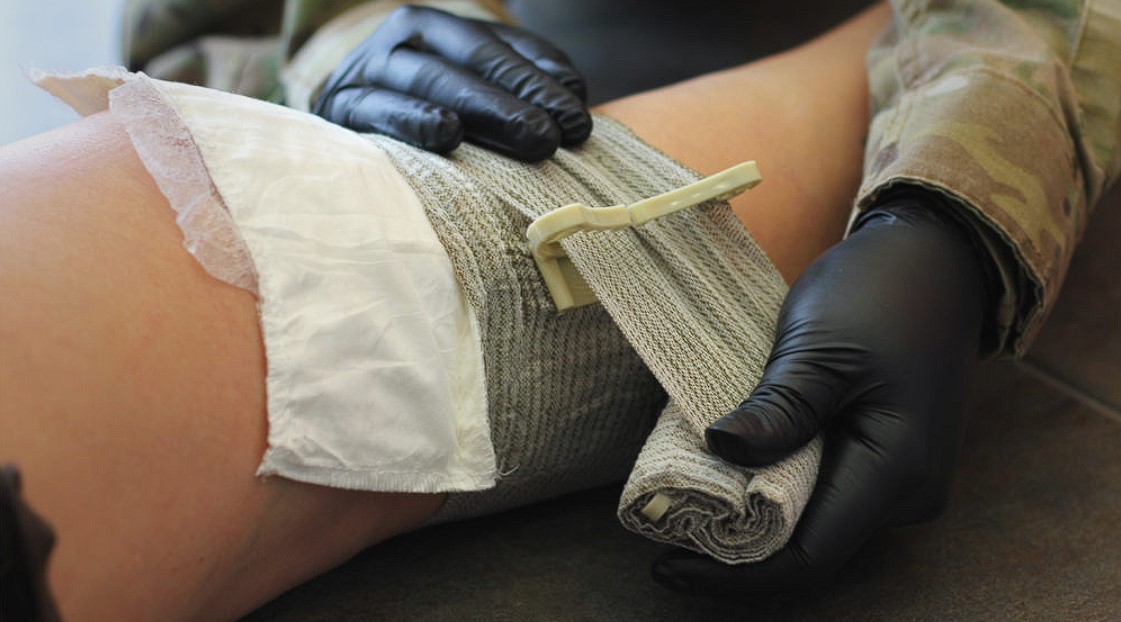
According to current protocols, the tourniquet should be applied approximately 7 centimeters above the wound. If you cannot see the wound, you need to apply the tourniquet as high as possible on the limb. If you try to work with the tissues below the wound, it will not give the desired result. And a tourniquet applied to a joint will not work at all.
If you apply the tourniquet too low, you may notice that the bleeding has decreased. However, it has not stopped completely, which can sometimes lead to irreversible consequences.
Insufficient fixation
One of the most dangerous illusions is also an insufficiently tightened tourniquet. It should be applied in such a way as to completely block arterial blood circulation. If the pulse below the application site persists, the tourniquet will not work properly. Therefore, this point must be taken into account.
Most often, people stop after only partially tightening the tourniquet because they are afraid of further injuring the person or because the injured person complains of pain. However, pain will naturally occur during this procedure. If the tourniquet is not tightened enough, this will create a critical situation where the patient will lose blood, but more imperceptibly.
Ignoring the time of tourniquet application
In extremely difficult situations, it is quite easy to forget exactly when the tourniquet was applied. However, time remains a critical factor. The tourniquet cannot be left on for an uncontrolled period of time. Medical personnel who will later provide assistance need to know exactly when the tourniquet was applied.
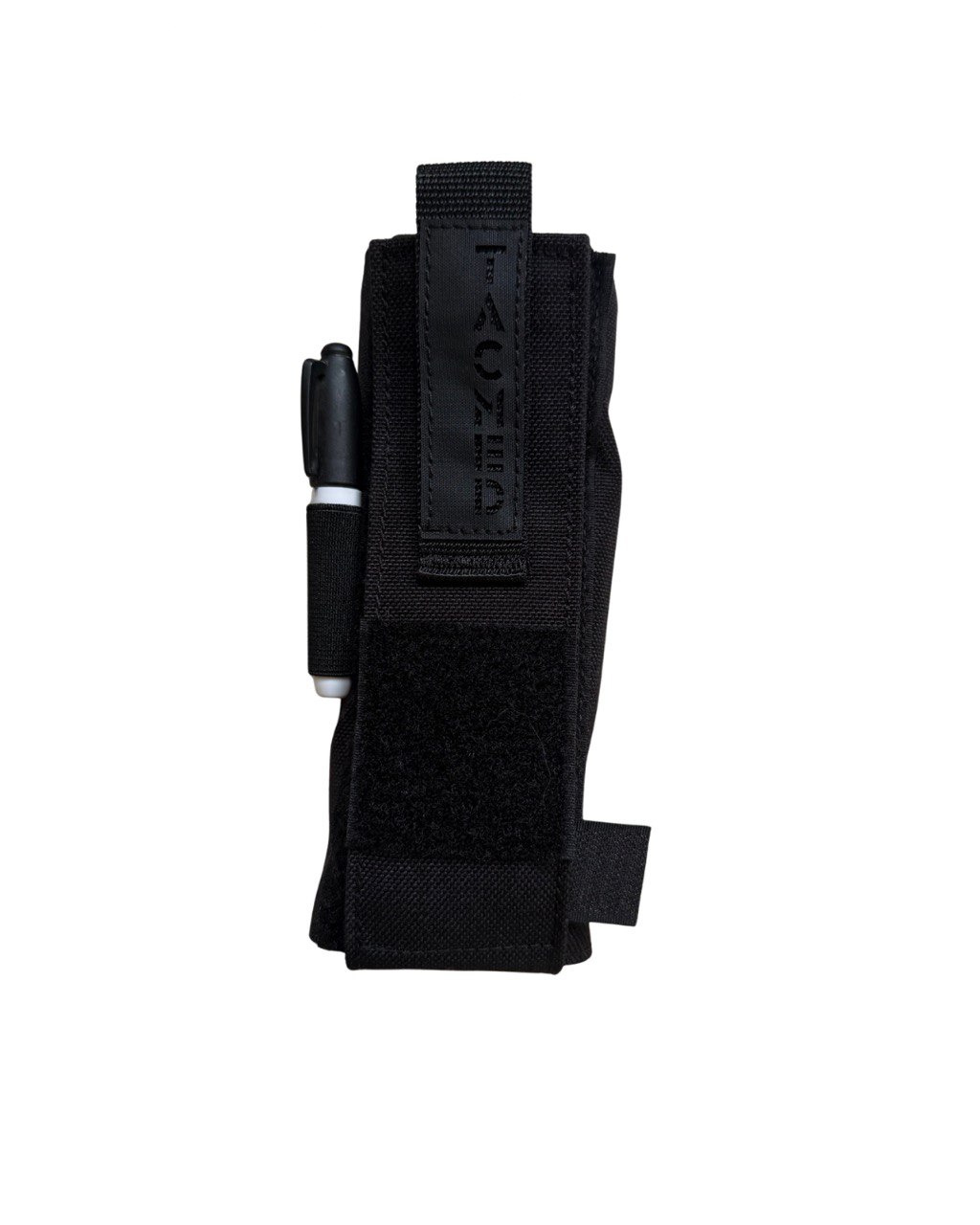
It is important to have a marker handy to make a note in the space provided. This will help doctors, as they will not have to act at random. This will reduce the risk of complications, which in most cases allows the limb to be saved.
Incorrect placement over clothing
A tourniquet can indeed be applied over clothing, but it should be minimal. There should be no bulky seams, pockets, cumbersome equipment, or anything else. Therefore, it is still worth removing excess clothing from the limb beforehand to achieve the desired result.
If clothing is left on, the applied tourniquet may cause uneven pressure, slippage, or blockage of blood vessels. You can use specialized atraumatic scissors to free the body from clothing. This makes it easier to assess the wound and apply the tourniquet correctly.
Premature loosening or removal
Do not loosen or remove the tourniquet unless absolutely necessary. This is strictly prohibited if you do not have the necessary skills or if there is no immediate critical need to do so.
Under such conditions, bleeding can resume in a matter of seconds. The condition of the victim will deteriorate, and it will be very difficult to reapply the tourniquet. Modern standards are clear: tourniquets should only be removed or loosened by medical professionals under controlled conditions.
However, having a tourniquet in your first aid kit does not mean that you have a high-quality tool that will one day help save a life. It is still worth undergoing appropriate training to properly understand how to apply a tourniquet correctly. Incorrect use can be just as dangerous as not using one at all.