First aid for drowning: how to act on the beach and near water bodies
Content
- Why do emergencies on water remain dangerous?
- How to understand that a person needs help in the water?
- What to do immediately after removing a person from the water?
- Algorithm for assessing the condition of the affected person
- When are resuscitation measures required?
- What tools may be needed to provide assistance?
- Common mistakes when providing assistance on water
Summer recreation near the sea, lake, or river is always associated with increased risks. Even experienced swimmers can get into a dangerous situation due to strong currents, waves, fatigue, or a sudden deterioration in well-being. In such cases, the further condition of the affected person may depend on the speed and correctness of actions. Knowledge of basic first aid in water is a useful skill for everyone. It is important not only to be able to call emergency services, but also to understand how to properly assess the situation and support a person until professionals arrive.
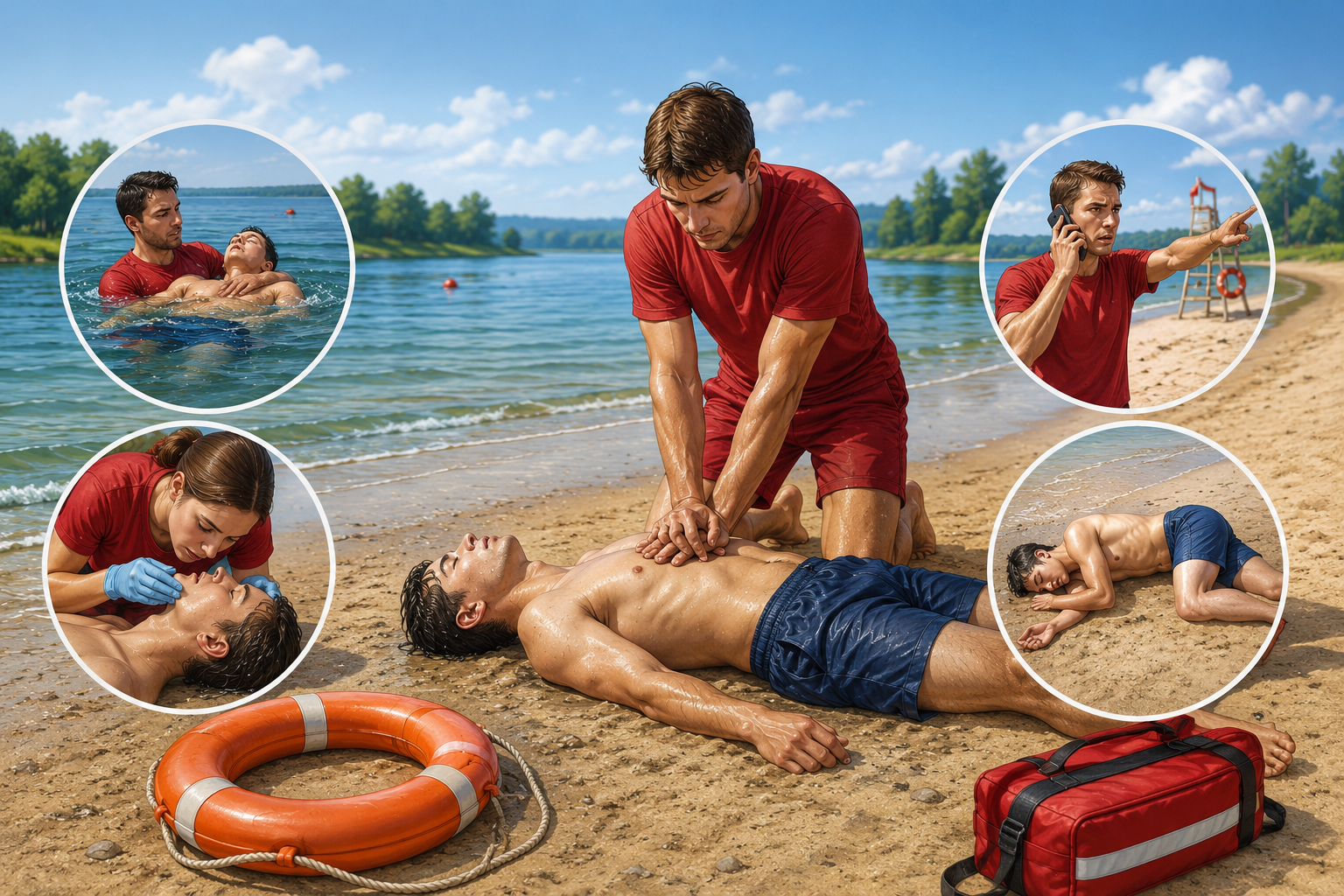
Why do emergencies on water remain dangerous?
Being underwater even for a short time can lead to breathing disruption and lack of oxygen. In addition, after a person is removed from the water, their condition does not always stabilize immediately. In some cases, breathing problems may persist even after the person is on shore.
Situations where a person has been without access to air for a long time or has lost consciousness are particularly dangerous. That is why any case of drowning requires serious attention and further medical monitoring. It is important to remember that even if the person feels satisfactory after the incident, this does not always mean there are no health risks. In some cases, complications may develop gradually, so medical examination remains advisable even after a successful rescue.
How to understand that a person needs help in the water?
In real life, a drowning person does not always call loudly for help. Often the situation looks much less noticeable than shown in films.
Possible warning signs include:
- chaotic movements in the water;
- inability to stay on the surface;
- attempts to grab any object;
- lack of forward movement while swimming;
- vertical body position in the water;
- signs of panic;
- disappearance under water for several seconds or more.
In such situations, it is important not to delay calling for help. The sooner the problem is recognized, the higher the chances of avoiding serious consequences. At the same time, it is necessary to assess personal safety and not put yourself at risk while trying to help. If lifeguards are present, their attention should be attracted immediately. If possible, it is better to use rescue equipment rather than attempt to swim to the person without proper preparation.
What to do immediately after removing a person from the water?
After the affected person is brought to shore or a safe place, it is necessary to quickly assess their condition. The first minutes after the incident are especially important.
It is recommended to:
- Move the affected person to a safe place.
- Make sure there are no additional threats.
- Check consciousness.
- Assess the presence of normal breathing.
- Call emergency medical services.
- Continue monitoring the person’s condition.
The main task at this stage is to determine whether independent breathing is present and whether the person is conscious. Time should not be wasted on outdated methods of assistance whose effectiveness is not supported by modern recommendations. It is much more important to quickly assess vital functions and act according to the person’s condition. If the person is conscious and breathing independently, it is necessary to maintain contact and monitor their well-being until medical professionals arrive.
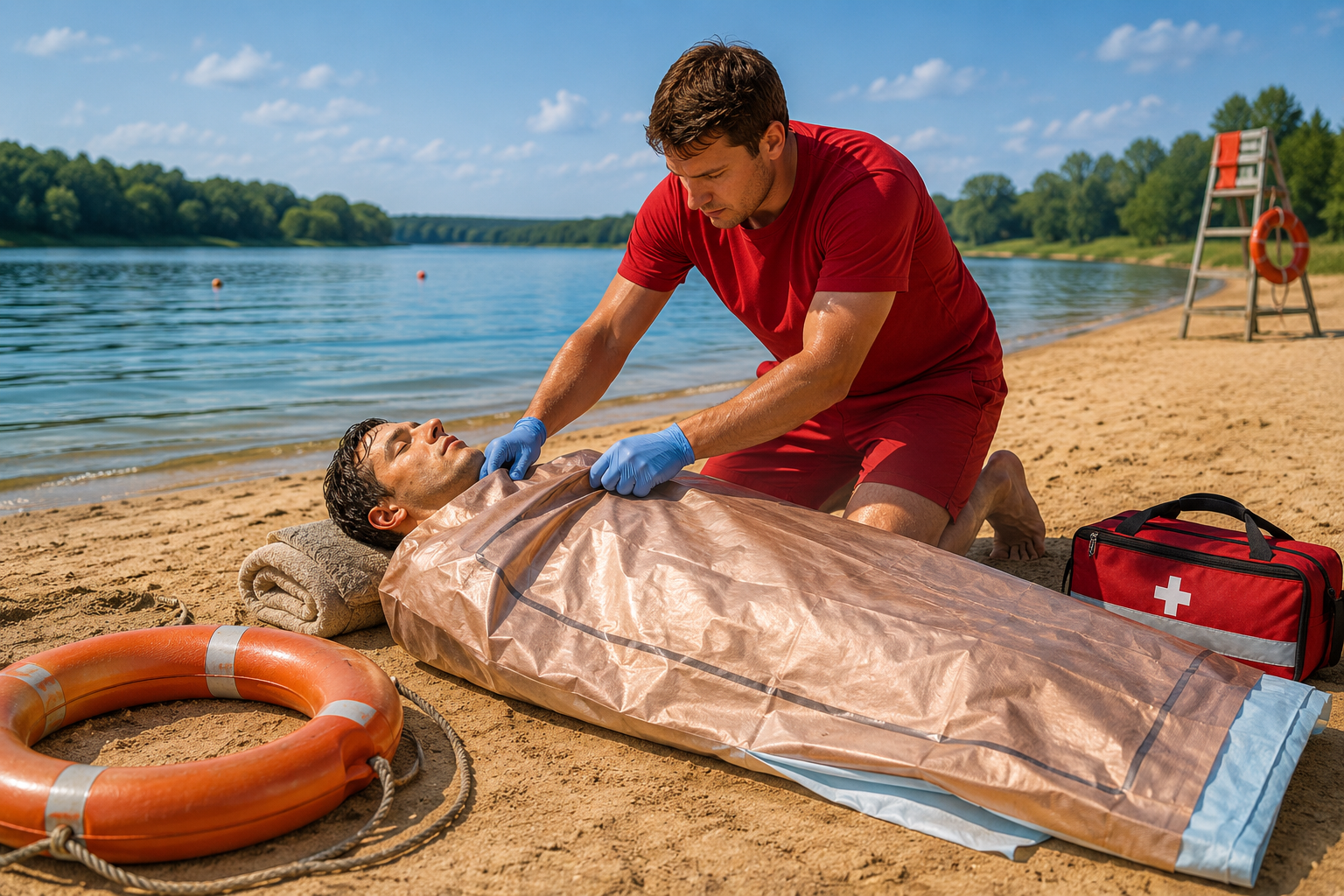
Algorithm for assessing the condition of the affected person
After removal from the water, it is necessary to pay attention to several key indicators that help understand the seriousness of the situation.
The following are assessed:
- level of consciousness;
- presence of breathing;
- skin color;
- response to speech;
- signs of hypothermia;
- general condition of the person.
Even if the person answers questions and can move independently, their condition may change after some time. That is why it is important to continue observation and not leave the person alone. Special attention should be paid to complaints of breathing difficulty, dizziness, or severe weakness. In case of any doubts about the person’s condition, it is better to act cautiously and wait for medical assessment.
When are resuscitation measures required?
If a person does not respond and shows no signs of normal breathing, emergency medical services must be called immediately and cardiopulmonary resuscitation (CPR) should be started.
- The algorithm of actions is as follows:
- Ensure the safety of the scene for yourself and the affected person.
- Check consciousness: speak loudly and gently touch the shoulders.
- If there is no response, call for help and contact emergency services.
- Check breathing for no more than 10 seconds.
- If breathing is absent or only occasional gasping breaths are present, immediately begin CPR.
- Perform 30 chest compressions in the center of the chest at a rate of 100–120 compressions per minute and a depth of about 5–6 cm in adults.
- After 30 compressions, perform 2 rescue breaths if you have appropriate training and barrier protection.
- Continue the 30:2 cycle until professionals arrive or signs of life appear.
In drowning cases, restoring oxygen supply to the body is especially important. That is why modern recommendations allow rescue breaths by trained individuals, since breathing disruption is the main cause of deterioration after being underwater. If the rescuer does not have the skills or protective equipment, it is recommended to focus on continuous chest compressions until professionals arrive.
During compressions, hands should be placed in the center of the chest, elbows kept straight, and shoulders positioned directly above the hands. After each compression, the chest must fully recoil without removing hands. This helps maintain effective circulation until heart function is restored or help arrives.
Resuscitation measures are continued until spontaneous breathing appears, consciousness is restored, emergency services arrive, or the rescuer becomes physically exhausted. Even if the person begins to breathe independently, they must remain under observation and be handed over to medical professionals for further evaluation.
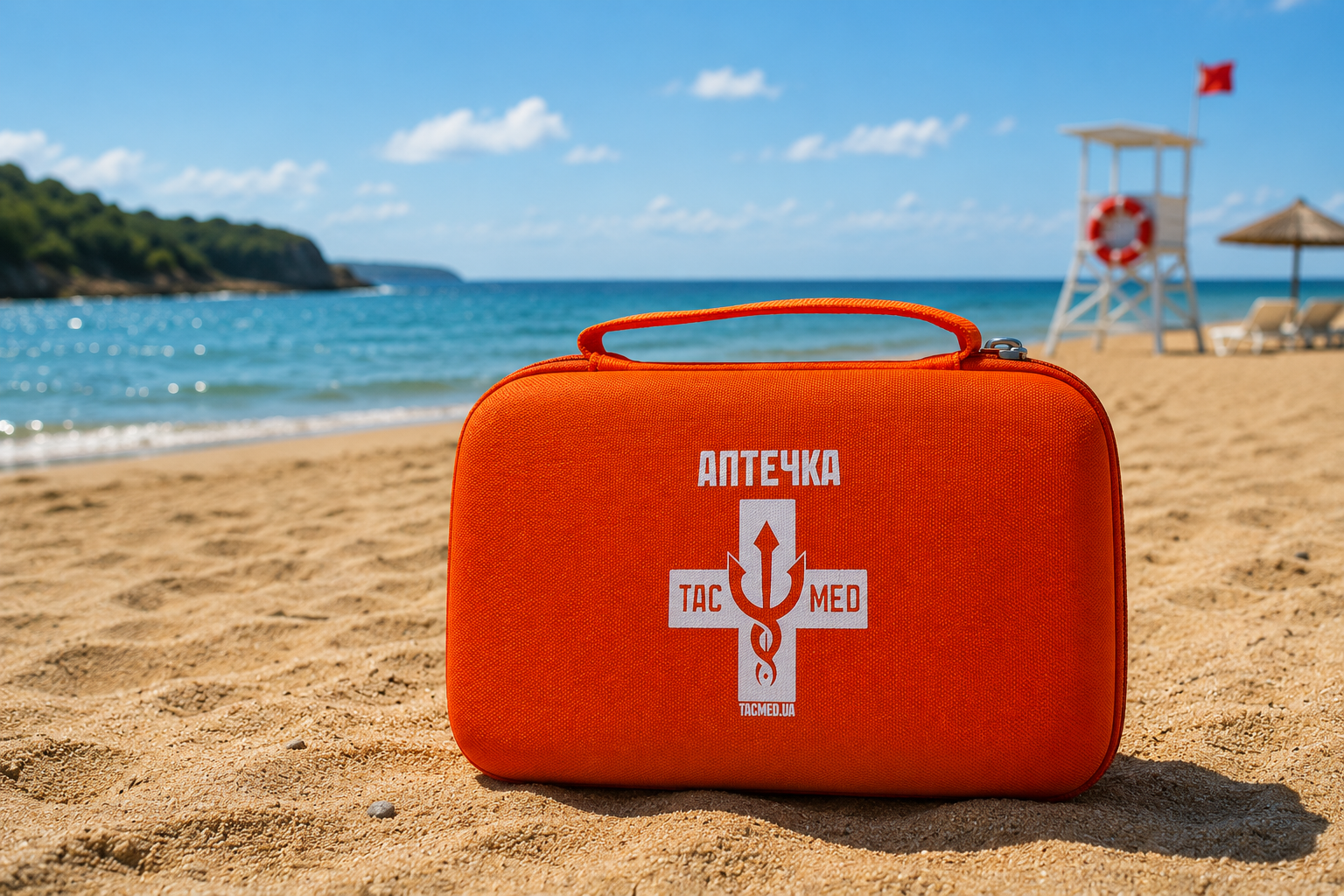
What tools may be needed to provide assistance?
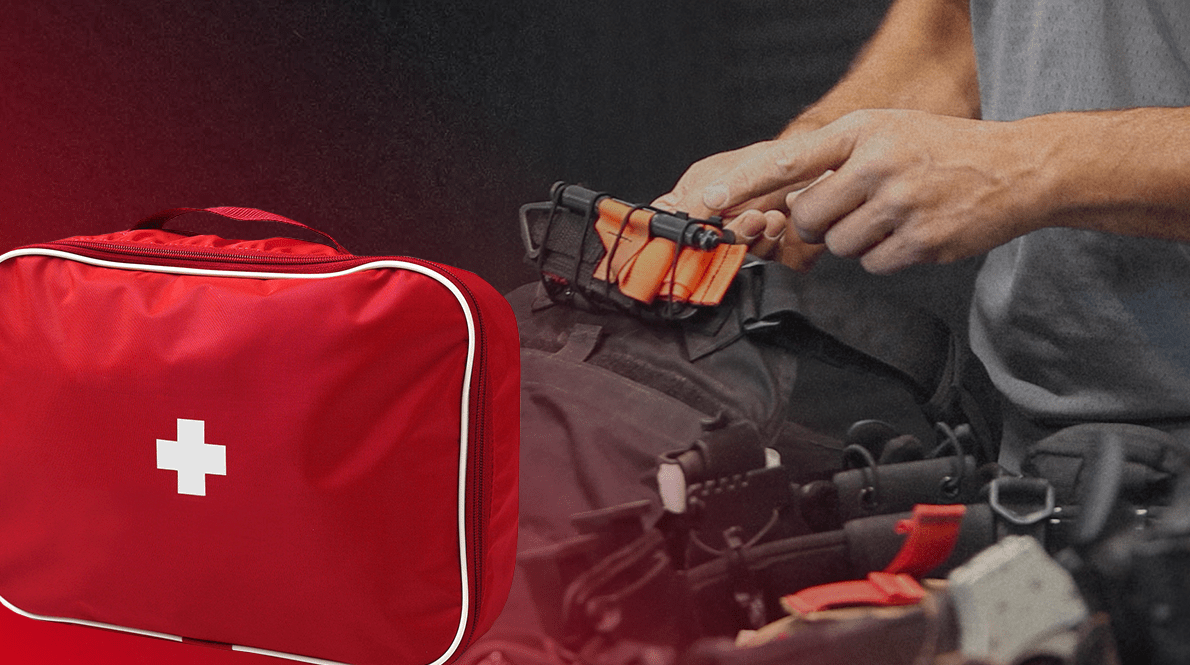
When responding to emergencies, it is important to consider not only the affected person but also personal safety. That is why it is advisable to prepare a first aid kit in advance with necessary items.
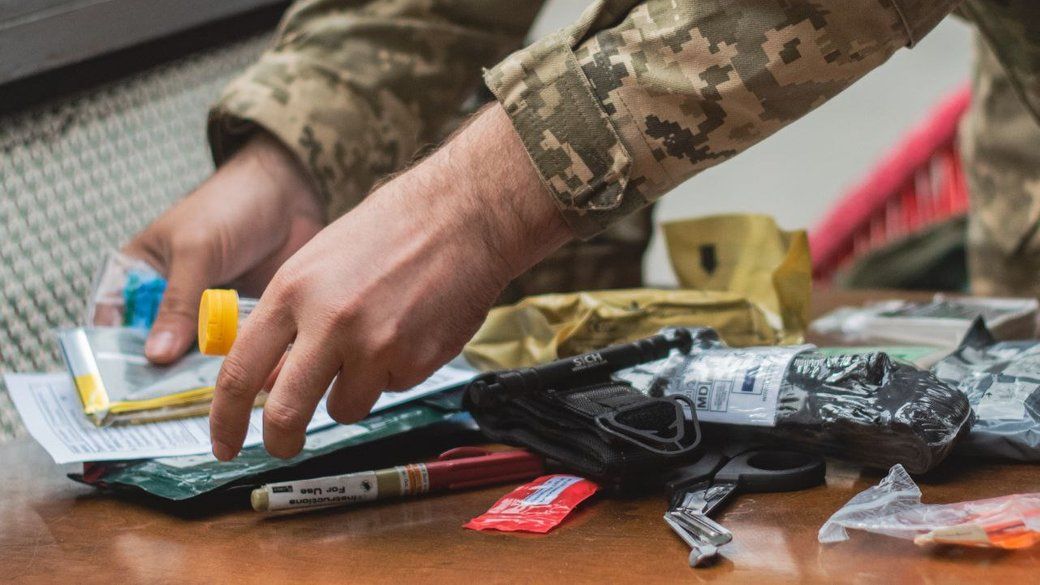
A useful kit may include:
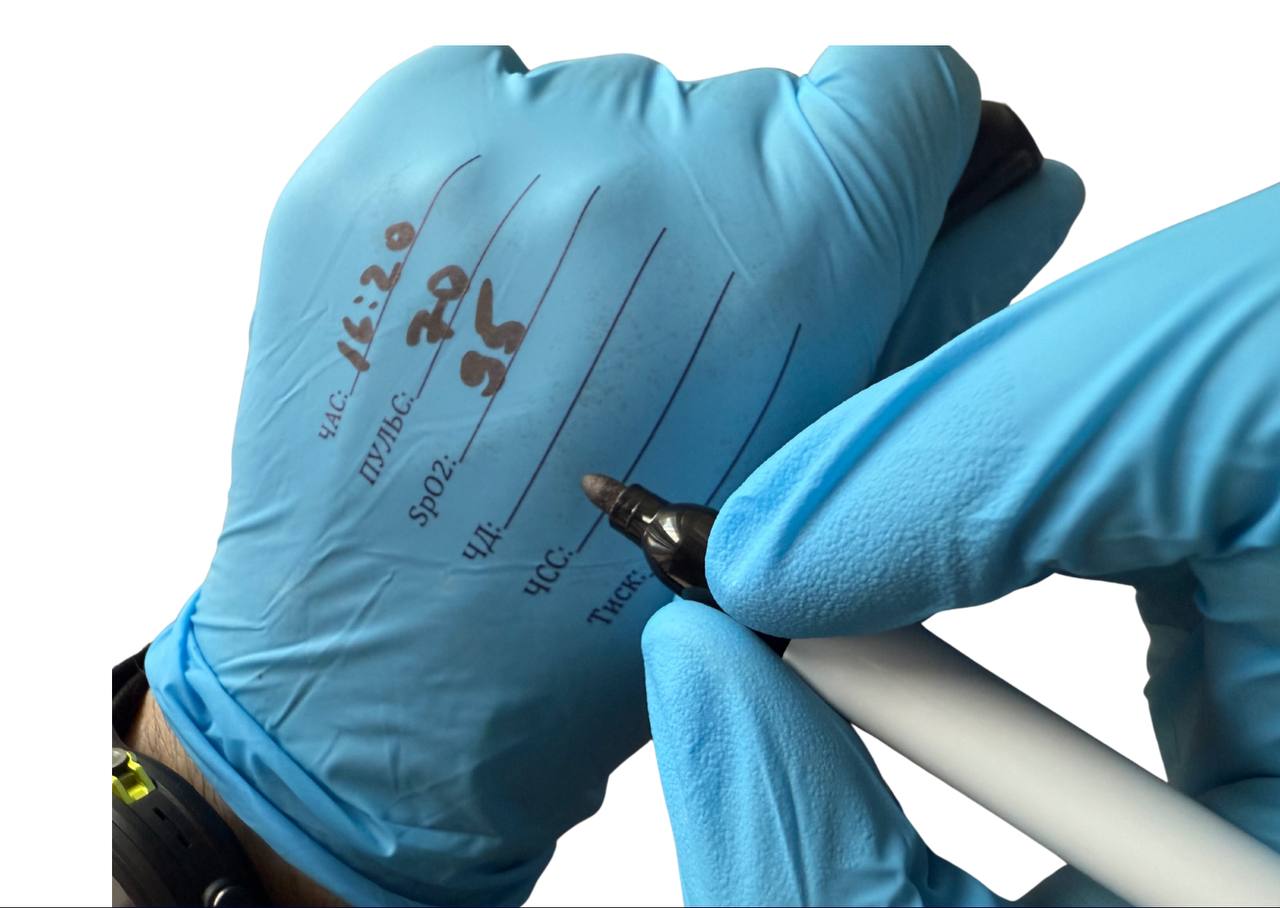
- nitrile gloves;
- a valve mask for rescue breathing;
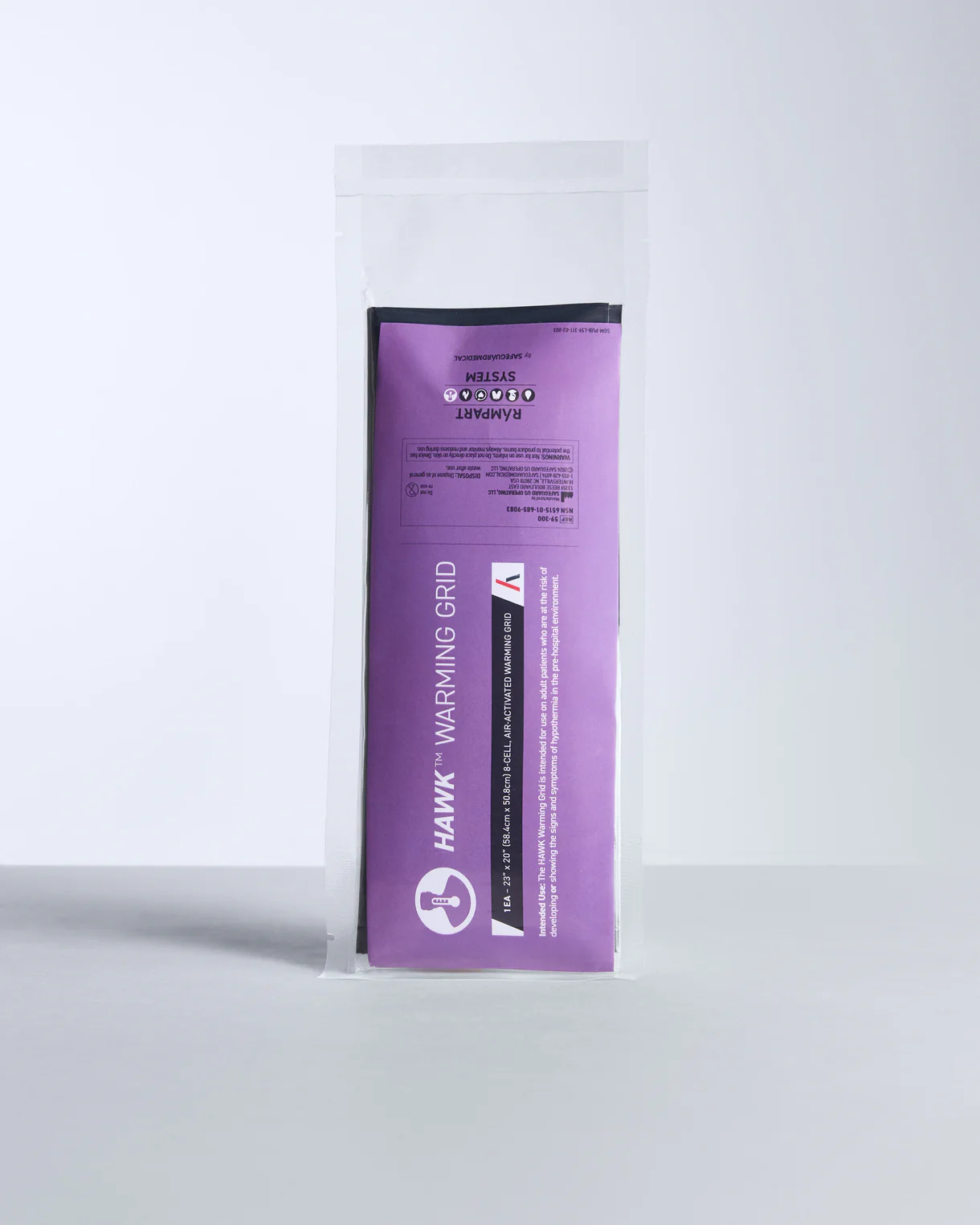
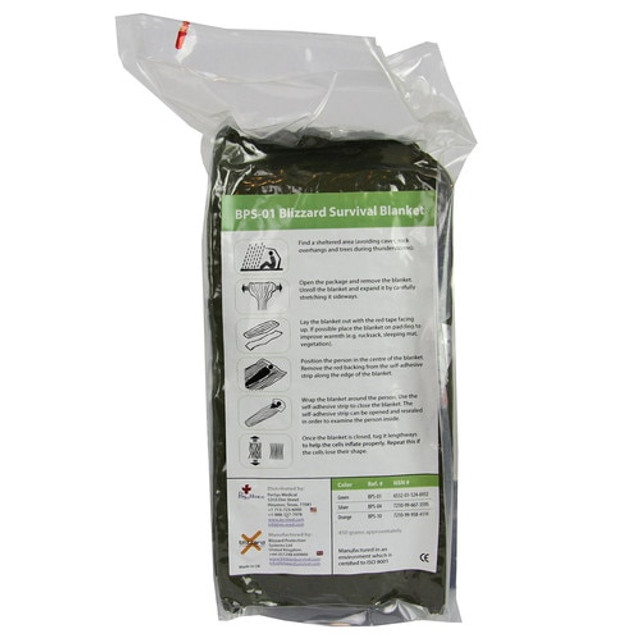
- a thermal blanket;
- trauma shears;
- dressing materials;
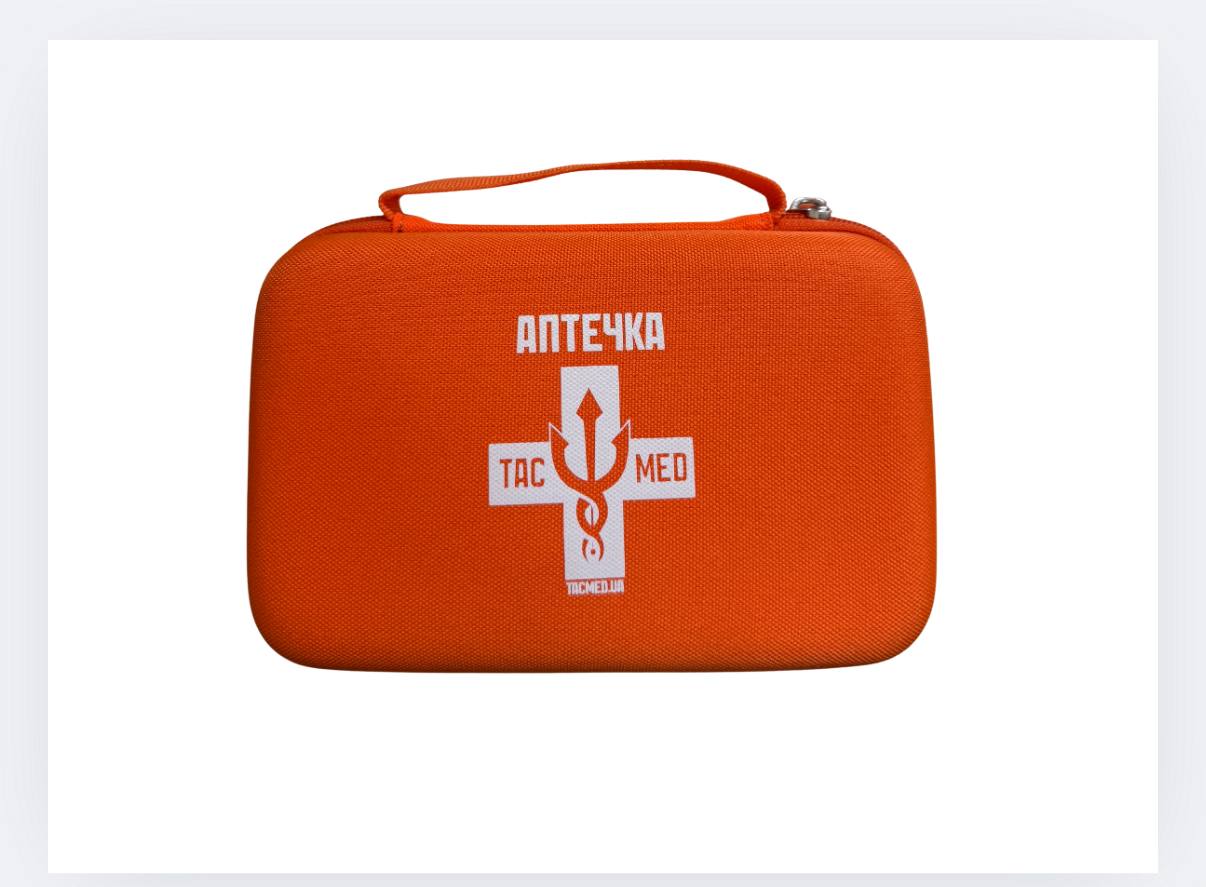
- an individual first aid kit;
- antiseptic products.
Such equipment takes up little space but can significantly simplify assistance before professionals arrive. Gloves and barrier protection are especially important to protect the rescuer during contact. A thermal blanket helps reduce the risk of hypothermia after water exposure, while a compact first aid kit provides quick access to necessary supplies.
The TacMed catalog features first aid kits, nitrile gloves, thermal blankets, and other tools for first aid that can be used in emergency situations.
Common mistakes when providing assistance on water
In stressful situations, people often act intuitively. However, some common actions may waste valuable time or worsen the situation.
The most common mistakes include:
- panic and loss of control;
- failure to call emergency services;
- use of unverified methods;
- lack of monitoring of the person’s condition;
- ignoring signs of hypothermia;
- stopping observation too early.
In most cases, the best solution is to follow basic first aid algorithms and quickly involve professional rescuers or medical personnel. Personal safety is also essential, as one emergency should not create additional victims. Calm and consistent actions are much more effective than rushed decisions driven by emotions.
Emergency situations on water can occur suddenly even during regular relax at the beach. That is why knowledge of basic first aid principles and the ability to correctly assess the condition of the affected person are important skills for everyone.
Timely calling of emergency services, monitoring breathing, and continuous observation help reduce the risk of complications before professionals arrive. The availability of necessary equipment — gloves, a thermal blanket, a first aid kit, and other emergency tools — also plays an important role.
Preparedness, knowledge, and calm, consistent actions allow more effective assistance in difficult situations and increase overall safety during recreation near water bodies.
FAQ
Is it necessary to call emergency services if the person feels fine after the incident?
Yes. Delayed complications may occur after being underwater, so medical evaluation remains advisable even without complaints.
Can the affected person be left alone after removal from the water?
No. Even if the person is conscious, their condition may change, so observation must continue until professionals arrive.
Why is it important to monitor breathing after a water incident?
Breathing disruption is one of the main risks after drowning. Therefore, breathing assessment is a priority during assistance.
Why is a valve mask needed in a first aid kit?
It is used as a barrier device during first aid measures and helps increase safety for the person providing assistance.
Why is a thermal blanket needed after water exposure?
After prolonged contact with water, the body loses heat quickly. A thermal blanket helps reduce the risk of hypothermia and maintain body temperature.
What items should be in a first aid kit for recreation near water?
Useful items include nitrile gloves, a thermal blanket, a valve mask for rescue breathing, dressing materials, and a compact first aid kit for emergencies.