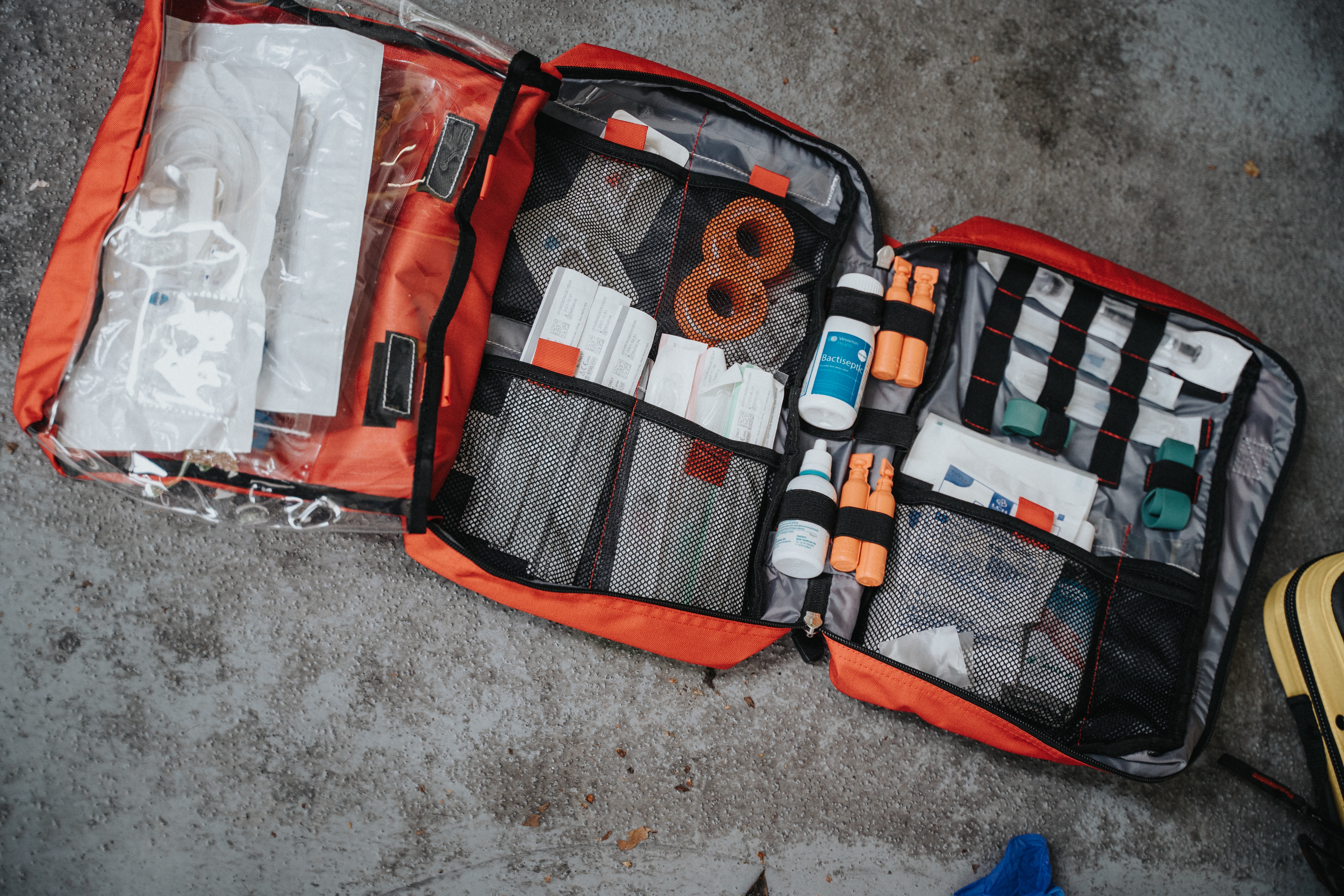
PAWS After MARCH: Secondary Assessment and Continued Care for the Casualty
Content
- What Does PAWS Mean?
- Why Doesn’t MARCH Complete the Care Process?
- P (Pain): Why Does Pain Management Matter?
- A (Antibiotics): When Are Antibiotics Actually Needed?
- W (Wounds): Why Is It Necessary to Reassess Wounds?
- S (Splinting): Immobilizing Fractures and Limb Injuries
- Secondary Assessment: Why Reassess the Casualty?
- Continuous Monitoring During Evacuation
- What Supplies Should a First Aid Kit Contain?
- Common Mistakes After Completing MARCH
The MARCH algorithm makes it possible to quickly identify and address conditions that pose an immediate threat to the casualty’s life. Controlling massive bleeding, ensuring airway patency, assessing breathing and circulation, and preventing hypothermia are the highest priorities. However, care does not end once these steps have been completed successfully.
This is the stage at which the PAWS algorithm is used in Tactical Combat Casualty Care (TCCC). Its purpose is to reassess the casualty’s condition, treat injuries that did not pose an immediate threat to life during the initial assessment, prepare for evacuation, and provide continuous monitoring. Properly carried out, PAWS reduces the risk of complications, helps prevent recurrent bleeding, improves pain control, and gives the next medical team complete information about the care provided.
What Does PAWS Mean?
PAWS is a logical continuation of MARCH and is carried out after immediate life threats have been addressed.
The algorithm includes four main steps:
- P (Pain) – pain management.
- A (Antibiotics) – administering antibiotics when indicated.
- W (Wounds) – reassessing and treating wounds.
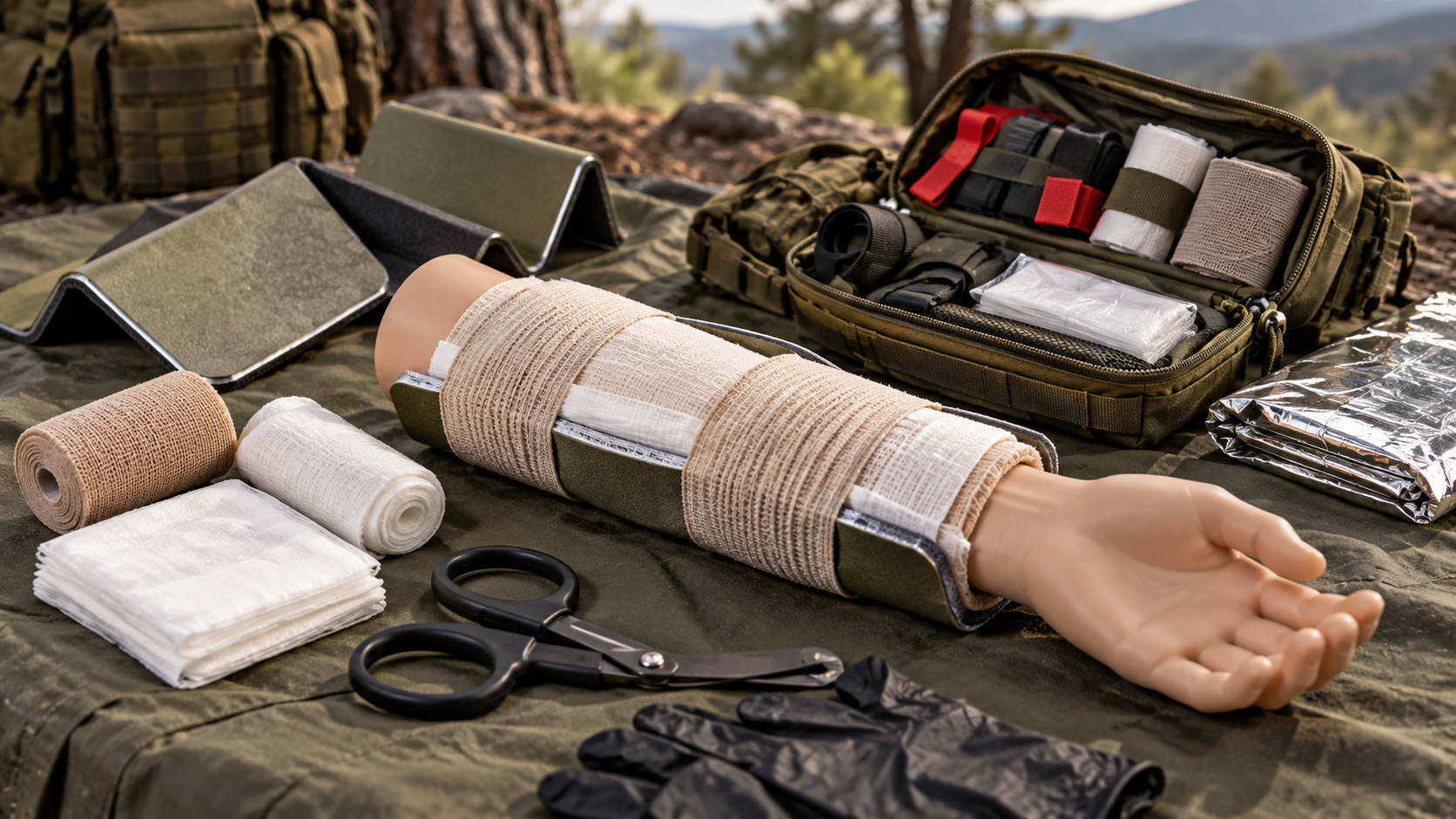
- S (Splinting) – immobilizing fractures and musculoskeletal injuries.
Each step has its own purpose, but the steps are closely connected. For example, effective pain relief makes immobilization safer, while reassessing wounds helps identify bleeding that may have restarted while the casualty was being moved. PAWS is not a one-time procedure. Throughout evacuation, the casualty’s condition must be reassessed regularly. If it deteriorates, return to the MARCH algorithm.
Why Doesn’t MARCH Complete the Care Process?
After critical bleeding has been stopped or airway patency restored, the casualty is still not out of danger. Many injuries develop gradually or become apparent only after vital functions have stabilized.
The secondary assessment may reveal:
- fractures of the limbs;
- soft-tissue injuries;
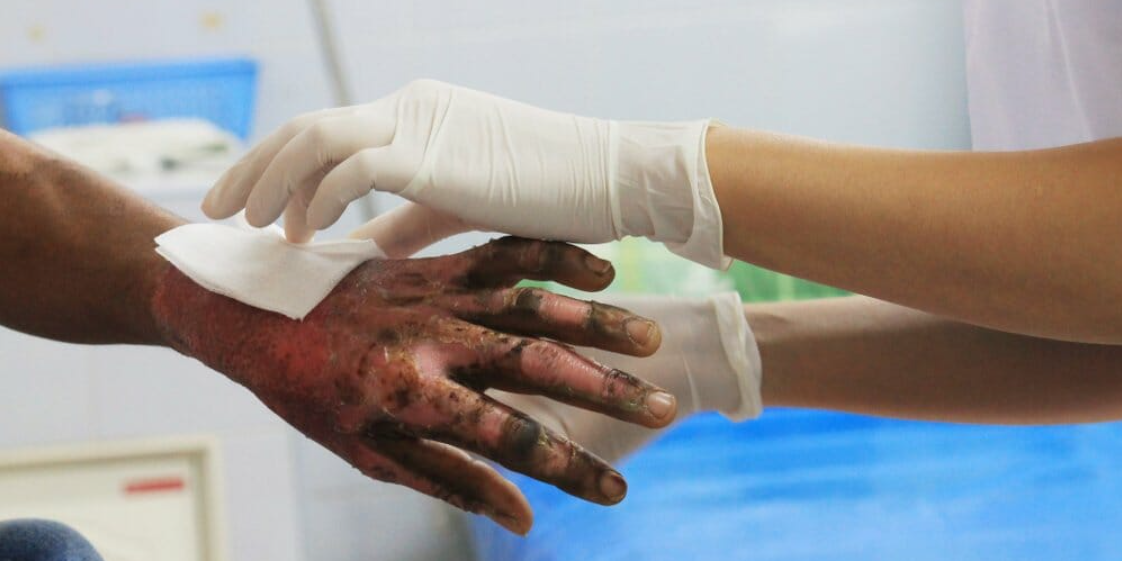
- burns;
- eye injuries;
- wounds hidden under equipment;
- signs of recurrent bleeding;
- a decline in the casualty’s overall condition.
In addition, after initial care, the casualty is often under severe stress, experiencing intense pain, or gradually losing body heat due to blood loss. If these factors are overlooked, they can significantly complicate further evacuation and treatment. That is why TCCC guidelines consider PAWS a required stage of tactical care rather than an additional procedure.
P (Pain): Why Does Pain Management Matter?
Pain is more than a source of discomfort. It triggers the body’s stress response, increases heart rate and tissue oxygen consumption, and can worsen the course of traumatic shock. In combat conditions, uncontrolled pain can also complicate evacuation, reduce the casualty’s ability to follow instructions, and interfere with further medical procedures.
When assessing pain, pay attention to:
- the location of the pain;
- its intensity;
- changes in pain over time;
- the effect of pain on consciousness and behavior;
- possible contraindications to particular medications.
Under TCCC, the choice of pain relief depends on the severity of the injury, the casualty’s level of consciousness, and their overall condition. If the person is conscious, can swallow, and shows no signs of shock, one approach is used. Other analgesia protocols apply to severely wounded or unstable patients. Decisions about administering medication are made in accordance with current TCCC guidelines and the level of training of the person providing care.
After administering any medication, record its name, dosage, and time of administration on the DD Form 1380 medical card. This helps prevent medication from being administered again during later stages of evacuation and supports continuity of care.
A (Antibiotics): When Are Antibiotics Actually Needed?
Open combat wounds are almost always contaminated with soil, fragments of clothing, metal, or other foreign particles. Even after thorough initial wound care, the risk of infectious complications remains high.
Antibiotic therapy is considered for:
- open wounds;
- gunshot injuries;
- open fractures;
- major soft-tissue injuries;
- penetrating wounds.
Antibiotics do not replace surgical wound care, but they significantly reduce the risk of wound infection before hospitalization. TCCC guidelines set clear criteria for the choice of medication, the method of administration, and situations in which antibiotics are not appropriate. For example, oral medication may be given only to casualties who are conscious and able to swallow safely. In more severe cases, medical personnel administer medication parenterally.
Each antibiotic administration must also be recorded on the casualty’s medical card, including the time and medication given. This allows the next medical team to plan further treatment appropriately.
W (Wounds): Why Is It Necessary to Reassess Wounds?
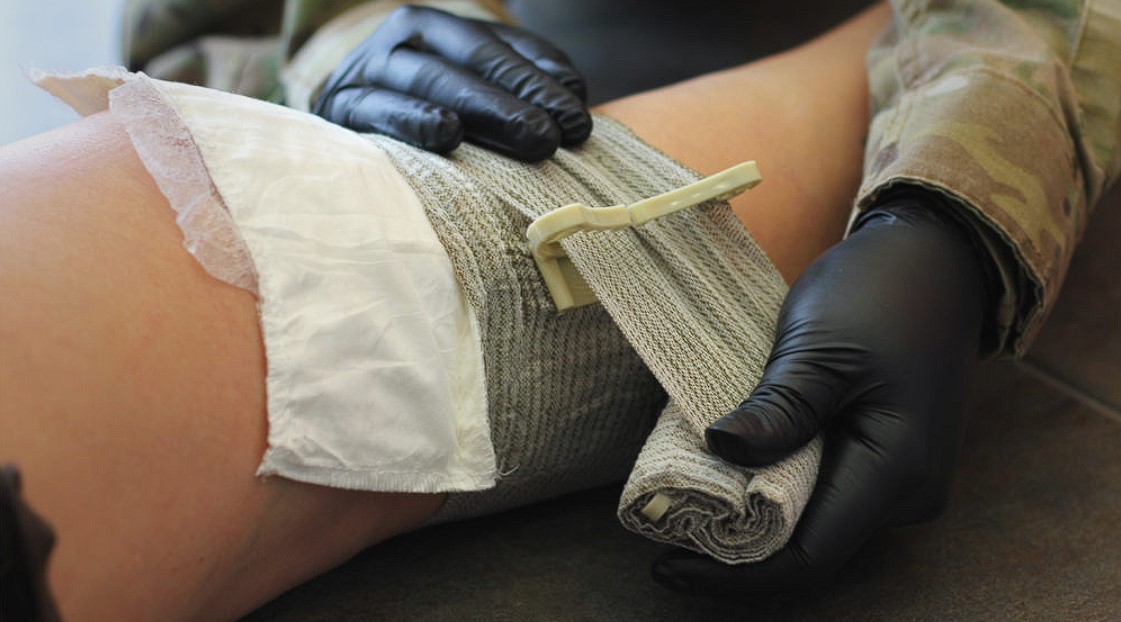
One of the most common mistakes after completing MARCH is assuming that once bleeding has been stopped, there is no need to check that area again. In fact, moving the casualty, transferring them to a stretcher, or transporting them can shift a dressing, loosen compression, or cause a vessel to reopen.
During the reassessment, you should:
- check all tourniquets already applied;
- assess the effectiveness of hemostatic packing;
- inspect compression dressings;
- make sure there is no recurrent bleeding;
- look for new wounds that may have gone unnoticed;
- reassess junctional bleeding sites.
Reassessment is not limited to visual inspection. Check whether blood is seeping through dressings, whether tourniquets remain effective, and whether new symptoms have appeared after the casualty’s position was changed. Current TCCC guidelines emphasize that no intervention should be considered complete without a subsequent reassessment of its effectiveness. Regular monitoring helps identify recurrent bleeding in time and address it before hemorrhagic shock develops.
S (Splinting): Immobilizing Fractures and Limb Injuries
Once immediate life threats have been addressed, proper fracture immobilization becomes a priority. It reduces pain, prevents further injury to blood vessels, nerves, and soft tissues, and makes it significantly easier to transport the casualty. If a fracture is left unsecured, every movement can shift bone fragments, cause recurrent bleeding, or intensify pain.
Indications for immobilization include:
- open fractures;
- closed fractures;
- suspected fractures;
- significant joint injuries;
- severe soft-tissue injuries to the limbs;
- preparation for prolonged evacuation.
Before applying a splint, make sure once again that massive bleeding is controlled and vital functions are stable. After immobilization, always check peripheral circulation: skin color, temperature, sensation, and the presence of a pulse below the injury site. If the limb becomes cold or pale, or the pulse disappears after the splint is applied, reassess the fixation immediately. Record any changes on the casualty’s medical card.
Universal SAM Splints, which can be easily shaped to fit different anatomical areas, are widely used in modern tactical medicine. The TacMed catalog includes splints, elastic bandages, and other immobilization supplies that help prepare a casualty for safe evacuation.
Secondary Assessment: Why Reassess the Casualty?
After completing MARCH and PAWS, conduct a systematic secondary assessment from head to toe. Its purpose is to identify injuries that were not noticed while addressing immediate threats to life.
During the assessment, examine:
- the head and face;
- the neck;
- the chest;
- the abdomen;
- the pelvis;
- the back;
- the upper limbs;
- the lower limbs.
Conduct the assessment in sequence, without skipping any area. At the same time, check for tenderness, deformities, bone instability, hidden bleeding, burns, and foreign objects. Pay special attention to areas under body armor, straps, pouches, and other equipment. Unnoticed wounds may remain there and gradually begin to bleed or become contaminated.
After moving the casualty onto a stretcher or into a vehicle, repeat the secondary assessment if possible. A change in body position may reveal injuries that were hidden during the initial examination.
Continuous Monitoring During Evacuation
Even after completing the MARCH and PAWS algorithms, care does not end. The casualty’s condition can change throughout evacuation, especially if transport takes tens of minutes or several hours.
During transport, regularly monitor:
- level of consciousness;
- breathing rate;
- pulse;
- tourniquet effectiveness;
- condition of dressings;
- signs of recurrent bleeding;
- body temperature;
- pain intensity.
Any deterioration is a reason to return to the MARCH algorithm. This principle underlies modern tactical medicine: the casualty is continually reassessed, and care is adjusted to their current condition. If massive bleeding starts again or the airway becomes compromised during transport, these problems once again take priority, regardless of whether PAWS has already been completed.
What Supplies Should a First Aid Kit Contain?
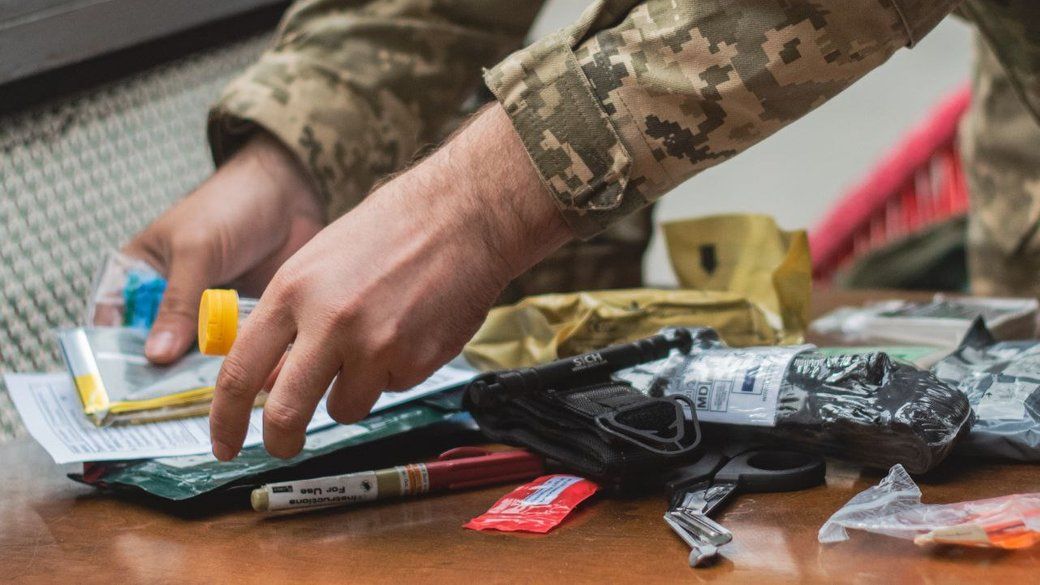
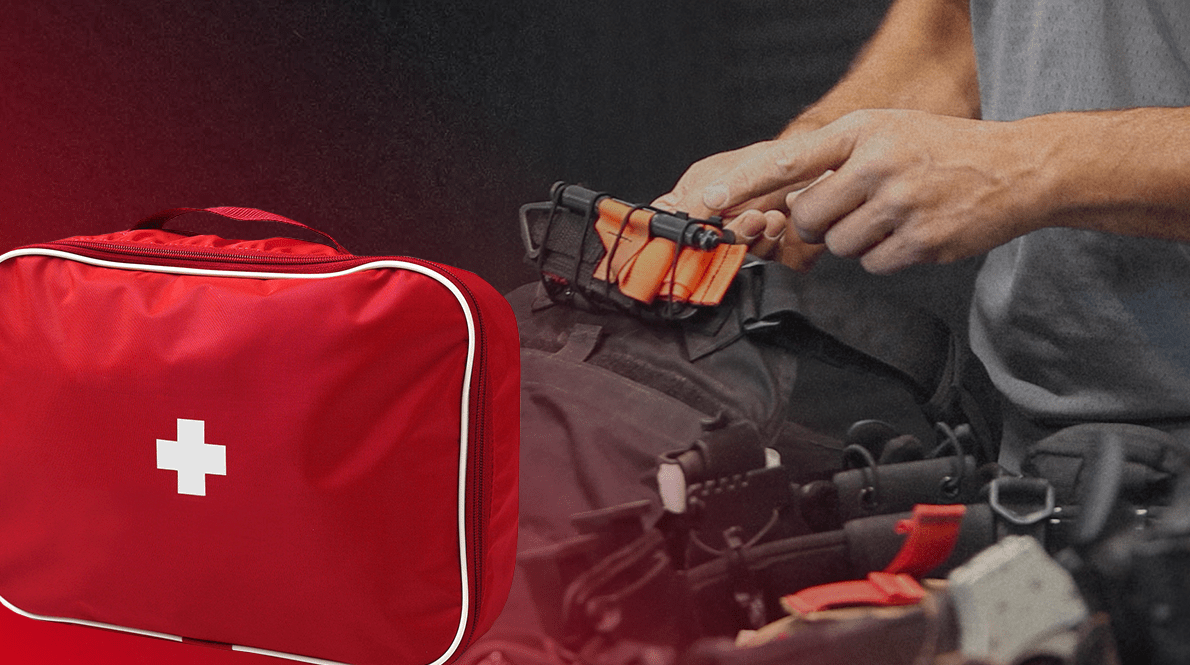
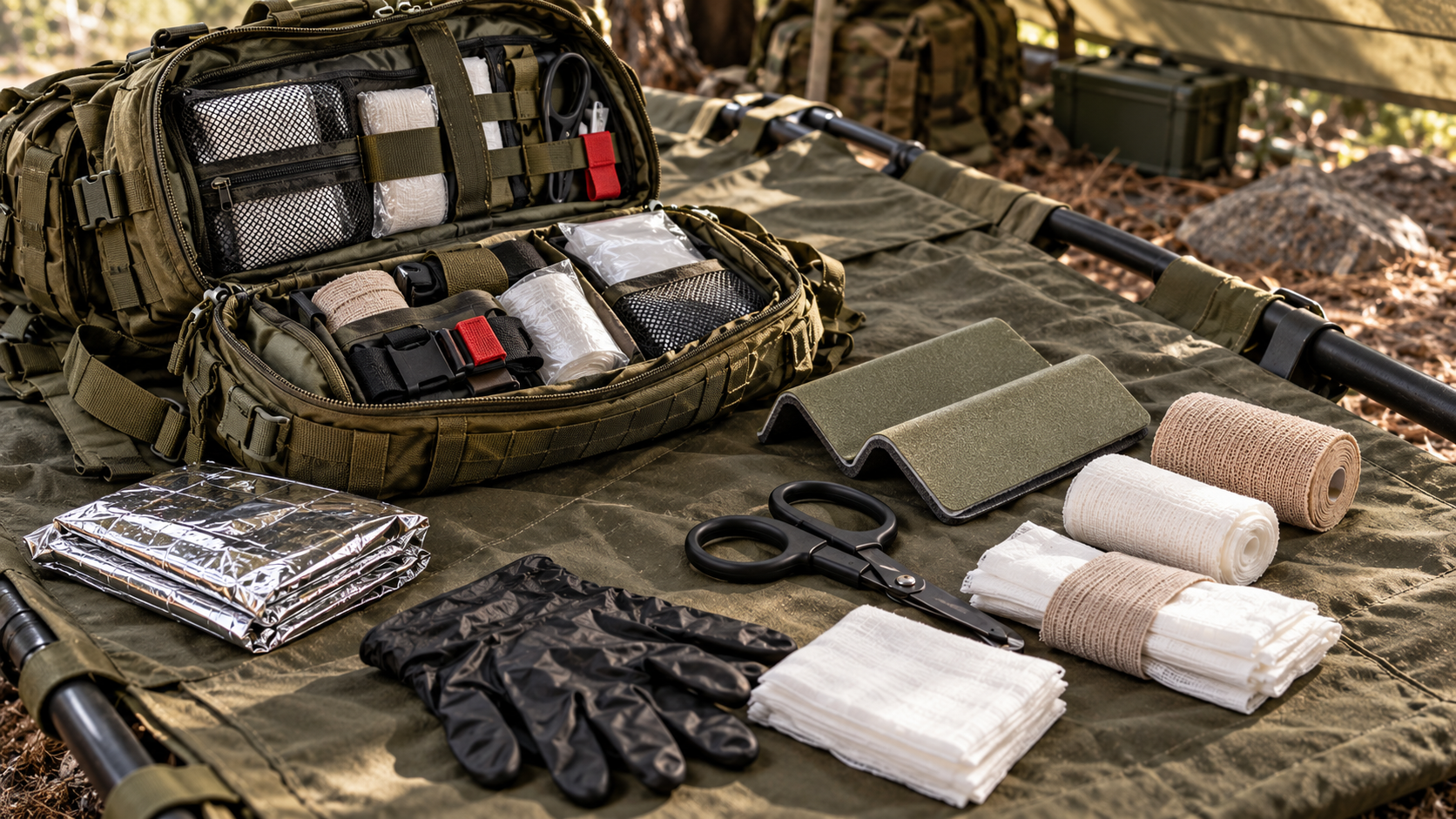
A complete first aid kit for working with the MARCH and PAWS algorithms should make it possible not only to save a life in the first minutes after an injury, but also to maintain the casualty’s stable condition until they are handed over to the next medical team.
It is advisable to include:
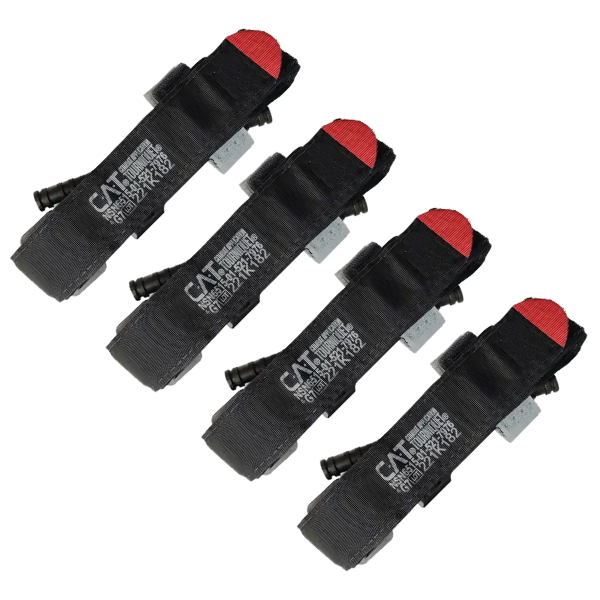
- a certified tourniquet;
- hemostatic agents;
- a compression bandage;
- occlusive dressings;
- a SAM Splint;
- elastic bandages;
- nitrile gloves;
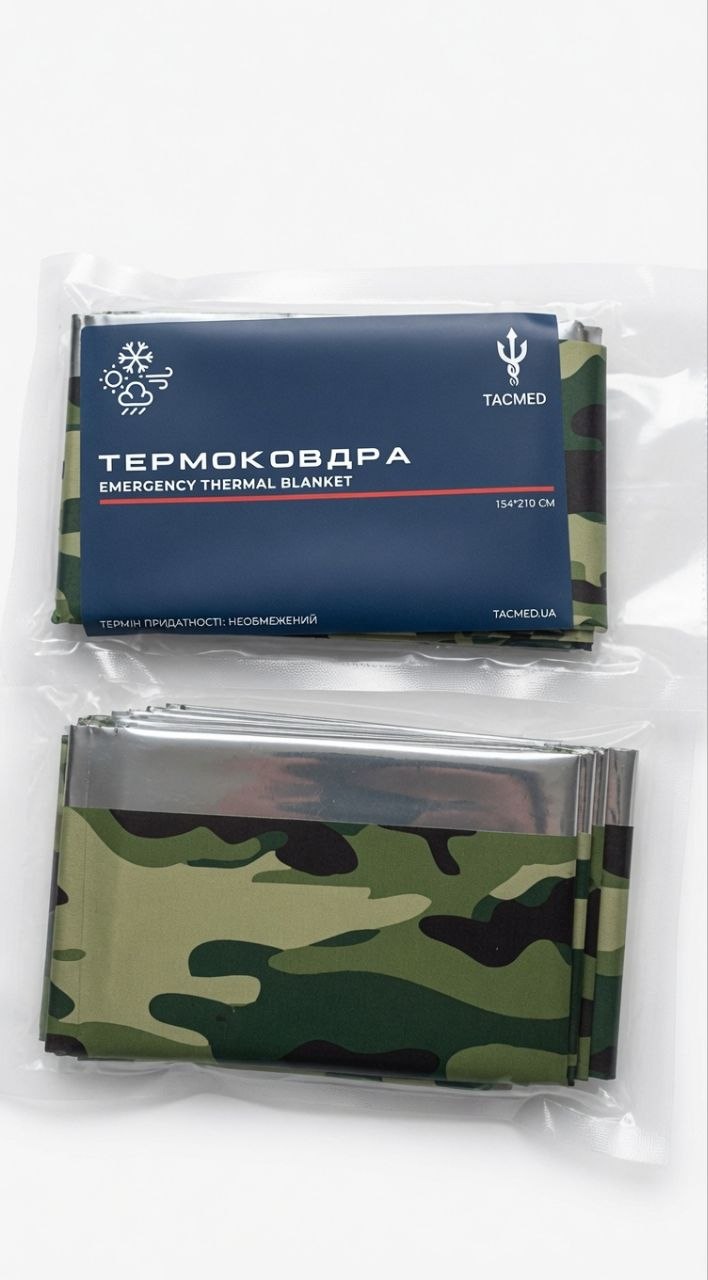
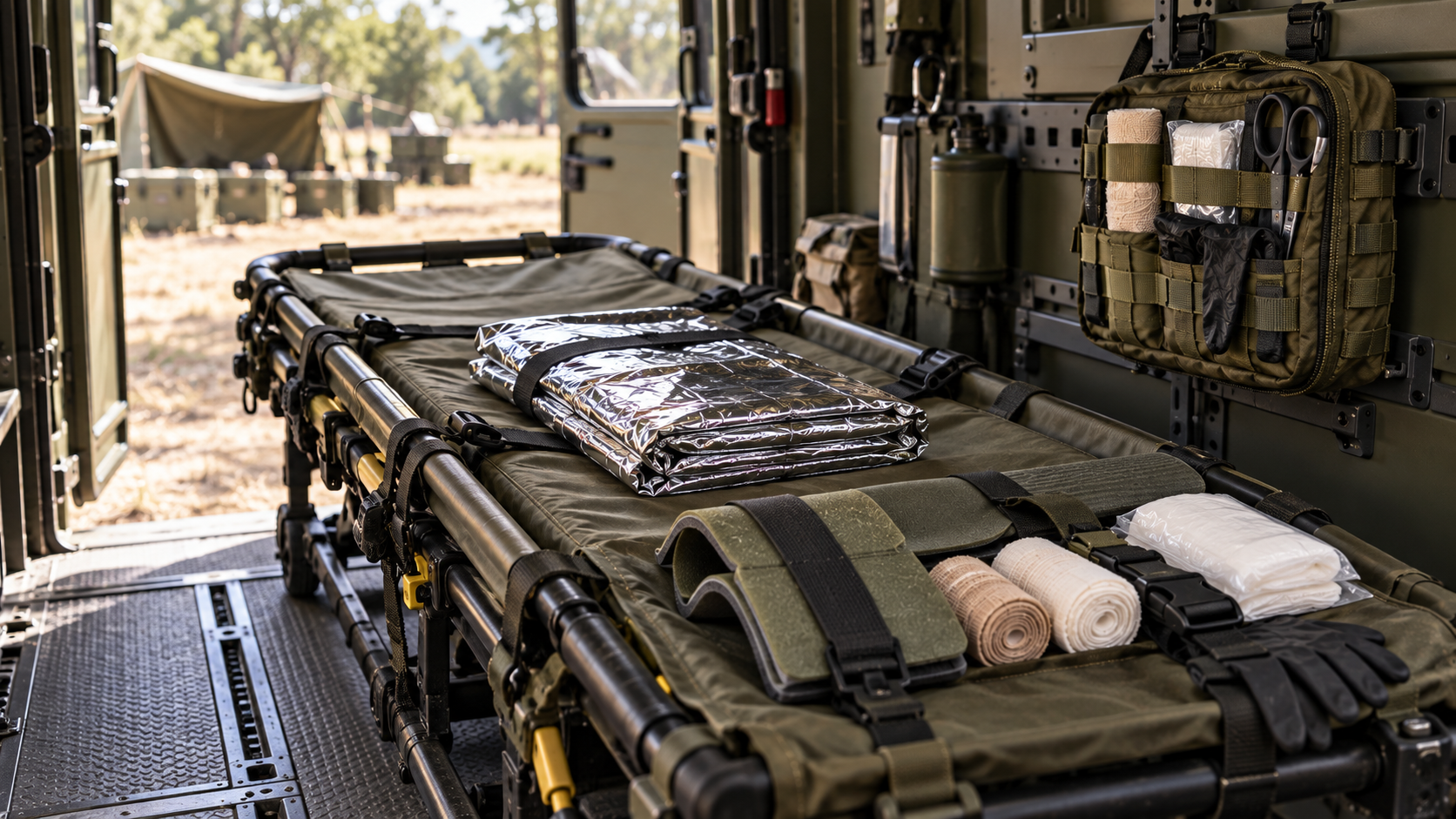
- an emergency blanket;
- scissors;
- a marker;
- a TCCC medical card.
The TacMed catalog includes individual components as well as ready-to-use individual first aid kits, medical pouches, and organizers equipped in accordance with current TCCC guidelines. How equipment is arranged matters just as much as having it. Each item should be easy to retrieve with one hand, even while wearing gloves or in low light.
Common Mistakes After Completing MARCH
Rescuers or people with insufficient training often assume that the main task is complete once bleeding has stopped. As a result, injuries that appear later or gradually worsen the casualty’s condition may be overlooked.
The most common mistakes include:
- skipping a repeat assessment;
- failing to check tourniquets;
- underestimating pain;
- delaying immobilization;
- overlooking hidden wounds;
- failing to document care;
- insufficient monitoring during evacuation.
Most of these mistakes do not involve complex medical procedures. They occur because the algorithm’s sequence is not followed or because of haste. That is why TCCC training places so much emphasis on reassessing the casualty. Even a correctly applied tourniquet or effective hemostatic packing requires regular checks until the casualty is handed over to the next medical team.
The PAWS algorithm is an integral part of modern tactical medicine. It begins after immediate threats have been addressed using MARCH and helps identify hidden injuries in time, provide appropriate pain management, prevent infectious complications, reassess wounds, and properly immobilize fractures.
Care for the casualty does not end once a tourniquet or dressing has been applied. Continuous monitoring, reassessment, accurate documentation, and preparation for evacuation have a significant impact on the casualty’s subsequent prognosis. The TacMed catalog includes tourniquets, hemostatic agents, compression bandages, SAM Splints, emergency blankets, medical pouches, and ready-to-use first aid kits that support care in accordance with current TCCC principles.
FAQ
What is PAWS in TCCC?
PAWS is a follow-up care algorithm used after completing MARCH. It covers pain management, administering antibiotics when indicated, reassessing wounds, and immobilizing fractures.
When should PAWS be started?
After immediate threats to life have been addressed: massive bleeding, compromised airway patency, and critical breathing or circulation problems.
Should the casualty be reassessed after MARCH?
Yes. A secondary assessment can identify hidden injuries, recurrent bleeding, or changes in condition that were not apparent during the initial examination.
Why is fracture immobilization necessary?
Properly securing a limb reduces pain, prevents further tissue injury, and supports safe evacuation.
What supplies should a first aid kit contain for working with the MARCH and PAWS algorithms?
The kit should include a tourniquet, hemostatic agents, a compression bandage, occlusive dressings, a SAM Splint, an emergency blanket, nitrile gloves, scissors, a marker, and a TCCC medical card.