Tension pneumothorax: how to recognize a dangerous condition and provide assistance
Content
- What is tension pneumothorax?
- Why does this condition occur?
- How to recognize tension pneumothorax?
- How does tension pneumothorax differ from other chest injuries?
- What to do before medical professionals arrive?
- Why are occlusive chest seals important?
- What items should be included in a first aid kit?
- When is professional medical assistance required?
Chest injuries belong to a category of damage that can pose a serious threat to life even in the absence of massive external bleeding. One of the most dangerous complications in such situations is tension pneumothorax. This condition can develop gradually or rapidly, and its consequence is disruption of the respiratory and cardiovascular systems. That is why knowledge of the main symptoms and the correct algorithm of actions is an important part of preparation not only for medical professionals and the Armed Forces of Ukraine, but also for people who work in difficult conditions, travel, engage in active recreation, or assemble first aid kits for emergency situations.
What is tension pneumothorax?
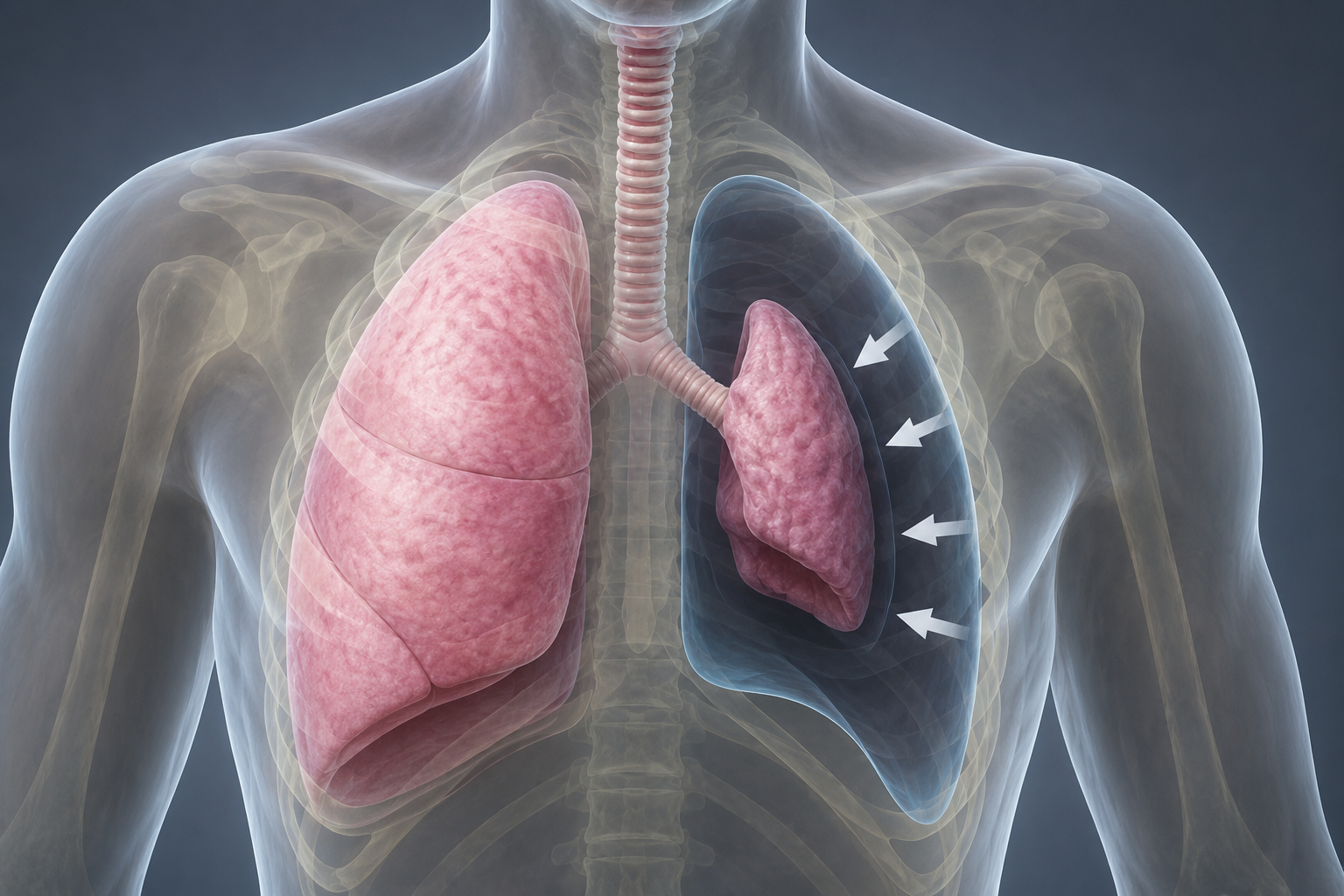
Normally, the lungs expand during inhalation due to a special negative pressure in the chest cavity. Between the lung and the inner surface of the chest wall there is a thin space — the pleural cavity, which normally contains only a small amount of fluid. This system allows the lungs to fully expand during each breath and supply the body with oxygen.
If, as a result of trauma or other damage, air enters the pleural cavity, the normal mechanism of lung function is disrupted. The lung begins to collapse and can no longer fully participate in the breathing process. As a result, the body receives less oxygen, and the person may experience shortness of breath, difficulty breathing, and discomfort in the chest.
Tension pneumothorax occurs when air continues to enter the pleural cavity but cannot exit. In this situation, a kind of “valve mechanism” is formed: with each inhalation, the volume of air increases, and internal pressure in the chest constantly rises.
As a result, not only the damaged lung is compressed. Increased pressure begins to affect large blood vessels and other structures of the chest. This can lead to impaired circulation, reduced oxygen delivery to organs, and rapid deterioration of the person’s overall condition.
The danger of tension pneumothorax lies in the fact that symptoms often progress. A person may initially complain only of slight breathing difficulty, but over time the condition can rapidly worsen. That is why tension pneumothorax is classified as an emergency condition requiring the fastest possible recognition and further medical assistance.
Why does this condition occur?
The cause is most often various types of chest injuries. At the same time, the risk exists not only with penetrating injuries. In some cases, the problem may develop after a severe bruise, fall, or road traffic incident.
The most common causes include:
- chest injury;
- severe mechanical trauma;
- rib fractures;
- consequences of road accidents;
- falls from height;
- workplace injuries;
- certain medical conditions and lung diseases.
In most cases, people underestimate the consequences of chest injuries if external damage appears minor. However, even the absence of pronounced symptoms in the first minutes does not guarantee that the condition will remain stable later. That is why after any significant mechanical impact to the chest it is important to carefully monitor the person’s condition. The appearance of shortness of breath, pain, or lack of air requires immediate assessment and seeking medical assistance.
How to recognize tension pneumothorax?
The first symptoms may resemble other chest injuries. However, there are a number of signs that should raise concern and prompt an immediate call for medical help.
Most commonly observed:
- pronounced shortness of breath;
- rapid breathing;
- pain or discomfort in the chest;
- feeling of lack of air;
- rapid fatigue;
- pale skin;
- bluish tint of lips or fingers;
- restlessness and anxiety;
- gradual deterioration of overall condition.
It is important to remember that individual symptoms may vary in intensity. In some cases, a person complains only of breathing difficulty, while in others the condition worsens within minutes. Particular attention should be paid to the progression of symptoms over time. The most progressive worsening of breathing is considered one of the most alarming signs indicating possible development of dangerous complications.
How does tension pneumothorax differ from other chest injuries?
After trauma, a person may complain of chest pain, shallow breathing, or discomfort during movement. Such symptoms are typical for many conditions, including soft tissue bruises or rib fractures. However, with tension pneumothorax, breathing problems tend to progress. The condition does not remain stable but gradually worsens. This feature is considered one of the most important warning signs.
In addition, a person may experience severe weakness, dizziness, and a feeling of air hunger even at rest. Unlike most uncomplicated chest injuries, tension pneumothorax can quickly affect not only breathing but also circulation. Therefore, the affected person may lose strength rapidly, which requires immediate response.
What to do before medical professionals arrive?
If a serious chest injury is suspected, it is important to act calmly and consistently. The main task is to support vital functions and prevent further deterioration of the person’s condition.
It is recommended to:
- Ensure safety of the scene.
- Call emergency medical services.
- Assess the level of consciousness and quality of breathing.
- Identify possible chest injuries.
- If necessary, use specialized means to seal injuries.
- Continuously monitor the person’s condition until professionals arrive.
Each of these steps is aimed at minimizing risk before specialists arrive. In critical situations, the sequence of actions is often decisive. At the same time, it is important not to waste time on procedures whose effectiveness is not supported by modern medical protocols. The main focus is always on monitoring the person’s condition, maintaining breathing, and quickly involving medical services.
Why are occlusive chest seals important?
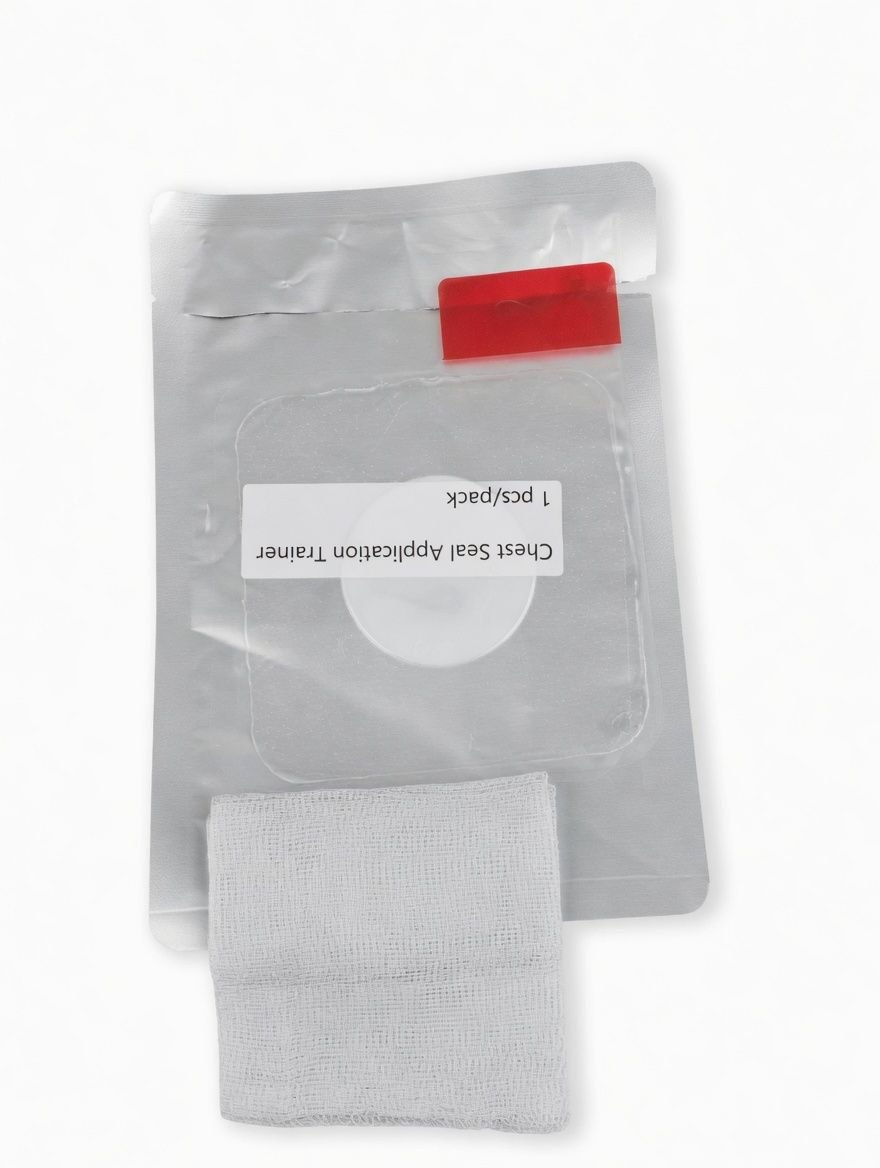
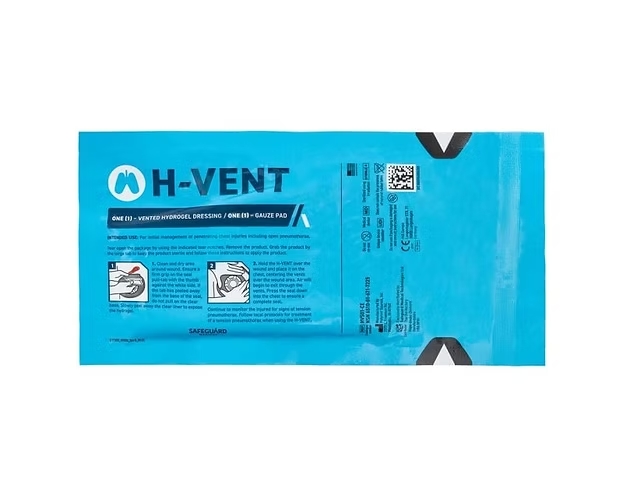
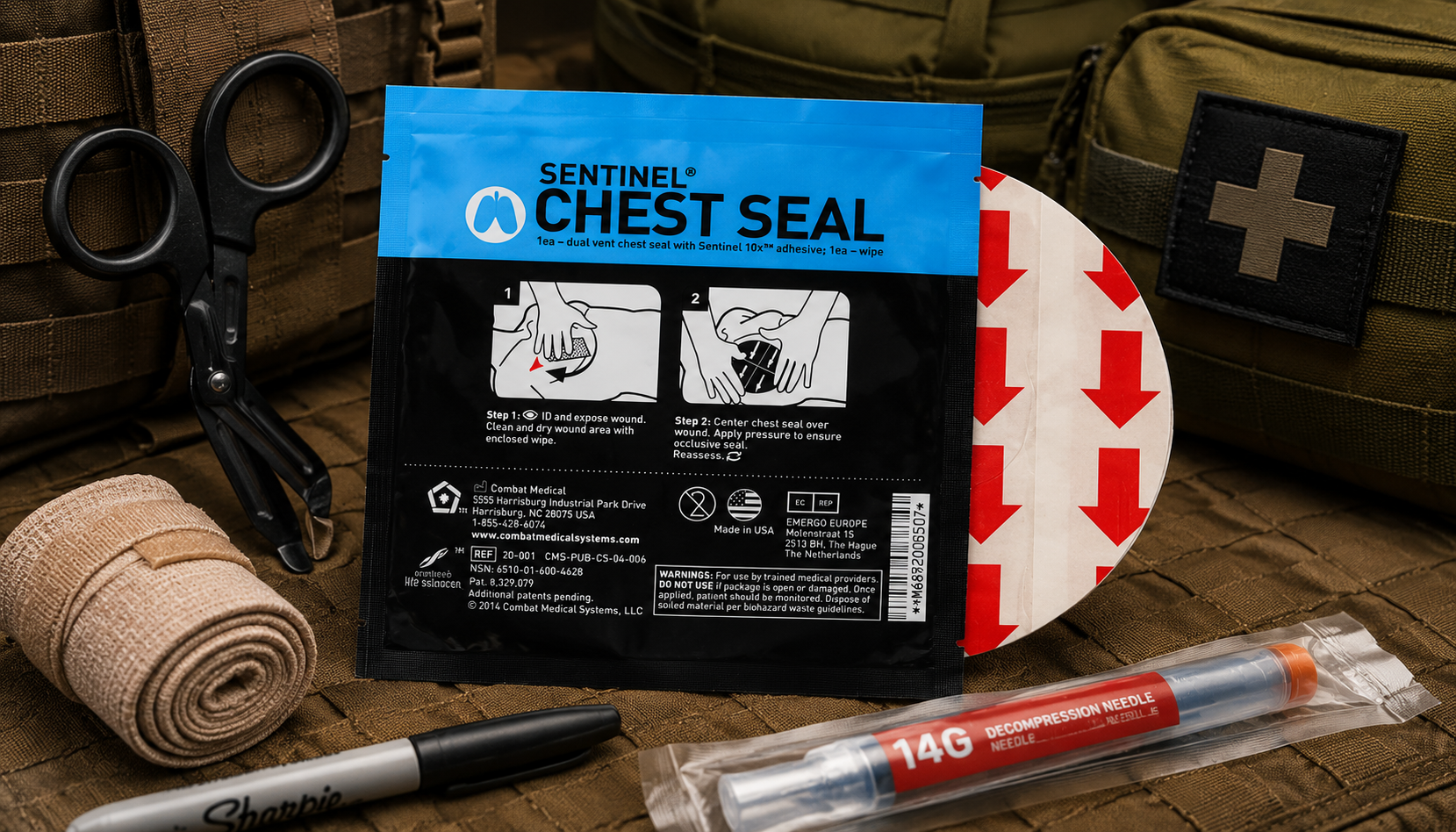
In chest injuries with tissue damage, one of the measures of assistance may be sealing the wound. Occlusive chest seals are used for this purpose. They help limit the entry of air through the injury and are an important element of modern emergency first aid kits. At the same time, an occlusive seal is used for open chest wounds and does not eliminate tension pneumothorax. If there is suspicion of this dangerous condition, it is necessary to ensure professional medical assistance as quickly as possible.
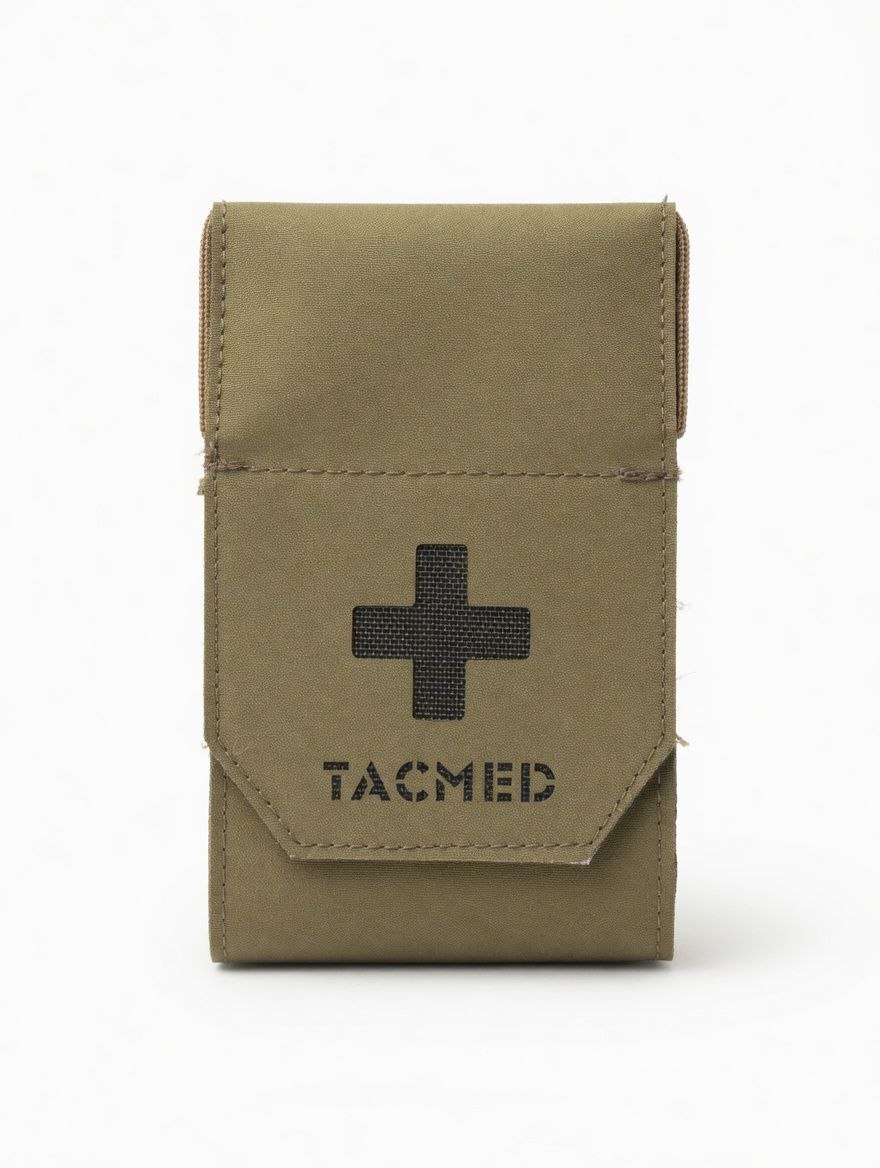
The TacMed catalog features a separate category of occlusive chest seals designed for use in critical situations. Among popular solutions are Vent Chest Seal, SAM Chest Seal, and Halo Chest Seal, which are widely used by first aid specialists.
The advantage of modern models is quick application, reliable fixation, and the ability to function even in difficult conditions. In addition, such products take up minimal space in a first aid kit and can be stored for a long time without losing their properties. They are recommended for inclusion in individual emergency kits. The presence of a quality occlusive seal allows quick completion of one of the most important steps of assistance in chest injuries.
What items should be included in a first aid kit?
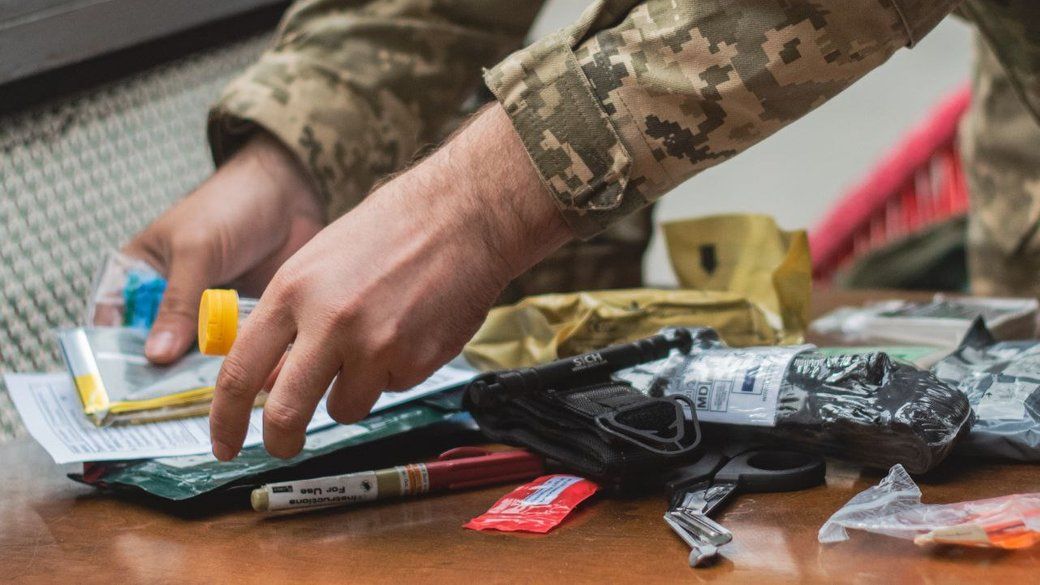
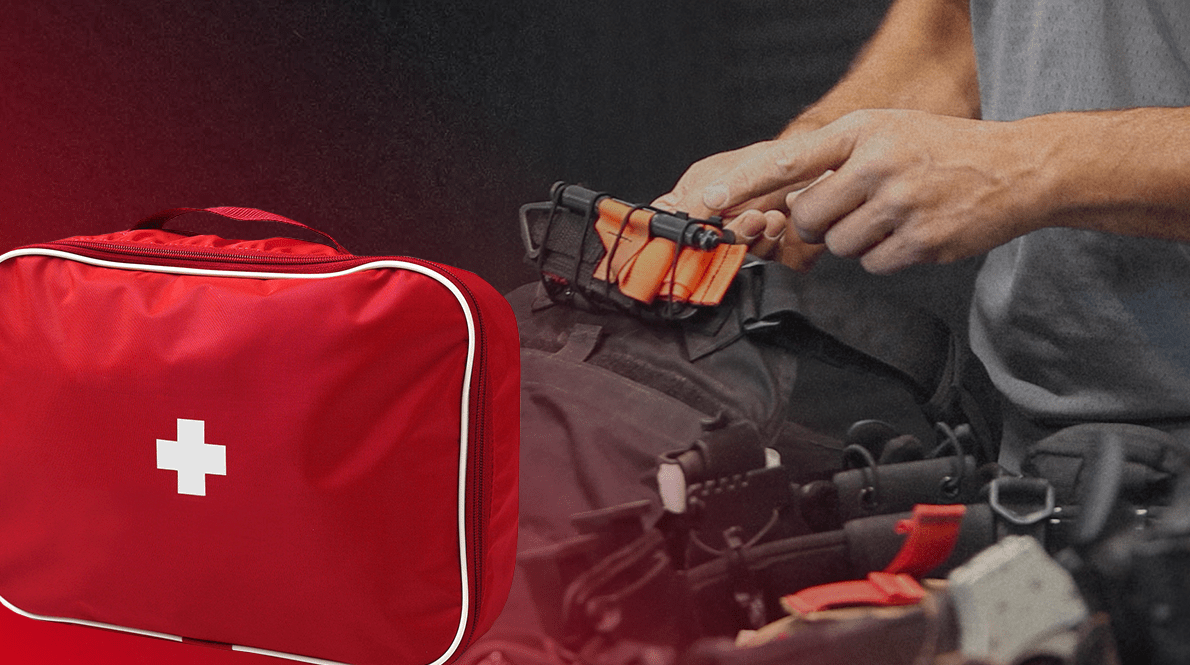
First of all, a first aid kit should be assembled in advance. Its contents depend on usage conditions, but there is a list of items that help act more effectively in serious injuries.
Such a kit may include:
- occlusive chest seals;
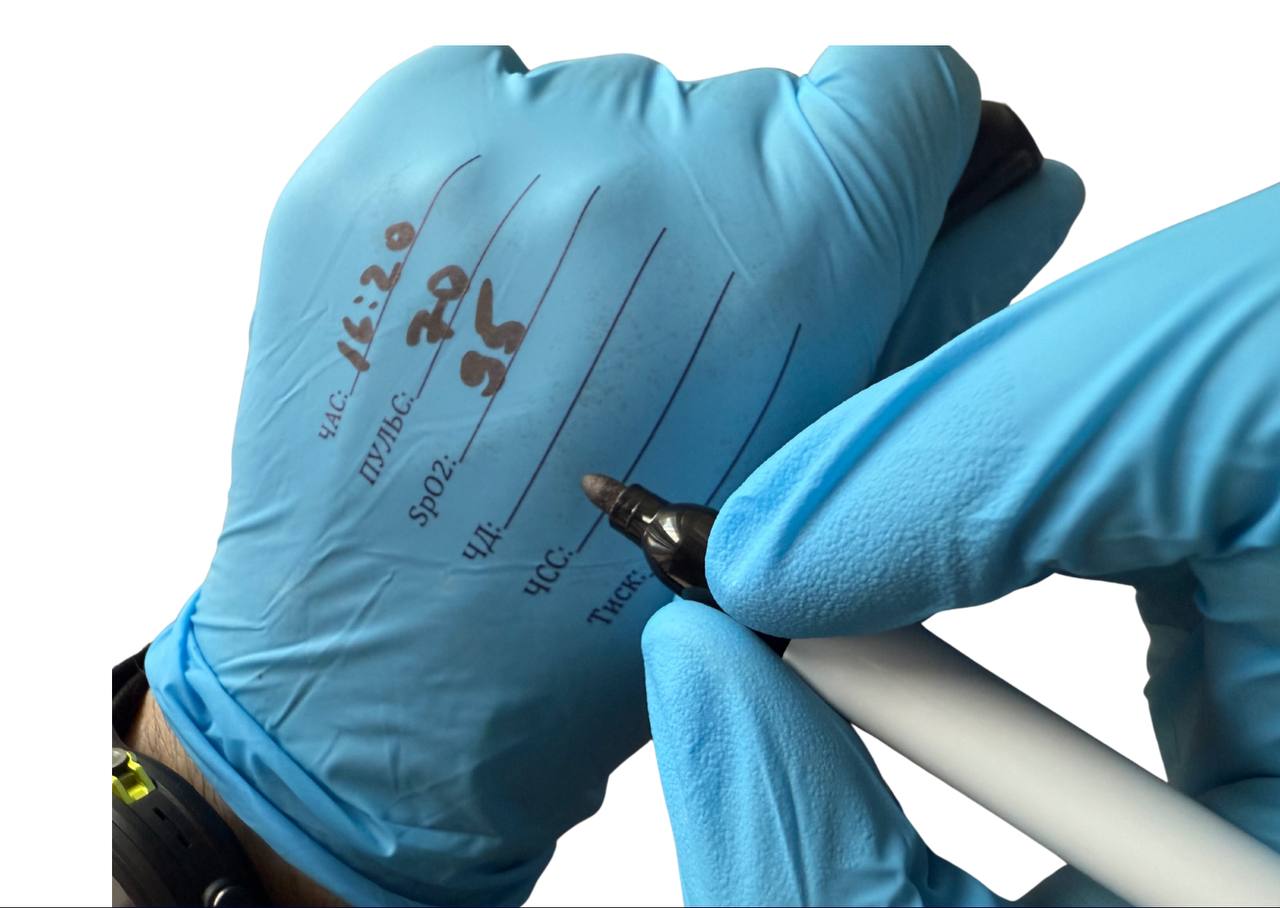
- nitrile gloves;
- trauma shears;
- marker;
- dressing materials;
- individual first aid kit;
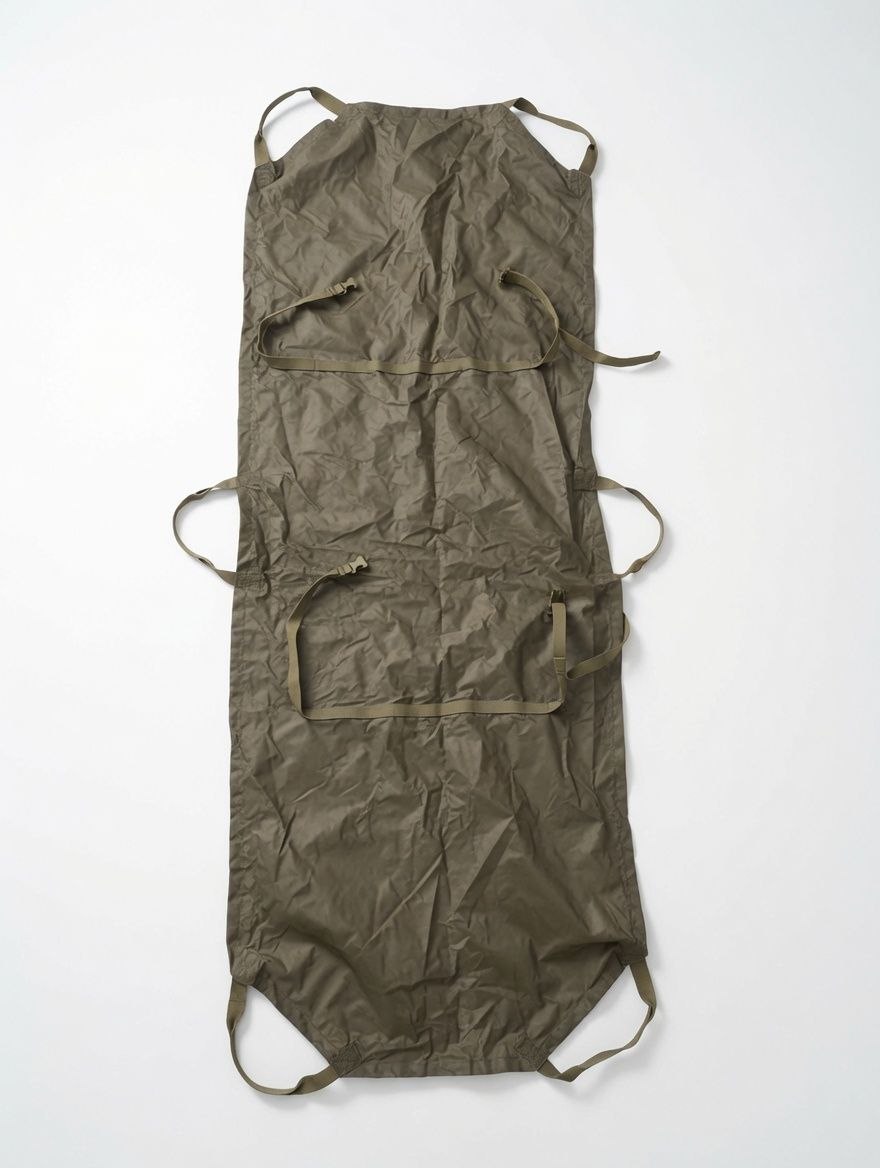
- means for transporting the affected person.
Having the necessary items in a properly assembled first aid kit allows faster and more confident action in emergency situations. Many modern solutions are designed so they can be used not only by medical professionals but also by people with basic first aid training. At the same time, even the highest-quality equipment does not replace knowledge and practical skills. Therefore, assembling a first aid kit should be combined with regular training and familiarity with modern assistance algorithms.
In the TacMed store, you can select both individual components and ready-made solutions for assembling first aid kits according to modern medical standards.
When is professional medical assistance required?
Any suspicion of tension pneumothorax is a reason for immediate medical attention. This condition cannot be treated independently or left in the hope that symptoms will disappear without professional intervention. Even if a person feels satisfactory after trauma, their condition may change within a short time. That is why it is important not to delay seeking help and to ensure prompt medical evaluation.
Timely diagnosis allows specialists to quickly determine the cause of breathing disturbance and choose the correct course of further actions. The sooner the affected person is under medical supervision, the higher the chances of avoiding serious complications. This is especially relevant in cases where symptoms continue to worsen or signs of general deterioration appear.
Tension pneumothorax is a condition that requires the fastest possible recognition and professional medical assistance. Its danger lies in the fact that symptoms may progress gradually, and deterioration of breathing can sometimes occur within a very short time. That is why after a serious chest injury it is important to carefully monitor the person’s condition and not ignore even minor signs of breathing disturbance.
Timely calling of medical services, correct sequence of actions, and the use of modern first aid tools help reduce risks and support the affected person until professionals arrive. Occlusive chest seals and other tools designed for chest injuries and breathing support play a special role in such situations. That is why they are often included in individual emergency kits. Preparedness, knowledge, and availability of necessary equipment can be decisive at a moment when every minute matters.
FAQ
Does tension pneumothorax always occur after a serious injury?
No. Although it is most often associated with chest injuries, in some cases it may develop due to lung diseases or other medical conditions. However, after any chest trauma, the risk increases significantly.
What are the first symptoms of tension pneumothorax?
The most common signs are shortness of breath, difficulty breathing, chest pain, feeling of lack of air, and gradual deterioration of the overall condition. If symptoms worsen over time, immediate medical assistance is required.
Can tension pneumothorax be identified independently?
Only doctors can confirm the diagnosis after examination. However, knowledge of typical symptoms helps suspect a dangerous condition in time and avoid losing valuable time.
What are occlusive chest seals used for?
Occlusive chest seals are used to seal chest injuries. They help limit air entry through the damaged area and are an important element of modern first aid kits.
Should emergency services be called if symptoms seem minor?
Yes. Even if the person feels relatively well after injury, the condition may worsen quickly. Any breathing disturbance after chest trauma requires medical evaluation.
What items should be in a first aid kit for such situations?
It is recommended to have occlusive chest seals, nitrile gloves, trauma shears, dressing materials, and other first aid tools. The kit should be selected according to usage conditions and potential risks.