Tactical medicine for civilians: what you need to know in 2026
Content
- Why does everyone need basic skills in 2026?
- What should every Ukrainian know about first aid?
- MARCH algorithm: how to act in a critical situation
- M – Massive bleeding
- A / R – Breathing
- C – Condition stabilization
- H – Temperature control
- What should be done right now to master basic first aid skills?
- What should be in a civilian first aid kit: basic set
- Organization: a factor that is often underestimated
- Typical mistakes
- Why is training more important than the first aid kit itself?
- FAQ: common questions about tactical medicine for civilians
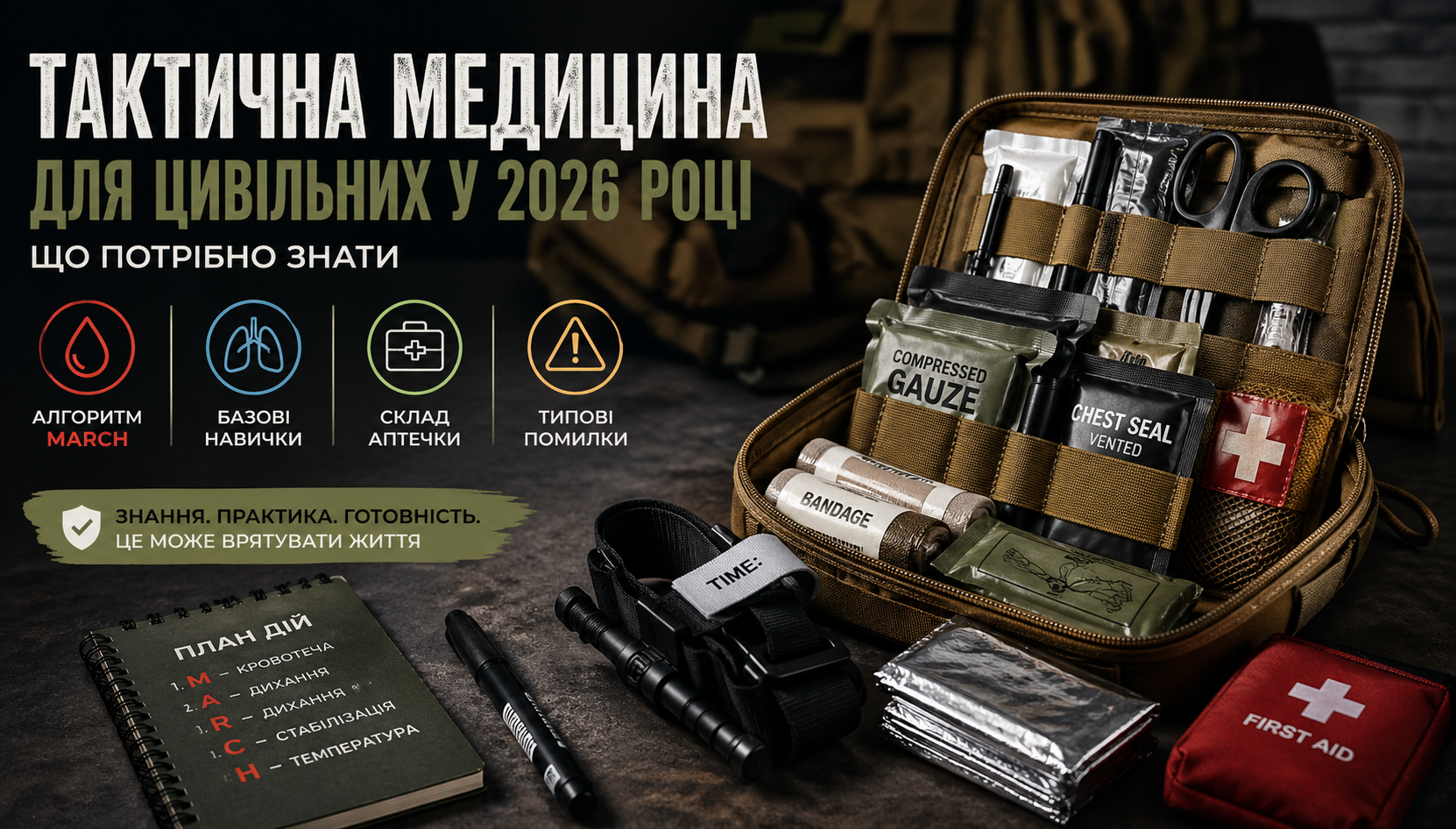
Today, basic first aid knowledge no longer covers all the risks a person faces. In modern conditions, the key role is played by reaction speed, the correct sequence of actions, and readiness to act without instructions from the internet. According to civilian training programs in Ukraine, demand for pre-medical training has increased significantly after 2022. Thousands of people take courses, and even basic programs last 3–8 hours, which already shows that this is a necessary practical skill. Tactical medicine in this context is a systematic approach to actions in a critical situation that allows reducing risks before medical professionals arrive.
Why does everyone need basic skills in 2026?
The key problem in most critical situations is not the absence of help itself, but the loss of time in the first minutes. It is this interval that determines the further condition of a person. In practice, many people face the fact that they do not understand where to start: actions become chaotic, decisions intuitive, and valuable seconds are lost.
It is worth considering that in most cases the reaction time is very limited — from approximately 15–30 seconds to several minutes, depending on the situation. It is during this period that it is possible to significantly influence the condition and prevent its deterioration. After that, the window of opportunity quickly narrows.
As shown by the practice of civilian training programs, the majority of critical conditions are associated with several basic factors:
- intense bleeding;
- breathing impairment;
- chest injuries.
These conditions do not always look the same, but they have a common feature — they quickly affect vital functions. That is why it is important to act consistently, starting with the most critical threats.
The modern approach to pre-medical care is based on clear priorities. This means that each action has its place and is performed in a defined order. Such a structure allows even without medical education to act confidently and not waste time on unnecessary decisions. Ultimately, it is the presence of basic skills and an understanding of the logic of actions that becomes the factor that truly affects the result in the first minutes.
What should every Ukrainian know about first aid?
Before moving to algorithms, it is important to establish basic principles, without which even correct tools and knowledge may not produce results. In most situations, the decisive role is played not by the complexity of actions, but by their timeliness and sequence. These fundamentals form real readiness to act.
The first principle is personal safety. Assistance makes sense only when it does not create additional risk. If the situation remains dangerous, it is important first to assess the circumstances and only then act. This approach underlies all modern training programs and helps avoid situations where the number of injured increases.
The second step is rapid situation assessment. In the first seconds, it is necessary to understand key things: what exactly happened, how many people need help, and whether there are factors that may complicate the condition. This assessment does not have to be deep or perfect — its task is to provide a reference point for further actions and not waste time.
The third principle is correct priorities. The most common mistake is focusing on secondary injuries instead of critical conditions. In the modern approach, attention is primarily directed to those factors that most quickly affect vital functions. This is what allows effective action even without special training.
The fourth block is basic skills that have practical significance. They do not require complex equipment but directly affect the result in the first minutes:
- bleeding control;
- restoration or support of breathing;
- checking the level of consciousness;
- basic cardiopulmonary resuscitation.
These actions are included in all modern civilian training programs and form the foundation of preparation. They are universal, understandable, and applicable in most scenarios. It is their regular practice that allows moving from theory to confident and timely actions in real situations.
MARCH algorithm: how to act in a critical situation
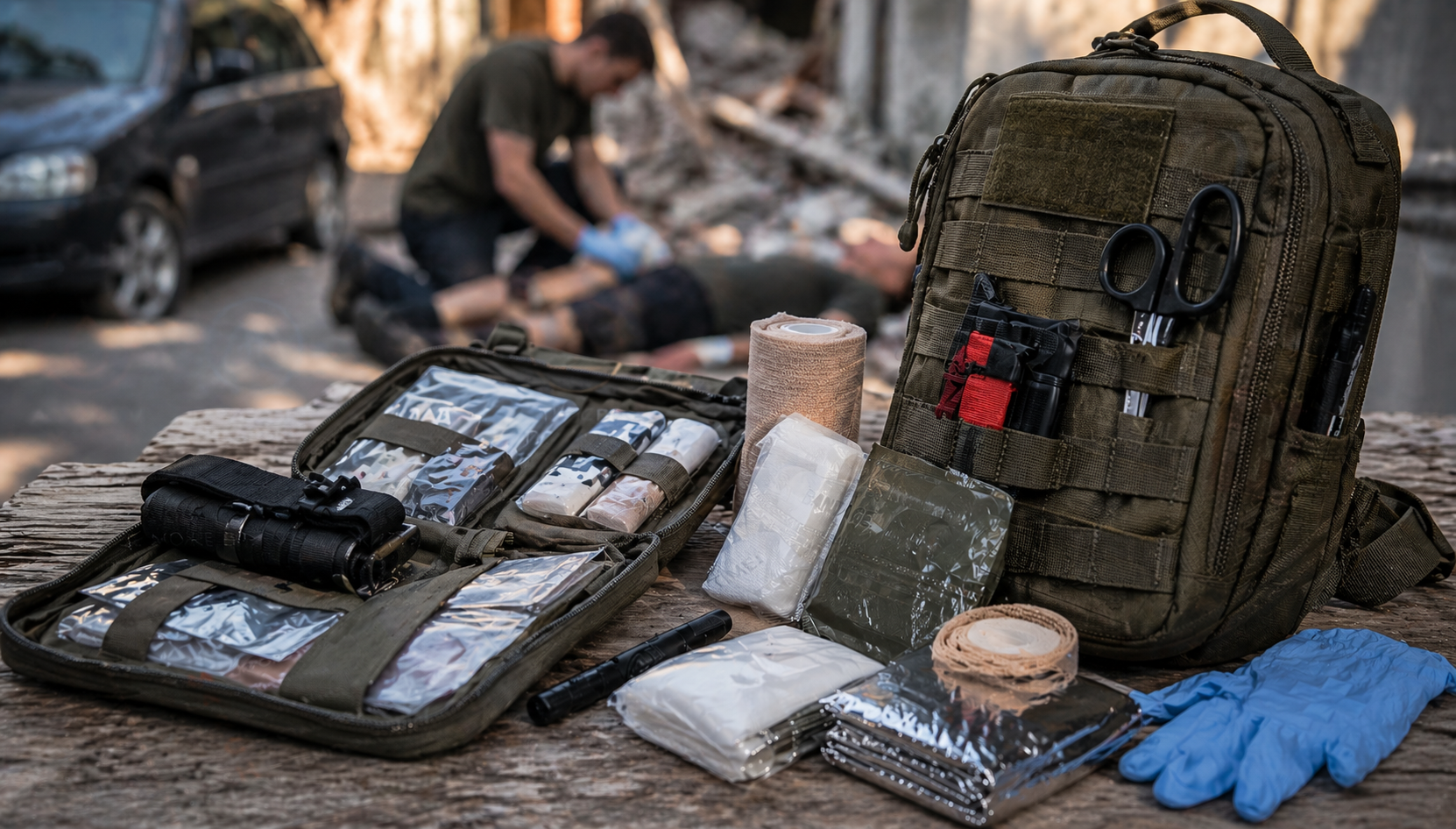
To avoid chaos, the MARCH algorithm is used. This is a logic that allows acting consistently even under stress. Its essence is not in memorizing complex instructions, but in clear priorities: what to do first and what can wait.
The algorithm was developed within international TCCC (Tactical Combat Casualty Care) training programs in the late 1990s. It was created in response to the analysis of a large number of critical cases where the key problem was the incorrect sequence of actions. Over time, this model proved its effectiveness and began to be adapted for broader use, including in civilian environments.
The main idea of MARCH is to focus on those conditions that most quickly affect vital functions. This allows not to disperse attention and not to waste time on secondary things. In a stressful situation, a person often acts intuitively, but intuition does not always lead to the correct decision. The algorithm provides a support that helps act confidently.
It is important that MARCH is not a list of tools, but precisely a sequence of actions. It works regardless of what set you have at hand. This makes it universal: the same logic is applied in professional training and in everyday situations.
For civilians, this approach is especially important because it allows quick orientation without deep medical knowledge. It simplifies complex decisions into a clear sequence of steps that can be remembered and practiced. As a result, even basic training provides the ability to act systematically. That is why the MARCH algorithm is now used in civilian training. It has become a standard that reduces the number of mistakes and increases the effectiveness of actions in the first minutes after an incident.
M – Massive bleeding
This is the priority in any critical situation. Intense bleeding can very quickly lead to a sharp deterioration of the condition, so it must be stopped first — even before assessing other factors. In modern training approaches, it is emphasized: if this stage is missed or delayed, further steps may lose effectiveness.
It is important to understand that massive bleeding does not always look the same. It may be obvious — with active flow, or less noticeable, but no less dangerous. The reference point is the speed of blood loss and the general condition of the person: paleness, weakness, loss of consciousness. In such conditions, action must be immediate.
Several types of tools are used to stop bleeding, and each of them has its own purpose:
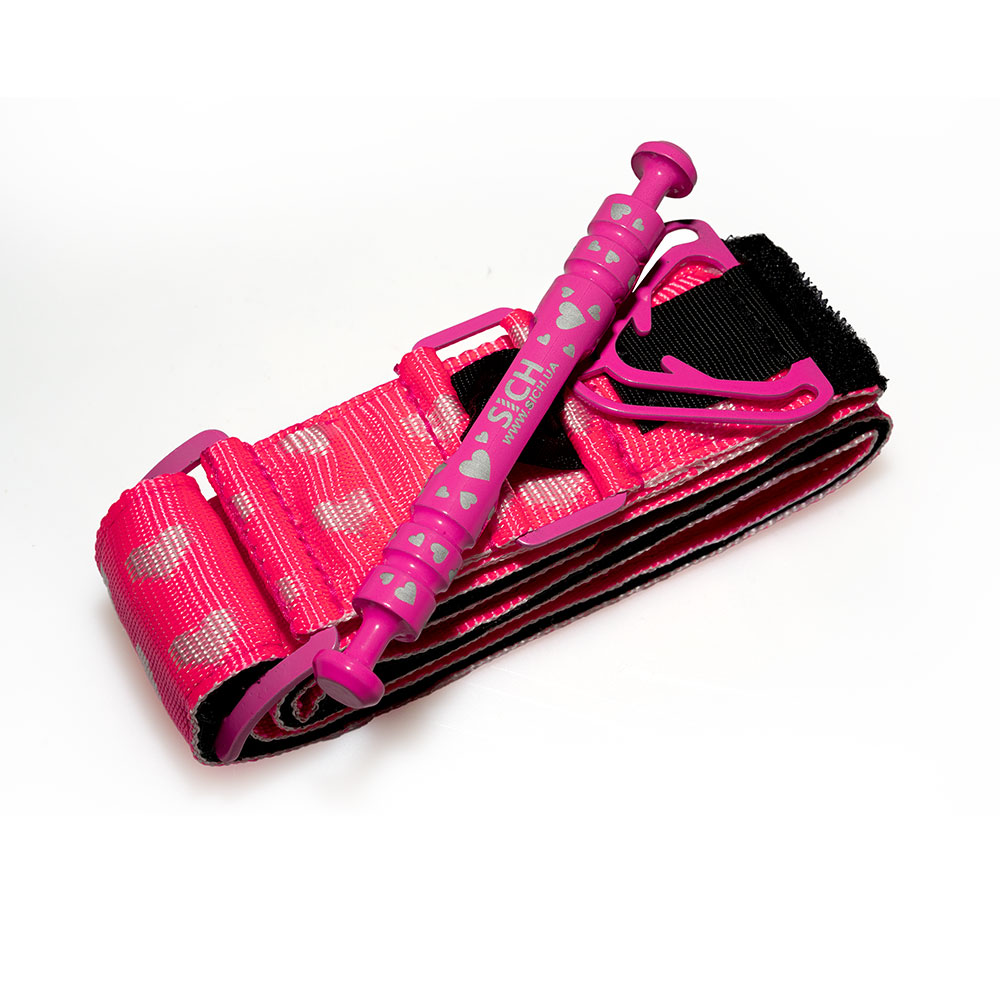
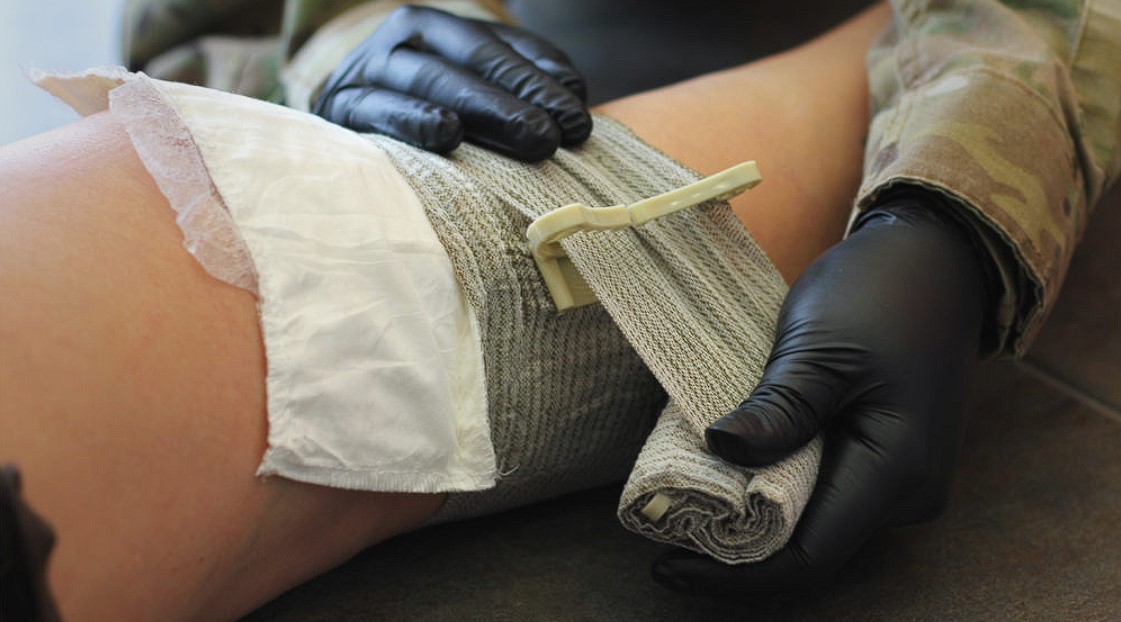
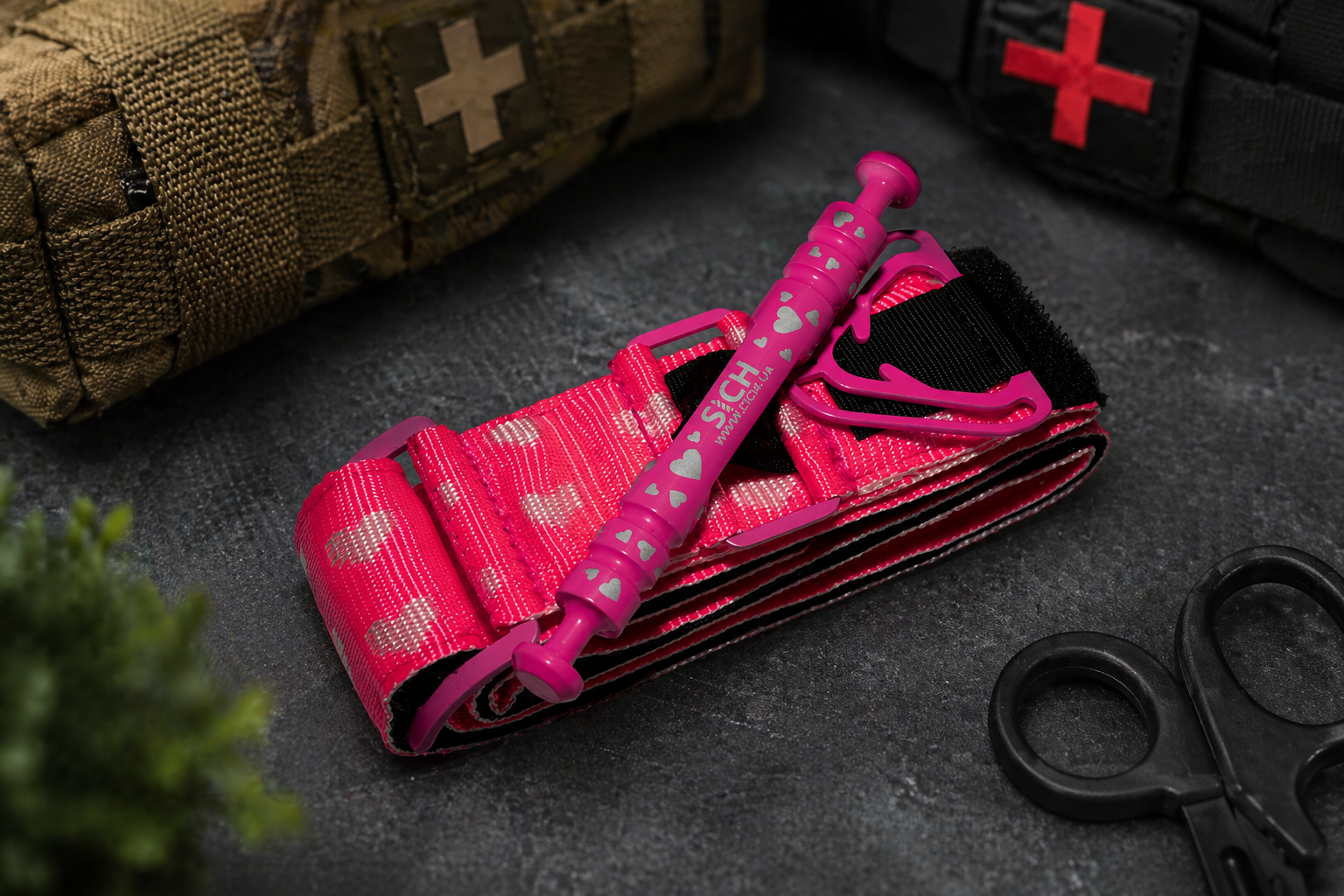
- tourniquets — for rapid control of bleeding from limbs;
- braces — for creating pressure on the injured area;
- hemostatic agents — for situations where standard pressure is insufficient.
The choice depends on the location and intensity, but the principle remains unchanged: to block the source of bleeding as quickly as possible. In most cases, it is the tourniquet that allows this to be done in seconds, while other tools are used as a supplement or in alternative situations.
Separately, the time factor should be taken into account. In the first minutes after the onset of severe bleeding, a great deal is decided. The earlier it is stopped, the higher the chances of stabilizing the condition. That is why training emphasizes speed of action.
The psychological aspect is also important — not being afraid of the sight of blood. In a real situation, this can cause a freeze or delay in actions. But it is precisely at this moment that it is necessary to focus on the task: stopping the bleeding. Even a basic understanding of the process and prior training help reduce this barrier and act more confidently.
Another important aspect is the correctness of using the tools. Insufficient pressure or incorrect placement can reduce effectiveness. Therefore, even basic practice of these actions significantly improves the result in a real situation.
Ultimately, the M stage is about a quick decision and clear action. It sets the tone for all further assistance and determines whether it will be possible to move to the next steps of the algorithm.
A / R – Breathing
After controlling massive bleeding, the next critical step is assessing breathing and airway patency. Even if the situation looks stable externally, impaired breathing can quickly lead to deterioration. Therefore, this stage cannot be skipped or postponed.
First of all, it is checked whether the person is breathing independently and whether there are any obstructions to airflow. In case of loss of consciousness, the airways may be partially or completely blocked, and this is not always obvious without checking. It is also important to pay attention to the frequency and depth of breathing — sudden changes may signal a problem.
In practice, simple and effective solutions are used to support breathing:
- airway devices — help maintain airway patency in an unconscious person;
- occlusive dressings — are used to seal chest injuries to stabilize the breathing process.
These tools create conditions in which the body can function more stably until medical professionals arrive.
Special attention should be paid to body position. In some cases, it is enough to change the position of the person to improve breathing. For example, in case of loss of consciousness, it is important to ensure a position in which the airways remain open.
It is also worth considering that breathing problems do not always manifest instantly. The condition may gradually worsen, so it is important not just to check once, but to monitor its dynamics.
Ultimately, the A / R stage is about attentiveness and control. Its task is to ensure that the body receives enough air and, if necessary, quickly eliminate obstacles. This is one of the key stages that directly affects the further condition of the person.
C – Condition stabilization
At this stage, the main task is to prevent further deterioration. Even if the main problem has already been resolved, the body may respond with strong stress, which affects the overall condition. That is why after the initial actions it is important not to relax, but to move on to monitoring and support.
Stabilization is understood as a set of simple but critically important actions. They do not require complex tools but directly affect how the body copes with the load. At this moment, it is important not to allow sudden changes in condition and to preserve what has already been stabilized.
Main actions at this stage:
- monitoring the condition;
- proper body position;
- minimizing movement.
Monitoring the condition means constant observation: whether consciousness changes, how the person reacts, whether new symptoms appear. This allows noticing deterioration in time and adjusting actions.
Proper body position helps reduce the load on the body. In most cases, the person is placed in a stable position that does not interfere with breathing and does not worsen circulation. It is important to avoid sudden changes in position without necessity.
Minimizing movement is another important aspect. Any unnecessary movement may worsen the condition, especially if there are internal injuries or strong stress on the body. Therefore, the main task is to fix the person in a relatively stable position and not move them without need.
The psychological factor should also be considered separately. Calm communication, explaining actions, and support help reduce panic, which also positively affects the overall condition. A person who understands what is happening usually reacts more steadily.
Ultimately, the C stage is about control and attentiveness. It is here that the result of previous actions is conditions are created for further assistance.
H – Temperature control
Even a slight loss of heat can significantly affect the overall condition, especially after injuries or prolonged exposure outdoors. This factor is often underestimated because it does not always look critical at first glance. However, a decrease in body temperature triggers processes that complicate stabilization: blood clotting worsens, breathing efficiency decreases, and the body spends more resources maintaining basic functions.
It is important to understand that heat loss can occur even in warm weather. Contact with a cold surface, wet clothing, or prolonged immobility is enough. This happens especially quickly if a person is lying on the ground or asphalt — heat is actively drawn away from the body, and this process is difficult to notice without special attention.
The main task at this stage is to preserve heat as much as possible and prevent further cooling. For this, simple but effective actions are used:
- isolate the person from a cold surface;
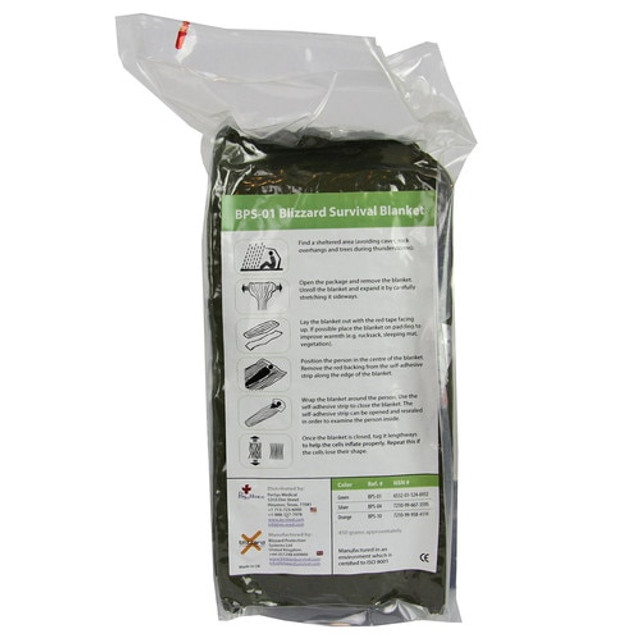
- use a thermal blanket.
Isolation may include any available means — clothing, a backpack, a mat, or other materials that reduce contact with cold. A thermal blanket, in turn, helps retain heat by reflecting it back to the body. It is important to cover the person completely, minimizing heat loss through exposed areas.
It should also be noted that temperature control is not a one-time action, but a process. After covering, it is necessary to periodically check the condition and ensure that the person remains warm. If possible, factors contributing to cooling, such as wet clothing, should also be eliminated.
Ultimately, the H stage is about attention to details that can significantly affect the outcome. Simple actions at this stage help maintain the condition and increase the effectiveness of all previous steps.
What should be done right now to master basic first aid skills?
Knowledge without practice quickly loses its value. That is why it is important not to postpone preparation, but to start with specific actions right now. Basic skills do not require years of study, but they do require a systematic approach.
The first step is to take basic tactical medicine courses. Even short programs provide an understanding of the logic of actions, allow practicing key scenarios, and form correct reactions. On average, such courses last from several hours to one day, but their effect significantly exceeds the time spent. It is important to choose training with a practical component, not just theoretical lectures.
The second step is to use online emergency medicine materials as a supplement. Video lessons on providing pre-medical first aid help repeat algorithms, reinforce the sequence of actions, and better understand the use of tools in real situations. This is a convenient format for regularly updating knowledge.
The third step is to assemble your own first aid kit. After training, it becomes clear which tools are needed and how they work. This allows avoiding random purchases and forming a set that truly matches your conditions — for a car, home, or everyday use.
The fourth step is regular practice. Even basic actions should be repeated periodically. This can be simple practice: checking the kit, practicing the sequence of actions, modeling situations. It is repetition that forms automatism, which is critically important under stress.
Ultimately, preparation consists of four elements: training, repetition, the correct set of tools, and practice. This approach allows being ready to act without unnecessary hesitation.
What should be in a civilian first aid kit: basic set
Even a civilian first aid kit must follow the logic of MARCH. This means that each element has a specific function, and not just “to have it.”
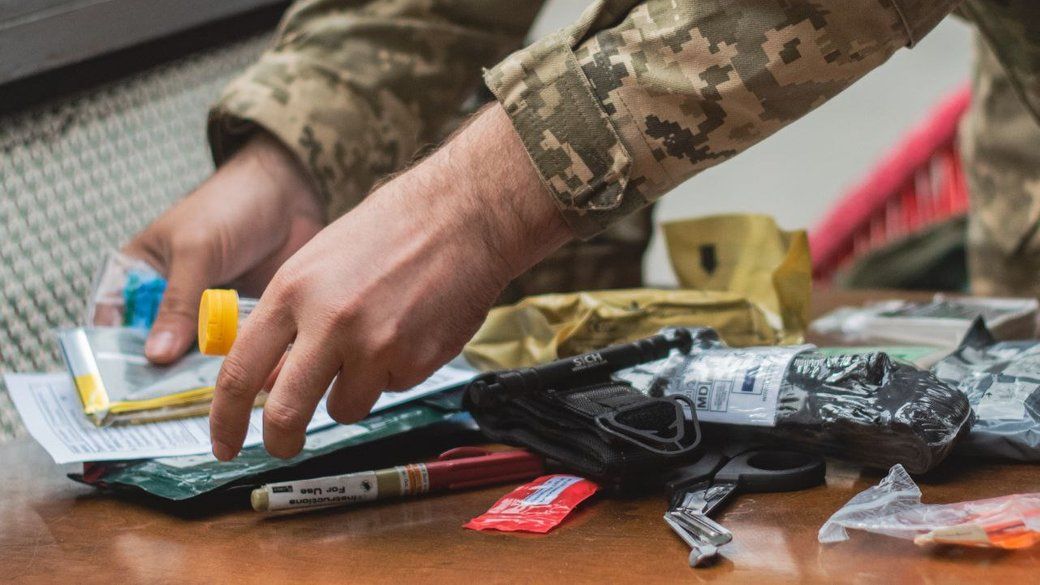
Basic set:
- tourniquet;
- hemostatic agent;
- braces;
- occlusive dressing;
- thermal blanket;
- gloves;
- tool for quick cutting of clothing.
Such a composition allows covering key risks. This is the minimum that actually works in most scenarios. It is important to understand: a first aid kit is not about the number of items, but about the logic of selection.
How to assemble a first aid kit for real conditions
A first aid kit always depends on the usage scenario. There is no universal set that is equally effective in all situations. That is why the approach of “taking a ready-made list from the internet” often does not work in practice. The set must correspond to the conditions in which you actually live every day.
The first step is to define scenarios. This is a direct connection to your lifestyle: how you move, where you spend most of your time, whether you have access to transport, whether you are often outside the home. This determines not only the contents of the kit but also its format.
For example:
- for a car, quick access is important;
- for home, a wider set;
- for carrying, compactness.
A car first aid kit must be placed so that it can be reached in seconds. In a real situation, there is no time to open the trunk and search for the necessary tool among things. Therefore, it is important not only what is in the kit, but also where exactly it is located.
A home set can be more extensive. Here there is an opportunity to add more auxiliary tools, anticipate different scenarios, and have a запас. But even in this case, it is important to maintain logic — the kit should not turn into a chaotic set of items.
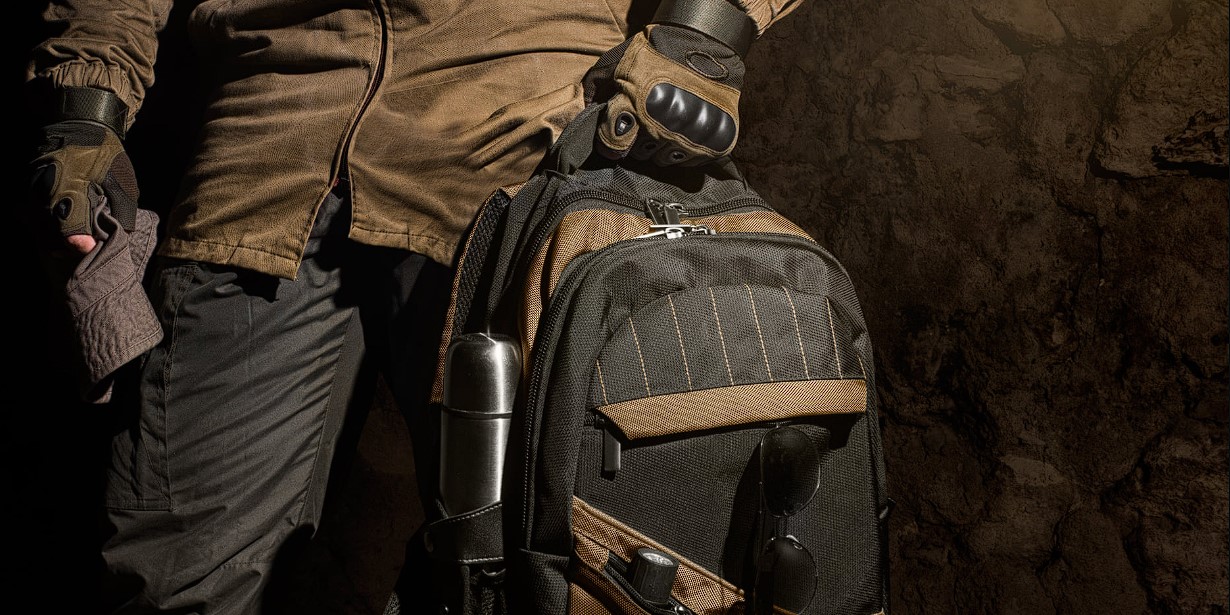
An everyday carry kit is a balance between functionality and size. It must be compact enough to actually be carried, but at the same time contain the basic minimum that allows action in the first minutes.
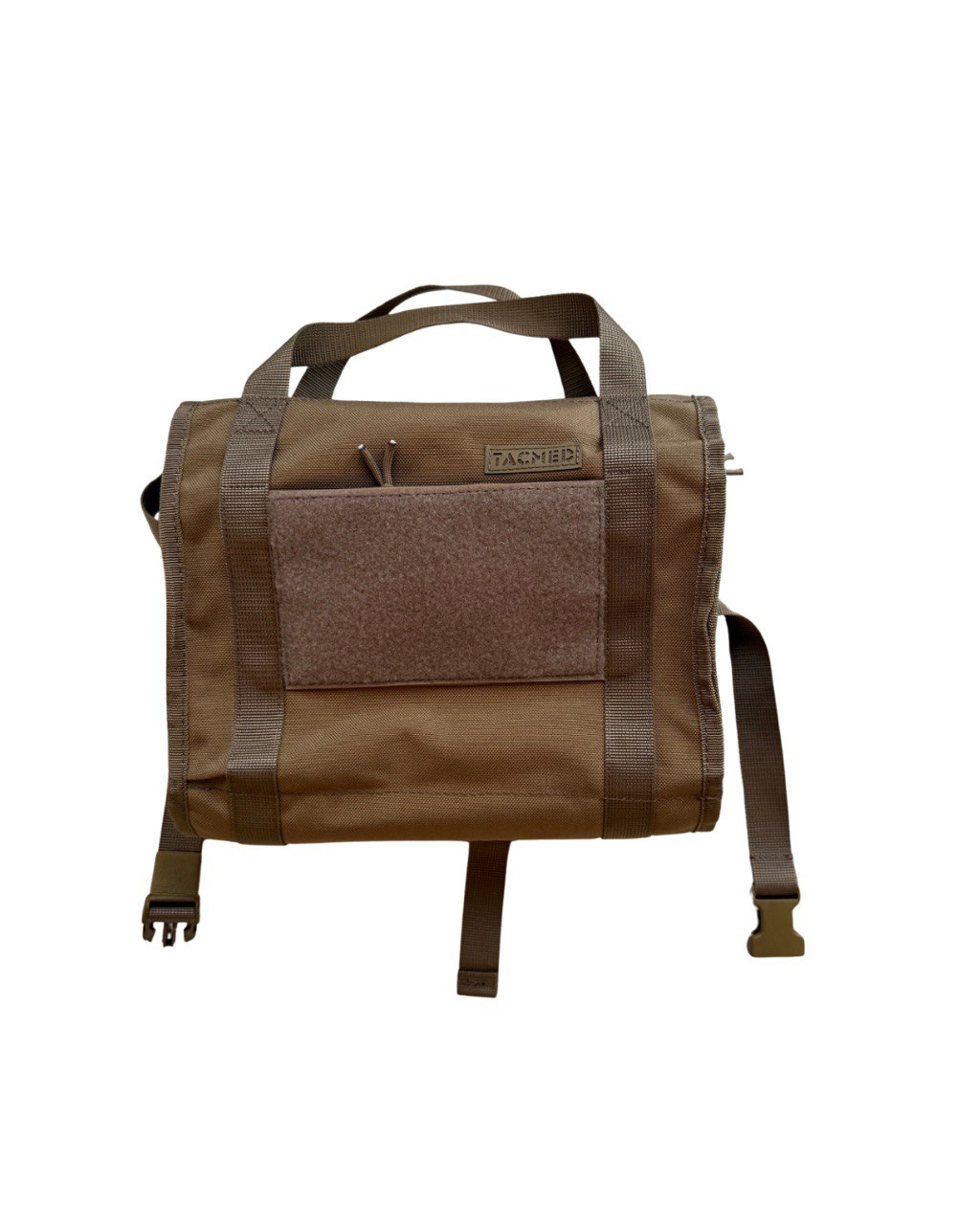
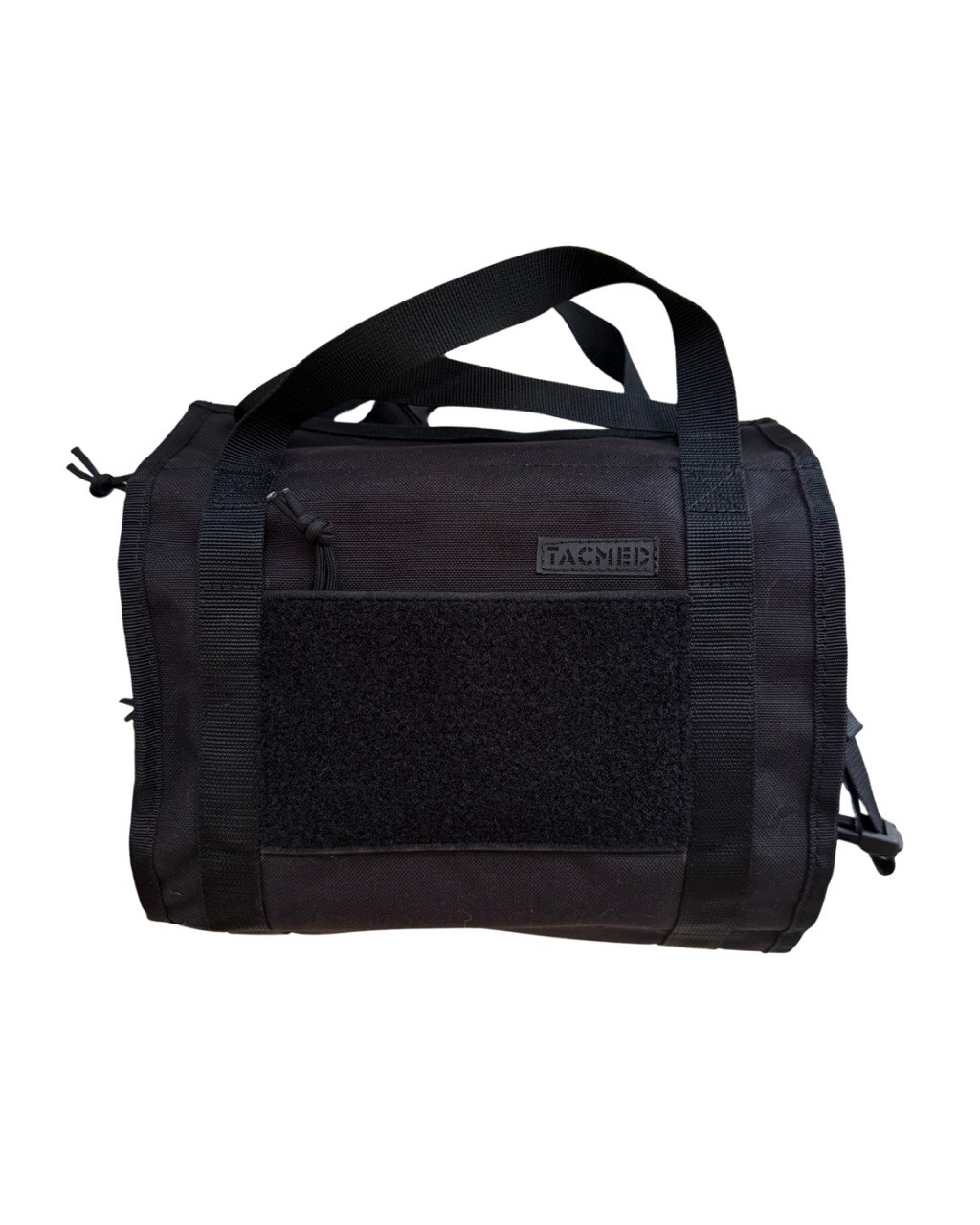
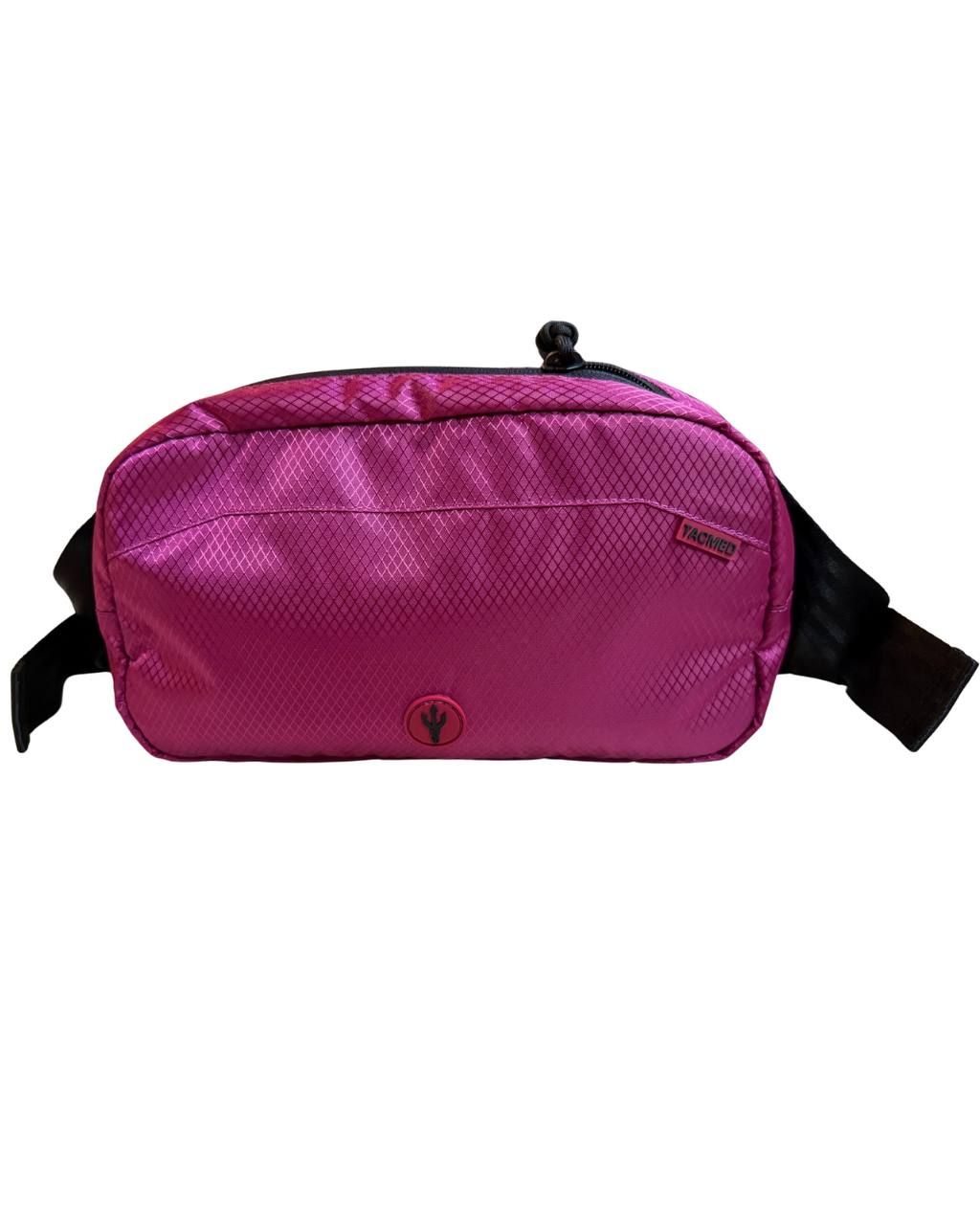
Accessibility should also be considered separately. In a critical moment, it is important not just to have a kit, but to have instant access to it. That is why special pouches or compact organizers are often used, allowing quick access to the necessary tool.
Another important aspect is regular inspection. A first aid kit is not a static set. Items have expiration dates, packaging can be damaged, and usage conditions may change. Periodic review allows keeping it in working condition.
That is why ready-made solutions are often used, which are already structured for basic scenarios. They save time and provide a clear foundation. But even in this case, it is important not to treat them as an ideal option. Each kit should be adapted for yourself: add what is necessary, remove what is unnecessary, and make sure you understand the purpose of each element.
Organization: a factor that is often underestimated
Even a properly equipped set does not give results if it is difficult to use. In a critical moment, not only the availability of tools matters, but also how quickly you can access and use them. Often it is organization that separates effective actions from loss of time.
In real conditions:
- There is no time to search.
- There is no opportunity to “sort through” items.
In a stressful situation, a person acts much slower than in a calm state. If the kit is assembled chaotically, even familiar tools may be lost among other items. That is why the structure must be intuitive — such that what is needed can be found literally by touch.
Key principles of proper organization:
- logical placement;
- quick access;
- clear structure.
Logical placement means that tools are distributed by function. What is used first must be accessible without opening multiple compartments. For example, bleeding control tools should be located separately and be as accessible as possible.
Quick access is about minimizing actions between decision and use. The fewer movements required, the more effective the response will be. In practice, this means using quick fasteners, clear compartments, and the ability to open the kit with one hand.
A clear structure allows action even without visual control. In many cases, it is necessary to work in conditions of limited visibility or strong stress, so it is important that the placement of tools is predictable.
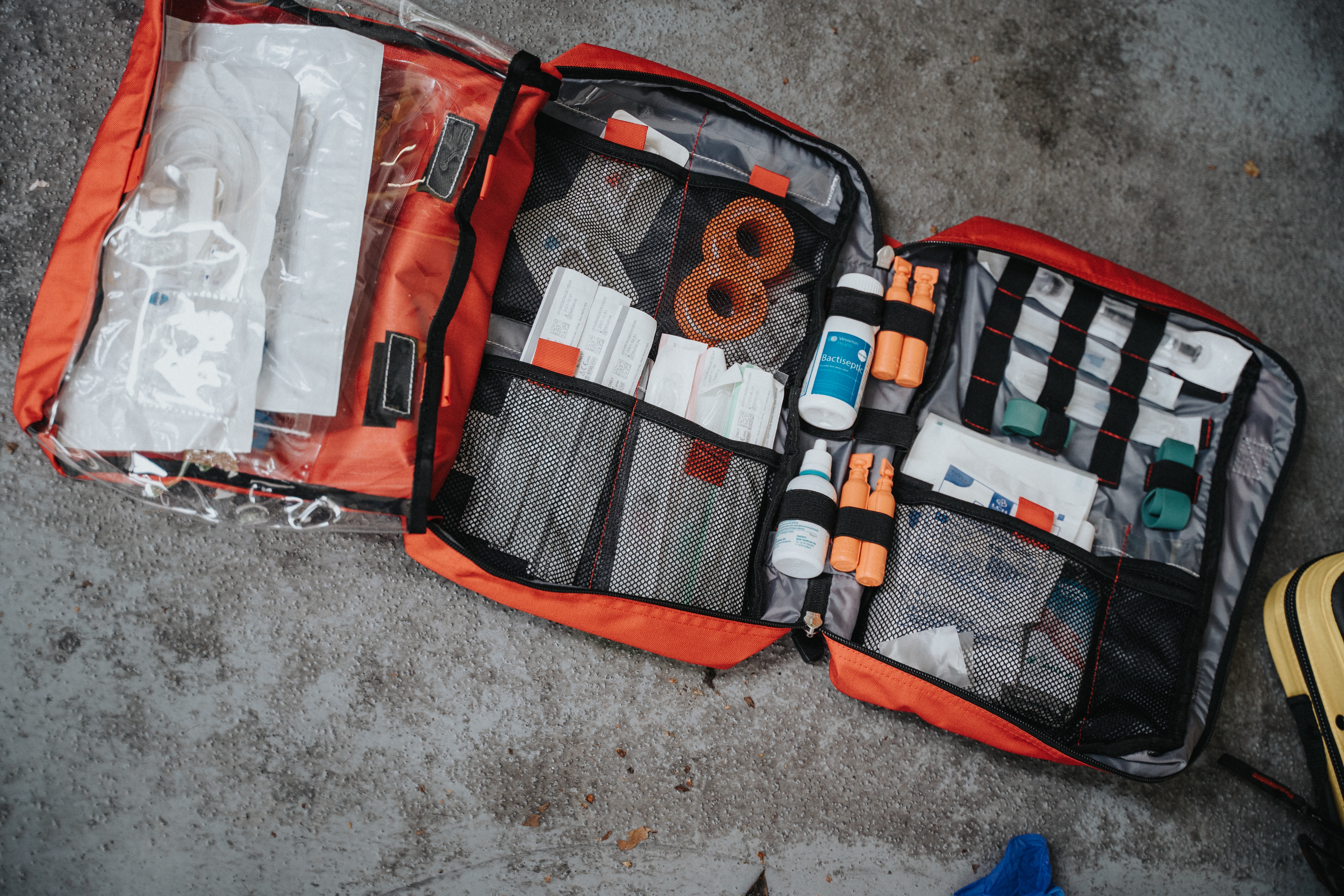
These tasks are solved through properly organized pouches or backpacks. They have a well-thought-out internal structure that allows placing everything necessary without chaos. In addition, such solutions are often adapted for quick access and convenient carrying.
Habit should also be considered separately. Even the best organization does not work if you do not know what is where. Therefore, it is important to periodically open the kit, review its contents, and remember the placement of items.
Ultimately, organization is part of the system. It directly affects reaction speed and the effectiveness of actions in the first minutes.
Typical mistakes
Even with a first aid kit and basic knowledge, people often make the same mistakes that reduce the effectiveness of actions in the first minutes. The problem is not the absence of tools, but the approach to their selection, organization, and use. These nuances determine whether the kit will actually be useful.
The most common mistakes:
- A kit without a system — this is a chaotic set of items that are not connected by the logic of actions. In this case, even the presence of necessary tools does not guarantee that they will be used in time. A person wastes time searching and hesitating instead of acting.
- A random set of tools is usually formed without understanding their purpose. Often items are added “just in case” or based on the principle “it might be needed,” but key elements are missing. As a result, the kit looks complete but does not cover the main risks.
- Lack of practice is one of the most critical mistakes. Knowledge without practice is quickly forgotten, and in a stressful situation a person returns to intuitive actions. Without basic training, even simple actions can cause difficulty.
- Improper storage also reduces effectiveness. If the kit is stored in a hard-to-reach place or its contents are unknown, it essentially does not perform its function. In a critical moment, what matters is not the fact of presence, but the ability to use it quickly.
- Focus on appearance rather than function. Sometimes a kit is assembled based on appearance or popularity of certain items, ignoring their real usefulness. This creates a false sense of preparedness but does not work in real conditions.
Ultimately, most mistakes are related not to the complexity of the topic, but to the lack of a systematic approach. It is the understanding of action logic and regular practice that help avoid these problems and increase effectiveness in a critical moment.
Why is training more important than the first aid kit itself?
No tool works on its own. Its effectiveness directly depends on the person who uses it. Even the best-equipped set does not give results if there is no understanding of when and how to use it. That is why training is the foundation, and the first aid kit is only a tool.
Today, thousands of civilians undergo basic medical training every year, and this trend is growing. Even short courses provide the key — understanding the logic of actions in the first minutes. A person stops panicking and begins to act consistently, which in itself significantly affects the result.
Skills form:
- reaction speed;
- confidence in actions;
- correct sequence of steps.
These factors are critically important under stress. In a real situation, there is no time to recall instructions or search for information. Decisions are made instantly, and it is practiced actions that allow not to lose time.
The effect of automatism should also be considered. After several repetitions, basic actions move to the level of reflexes. A person does not analyze each step, but simply performs it. This is the main value of training — the ability to act without unnecessary hesitation.
Tactical medicine for civilians in 2026 is no longer additional knowledge, but a basic level of preparation. It combines logic, practice, and the correct set of tools. But it is skills that unite everything into a single system.
FAQ: common questions about tactical medicine for civilians
- What is the difference between tactical medicine and regular first aid?
Tactical medicine is based on a clear sequence of actions in the first minutes. It focuses on the most critical conditions and allows acting consistently even under stress. Regular first aid often does not have such structured logic.
- Is it necessary to take courses, or is it enough to read instructions?
Instructions provide a basic understanding, but without practice this is not enough. Courses allow practicing actions, understanding mistakes, and building confidence. It is practice that makes knowledge applicable.
- What is the minimum set that should be in a first aid kit?
The basic set includes tools for bleeding control, breathing support, and heat preservation. This is the minimum that allows action in the first minutes. What matters is not the quantity, but the correct selection based on action logic.
- Can a first aid kit be used without special training?
Yes, but effectiveness will be lower. Without basic skills, a person spends more time making decisions and may make mistakes. Even short training significantly increases effectiveness.
- How often should a first aid kit be checked?
It is recommended to do this regularly — at least once every few months. It is worth checking the condition of items, expiration dates, and packaging integrity. It is also important to remember where everything is located.
- Is one first aid kit suitable for all situations?
No, the kit must be adapted to usage conditions. A set for a car, home, or everyday carry differs. The main thing is that it matches real scenarios and is accessible at the right moment.