Crush Syndrome: How to Recognize It and What to Do Before Medical Help Arrives
Content
- What Is Crush Syndrome?
- When Does Crush Syndrome Most Commonly Occur?
- How Can Crush Syndrome Be Recognized?
- What Should Be Done Before Medical Help Arrives?
- Should a Tourniquet Be Applied?
- What Should Be Included in the First Aid Kit?
- Common Mistakes
- FAQ
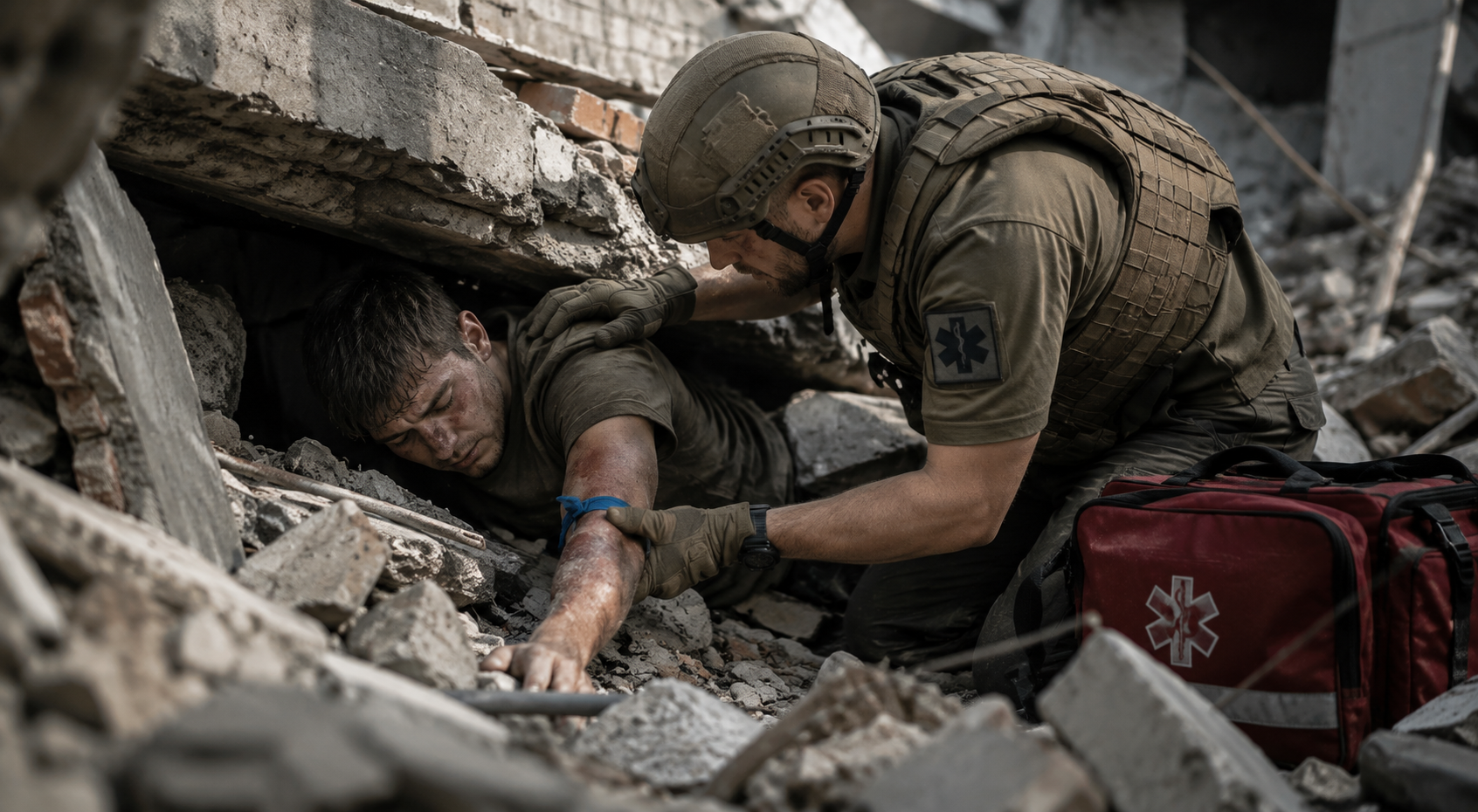
Collapsed buildings, road traffic accidents, explosions, structural failures, industrial incidents, and falling heavy objects may result in one of the most dangerous injuries, one that does not always appear critical during the first few minutes. This condition is known as crush syndrome, or prolonged compression syndrome. A person may remain conscious, able to talk, and even report little pain, yet their condition can deteriorate rapidly after the trapped limb is released.
The greatest danger is not limited to the mechanical injury itself. After prolonged muscle compression, toxic breakdown products enter the bloodstream and may cause severe complications affecting the heart and kidneys, as well as circulatory shock. For this reason, appropriate first aid before professional medical assistance arrives is extremely important. This article explains how to recognize crush syndrome, which mistakes should be avoided, and which first aid supplies should be available during field operations or emergency response.
What Is Crush Syndrome?
Crush syndrome develops when soft tissues are compressed by a heavy object for an extended period. The condition most commonly affects the limbs, although the pelvis and other parts of the body may also be involved.
While blood flow remains obstructed, muscle cells gradually break down because of oxygen deprivation. Once the pressure is relieved, circulation returns and substances such as potassium, myoglobin, lactic acid, and other tissue breakdown products enter the bloodstream. These substances may lead to severe cardiac rhythm disturbances, acute kidney injury, and multiple organ dysfunction.
The risk increases significantly when a limb has remained compressed for more than one hour. The longer the compression lasts and the greater the amount of damaged tissue, the higher the likelihood of serious complications.
When Does Crush Syndrome Most Commonly Occur?
Crush syndrome is associated with situations where a person cannot free themselves from prolonged compression by a heavy object or structure.
It most commonly occurs during:
- building collapses;
- structural failures following explosions;
- shelling damage;
- road traffic accidents;
- industrial accidents;
- collapse of concrete structures;
- mine collapses;
- natural disasters.
Military personnel, rescue workers, emergency response teams, and civilians involved in debris removal are at particularly high risk. In these situations, rescue operations may take a considerable amount of time, making first aid necessary even before the person has been fully extricated.
How Can Crush Syndrome Be Recognized?
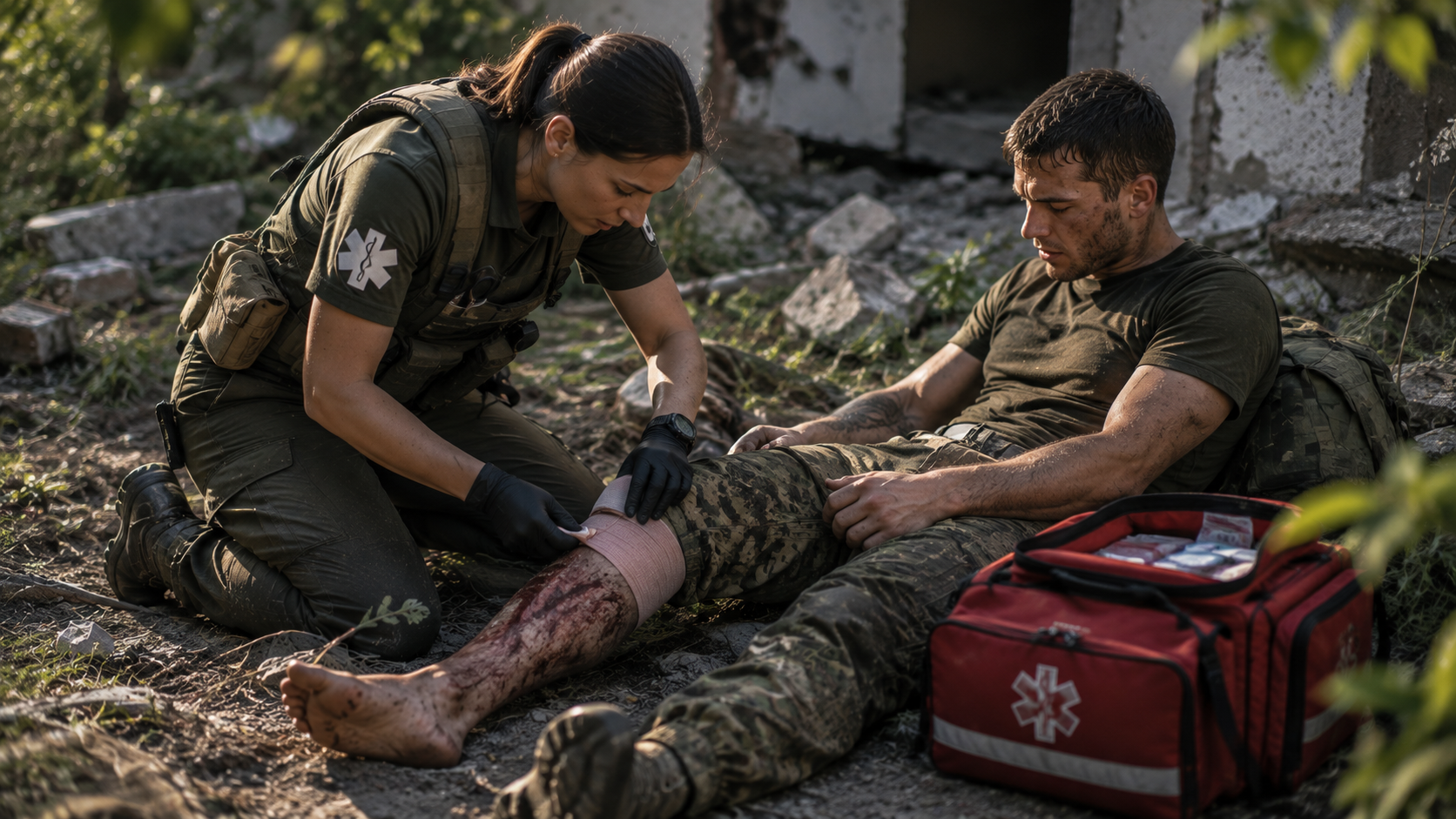
The severity of the injury does not always match its external appearance. A person may have no severe external bleeding or open fracture while their condition gradually becomes critical.
Crush syndrome should be suspected if:
- a limb has remained compressed for longer than 60 minutes;
- significant swelling is present;
- the skin is cold or pale;
- sensation is absent or markedly reduced;
- the person cannot move their fingers or toes;
- severe pain develops after the limb is released;
- generalized weakness or dizziness occurs.
As the condition progresses, cardiac rhythm disturbances, low blood pressure, dark-colored urine, signs of shock, and other symptoms of severe systemic toxicity may develop.
What Should Be Done Before Medical Help Arrives?
With crush syndrome, rushed actions may be dangerous. If the person remains trapped, the safety of rescuers and assessment of the surrounding environment remain the highest priorities. Extrication should only be attempted when it can be performed safely.
The first aid sequence includes the following steps:
- Assess scene safety.
- Contact emergency services and report a suspected case of crush syndrome.
- Perform a primary assessment using the MARCH or ABCDE approach, depending on the situation.
- If severe external bleeding is present, control it immediately.
- Continuously monitor the person's level of consciousness, breathing, and overall condition.
- Protect the person from hypothermia until evacuation.
After the person has been released, continue close observation because serious complications may develop gradually over the following minutes or hours.
Should a Tourniquet Be Applied?
This is one of the most frequently debated questions. Current international recommendations do not support the routine application of a tourniquet in every case of prolonged compression. The decision depends on the specific circumstances, the duration of compression, the injury mechanism, and the clinical protocols followed by the medical team.
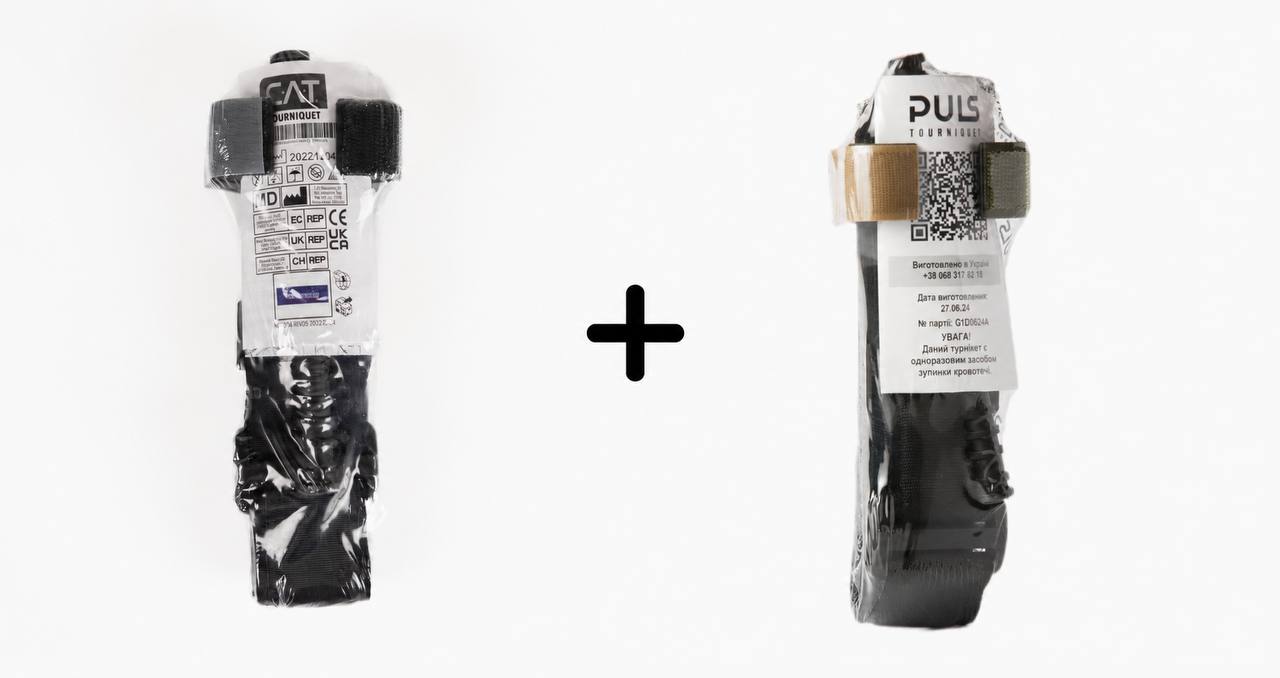
Without appropriate training, a tourniquet should not be applied solely because a limb has remained trapped for a prolonged period. However, if severe arterial bleeding is present, a tourniquet remains the standard method for controlling it.
For this reason, people working in combat environments or participating in rescue operations should receive proper first aid training and use modern tourniquets only when indicated.
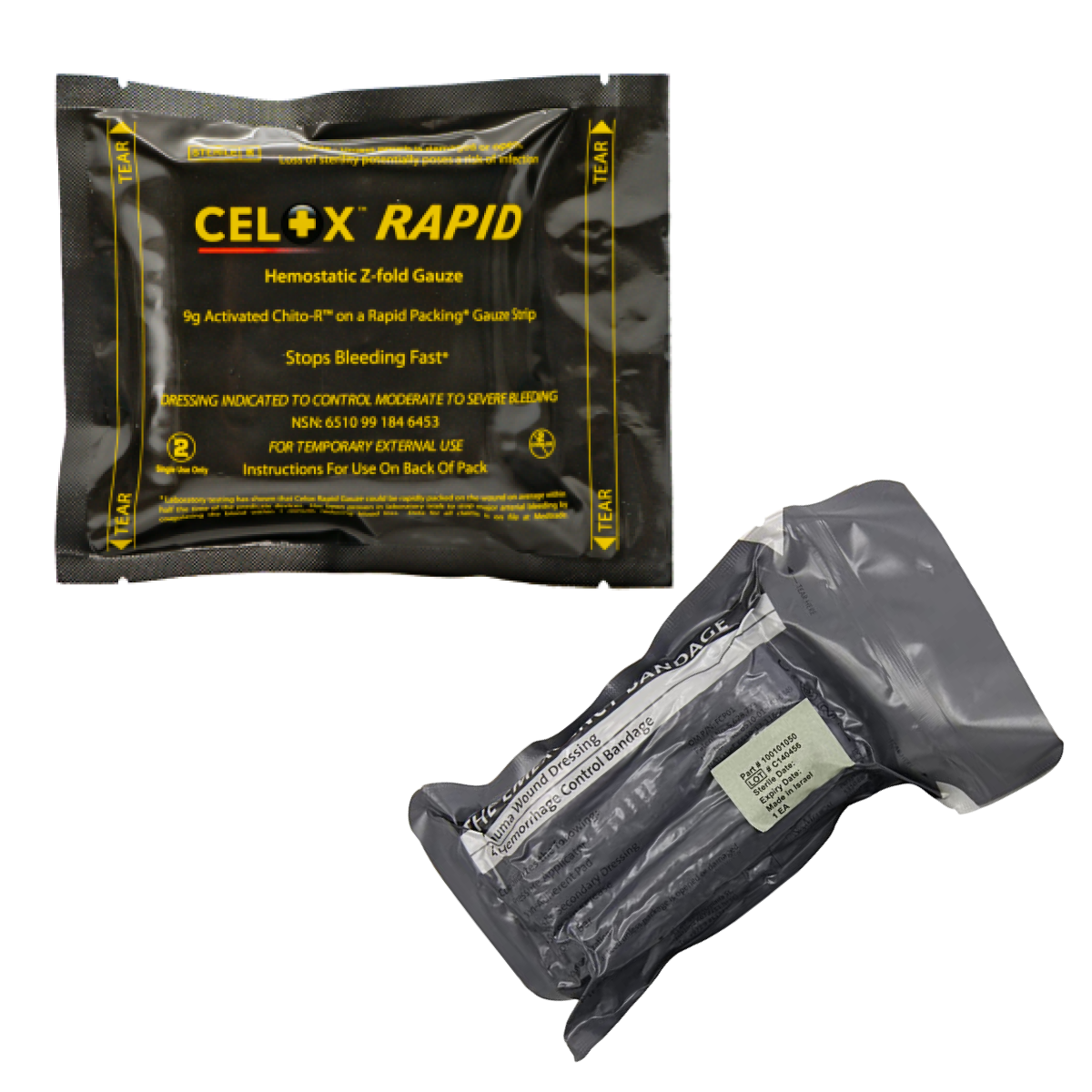
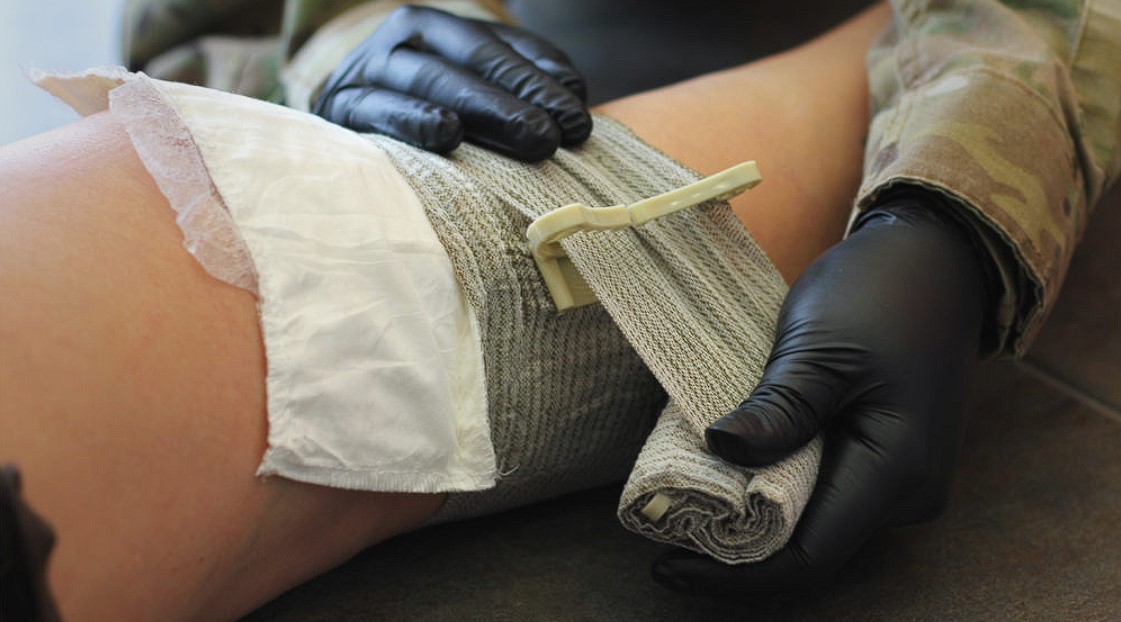
The TacMed catalog includes tourniquets intended for the control of life-threatening bleeding, together with hemostatic dressings, compression bandages, and other essential first aid supplies. These products are intended to be used according to established first aid protocols and are not a universal solution for every case of crush syndrome.
What Should Be Included in the First Aid Kit?
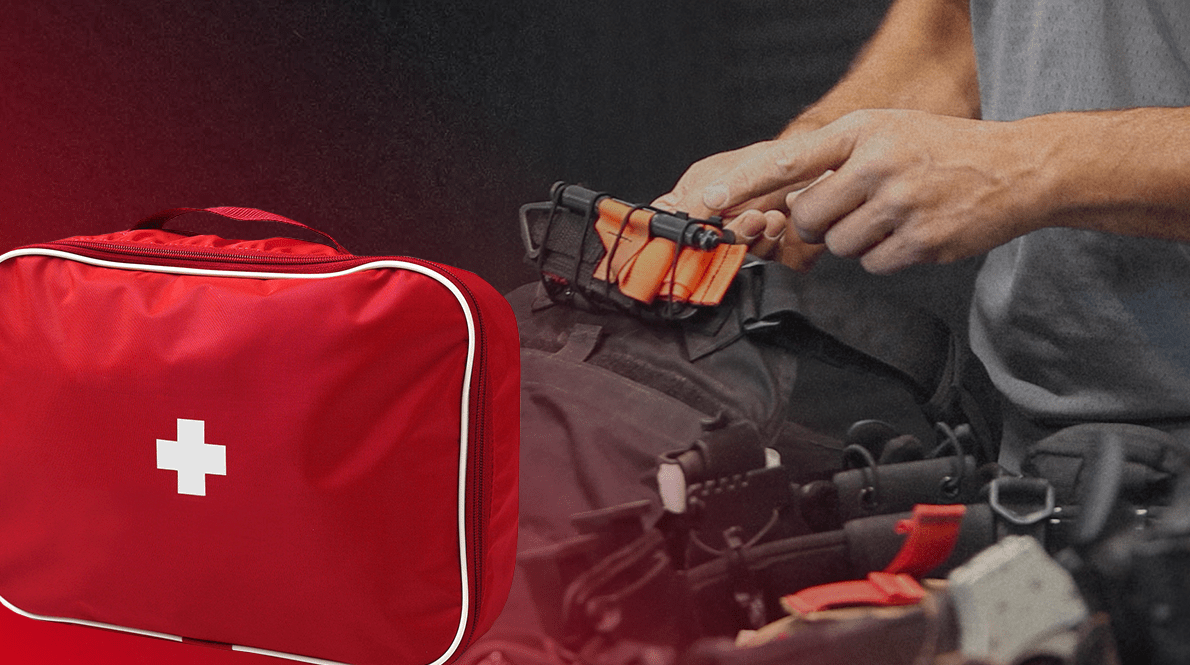
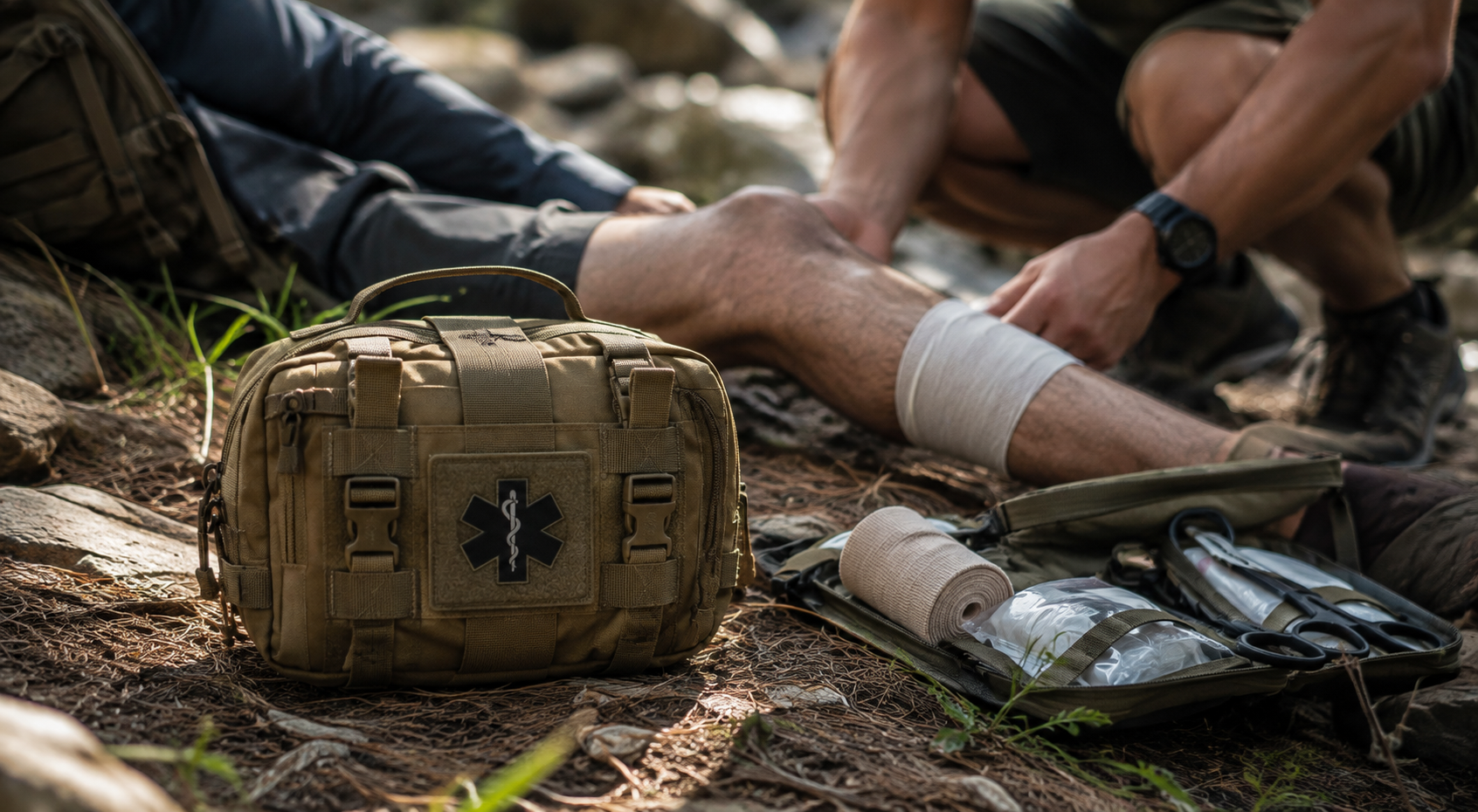
During rescue operations involving collapsed structures or emergency response in hazardous environments, a first aid kit should be capable of addressing several life-threatening conditions at the same time. A person may present with crush syndrome together with severe bleeding, fractures, burns, or hypothermia.
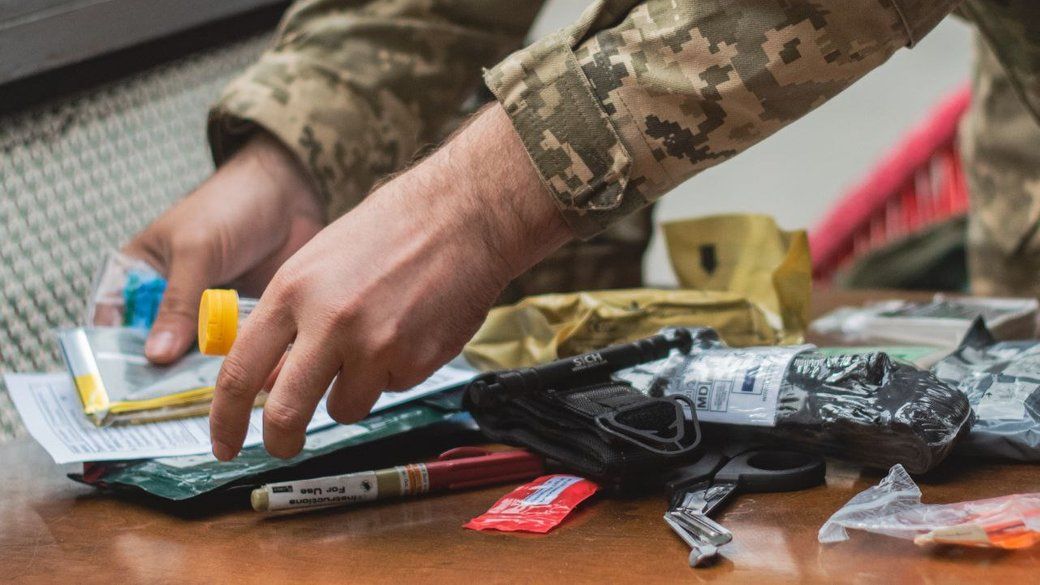
A recommended first aid kit should include:
- a modern tourniquet;
- a hemostatic dressing or other hemostatic agent;
- a compression bandage;
- a chest seal for penetrating chest injuries;
- nitrile gloves;
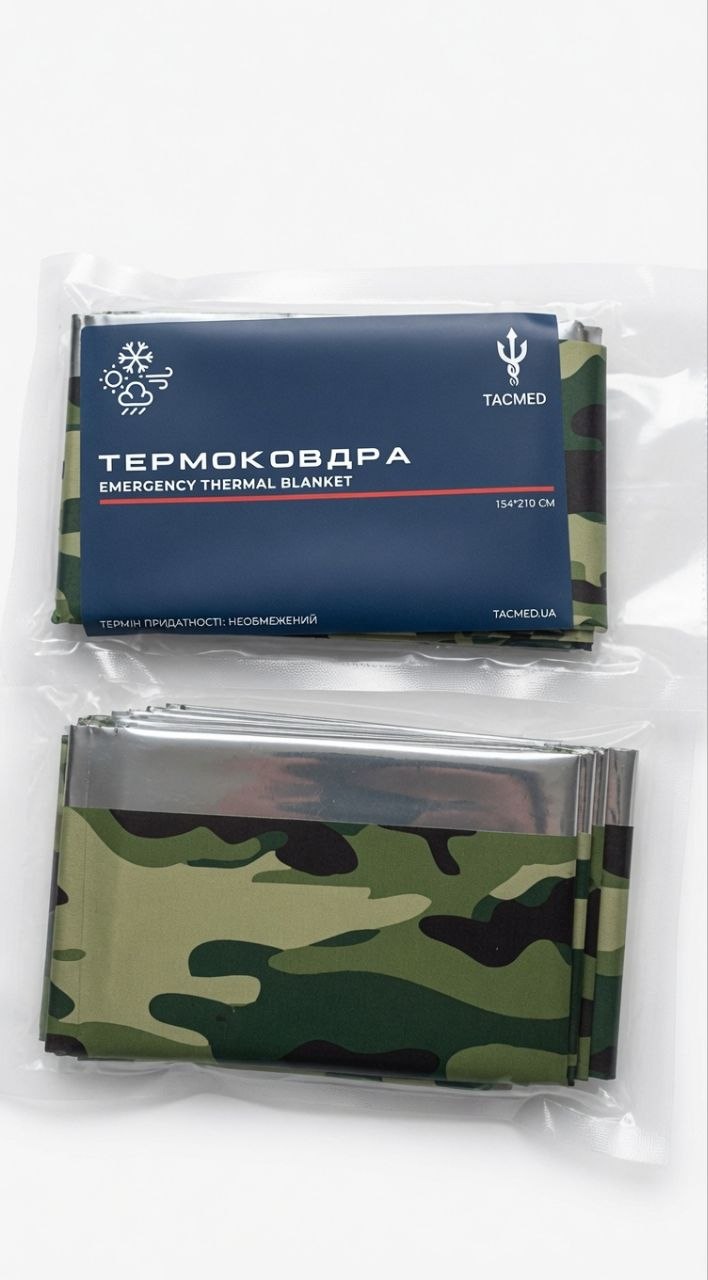
- an emergency thermal blanket;
- trauma shears for rapid access to injuries;
- CPR barrier devices.
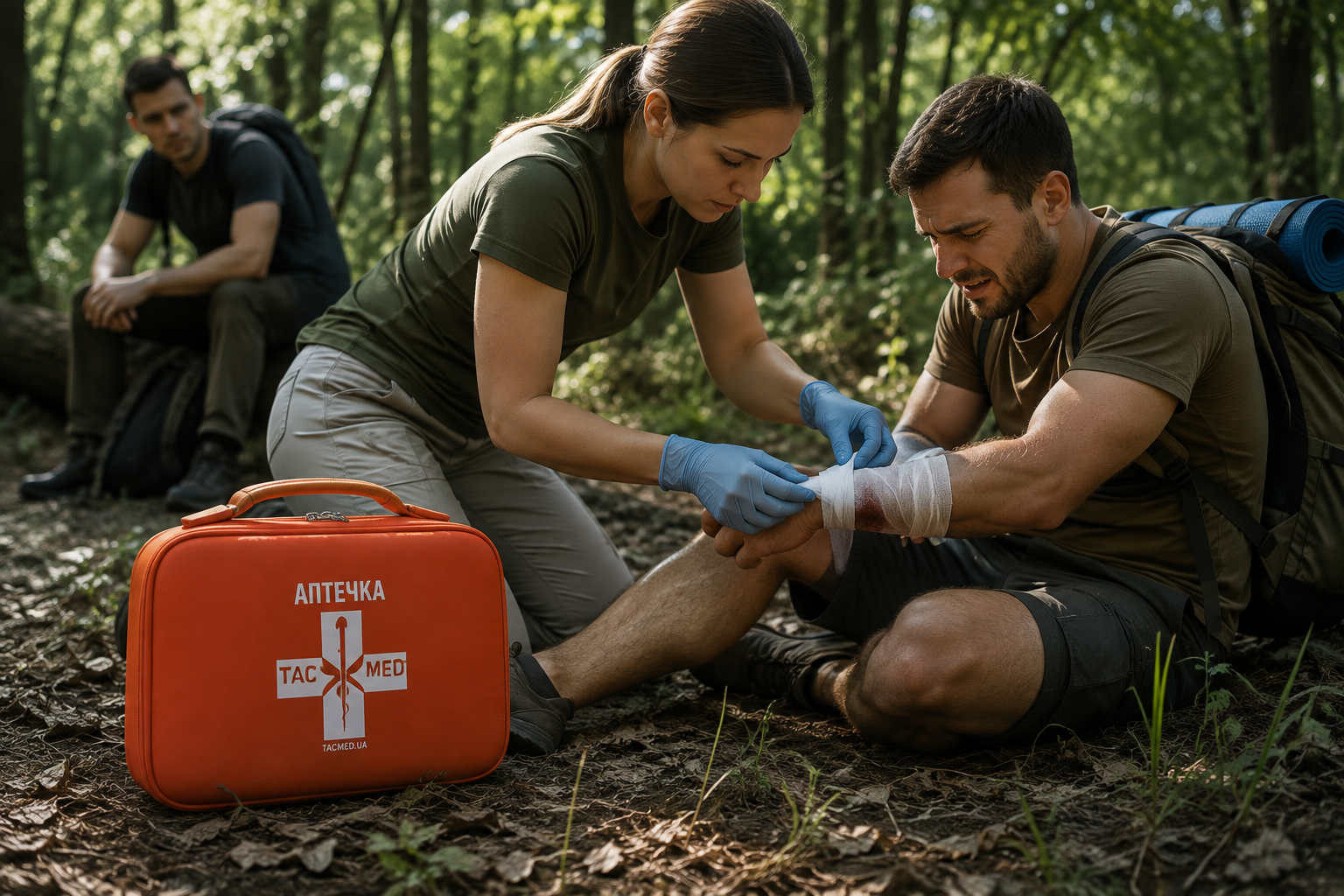
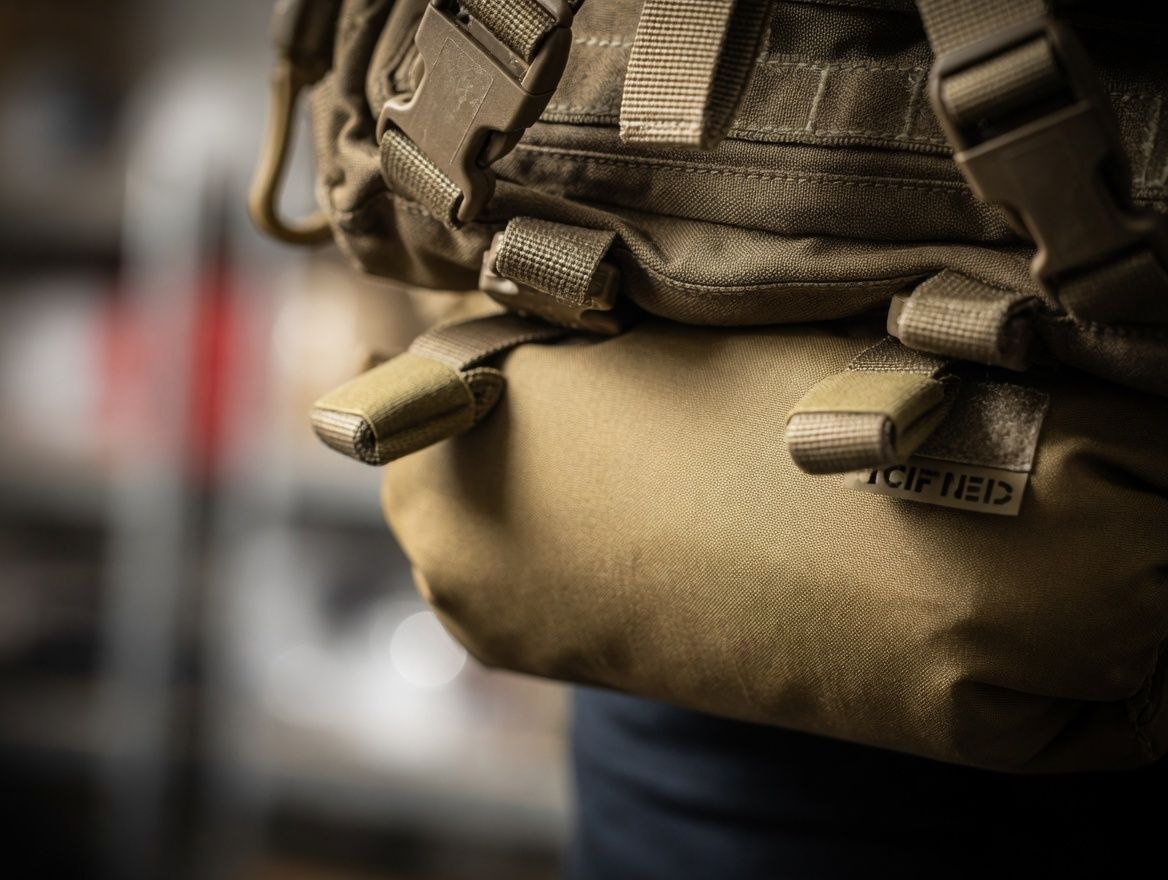
TacMed pre-configured field first aid kits already include most of the components required for current first aid protocols. Medical pouches and organizers are also valuable for rescue teams, military personnel, and medical units because they provide rapid access to essential equipment during evacuation.
Common Mistakes
The greatest danger comes from underestimating the seriousness of the condition. The most common mistakes include:
- rushing to free the trapped person without assessing scene safety;
- overlooking signs of shock;
- failing to control severe bleeding;
- incorrect use of a tourniquet;
- delaying contact with emergency services;
- underestimating the risk of hypothermia;
- transporting the person without first assessing vital functions.
Even if the person's condition appears stable immediately after extrication, crush syndrome may develop later. For this reason, every suspected case requires medical evaluation and hospital care.
Crush syndrome is one of the most serious injuries associated with structural collapses, explosions, road traffic accidents, and combat-related incidents. The threat to life results not only from mechanical tissue damage but also from severe systemic complications that develop after circulation is restored.
Careful assessment of the situation, prompt activation of emergency medical services, effective control of severe bleeding, prevention of hypothermia, and the use of appropriate first aid equipment all improve the likelihood of a successful evacuation and favorable outcome.
The TacMed catalog includes a wide selection of tourniquets, hemostatic dressings, compression bandages, emergency thermal blankets, ready-to-use first aid kits, and medical pouches designed to support emergency preparedness in high-risk environments.
FAQ
How long does compression have to last before crush syndrome becomes a concern?
The risk increases significantly after tissues have been compressed for more than one hour, although severity also depends on the extent of tissue damage and other contributing factors.
Should a trapped person be freed immediately?
Extrication should only be performed when it can be carried out safely for both the affected person and the rescuers.
Is a tourniquet always required in crush syndrome?
No. A tourniquet is used only when clinically indicated, primarily to control severe external bleeding. Prolonged compression alone is not an automatic indication.
Why can a person's condition worsen after the trapped limb is released?
Once circulation returns, muscle breakdown products enter the bloodstream and may lead to severe systemic complications.
What supplies should be included in a first aid kit for rescue operations or hazardous environments?
A recommended first aid kit should include a tourniquet, hemostatic dressings, a compression bandage, an emergency thermal blanket, nitrile gloves, CPR barrier devices, and other supplies consistent with current first aid protocols.
Almost gone