Head Trauma and Concussion: Symptoms and First Aid
Content
- What Is Head Trauma?
- What Are the Symptoms of a Concussion?
- Which Symptoms May Indicate Severe Head Trauma?
- How Should First Aid Be Provided?
- What Actions Should Be Avoided?
- When Is Urgent Hospitalization Required?
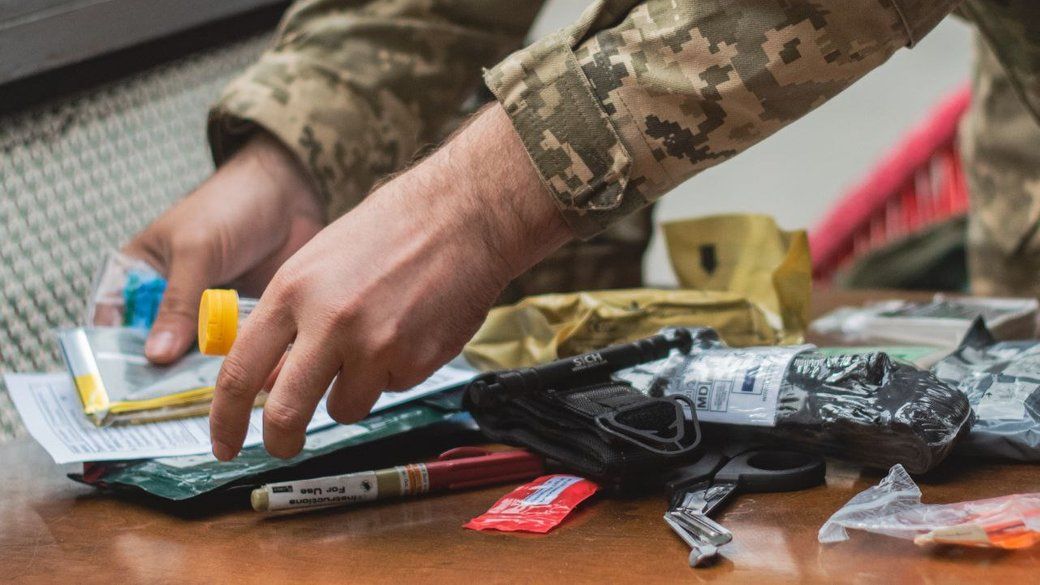
- What Should a First-Aid Kit Contain?
A blow to the head during a fall, road accident, sports activity, work at height, or exposure to a blast wave can result in head trauma. The affected person may initially feel well, move independently, and even refuse assistance. However, certain types of brain damage develop gradually, with dangerous symptoms appearing several hours after the incident. Every blow to the head therefore requires careful assessment of the person’s condition. Proper first aid helps identify warning signs in time, prevent repeated trauma, and ensure safe transfer to medical personnel. Let us examine how to distinguish a concussion from more severe head trauma, which symptoms require immediate attention, and what actions should be taken before emergency medical services arrive.
What Is Head Trauma?
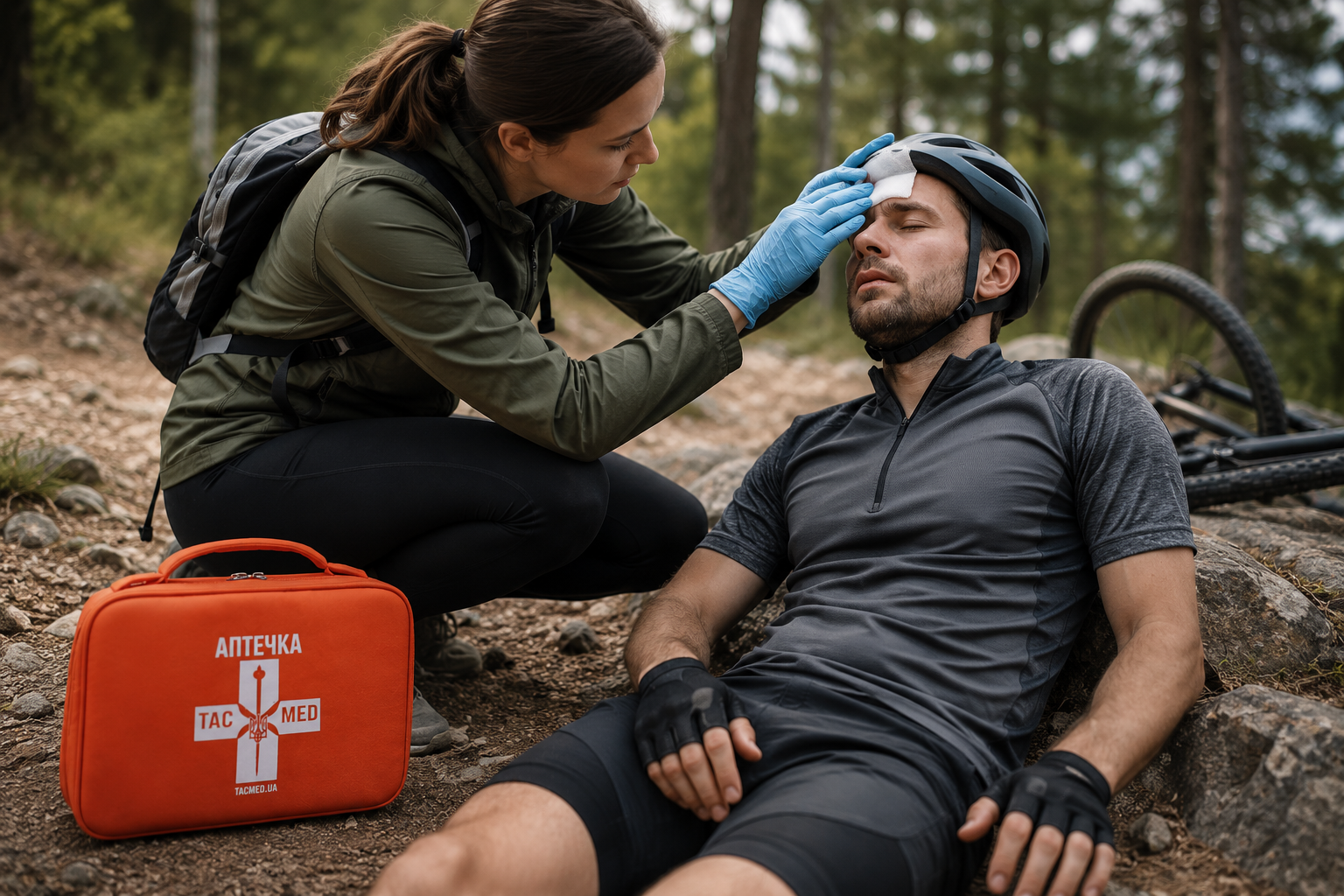
Head trauma covers a broad range of conditions caused by mechanical impact to the head. This category includes concussion, brain contusion, intracranial bleeding, and skull fractures. Concussion is considered the mildest form, although it still requires medical assessment. Dangerous intracranial damage cannot be completely ruled out without a specialist examination.
The most common causes of head trauma include:
- falls;
- road accidents;
- blows from blunt objects;
- sports-related incidents;
- workplace accidents;
- blast events;
- trauma sustained during field operations.
In field conditions, head trauma often occurs together with other forms of trauma. The affected person should therefore receive a comprehensive assessment according to current first-aid protocols.
What Are the Symptoms of a Concussion?
Concussion symptoms vary. In some cases, the person loses consciousness for only a few seconds, while in others consciousness is maintained throughout the incident.
The most characteristic symptoms include:
- headache;
- dizziness;
- nausea;
- vomiting;
- drowsiness;
- balance problems;
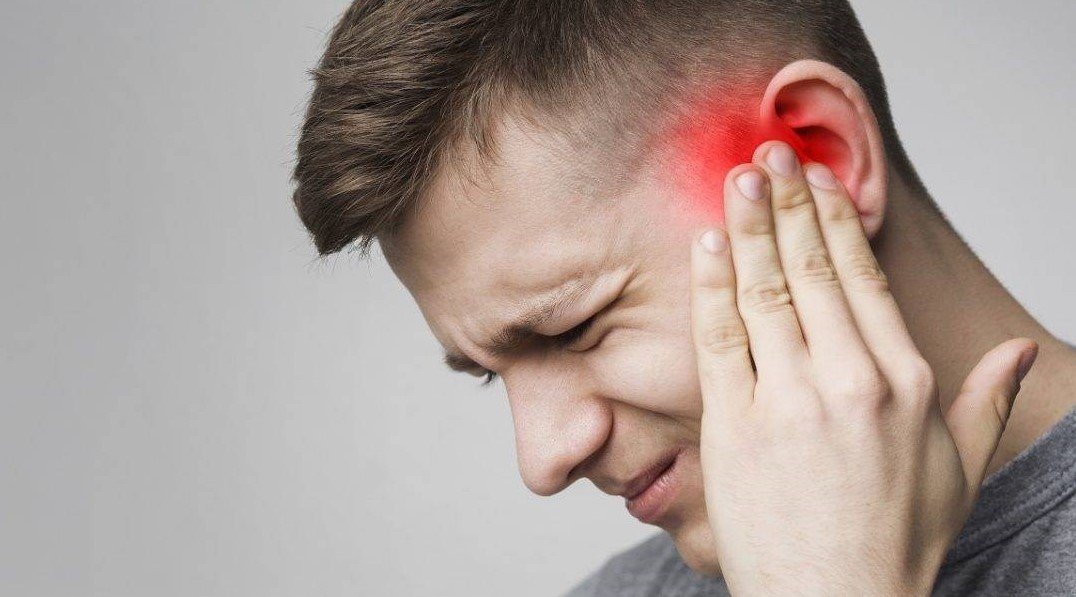
- ringing in the ears;
- increased sensitivity to light;
- reduced concentration;
- short-term memory loss.
The affected person may have no memory of the incident itself or of events that occurred shortly before it. These changes may also indicate possible brain damage.
Which Symptoms May Indicate Severe Head Trauma?
Certain signs require an immediate call to emergency medical services, regardless of how the affected person feels.
These signs include:
- loss of consciousness;
- repeated vomiting;
- seizures;
- pronounced drowsiness;
- speech problems;
- weakness or numbness in the limbs;
- pupils of different sizes;
- clear fluid or red discharge from the nose or ear;
- a severe and worsening headache;
Even one of these symptoms may indicate intracranial bleeding or another dangerous condition.
How Should First Aid Be Provided?
First, make sure the scene is safe for both the responder and the affected person.
The next steps include:
- Assess consciousness and breathing.
- Call emergency medical services at 103.
- If the person is unconscious but breathing normally, place them in the recovery position.
- If cervical spine trauma is suspected, minimize all movement of the head and neck.
- Monitor the person’s condition until medical personnel arrive.
- If breathing is absent, begin cardiopulmonary resuscitation immediately.
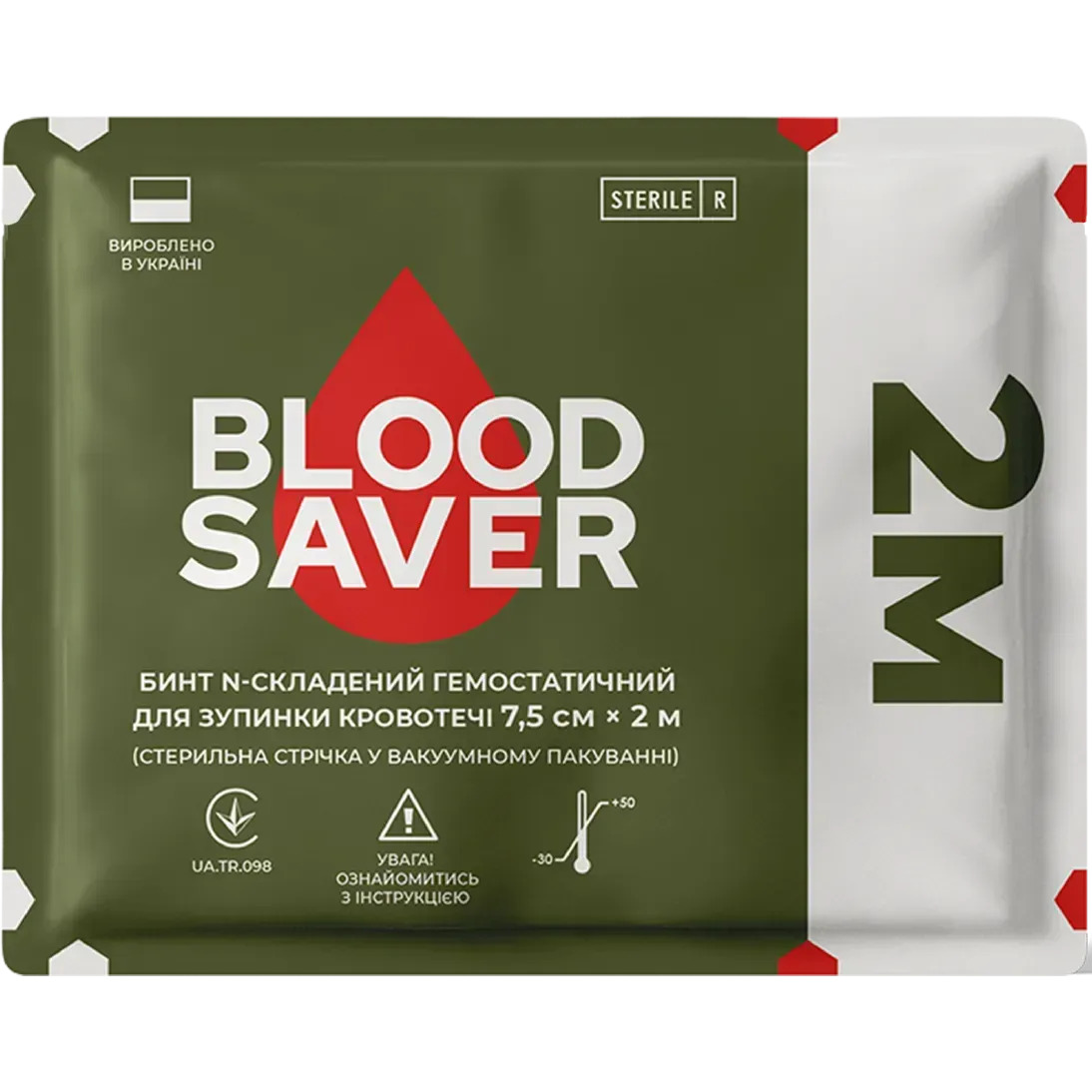
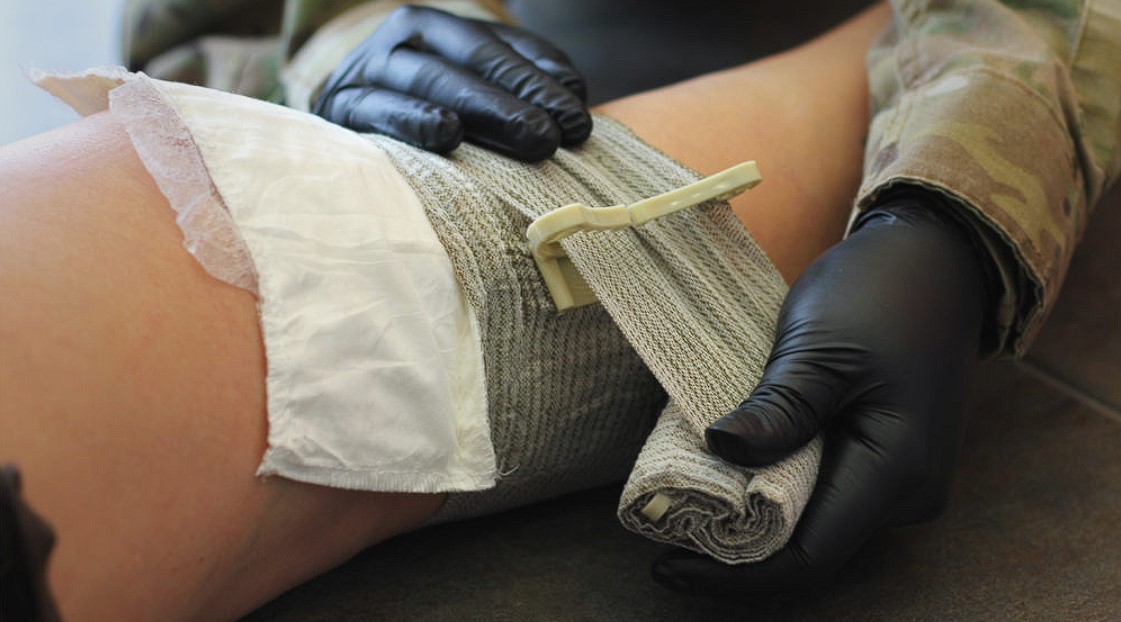
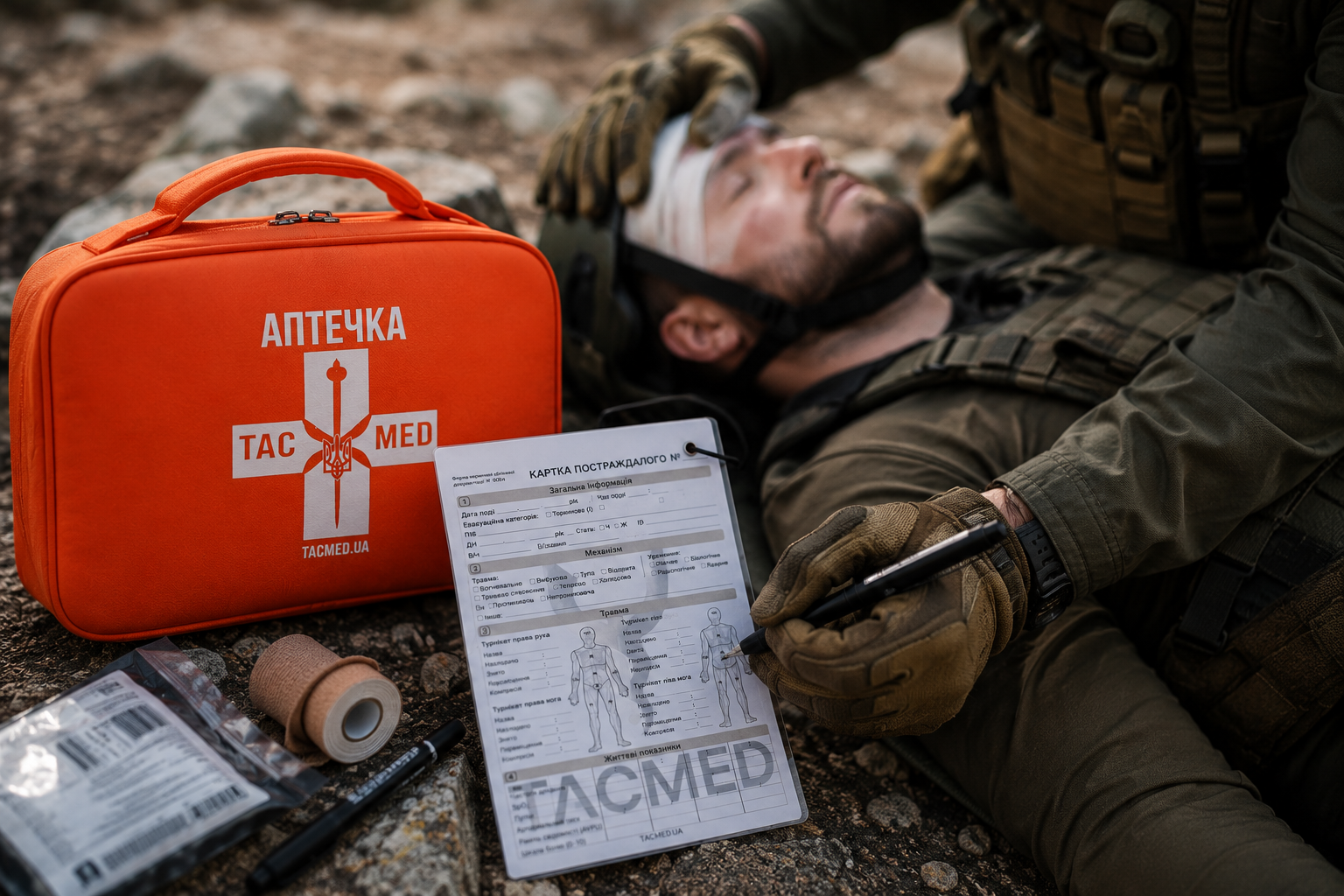
For external bleeding, use sterile dressings and control the bleeding according to its type. If other dangerous conditions are present at the same time, provide care according to the MARCH algorithm.
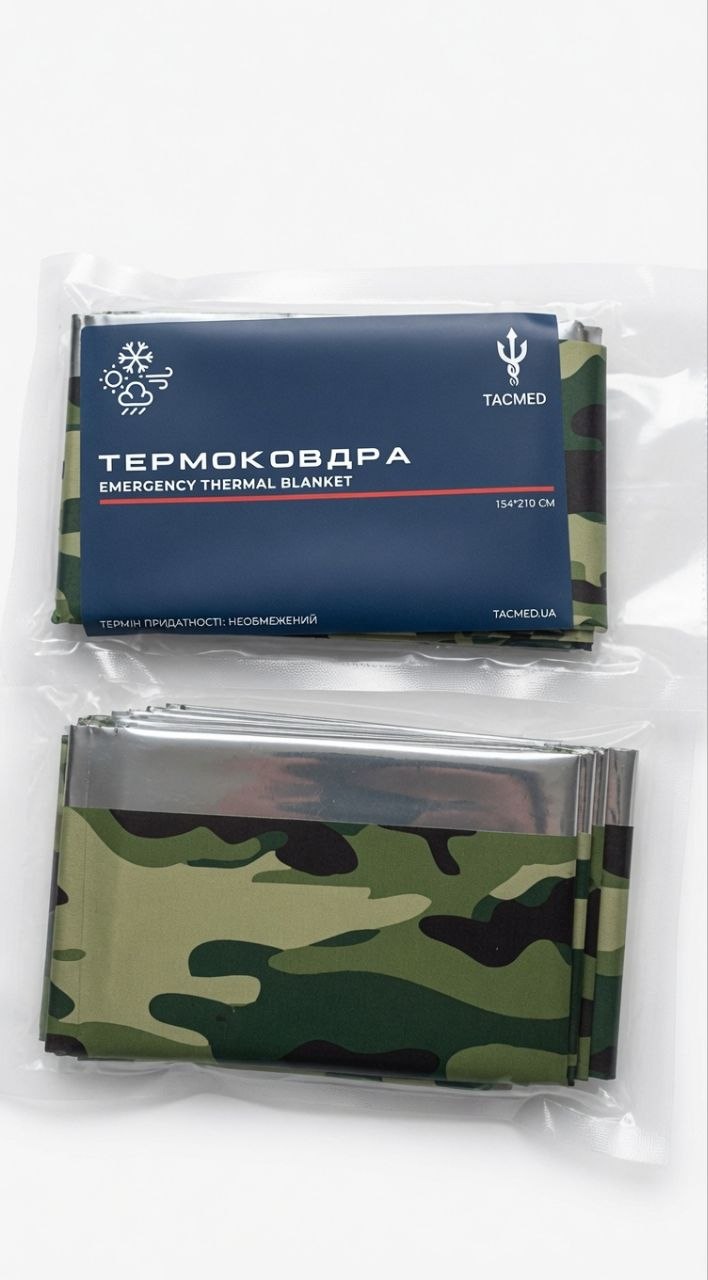
Disposable nitrile gloves should be worn when assisting the affected person. A current first-aid kit should also include dressings, a protective CPR mask, and an emergency blanket, which helps prevent hypothermia while awaiting evacuation. All these products are available from the TacMed online store.
What Actions Should Be Avoided?
When a concussion or another form of head trauma is suspected, improper actions may worsen the person’s condition. The following actions should be avoided:
- leaving the person unattended;
- allowing them to continue physical activity;
- giving them alcohol;
- administering potent pain medication without medical guidance;
- raising the person suddenly after a loss of consciousness;
- actively moving the head when neck trauma is suspected;
- ignoring repeated vomiting or declining consciousness.
A medical assessment remains necessary even if the symptoms disappear quickly. Some cases of intracranial bleeding develop after a delay.
When Is Urgent Hospitalization Required?
After head trauma, the affected person should be taken to a medical facility as soon as possible if:
- loss of consciousness occurred;
- seizures developed;
- repeated vomiting occurred;
- the headache continues to intensify;
- the person becomes increasingly drowsy;
- signs of a skull fracture are present;
- neurological function deteriorates.
In such cases, a physician may order computed tomography or other examinations to rule out dangerous internal damage.
What Should a First-Aid Kit Contain?
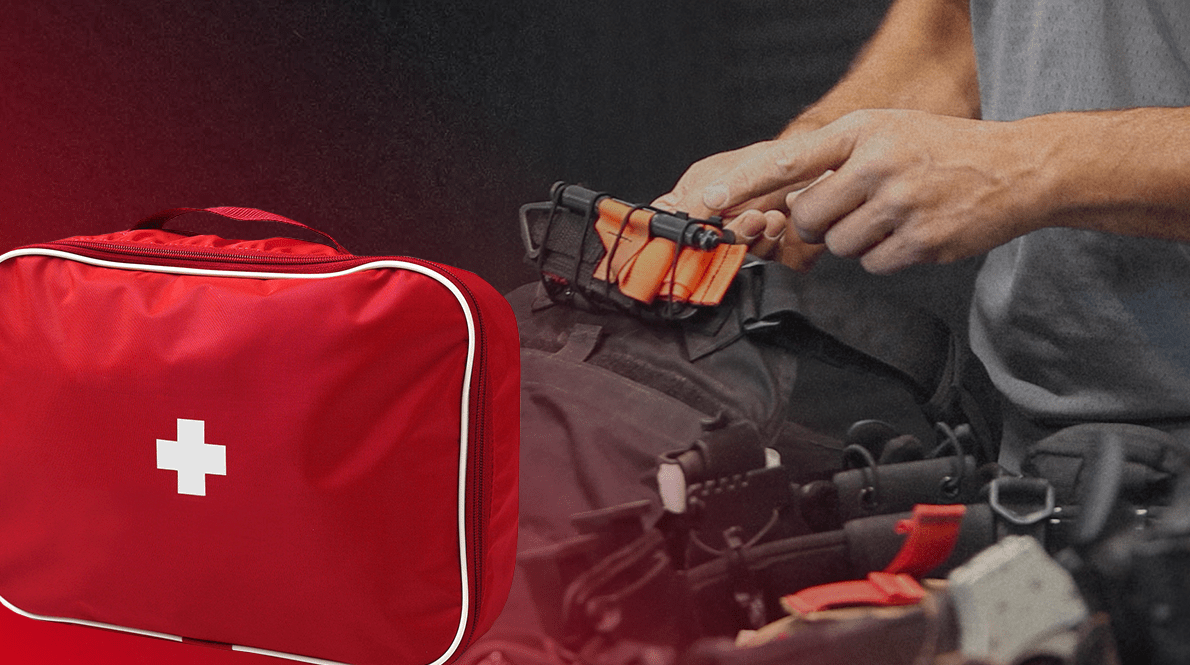
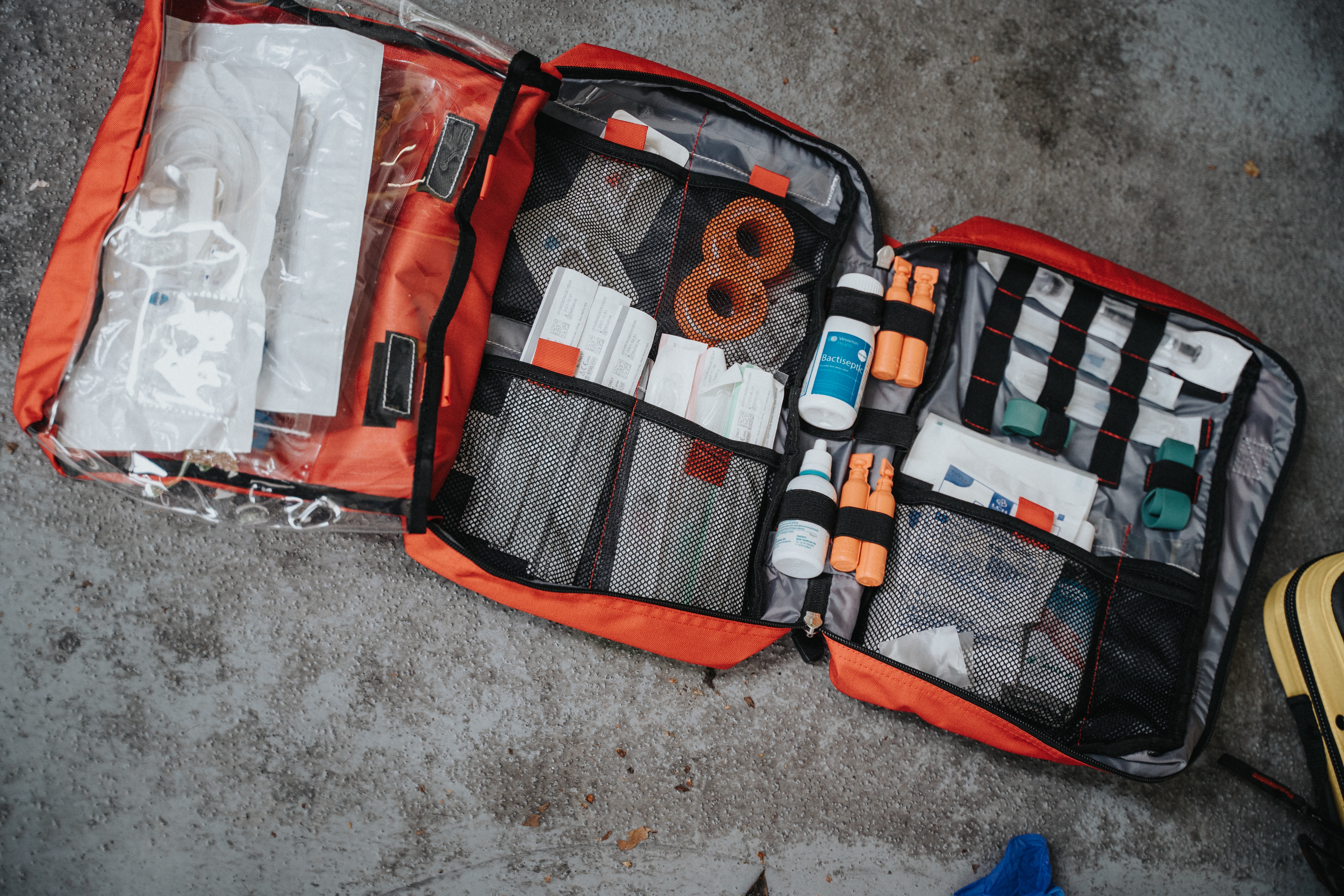
During hiking, training, field trips, or professional duties, a first-aid kit should contain supplies for assisting with different types of trauma.
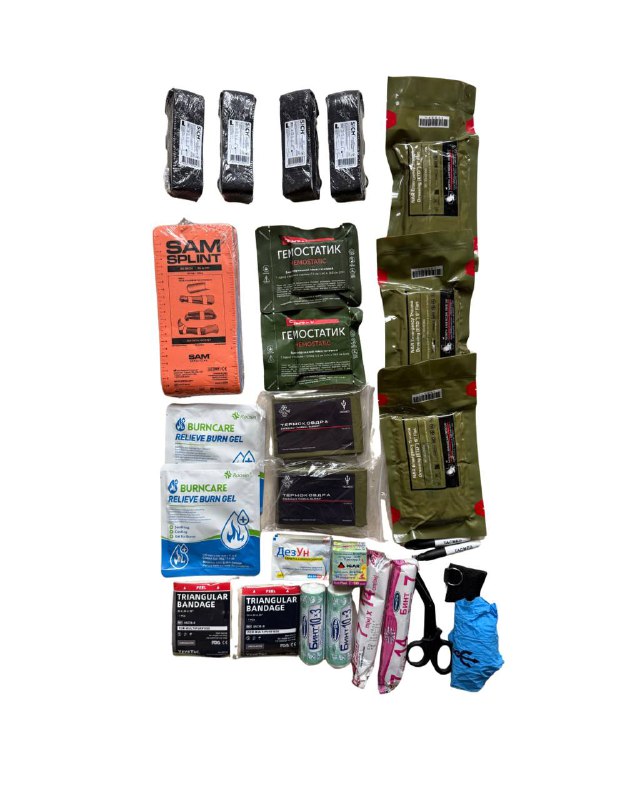
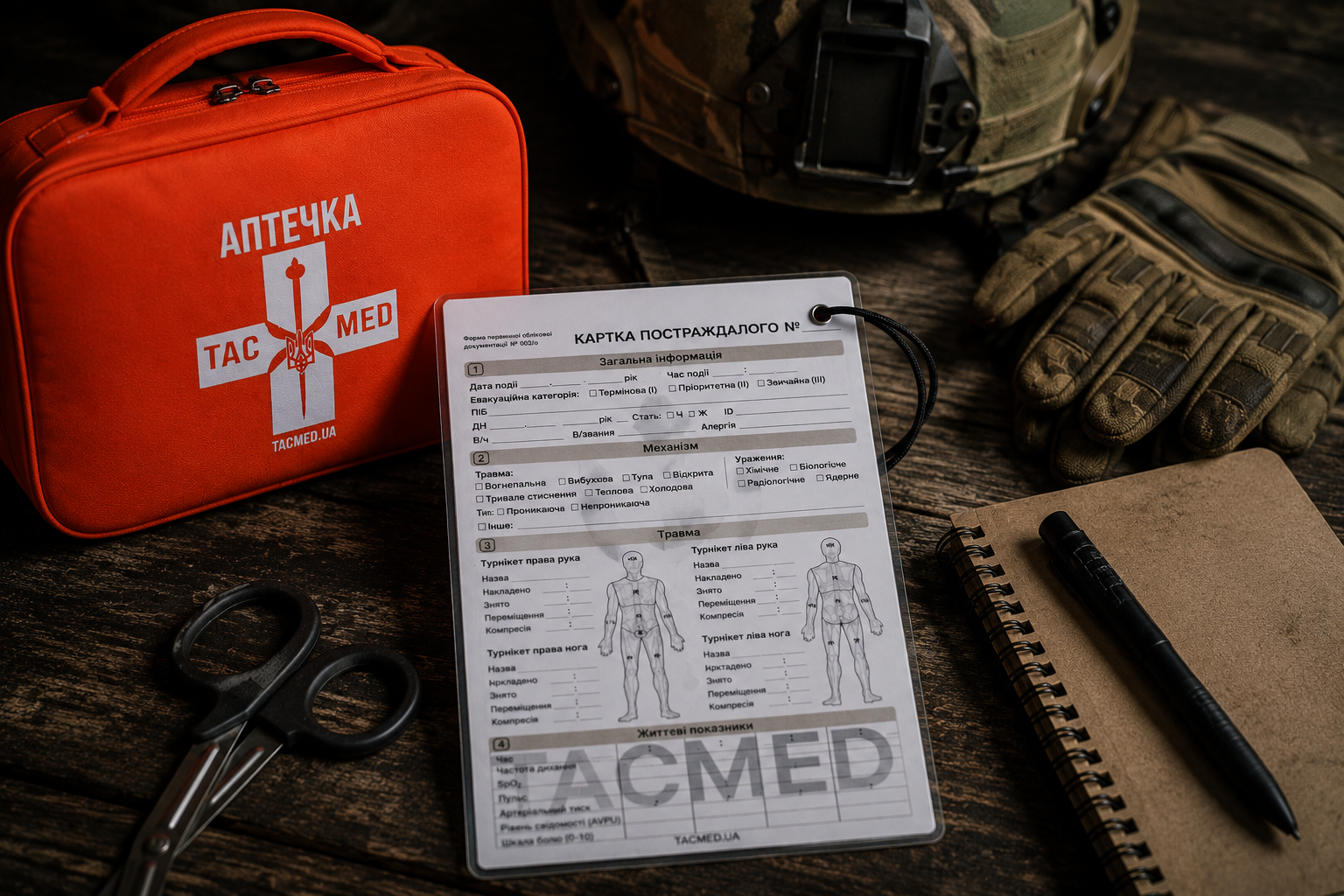
The basic kit should preferably include:
- nitrile gloves;
- sterile gauze pads;
- compression bandages;
- bandages;
- hemostatic products;
- scissors;
- an emergency blanket;
- a CPR mask.
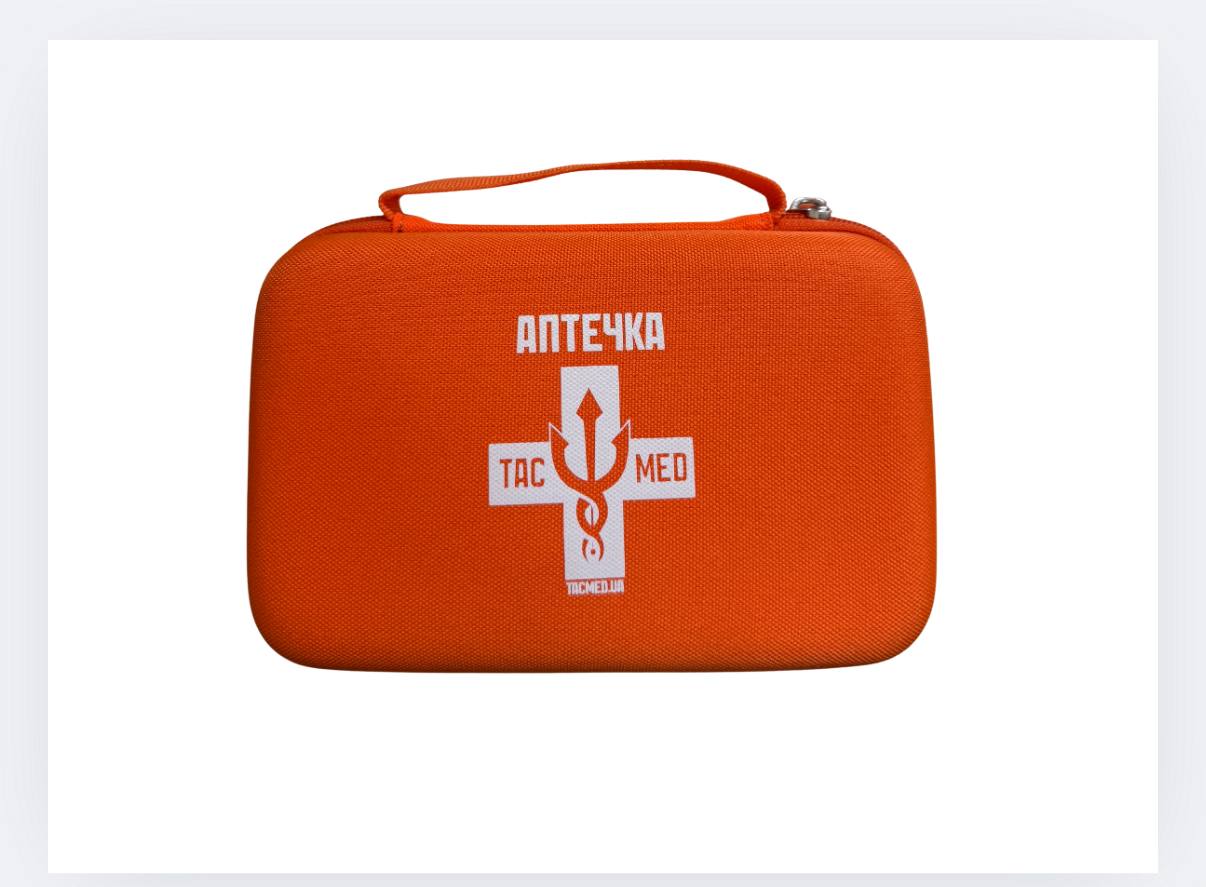
The TacMed store offers ready-made first-aid kits, medical pouches, and individual components that support prompt first aid at home, while travelling, or in field conditions.
A concussion is often viewed as a minor condition, although more serious brain damage cannot be reliably ruled out without a medical examination. Every blow to the head therefore requires careful monitoring of the affected person and timely medical attention.
Correct symptom assessment, monitoring of consciousness and breathing, careful handling of the affected person, and access to a properly equipped first-aid kit can significantly improve safety before medical personnel arrive. The TacMed catalog includes dressings, emergency blankets, CPR supplies, medical pouches, and ready-made first-aid kits for responding confidently during emergencies.
FAQ
How Does a Concussion Differ from Head Trauma?
A concussion is one form of head trauma and is considered its mildest type.
Does a Person Always Lose Consciousness During a Concussion?
No. Consciousness is maintained in many cases.
What Should Be Done After a Blow to the Head If There Are Almost No Symptoms?
Monitor the person’s condition and consult a physician, as certain dangerous symptoms may appear several hours later.
Can a Person Sleep After a Concussion?
If the person’s condition is stable and they have already been examined by a medical professional, sleep is permitted. If pronounced drowsiness, confusion, or deterioration develops after the incident, urgent medical attention is required.
What Should a First-Aid Kit Contain for Head Trauma?
The kit should contain sterile dressings, nitrile gloves, a compression bandage, an emergency blanket, scissors, CPR supplies, and other first-aid components.