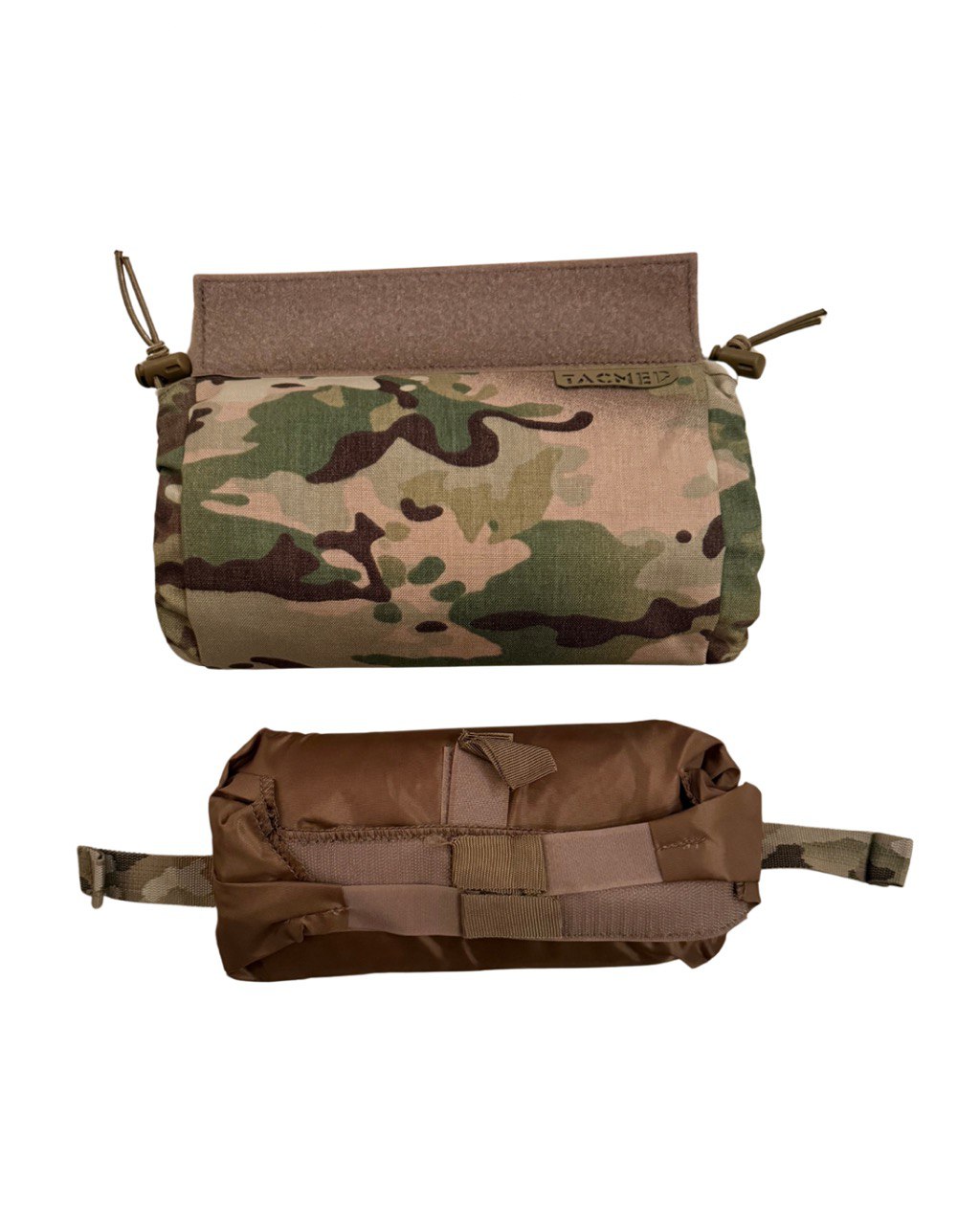
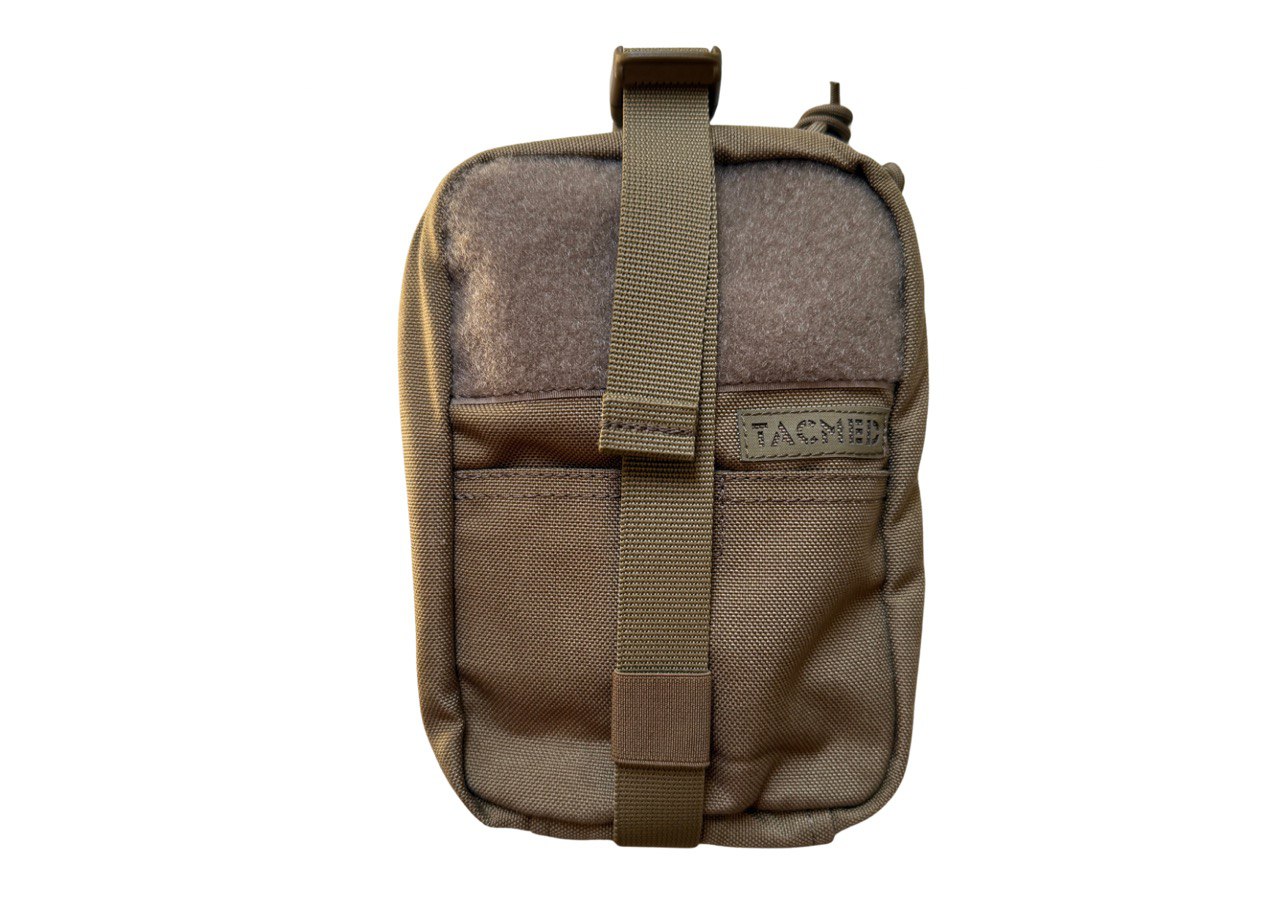
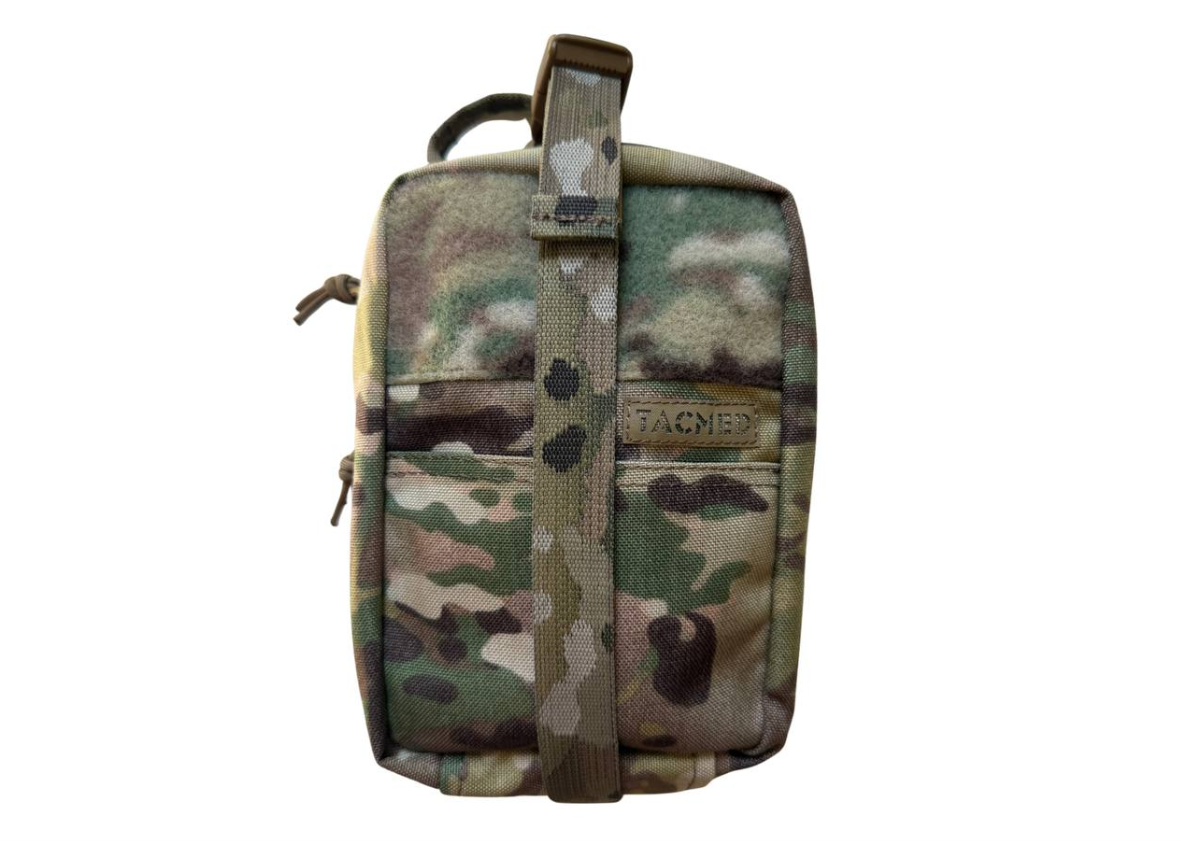
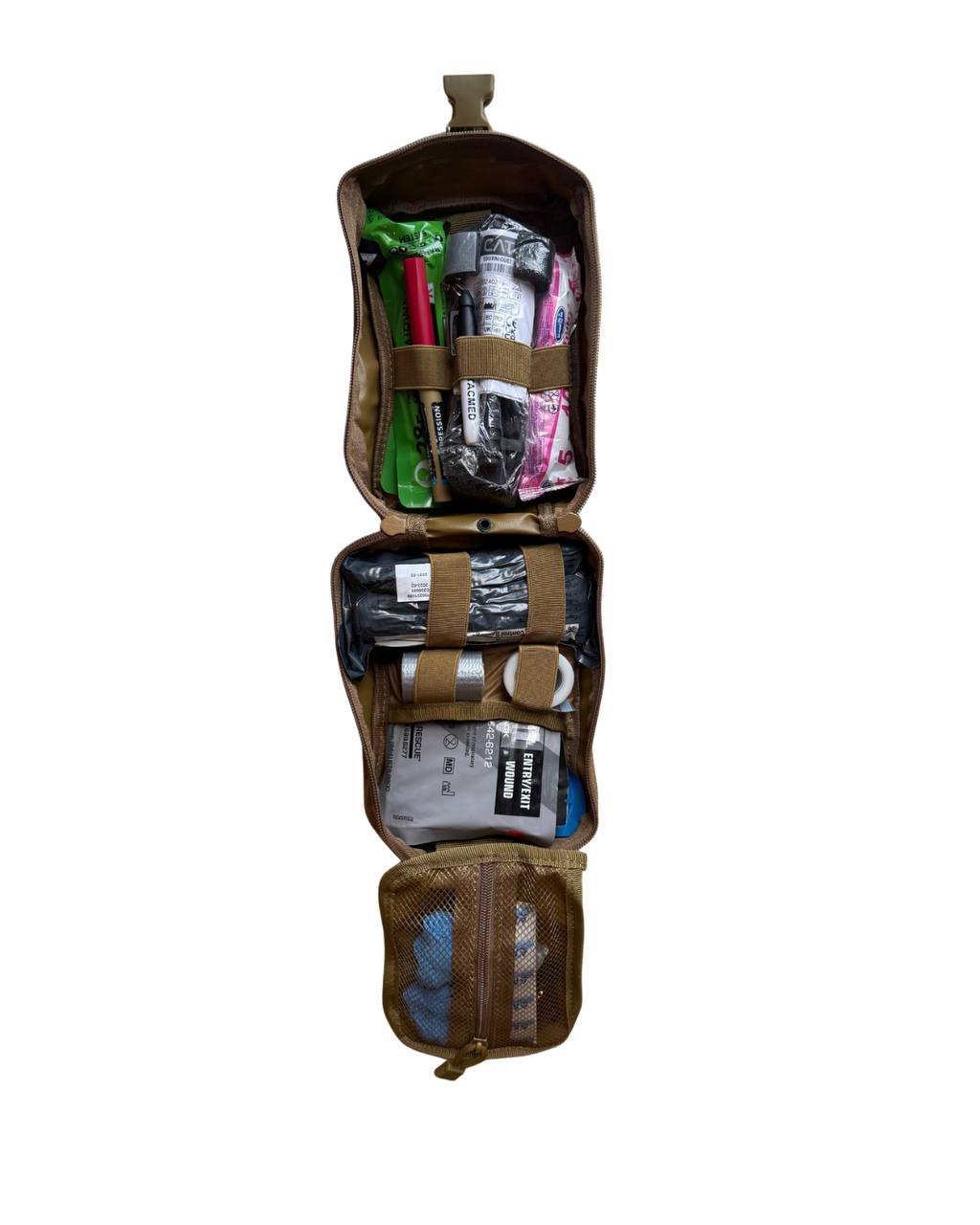
IFAK 2026 first aid kit contents: what has changed in the standards
Content
- What tourniquets should be added to a first aid kit
- Why buy hemostatics
- What are occlusive dressings and when are they needed?
- What else to add to the first aid kit
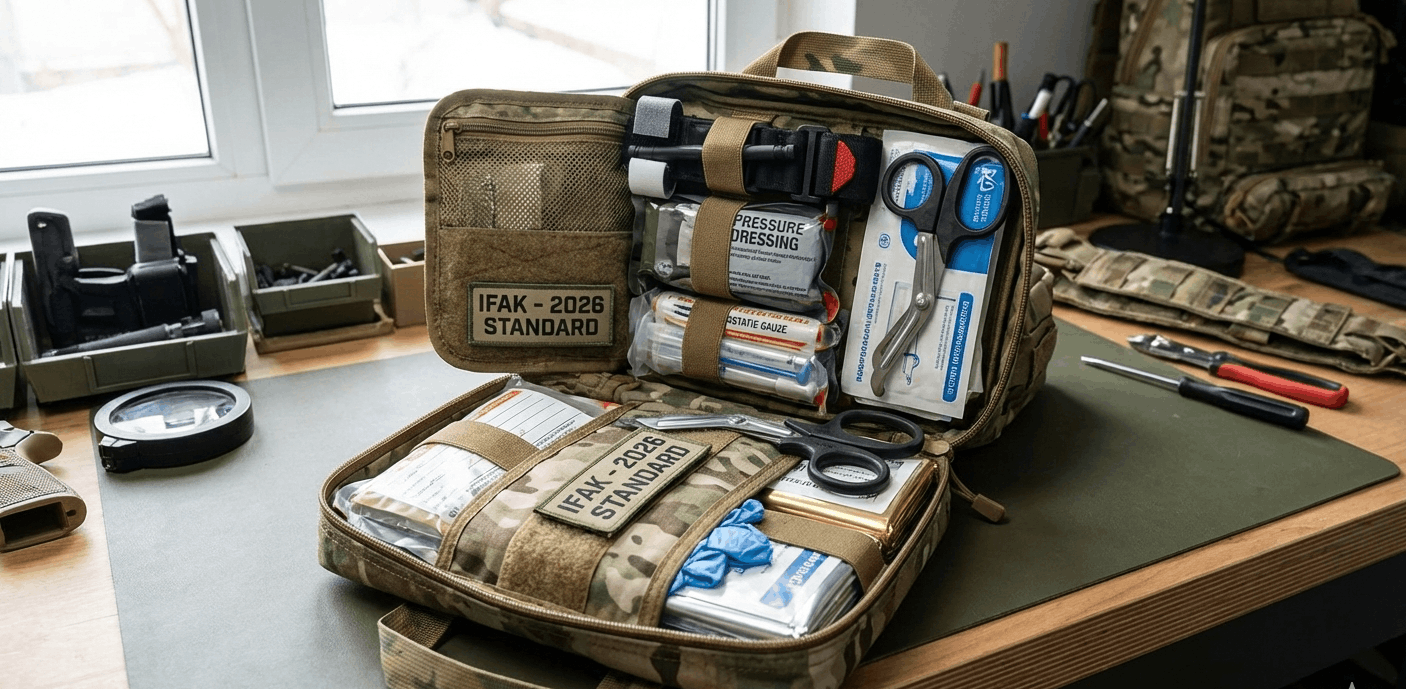
Previously, IFAK was only a recommended kit, but now it is a clearly established standard, without which it is difficult to imagine survival on the battlefield. To be prepared for critical situations, it is important to keep track of changes in tactical medicine. After all, both full-scale war and the experience of NATO armies make their own adjustments.
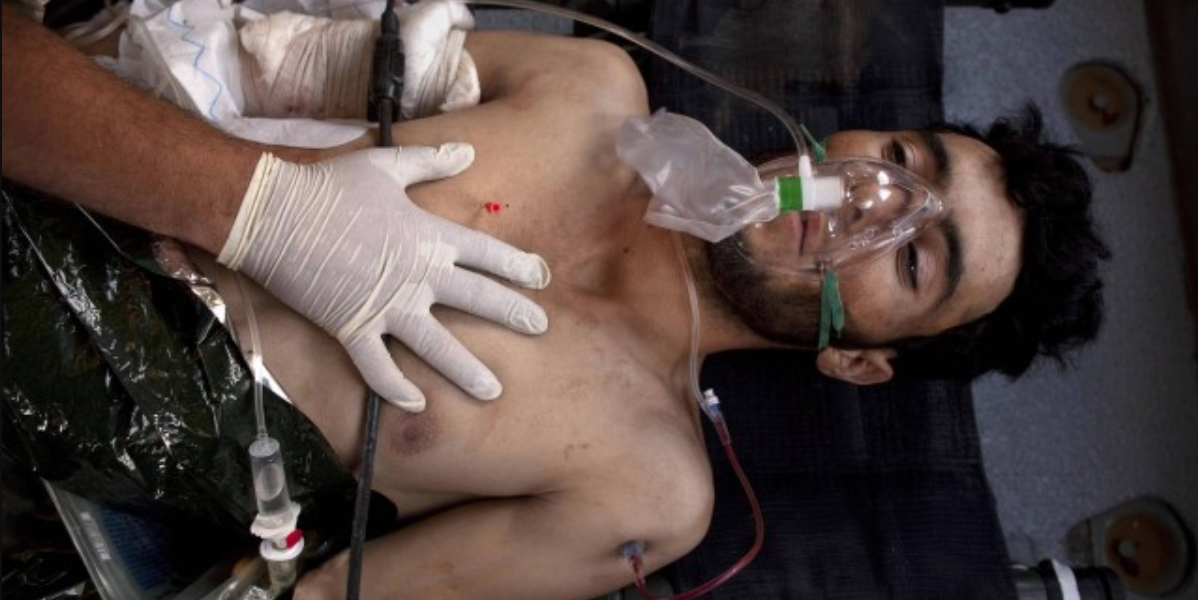
The key principle of IFAK is the need to stop massive bleeding, restore breathing if it is impaired as a result of injury, and it is also important to prevent lung collapse and save precious minutes so that the wounded have a chance to receive qualified, comprehensive medical care. So let's take a closer look at what a modern first aid kit should contain and which items are essential.
What tourniquets should be added to a first aid kit
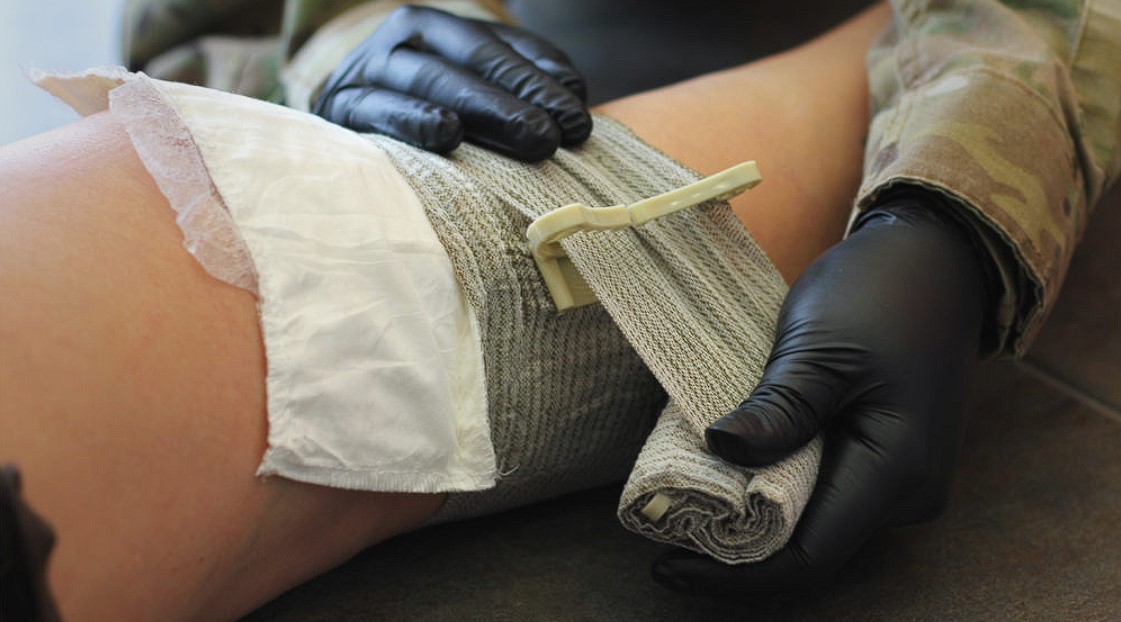
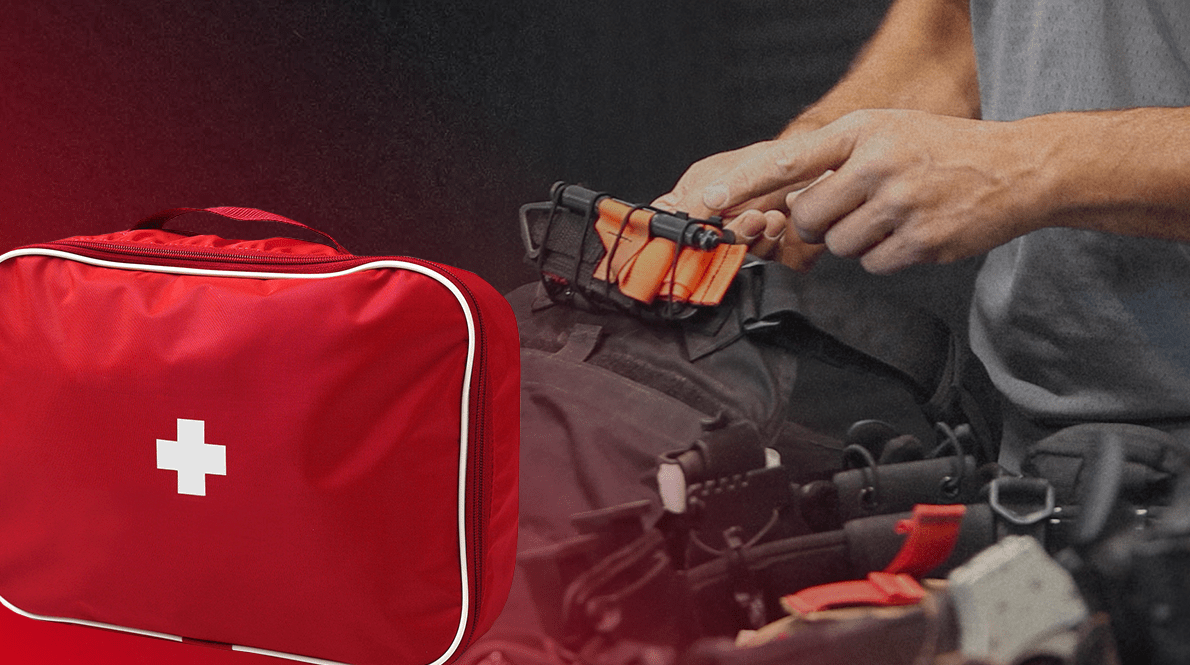
A key item that must be in every first aid kit is tourniquets. This item most often saves lives when a person suffers injuries to their limbs. It is necessary to have certified tourniquets that have been tested in combat conditions at hand.
It is extremely important that the tourniquet can be applied with one hand, that it is securely fastened, and that it is possible to mark the time of application and how easy it is to tighten.
It is risky to buy cheap tourniquets from untested manufacturers. Such a product may tear at the most critical moment. In addition, tourniquets can slip, break, or lose their effectiveness at low or high temperatures. Another risk is that such models simply will not create the pressure necessary to stop bleeding. As a result, you may lose precious minutes in a critical situation.
Why buy hemostatics
A modern IFAK must contain hemostatic agents. These can be bandages or napkins impregnated with specialized substances, thanks to which they stop bleeding well. Modern agents are effective even in cases of severe bleeding. At the same time, they do not cause irritation and can be easily removed during surgery.
In addition to choosing effective products, it is important to learn how to use them correctly. Even the best hemostatic agent will be useless if it is applied to the wound incorrectly. That is why it is also important to undergo appropriate training, not just familiarize yourself with the requirements for first aid kit contents.
What are occlusive dressings and when are they needed?
One of the most life-threatening injuries is a chest wound. Therefore, according to modern standards, a modern first aid kit should contain reliable and high-quality occlusive dressings. They allow you to seal the wound. Today, the most effective options are those with valve systems. It can also be a patch with the ability to release air manually. Such options are much better adapted to body movement, do not peel off from sweat, blood, or dirt, and significantly reduce the risk of tension pneumothorax.
What else to add to the first aid kit
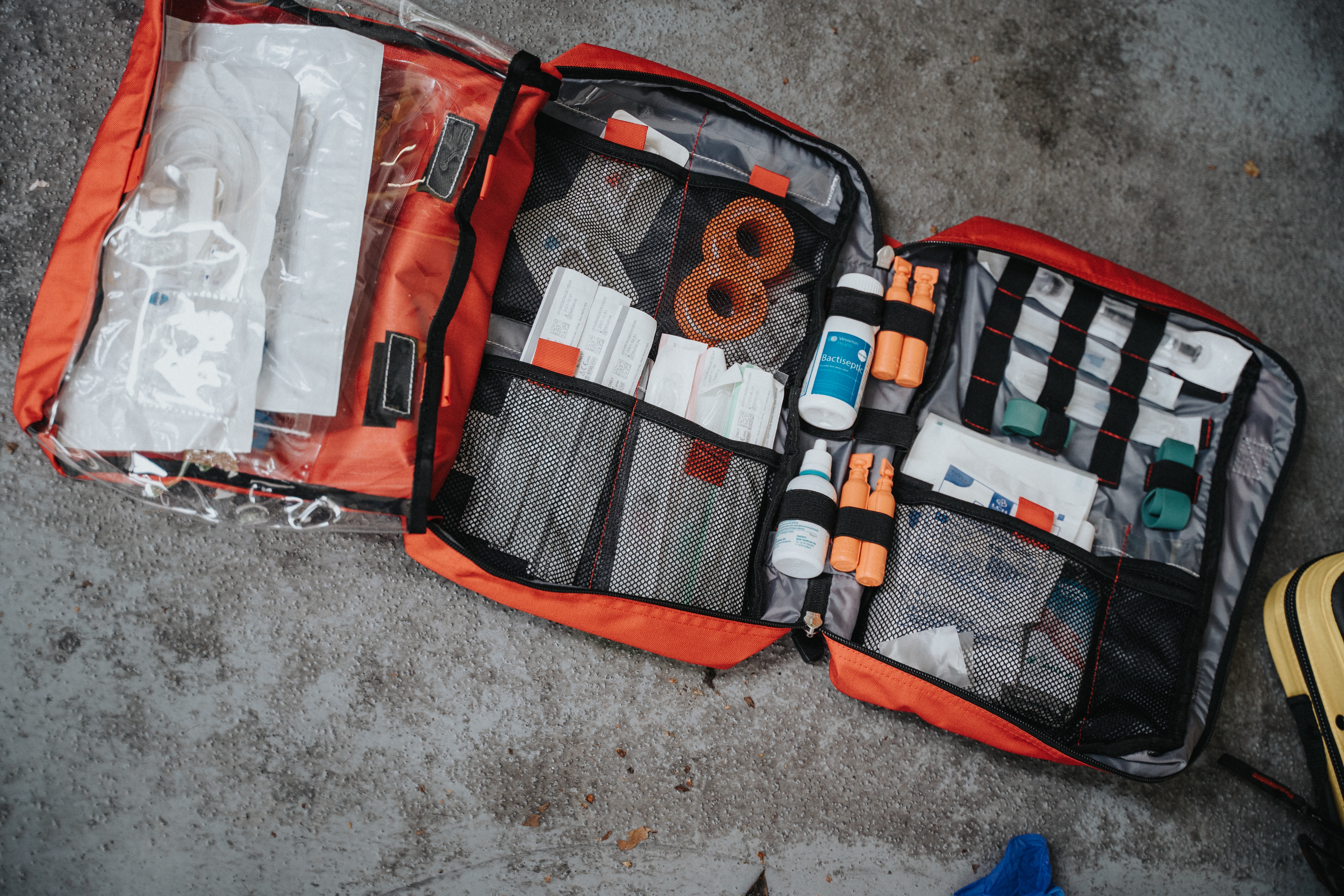
In addition to the items we have already described above, it is also worth adding some other items:
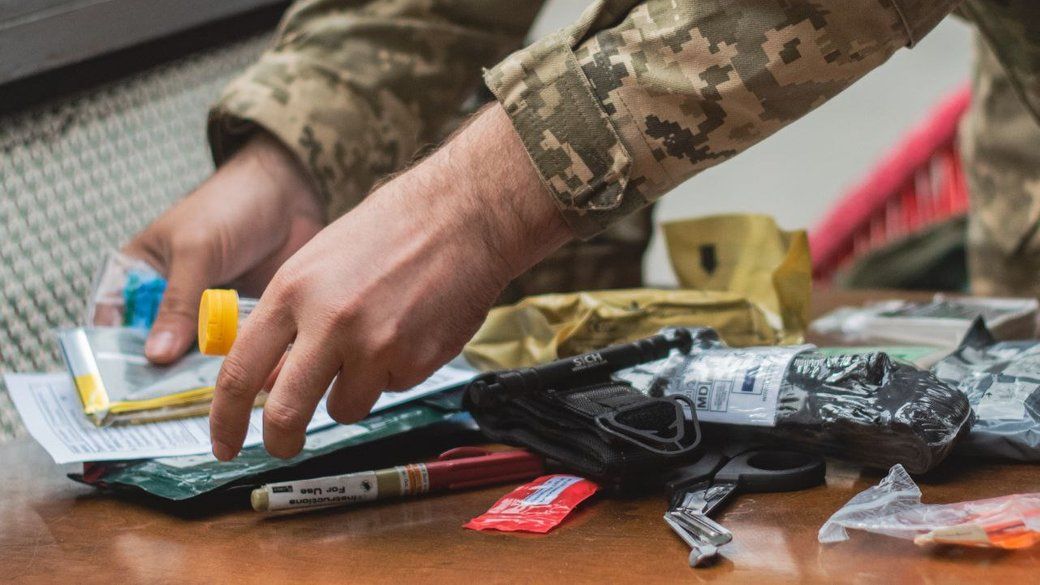
- nasopharyngeal airway;
- thermal blankets;
- atraumatic scissors;
- marker for recording the time and condition of the wounded;
- dressing materials, etc.
The main thing is to choose reliable manufacturers and products that have been tested in combat conditions. You should also make sure that the first aid kit is compact and ergonomic. It should be easy to use in the dark, with one hand, or in an emergency.
Remember: IFAK is not just an accessory, it is a tool that may one day save your life. Don't skimp on quality, because often this ends up with the first aid kit being present only formally, while it does not bring any real benefit.
Almost gone