K9 Tactical Medicine: First Aid for Service Dogs
Content
- K9 Tactical Medicine: First Aid for Service Dogs
- How to Provide First Aid to Service Dogs
- Special Supplies for the K9 Kit
- How to Evacuate an Injured Dog
K9 Tactical Medicine: First Aid for Service Dogs
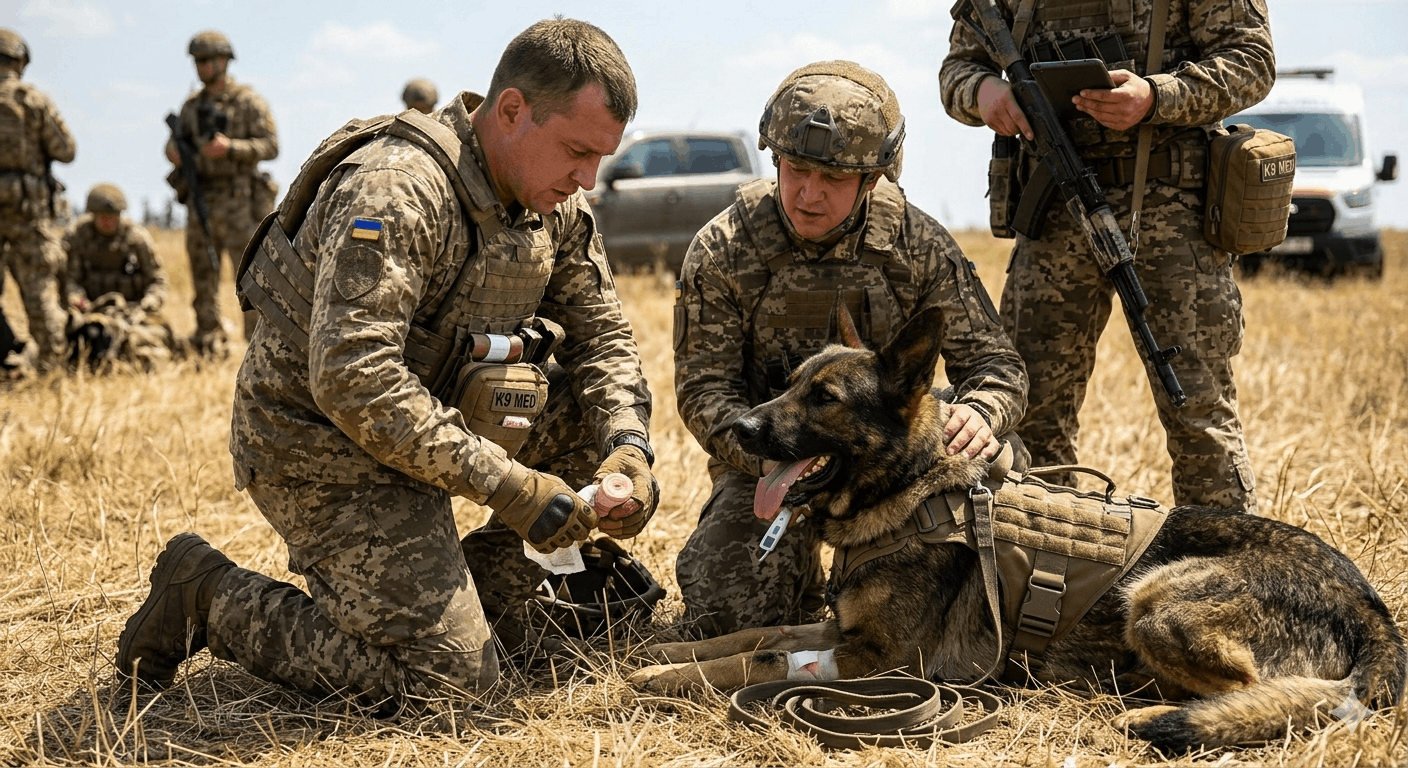
Today, service dogs are a vital component of modern combat environments. They perform tasks such as searching, patrolling, explosive detection, and unit escort. In doing so, they are exposed to the same risks as humans, including mine-blast injuries, shrapnel wounds, gunshot injuries, and the effects of blast waves. Therefore, it is worth examining K9 tactical medicine in more detail.
How to Provide First Aid to Service Dogs
To put it simply, K9 tactical medicine is based on the same principles as human aid, but it must account for a range of anatomical and behavioral differences.
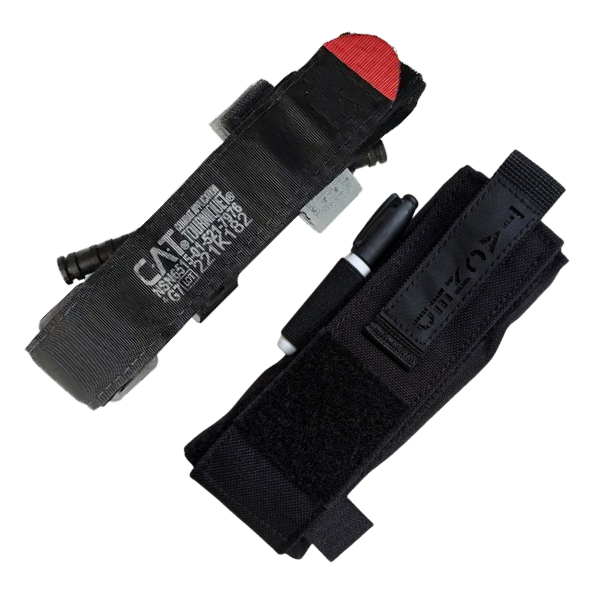
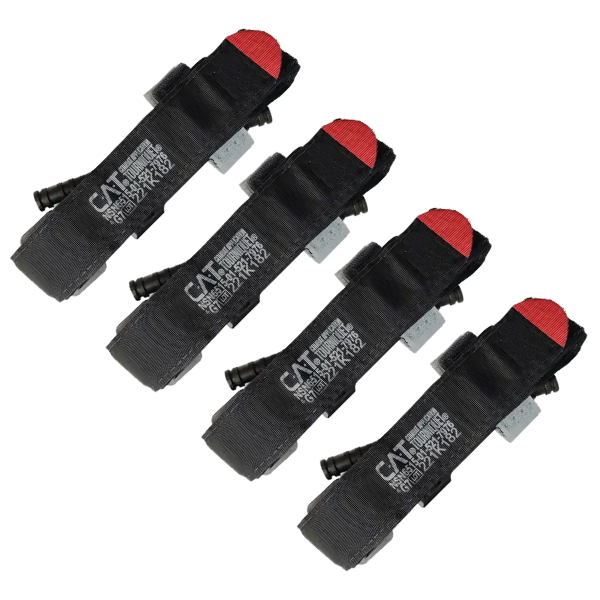
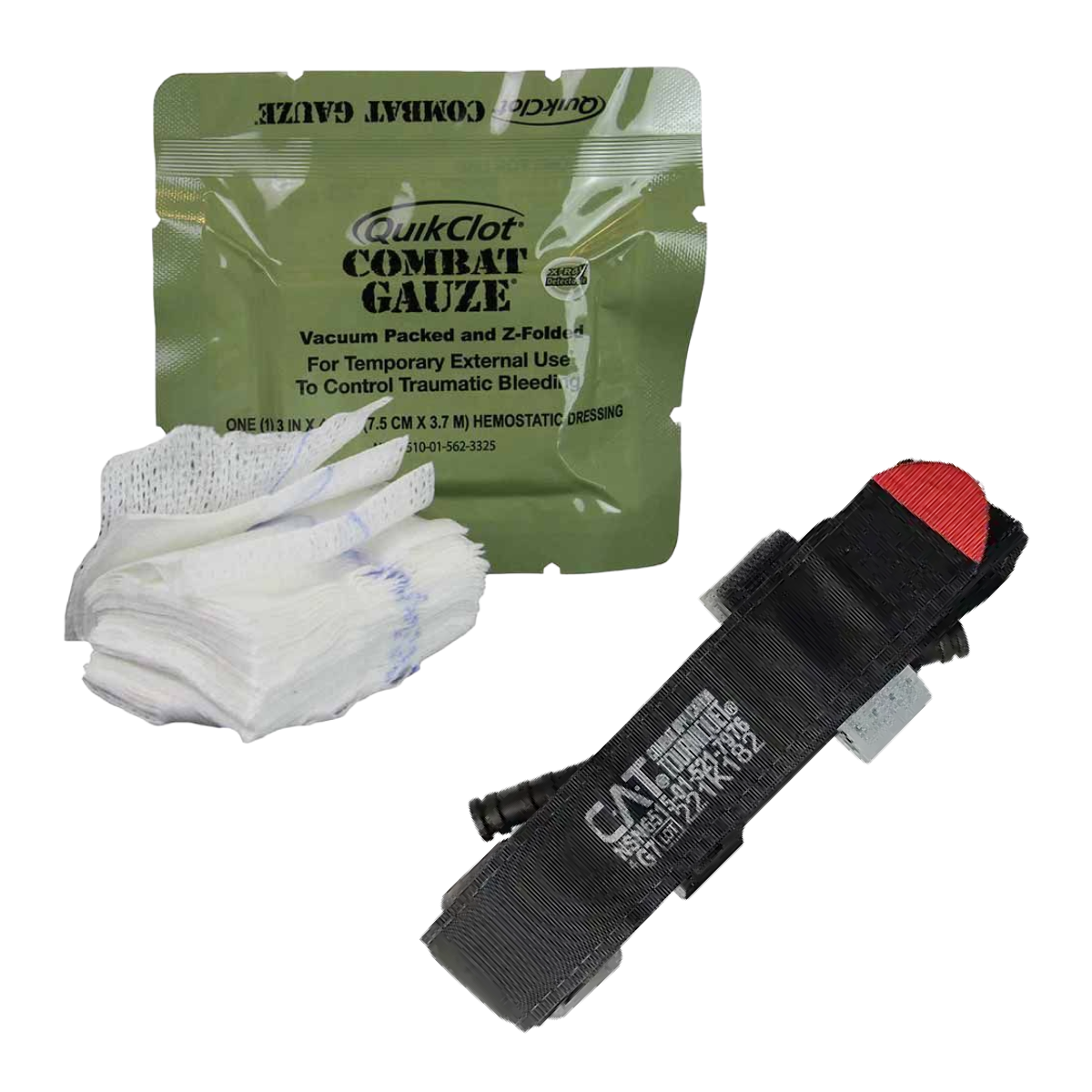
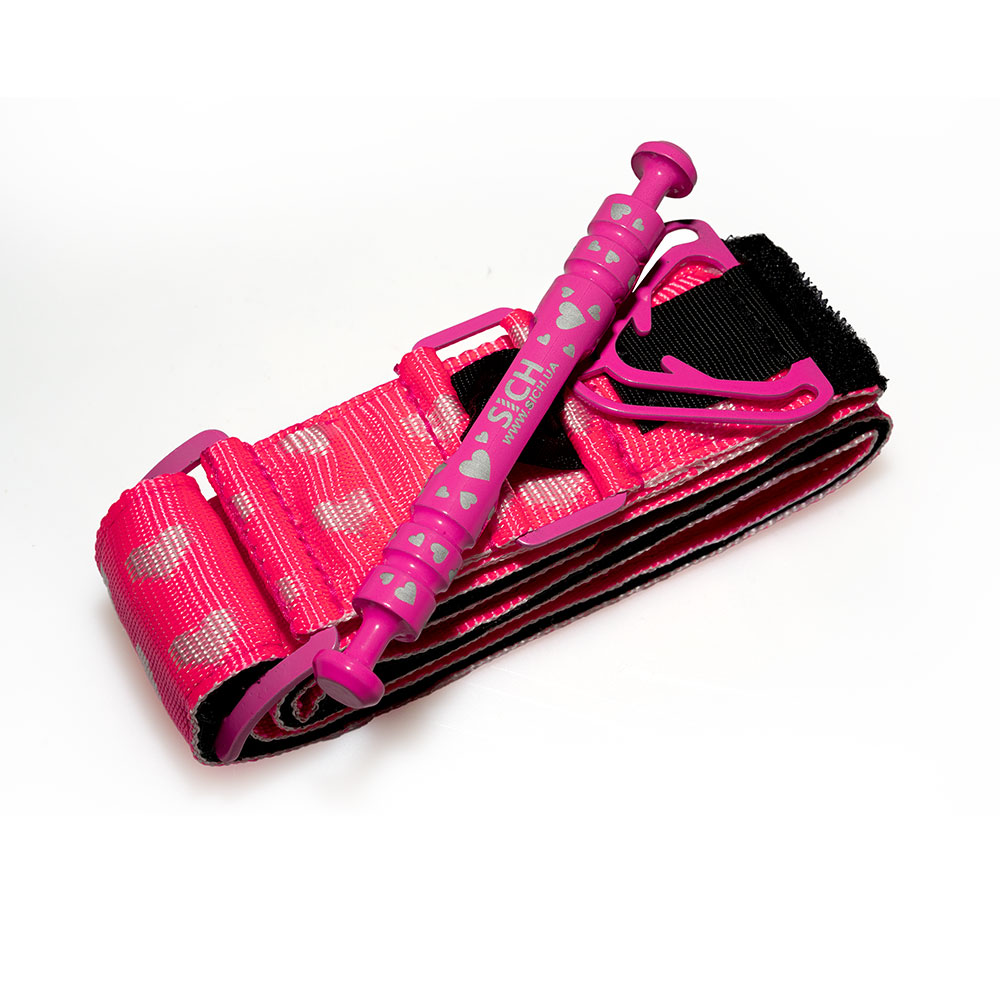
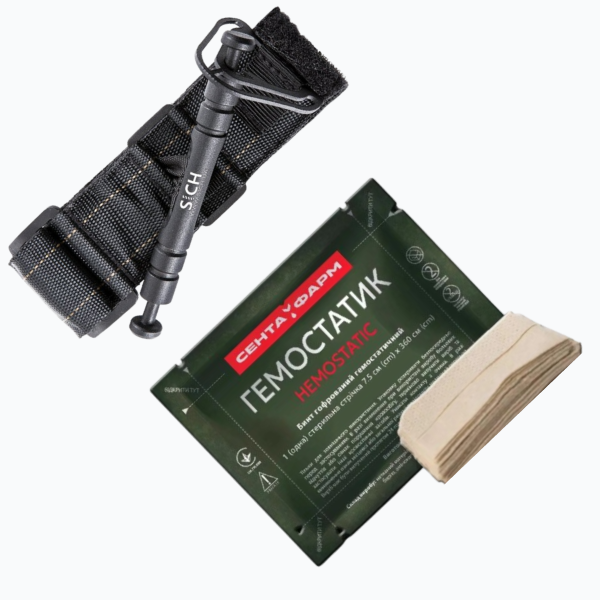
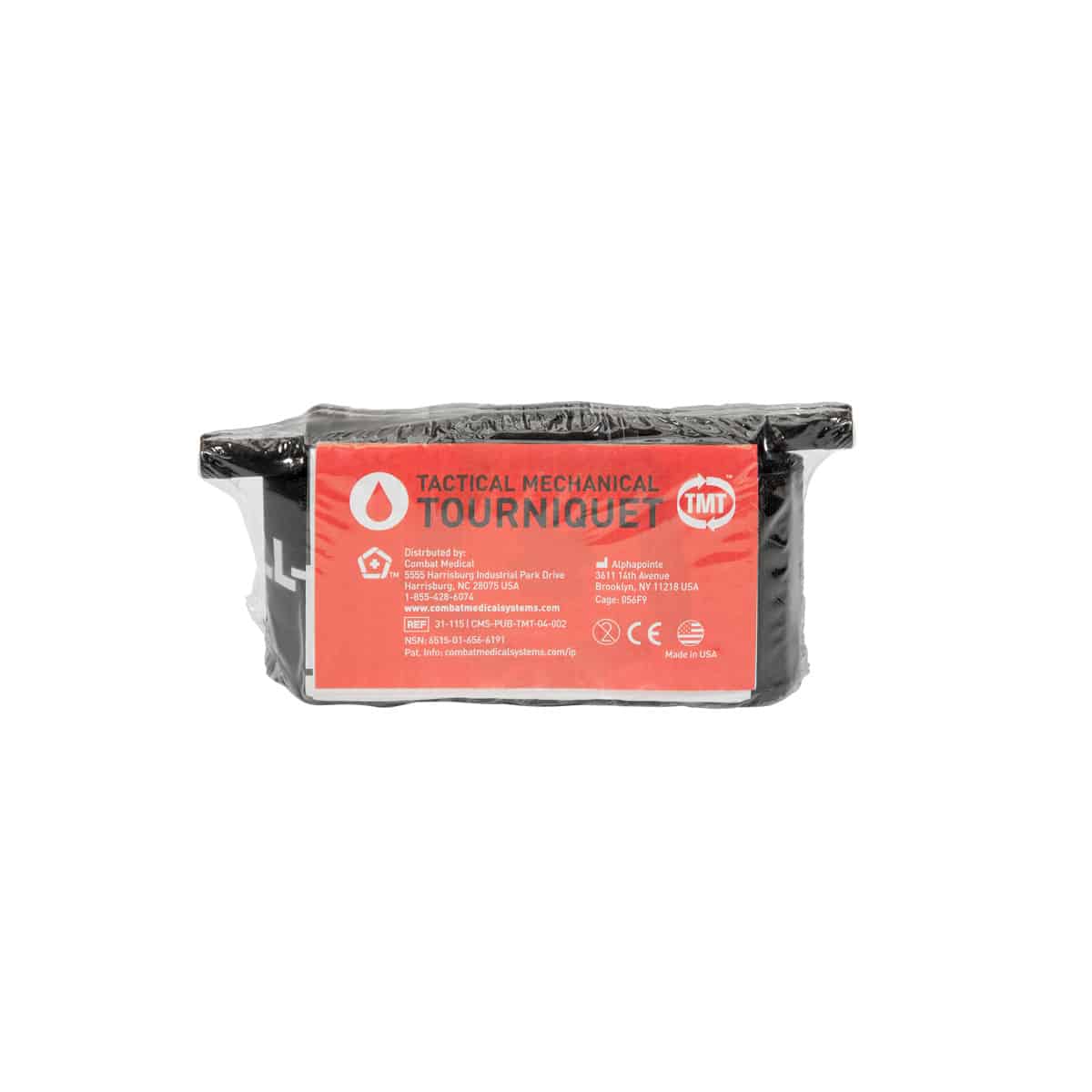
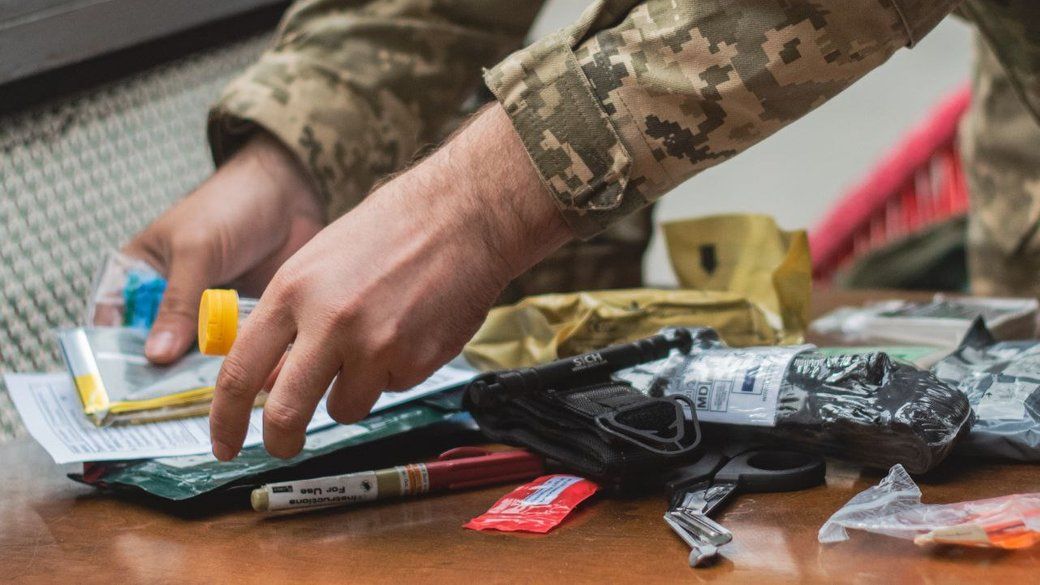
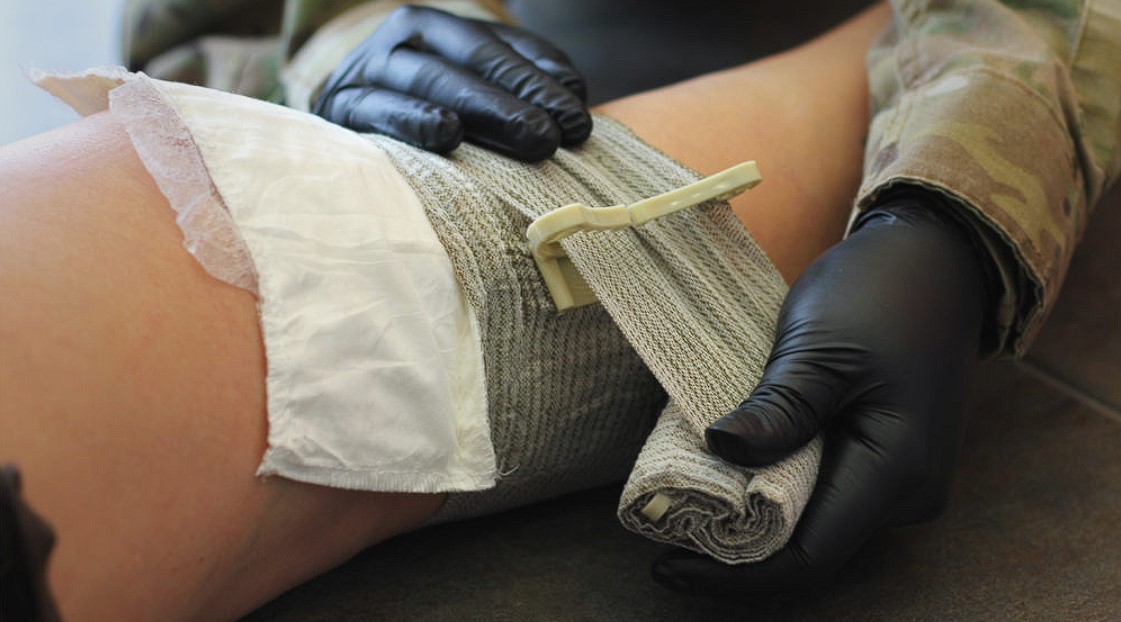
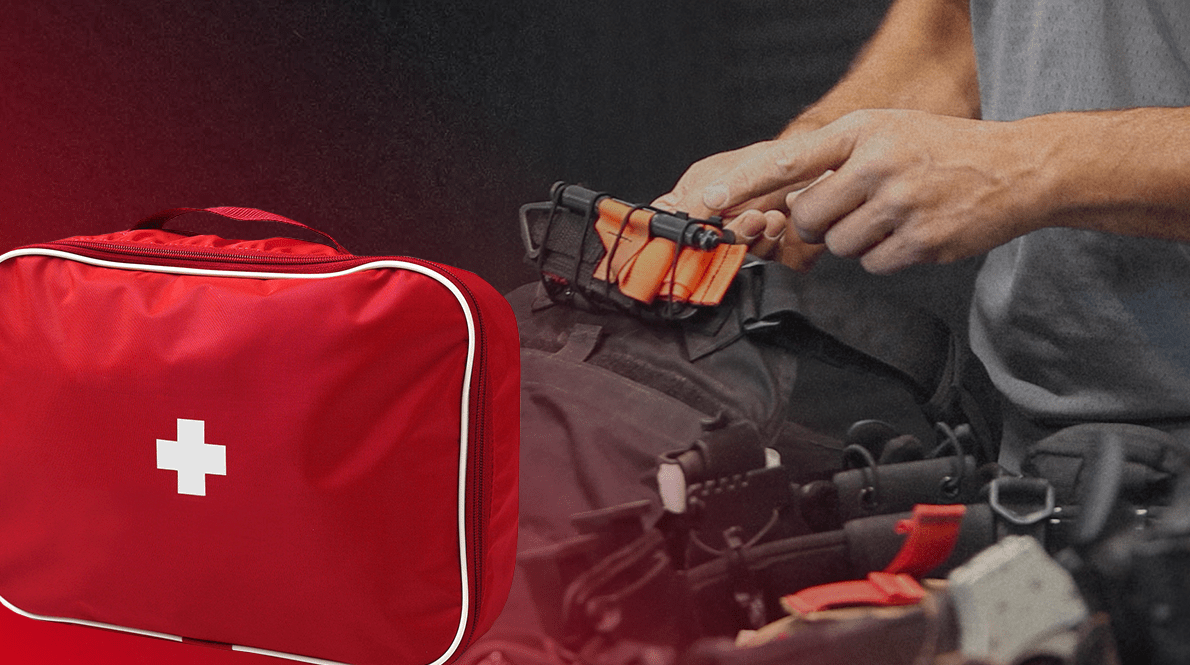
It is well-known that many items found in a standard IFAK can be safely used for dogs. For instance, tourniquets can be applied during massive limb hemorrhaging. Compression dressings used for wound control and hemostatic agents to reduce blood loss are also applicable. The key is to consider the animal's size and the severity of blood loss.
However, if you work with service dogs, you must provide for a range of supplies used exclusively in a K9 kit. First and foremost, you need to ensure you have a muzzle at hand. Even a well-trained dog may instinctively bite when experiencing pain or shock.
It is optimal to use soft muzzles or adjustable models. These can be applied quickly without causing the animal additional stress.
Special Supplies for the K9 Kit
The kit should include specialized bandages and wraps that are smaller and adapted to the animal's anatomy. These are most often used for paws, the rump, and the neck. Universal human supplies are not always suitable due to the animal's body shape.
Additionally, a thermal blanket should be included to prevent heat loss. This is extremely relevant for kits used during the cold season.
How to Evacuate an Injured Dog
The need for the earliest possible evacuation to provide professional medical care deserves separate mention. For this purpose, specialized slings, straps, and stretchers can be used. This allows for the safe relocation of the animal without exacerbating its injuries.
Ensure the presence of restraint tools, which simplify the transportation process. This is a crucial part of the K9 kit.
Another point not to be forgotten: the effectiveness of K9 tactical medicine directly depends on personnel training. One must clearly understand operational algorithms and possess the skills to quickly assess the dog's condition and the necessity of using specific tools. This significantly increases the animal's chances of survival.
It is also important to know the animal's baseline physiological indicators to assess respiratory rate, pulse, mucous membrane color, and other characteristics. This allows for a rapid evaluation of the dog's condition and the decision on what aid is required. It is vital to reduce the load on the animal in a short timeframe while maintaining a calm environment and monitoring all changes in its state.
In this way, you can not only save the dog's life but also ensure the integrity and safety of the personnel.