Breathing Assessment and Support Supplies for the MARCH Algorithm
The letter R in the MARCH sequence stands for Respiration. At this stage, responders assess breathing, examine the chest, and identify trauma that may impair lung ventilation. Priority conditions include open chest defects and suspected tension pneumothorax. Care may involve chest seals, decompression needles, and other equipment, depending on the responder’s level of training.
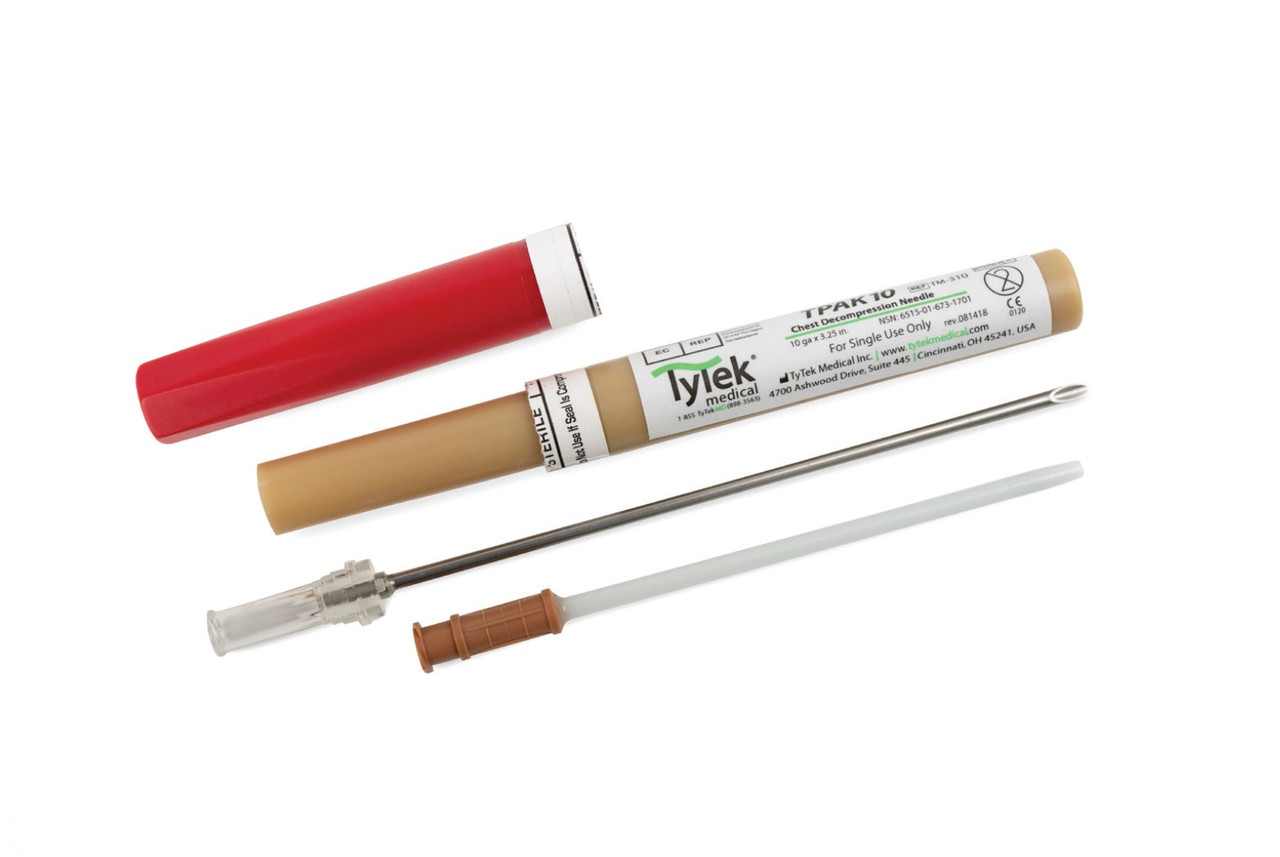
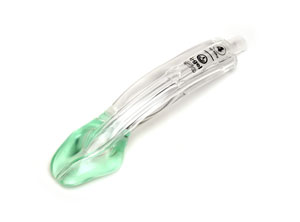
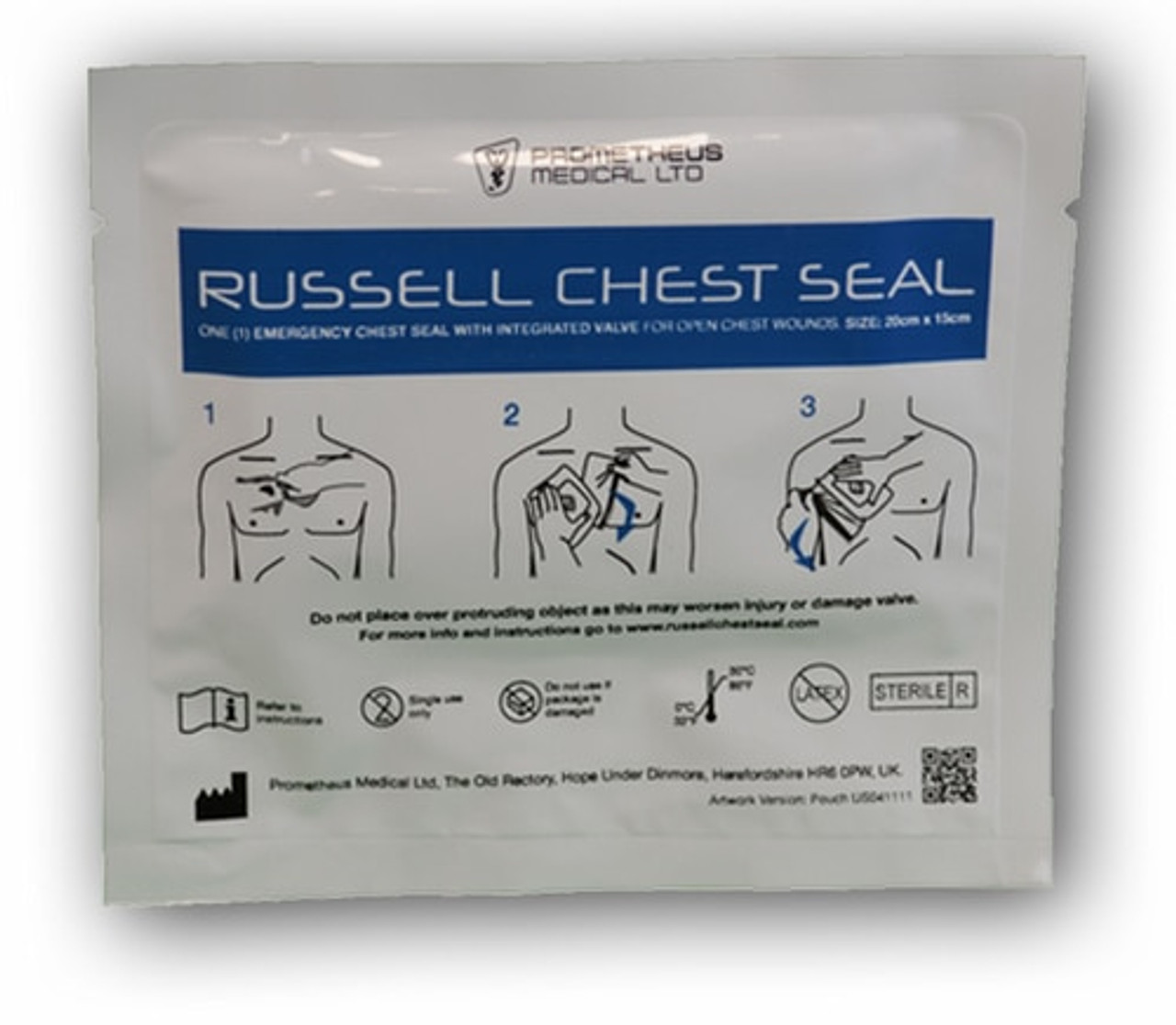
The TacMed category features vented and non-vented Russell Chest Seal, HyFin, H*VENT, FoxSeal, Beacon, and HALO dressings; ARS, TyTek, and AeroVent decompression needles; a bag-valve mask (BVM); and i-gel supraglottic airways. The range includes single seals, two-piece sets, combination packs, and professional chest decompression equipment.
What is assessed at stage R?
Assessment begins after controlling severe bleeding and checking airway patency. Responders examine the front, sides, and back of the chest when the situation and the person’s condition allow. They look for open wounds, deformities, bruising, foreign objects, and asymmetrical movement during inhalation.
The rate, depth, and pattern of breathing are assessed over time. Difficulty inhaling, worsening shortness of breath, cyanosis, altered consciousness, or a declining condition after torso trauma require a quick response and handover to medical personnel. A single symptom is not enough to determine the cause, so responders assess the full set of signs.
Penetrating trauma can create a passage between the pleural cavity and the outside environment. Air may pass through the wound during breathing, interfering with normal lung function. A dedicated chest seal is used to cover this defect.
Tension pneumothorax involves air building up under pressure in the pleural cavity. The condition can progress quickly and may require decompression by someone with the appropriate training. The Joint Trauma System covers breathing assessment, chest seal application, and needle decompression in a dedicated TCCC training module.
Which supplies are included in the R category?
Products in this section serve different purposes. A chest seal covers an open chest wound. A decompression needle is intended for an invasive procedure when indicated. A BVM and supraglottic airways support ventilation and airway management when used by trained professionals.
The category includes these product groups:
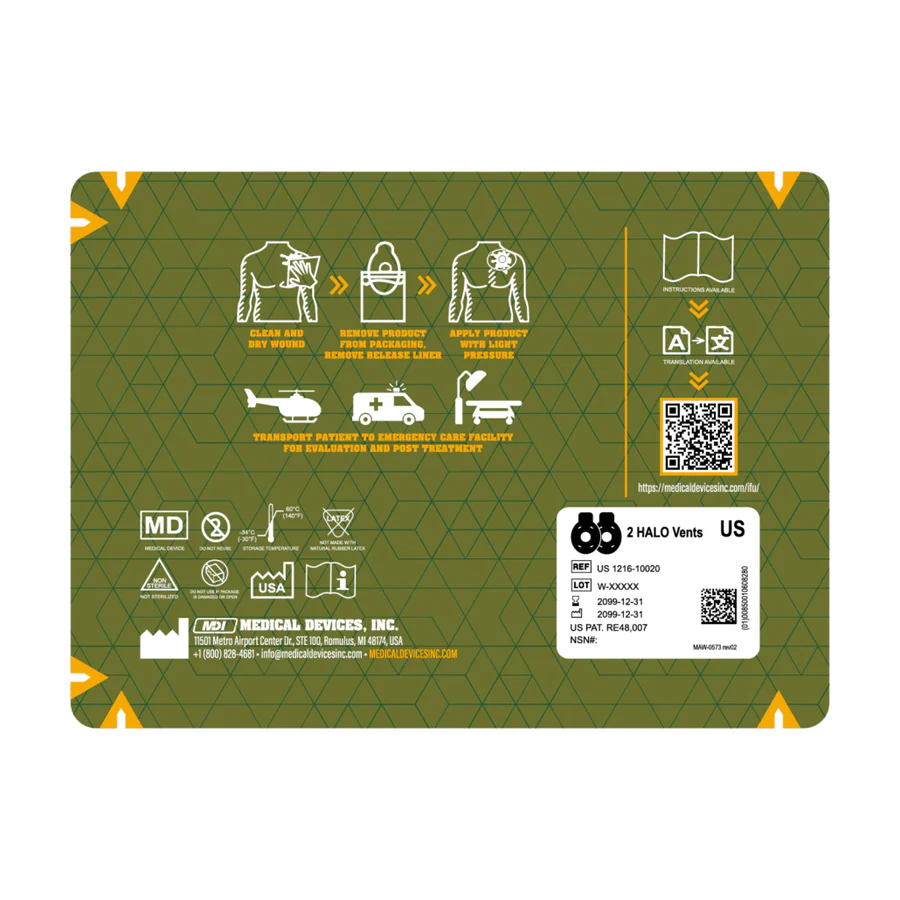
- Vented chest seals. They have a valve or channel system that allows air and fluid to escape from beneath the dressing. Products in this group include HyFin Vent, H*VENT, Beacon Chest Seal Vent, HALO VENT, and FoxSeal Vent.
- Non-vented chest seals. They create a continuous airtight barrier over the wound. The catalog includes non-vented HyFin, FoxSeal, some HALO models, and other options.
- Two-seal packs. Twin Pack and Combo Pack allow responders to cover multiple defects or entry and exit openings. The two products may have the same or different designs.
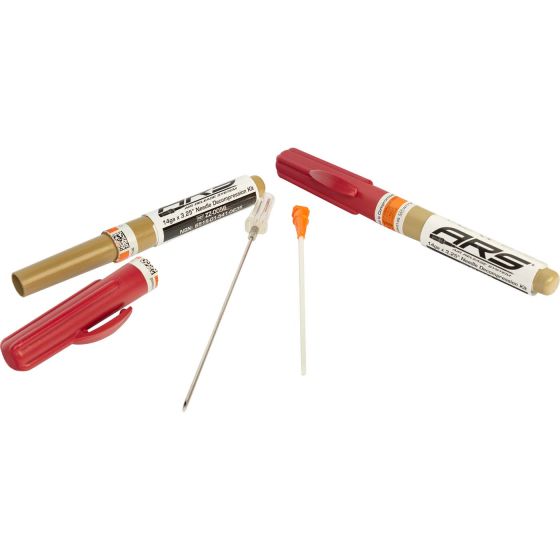
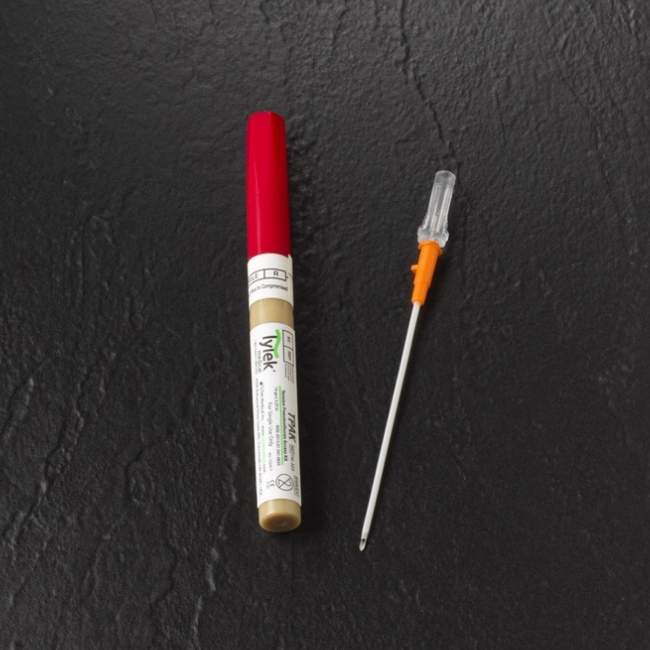
- Decompression needles. The catalog includes ARS 14G, TyTek 10G and 14G, AeroVent 10G, and other models. They differ in gauge, catheter length, package design, and additional features.
- Ventilation supplies. A BVM is used with a face mask or compatible airway. i-gel devices are supraglottic airways for trained medical personnel.
A chest seal is included in individual and extended medical kits. A decompression needle requires separate training and clear indications. Its inclusion in a first aid kit should match the user’s qualifications. After any intervention, breathing is reassessed because a person’s condition can change during transport.
Chest seals for chest trauma
A chest seal consists of an airtight polymer backing and medical adhesive. It covers an open defect in the chest wall and limits air entering through the wound channel. Many models have large pull tabs, contrasting details, and a transparent backing to make application easier.
The adhesive surface must contact the skin around the entire defect. Blood, sweat, water, hair, and debris can impair adhesion. The area is therefore cleaned and, when possible, dried according to the training protocol before application.
The size of the backing determines how much area it can cover around the wound. Compact models are convenient for an IFAK, but larger defects or an uneven surface may call for a seal with a wider backing. When choosing one, consider both the product dimensions and the size of its packaged component.
After securing the dressing, check its edges, valve, and the person’s breathing. The seal may shift during movement, become contaminated, or partially detach. Regular reassessment remains part of care.
Vented and non-vented Chest Seals
A vented chest seal has one or more channels that allow air and fluid to escape from beneath the dressing. Valve design varies by model. HyFin Vent uses ventilation channels, H*VENT has a laminar system, and some other products have a central valve or radial drainage channels.
TCCC recommendations favor a vented seal for open chest wounds. If one is unavailable, a non-vented option may be used with close monitoring of the person’s condition. Worsening respiratory distress requires a response according to the training protocol and medical support.
A non-vented seal has a simpler, continuous design. It creates an airtight covering and often takes up little space in a first aid kit. This type of product calls for particularly close breathing checks after application.
The choice between designs depends on the user’s training and the approved kit configuration. A valve does not remove the need to clean the skin, check adhesion, and assess the person. Blood or debris may block the channels, so their condition must also be monitored.
Single seals, Twin Pack, and Combo Pack
One penetrating injury can have several external openings. A visible defect on the front of the chest does not rule out another on the side or back. For this reason, responders examine all accessible sides.
Twin Pack contains two chest seals of the same type. TacMed offers HyFin Vent Compact Twin Pack, HyFin Vent Twin Pack, FoxSeal packs with two products, and HALO VENT in pairs. This format allows responders to cover two identified openings or keep the second seal as a spare.
Combo Pack may combine a vented and a non-vented model. This lets the user select a design based on the location of the defects and ease of application. For example, a vented seal may be used on a flat area on the front of the chest, while another design may be better suited to a more complex surface, according to the user’s protocol.
A two-seal pack takes up more space than a single product, so compare its dimensions with the first aid kit pocket. Compact versions are designed for tightly packed IFAKs. Full-size models provide a wider area of coverage around the wound.
Adhesive and packaging for chest seals
The adhesive determines how well the product stays in place during movement and evacuation. Field use calls for an adhesive backing designed to withstand moisture, sweat, and blood residue. Even a specialized adhesive performs better after the skin has been cleaned.
A transparent backing makes it easier to visually check the wound and seal placement. Opaque models may have visible labels and contrasting pull tabs. The package color can also affect how quickly the product is found in a pouch.
The package should open with gloved hands and in low light. Tear notches, large gripping tabs, and a clear sequence for removing the protective film reduce the number of small manipulations. Practice opening the package with a training product before adding it to a first aid kit.
Intact, airtight packaging protects the adhesive surface from drying out and contamination. Punctures, tears, or separated seams may affect the product’s condition. Replace a damaged component before returning the kit to service.
Decompression needles
A decompression needle consists of a needle introducer and a catheter, which is intended to allow air to escape from the pleural cavity after insertion. Product specifications list the gauge, catheter length, package type, and design features. A lower Gauge number indicates a larger outer diameter.
TacMed offers 10G, 14G, and 15G models. Brands include ARS by North American Rescue, TyTek, and AeroVent. When selecting a model, medical personnel check that its diameter and length match the current protocol, and inspect the protective container for damage.
Needle decompression is an invasive procedure. Incorrectly assessing the indication or making a technical error can damage the lung, blood vessels, nerves, or other anatomical structures. Only someone who has completed the appropriate course and practical skills assessment should use a decompression needle.
The insertion site, angle, depth, and follow-up checks are determined by the current protocol and the user’s training. A product description in a category page is not an instruction for performing the procedure. Maintaining this skill requires practical training on simulators.
BVM and supraglottic airways at stage R
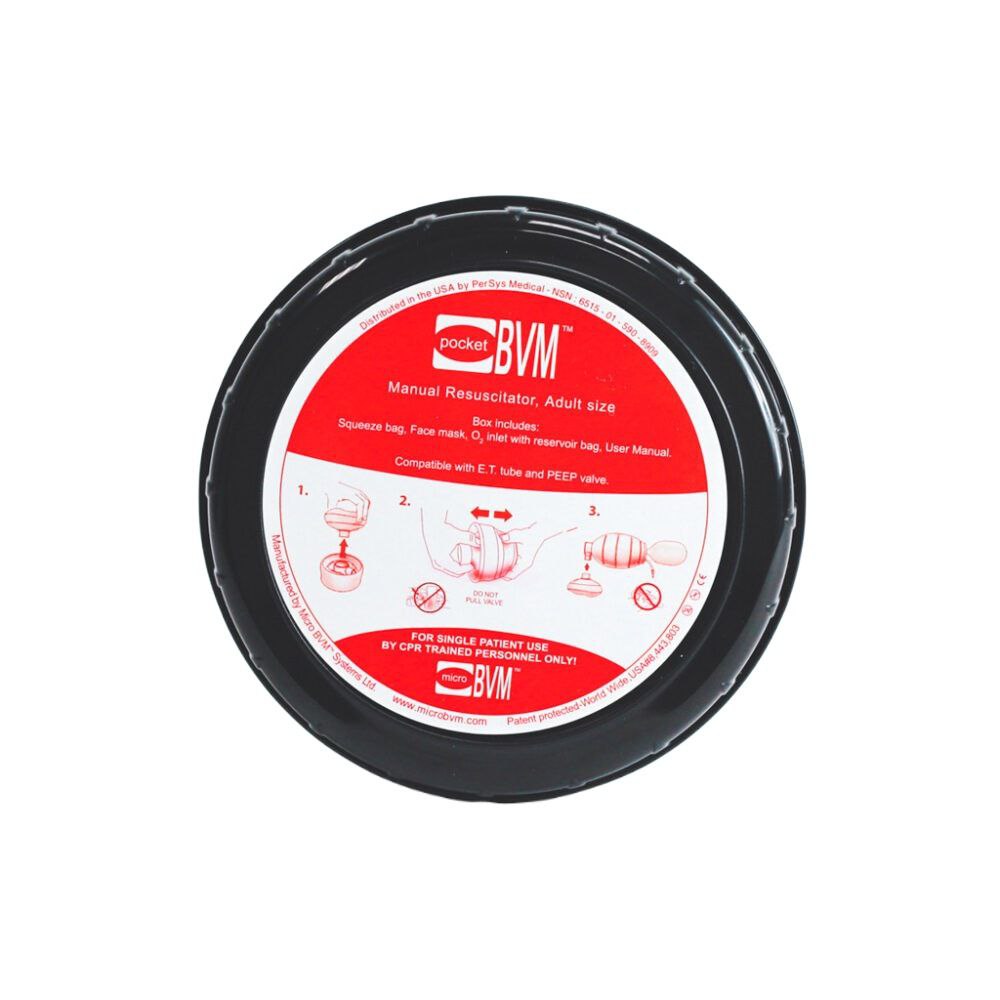
A BVM supports ventilation through a mask or an inserted airway. A trained medical professional may use it when the person’s spontaneous breathing is inadequate. Its effectiveness depends on airway patency, a tight mask seal, and controlled delivery of air.
The i-gel airway provides a ventilation route at the entrance to the larynx. The catalog offers size 4 for people weighing 50–90 kg and size 5 for those weighing over 90 kg. This is professional equipment that requires training in insertion, securing, and position checks.
BVMs and i-gel devices are also associated with stage A because effective ventilation requires a patent airway. At stage R, responders assess the result by checking chest movement, breathing rate, system seal, and other available indicators. If the person’s condition worsens, reassess the entire MARCH sequence.
How to choose a chest seal and other stage R supplies
Select the kit based on the user’s training, first aid kit format, and expected evacuation time. For an individual kit, priorities include quick access, compact packaging, and the ability to cover more than one defect. A medic’s backpack may contain several types of Chest Seal, decompression needles, a BVM, airways, and monitoring supplies. All components should match the current approved equipment list.
Check the following before ordering:
- Chest seal type. A vented product has channels or a valve; a non-vented product creates a continuous barrier. Choose according to the applicable training protocol.
- Number of products. Twin Pack or Combo Pack allows the user to cover two openings or keep the second seal as a spare.
- Backing area. A larger product provides a wider margin around the wound. A compact model takes up less space in an IFAK.
- Valve design. Assess the number and location of the channels, whether they can be cleared, and how easy they are to check after application.
- The backing should be designed for field conditions. Actual adhesion also depends on skin preparation.
- Packaging format. The package should fit in the pouch, open with gloved hands, and protect the adhesive surface from damage.
- Decompression needle specifications. Medical personnel check the Gauge, catheter length, sterility, container, and compatibility with the current training program.
- Training level. Chest seals also require practical application. Decompression needles, BVMs, and supraglottic devices should be assigned to users with the appropriate skills.
After purchase, arrange the supplies in one functional section. Seals should be accessible without removing the entire contents of the first aid kit. Trauma shears and a skin-cleaning wipe should be accessible before or at the same time as the Chest Seal. Protect decompression needles in a rigid container to prevent accidental damage.
Check the layout during practical training. Open the pouch while wearing gloves, lying down, and in limited light. After the session, keep operational disposable components sealed in their packaging. Use training seals and needle simulators for repeat practice.
Common mistakes when assembling a kit
One common mistake is buying only one small seal. Penetrating trauma may involve several openings, and the location of the wound may call for a larger adhesive backing. Twin Pack helps reduce the chance of not having a second product available.
Another issue is not carrying anything to clean the surface. Blood, moisture, and debris reduce the adhesive’s contact with the skin. A wipe or gauze takes up little space and helps prepare the area for application.
Sometimes a seal is placed over folds in clothing or gear. For an airtight seal, it must contact bare skin directly around the wound. Hair and an uneven surface can also create gaps beneath the edges.
A decompression needle in the kit of someone without the proper training presents a separate risk. Having the device does not provide the skills needed to diagnose tension pneumothorax or perform the procedure. Kit contents should match the user’s qualifications.
Storage of respiratory care supplies
Store chest seals in their original airtight packaging. Protect them from punctures, overheating, temperatures below the manufacturer’s specified range, and constant pressure from sharp objects. Damaged packaging may affect sterility and adhesive performance.
Keep the decompression needle in its rigid protective container. Before adding it to a kit, check the cap, sterile barrier, gauge label, length, and expiration date. After use, dispose of it in a container for sharp medical waste.
Inspect the BVM periodically and check it according to the manufacturer’s instructions. Examine the bag, valves, mask, reservoir, tube, and connectors. Replace opened disposable filters and contaminated components.
Buy stage R supplies at TacMed
The TacMed online store offers vented and non-vented chest seals, Twin Pack and Combo Pack Chest Seal sets, decompression needles, BVMs, and supraglottic airways. The catalog includes products by North American Rescue, Safeguard Medical, H&H Medical, Beacon, HALO, Celox, TyTek, Intersurgical, and other manufacturers.
For a complete kit, you can also choose a field first aid kit, trauma shears, stage A supplies, airway devices, and a thermal blanket. Product specifications, contents, price, and availability are listed on the product pages.
Delivery is available to Kyiv, Lviv, Odesa, Kharkiv, Dnipro, Zaporizhzhia, Vinnytsia, Poltava, Cherkasy, Zhytomyr, Chernihiv, Rivne, Lutsk, Ternopil, Ivano-Frankivsk, Uzhhorod, Chernivtsi, Khmelnytskyi, Kropyvnytskyi, Mykolaiv, Sumy, Kherson, and other cities across Ukraine.
FAQ
What does the letter R mean in the MARCH algorithm?
R stands for Respiration. This stage includes breathing assessment, chest examination, sealing open defects, and addressing other life-threatening chest trauma within the responder’s level of training.
What is a chest seal used for?
A Chest Seal covers an open chest wound and limits air passing through a defect in the chest wall. After applying it, regularly check breathing and the condition of the dressing.
Which seal is better: vented or non-vented?
TCCC recommendations favor a vented model. A non-vented seal may be used when a vented one is unavailable, with close follow-up monitoring of the person.
Why does a kit contain two chest seals?
A pair allows the user to cover multiple wounds, including possible entry and exit openings. The second product can also serve as a spare if the first one is damaged or does not adhere properly.
How does HyFin Vent Compact differ from standard HyFin Vent?
The compact version has smaller packaging and takes up less space in an IFAK. Choose the full-size model when a larger coverage area is the priority.
What is a decompression needle used for?
The product is intended for needle decompression of the chest when indicated. The procedure requires specialized training, diagnostic skills, and adherence to the current protocol.
What do the 10G and 14G markings mean?
Gauge indicates the outer diameter of the needle or catheter. A lower number corresponds to a larger diameter. Catheter length is also critical when selecting a product.
How should a Chest Seal be stored?
Keep the seal in its original airtight packaging, protected from punctures, overheating, and mechanical pressure. When checking the first aid kit, inspect the expiration date and package seams.