A portable blood and IV fluid warming system
PROMOTION
NEW ITEM
-54%
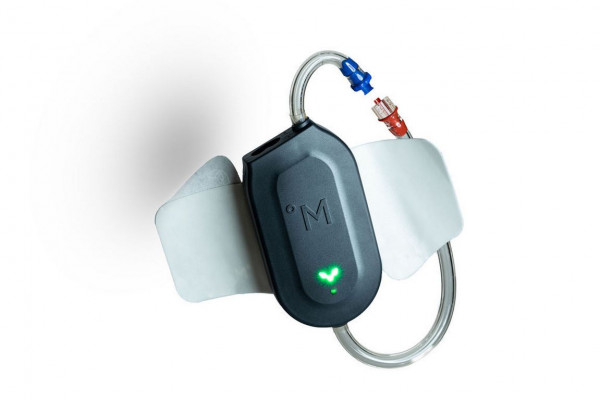
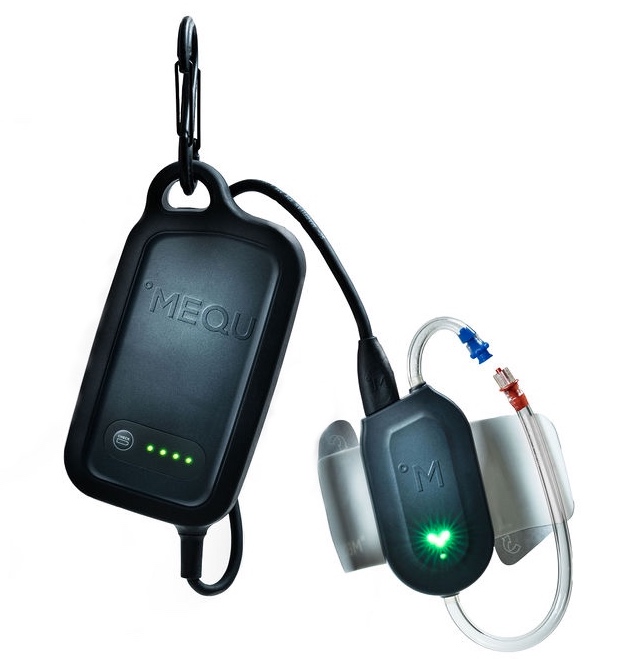
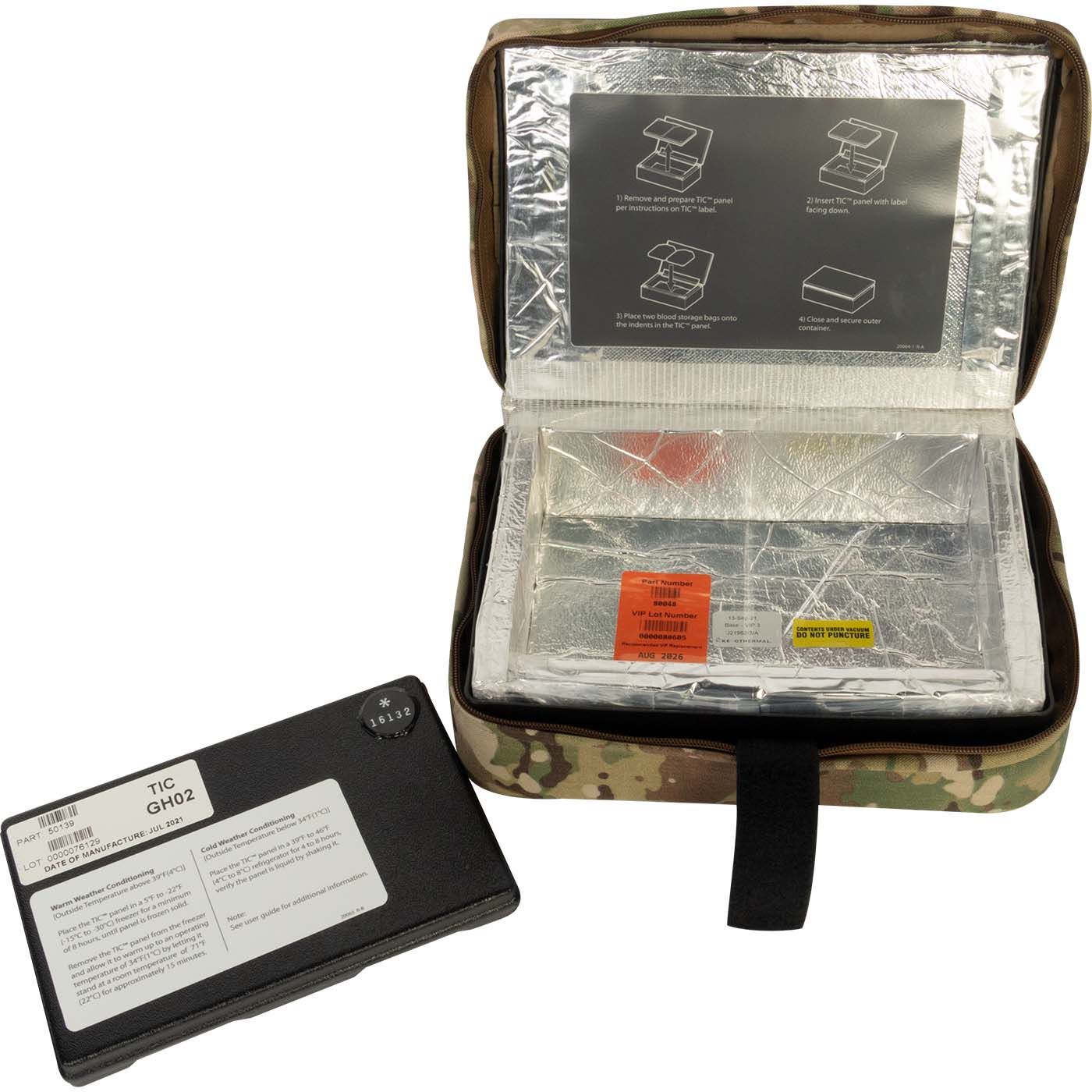
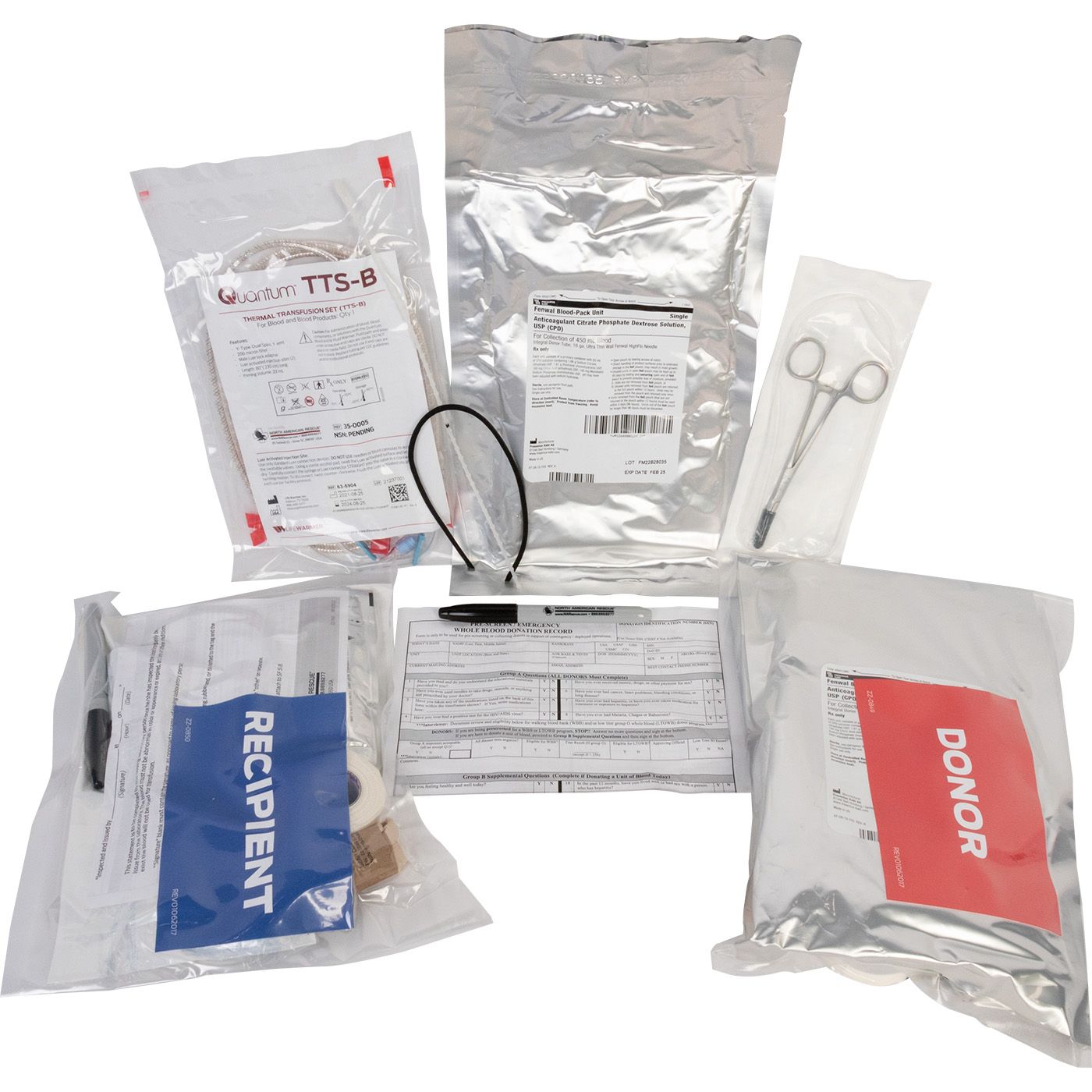
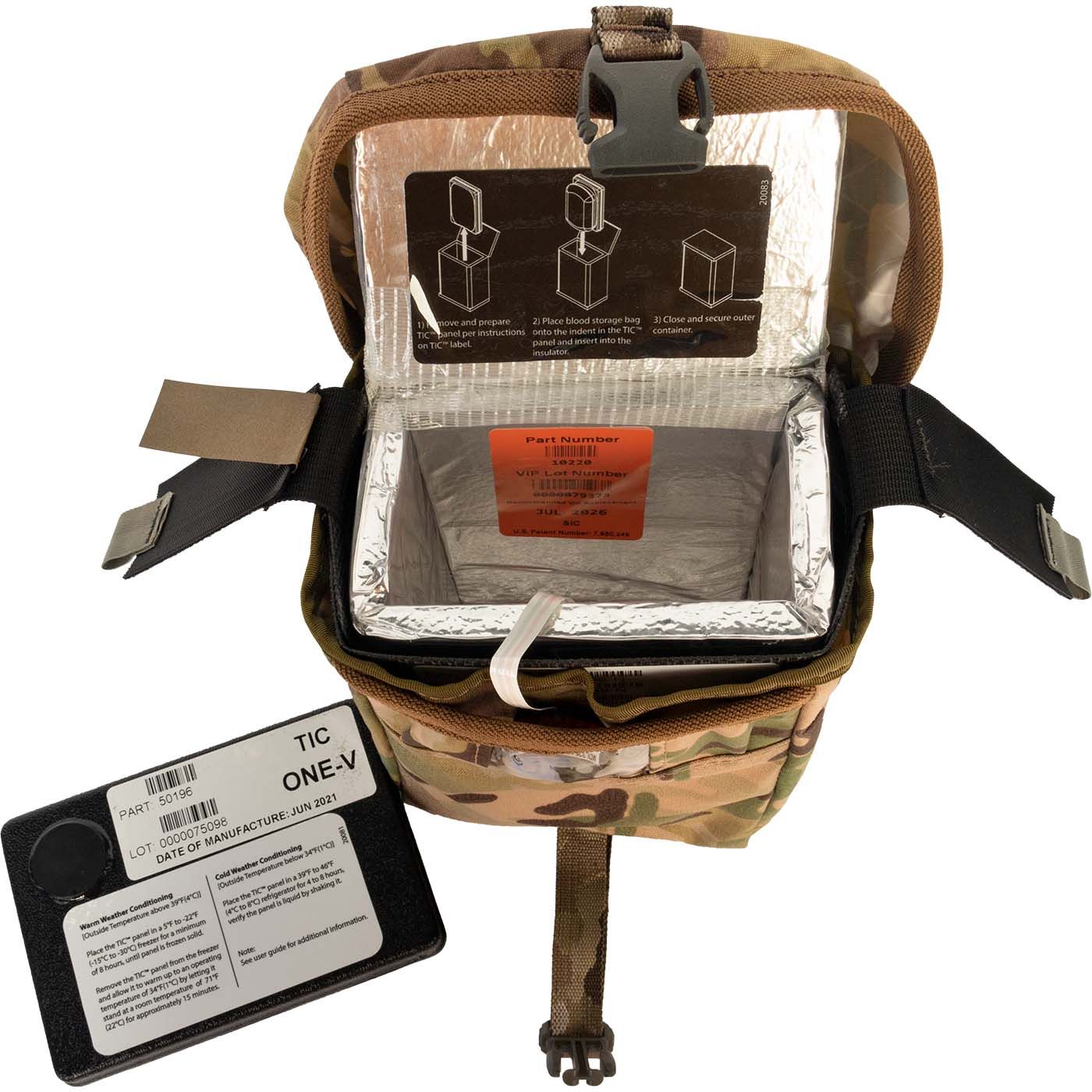
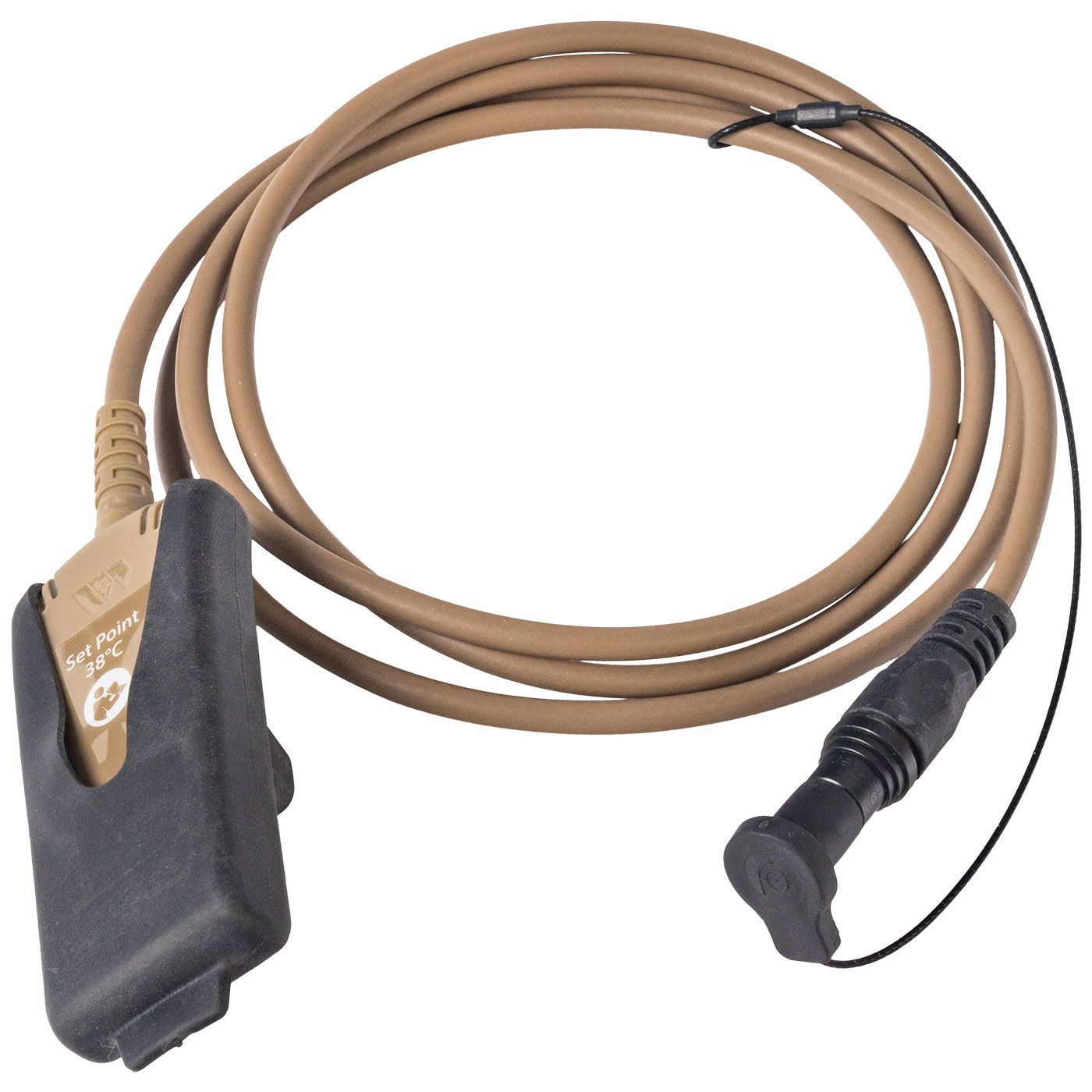
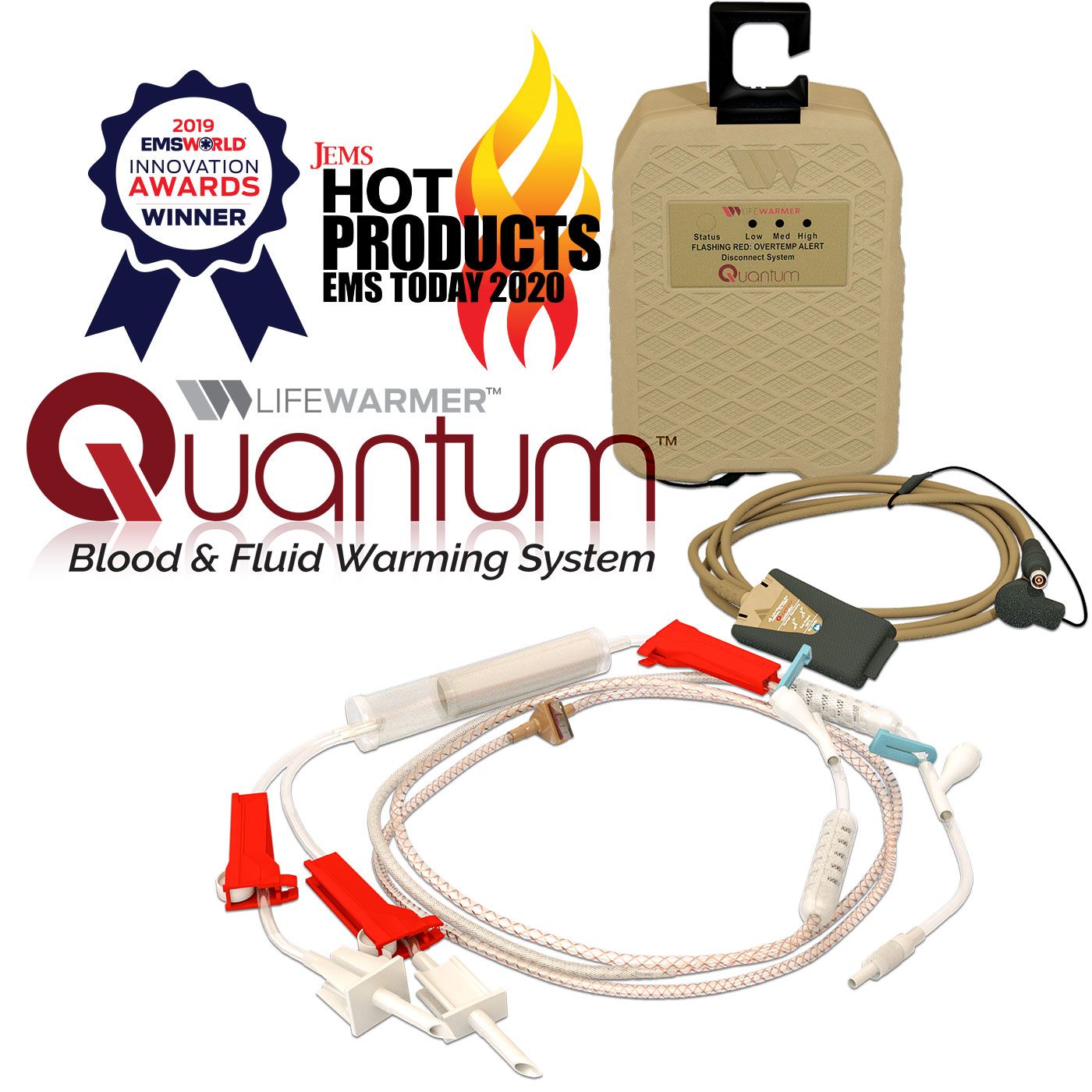
Blood and fluid warmers are specialized medical equipment used to maintain the optimal temperature of fluids during transport and administration in extreme or field conditions. Modern heating systems make it possible to stabilize the temperature of medical solutions and ensure safer and more controlled handling of infusion components in difficult situations. That is why fluid warmers are now actively used in professional medical kits, mobile response teams, and emergency care systems. The TacMed catalog features modern blood and fluid warmers for professional use under increased and limited resources. This allows selecting an effective solution for various usage scenarios with delivery across Ukraine.
In critical situations, the temperature of fluids plays an important role in stabilizing the condition and maintaining safe conditions for infusion therapy. The use of cold solutions in difficult conditions may negatively affect the overall condition of the injured person, especially in hypothermia, prolonged exposure to a cold environment, or significant physical stress. That is why modern warmers allow maintaining the required fluid temperature during transport and administration.
Functionally, fluid warmers ensure temperature control, mobility of use, and adaptation for work in field conditions. Compact design and autonomy allow integrating such equipment into professional medical kits and mobile response systems.
Blood and fluid warmers are used:
It is important to understand that a fluid warmer is specialized equipment that must ensure stable operation even in difficult operating conditions. Therefore, modern systems are designed with an emphasis on reliability, mobility, and energy efficiency.
Modern blood and fluid warmers are designed for use in situations where speed of operation, compactness, and stability of temperature control are important. That is why manufacturers pay special attention to system autonomy, ease of use, and adaptation to mobile conditions.
A well-thought-out design allows quickly integrating equipment into a medical kit and ensuring stable operation even during transport or active movement.
Main features:
Additionally, it is important that modern heating systems are focused on minimizing preparation time for operation. This allows quick use of equipment in situations where speed of action is critical.
Mobile fluid warmers are designed for use in field and extreme conditions where access to stationary equipment is limited. Special attention is given to autonomy, compactness, and energy efficiency of the system. Such solutions allow maintaining the required temperature conditions even during transport or work in low temperatures. This is especially important for mobile medical teams and professional rapid response kits.
Main advantages:
It is also important to consider ease of connection and ergonomics of the equipment. These factors directly affect the efficiency of system use in real conditions.
Autonomous heating systems allow operation independently from stationary power sources and provide flexibility of use in field conditions. Such solutions are especially relevant in situations where mobility and rapid deployment of a medical kit are important.
Modern autonomous warmers have a compact design, a well-thought-out energy consumption system, and adaptation for intensive use. This allows maintaining effective equipment operation even during prolonged use.
Main characteristics:
It is autonomy that makes such systems an effective solution for mobile kits and work in conditions of limited resources.
The choice of a warmer depends on the usage scenario, the format of the medical kit, and operating conditions. The most common mistake is focusing only on compactness without considering functionality and system stability.
To correctly choose a fluid warmer, it is necessary to consider:
These criteria determine the effectiveness of the equipment in real conditions of use. It is important that the system ensures stable operation and meets specific tasks.
Modern blood and fluid warmers are made from materials that ensure resistance to intensive use and stable operation in difficult conditions. The quality of components directly affects the reliability of the system and its durability.
Most commonly used:
Special attention should be paid to protecting the system from external factors and the quality of connections. This ensures stable operation of the equipment in field conditions.
An incorrectly selected heating system may be less effective in critical situations. That is why it is important to consider not only the size of the equipment but also its functional capabilities.
The most common mistakes:
Avoiding these mistakes allows selecting equipment that will be effective in real conditions of use and ensure stable system operation.
Blood and fluid warmers require regular inspection and proper storage. This allows maintaining the equipment in working condition even during prolonged use in field conditions.
It is recommended to:
This approach allows maintaining equipment in readiness for use and minimizes the risk of malfunctions in critical situations.
In the TacMed online store, modern blood and fluid warmers for professional medical kits and field use are available. The catalog also allows ordering compact and functional solutions adapted for mobile use, autonomous operation, and resistance to intensive use, as well as first aid kits and other medical products. We offer affordable prices, and delivery across Ukraine — to Kyiv, Odesa, Lviv, Dnipro, Vinnytsia, Zaporizhzhia, Kharkiv, and other cities.
FAQ
A warmer is used to maintain the optimal temperature of medical fluids in critical situations and field conditions.
Such systems are used in professional medical kits, mobile response teams, and during work in extreme conditions.
Yes, autonomous models are specifically adapted for mobile use and operation in conditions of limited resources.
It is important to consider power type, mobility, energy efficiency, speed of operation, and system resistance to external factors.
It is recommended to store equipment in a dry place, avoid mechanical damage, and regularly check the condition of cables and the power system.
Autonomy allows using the system independently from stationary power sources and ensures mobility of operation in field conditions.