Hypothermia Prevention and Heat-Loss Protection Supplies
A person with trauma can develop hypothermia during care and evacuation, even when the air temperature is above freezing. Significant bleeding, shock, wet clothing, contact with the ground, wind, precipitation, and exposure during examination accelerate cooling. A drop in temperature impairs blood clotting and complicates the course of severe trauma. That is why preventing heat loss is part of stage H of the MARCH algorithm and should begin as early as possible.
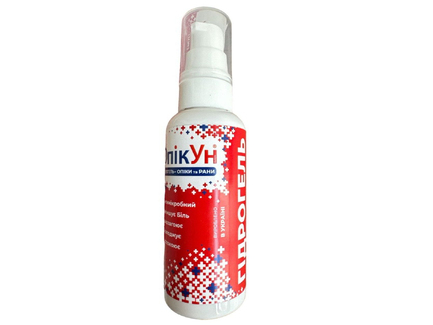
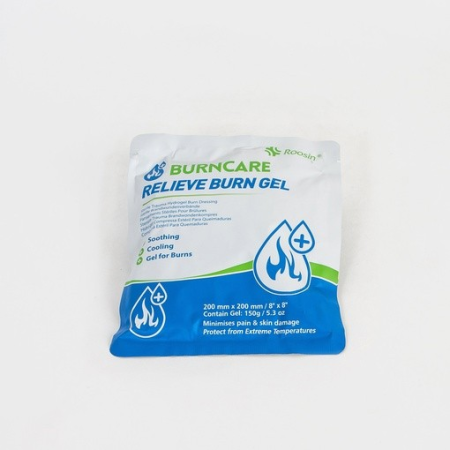
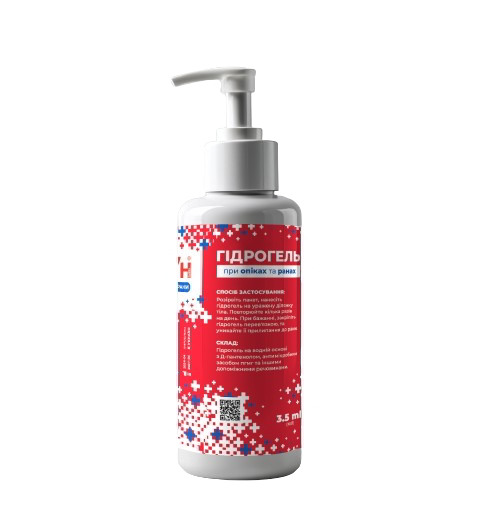
The TacMed catalog features compact emergency thermal blankets, multilayer insulating covers, active warming systems, HPMK and HPMK-I kits, the AIRSHIELD inflatable mat, as well as hydrogels and burn dressings. Available brands include TACMED, North American Rescue, Safeguard Medical, Blizzard, Burnshield, Water-Jel, Roosin, Zentex, and “OpikUn.”
What does stage H of the MARCH algorithm involve?
In the expanded MARCH framework, H stands for Hypothermia/Head Injury: preventing hypothermia and assessing head trauma. After controlling severe bleeding, maintaining airway patency, and assessing breathing and circulation, the person is protected from further cooling. Insulation measures should begin earlier if they do not interfere with addressing immediate threats to life.
During trauma, the body may lose its ability to maintain a stable temperature. The risk increases with significant bleeding, burns, prolonged immobility, and administration of cold IV fluids. Further cooling can occur when a person is left on the ground or in wet clothing.
The Joint Trauma System addresses hypothermia prevention, monitoring, and control in a separate clinical guideline. Current recommendations also emphasize using an insulated shelter system for a person with trauma.
How does a person lose heat after trauma?
Heat is lost in several ways. The body transfers heat to cold ground, a stretcher, or a metal surface through direct contact. Wind increases cooling of exposed skin, while water in wet clothing draws away heat as it evaporates. Some energy is also lost through thermal radiation.
In a person with significant bleeding, the risk of cooling rises because of impaired circulation and reduced heat production. Someone who is immobile cannot warm up through active muscle movement. Medical examination often requires cutting away clothing and exposing large areas of skin, so these areas should be covered again after each intervention.
Hypothermia prevention involves several levels of protection. The person is insulated from the ground, shielded from wind and precipitation, wet clothing is removed or insulated, and exposed skin is covered. When suitable equipment is available, an active heat source is added. During evacuation, the person’s condition and the effectiveness of the shelter are checked regularly.
What hypothermia prevention supplies are available at TacMed?
A single product rarely addresses every source of heat loss. A thin metallized thermal blanket reduces some heat loss, but provides little insulation between the person and a cold surface. An insulated cover traps air and reduces conductive and convective heat loss. An active system additionally generates heat for a set period.
The main product groups in this category include:
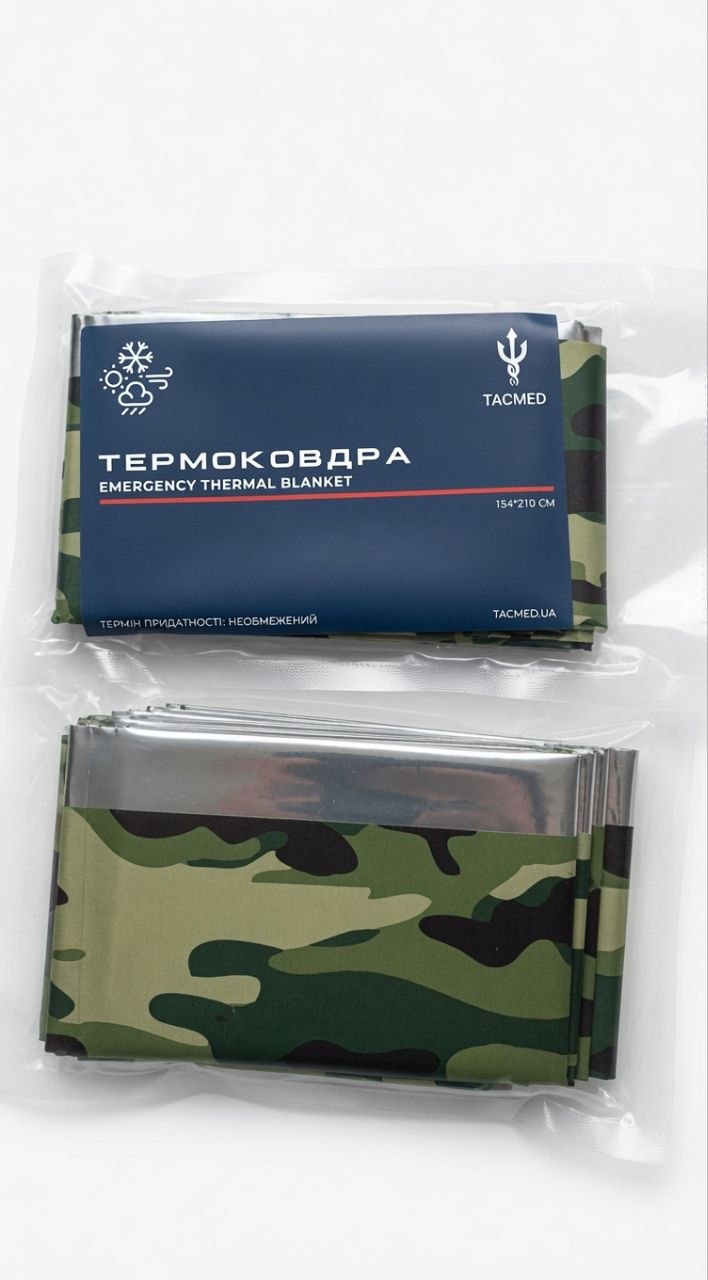
- Compact emergency thermal blankets. Metallized covers are lightweight and fold into flat packaging. They are suitable for personal, vehicle, and civilian first aid kits.
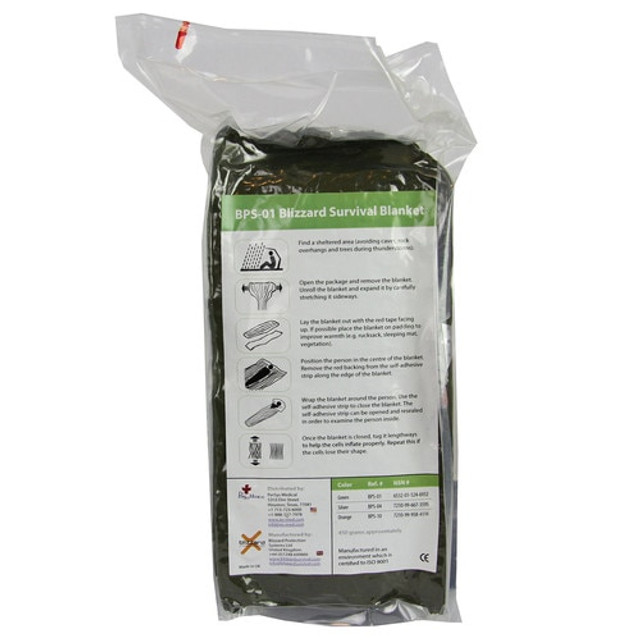
- Multilayer insulated blankets. Blizzard Survival Blanket and similar products combine protection from wind and moisture with air layers or an elastic structure to retain heat more effectively.
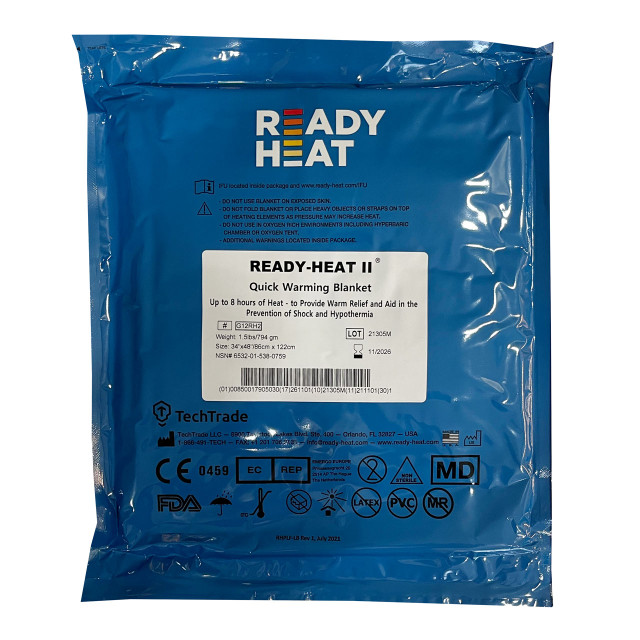
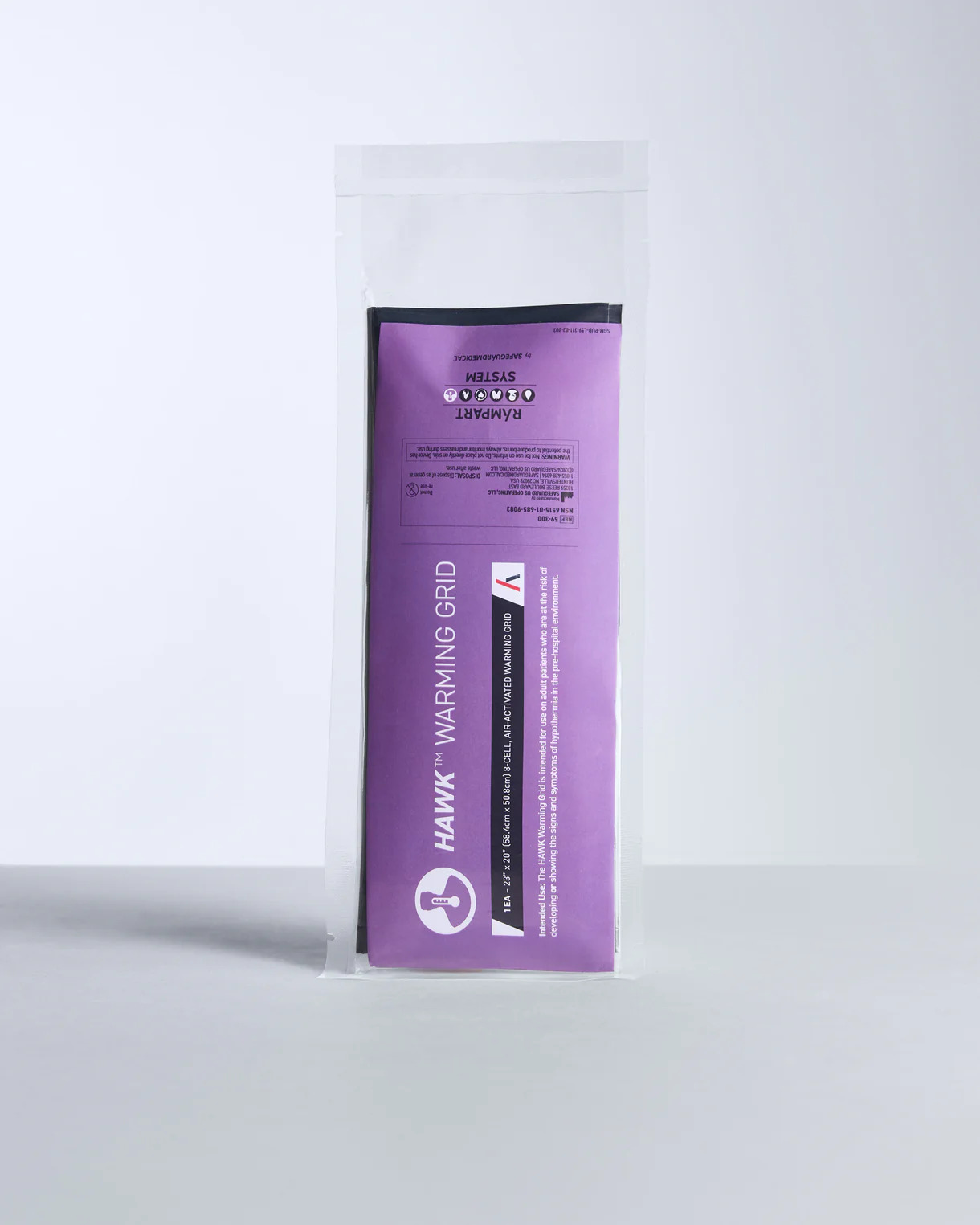
- Active heating elements. NAR Ready Heat 4-Cell, Ready Heat II, and HAWK Warming Grid generate heat after activation. Use them with an insulating shell according to the manufacturer’s instructions.
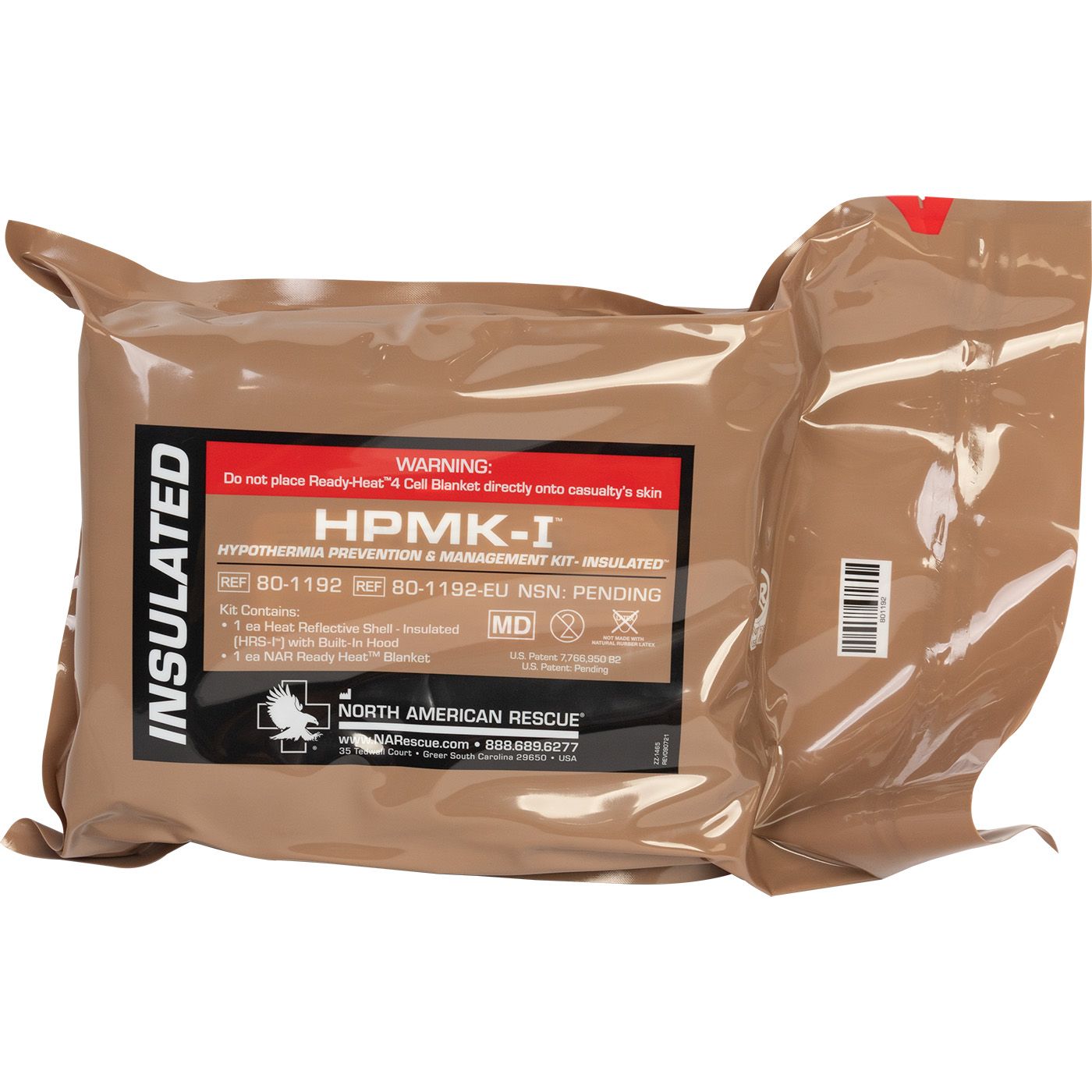
- HPMK and HPMK-I kits. These ready-to-use systems include an insulating or heat-reflective shell and an active heating element. The HPMK-I version has an additional insulating layer.
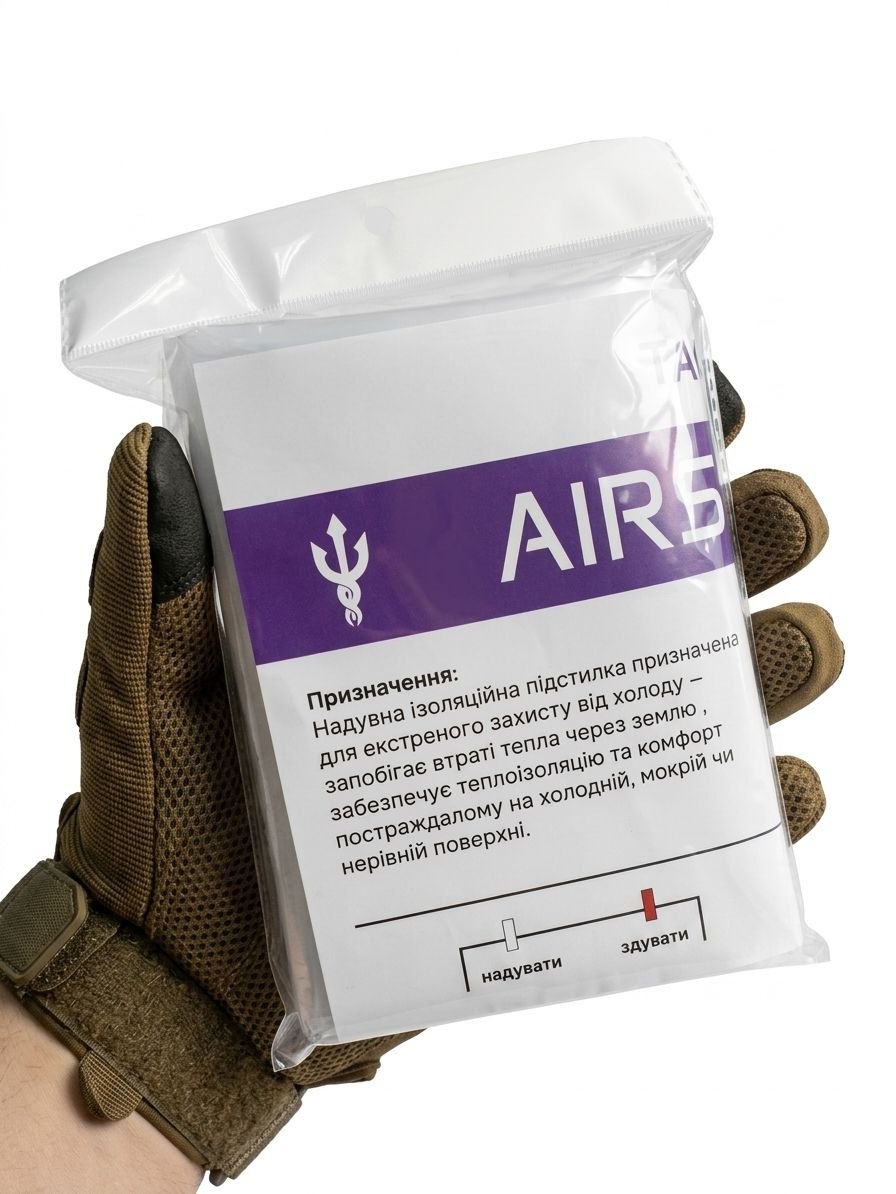
- Ground insulation. The AIRSHIELD inflatable mat creates an air gap between the person and a cold surface. It can be used with a blanket or evacuation system.
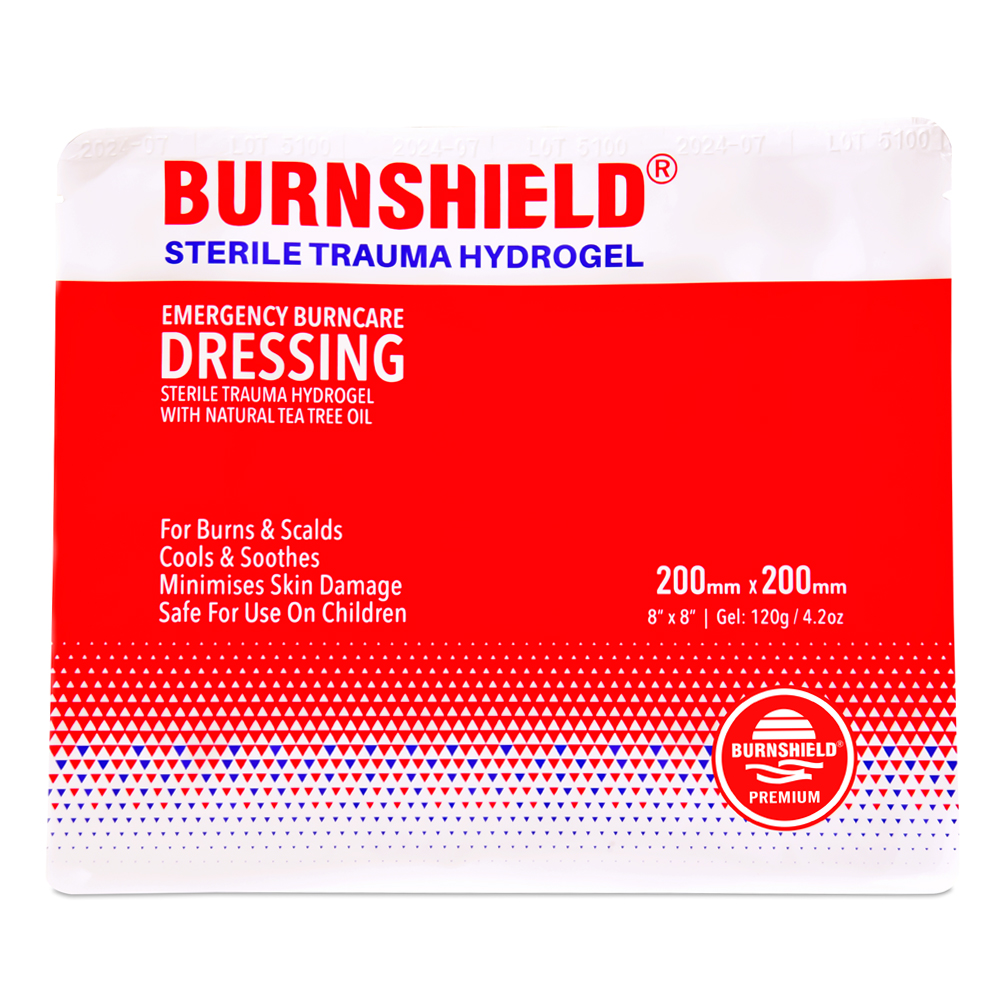
- Burn care supplies. Hydrogels, wipes, and dressings are used to cover and protect burn areas according to their instructions. After initial care, account for the increased risk of overall cooling.
A compact thermal blanket suits a minimal kit where weight and volume are critical. During a prolonged evacuation, one thin cover may not be enough. In that case, ground insulation, a thicker insulating layer, and wind protection are needed. Active warming expands the kit’s capabilities, but requires monitoring the skin and following the instructions.
Compact emergency thermal blankets
An emergency thermal blanket is made from thin polymer material with a metallized layer. When folded, it takes up little space, so it can be easily stored in an IFAK, backpack pocket, vehicle first aid kit, or evacuation kit. The material creates a barrier against wind and moisture and helps reduce heat loss.
TacMed offers compact TACMED camo and winter thermal blankets measuring 154 × 210 cm. This size is sufficient to cover an adult and wrap the edges around the torso and limbs. When choosing one, also consider material strength, package size, and how visible the outer surface is.
A thin thermal blanket provides almost no cushioning from contact with cold ground. Place a hiking mat, folded blanket, gear, or a dedicated inflatable pad beneath the person. The thicker and drier the insulating layer, the less heat is lost through contact with the surface.
Metallized material can be punctured by sharp gear edges and may tear under strong tension. Unfold the blanket carefully, then secure it so the wind cannot uncover the torso. Leave the face uncovered and continue monitoring breathing and level of consciousness.
Blizzard Survival Blanket and multilayer systems
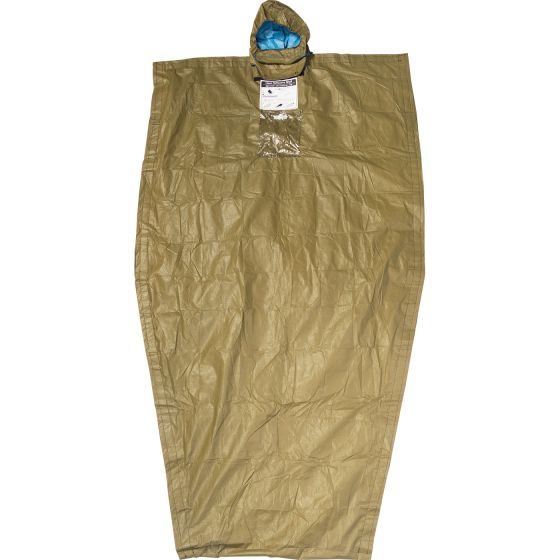
Blizzard Survival Blanket has a multilayer construction that creates a thicker insulating layer. This system is better suited to extended waits, transport, and work in adverse weather. It combines insulation with a barrier against wind and precipitation.
A multilayer blanket takes up more space than a thin metallized model. It is best stored in a medic’s backpack, evacuation kit, vehicle, or aid station. The choice depends on the expected evacuation time, temperature, available transport, and number of people requiring care.
When using the shell, close it snugly around the person while keeping access for repeat examination and dressing checks. Moisture from clothing and bleeding can reduce insulation performance, so it is preferable to create a dry layer between the person and the outer shell. Protect the head from heat loss as well, while keeping the airway clear.
Active thermal blankets and heating elements
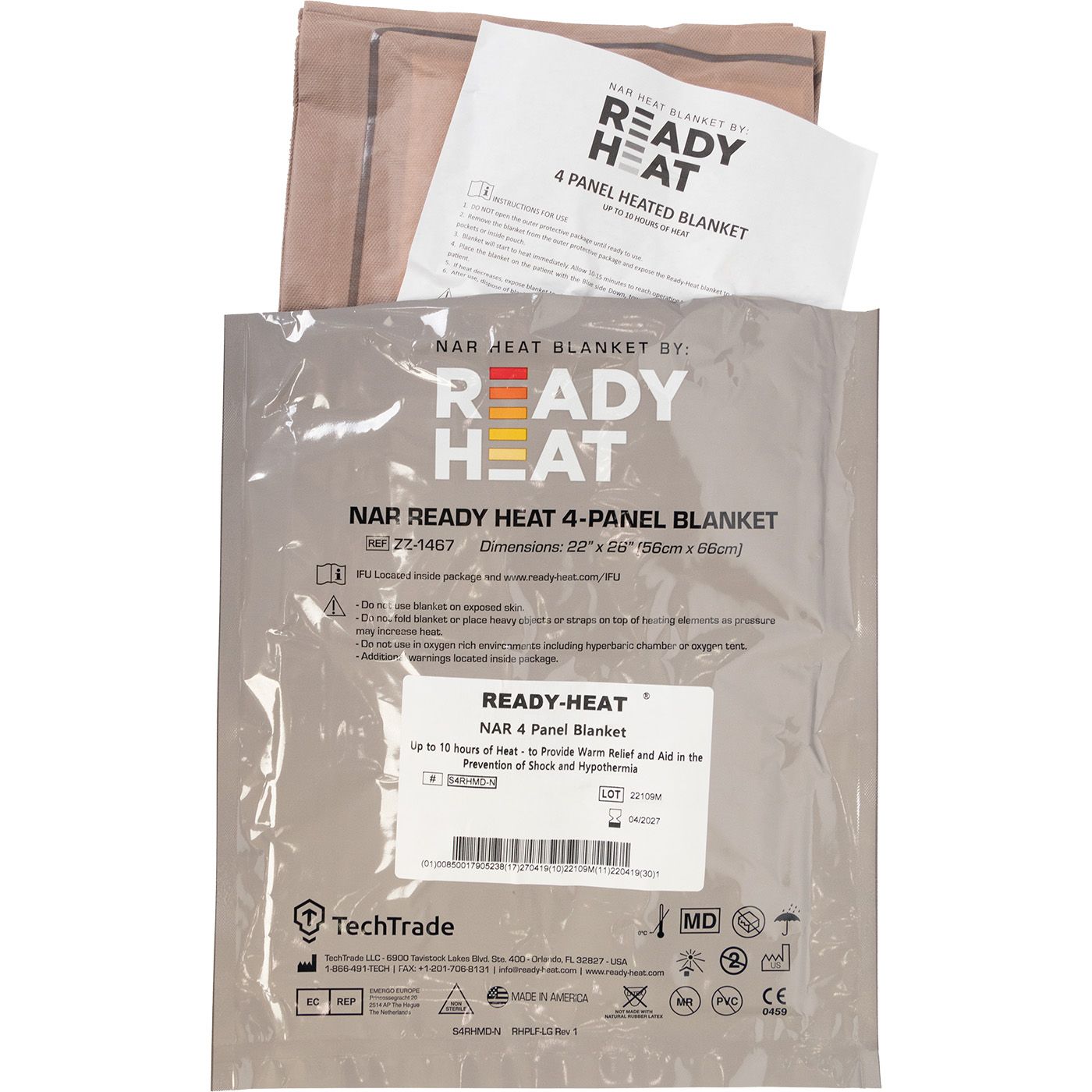
Active systems contain chemical heating cells that start working after the sealed package is opened and the cells come into contact with air. They generate heat without mains power, a battery, or heated water. Operating time and temperature depend on the model.
NAR Ready Heat 4-Cell has a four-cell design and, according to North American Rescue, provides up to 10 hours of dry heat. Its stated maximum temperature is 52 °C. HAWK Warming Grid consists of eight individually sealed cells, each designed to operate for approximately four hours.
Use the heating element according to the manufacturer’s directions and together with a protective layer or shell. Do not place it where excessive pressure, localized overheating, or skin damage may occur. People with reduced sensitivity, impaired consciousness, or significant trauma require particular monitoring.
After activation, the system needs access to air. Covering some chemical heaters too tightly with vacuum-sealed or airtight material may affect their operation. Before use, check the expiration date, package integrity, and the time the model needs to reach operating temperature.
HPMK and HPMK-I kits
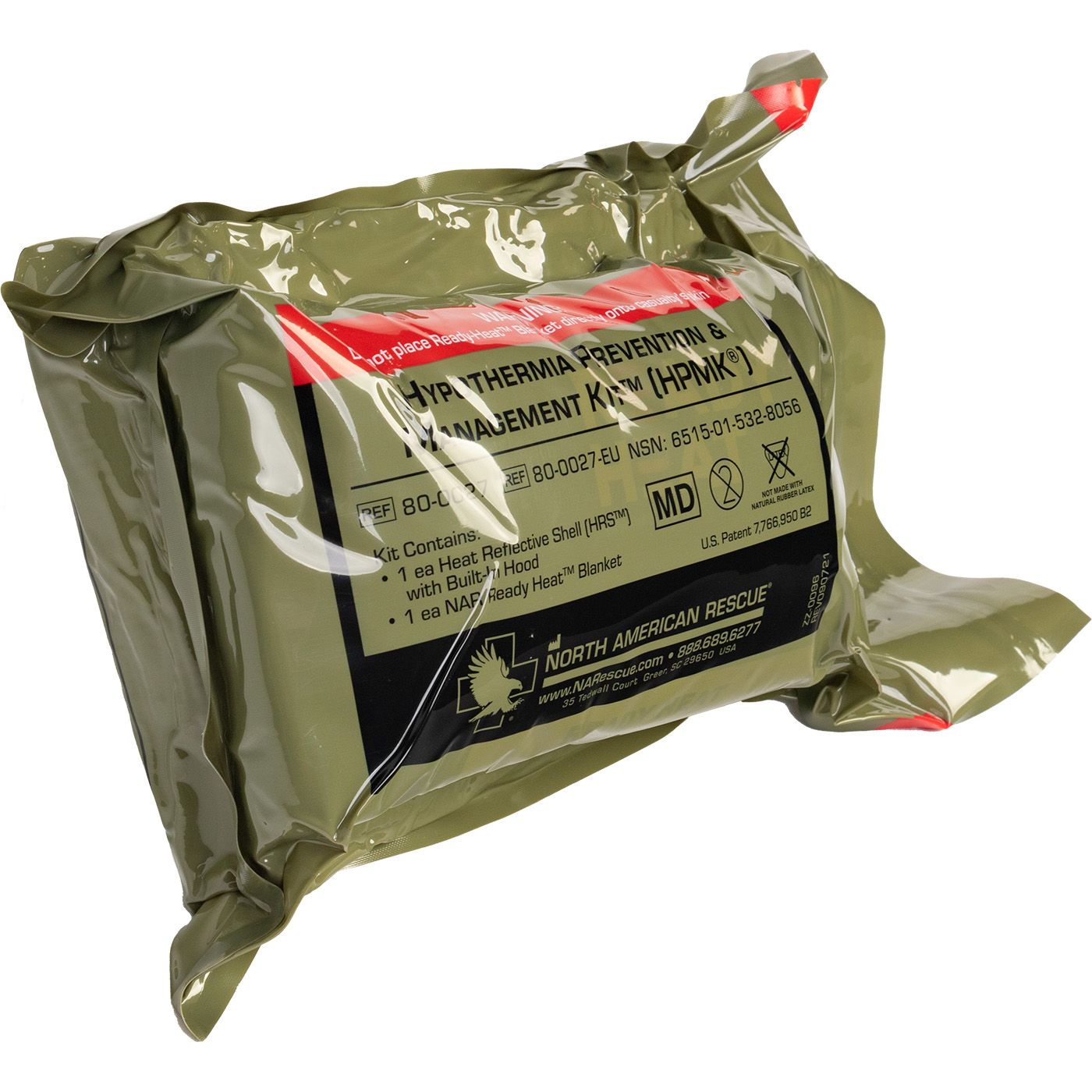
HPMK stands for Hypothermia Prevention and Management Kit. The North American Rescue kit combines a heat-reflective shell with a hood and an active NAR Ready Heat blanket. The outer shell protects against wind and rain, while perimeter fasteners allow access to the person during examination.
HPMK-I is the insulated version of the system. It has a five-layer HRS-I shell with additional Climashield insulation and a four-cell Ready Heat blanket. According to the manufacturer, the active element can provide dry heat for up to 10 hours without external power.
TacMed offers HPMK and Hypothermia Prevention Management Kit Insulated. These kits are designed for medical and evacuation teams, prolonged transport, and work in conditions where a standard thermal blanket provides limited protection.
Before using the kit, practice deploying it, activating the heating element, and packing a person onto a stretcher. The system should allow access to the airway, controlled bleeding sites, IV lines, and other medical interventions. Check the person’s condition periodically during evacuation.
Insulating a person from the ground
Contact with cold ground, concrete, a vehicle’s metal floor, or a stretcher accelerates heat loss. An upper blanket does not address this mechanism if there is no insulating layer beneath the person. A hypothermia prevention kit should therefore provide protection on all sides.
The AIRSHIELD inflatable mat creates an air layer beneath the person while taking up less space when folded. A field kit may also include a foam mat, an insulated stretcher liner, or dry gear. The surface must remain stable during transport.
Insulating material must not interfere with securing the person to the stretcher. Route the straps according to the evacuation system’s design, then check breathing and circulation after securing them. Keep sharp buckles and gear edges away from the thin thermal blanket to prevent tears.
Burns and the risk of hypothermia
Skin damaged by burns performs its barrier and temperature-regulation functions less effectively. Large exposed areas, removed clothing, contact with water, and prolonged transport increase the risk of cooling. After initial burn care, protect the person from further heat loss.
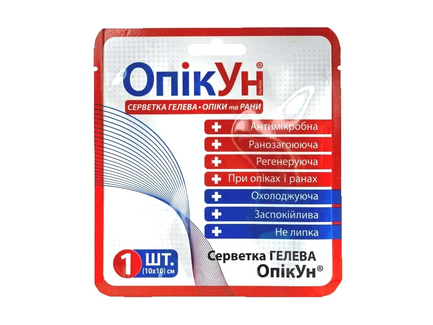
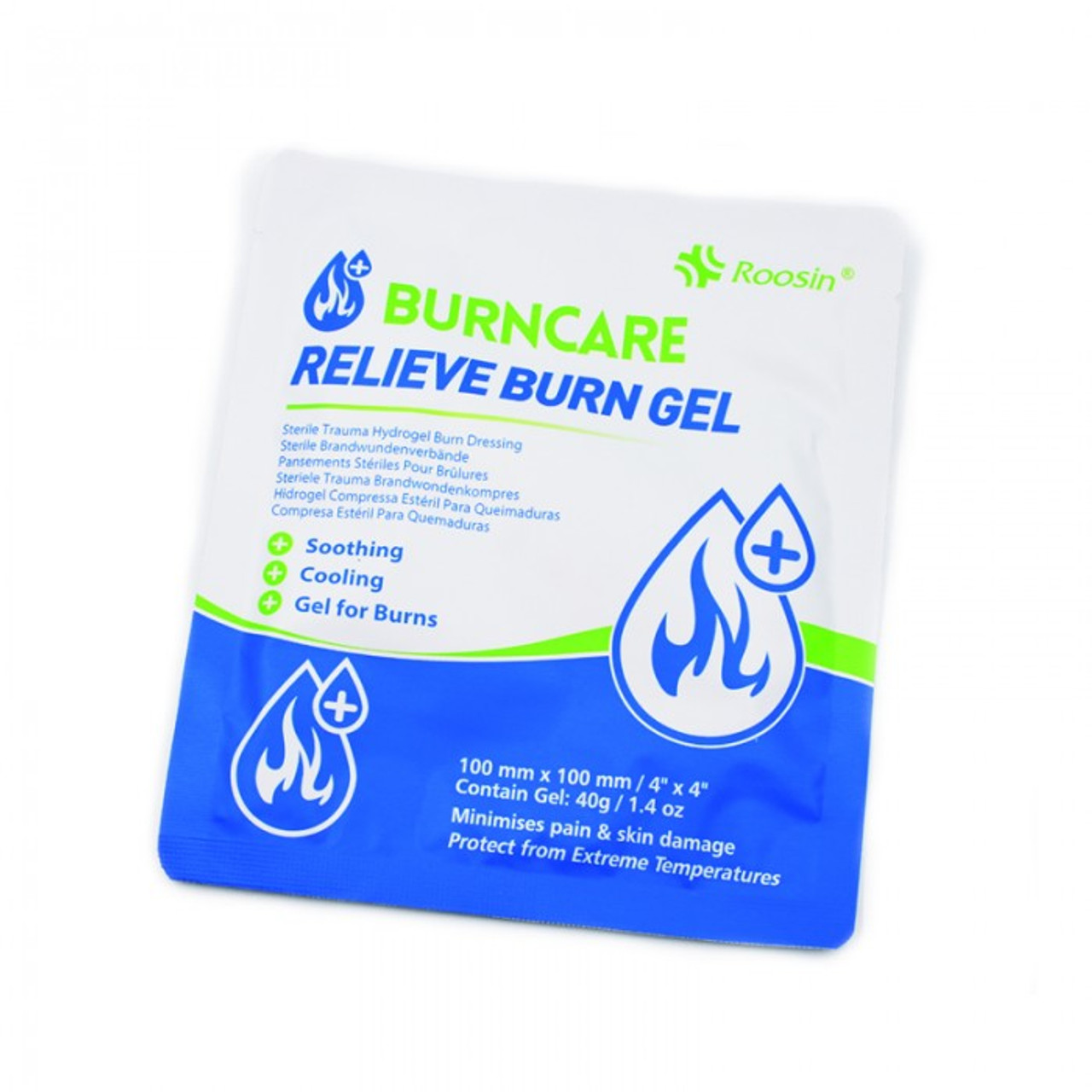
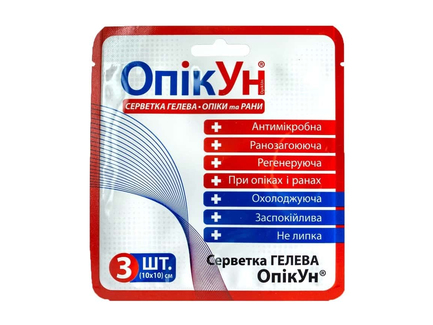
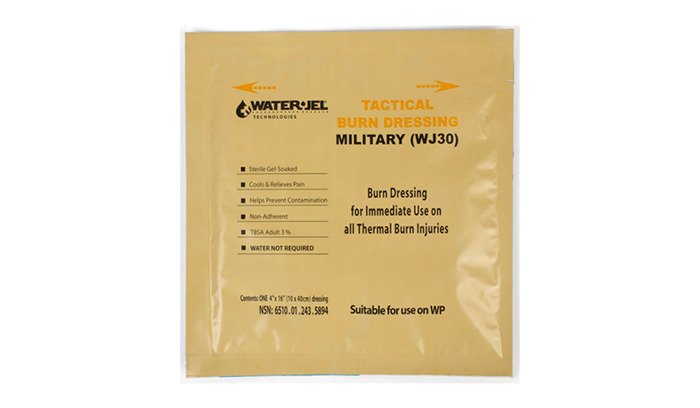
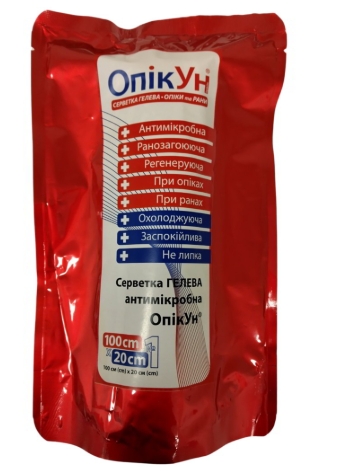
The TacMed category includes Burnshield, Burncare, and Water-Jel burn dressings, hydrogel and “OpikUn” wipes, as well as the NAR dry sterile triangular bandage. The choice depends on the burn’s area, depth, and location, the applicable protocol, and the responder’s training.
Hydrogel products can cool an area and maintain a moist environment, so monitor the person’s overall temperature when treating extensive burns. The Joint Trauma System recommends covering the patient with blankets after examination to prevent hypothermia. A burn dressing and overall insulation are separate elements of care.
How to choose a thermal blanket or warming system
The choice depends on evacuation time, weather, kit format, and available space. A compact blanket combined with material for ground insulation is often sufficient for a city vehicle kit or personal gear. An evacuation team needs a stronger shell, insulation, and an active heat source. An aid station can stock different types of products.
Consider these features before ordering:
- System type. A passive thermal blanket reduces heat loss, while an active model also generates heat. Combined kits include insulation, a protective shell, and heating elements.
- Unfolded size. The blanket should cover an adult’s torso and limbs. For stretcher use, it needs enough material to wrap around and secure the person.
- Package size and weight. A thin thermal blanket suits a compact first aid kit. Blizzard, HPMK, and HPMK-I take up more space, so they are more often carried in backpacks and vehicles.
- Wind and moisture protection. Open areas call for an outer shell that resists precipitation and airflow. Seams and fasteners affect how well the shelter seals.
- A thicker layer reduces heat transfer more effectively than thin metallized material. Cold ground requires separate insulation underneath.
- Heating time. Chemical elements differ in cell count, activation time, operating temperature, and total heat output duration.
- Access to the person. Fasteners or a sectional design allow checks of dressings, tourniquets, and IV lines while minimizing exposure.
- Storage conditions. Check the expiration date, temperature range, and the vacuum package’s resistance to punctures and compression.
Test the system during training after selecting it. Users should know how to open the package, activate the heater, insulate the person from the ground, and secure the blanket to a stretcher. Training or decommissioned material with the same construction can be used for practice. Keep a functional heating element sealed in its package.
Assemble kits based on the number of people who may need care. One active blanket serves one person for a limited time. The medical team should carry a supply suited to the expected duration of work and available resupply.
Storage of thermal blankets and warming systems
Protect compact thermal blankets from punctures, abrasion, and prolonged exposure to sunlight. Active heaters’ vacuum packaging must remain sealed because contact with oxygen starts the reaction. A damaged package may cause premature activation and loss of heating capacity.
During inspections, check the expiration date, whether the package is soft or swollen, the integrity of the seams, and the legibility of the label. Store the HPMK kit together, without removing individual components for other tasks. Replace disposable components after opening.
Place the system in a backpack so it can be reached after the initial examination. Keep sharp tools and ampoules away from the shell. For a vehicle kit, choose a location protected from prolonged overheating.
Buy hypothermia prevention supplies at TacMed
The TacMed online store offers compact TACMED thermal blankets, Blizzard Survival Blanket, NAR Ready Heat, HAWK Warming Grid, HPMK and HPMK-I systems, the AIRSHIELD inflatable mat, and burn care supplies. The range makes it possible to assemble a kit for an IFAK, vehicle, medical backpack, evacuation team, or aid station. Along with a thermal blanket, you can choose a field first aid kit, medical bag, burn dressings, and other equipment for the MARCH algorithm. Product specifications, contents, price, and current availability are listed on the product pages.
Delivery is available to Kyiv, Lviv, Odesa, Kharkiv, Dnipro, Zaporizhzhia, Vinnytsia, Poltava, Cherkasy, Zhytomyr, Chernihiv, Rivne, Lutsk, Ternopil, Ivano-Frankivsk, Uzhhorod, Chernivtsi, Khmelnytskyi, Kropyvnytskyi, Mykolaiv, Sumy, Kherson, and other cities across Ukraine.
FAQ
Why should a person be kept warm in warm weather?
Significant bleeding, shock, immobility, wet clothing, and exposure during examination accelerate cooling at any time of year. Surface temperature, wind, and rain can have a greater effect than the air temperature.
How does an active thermal blanket differ from a standard one?
A standard emergency blanket reduces heat loss and protects against wind and moisture. An active model contains heating cells that generate heat after the package is opened.
Is a metallized thermal blanket sufficient in winter?
A thin metallized blanket provides limited insulation. In cold conditions, combine it with ground protection, a dry insulating layer, a windproof shell, and an active heater if available.
Why is a mat needed beneath a person?
A mat reduces heat loss through contact with the ground, concrete, a metal floor, or a stretcher. An air or foam layer supplements the upper cover.
How does HPMK-I differ from HPMK?
HPMK-I has an additional insulating layer in its outer shell. Both kits combine a protective shell with an active four-cell Ready Heat blanket.
How long does NAR Ready Heat 4-Cell operate?
The manufacturer states that it provides up to 10 hours of continuous dry heat after activation. Actual operating time depends on the package condition, oxygen access, and environmental conditions.
Can an active heater be placed directly on the skin?
Placement depends on the instructions for the specific product. A protective layer is generally placed between the heater and the skin, and the person’s condition is monitored regularly due to the risk of localized overheating.
How should an active thermal blanket be stored?
Keep the heating element in its sealed original packaging. Protect the package from punctures, moisture, and temperatures outside the manufacturer’s specified range, and check the expiration date.