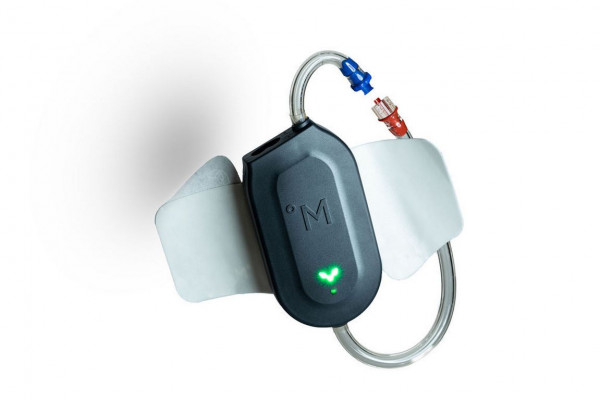
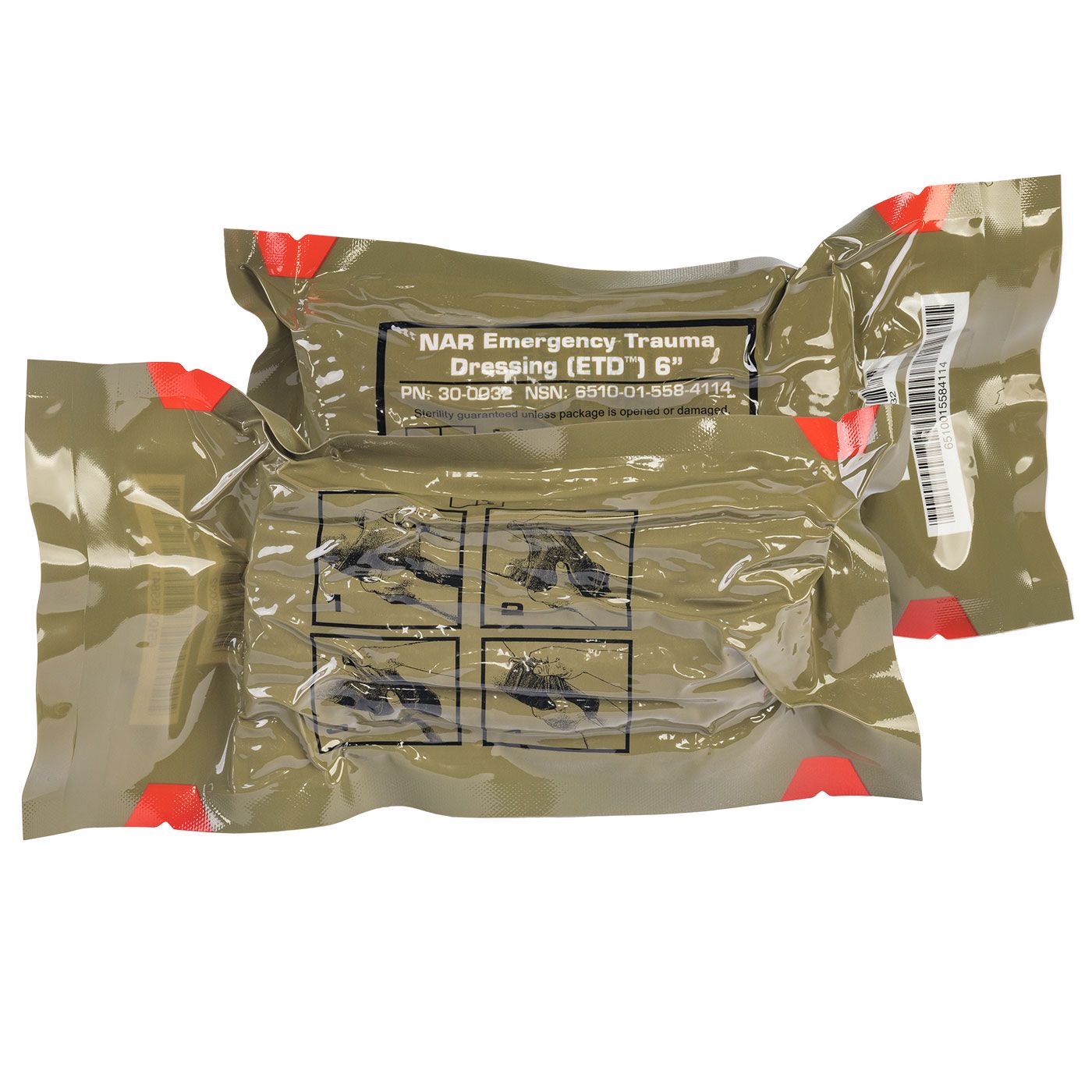
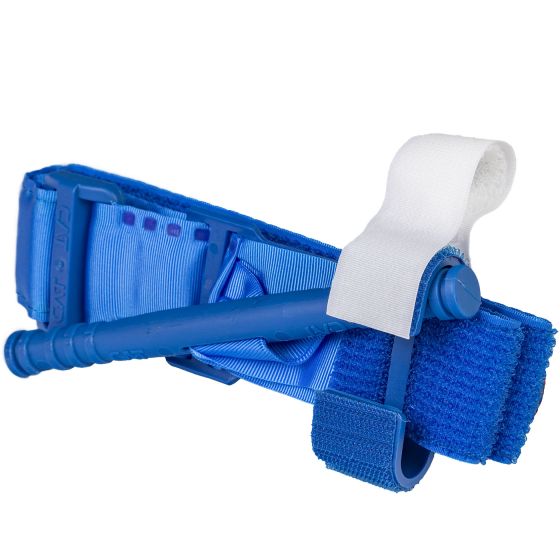
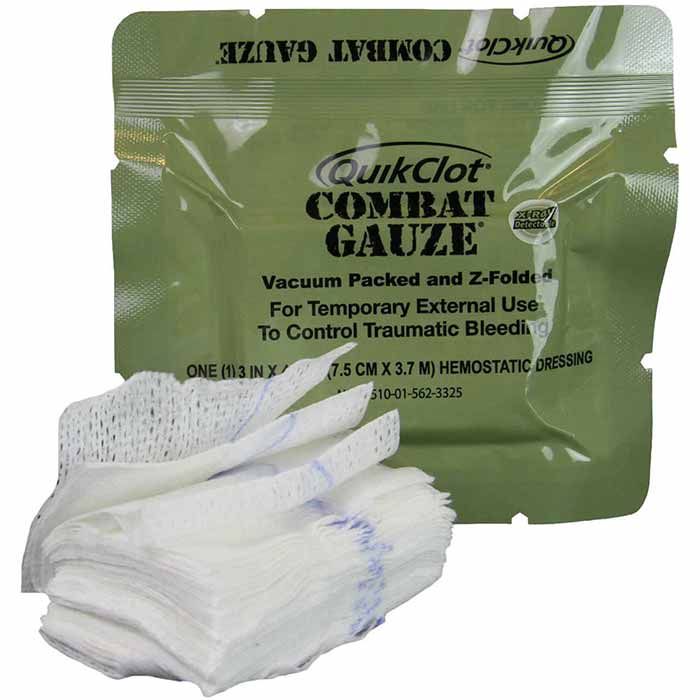
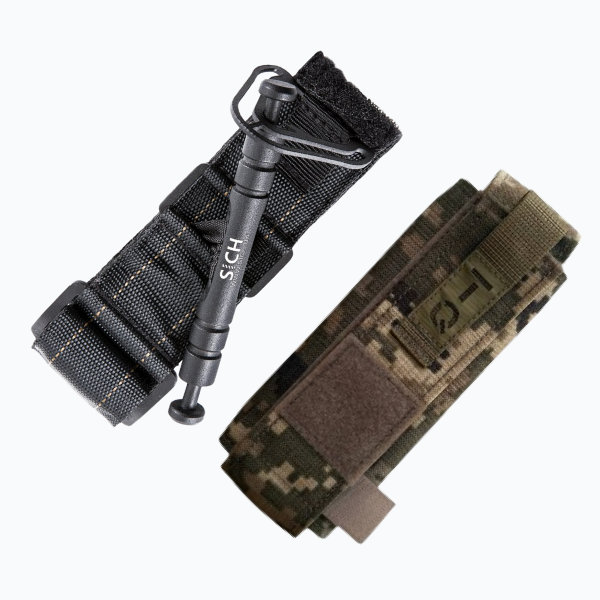
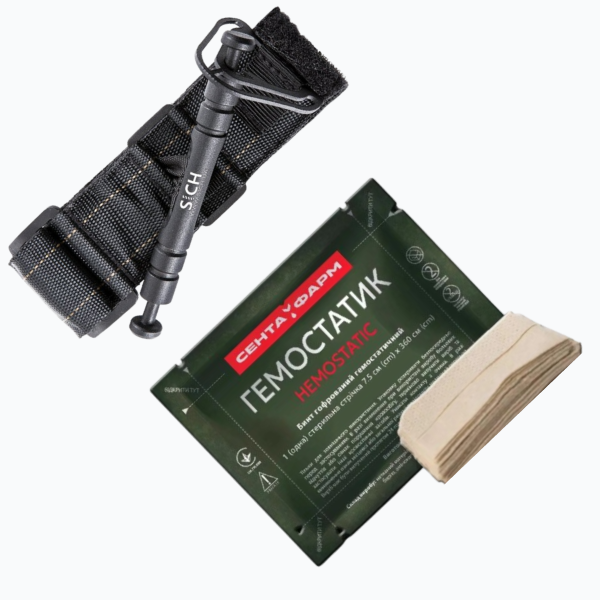
Hemostatic agents: critically important solutions for bleeding control
Hemostatic agents are one of the key survival factors in trauma. According to modern tactical medicine research, up to 60–80% of complications from injuries in the first minutes are associated with uncontrolled bleeding. At the same time, a significant portion of such cases is potentially preventable — provided that tourniquets, bandages, and hemostatic agents are used correctly and in a timely manner. This means that having a high-quality first aid kit is a real tool for saving lives.
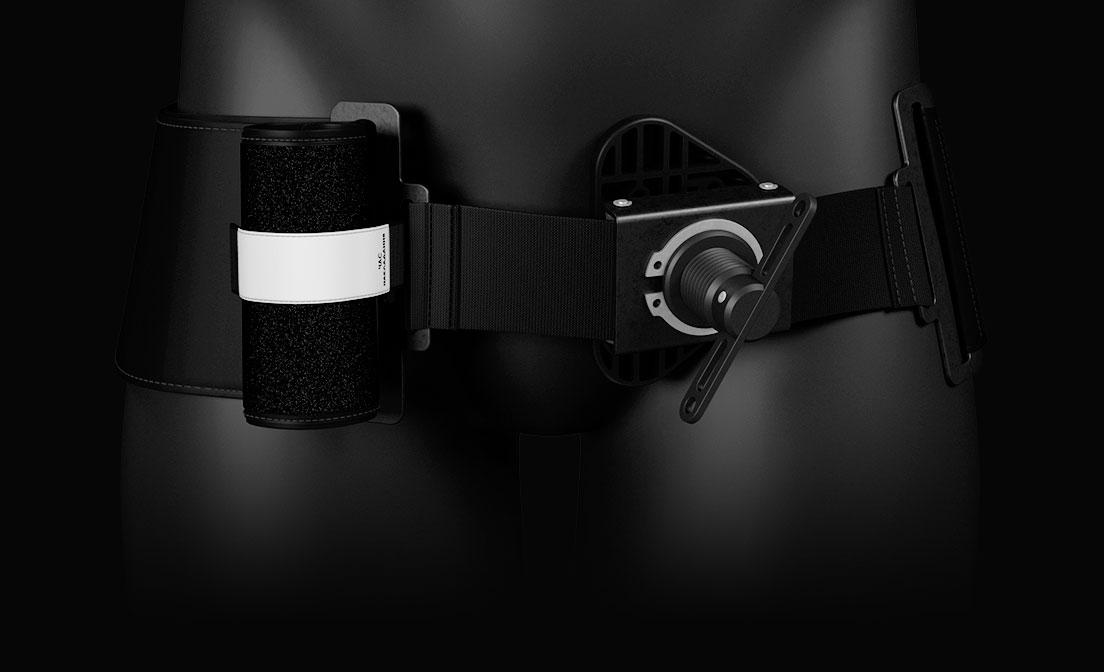
Modern bleeding control solutions are actively used not only in tactical medicine but also in the civilian sector: in car first aid kits, in industry, in sports, and in everyday life. They are developed taking into account real usage scenarios where speed, simplicity, and reliability are important. That is why the assortment of this category is constantly expanding, and technologies are improving. The catalog of the TacMed online store presents hemostatic agents of various types: from basic mechanical ones to modern hemostatics.
What are hemostatic agents?
Hemostatic agents are medical products designed for rapid stopping external bleeding. Their main function is to control blood loss until qualified assistance is provided, which is critically important in the first minutes after injury. This period determines the further condition of the injured person and the chances of survival.
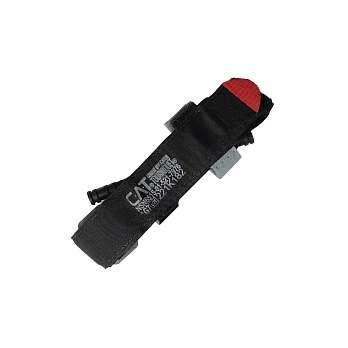
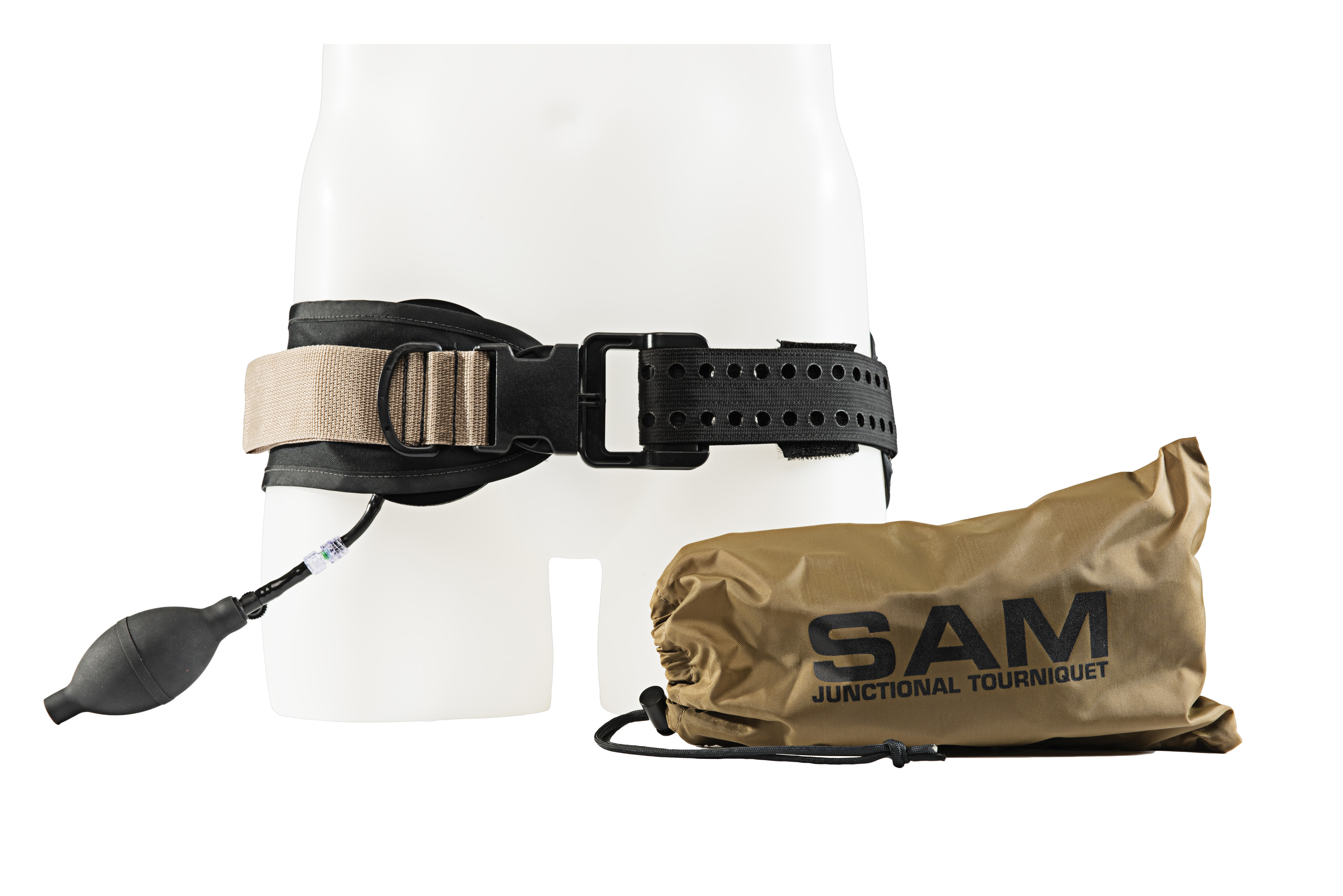
From a practical point of view, all agents can be divided into two groups: mechanical (tourniquets, straps, bandages) and hemostatic (bandages, wipes, granules). Each of these groups performs its own task, and the best result is achieved when they are used together. For example, in severe bleeding, a tourniquet is applied first, and then a hemostatic agent.
It is important to understand that in arterial bleeding, a critical volume of blood can be lost in just 2–5 minutes. That is why hemostatic agents must be quickly accessible. This is a basic principle of modern first aid protocols, including TCCC.
How modern hemostatic agents work: mechanism of action
Modern bleeding control agents work through a combination of physical and biochemical mechanisms. Their effectiveness significantly exceeds traditional gauze solutions used previously and allows control even of complex bleeding. This is especially important in situations where there is no immediate access to medical assistance.
Main mechanisms of action:
- Mechanical compression — blocking blood flow using tourniquets and bandages.
- Activation of clotting — triggering coagulation (kaolin, chitosan).
- Blood absorption — concentration of platelets and clotting factors.
- Wound sealing — creating a physical barrier.
Thanks to these mechanisms, modern hemostatics allow stopping bleeding within 3–5 minutes. This makes them a standard in tactical medicine and increasingly common in civilian first aid kits.
Hemostatic agents: list of main types
First of all, let us consider what types of hemostatic agents are available in the TacMed catalog. The assortment is formed in such a way as to cover different trauma scenarios — from minor damage to severe bleeding. Each type has its own function and is used depending on the situation. Understanding the role of each tool allows proper assembly of a first aid kit.
In medical practice, there is no universal solution. The most effective approach is a combination of several tools that work together. For example, a tourniquet provides rapid bleeding control, while a hemostatic bandage works with damaged tissues.
Main categories:
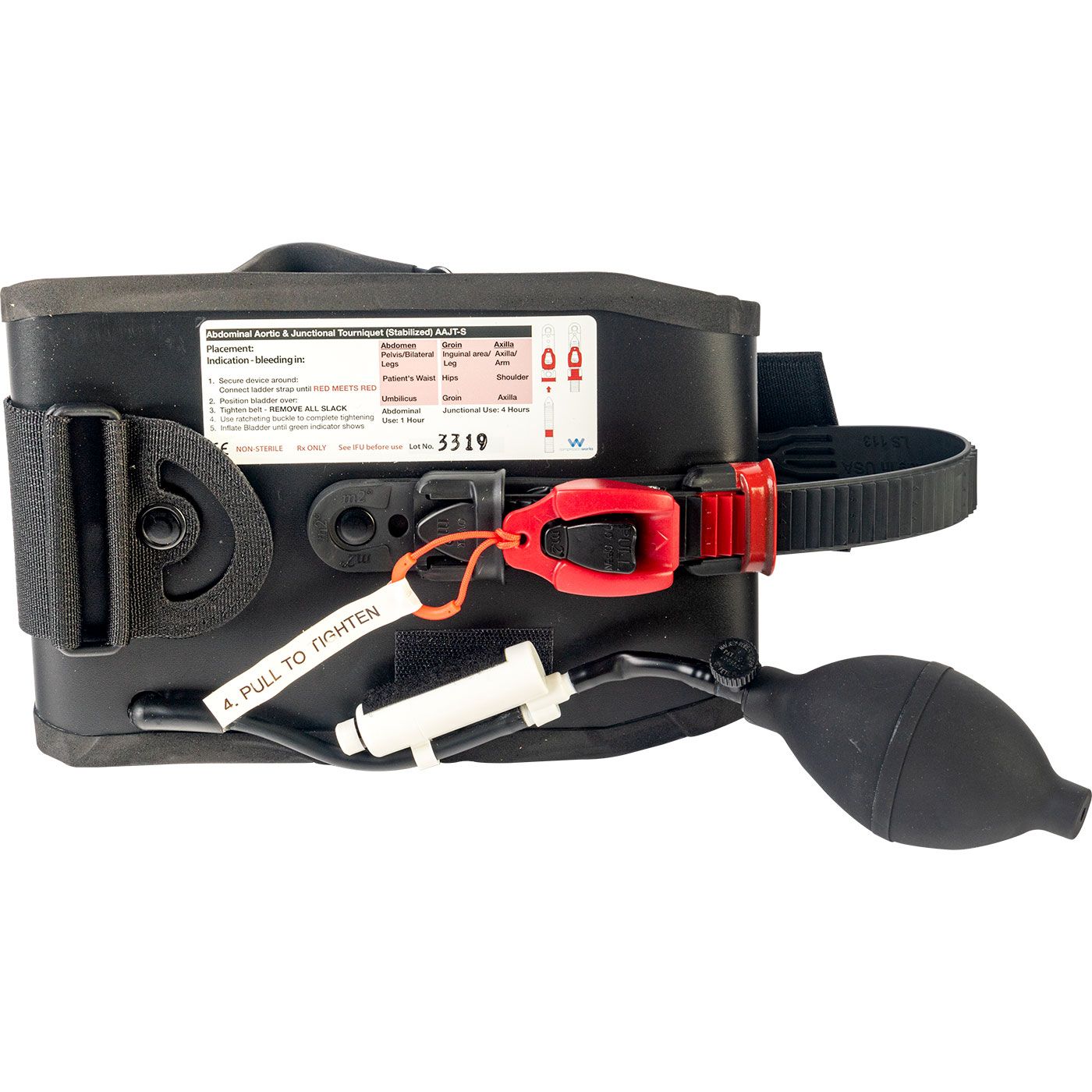
- tourniquets;
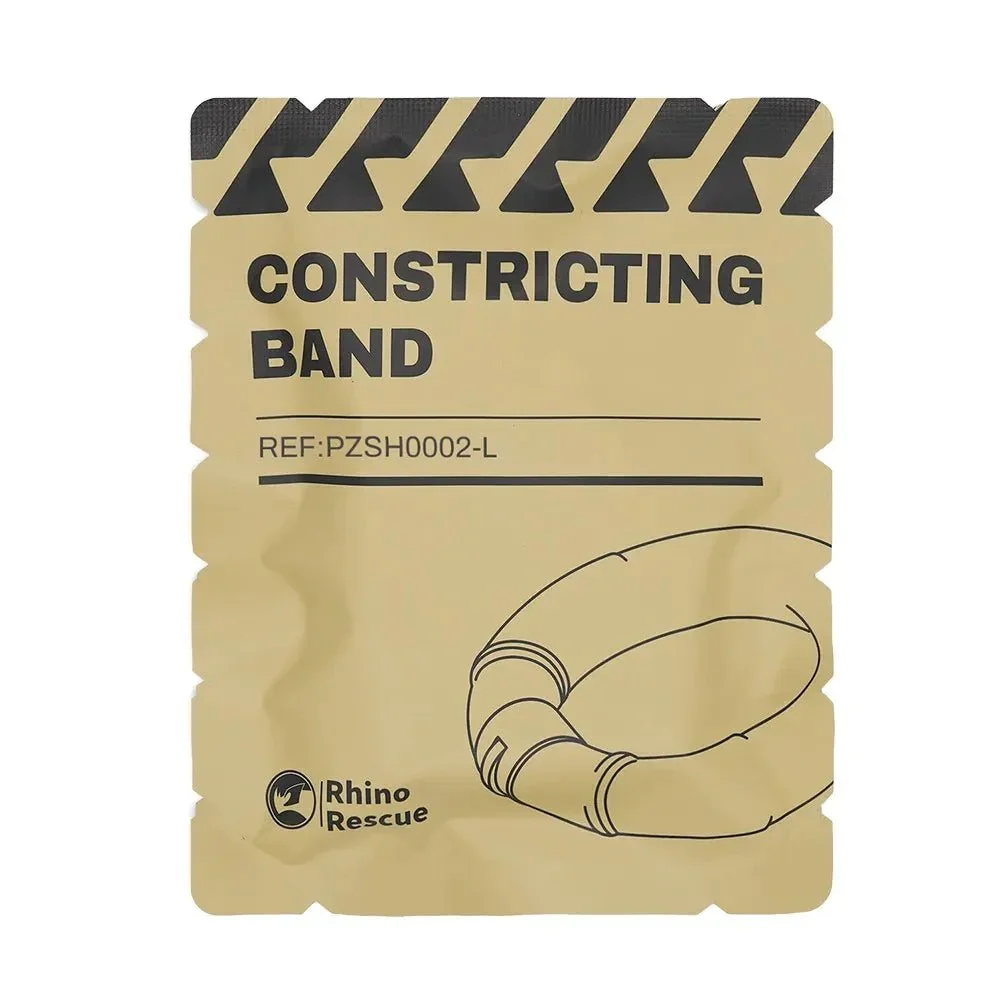
- straps;
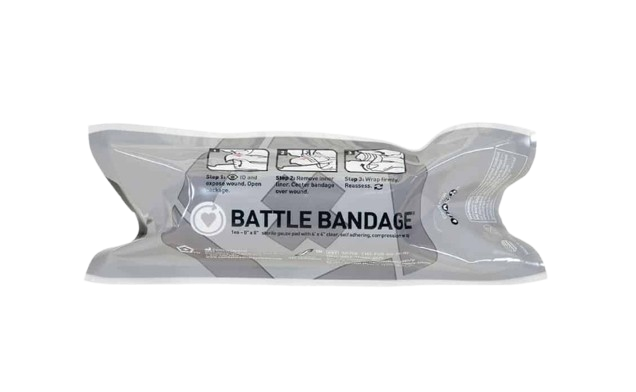
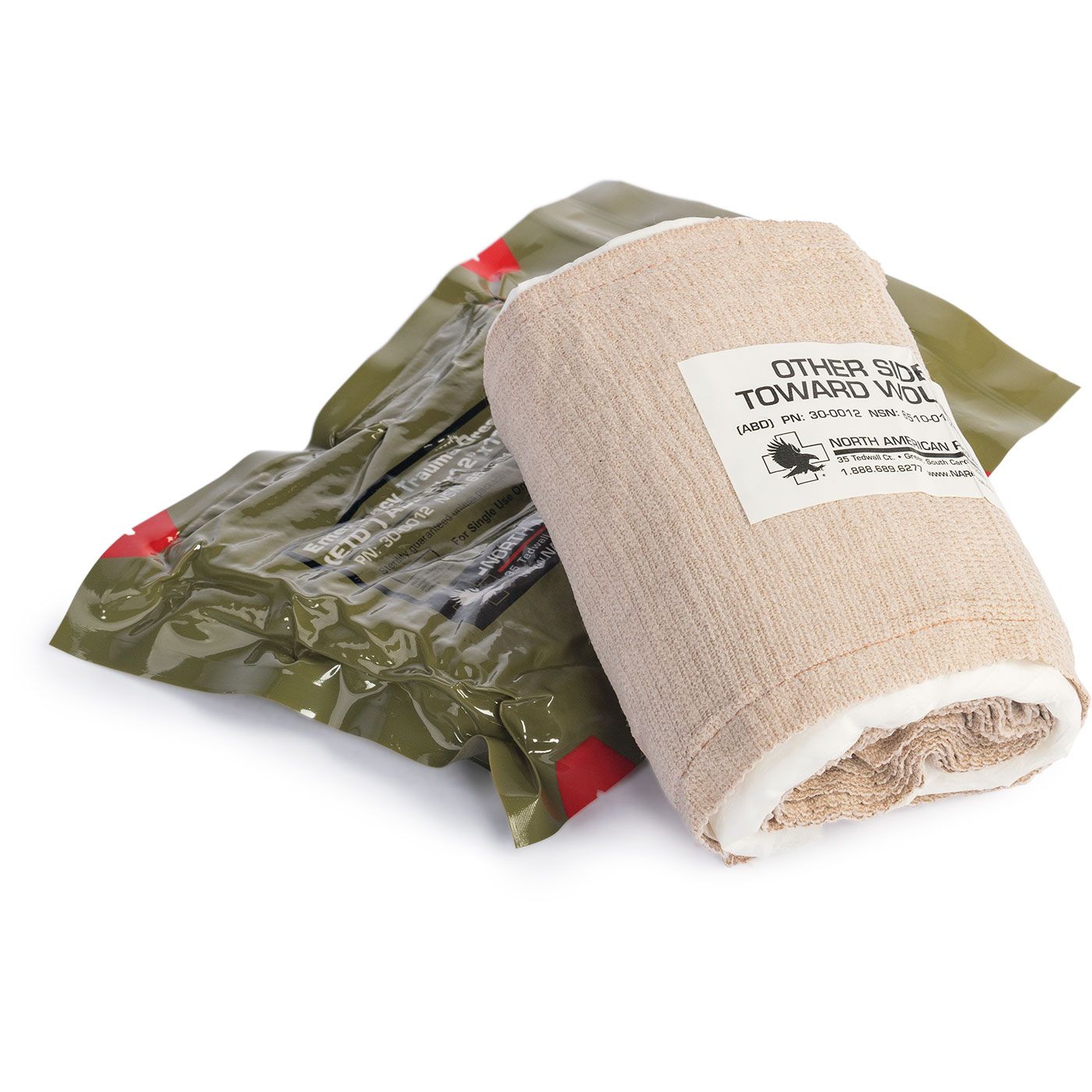
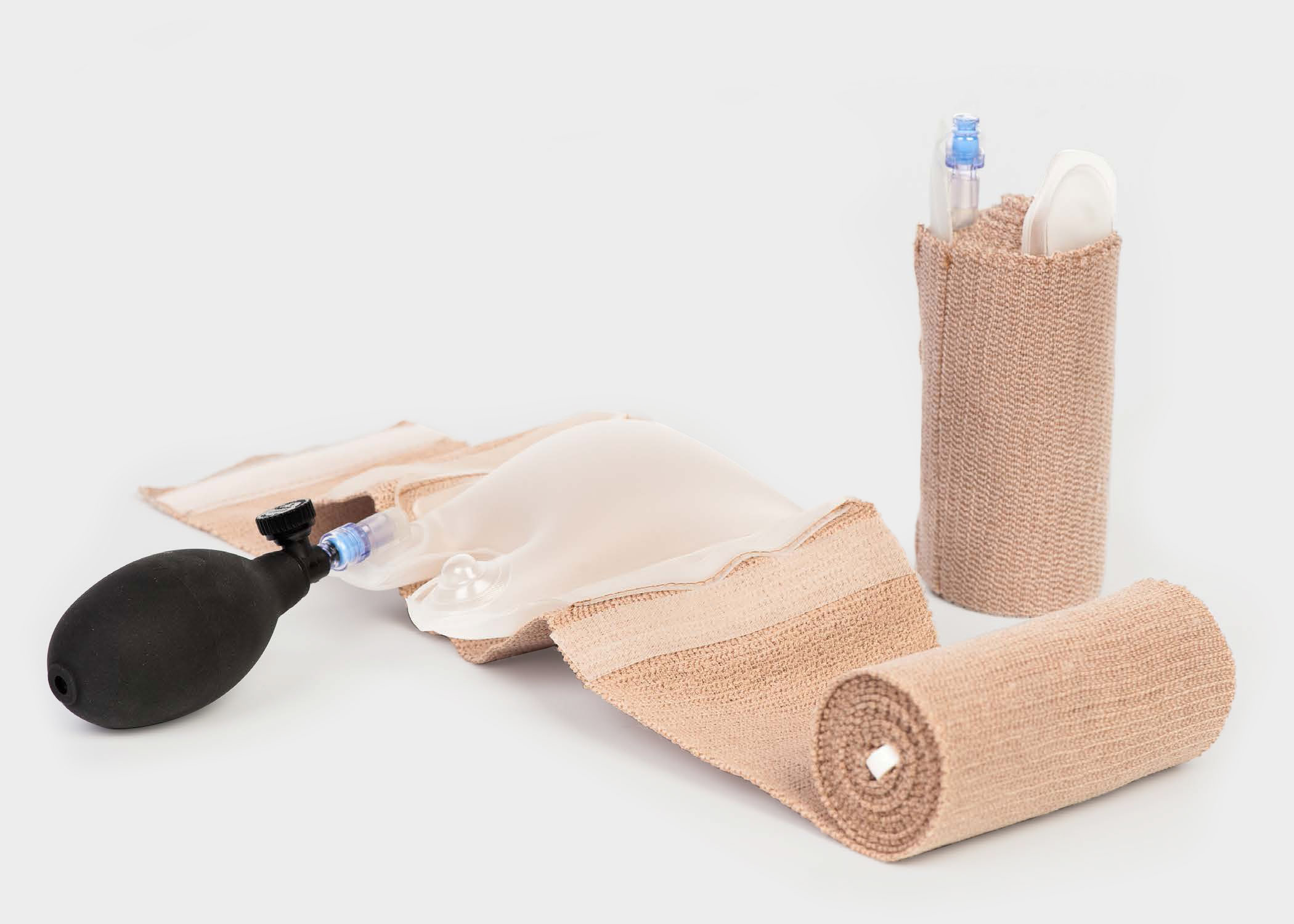
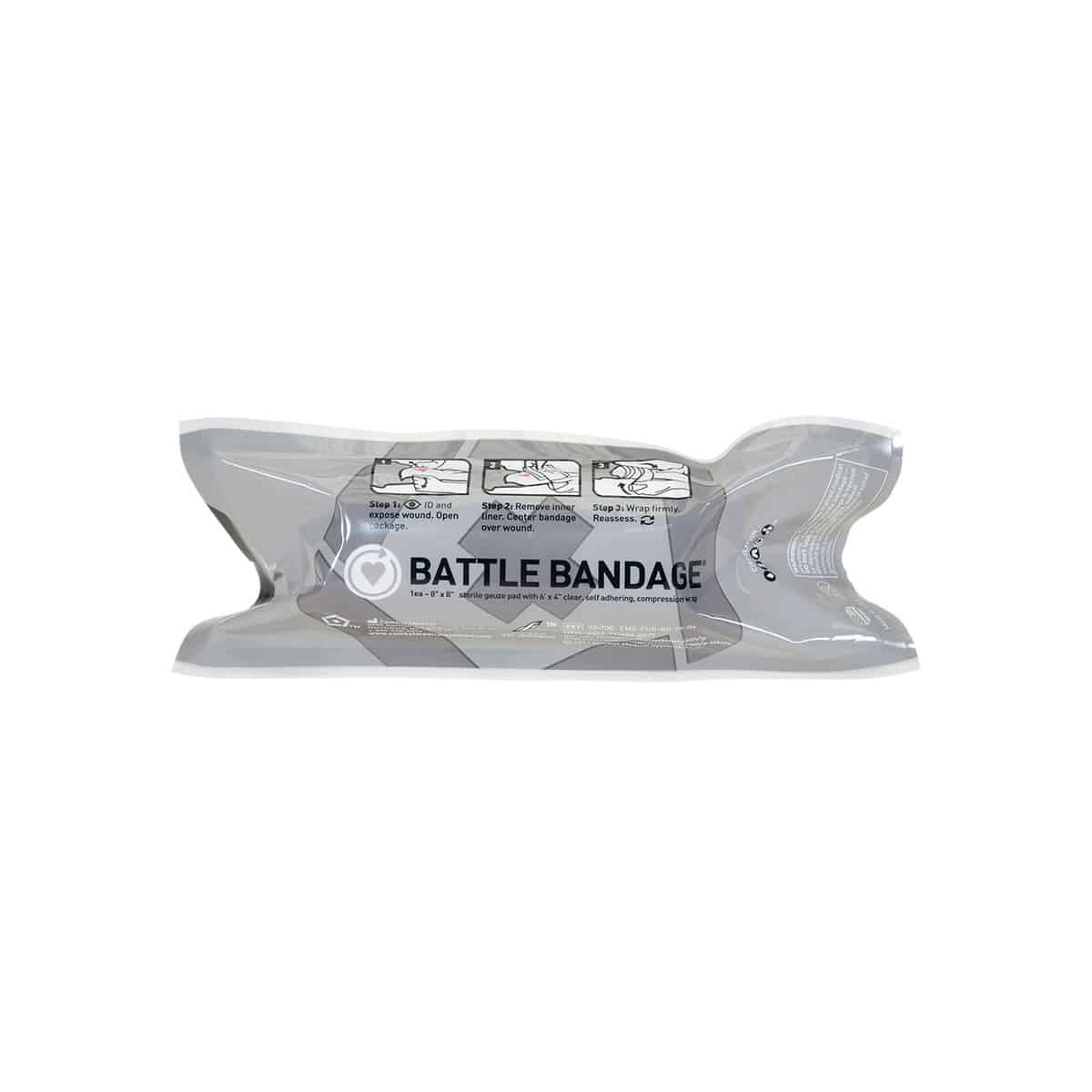
- compression bandages;
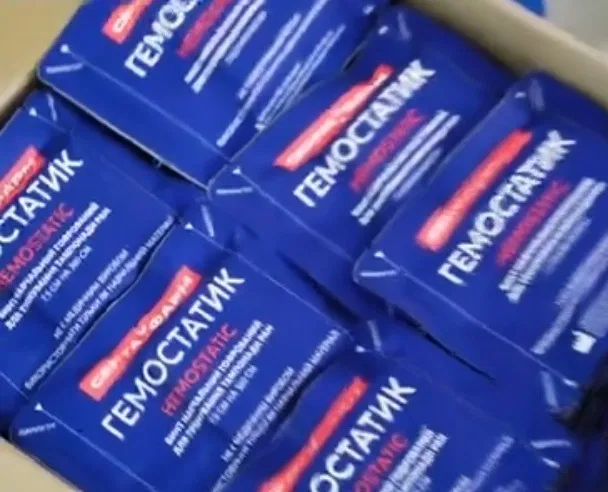
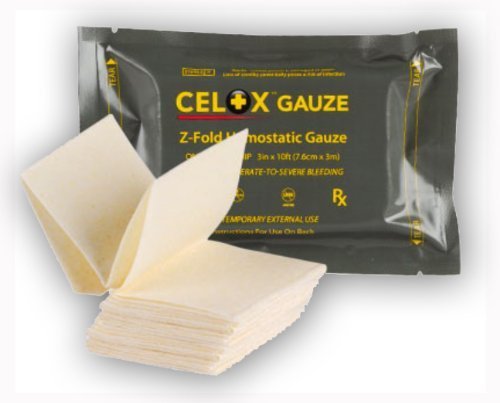
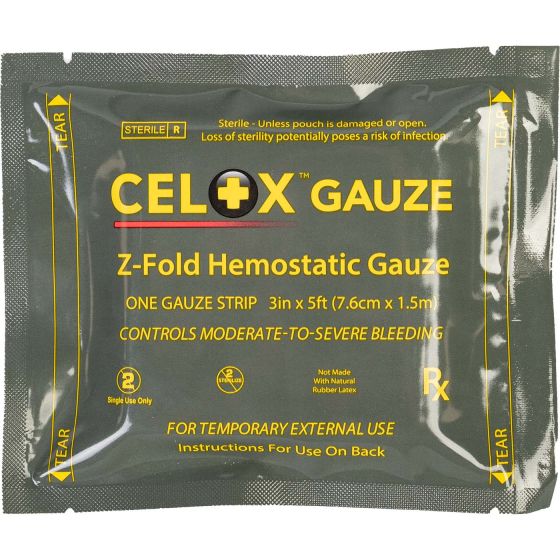
- hemostatic bandages and wipes;
- first aid kits;
- auxiliary elements.
Combining these tools allows creating an effective response system. This approach is used in military medicine and recommended for civilian use.
Tourniquets, bandages, straps: what is the difference?
Different types of bleeding control tools perform different functions and cannot be considered interchangeable. Each of them is designed for specific usage scenarios and has its own limitations. Understanding this difference helps avoid mistakes in critical moments.
Main types of bleeding control tools:
- tourniquets — complete stoppage of blood flow, effectiveness over 90%;
- straps — simpler analogues, less controlled;
- braces — compression and fixation;
- bandages — wound packing and auxiliary fixation.
In real conditions, these tools are used together. For example, in a serious limb injury, a tourniquet is applied first, and then additional tissue treatment is carried out. This approach significantly increases the effectiveness of assistance.
How to choose hemostatic products for a first aid kit?
The correct choice of hemostatic agents is the foundation of an effective first aid kit. In a critical situation, there is no time for analysis, so all decisions must be made in advance. It is important to consider usage scenarios, user training level, and the quality of each element.
Key selection criteria:
- purpose of the first aid kit;
- basic composition (tourniquet + braces + hemostatic);
- certification;
- ease of use;
- shelf life;
- resistance to conditions.
These criteria form the basis, but for more precise selection, additional parameters must be considered. They allow adapting the kit to specific usage conditions. It should also be noted that cost should be considered last. Price matters, but hemostatic products are not the case where saving is appropriate.
Popular brands of hemostatic agents
The manufacturer is one of the key factors that determine the reliability of a hemostatic agent. In tactical medicine, brands are used that have been tested in real conditions. Their products are used in military units, rescue services, and professional medicine.
Different brands specialize in different types of products, so the optimal solution is combination. This allows achieving maximum effectiveness and reducing risks in critical situations.
The catalog features well-known manufacturers in Ukraine — TACMED, TacMed Solutions, North American Rescue, Safeguard Medical, SAM Medical, SICH, Celox, PerSys Medical, RevMedX, IGAR, Blood Saver, MEQU, Ever Ready, Bilosnizhka.
Additional selection parameters
In addition to basic criteria, it is important to consider technical characteristics that affect convenience and effectiveness of use. In critical situations, even small details matter — from color to form factor. They determine how quickly you can find and use the necessary tool.
Different scenarios require different approaches. For example, in tactical conditions camouflage is important, while in civilian use quick visibility matters.
When choosing, pay attention to:
- country of manufacture — USA, Ukraine, Israel, Denmark, China;
- color — black, Multicam, Coyote, Pixel, bright options;
- product type — bandages, dressings, tourniquets, kits, straps, hemostatics;
- type of bandage — hemostatic, gauze, elastic, cohesive.
Taking these parameters into account allows forming a kit that best matches your conditions.
Safety rules when using hemostatic agents
Even the highest-quality products require proper use. Mistakes can lead to complications or loss of time, which is critical in severe bleeding.
Basic rules:
- Assess the type of bleeding.
- Apply the tourniquet above the injured area.
- Record the time of application.
- Do not loosen the tourniquet.
- Use protection.
- Seek medical assistance.
Following these rules helps minimize risks and stabilize the condition.
We recommend buying hemostatic agents at an affordable price in the TacMed online store
The TacMed online store offers a wide range of hemostatic agents that meet modern medical standards. Here you can order high-quality tourniquets, bandages, straps, and other basic components for military, car, or home first aid kits. The catalog includes certified products from leading brands used in tactical and civilian medicine. This allows selecting the optimal option without compromising quality. Prices are affordable, and promotions are often available. Fast delivery is organized across Ukraine.
FAQ
What are hemostatic agents and what are they for?
They are specialized medical products used for rapid bleeding control. They help manage blood loss before professionals arrive and are an essential part of a modern first aid kit.
What hemostatic agents should be in a first aid kit?
A basic set includes a tourniquet, hemostatic bandage, and compression bandage.
How does a hemostatic bandage work?
It is used for wound packing and bleeding control through compression and clot activation.
What is the difference between tourniquets and straps?
Tourniquets provide controlled tightening and full blood flow stoppage, while straps are simpler and less precise.
How to choose hemostatic agents?
Consider usage scenario, certification, quality, and ease of use.
Can civilians buy hemostatic agents?
Yes, they are widely available and used in everyday situations.