Pouches
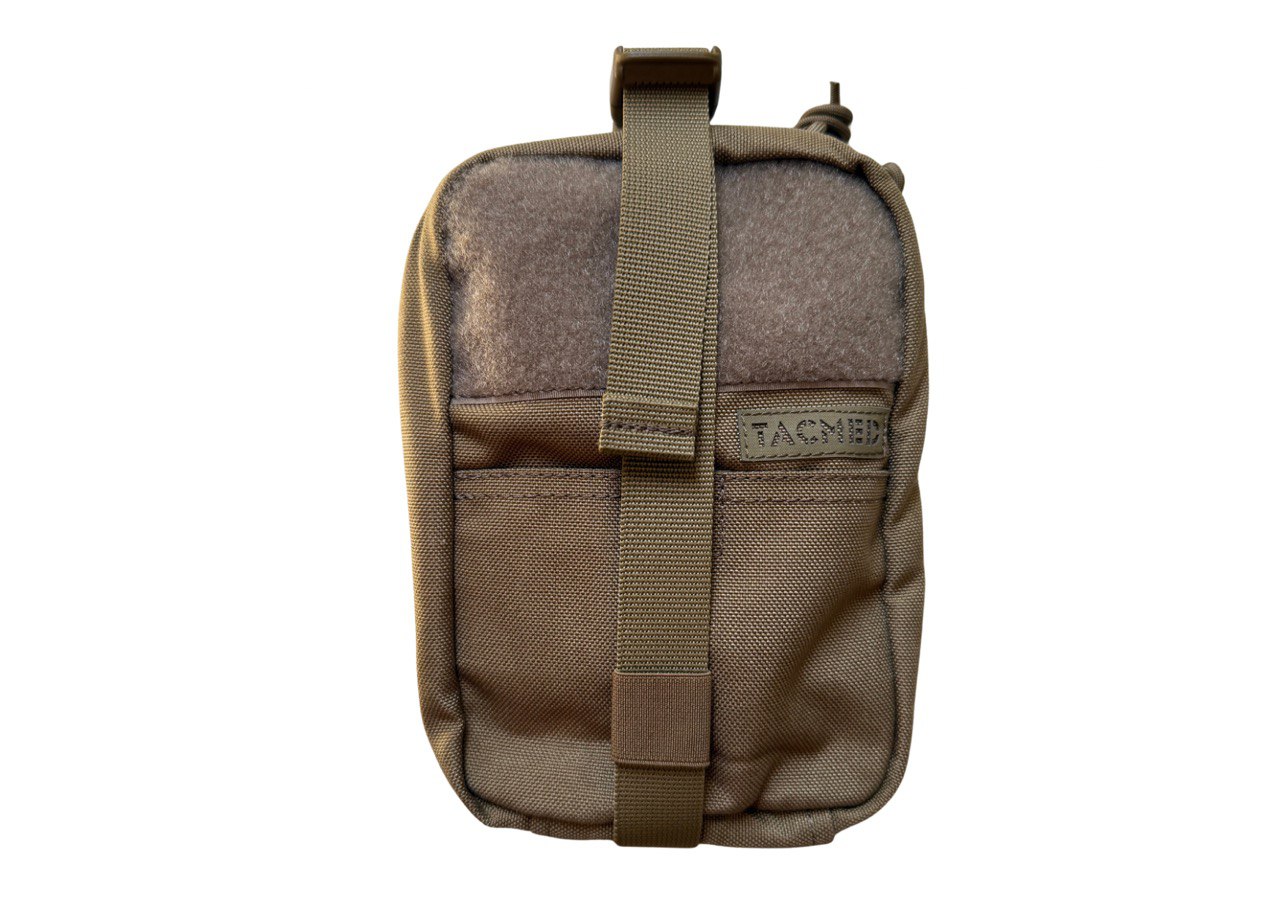
PROMOTION
-10%
1500 UAH
1350 UAH
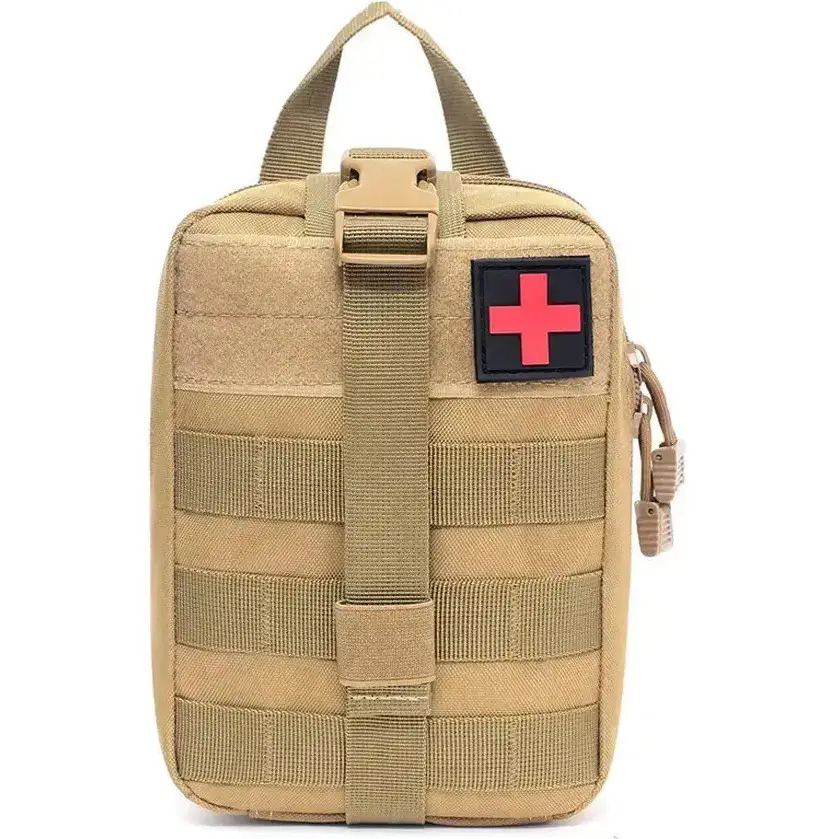
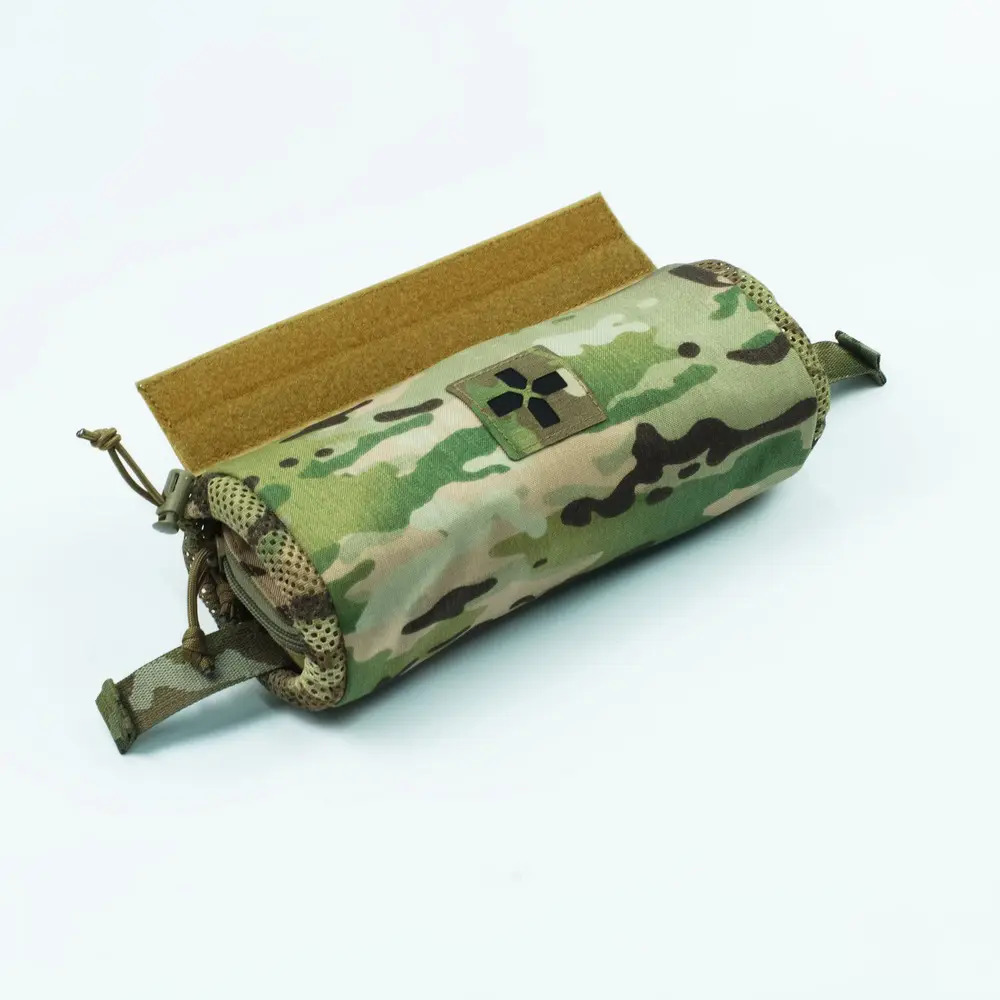
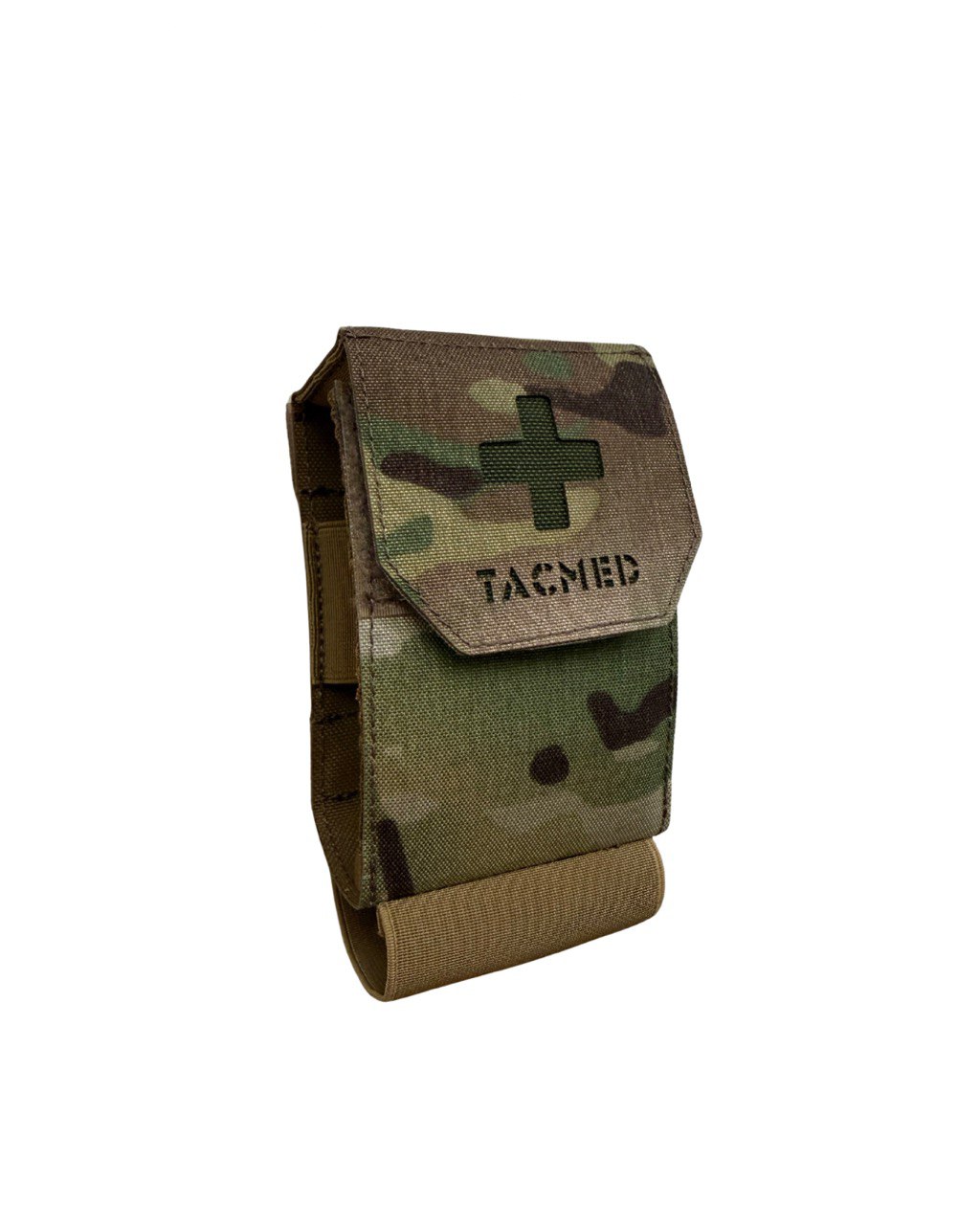
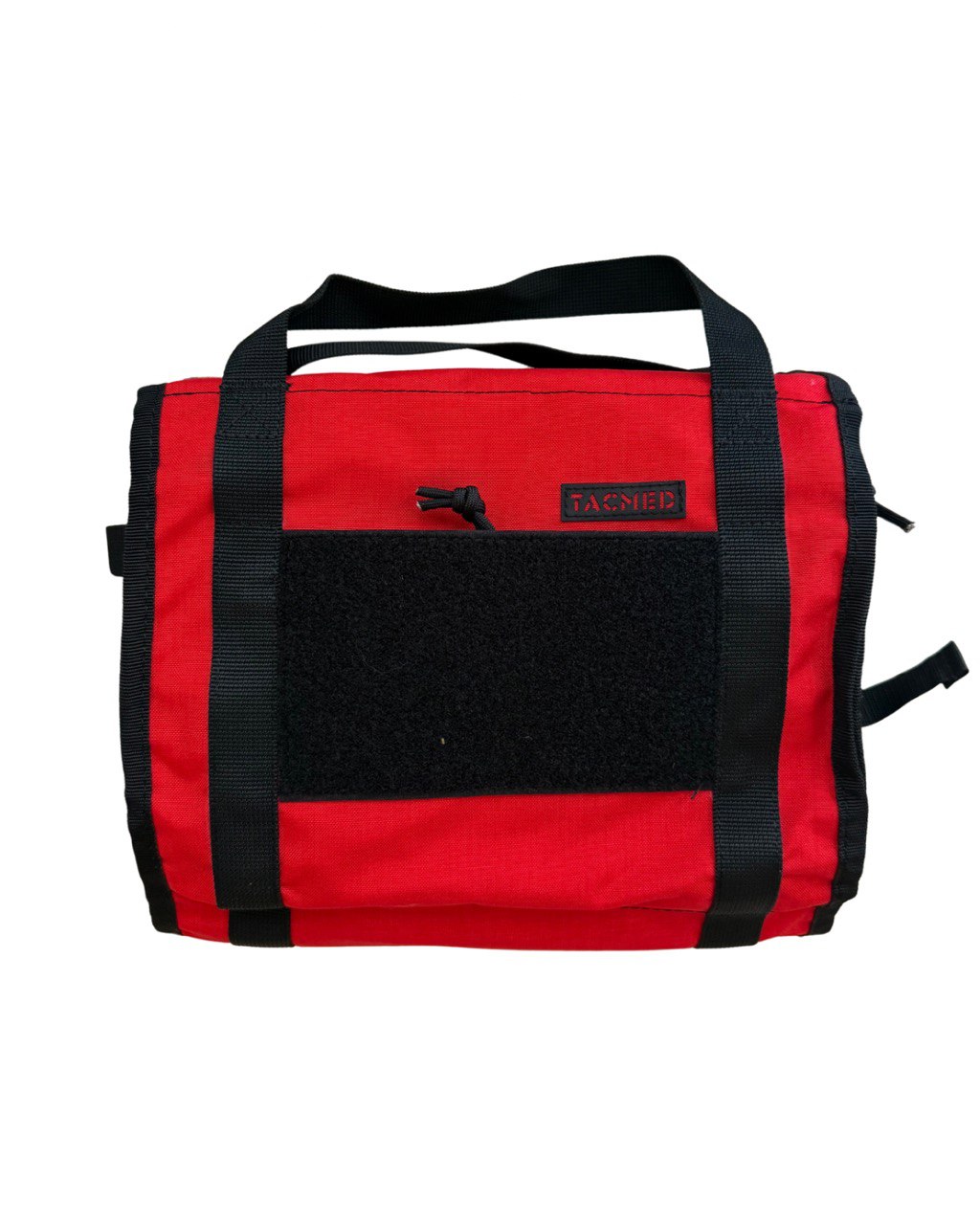
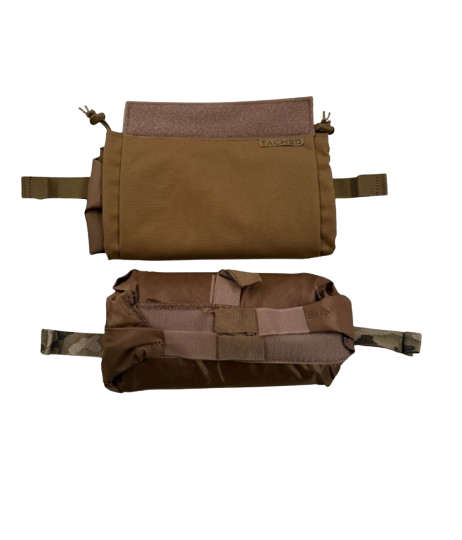
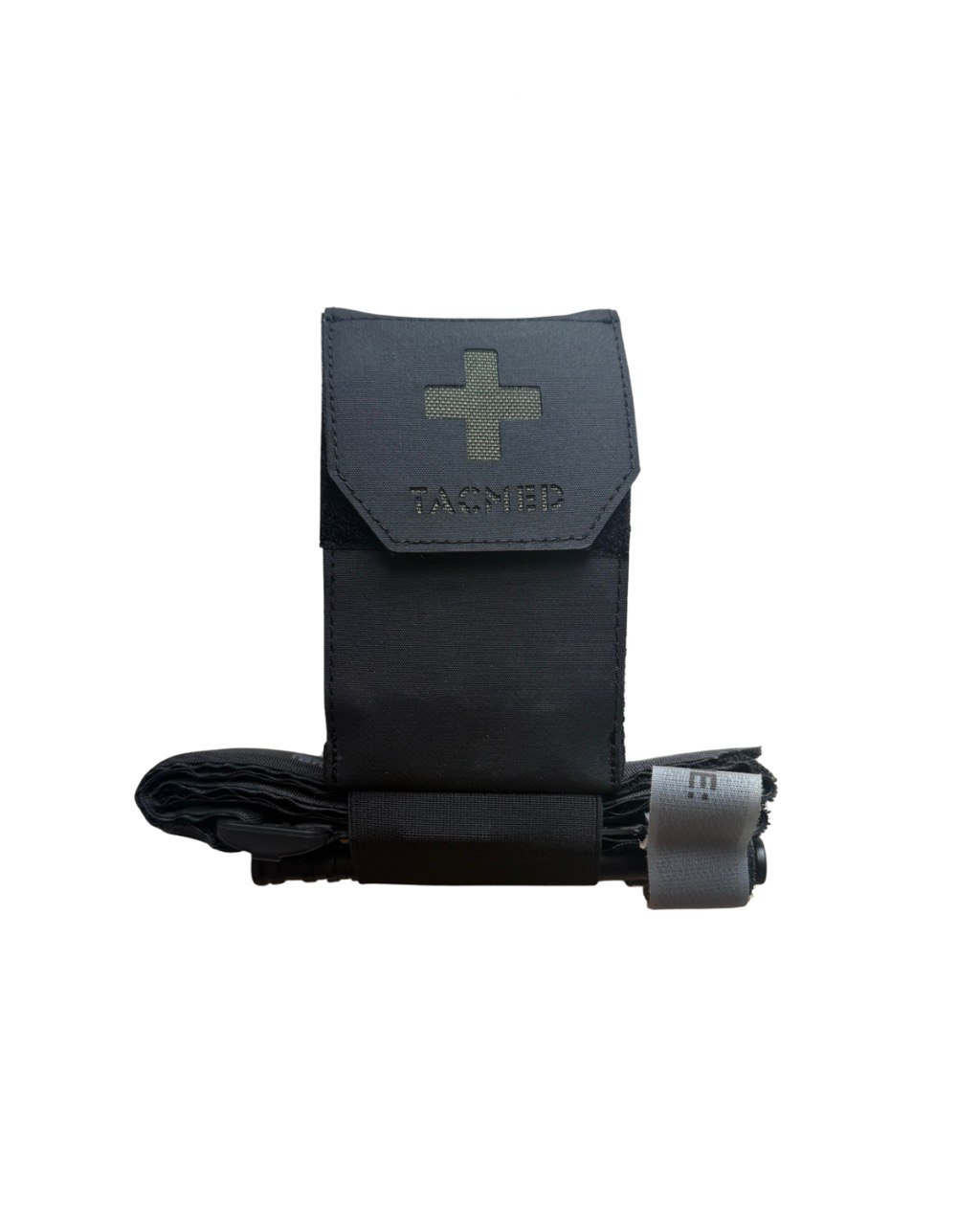
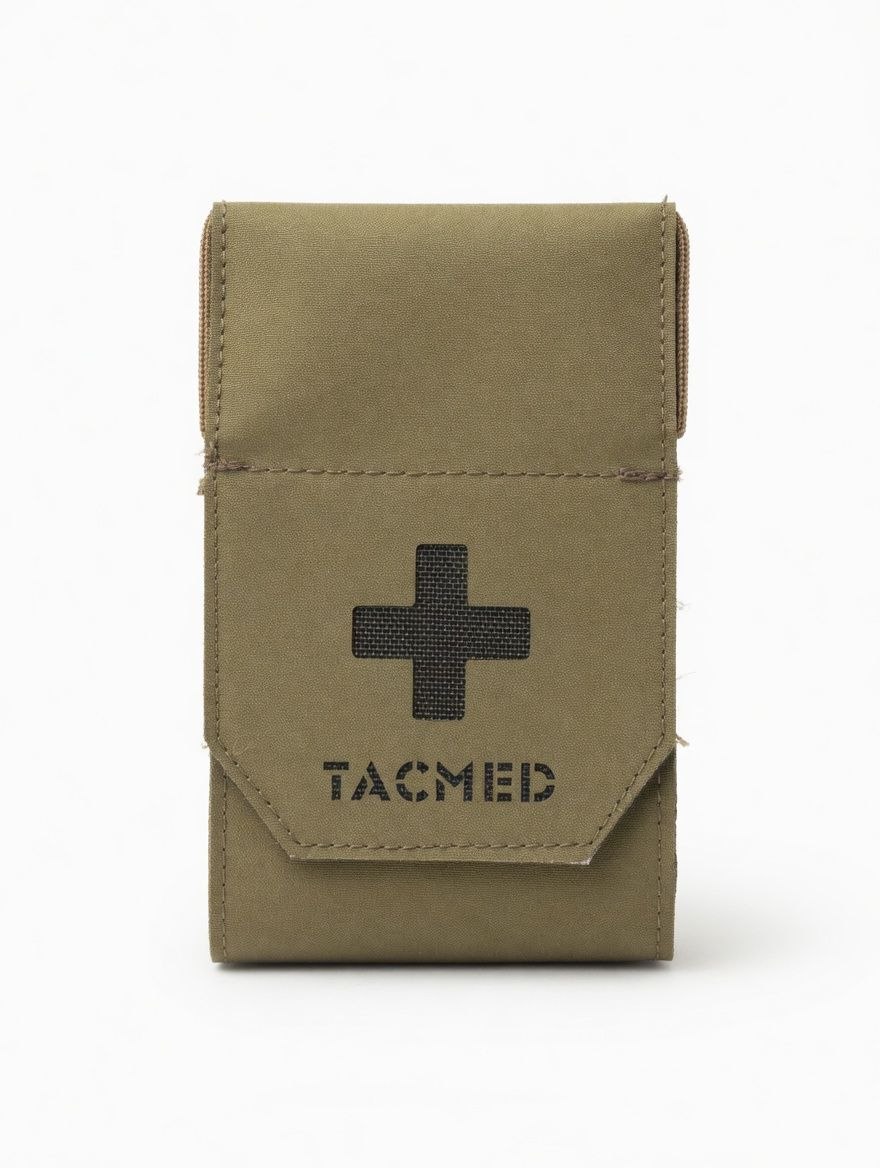
Field pouches help organize and carry medical supplies, tools, and supporting equipment. Their design determines how many items fit inside, how quickly they can be accessed, and where the pouch can be attached. Compact models suit personal first aid kits, while medics and rescuers need roomier options with divided interiors.
The TacMed catalog includes first aid, tear-away, roll-up, thigh, and vehicle pouches, as well as models for tourniquets, medical gloves, shears, ampoules, and syringes. The range also includes rigid cases, waterproof outdoor models, and separate holders. Products from TACMED, Anethum, Avis Gear, North American Rescue, XShear, and Tacmedsolution are available in Black, Multicam, Coyote, MM-14, Pixel, red, and orange.
A pouch protects its contents from accidentally falling out, contact with other gear, and some mechanical stress. It allows users to group equipment by function and secure it in a designated place. They do not have to search for a tourniquet, gloves, or dressing material among everything in a backpack.
Organization has a particular impact when using a medical kit. Supplies for controlling severe bleeding must remain accessible, taking into account the user’s position, protective vest, and other gear. Internal elastic loops, pockets, Velcro panels, and removable inserts help secure items and maintain the chosen arrangement.
Pouches are used by service members, field medics, paramedics, police officers, rescuers, instructors, and people attending shooting practice. Compact models also suit drivers, hikers, volunteers, and employees who need to carry a first aid kit or keep one in a vehicle.
A pouch’s purpose can be identified by its format, dimensions, and internal layout. A universal model holds items from different groups, while a specialized pouch is designed for a specific item. Specialization reduces the overall size and makes frequently used equipment easier to access. Before ordering, decide what will go inside and where the pouch will be attached.
The category includes these pouch types:
These formats are available in separate product lines and models. MicroTac+ G2 has a compact tear-away design and measures 12 × 7.5 × 4.5 cm. The 22 × 15 × 11 cm Leg Bag offers more room for a thigh-mounted first aid kit. The roll-up “ShaurMED” comes with a removable inner insert featuring elastic retainers and Velcro elements.
Specialized holders are convenient for items that users need to access separately from the main kit. A tourniquet pouch should be placed where it can be reached with one or both hands. Ampoule pouches need protection from pressure and impact. When choosing a vehicle model, consider how it attaches inside the cabin and whether the kit can be quickly removed from its storage location.
A fixed pouch remains attached to a belt, plate carrier, or backpack while the contents are accessed. This design reduces the risk of losing the entire kit, though a position closer to the back may make it harder to open independently. Before use, check that the zipper opens in the intended direction and is not blocked by adjacent gear.
A tear-away pouch is secured to a mounting panel with a textile fastener, webbing, or an additional retainer. The user removes the pouch from the base and carries it to the care area. A retention strap or fastener should keep the pouch in place while running, getting into a vehicle, and moving over obstacles.
Roll-up models sit horizontally and occupy space under the front or rear panel of a plate carrier. Once opened, the inner module is pulled out or unfolded to provide access to the secured items. This setup suits users who want to keep the side sections of the cummerbund and belt free.
The thigh format is designed for a larger kit. Its attachments should keep the pouch stable during movement without limiting leg flexion. A pouch worn too low swings more, while overfilling it adds strain to the belt and thigh strap.
MOLLE stands for Modular Lightweight Load-carrying Equipment. In this system, pouches attach to a PALS platform with horizontal rows of webbing. The pouch’s mounting straps are woven through the rows on the gear, distributing the load across several points. A historical overview of U.S. equipment describes PALS as the basis for modular pouch attachment in the MOLLE system.
The label “MOLLE-compatible” calls for checking the actual attachment method. Some models have sewn-on straps, while others require separate clips or adapters. Roll-up pouches may attach under a plate carrier flap with a Velcro panel. Belt-mounted models use belt loops, clips, or a combination of attachment methods.
Install the pouch by fully weaving its mounting straps through the platform. Skipping rows creates slack, allowing the pouch to shift and pull on the platform. After installation, check the attachment while walking, running, crouching, and getting in and out of a vehicle.
Field pouches use synthetic fabrics of varying density, laminated materials, mesh, and elastic fabrics. Some TacMed models are made from Cordura 500D. The 500D designation refers to the linear density of the yarn, but does not describe the entire material construction. The finished product’s performance also depends on the weave, coating, seam quality, and edge finishing.
CORDURA Classic is made from high-tenacity textured nylon yarns. The material manufacturer notes its abrasion and tear resistance and offers 330D, 500D, 700D, and 1000D options. Fabrics may have a coating or laminate, so check the specifications of the specific pouch for its level of moisture protection.
The zipper should move without jamming, even when the pouch is full. Large zipper pulls make it easier to open with gloves. Elastic loops should hold dressing packs, hemostatic products, and other components securely while allowing them to be removed with a controlled motion. Reinforced attachment points bear much of the load from the kit.
Water-resistant fabric and waterproof construction have different properties. Moisture can enter through seams, zippers, and attachment openings. For gear carried in rain or near water, check the manufacturer’s stated protection level and whether medical components should also be kept in inner packaging.
Arrange the contents according to the user’s training, tasks, and approved equipment list. Ready-made field first aid kits have a set configuration, while an empty pouch lets users assemble a kit to their own specifications. The placement of components should follow the MARCH algorithm where possible.
Place supplies for controlling severe bleeding in the most accessible area. These may include hemostatic gauze, a compression bandage, and supporting materials. A spare tourniquet is often secured externally in a separate pouch so the user does not have to open the entire kit.
Protect chest seal packaging from folding and punctures. Store a nasopharyngeal airway so its package remains intact. Secure trauma shears in a loop or separate holder that prevents accidental loss.
Avoid storing fragile ampoules, needles, and invasive devices in the same unprotected compartment as heavy items. Their use depends on professional qualifications and medical protocols. Ampoule pouches, rigid cases, and organizers with separate retainers suit these components.
Start with an exact list of the contents. Lay out all the components and arrange them in the order they may be needed. Then assess the required interior volume, number of loops, and opening style. This approach helps avoid buying an unnecessarily large model or one that requires the gear to be compressed.
Check these specifications when choosing:
After choosing a pouch, test it with the actual contents. Open it several times while wearing gloves and in the position in which it will be used. If one item blocks access to another, change the internal layout. When working as a team, everyone should know where the first aid kit is located.
Also check how a tear-away model stays on its platform. The weight of the loaded pouch should not release the fastener during movement. The retention strap should detach easily through a deliberate action. Repeat the test after changing the contents because the pouch’s weight and shape will also change.
Even a well-chosen model works less effectively if it is poorly positioned. The pouch should not block quick access to magazines, a radio, holster, evacuation loop, or plate carrier quick-release system. A large module on the lower back may make sitting in a vehicle uncomfortable, so check the fit separately. A thigh model should not shift toward the knee or interfere with running.
Before use, perform a check:
Inspect the pouch after training, deployments, and changes to the gear setup. Remove dirt according to the manufacturer’s care instructions. Harsh cleaners and high temperatures may damage coatings, elastic materials, and textile fasteners. Dry the pouch fully before putting medical supplies back inside.
Restock supplies immediately after using the kit. Replace damaged sterile packaging. Arrange products with limited shelf lives so their dates can be checked without fully unpacking the kit. Training contents should be labeled and stored separately from operational supplies.
Overfilling a pouch puts pressure on the zippers and makes components harder to find. Items may fall out when the pouch is opened fully. In that case, move some reserve supplies to a medical bag or backpack.
Keeping all supplies loose in one compartment also slows access. Elastic loops, transparent pockets, and removable panels help sort components by purpose. Contents should stay in place after running, bending, and turning the pouch over.
Another mistake is choosing a location only because a MOLLE panel is free. Consider hand access, position in a vehicle, compatibility with other modules, and weight distribution. Checking the gear while moving can reveal issues that are not apparent during a stationary fitting.
Color does not determine a pouch’s function. Multicam, Coyote, Black, MM-14, and Pixel can be matched to the gear setup, while red or orange makes the first aid kit easier to find among other equipment. The main selection criteria remain size, design, attachment method, and internal layout.
The TacMed online store offers field and medical pouches for plate carriers, belts, backpacks, vehicles, and outdoor kits. The catalog includes compact IFAKs, tear-away and roll-up models, thigh first aid kits, ampoule pouches, rigid cases, and holders for shears, gloves, and tourniquets. Filters help you select products by brand, color, country of origin, type, and availability.
You can also order first aid kit components, dressings, hemostatic products, tourniquets, and breathing support supplies alongside an empty pouch. The product page lists the model’s specifications, material, dimensions, contents, and attachment method.
TacMed delivers orders to Kyiv, Lviv, Odesa, Kharkiv, Dnipro, Zaporizhzhia, Vinnytsia, Poltava, Cherkasy, Zhytomyr, Chernihiv, Rivne, Lutsk, Ternopil, Ivano-Frankivsk, Uzhhorod, Chernivtsi, Khmelnytskyi, Kropyvnytskyi, Mykolaiv, Sumy, Kherson, and other locations across Ukraine.
FAQ
Which pouch suits a personal first aid kit?
Choose a compact IFAK model with retainers for the main medical components. Size depends on the actual contents, and the attachment method should match the belt, plate carrier, or backpack.
How does a tear-away pouch differ?
It attaches to a separate mounting platform and can be removed with its contents. This allows the user to carry the kit to the person receiving care or lay it out in a convenient place.
What does MOLLE-compatible mean?
The pouch can be attached to a PALS platform on a plate carrier, belt, or backpack using woven mounting straps or compatible adapters. Check the model specifications for the attachment method.
Which material suits a field pouch?
The catalog includes models made from Cordura and other synthetic fabrics. Compare fabric density, coating, seam quality, hardware, and reinforcement at attachment points.
Does a pouch protect against water?
Protection depends on the fabric, coating, seam construction, and zipper. Check the description of the selected model for “waterproof” labeling or specific specifications.
Where should a tourniquet be placed?
Secure it in an accessible area, often in a dedicated holder. Check its position while wearing the full kit and gloves.
Which pouch works well in a vehicle?
A vehicle model should attach securely inside the cabin or cargo area and come off its mount quickly. Bright markings or a red color can make the first aid kit easier to find.
Are pouches sold with contents?
TacMed offers both empty pouches and ready-made first aid kits. Check each product page for its contents before ordering.
How should a pouch be maintained?
Cleaning depends on the material and manufacturer’s recommendations. After exposure to moisture, dry the pouch, inspect its seams and hardware, and check medical product packaging before putting supplies back inside.
Where can I buy a medical pouch in Ukraine?
Field and medical pouches are available from the TacMed online store. The category page lists current prices, availability, colors, and model specifications.