
Car organizers

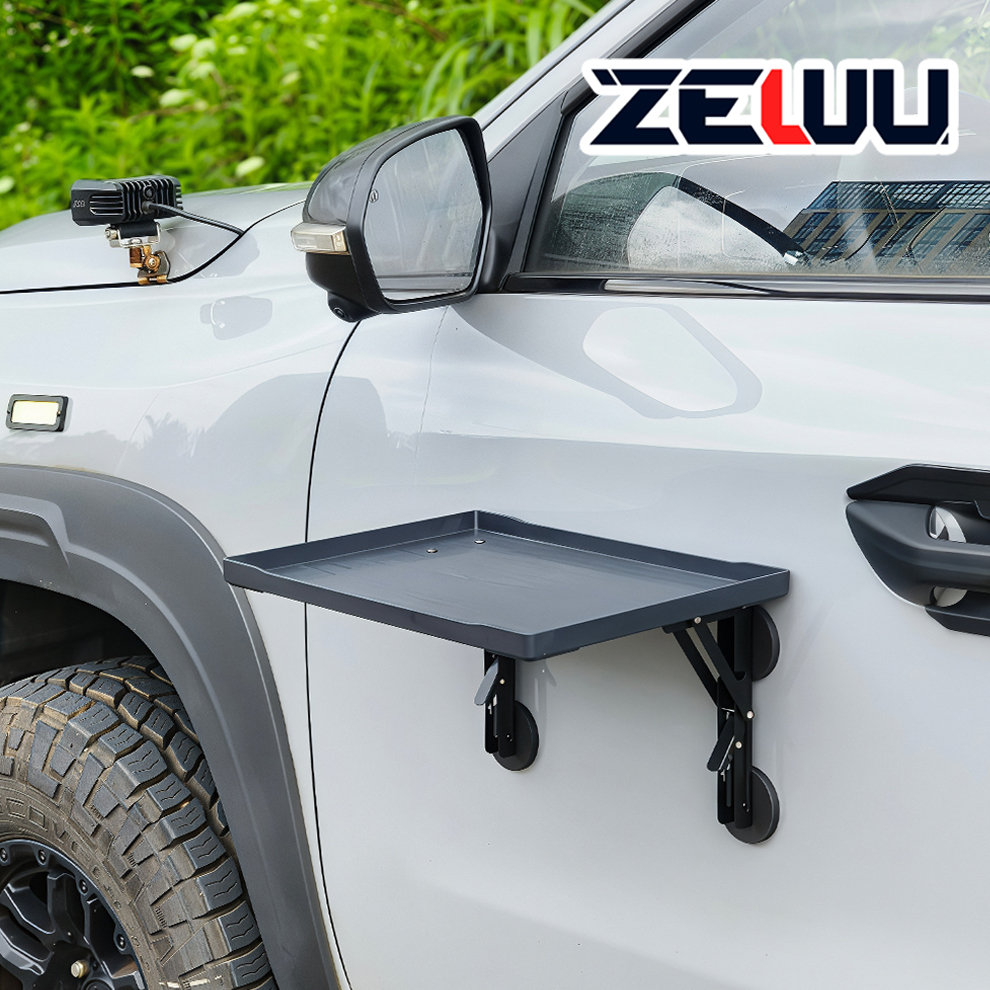
Vehicle organizers help secure a first aid kit, tools, and emergency supplies in a designated place in the cabin or trunk. During a drive, unsecured items can shift, mix together, or end up under a seat. An organized storage system makes it easier to check the kit and find the supplies you need.
The TacMed online store offers organizers for sun visors and headrests, rigid MOLLE panels, vehicle first aid pouches, Velcro panels, and modular medical systems. Some models are designed to hold medical bags, tourniquet pouches, flashlights, gloves, shears, and other equipment. The catalog includes products from TACMED, Anethum, and Zewu in different sizes and with different attachment options.
A vehicle cabin and trunk have many unused surfaces that can hold equipment. Headrests, seat backs, sun visors, and side panels can accommodate compatible attachment systems. The best location depends on the organizer’s size, the vehicle type, and what it will hold.
Keep the medical kit separate from tools, lubricants, fuel, and household items where possible. This reduces the risk of packaging damage and contamination of dressings. A designated location also helps another crew member or passenger find the first aid kit when given brief directions.
An organizer can be used in a personal vehicle, a volunteer group’s car, evacuation transport, a service vehicle, or a mobile aid station. A compact panel or first aid pouch is often sufficient for everyday trips. Vehicles used in demanding conditions need a roomier modular system that secures each component.
An organizer’s format determines the available space and which supplies it can hold. Compact panels suit a few small items, while larger systems can carry several pouches. A rigid base reduces flex under the weight of equipment. A textile pouch is convenient when the entire kit needs to be carried out of the vehicle.
The TacMed catalog offers several types of vehicle organizers:
Each type is designed for a specific load, size, and use. A sun visor panel can hold documents, markers, a small flashlight, or a lightweight pouch. Larger dressings, spare tourniquets, and tools are better placed on the back of a seat or in the trunk. Heavy items need multiple attachment points.
A vehicle first aid pouch combines fixed storage with portability. A Velcro system makes it possible to assemble a kit from separate functional modules. A rigid MOLLE panel is better suited to users who already have compatible pouches and plan to change their configuration.
A sun visor organizer is within easy reach from the front seat. The Zewu model available from TacMed measures 300 × 140 mm, has an ABS plastic base, and comes with mounting straps. Its rigid surface is suitable for lightweight gear with compatible attachments.
After installation, check the visor in both its folded and lowered positions. The organizer must not obstruct the road view, cover the mirror, or drop under the weight of its contents. Secure items so they cannot fall out during braking.
A headrest panel uses the space behind a seat. The Zewu model in the catalog measures 180 × 140 mm and has an ABS plastic base. It can hold compact compatible pouches and holders.
This option is convenient for second-row passengers or crew members. Access from the driver’s seat depends on seat positions and the user’s reach, so a panel behind the driver is not always suitable for supplies needed first. Before installation, check the headrest design and make sure the straps can be tightened securely.
A MOLLE panel makes it possible to arrange several pouches in a modular setup. One base can hold a medical module, tourniquet pouch, shears holder, flashlight, and other items. The layout can be changed to suit the crew’s tasks or the type of trip.
The Zewu vehicle organizer, measuring 430 × 330 × 5 mm, is made of ABS plastic and comes with mounting straps. Its larger surface can hold several compact modules. Before installation, compare the panel dimensions with the available surface in the cabin or trunk.
A modular setup requires balanced weight distribution. Place large, heavy items toward the lower part of the panel and near its attachment points. Lighter pouches can go higher. After assembly, check the system during a drive on an uneven road.
The MOLLE designation in a product name indicates that the item can hold compatible modular equipment. Check the product page for the actual opening format and the type of straps required. Some pouches attach with standard mounting straps, while others may need clips, elastic cord, or an additional adapter.
A Velcro panel serves as a base for bags and pouches with a compatible fastening surface. The modules attach with textile fasteners and can be quickly removed from the panel. This setup works well for medical kits organized by function.
TacMed offers basic Anethum panels 0.5 m wide and 0.5, 0.7, 1.05, or 1.4 m long. The 1.05 × 0.5 m panel is reinforced with plastic and, according to the manufacturer, holds three large and twelve small Velcro bags. Actual capacity after loading depends on pouch thickness and how the pouches are arranged.
Color-coded labels help sort equipment into groups. For example, separate modules can be assigned to bleeding control, dressings, burns, or tools. Labels should remain legible in working light.
The Anethum Rodeo medical organizer uses removable pouches attached to a Velcro panel. Its base is reinforced with plastic, and grommets are provided for fixed installation. This format is designed for medical evacuation, casevac, and stabilization points where a large kit needs to be divided into separate modules.
A first aid pouch suits drivers who need a separate portable kit. It can be secured in the vehicle and carried to an incident when needed. The handle, fasteners, and internal retainers should support the weight of the fully loaded pouch.
The large vehicle pouch available from TacMed measures 23 × 36.5 cm and is made of Cordura. The product description specifies Cordura 1000 fabric. This size can hold an expanded selection of medical supplies compared with a compact standard vehicle kit.
Outer dimensions do not indicate a pouch’s exact capacity. Before buying, compare them with the sizes of bandages, chest seals, tourniquets, and other components. An overfilled pouch is harder to close, and pressure on the contents can damage packaging.
For a ready-to-use option, consider vehicle first aid kits. An empty pouch allows you to assemble a kit for a driver, crew, or organization. Select medical products to match the users’ training level.
The contents depend on the vehicle type, trip duration, number of passengers, and the driver’s training. Keep the medical module separate from tools and emergency equipment. Assign each group a permanent place.
A medical organizer may hold dressings, tourniquets, gloves, trauma shears, a marker, a thermal blanket, and other first aid kit components. Assemble the set according to current requirements and the user’s skills. Replace products with damaged packaging.
A separate emergency module can hold a flashlight, reflective vest, work gloves, multitool, tape, and charging devices. Store heavy metal tools in a closed trunk compartment or a rigid container with secure attachments. This reduces the risk of items shifting during sudden braking.
Keep documents, keys, and electronics in dry, closed pockets. Lithium batteries and temperature-sensitive items require storage conditions specified by their manufacturers. A vehicle cabin can become very hot in summer and cold in winter.
First, choose an installation point and measure the available surface. Account for seat movement, seat belt operation, folding seat backs, and headrest position. Then list the items to be stored and estimate their combined weight. Compare model dimensions and construction after completing these steps.
Check the following when choosing:
After installation, load the organizer with the actual kit and test it while driving. The panel should not knock against cabin components or shift during turns. Straps may need to be retightened after the first trip. Secure heavy pouches with additional retainers where possible.
Also check the setup with the seats fully moved and folded. Make sure the organizer does not press on wiring, connectors, or adjustment mechanisms. In the trunk, keep access to the spare tire, emergency kit, and tools in mind. The configuration should allow you to remove the first aid kit without unloading all the luggage.
Any item in the cabin may shift during a collision or sudden braking. Secure the organizer and its contents with all provided attachments. Sharp, heavy, and fragile items need a closed pouch or rigid container.
The panel must not obstruct the view through the windshield, side windows, or rear window. It must also stay clear of the steering wheel, pedals, levers, seat belts, and seat mechanisms. Keep airbag deployment zones clear according to the vehicle manual.
For first aid supplies, balance accessibility with protection from accidental opening. Label the kit clearly and secure it so it can be removed deliberately. The pouch should not fall out when a door or the trunk lid is opened.
Vibration, dust, temperature changes, and regular vehicle use can affect the system. Straps may loosen over time, textile fasteners may collect dirt, and elastic retainers may lose tension. Periodic inspection helps identify these changes early. Check medical contents separately from the panel itself.
During a routine check:
Inspection frequency depends on use. Service, evacuation, and volunteer vehicles need more frequent checks due to regular loading. After an off-road trip, inspect the attachments and the position of every module. A cracked base or damaged straps require repair or replacement.
Clean plastic panels with products compatible with the specific material. Treat textile parts according to the manufacturer’s instructions and dry them fully. Remove medical supplies before cleaning the organizer to protect their packaging from moisture and cleaning agents. After reassembly, check the contents against the list again.
Overloading the panel is a frequent problem. A visor or headrest may shift, and straps may gradually loosen. Move heavy gear to the trunk instead.
Another mistake is mixing medical supplies, tools, and everyday items. This makes it harder to check that the kit is complete and can damage sterile packaging. Group items in separate labeled pouches.
Storing the first aid kit under luggage also makes it harder to access. Assign it a permanent place that stays clear after the vehicle is loaded. Everyone who regularly uses the vehicle should know where the medical kit is and how to remove it.
Keeping temperature-sensitive products in the cabin all year calls for temperature checks. Medical product instructions may specify a particular storage range. Move supplies that cannot tolerate vehicle conditions indoors.
The TacMed online store offers vehicle organizers, medical Velcro panels, and first aid pouches. The catalog includes compact visor and headrest models, rigid MOLLE panels, bases in different lengths, and modular systems for medical equipment.
You can also choose a vehicle first aid kit, medical pouch, tourniquets, dressings, thermal blankets, shears, and other components. Current dimensions, materials, contents, prices, and availability are listed on the product pages.
Orders can be delivered to Kyiv, Lviv, Odesa, Kharkiv, Dnipro, Zaporizhzhia, Vinnytsia, Poltava, Cherkasy, Zhytomyr, Chernihiv, Rivne, Lutsk, Ternopil, Ivano-Frankivsk, Uzhhorod, Chernivtsi, Khmelnytskyi, Kropyvnytskyi, Mykolaiv, Sumy, Kherson, and other cities across Ukraine.
FAQ
Which organizer suits a vehicle first aid kit?
A closed portable pouch or a Velcro panel with removable medical modules works well for a separate first aid kit. Choose the size after listing the supplies.
Where is the best place to put a medical organizer?
The first aid kit should remain accessible after the vehicle is loaded. A suitable location depends on the cabin design and may be behind a seat, on a side panel, or in a designated part of the trunk.
How does a MOLLE panel differ from a Velcro panel?
A MOLLE panel uses openings or attachment rows for mounting straps. Bags and pouches with a textile fastening surface attach to a Velcro panel.
Can an organizer be attached to a sun visor?
Yes, if the model’s size and weight suit the visor structure. After installation, check the road view, mirror position, and whether the items are securely held.
What can be stored on a headrest panel?
A compact panel can hold a lightweight medical pouch, flashlight, gloves, or another small module. The total weight should not overload the headrest attachment.
Are mounting straps included?
Contents depend on the model. TacMed’s descriptions list included straps for the Zewu visor and headrest organizers and the large vehicle panel.
Can medical supplies be left in a vehicle in winter and summer?
Storage depends on the temperature range specified for each product. A vehicle cabin may exceed the limits in the instructions, so inspect medical supplies regularly.
How often should a vehicle organizer be checked?
Frequency depends on trip frequency and operating conditions. After an off-road drive, long trip, or use of the kit, inspect the attachments, panel, and contents.
Where can I buy a vehicle organizer in Ukraine?
Vehicle MOLLE organizers, Velcro panels, and medical pouches are available from TacMed. Product pages list current specifications, prices, and availability.
